The fundamental premise of wuxia games is permanent mastery: you train, you learn techniques, and your character grows in power. OMFG: The Fate of Mortals from Korean solo developer Cheolmyobang inverts this at the genre’s foundation. There is no permanent martial arts learning. Every technique is borrowed from a pill you prepared before you entered the field. The pill’s effect lasts until it doesn’t. Then you have whatever you brought and nothing more.
A sword technique pill makes you a swordsman. A staff technique pill makes you a staff wielder. Drinking enough alcohol apparently teaches you drunken fist — which is both historically grounded as a martial arts tradition and an example of the game’s willingness to take the pill-as-power-source mechanic to its logical and slightly absurd conclusions.
The Steam page and trailer went live on August 23. The demo is targeted for H1 2027 and the full release for 2028. Bahamut, Taiwan’s major game media platform, picked up the announcement alongside Korean domestic coverage.
The Design Inversion
Wuxia as a genre tradition — in literature, film, and games — is built around cultivation: the hero who starts weak, trains, experiences setbacks, transcends them, and gradually becomes more powerful through accumulated mastery. The power is the hero’s, earned and permanent.
OMFG: The Fate of Mortals removes the accumulation. The protagonist isn’t building martial arts mastery; they’re a physician who understands herbs and how to process them into pills. The martial arts in those pills belong to whoever developed them originally — practitioners whose techniques can be distilled and ingested temporarily. The protagonist borrows power rather than earning it.
This inversion creates a different strategic relationship with the game’s systems. In standard wuxia games, the question before a fight is “what can I do?” — determined by your accumulated techniques. In OMFG, the question is “what did I prepare?” — determined by your pre-expedition pill selection. The same character, with different pills, fights completely differently. The game’s strategic depth front-loads preparation rather than execution.
The extraction genre applies naturally here. Extraction games are defined by resource scarcity, risk-reward decisions about how long to stay in the danger zone, and the permanent loss of what you’re carrying if you die before escaping. The pre-extraction pill selection — which techniques do I bring, at what cost in preparation time and materials — is the extraction genre’s inventory-loading decision applied to combat capability rather than equipment. Do you take the sword technique pill that’s reliable but heavy on your pill weight, or the lighter acrobatics pill that opens different options? The decision is made before you enter; you live with it until you exit or die.
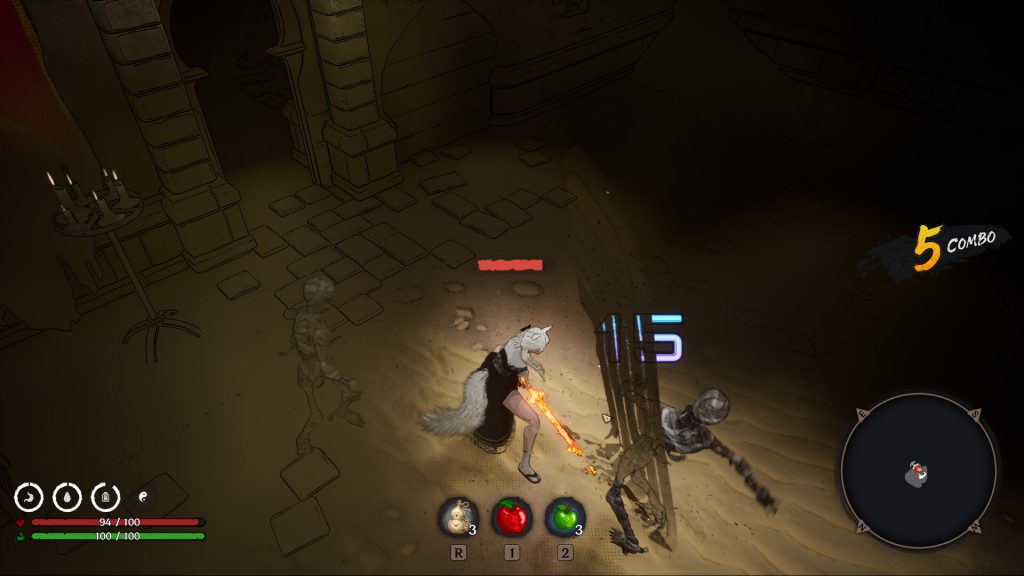
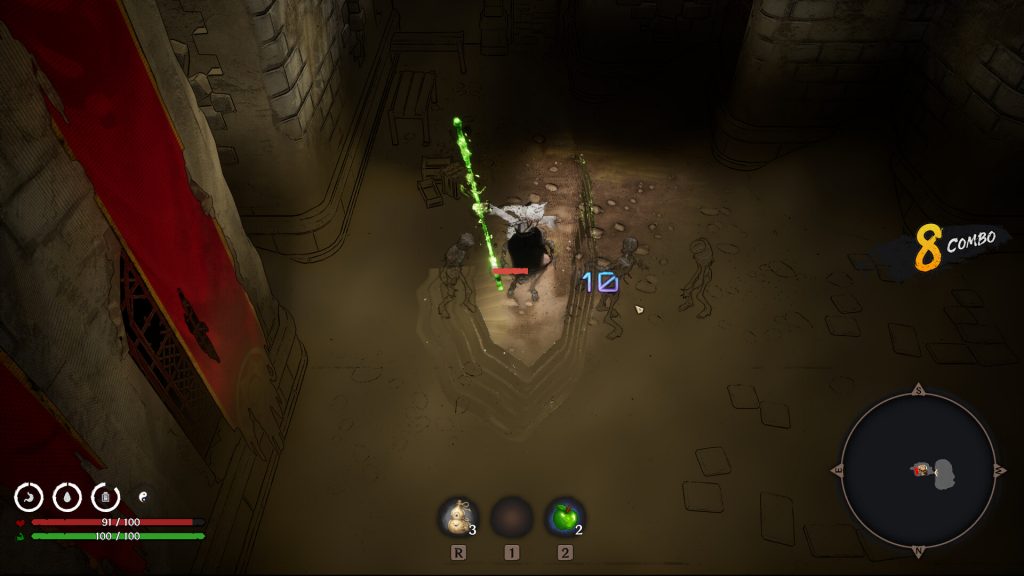
The Mythological Setting
The primordial era setting — before martial arts had named schools, before techniques had codified forms, before the legendary figures whose practices would become traditions had made their marks — is the setting that makes the pill-borrowing mechanic mythologically coherent.
Shennong (神農, Divine Farmer) — the mythological figure who tasted hundreds of plants to document their properties, sometimes multiple times per day according to the legend — is the tradition the protagonist is entering as an ordinary physician. Shennong’s practice was the original version of what OMFG‘s protagonist does: using the body as an instrument for discovering what herbs can do. The game’s protagonist is continuing this tradition in a world where the techniques of early fighters — mimicking animal movements, developing first principles of what works — can apparently be crystallized and transmitted through plant-based preparation.
The “before-named martial arts” framing gives the setting a specific texture that other wuxia games don’t occupy. Most wuxia games are set in periods with established schools, named techniques, and martial arts hierarchies. OMFG is set in the void before any of that existed, where the techniques have no names because no one has written them down yet, and where the protagonist’s physician background isn’t a disadvantage but the specific expertise that makes the pill system possible.
The Village-to-Field Loop
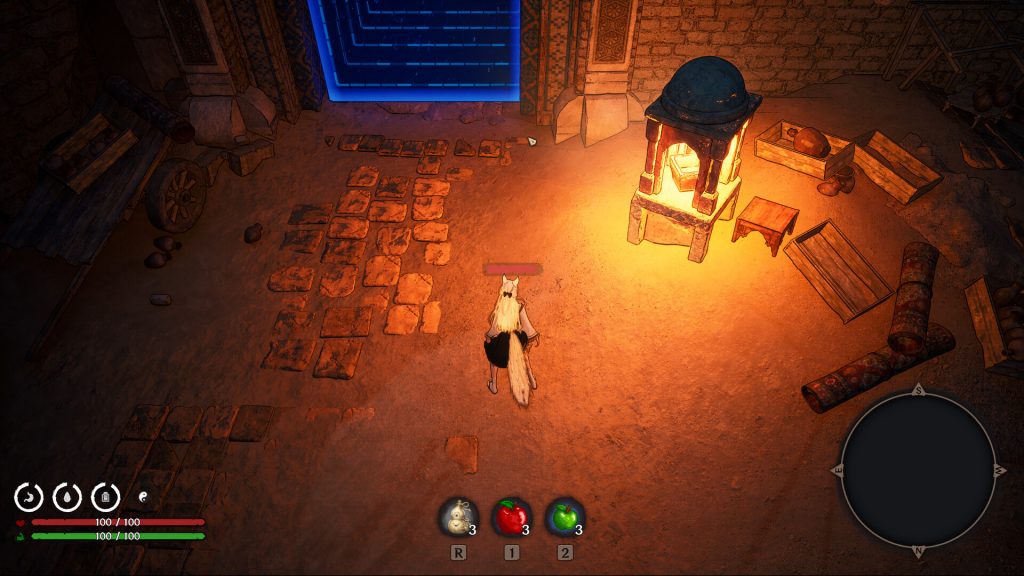
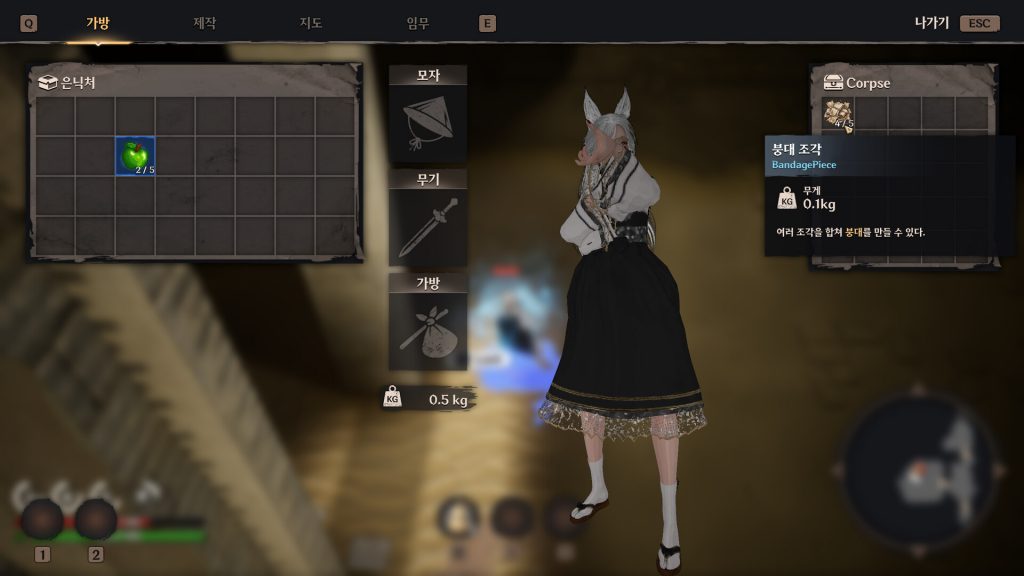
Between expeditions, the base village provides the preparation infrastructure. Crafting stations for pill production, storage expansion, recovery item crafting, and the essential pill-aging process — some pills presumably require preparation time before they’re effective — create the between-run management layer that gives the extraction loop continuity beyond individual sessions.
The resource flow is bidirectional: field expeditions provide herbs and materials that the village converts into pills and equipment for subsequent expeditions; village preparation determines what capabilities are available in the field. This is the survival game’s dual-phase structure applied to the wuxia extraction context — the town and the wilderness informing each other in the way that Doloc Town (covered earlier this month) uses its day-night farm and dungeon structure.
The herb sourcing dimension adds an additional strategic layer to the field expeditions. Players aren’t only surviving and extracting valuables — they’re gathering the specific botanical materials that the next pill preparation requires. Which herbs are in which zones, which pill effects require which herbs, and how to balance combat survival with botanist-style gathering create the expedition planning puzzle that gives the system depth beyond straightforward difficulty management.
Who This Is For
Strong fit for: extraction game fans who want wuxia action aesthetics applied to the genre; wuxia enthusiasts who find the cultivation power fantasy less interesting than the preparation and resource management dimension; players interested in Chinese mythological settings at the origin of traditions rather than within established schools; Korean indie game supporters who want to follow a solo developer’s long-form project from announcement through the 2028 release; Bahamut readers who followed the Taiwan coverage.
Cautious fit for: players who want the wuxia cultivation arc of growing permanently more powerful rather than relying on preparation; anyone who needs a demo before committing attention (H1 2027 is the target); players who want PvP alongside the PvE extraction structure.
Less ideal for: players who dislike extraction mechanics; anyone wanting multiplayer cooperative extraction; players who need a 2026 release rather than the 2028 timeline.
The Takeaway
OMFG: The Fate of Mortals is a Korean solo developer’s long-form extraction project built around a specific design inversion: in a genre about accumulated martial arts mastery, the protagonist is a physician who borrows power from pills rather than earning it through practice. The primordial setting — before named techniques, before established schools — makes this mythologically coherent through the Shennong tradition. The extraction structure applies naturally to the pre-expedition preparation decision that determines what capability the player brings into the field.
Demo in H1 2027. Full release in 2028. Steam page is live now.
The herb is gathered. The pill is prepared. The technique is someone else’s, borrowed until the effect fades. What you do with it before it does is the game.
Information related to ‘Yakseonjeonki: Myeoljido’
| item | detail |
|---|---|
| Developer | Cheolmyobang (South Korea, Solo Developed) |
| Publisher | Iron cat room |
| Genre | PvE Extraction, Action, Martial Arts |
| platform | PC (Steam) |
| personnel | Single player |
| Release date | Demo scheduled for first half of 2027 / Full release scheduled for 2028 |
| price | Undecided |
| language | Korean, English, Chinese (Simplified · Traditional) |
| Reactions/Evaluations | No official user reviews immediately after the Steam page launch. Continued interest from domestic and international media. |
| Steam Page | Shortcut |