Social deduction games have a hard structural requirement built into the genre name: you need other people to deceive and be deceived by. Dupery removes that requirement entirely and asks whether the genre’s actual pleasure — comparing statements, spotting the lie buried in a contradiction, assembling a case from partial and unreliable information — survives the transition to a single player working against a procedurally generated cast who were never real people to begin with. Gilded Rune Games has set October 15 as the answer’s release date.
The Detective Loop
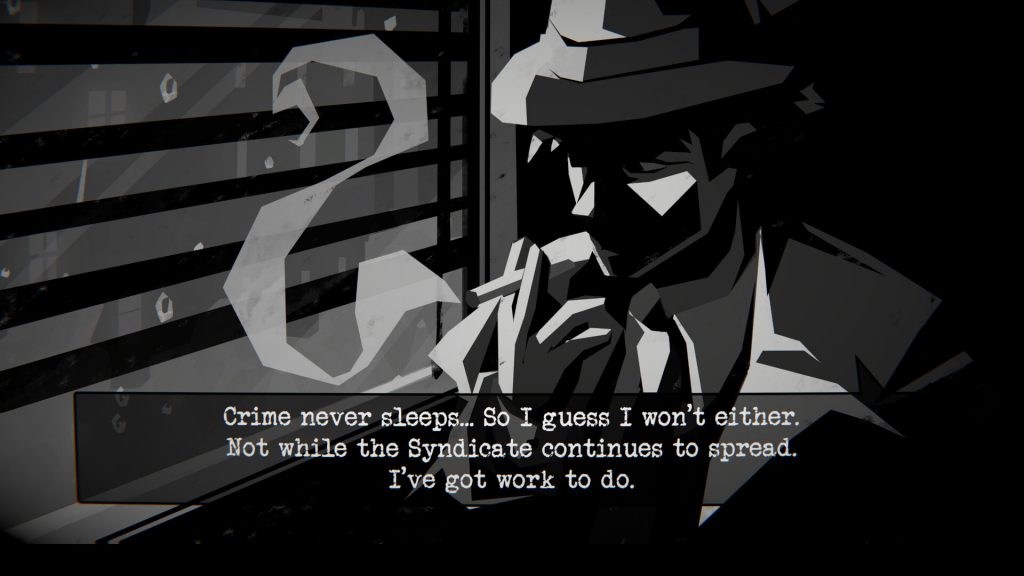
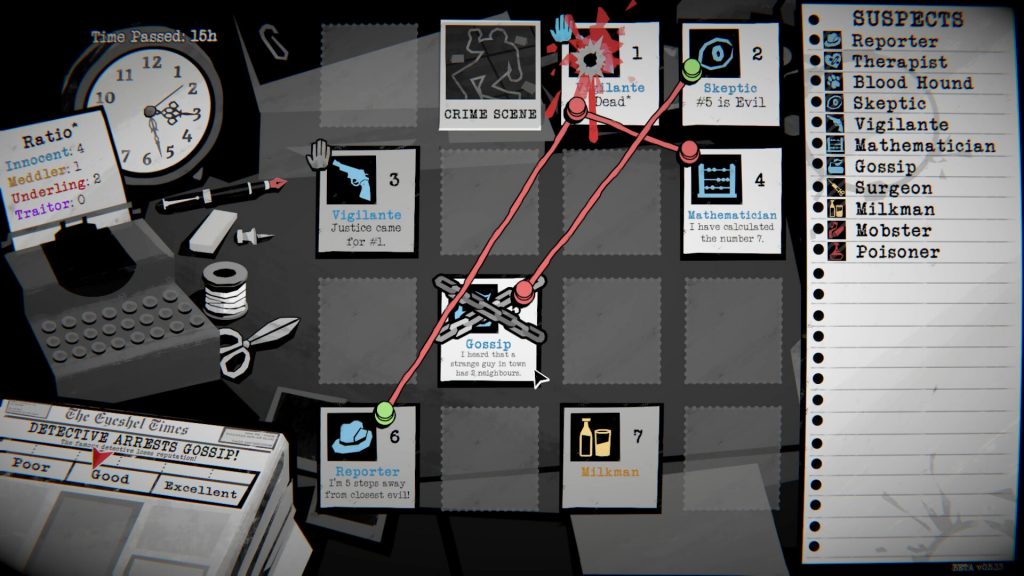
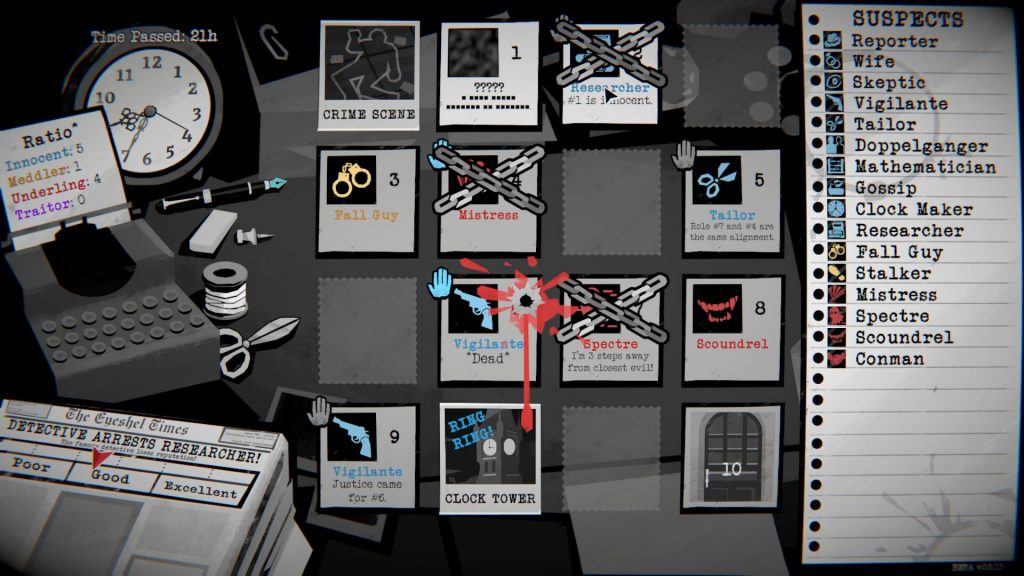
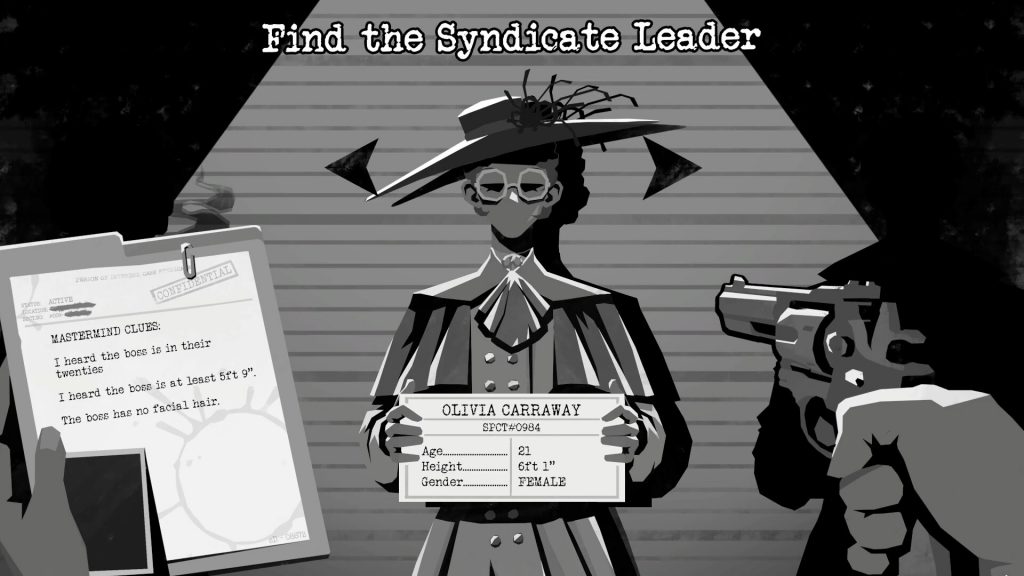
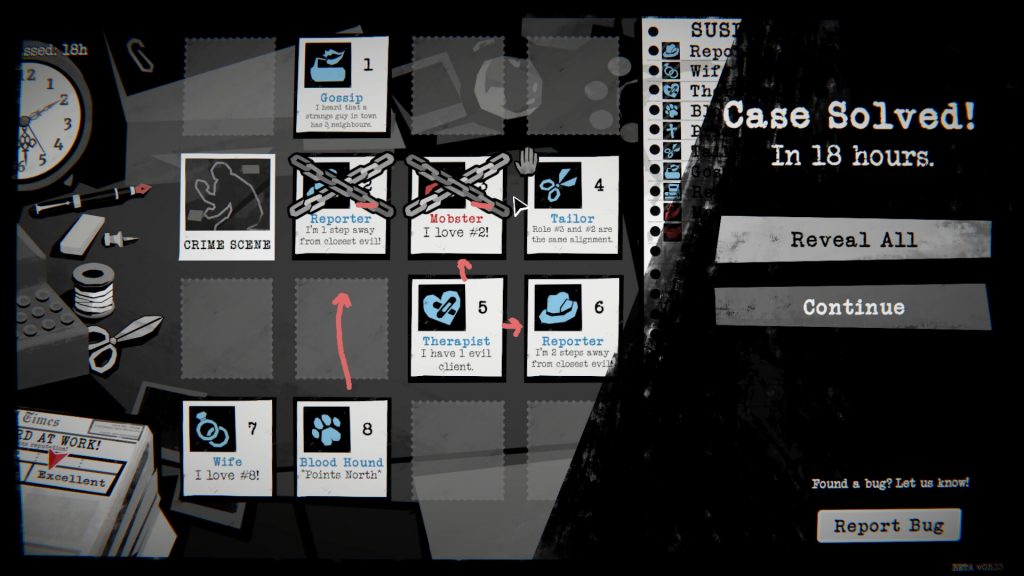
Players work in a noir-styled city as detectives pursuing an unidentified criminal organization, solving grid-based, procedurally generated cases one at a time. Every suspect in a case offers a statement; only a small number are telling the truth. The job is comparing those statements against each other, finding the fatal contradiction, and using it to identify who’s actually guilty.
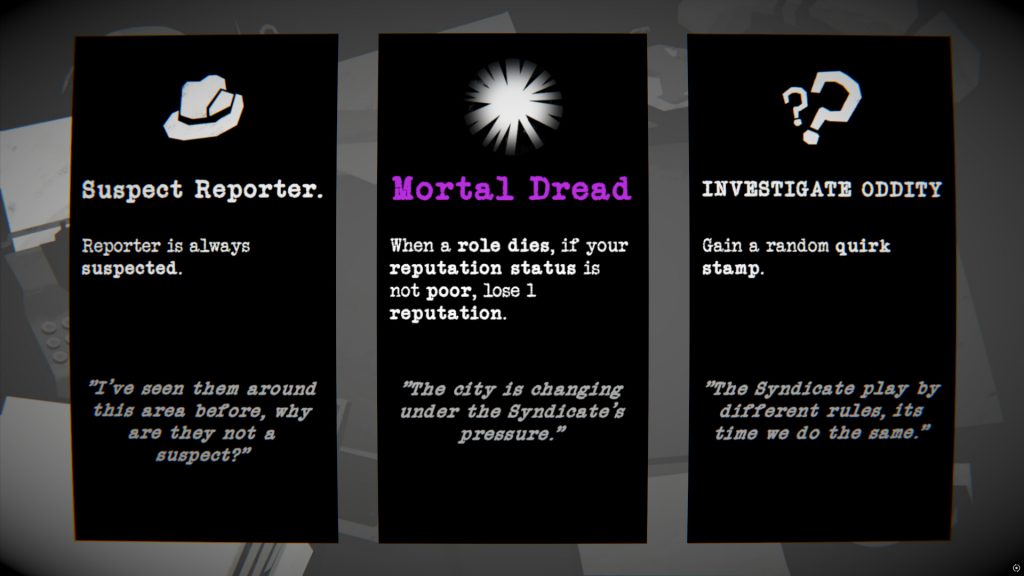
The 200+ handcrafted roles — Innocent, Meddler, Underling, Traitor, and others — are the mechanism that keeps a single-player deduction game from becoming solvable through pattern memorization. The same case skeleton produces a different investigation depending on which roles get assigned to which suspects, which means the deductive process has to be rebuilt each time rather than executed from memory.
The investigation toolkit — string, pins, and notes that let players physically map relationships between the criminal organization and its members — is both the game’s central mechanic and its visual signature. This is the tactile “conspiracy board” aesthetic made interactive rather than decorative: the player is building the web of connections themselves, which is where the deduction actually happens rather than in a separate menu screen.
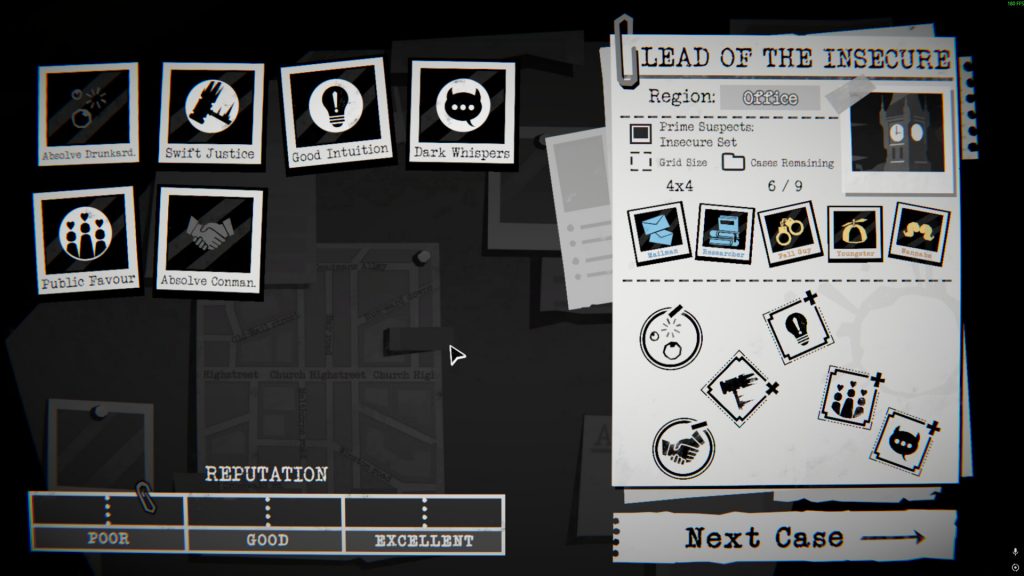
A reputation meter to manage during arrests, three regions each with distinct mechanical rules, and a mission-to-mission choice of roles, traits, and modifiers round out the roguelite structure — the systems that give repeated play genuine variation rather than repetition of the same solved puzzle.
The Genre Reinvention
What makes Dupery worth attention rather than just another indie deduction game is the specific problem it’s solving. Traditional social deduction (Werewolf, Among Us, Town of Salem) depends on reading real human behavior — hesitation, overcorrection, the specific texture of someone lying under social pressure. That’s unavailable to a single-player game by definition. Dupery‘s answer is to relocate the deduction from behavioral reading to structural analysis: the lies exist as logical contradictions in a web of statements, discoverable through careful comparison rather than social intuition.
This is a legitimate substitution rather than a compromise, because it draws on a different but equally real pleasure — the Papers, Please and Return of the Obra Dinn tradition of finding truth through document and testimony cross-referencing rather than social reading. Developer Matthew Brebner’s own framing supports this: the goal is to feel like an actual detective without the tedious paperwork — cutting straight to the satisfying part of investigation work.
The Tiny Teams Trajectory
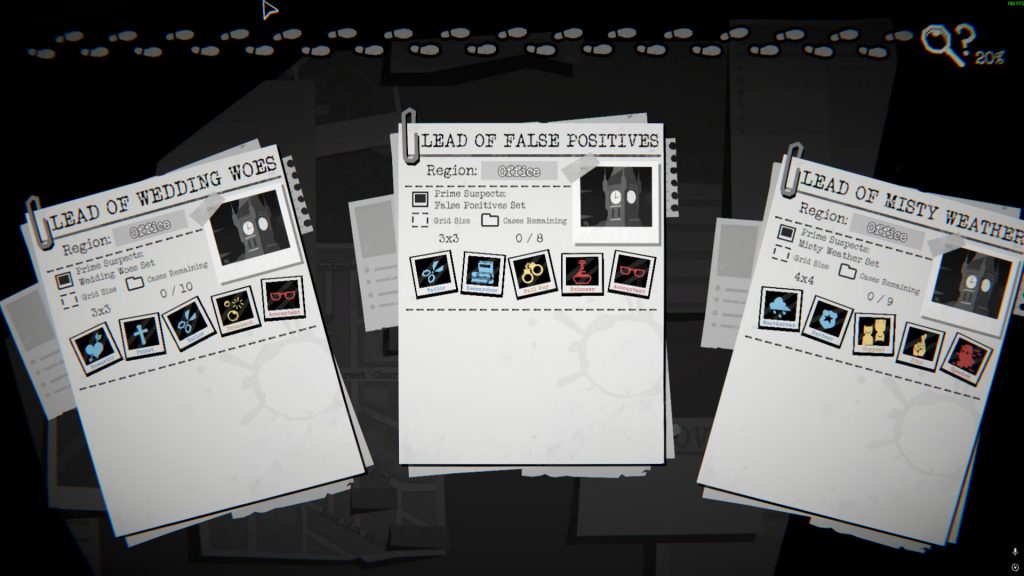
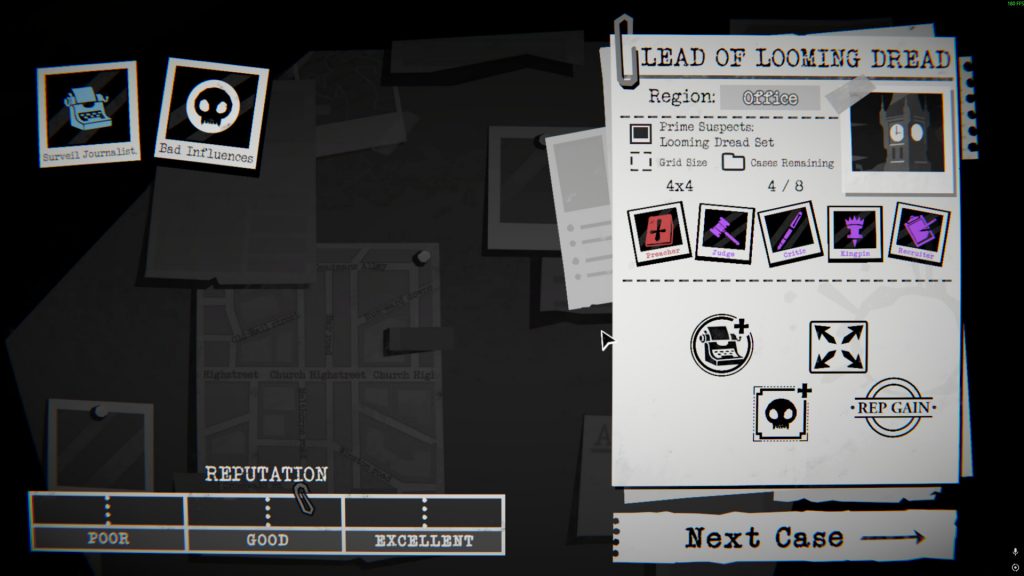
Dupery was first revealed in May 2026 and has been sustaining press attention continuously since, culminating in a featured demo slot at Yogscast Games’ Tiny Teams festival — an event specifically built to showcase small and solo development teams. The demo itself kept evolving throughout the festival window: a new rotating role category called the “Scandal Set” was added, and the case-selection system was overhauled into a new “Leads” mechanic.
Yogscast Games’ own newsletter reportedly introduced the game with a “wait, a team this small made this?” framing — publisher enthusiasm for a project whose scope reads larger than its three-person team size would suggest. That the developers have committed to keeping the demo publicly available and continuously updated all the way through to the October 15 launch, rather than pulling it down after the festival, is a specific confidence signal: they’re inviting ongoing scrutiny rather than managing a single moment of positive impression.
The 1,300+-member Discord community built entirely from a May reveal and festival demo exposure — with no full release yet — indicates the concept is generating sustained rather than momentary interest.
The Yogscast Games Publishing Fit
Yogscast Games, founded in 2017, has built a specific publishing identity around distinctive small-team games with strong mechanical hooks — PlateUp!‘s 3 million-plus copies and Dungeons & Degenerate Gamblers‘ million-dollar-plus first month are the commercial proof points. The Tiny Teams festival that Yogscast runs specifically for solo and small-team developers is both marketing infrastructure and a genuine talent pipeline; Dupery graduating from that festival’s demo slot to a confirmed publishing deal and release date is the pipeline working as designed.
Who This Is For
Strong fit for: social deduction fans who want the genre’s core deductive pleasure without needing to organize a group; Return of the Obra Dinn and Papers, Please players who enjoy structural truth-finding through cross-referenced testimony; roguelite fans who want a detective/mystery genre expression of run-based replayability; noir aesthetic enthusiasts; players who followed the Tiny Teams demo and want the expanded full release.
Cautious fit for: players who specifically want the social-reading, bluffing-against-real-people core of traditional social deduction (which this game cannot replicate by design); anyone who wants a large, established studio’s production values rather than a 3-person team’s scope; players who need full reviews before purchasing.
Less ideal for: players who dislike deduction/investigation game structures; anyone seeking multiplayer options (this is explicitly solo); players wanting action mechanics over careful analytical play.
The Takeaway
Dupery: A Game of Solo Deduction is Gilded Rune Games’ answer to a genuine design question: what survives when you strip the “social” out of social deduction and rebuild it as single-player structural analysis. The 200+ handcrafted roles, the string-and-pin investigation board, and the roguelite mission structure are the concrete systems built around that answer, and a 1,300-member Discord community formed from a May reveal and one festival demo suggests the answer is landing with players before the game has even launched.
The demo stays live and updated all the way to October 15. The suspects are lying. Most of them, anyway. The string is on the board, and the contradiction is somewhere in what they’ve already told you.
October 15, Steam. Publisher: Yogscast Games.
Information regarding ‘Dupery: A Game of Solo Deduction’
| item | detail |
|---|---|
| Developer | Gilded Rune Games (Bristol, UK, 3-person studio) |
| Publisher | Yogscast Games |
| Genre | Single-player social deduction, roguelite, mystery |
| platform | PC (Steam) |
| Release date | October 15, 2026 |
| Content | Over 200 handcrafted roles, 3 regions, procedurally generated events |
| Reactions/Evaluations | Tiny Teams Festival Demo Gains Buzz, Positive Reviews from Media Outlets Including Yogscast Games |
| Steam Page | Shortcut |