Twenty-four islands. Zero procedural generation. Over 1,000 individual hand-drawn animation frames for a single character. Pequi Studios’ Mayday: The Survival Island sets its release date at PAX West with a specific creative bet: that in a genre defined almost entirely by algorithmically generated worlds, an entirely handcrafted open world is worth the labor it costs.
The Handmade World
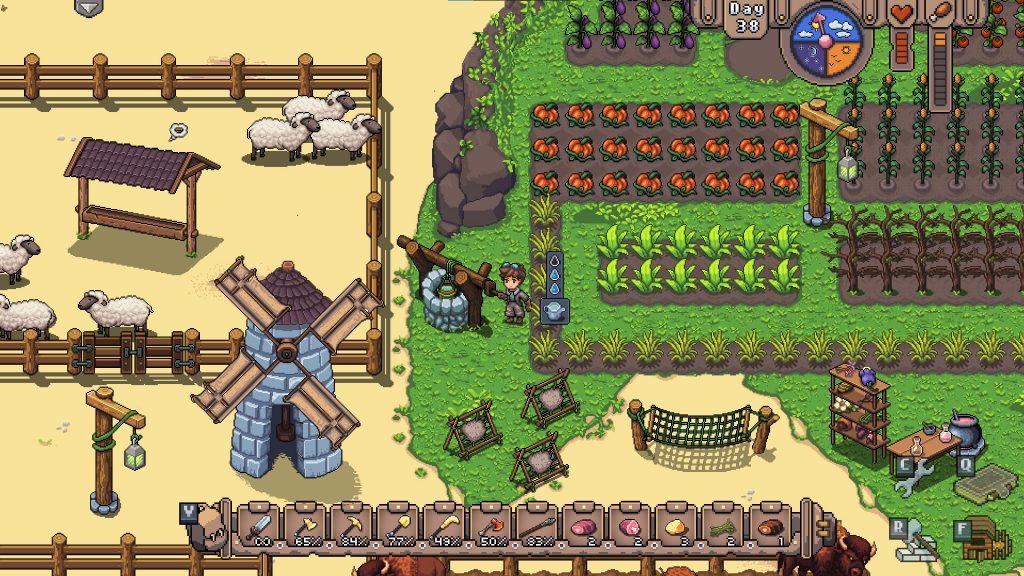
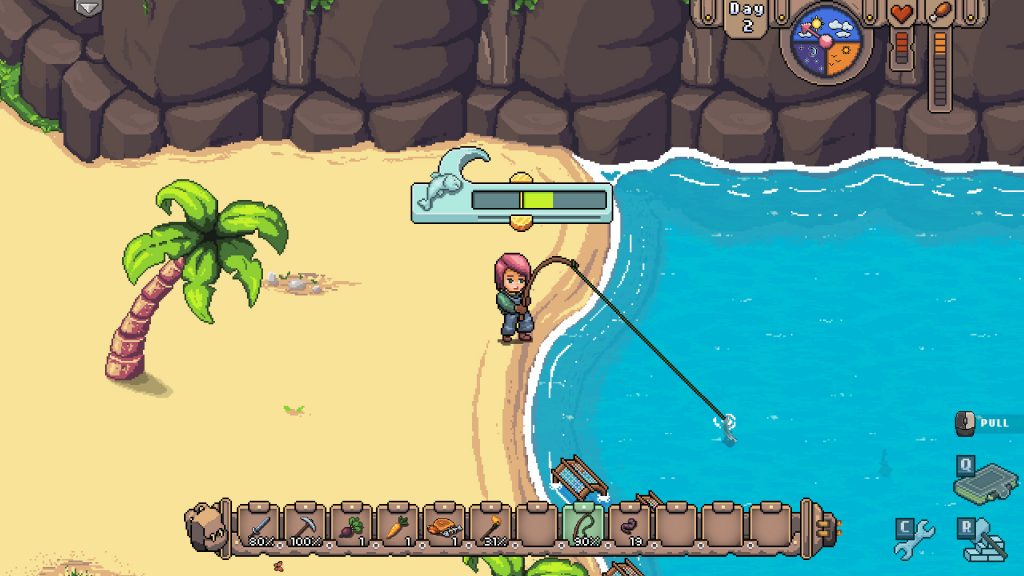
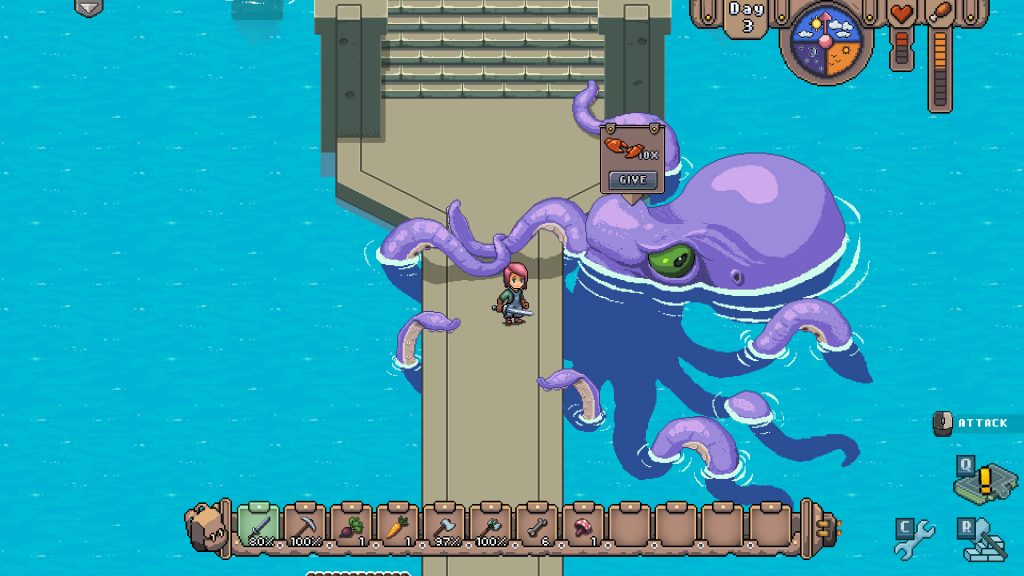
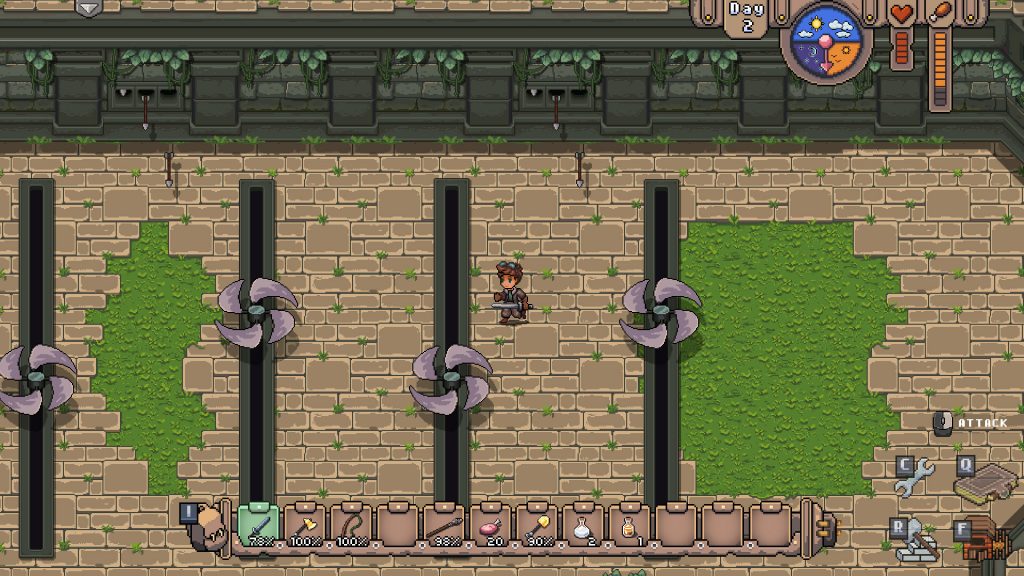
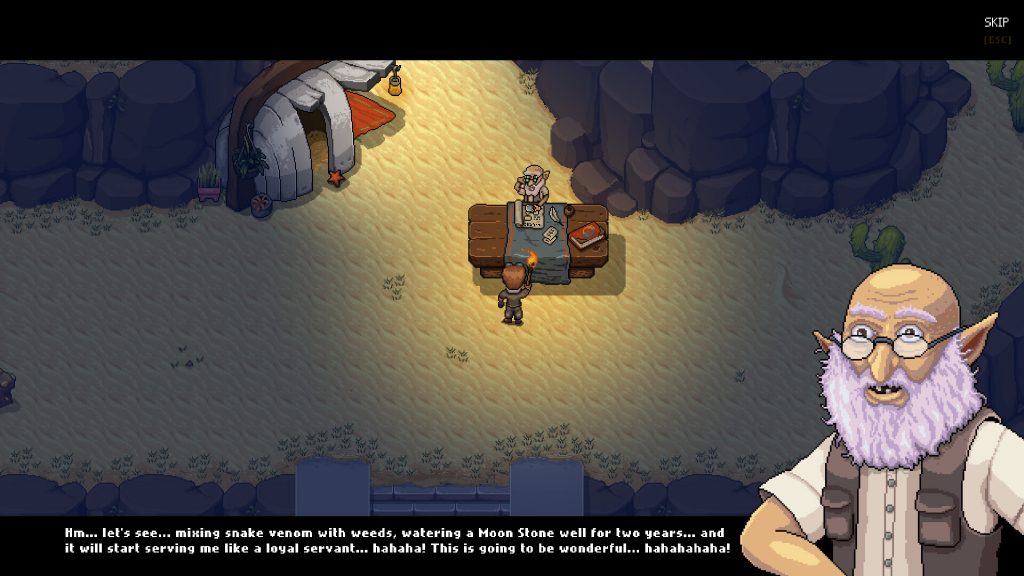
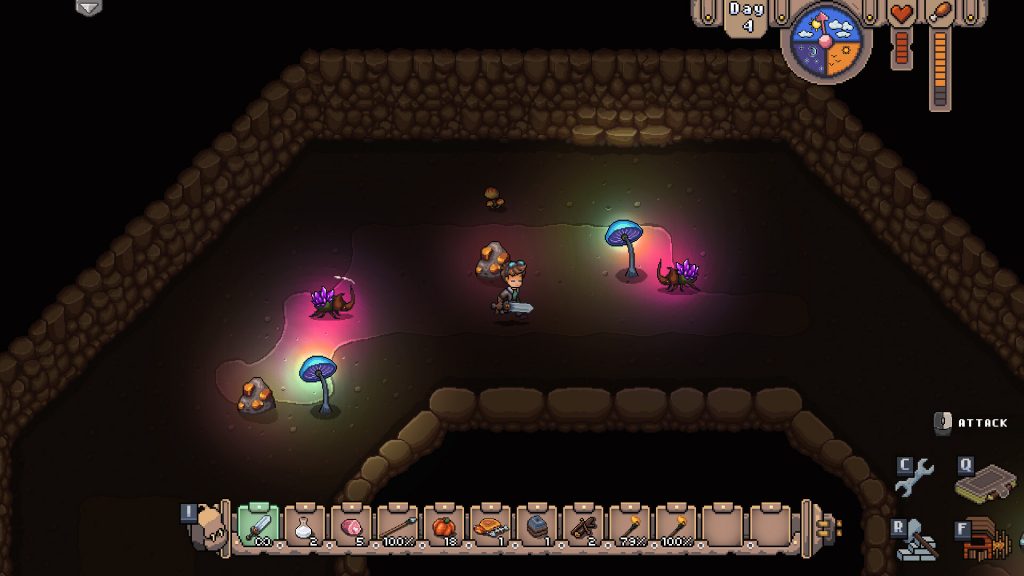
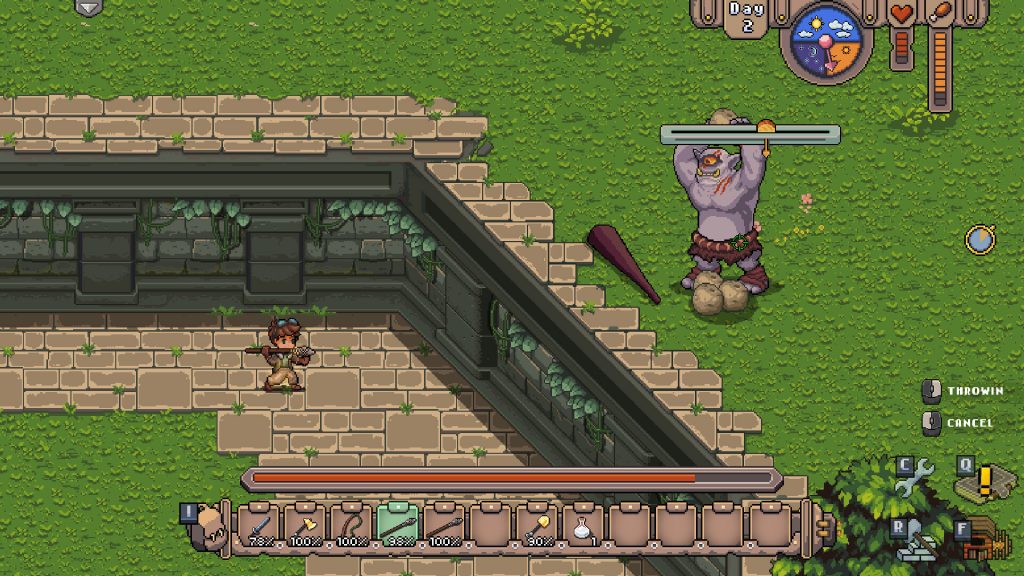
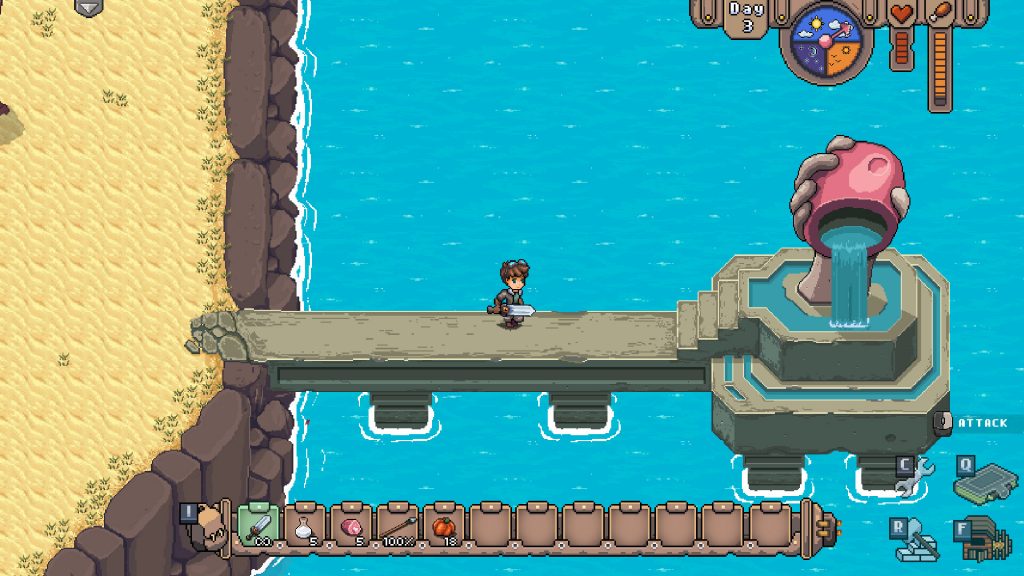
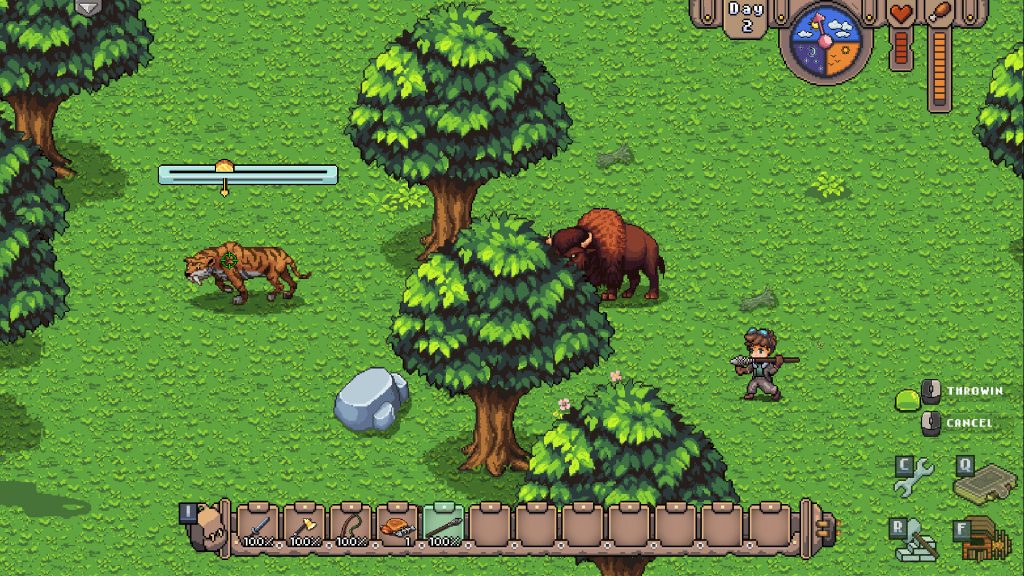
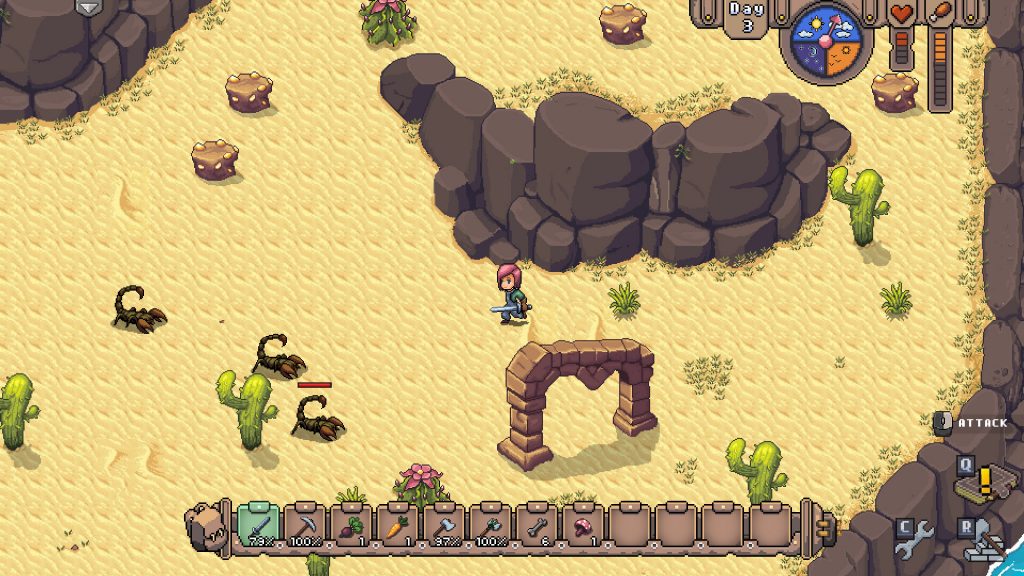
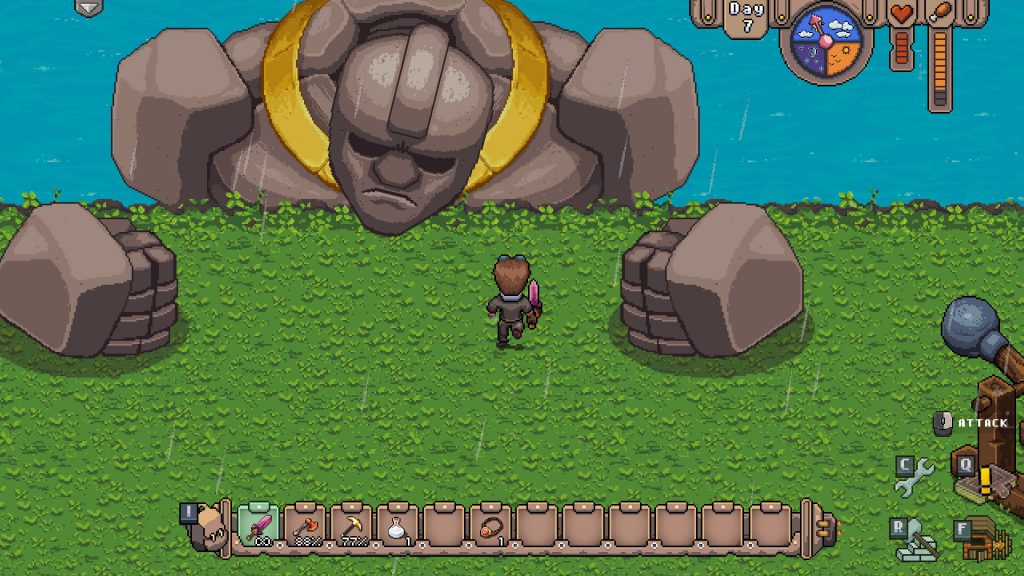
Where most open-world survival games rely on procedural generation to produce scale, Mayday inverts the equation entirely: all 24 islands were individually designed by the development team, each with hand-drawn top-down pixel art and deliberately placed environmental detail meant to support the player’s specific pacing of growth and exploration. The same commitment extends to character animation — over 1,000 individually crafted frames went into the protagonist alone, a scale of manual animation work that a three-person team choosing this approach signals as a genuine studio priority rather than an afterthought.
The randomization that does exist is scoped narrowly and intentionally: resource distribution and specific island arrangement vary between playthroughs, so a handcrafted world still produces different situations and challenges run to run — the team’s answer to procedural generation’s replayability advantage without surrendering the authored specificity that hand-design provides.
The Interconnected Survival Systems
The genre fundamentals are present — gathering, crafting, farming, cooking, exploration, combat — but Mayday‘s specific design interest is in systems that don’t operate in isolation. Processing gathered resources into potions, taming sheep into herds, bringing wild buffalo back to a farm: these aren’t separate minigames bolted onto a survival core, but interconnected mechanics where one discovery unlocks a new survival method that in turn opens new exploration possibilities. The design intent is a chain reaction rather than a checklist — each system feeding the next rather than sitting adjacent to it.
The Narrative Layer
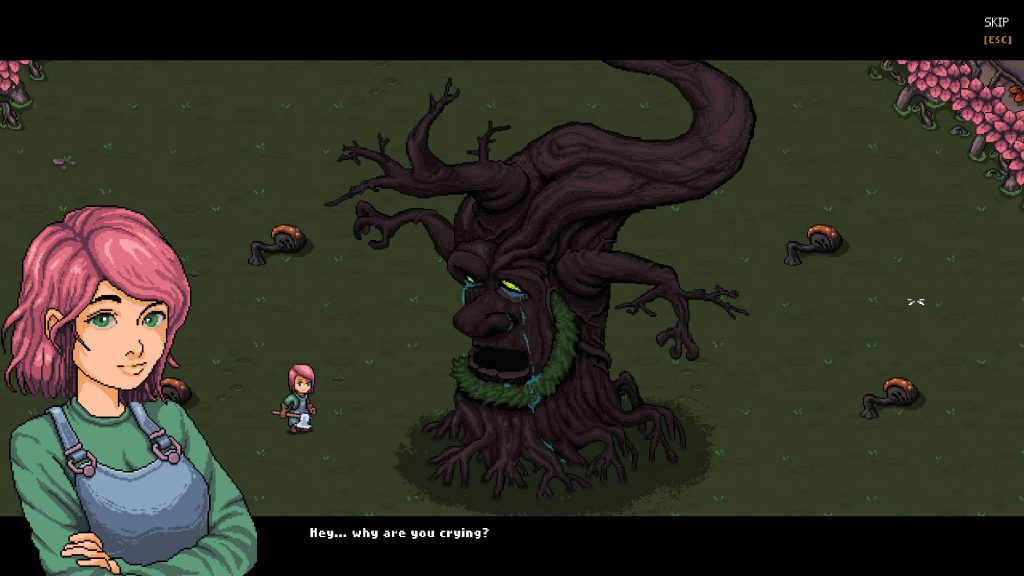
Scattered across the islands alongside survival resources are secrets and story fragments that gradually reveal why the protagonist crashed and what actually happened. Deeper exploration unlocks new regions with escalating danger, tied directly to proximity to the truth — the survival loop and the mystery investigation share the same spatial logic rather than running on separate tracks.
Artist and narrative designer Daniel Siqueira described the achievement he’s most proud of: how gameplay and story interweave, with players themselves choosing when and where to advance the narrative rather than the game imposing pacing on them.
The Cerrado Studio Identity
Pequi Studios takes its name from the pequi fruit, a signature product of Brazil’s Cerrado region, where the Goiânia-based three-person team is located. Beyond development, the studio has actively supported its local game development ecosystem — running playtests with SESI Goiânia students to give aspiring developers direct exposure to how a commercial game gets built and tested.
That regional attachment runs through the game itself: the team has embedded homages to the pop culture they grew up with throughout the islands, and hidden character models based on the developers themselves are scattered through the world.
From 2017 Solo Project to PAX West Reveal
Pequi Studios began as a small solo project in 2017 and has built its capability gradually since. Mayday: The Survival Island is the studio’s bid to combine a fully hand-authored pixel art world, interconnected survival systems, and a narrative layer that rewards deep exploration into a single global-market release — carrying, as the studio frames it, the specific philosophy and personality that a small, committed team brings to indie development.
Who This Is For
Strong fit for: survival game players specifically fatigued by procedural generation who want a handcrafted world instead; pixel art enthusiasts who appreciate visible investment in hand-drawn animation and environmental detail; players who want survival systems that meaningfully interlock rather than sit as separate menus; anyone drawn to narrative mystery embedded directly in survival exploration rather than delivered through cutscenes.
Cautious fit for: players who specifically value the infinite variety procedural generation provides over authored world design; anyone who needs Portuguese or English to not be the only supported languages; players wanting multiplayer or co-op (single-player only).
Less ideal for: players who dislike survival crafting mechanics regardless of world design philosophy; anyone seeking large-scale procedurally infinite worlds; players wanting combat-forward rather than exploration-and-systems-forward design.
The Takeaway
Mayday: The Survival Island is a three-person Brazilian studio’s argument that a survival game world built entirely by hand — 24 authored islands, 1,000+ animation frames for one character, interlocking systems designed rather than randomized — can compete with the genre’s dominant procedural approach on its own terms. The narrative fragments woven through exploration, the regional identity embedded throughout, and a development path stretching back to a 2017 solo project all point toward a studio treating this release as the culmination of years of accumulated craft.
Demo available now on Steam. indie.io booth #316 at PAX West through September 7. November 2 for the full release.
Information regarding ‘Mayday: The Survival Island’
| item | detail |
|---|---|
| Developer | Pequi Studios |
| Publisher | indie.io |
| Genre | Open world survival, adventure |
| platform | PC (Windows) |
| Release date | November 2, 2026 |
| language | English, Portuguese (Brazil) |
| Steam Page | Shortcut |