Team Tapas has 14 million cumulative mobile downloads across Drifting Girls and Hero’s Restaurant. Garden of Witches is their first PC title and their first action game — a meaningful departure from the casual mobile games they’re known for, and a 15-month development commitment that took the studio from a May 2025 Early Access launch to a fully completed 1.0 on August 28.
The studio’s approach to the Early Access period is the story of this release: the original combat system, which earned Overwhelmingly Positive ratings at launch, has been completely replaced. Not adjusted. Replaced. The synergy system that players praised in June 2025 is gone; in its place is a weapon-and-sigil architecture where each weapon has unique critical hit rules, and each sigil changes how skills fundamentally operate rather than modifying their numbers.
This is a confident development decision that most studios don’t make.
The World and Its Characters
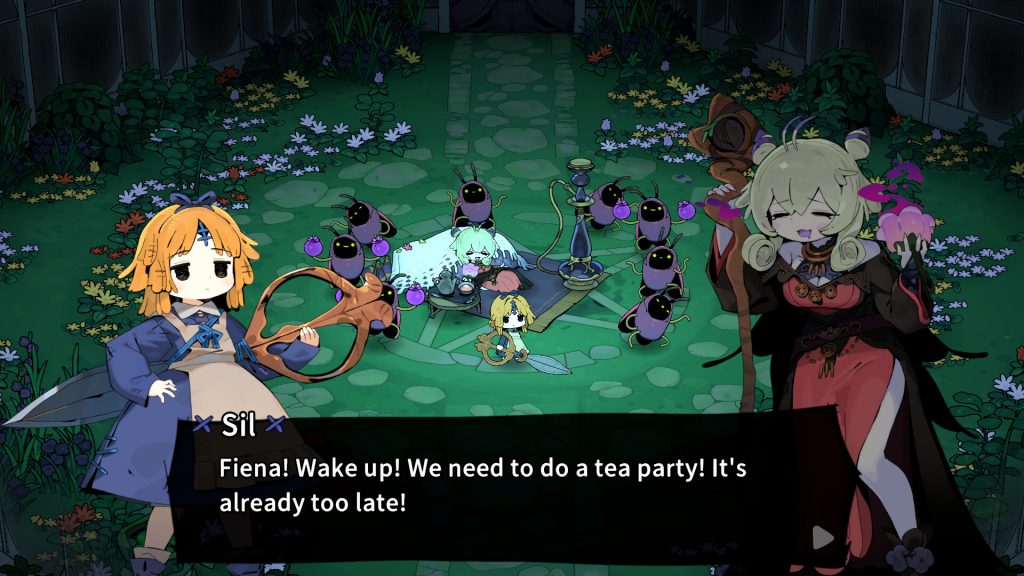
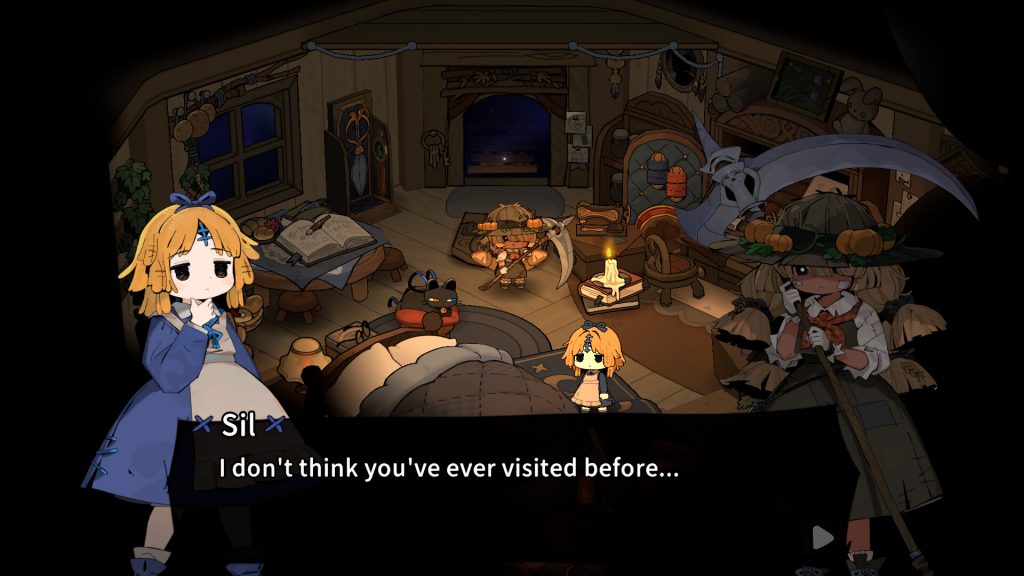
The premise is a fairy tale under pressure: the Garden, a realm sustained by a tea party of witches, is collapsing. Sil — the game’s protagonist witch — must convince her lazy, irresponsible colleagues to return to the gathering before everything falls apart. The “lazy divine beings who need persuading to save the world” narrative framing has specific comedic potential that Team Tapas’ character design tradition knows how to exploit.
The dark fantasy aesthetic that coexists with the cuteness is the tonal balance Team Tapas has developed across their mobile work: the art is charming, the world is genuinely troubled, and the characters are appealing in ways that make the stakes feel real despite the whimsical framing. The expansion of witch-to-witch interaction dialogue in the 1.0 — new lines added across all supported languages alongside the new Japanese voice acting — extends this character dimension.
The Japanese voice cast for Chapters 1–5 is a significant production investment for a Korean indie PC debut. It signals both Japanese market ambition and confidence that the game’s character appeal is strong enough to justify the localization expenditure.
The Combat Overhaul
The Early Access feedback identified three problems: builds converging toward similar optimal patterns, content volume insufficient for the roguelite’s replay demands, and the story feeling incomplete. The 1.0 addresses all three.
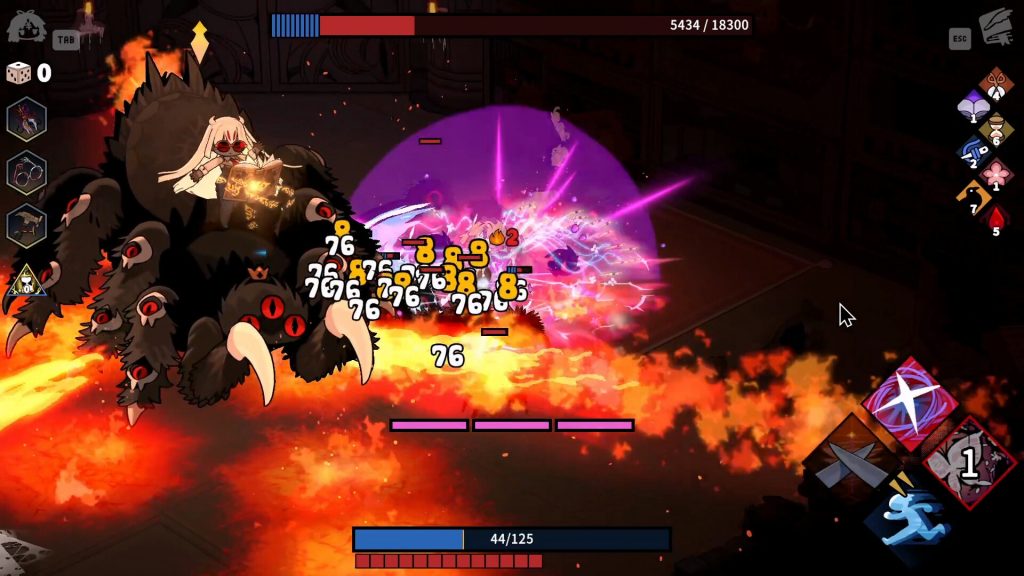
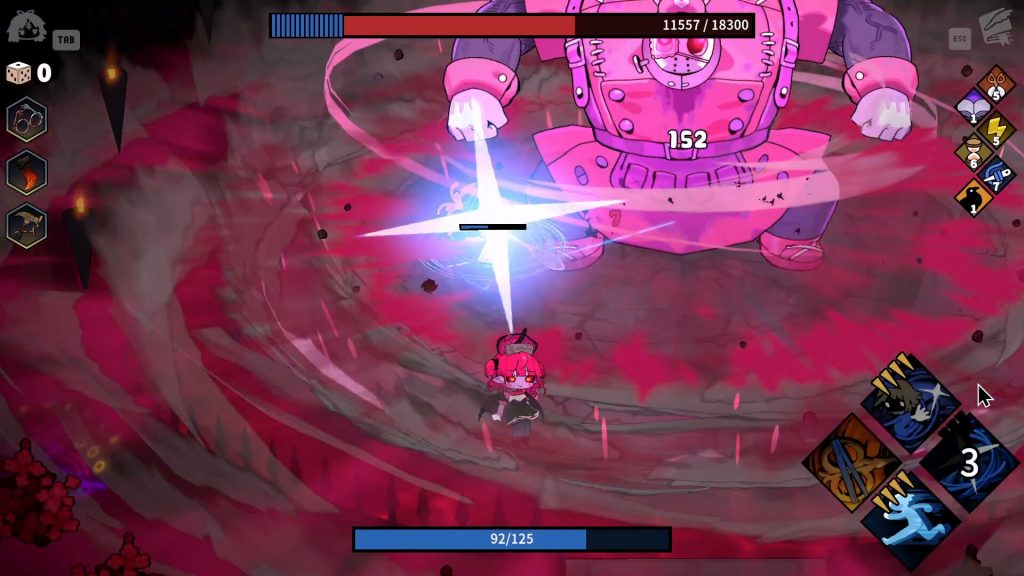
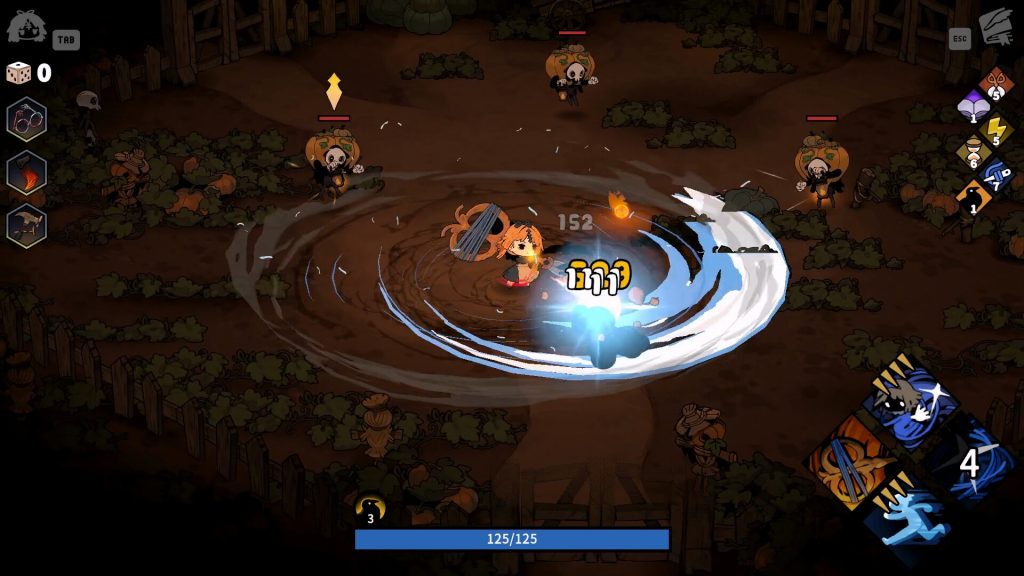
The synergy system removal is the boldest choice. In the Early Access version, combining specific cards created emergent power combinations — the roguelite’s characteristic satisfaction of discovering a build that shouldn’t work but does. Replacing this with weapon-specific critical hit rules and sigils that change skill behavior rather than scale it creates a different kind of build identity: less about discovering unexpected combinations, more about committing to a weapon’s logic and building around it.
The practical difference: a fire bolt skill with the right sigil becomes either a charged single powerful strike or a rapid multi-projectile spread. These are functionally different tools deployed from the same base skill. The weapon’s unique critical hit rules then interact with whichever sigil version the player has built around, creating build coherence that flows from specific weapon identity rather than from card combination emergence.
Whether this is better than what it replaced is a question the post-1.0 Steam rating will answer. The Early Access feedback identified build homogenization as a problem; the overhaul addresses it. Whether the new architecture creates the build variety players wanted or simply different build homogenization, is what the 1.0 community will evaluate.

The Story Completion
The completion of Sil’s story across Epilogues 2 and 3 transforms the game from an incomplete experience to a finished one. Roguelite action games that lack narrative closure can sustain engagement through gameplay loops, but they struggle to generate the emotional impact that a complete story arc produces. The 1.0 resolves this by delivering the ending that the Early Access premise set up.
The branching choices that have been expanded in the 1.0 give the story replay motivation beyond mechanical build variety: different decisions produce different story developments. For players who care about the witches and want to understand what different choices mean, multiple runs now have narrative motivation alongside the roguelite build exploration.
The Mobile-to-PC Transition
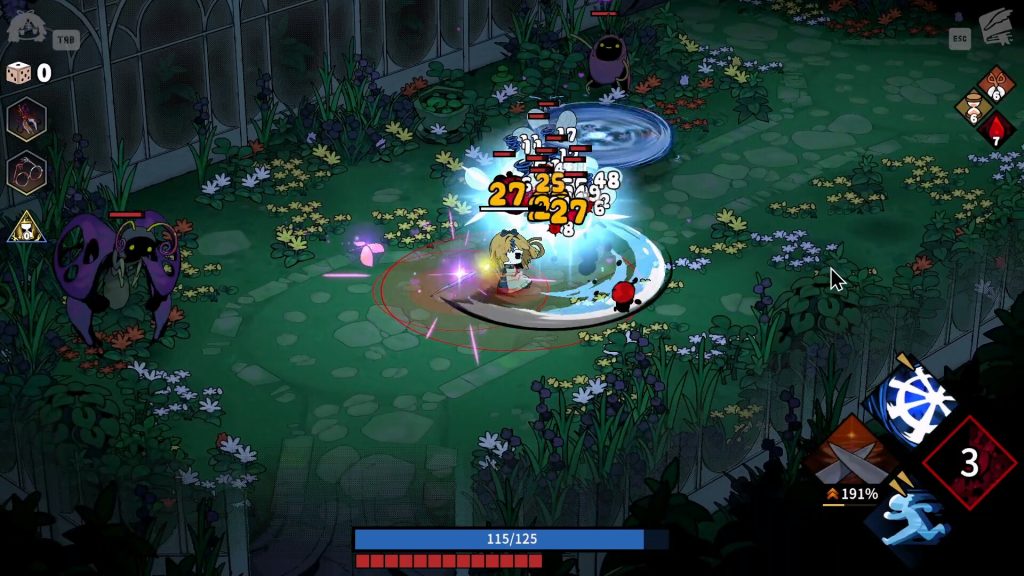
Team Tapas shipping a PC action roguelite after establishing themselves through casual mobile games is a genre and platform transition that the 15-month Early Access period gave them time to navigate properly. The mouse aim support added in 1.0 — alongside the existing keyboard controls — reflects understanding that PC action game players have specific expectations about input precision that mobile-origin games sometimes underserve.
The STOVE platform support alongside Steam, maintains the studio’s relationship with the Korean PC gaming audience that prefers the domestic platform. The combination of Steam and STOVE gives the game a broader domestic reach than Steam alone.
What to Watch
The Overwhelmingly Positive Early Access rating came from a version of the game that no longer exists. The 1.0 is, by the developer’s own account, substantially different — new combat architecture, completed story, Japanese voices, mouse controls. Whether the players who loved the Early Access version embrace the changes, and whether new players encountering the 1.0 fresh find it compelling on its own terms, is what the next 30-60 days of Steam reviews will reveal.
The story completion is the most straightforward improvement: it addresses a clear limitation of the Early Access state without controversy. The combat overhaul is the variable — it represents a directional bet on what the game should be, made in response to criticism of the Early Access version’s homogenization, and it’s a bet that the 1.0’s reception will validate or question.
The Takeaway
Garden of Witches arrives at 1.0 as a studio’s first PC title that has used its Early Access period to make genuinely substantial changes rather than incremental refinements. The combat system players initially praised has been replaced. The story they found incomplete is now complete. The Japanese voice acting expands the game’s regional reach. The mouse control support addresses a platform-specific expectation.
Team Tapas has 14 million mobile downloads behind them and a first PC action game in front of them. The 1.0 is the version they determined the game needed to be after 15 months of player feedback. Whether that determination was correct is now in the hands of the players.
Available now on Steam and STOVE. 30% launch discount active.
Information regarding ‘ Garden of Witches’
| item | detail |
|---|---|
| Developer | Team Tapas (South Korea) |
| Publisher | Team Tapas (Self-publishing) |
| Genre | Action Roguelike, Dark Fantasy RPG |
| platform | PC (Steam, STOVE) |
| Release date | August 28, 2026 (Official 1.0, Early Access starts May 23, 2025) |
| etc | 30% discount to celebrate the official launch, Japanese character voices added for Chapters 1–5, new support for mouse controls |
| Reactions/Evaluations | Steam ‘Overwhelmingly Positive’ in Early Access (96% positive out of 541 reviews, as of June 2025) |
| Steam Page | Shortcut |