Every sound you make can pull something toward you. Every light source you carry can lure a predator or blind you at the wrong moment. Every scent you leave behind is a clue to something else about exactly where you are. MOVILLIA builds an entire survival game around the premise that visibility itself is not trustworthy information — and one solo developer is building the creature AI, the scanning systems, the crafting, the movement, and every piece of art and music required to make that premise function as a coherent, reactive ecosystem rather than a scripted gauntlet.
The Real Cave Behind the Fiction
The name comes directly from Movile Cave, an actual sealed underground ecosystem in Romania, famous among biologists for evolving independently of photosynthesis in a permanently sunless environment — a genuine scientific curiosity that has produced species found nowhere else on Earth. XDECYPHER has taken this real isolated biome and scaled it up into something considerably larger and more hostile: a reimagined underground ecosystem existing deep beneath the surface of the game’s world.
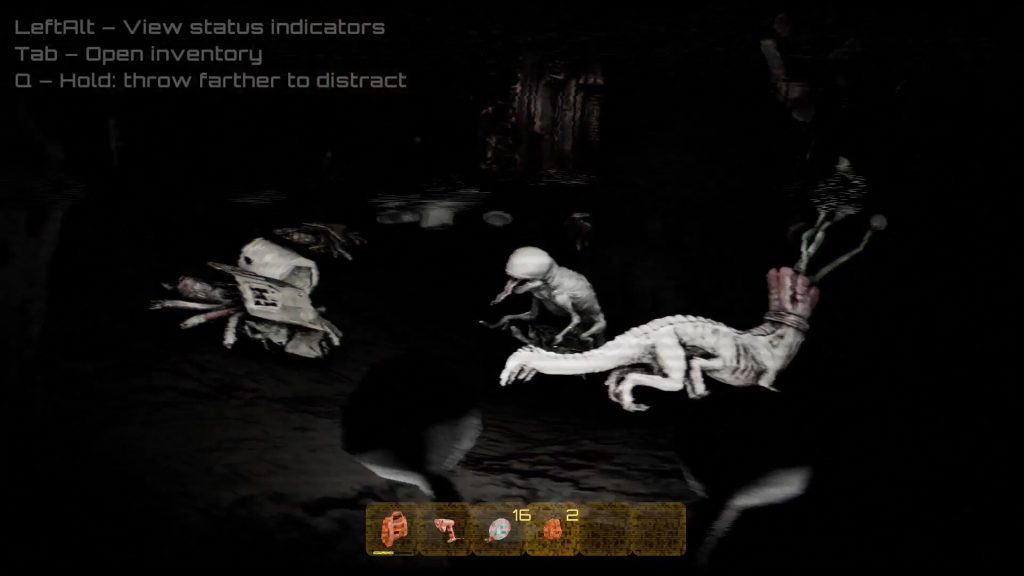
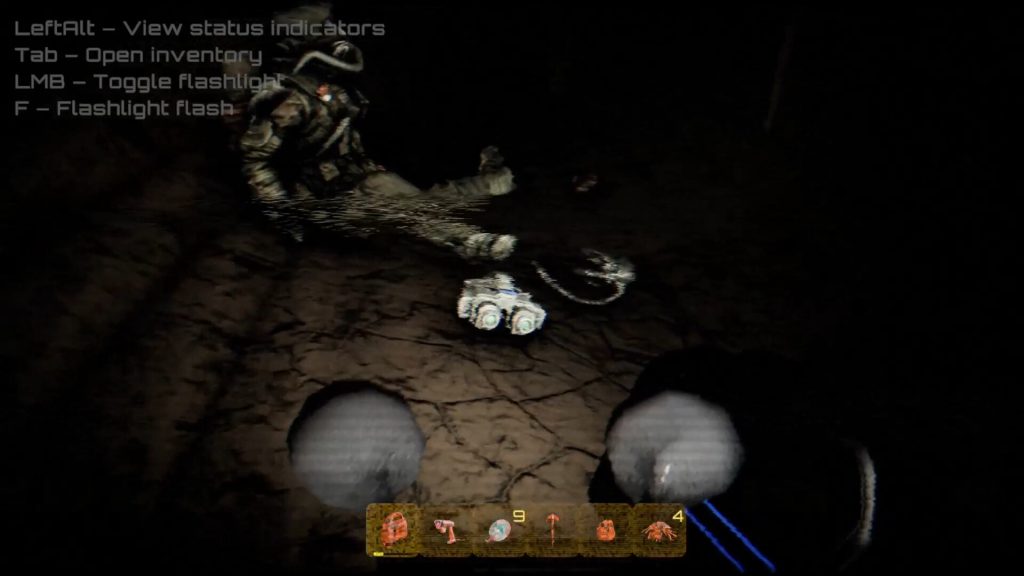
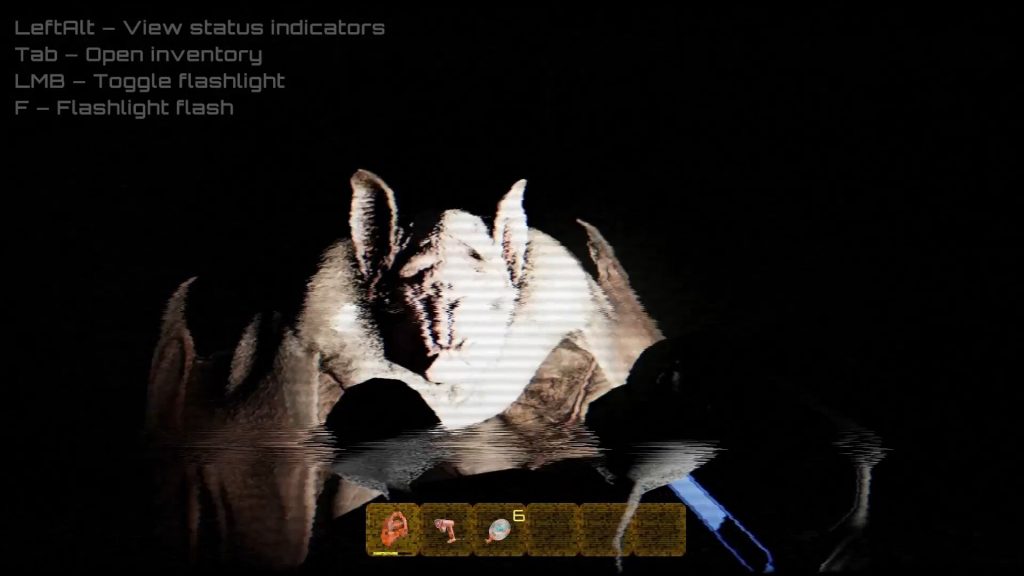
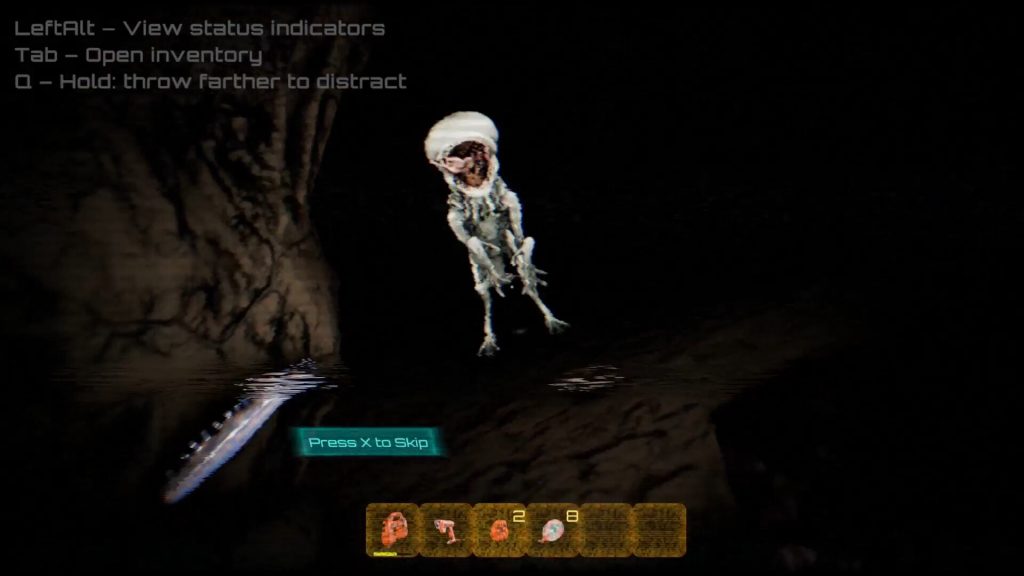
The critical design commitment is that the game’s creatures aren’t running on fixed scripts — they’re built to respond to the specific stimuli a player generates: sound, light, and smell. Sound can draw nearby creatures toward the source. Light can lure creatures in or work against the player by revealing their position and disrupting their own vision in the process. Smell can expose a player’s location as a persistent clue rather than a momentary risk. None of this is a single mechanic bolted onto standard survival systems — it’s the organizing logic that the developer says the entire creature-response ecosystem is built around.
Survival Without Trustworthy Sight
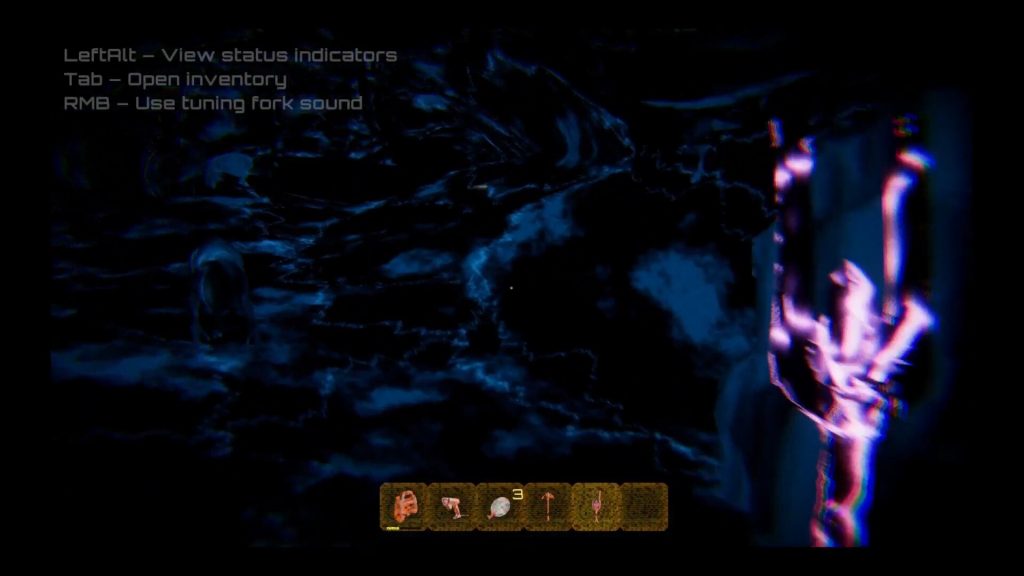
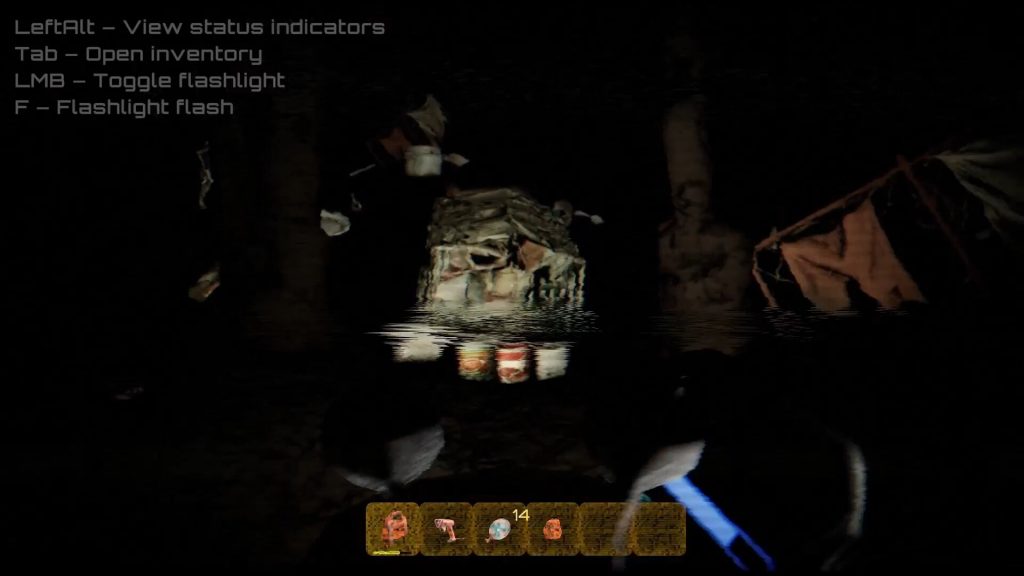
In a world with no sun, sight itself stops being reliable information — a single small light source is enough to draw a predator in, which means the standard survival-game instinct to illuminate your surroundings becomes a genuine risk calculation rather than a default good. Players are pushed toward instrument-based sensing instead: an echolocator that reads the surrounding environment through sound, and a scanner-analyzer that identifies flora, fauna, minerals, and the traces left behind by previous expeditions.
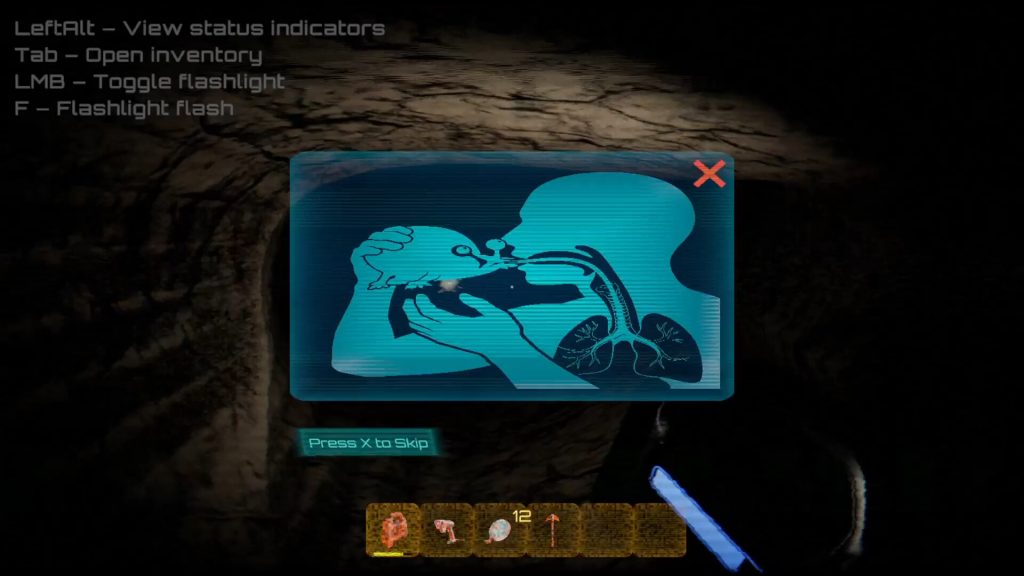
A wrist-mounted device lets players craft new tools and swap equipment based on the data they’ve gathered, and monitoring biological signals while exploring is described as a core part of how players are meant to read the space around them — layering internal information (your own vital signs) alongside external sensory data as a combined survival-reading system.
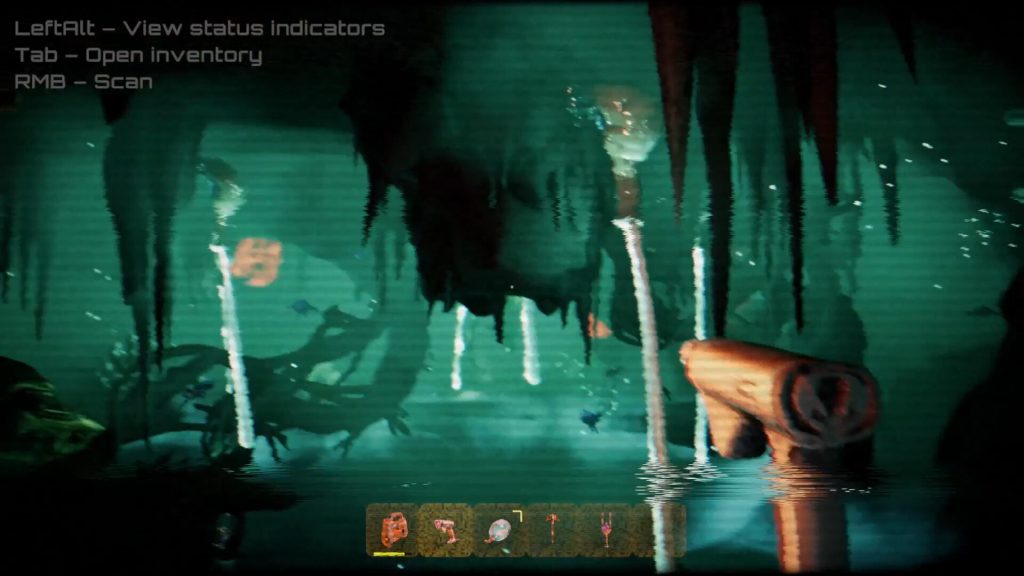
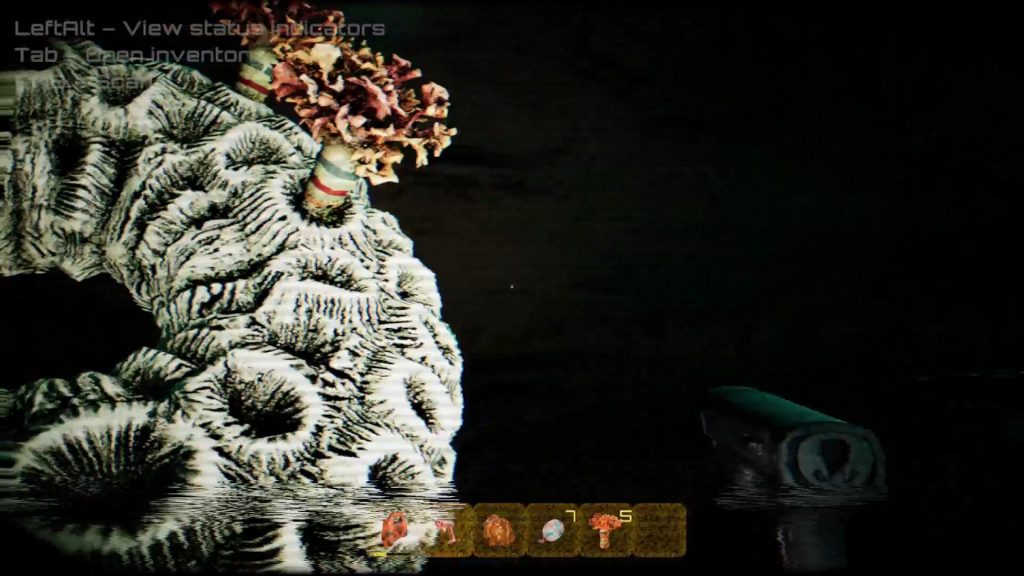
The explorable space is built vertically rather than as a flat maze: magma fissure zones descend into gravity-distorted methane lake regions, and traversal tools include harpoons and drills alongside tamed creatures used as mounts — multiple distinct methods for descending deeper into a space that gets stranger and more dangerous the further down you go.
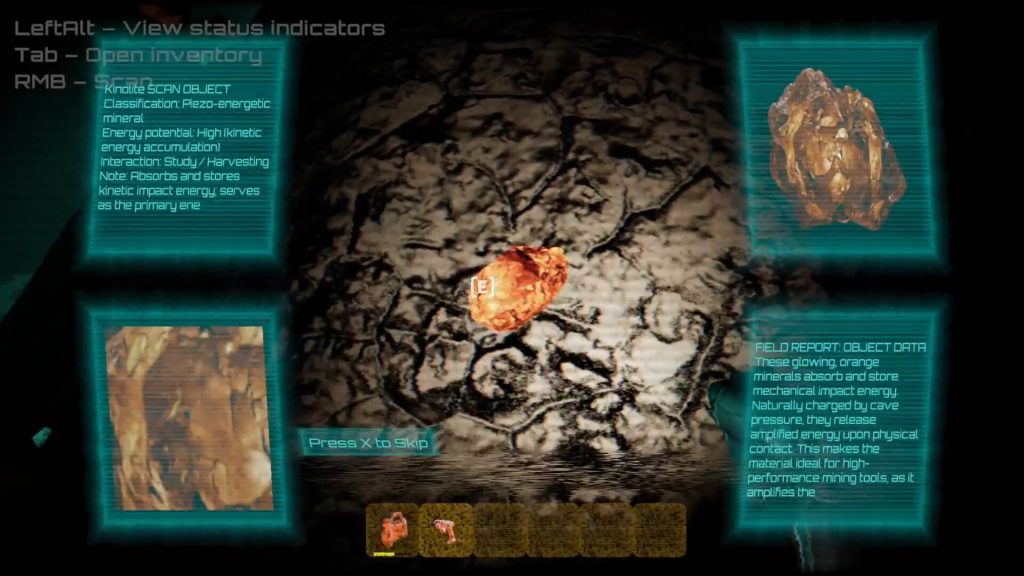
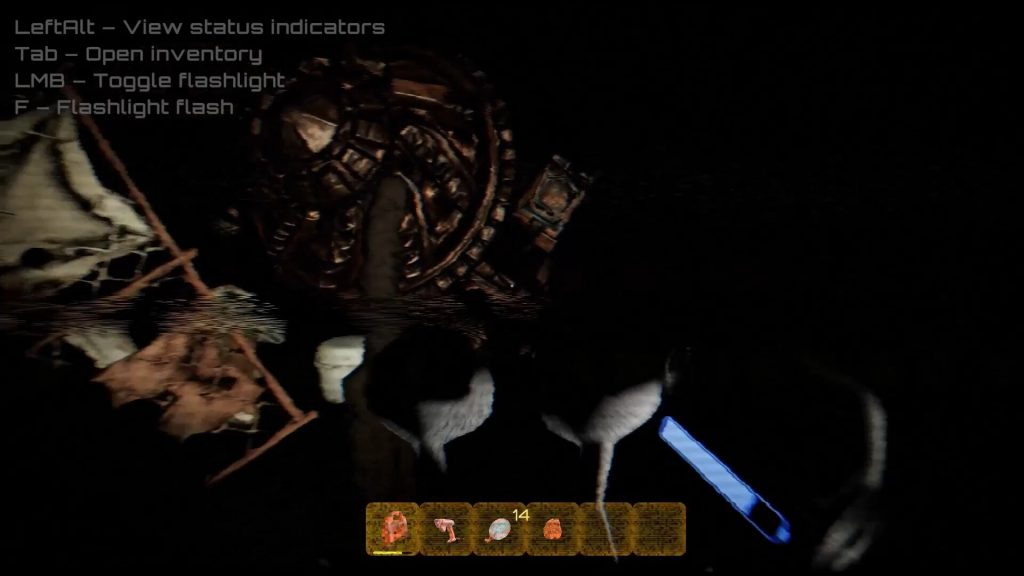
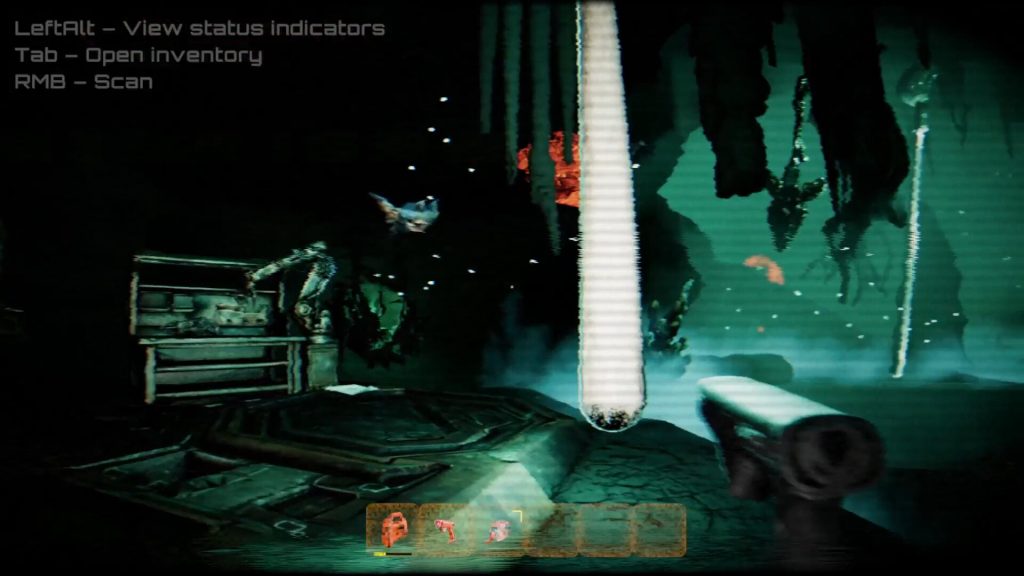
In a world without the sun, tools are the only means of survival.
In the world of ‘Muvilia’, vision itself is not reliable information. Since even a single faint light can attract predators, players must utilize various tools to understand their surroundings and survive.
Representative equipment includes the ecolocator, which identifies the surrounding environment through sound, and the scanner-analyzer, which analyzes flora and fauna, minerals, and traces of previous expeditions.
Players can craft new tools and replace equipment based on data collected through a wrist device. Checking bio-signals and exploring the surrounding environment is also a key gameplay style.
The exploration area consists of a vertical structure extending from magma rift zones to gravity-distorted methane lakes. You can explore deep underground in various ways, such as using harpoons and drills or tamed creatures as a means of transportation.
One Person, Every System
XDECYPHER is a self-taught programmer who has been building games in spare time, and MOVILLIA is described explicitly as an attempt to build a systems-driven game at real scale without a studio or a development team behind it. The developer’s personal interest in science shaped the underground ecosystem and creature concepts directly, and alongside game development, XDECYPHER also works on music and beat production — skills that presumably feed directly into the game’s own sound design, in a project where sound is not decorative but a core survival mechanic the player has to think about constantly.
The specific ambition worth naming plainly: building creature AI, scanning and crafting systems, and movement mechanics that all interlock and respond to each other, entirely alone, is a considerably heavier systems-design lift than most solo projects attempt. Whether that ambition holds together under actual play — rather than remaining an impressive pitch — is exactly what the October demo exists to test.
Who This Is For
Strong fit for: survival horror fans who want genuinely reactive creature AI rather than scripted encounters; players drawn to real scientific inspiration (Movile Cave’s actual sunless ecosystem) reimagined as fiction; fans of sensory-deprivation survival design where light and sound are risks rather than pure tools; solo-developer-supporters who want to follow an ambitious systems-driven project from a single creator; players who want vertical, multi-biome underground exploration with varied traversal methods.
Cautious fit for: players who need a release date confirmed before following (currently TBA, demo only); anyone who wants Korean-language support at the demo stage (confirmed only for eventual full release); players who prefer smaller, tightly-scoped solo projects over ambitious systems-heavy ambitions that carry inherent execution risk.
Less ideal for: players who dislike survival horror or sensory-limited exploration mechanics; anyone seeking multiplayer options; players who want a游戏 with an established review history before engaging.
The Takeaway
MOVILLIA is one developer’s attempt to build a fully reactive underground ecosystem — inspired by a real, scientifically remarkable Romanian cave — where sound, light, and smell are the currency of both survival and exposure, and where every system from creature behavior to crafting to movement is being built by a single person without a studio behind them. The ambition is legible in the pitch; the October 8 Steam Next Fest press preview demo is the first chance to see whether it’s legible in the actual play.
Wishlist is open on Steam now. Demo: October 8 (press preview) ahead of the main Steam Next Fest, October 19–26.
Information regarding ‘ Movilia’
| item | detail |
|---|---|
| Developer | XDECYPHER (Solo Developed) |
| Publisher | Unconfirmed (presumed to be self-published) |
| Genre | First-person survival exploration/horror |
| platform | PC (Steam) |
| Release date | Undetermined (Demo: October 8, 2026, Steam Next Fest: October 19–26) |
| language | Korean interface support planned for official release (demo not included) |
| Reactions/Evaluations | Early stage of announcement, no official review yet |
| Steam Page | Shortcut |