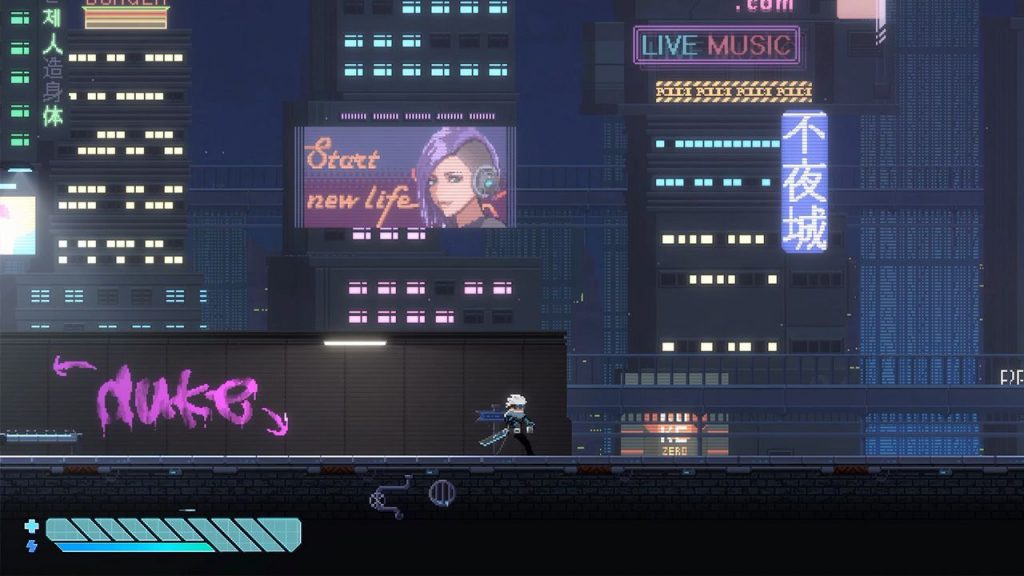
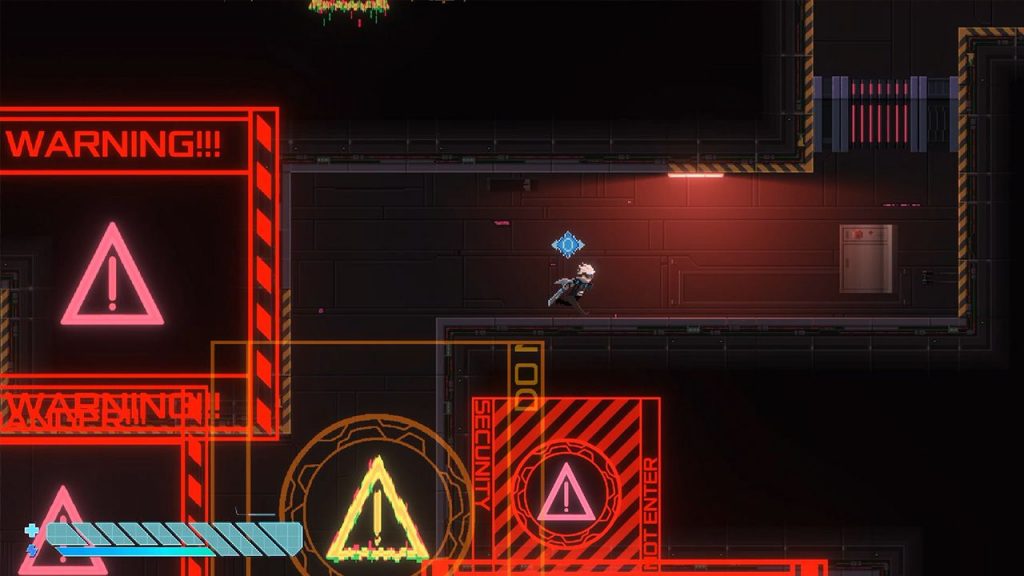
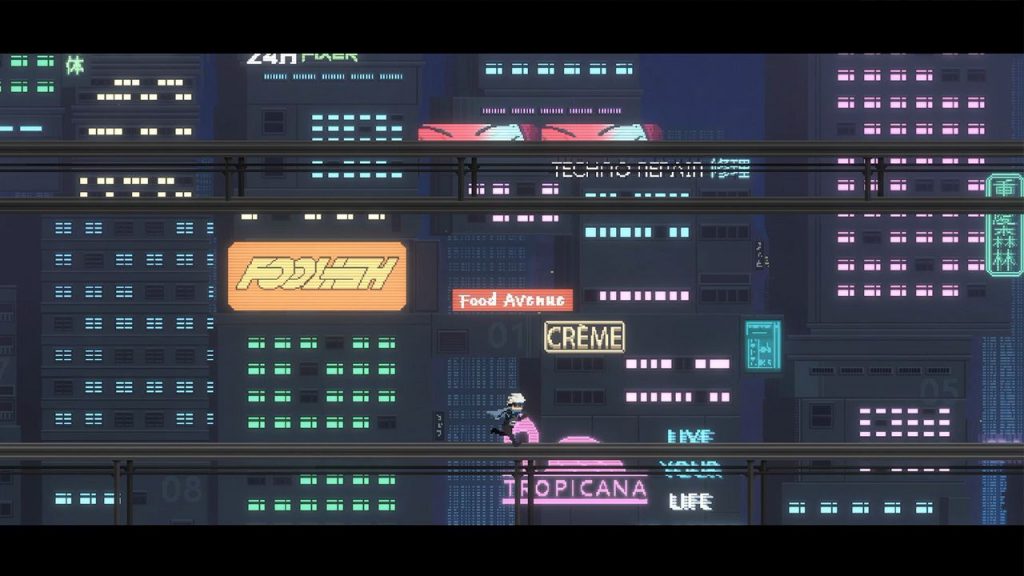
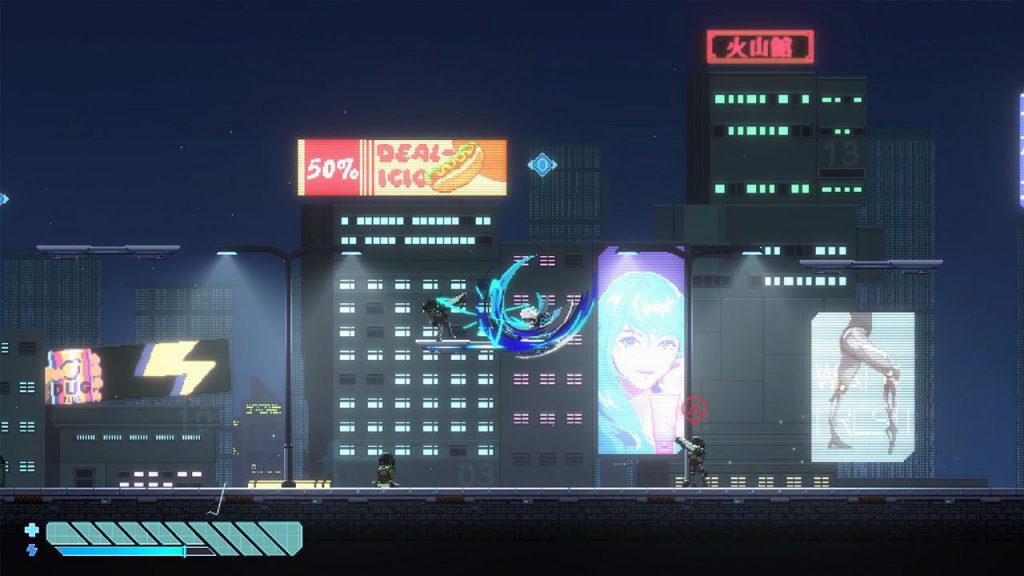
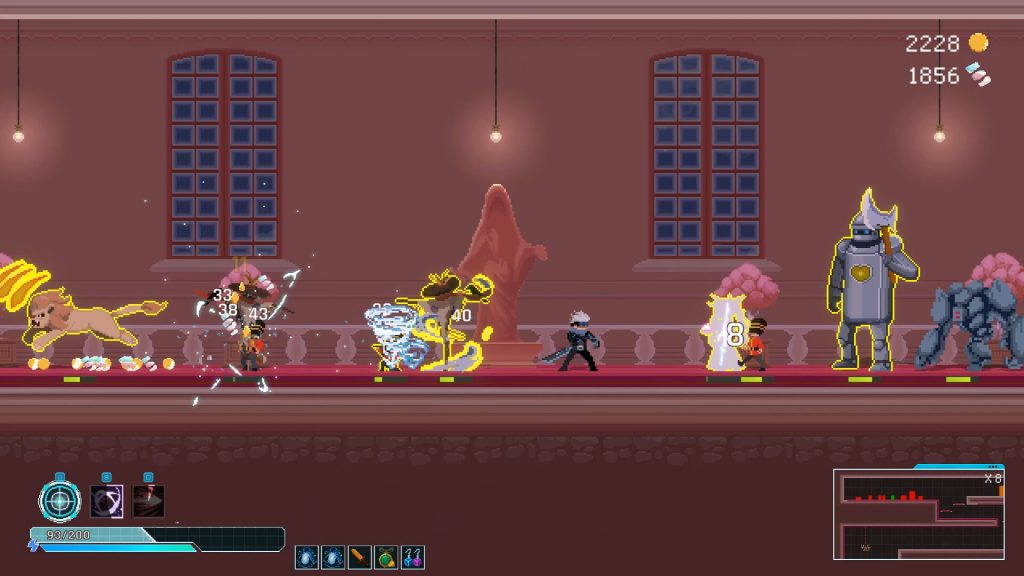
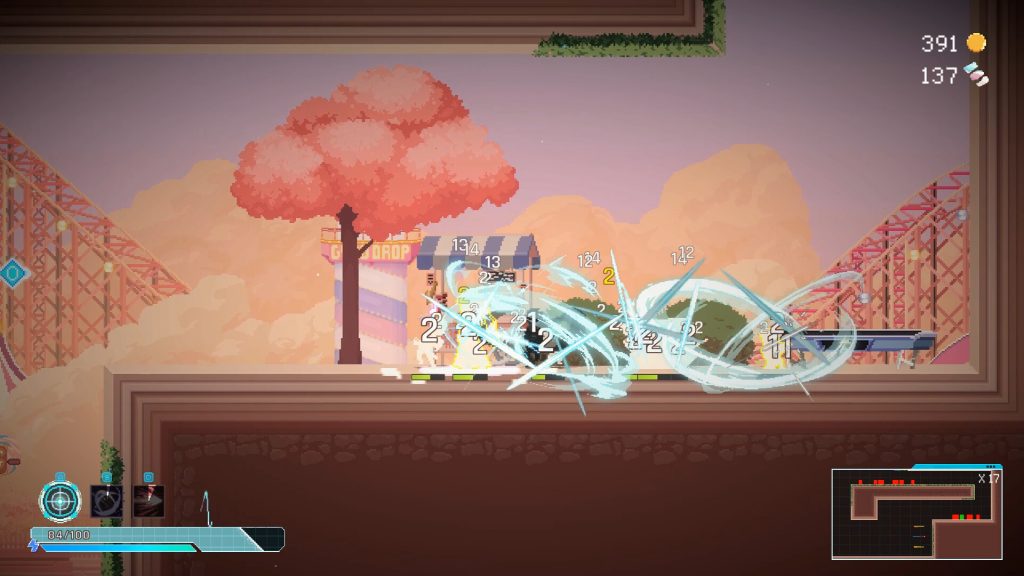
The concept behind Veiled Edge is a specific formal experiment dressed in cyberpunk aesthetics: each chapter of the game is a different genre. The Spine is a 2D action platformer. The amusement park chapter foregrounds speed and combat impact. The hacking chapter becomes an environmental puzzle game. The underlying world — 2099 Seoul, full-dive neural technology everywhere, corporate conspiracies running through virtual and physical space simultaneously — holds the chapters together while the mechanics change around it.
ONW Studio’s debut adventure comes to Nintendo Switch on September 3, completing the platform expansion from PC’s November 2024 Early Access. Two years of community-engaged development have refined what was launched as a concept with high ambition; the STOVE platform’s 100% recommendation from 11 participants and Steam’s 95% positive from 21 reviews tell the story of a small game finding enthusiastic players rather than broad ones.
The Full-Dive Framework
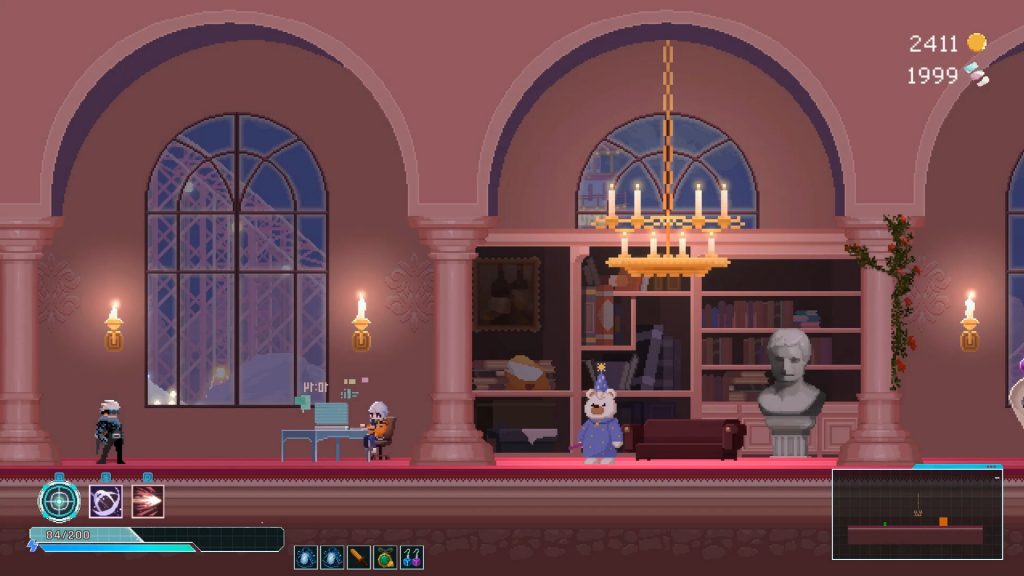
Full-dive technology — direct brain-to-virtual-reality interface, the neural jack imagined by 1980s cyberpunk now realized as mundane infrastructure — is the narrative engine that makes the chapter-shifting design thematically coherent. In 2099, distinguishing virtual experience from real experience is the political and philosophical problem. Rapid and Lena’s investigation of a child’s disappearance in the virtual world pulls them into a conspiracy that operates precisely at this border — events in the virtual layer with consequences in the physical, and vice versa.
This framing earns the formal experiment. Each chapter’s different mechanics aren’t arbitrary genre tourism — they reflect the different layers of the virtual-physical ecosystem that Rapid and Lena are moving through. The amusement park’s kinetic combat and the hacking chapter’s environmental puzzle logic are different modes of the same infiltration, experienced from different positions within the conspiracy’s architecture.
The Two-Character Design
Rapid and Lena are not interchangeable protagonists. Rapid’s Shift ability — instantaneous repositioning, usable in combat to dodge and find openings, usable in crisis to exit dangerous situations quickly — is the kinetic action vocabulary. The ability is simultaneously tactical and navigational; the same input that dodges an attack can also clear a platform gap or escape a section that’s become untenable.
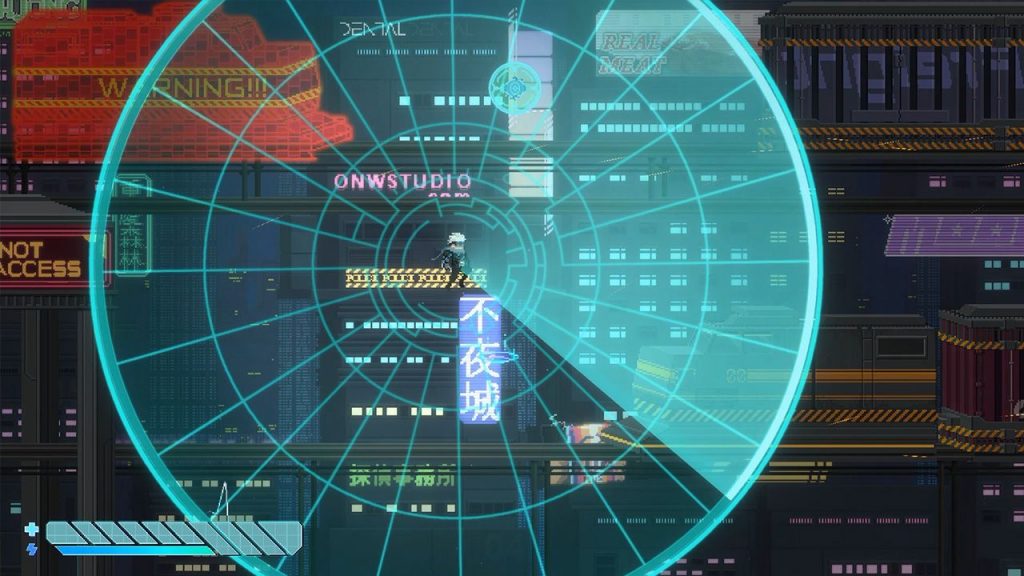
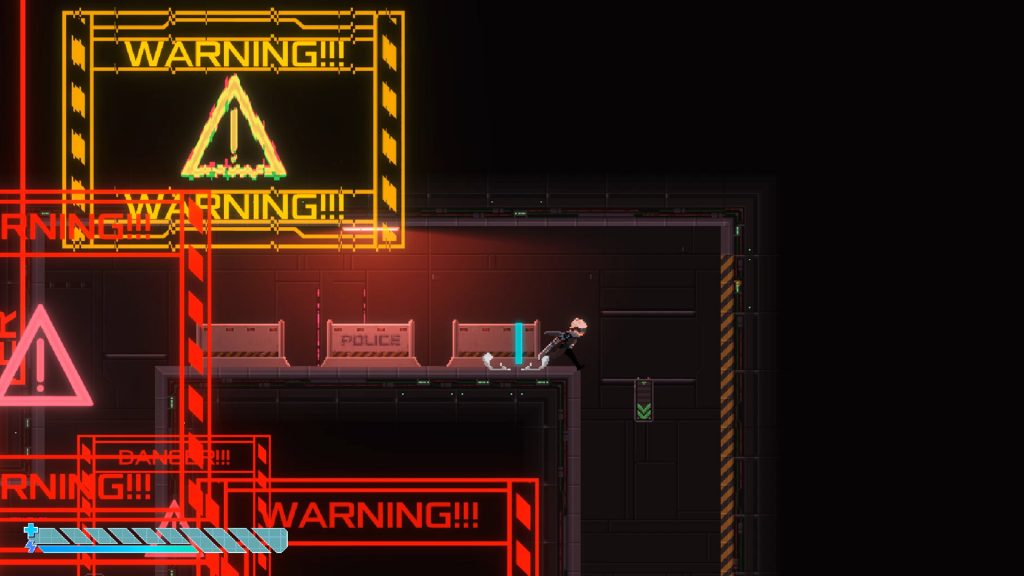
Lena’s hacking capability operates on the environment rather than on enemies. Map structures change. New traversal paths open. Puzzles are resolved through environmental manipulation rather than combat resolution. Where Rapid’s Shift is a response to immediate danger, Lena’s hacking is a restructuring of the situation — turning the stage into something navigable that previously wasn’t.
The two capabilities complement each other without either making the other redundant. This is the specific design challenge that dual-protagonist games need to solve: ensure that both characters’ capabilities are necessary to the experience rather than one being primary and the other supplementary. The chapter structure — with some chapters emphasizing Rapid’s action vocabulary and others Lena’s environmental hacking — distributes necessity across both rather than privileging either.
The Small Sample Honest Assessment
21 Steam reviews and 11 STOVE participants are too small a pool to draw confident conclusions from. The 95% and 100% positive rates are encouragingly high, and the specific observations from reviewers — praise for the chapter-shifting structure, appreciation for the dialogue variety despite no Korean voice acting, recognition of the experimental formal ambition — align with what the game’s design is attempting.
The absence of Korean voice acting is the limitation that the Steam reviews specifically flag. For a game with a Korean development team, a Korean narrative context, and a domestic platform release alongside the international one, voice acting in the source language would have added production quality that the current version doesn’t have. The “variety of dialogue presentation styles” that reviewers found impressive despite this limitation suggests the written and visual storytelling is carrying the narrative weight that audio would normally share.
The Nintendo Switch Platform Fit
The Switch’s dual modes — TV mode for living room play, handheld mode for portable play — create different contexts for a 2D action-adventure that alternates between combat-focused and puzzle-focused chapters. The kinetic combat chapters benefit from TV mode’s screen real estate; the hacking puzzle chapters work equally well in handheld mode’s more focused format. The chapter structure itself distributes well across the Switch’s usage patterns.
ONW Studio’s stated intent — to build on the positive PC reception and bring the experimental chapter-shifting design to console audiences — is the sensible expansion logic for a small studio with a game that has found enthusiastic reception in its initial market.
Who This Is For
Strong fit for: 2D cyberpunk aesthetic enthusiasts who want narrative depth alongside the action; players who specifically appreciate formal experimentation in game design — genre shifts as structural choice rather than inconsistency; Metroidvania fans who want the genre’s exploration and ability-unlocking in a chapter-structured rather than open-map format; Nintendo Switch players looking for a K-indie debut with specific creative identity; STOVE community members who want to follow the game to its console expansion.
Cautious fit for: action game players who want consistent mechanical vocabulary across the full experience rather than chapter-to-chapter variation; players who need Korean voice acting in their Korean-developed games; anyone who wants a larger review pool before evaluating.
Less ideal for: players who dislike cyberpunk aesthetics; anyone wanting multiplayer options; players seeking games with large production budgets over focused indie craft.
The Takeaway
Veiled Edge is ONW Studio’s formal experiment in a cyberpunk wrapper: a 2D action-adventure whose chapters change genre to reflect the virtual-physical conspiracy its protagonists are navigating. Two years of Early Access development refined a high-ambition debut into a game that 95% of its small Steam audience found worth recommending, and the Nintendo Switch expansion on September 3 is the first opportunity for console players to encounter what that audience found.
The sample size is small. The rating is high. The chapter-shifting design is either the game’s strength or its point of friction, depending on whether the player wants consistent mechanical identity or experiential variety across a single playthrough.
September 3 on Nintendo Switch. PC Early Access available now. Rapid’s Shift ability is ready. Lena’s hacking can reshape the stage. And somewhere in the conspiracy connecting virtual disappearances to physical danger, 2099’s full-dive world has secrets worth finding.
Information regarding ‘ Veiled Edge ‘
| item | detail |
|---|---|
| Developer | ONW Studio Inc. |
| Publisher | GaniTani |
| Genre | 2D cyberpunk action adventure, Metroidvania and roguelike elements |
| platform | PC (Steam), Nintendo Switch |
| Release date | September 3, 2026 (Nintendo Switch), PC Early Access release on November 29, 2024 |
| etc | Nintendo eShop pre-orders are underway, supporting TV mode and handheld mode. |
| Reactions/Evaluations | Steem ‘Positive’ (95% positive out of 21, small sample size); Stove 100% Recommended (11 participants) |
| Steam Page | Shortcut |
| eShop | Shortcut |