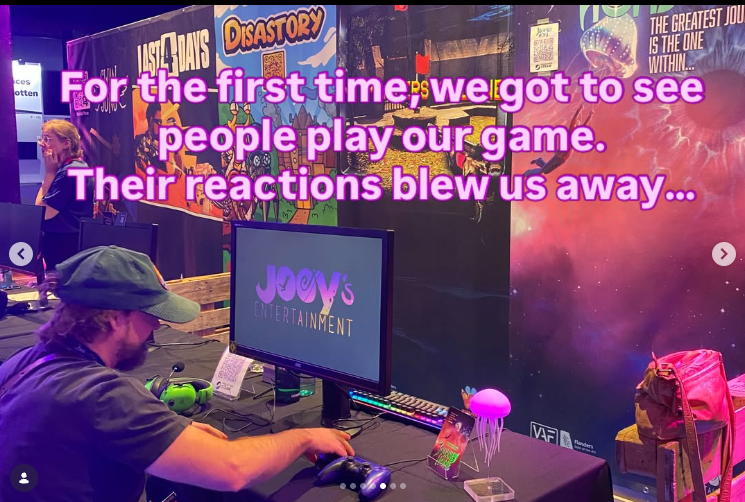
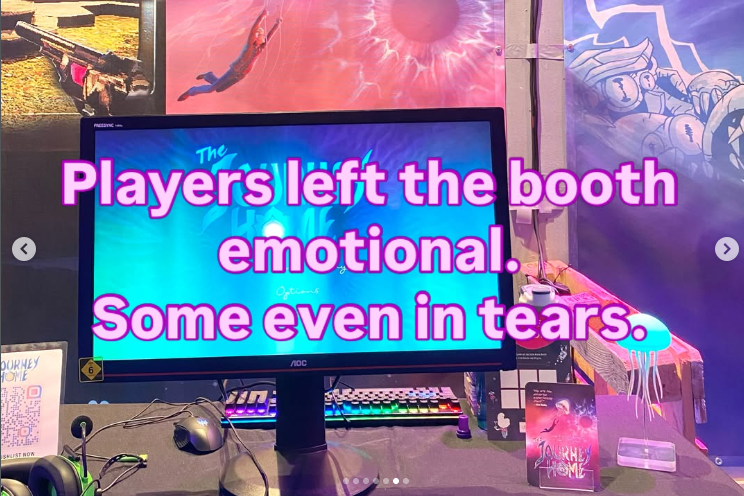
The first notable thing about The Journey Home is the specific claim attached to it: at Gamescom 2025, some visitors cried. Not during a cutscene designed to produce that response, but during the live demo session — players experiencing the game for the first time, in a trade show environment surrounded by other games competing for attention, were moved enough to show it.
That specific claim traveled. Now, a year later at Gamescom 2026, Joey’s Entertainment has released the free Steam demo and a new gameplay trailer through the Future Games Show — inviting anyone to find out for themselves whether the emotional response the Cologne crowd had is reproducible outside a convention floor.
The Design Approach
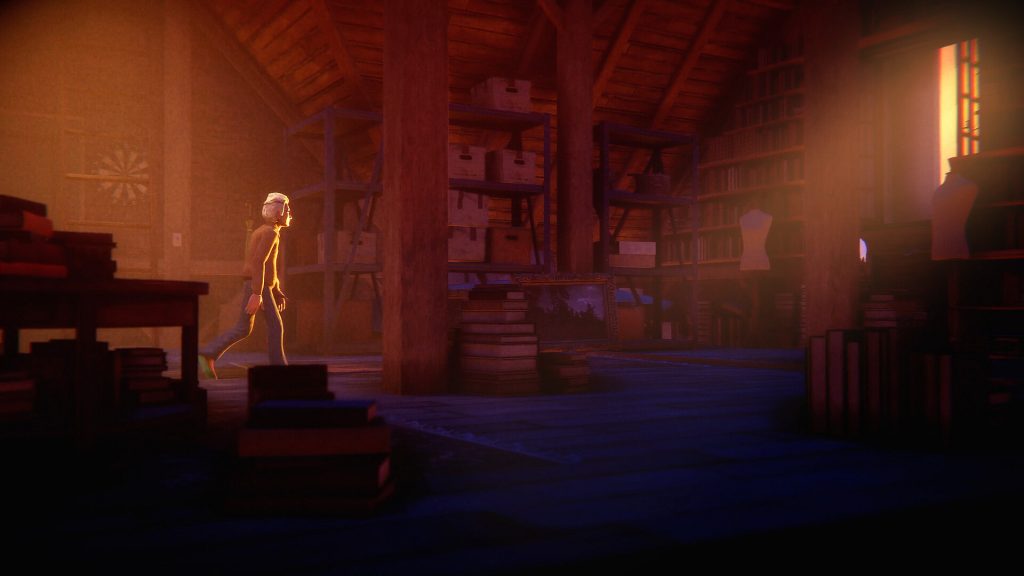
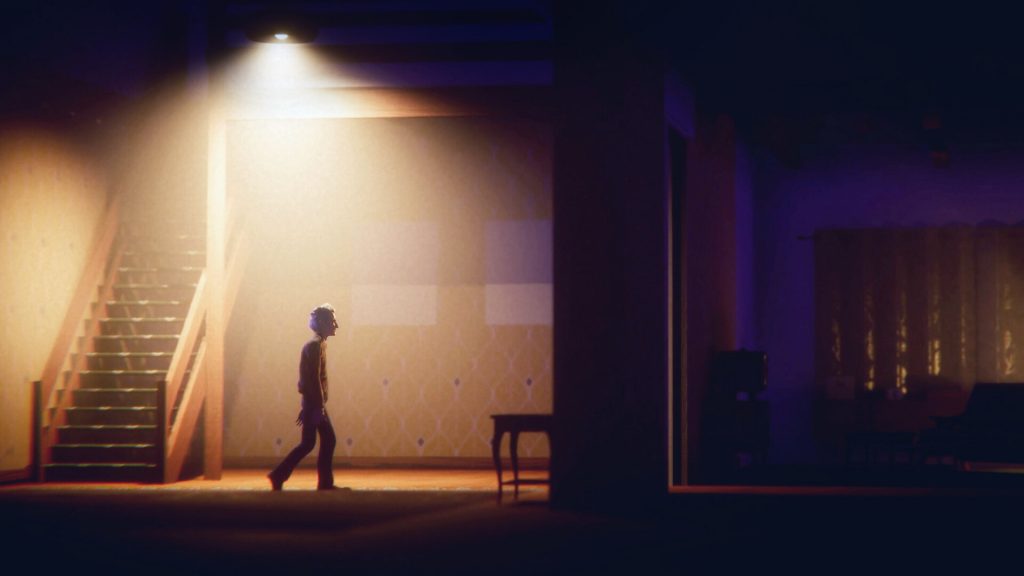
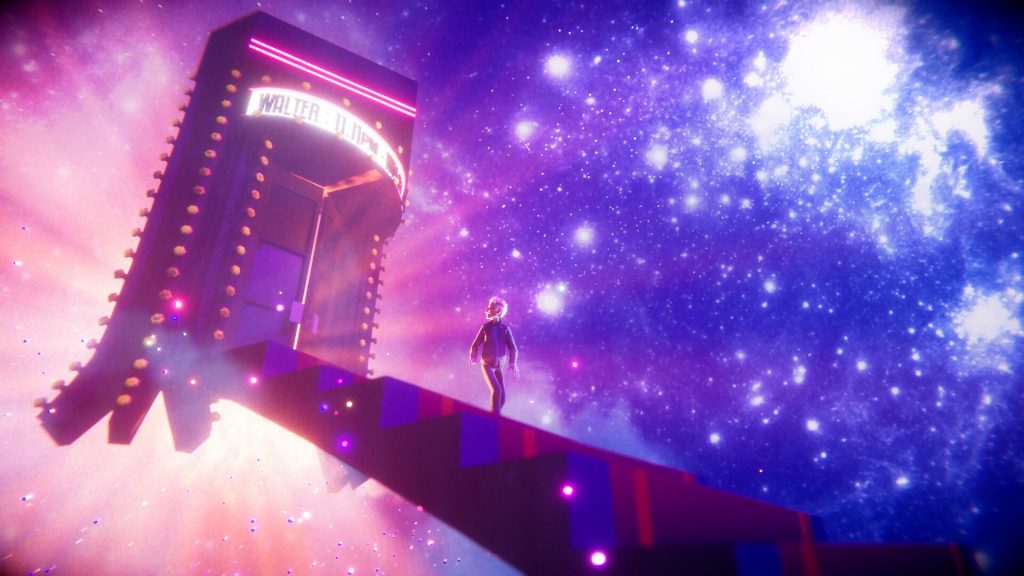
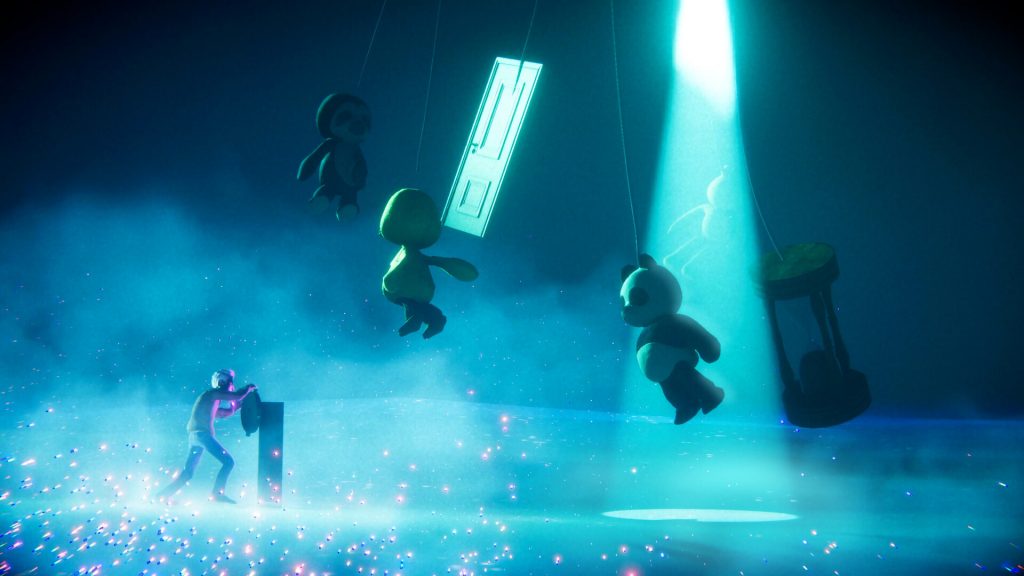
The Journey Home is a 2.5D side-scrolling adventure organized around a single core mechanic called the Pulse system. No dialogue. The Pulse is the player’s only tool for interacting with the environment and the creatures and objects within it — a gesture that establishes connection without words.
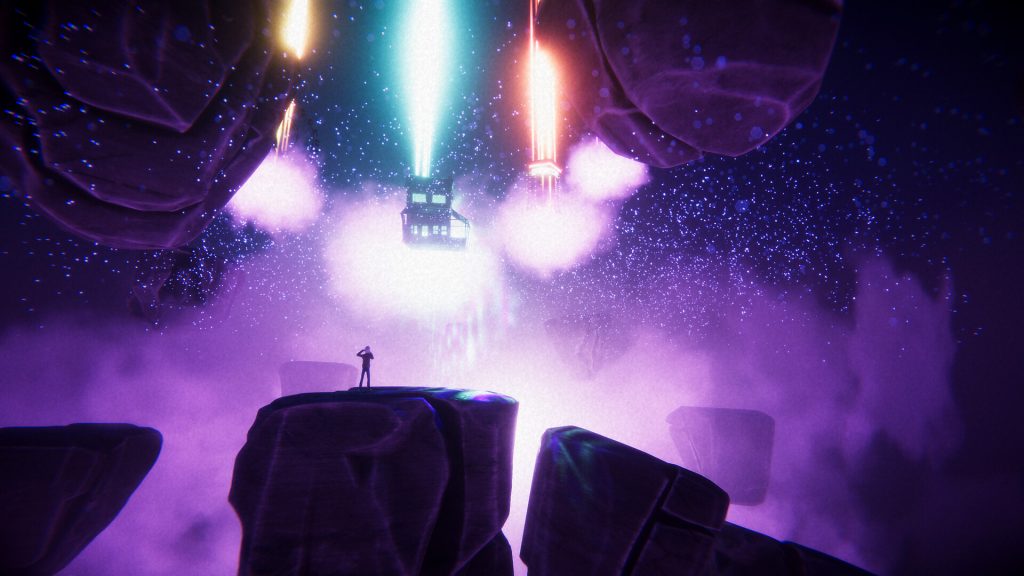
The narrative travels through time: the protagonist’s childhood and other periods of their life, across a surrealist world where those time periods coexist. The question being explored — life and death, what constitutes a journey, what it means to return to something — is the philosophical content that the visual design and the Pulse mechanic carry rather than exposition.
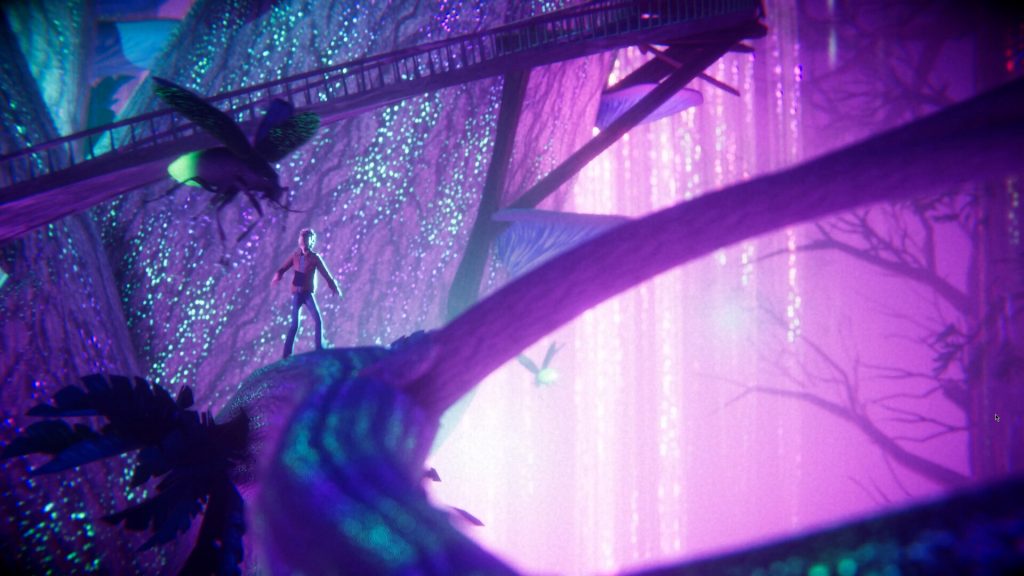
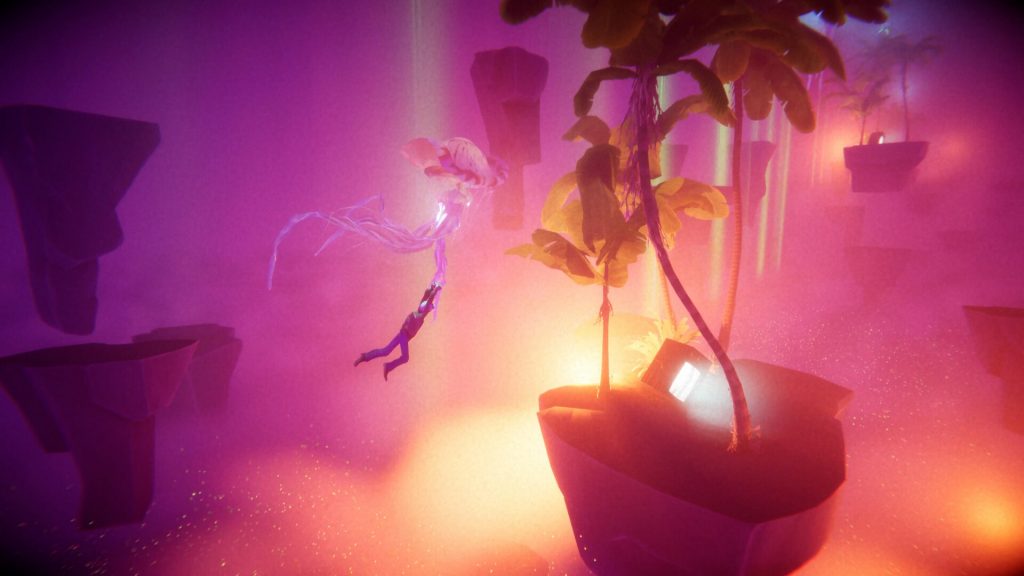
The “Hitch a Ride” mechanic extends the protagonist’s movement: giant fireflies, jellyfish, birds, and 1950s-style flying cars can all be ridden. These are modes of traversal that come with distinct visual signatures and that presumably reach spaces or perspectives that walking cannot. The variety of creatures available to ride is the environmental diversity indicator — the world contains things that operate by their own logic.
The design commitments — minimal cutscenes, no loading screens, custom camera system, minimal UI — are all serving the same objective: sustained immersion without interruption. A game that keeps pulling the player’s attention back to interface elements is a game that keeps reminding the player they’re playing a game. The Journey Home is specifically trying to keep the player somewhere else.

The INSIDE × Journey Reference
The two reference points the developer cites are precise and not interchangeable. INSIDE (Playdead, 2016) is a masterclass in environmental storytelling under pressure — what the world communicates without dialogue, how spatial design creates dread, how a game can be simultaneously beautiful and deeply uncomfortable. Journey (thatgamecompany, 2012) is a landmark in emotional resonance through non-verbal experience — a wordless encounter between players that creates genuine connection, the specific emotional quality of a game that makes you feel rather than think.
The Journey Home is positioning itself at the intersection: the environmental storytelling precision of INSIDE applied to the emotional wavelength of Journey. This is a demanding intersection to occupy. Both games are exceptional at what they do specifically, and occupying the space between them requires executing on both dimensions rather than splitting the difference.
The Flemish Audiovisual Fund (VAF) support places The Journey Home in the tradition of Belgian media production supported by regional arts funding — the infrastructure that allows smaller-scale creative work to pursue artistic ambition without the commercial pressure that fully market-dependent games face.

The Bestselling Author Dimension
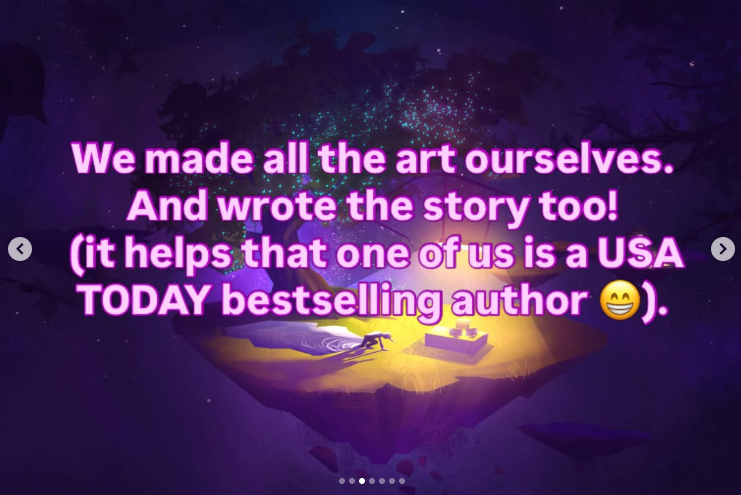
USA Today bestselling author Sophie-Ray Robbins writing the game’s narrative is the creative collaboration that gives the literary ambition institutional credibility. Game narratives written by novelists don’t automatically succeed — the structural constraints of interactive media differ fundamentally from linear prose — but the involvement signals that the philosophical content the game is pursuing has been developed with the specific attention that story professionals bring.
The combination of a novelist’s narrative sensibility and a game designer’s understanding of how interactive experience creates emotion is the creative basis from which games in this register achieve what they’re attempting. Without the narrative depth, the atmosphere is beautiful but empty. Without the interactive design, the narrative has nowhere to be felt rather than read.


The Belgian Indie Context
This is the sixth Belgian indie project covered in this coverage’s 2026 period — alongside Sizeable (Business Goose Studios), Midnight Moments (Happy Volcano), Helix: Descent N Ascent (Badass Mongoose), KABOOMANIA (Fancy Factory), and SKINFACE (Adam Pype + Ties Groen). The breadth is striking: size-manipulation puzzles, contemplative cozy, vertical platformer, Amiga-native maze bomber, face-stealing stealth horror, and now a meditative philosophical side-scroller with a bestselling author’s narrative. Belgian indie output is being produced across the full tonal and genre spectrum.
Who This Is For
Strong fit for: INSIDE and Journey fans who want a game working in the intersection of those two registers; players who specifically seek games that prioritize emotional resonance over mechanical challenge; meditative adventure enthusiasts who want atmosphere and philosophical content over genre tension; players who saw the Gamescom 2025 reports about audience response and have been waiting for the demo; Belgium indie game followers.
Cautious fit for: players who need mechanical engagement alongside the contemplative design; anyone who found either reference game too abstract or too minimal for sustained engagement; players who want confirmed review scores before investing emotional energy in a new atmospheric adventure.
Less ideal for: players who want action or challenge as their primary engagement mode; anyone wanting multiplayer options; players who specifically need dialogue-driven narrative to follow a story.
The Takeaway
The Journey Home is the specific kind of game that makes claims about emotional impact rather than mechanical innovation — and the specific kind of game for which those claims can only be verified by playing. The Gamescom 2025 response is the strongest available external signal that the claim has substance; the free demo is the first opportunity for that claim to be tested outside the context that produced it.
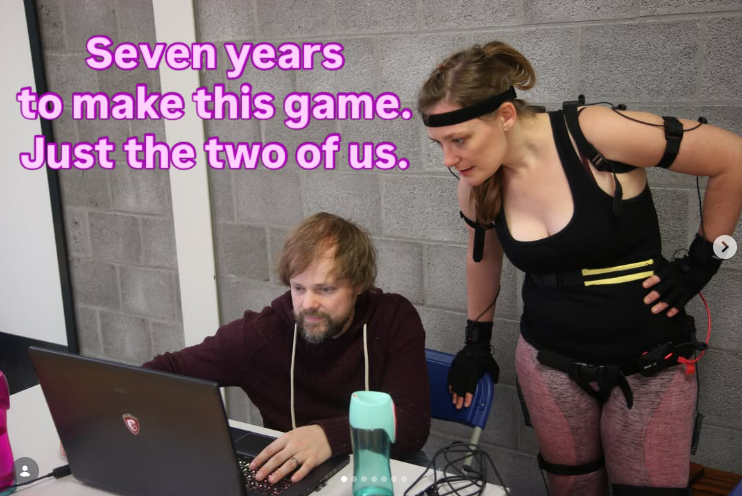
Joey’s Entertainment — a Belgian husband-and-wife studio with a USA Today bestselling author on narrative and Flemish arts funding behind the production — has made something that people cried at on a convention floor in 2025. The demo is live. Q4 2026 is the full release.
The Pulse is the only tool. The protagonist’s time is all there is. The world changes depending on where you are in it.
Free demo on Steam now. Q4 2026 for the full release.
Information regarding ‘The Journey Home’
| item | detail |
|---|---|
| Developer | Joey’s Entertainment (Belgium, 2-person studio for a married couple) |
| Publisher | Joey’s Entertainment (Self-publishing) |
| Genre | Meditation-style side-scrolling adventure, 2.5D platformer |
| platform | PC (Steam) |
| Release date | Q4 2026 (Exact date TBD, free demo currently available) |
| etc | Produced with support from the Audiovisual Fund of Flanders (VAF) |
| Steam Page | Shortcut |