Nineteen months after its January 2025 PC launch earned a sustained Very Positive Steam rating, Invisible Studio’s debut title Au Revoir is bringing its neon-noir, 32-bit-inspired point-and-click investigation to PlayStation, Xbox, and Nintendo consoles on September 17 — the console expansion validating a first commercial release from a studio that began, by its own account, as a group of students following a shared passion.
The Synthetic Brain Mystery
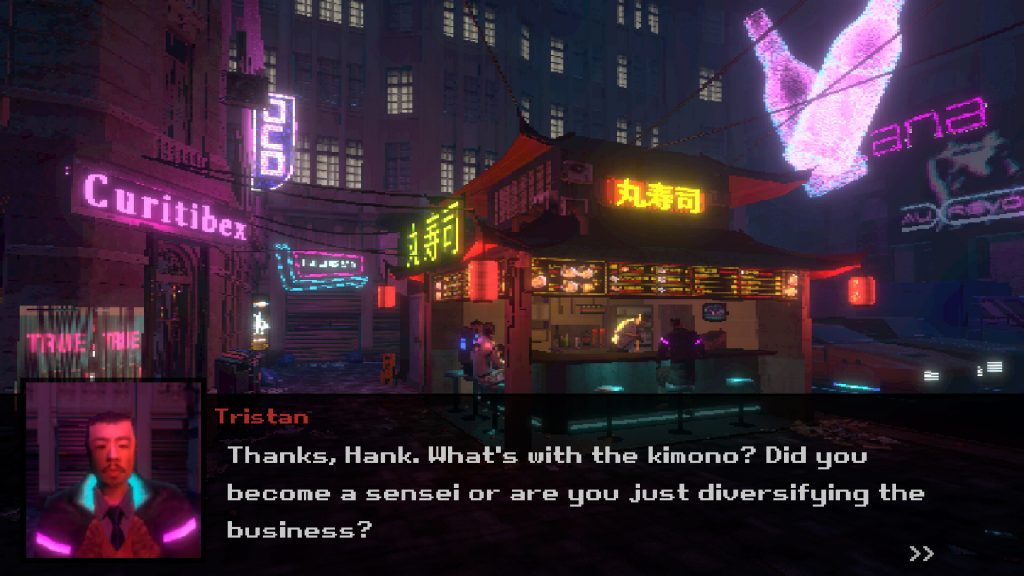
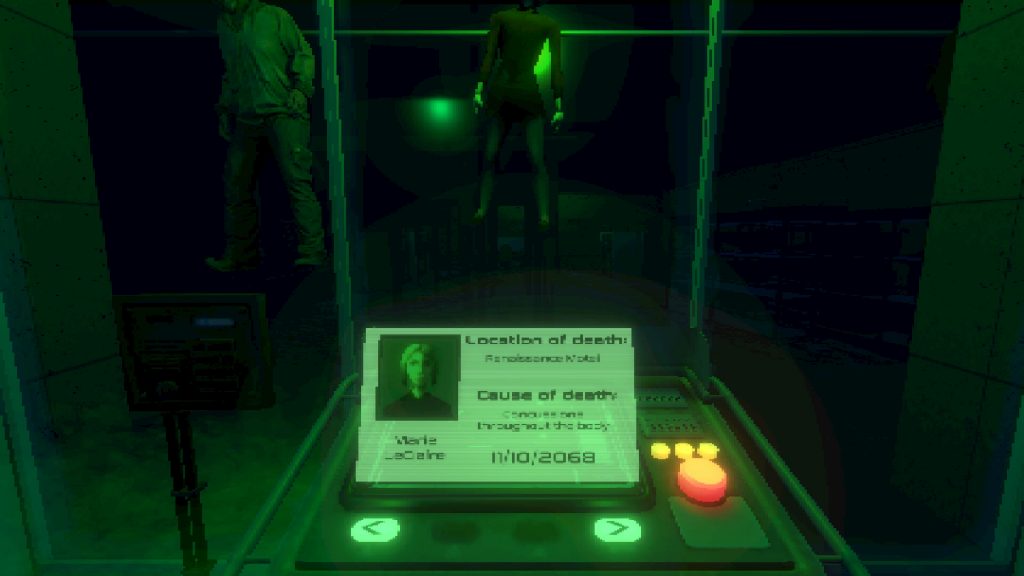
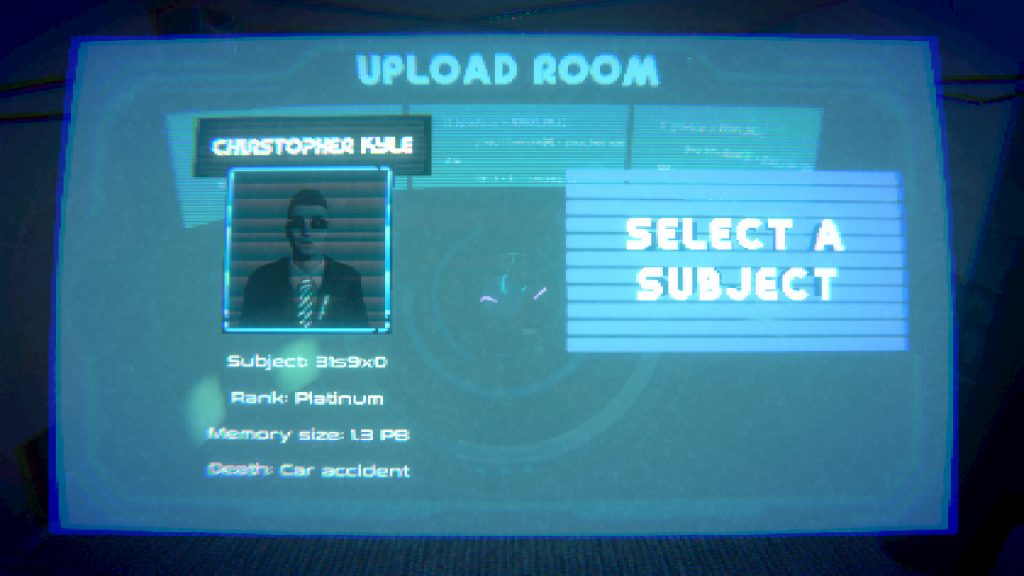
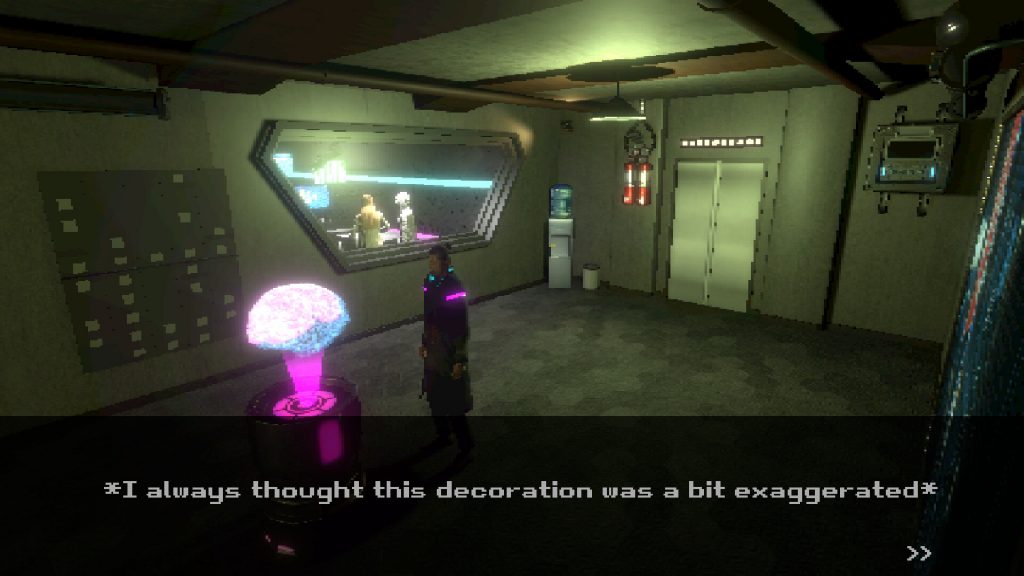
The setting is 2071, a dystopia dominated by Au Revoir Ltd., the corporation that monopolizes the “Synthetic Brain” market — technology capable of storing human consciousness. Players take the role of Tristan, an Au Revoir Sentinel tasked with recovering Synthetic Brains and transferring stored consciousness into new bodies.
What begins as routine recovery work curdles into an identity crisis: Tristan starts questioning whether his own memories and identity are genuine, as the possibility emerges that the Synthetic Brain he himself uses may be defective. The branching narrative structure means player choices shape the story’s direction toward multiple distinct endings — the specific format that lets a consciousness-transfer premise interrogate its own protagonist’s reliability as the game progresses.
Building From 1990s References
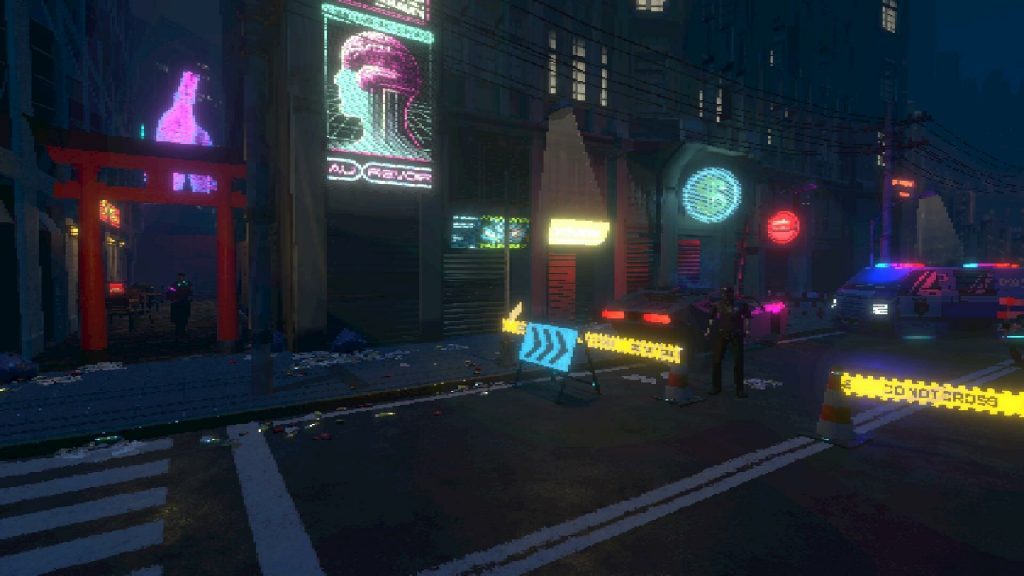
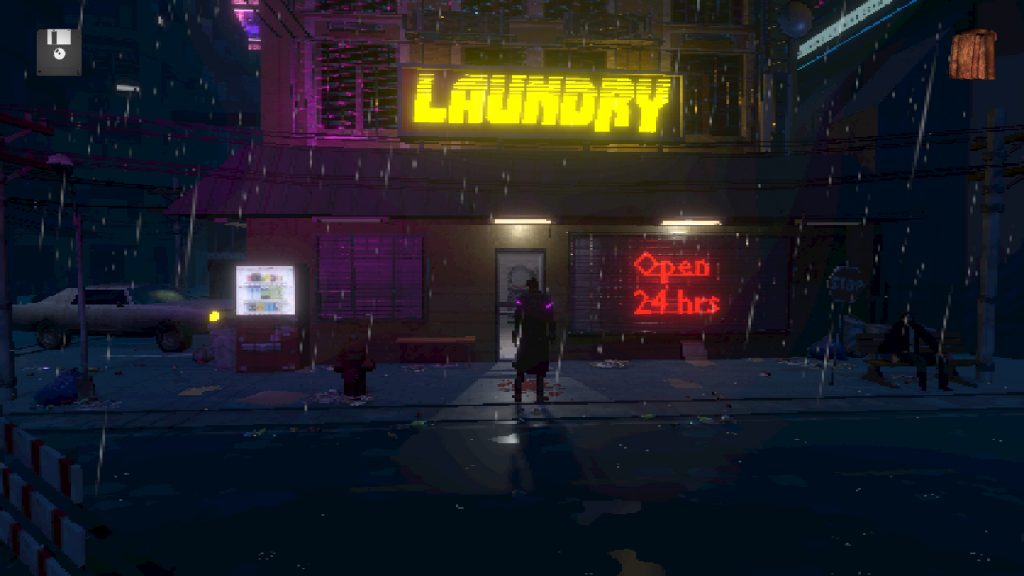
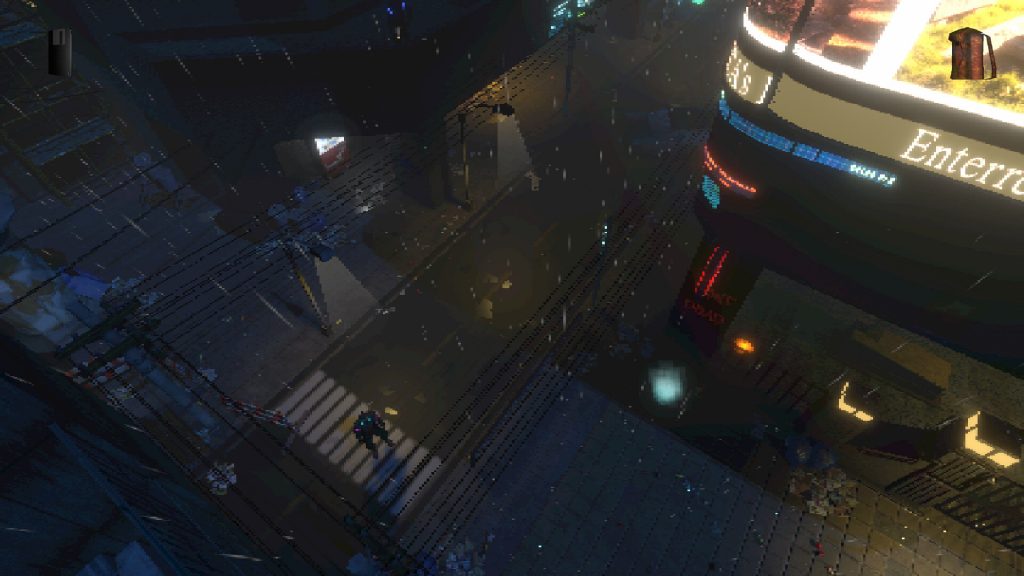
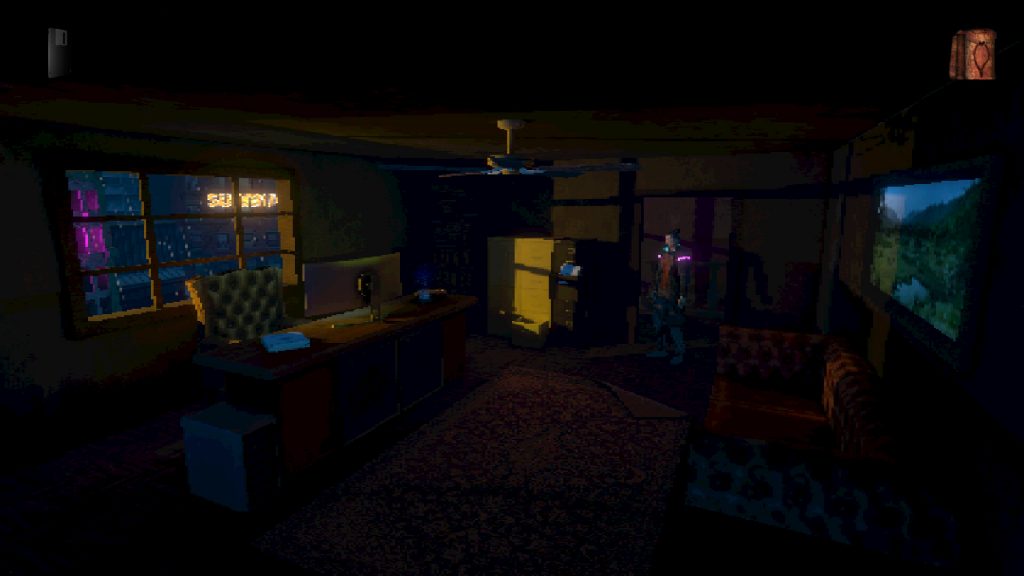
Invisible Studio has been explicit about drawing broadly from 1990s games for both visual and design direction. Westwood Studios’ 1997 Blade Runner is the primary stated inspiration, with puzzle and visual elements pulled from Silent Hill 2 and the original PlayStation Resident Evil 2.
One development anecdote captures the specificity of that influence directly: in early development, before Tristan’s final appearance was locked, the team used a placeholder PSX-style model referencing Ryan Gosling’s character from Blade Runner 2049 (2017). Producer Leonardo Pedroso: “Blade Runner was one of our biggest inspirations, so during the period when we were testing and validating ideas, we spent a lot of time exploring the world of Au Revoir as Ryan Gosling.”
Solving Point-and-Click’s Pixel Hunting Problem
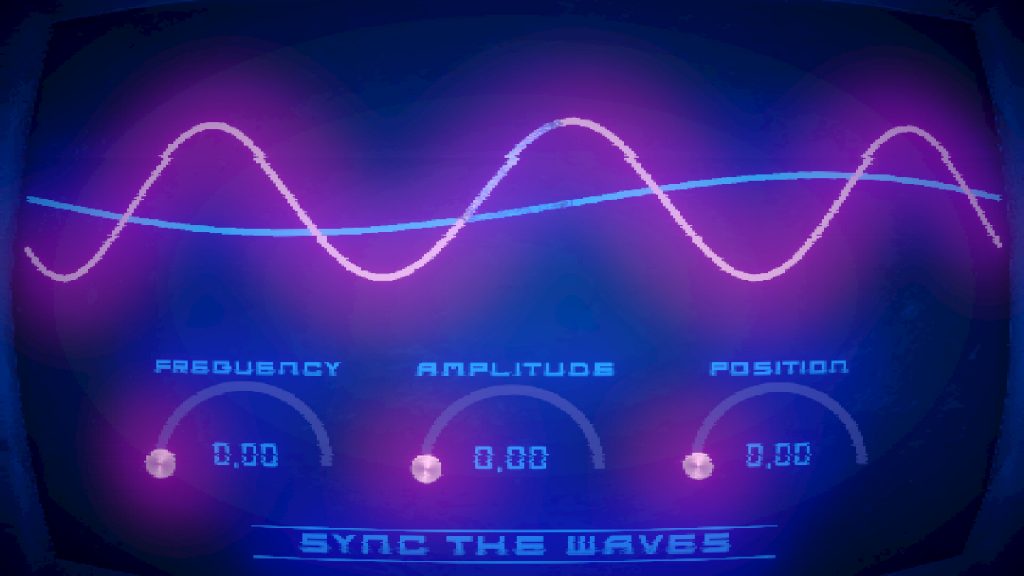
Invisible Studio, based in Curitiba, Brazil, and founded by a group of students’ shared passion, made Au Revoir its first full commercial title with a specific design mission: reducing the “pixel hunting” that has historically plagued the point-and-click genre.
Pedroso described the research process directly: “When we started developing the point-and-click game, we researched a lot of ’90s titles. Many of them relied on finding well-hidden items, attempting non-intuitive item combinations, and solving puzzles through trial and error.” The studio’s response was a deliberate rebalancing toward narrative: “Au Revoir places more weight on narrative, and today’s players are often unfamiliar with the genre. Rather than aimlessly hunting for objects on screen, we pursued intuitive solutions and clear item usage so players could naturally follow the investigation and the story.”
This is a meaningfully self-aware design position — a studio explicitly studying what made the genre’s classic era frustrating and designing against it, rather than treating obscurity as a feature of genre authenticity.
The Recommendation Set
Invisible Studio has directly named the audience it believes will connect with Au Revoir: fans of Disco Elysium, Nobody Wants to Die, Detroit: Become Human, The Bookwalker: Thief of Tales, and The Wolf Among Us. Pedroso’s own framing: narrative adventure, mystery, and SF fans; classic point-and-click enthusiasts; and anyone drawn to ’90s retro aesthetics and Blade Runner-style cyberpunk worldbuilding.
The PC version’s sustained Very Positive rating across a year and a half since launch is the track record the console release inherits — not a fresh, unproven title but a game that has already found and held an audience, now expanding its reach.
Who This Is For
Strong fit for: point-and-click adventure fans who specifically want reduced pixel-hunting friction over classic-genre difficulty; cyberpunk and Blade Runner-aesthetic enthusiasts; players drawn to narrative-first mystery adventures with consciousness-transfer SF premises; fans of the specifically named comparison titles (Disco Elysium, Detroit: Become Human, The Wolf Among Us); console players who missed the 2025 PC launch and want the game on PlayStation, Xbox, or Switch.
Cautious fit for: players who need Korean-language support confirmed before purchasing (currently unconfirmed); genre purists who specifically enjoy classic point-and-click’s harder, more obscure puzzle traditions; anyone who wants a completely fresh unproven title rather than one with an established PC track record.
Less ideal for: players who dislike point-and-click or narrative adventure mechanics; anyone seeking action or real-time gameplay; players wanting multiplayer options.
The Takeaway
Au Revoir is Invisible Studio’s debut commercial title, graduating from a well-received January 2025 PC launch to a full console release across PlayStation, Xbox, and Nintendo platforms on September 17. The neon-noir 32-bit aesthetic, the Blade Runner-inspired consciousness-transfer mystery, and the studio’s explicit design choice to reduce pixel-hunting friction in favor of narrative flow together describe a point-and-click adventure built by a Curitiba team that studied genre history carefully enough to design against its worst habits.
Tristan is recovering Synthetic Brains. His own memories may not be his own. And starting September 17, players on every major console can find out where that uncertainty leads.
Wishlists open now on PlayStation, Nintendo, and Xbox store pages.
Information regarding ‘ Au Revoir’
| item | detail |
|---|---|
| Developer | Invisible Studio (Invisible Studio, Curitiba, Brazil) |
| Publisher | Nuntius Games, Vsoo Games |
| Genre | Point-and-click, narrative adventure |
| platform | PC (Steam), PS4, PS5, Xbox One, Xbox Series X|S, Nintendo Switch, Switch 2 |
| Release date | Console version September 17, 2026 (PC version released on January 30, 2025) |
| language | English, Brazilian Portuguese (voice support), etc. — Korean support unconfirmed |
| Reactions/Evaluations | Steem “Very Positive” |
| Store | Steam / PlayStation / Nintendo / Xbox |