The survival-crafting genre is crowded, competitive, and notoriously difficult to break into. So when a Norwegian indie studio’s prehistoric survival adventure accumulates 450,000 wishlists across platforms before reaching even its first public test phase, it’s worth understanding what’s generating that interest. Under a Rock, the in-development survival adventure from Nordic Trolls (published by Gameforge), just released its fourth development diary — and the creature-taming and companion systems it unveiled are exactly the content that’s been driving the anticipation.
The systems revealed in this diary represent what the studio describes as the most-requested feature from the community, and they mark an important milestone as the project approaches its first public test phase.
A Prehistoric Fantasy With CGI Ambitions
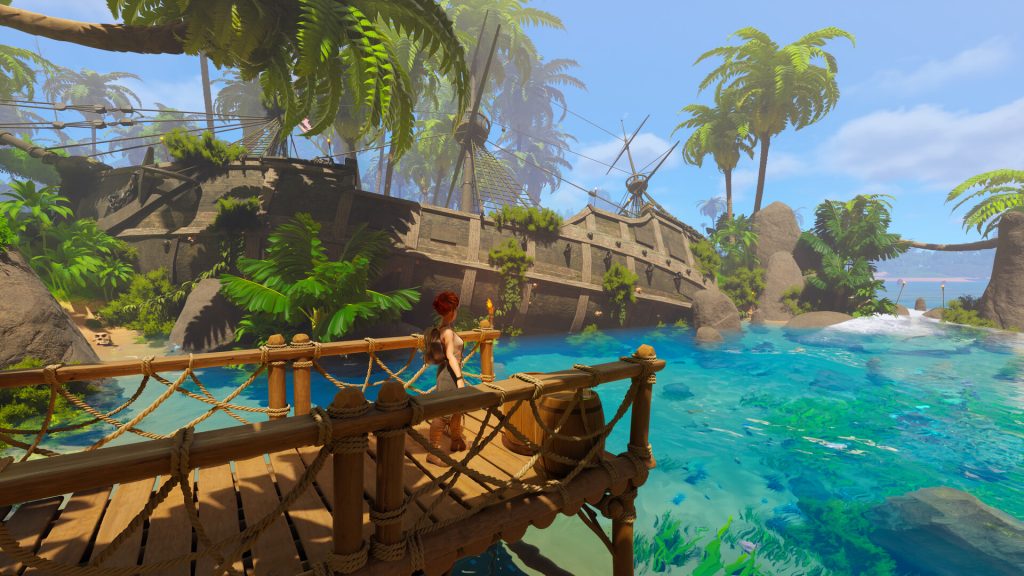
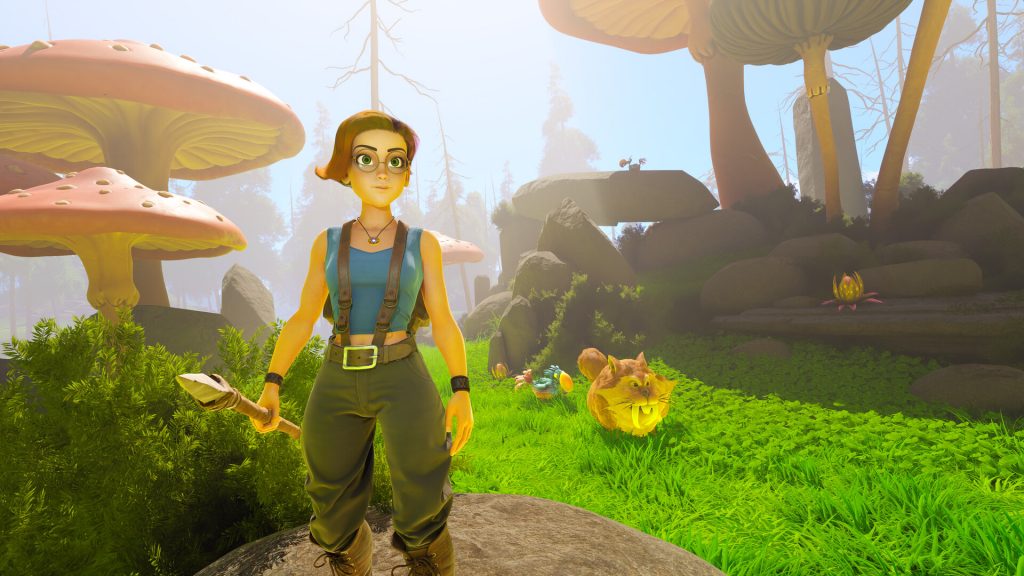
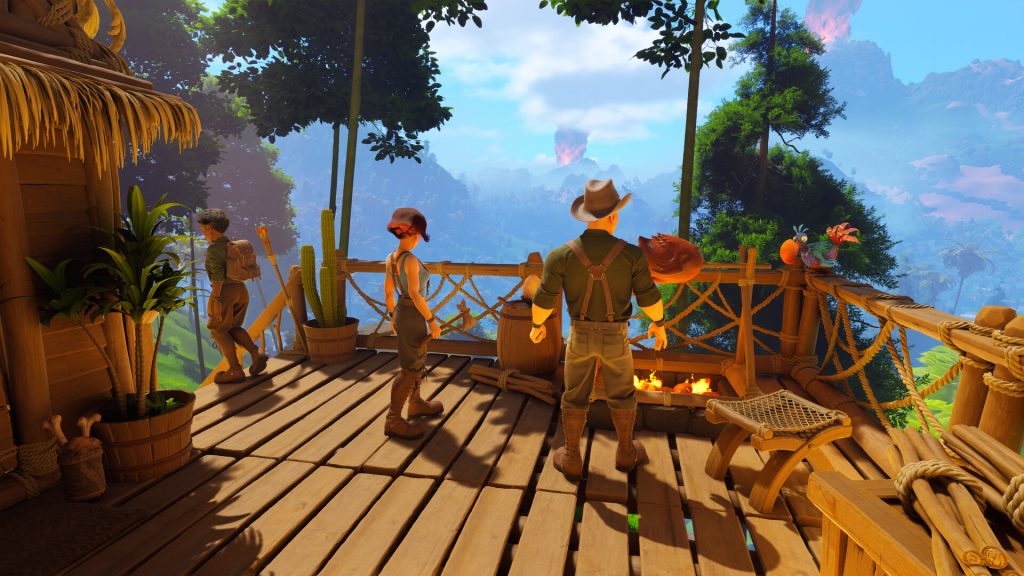
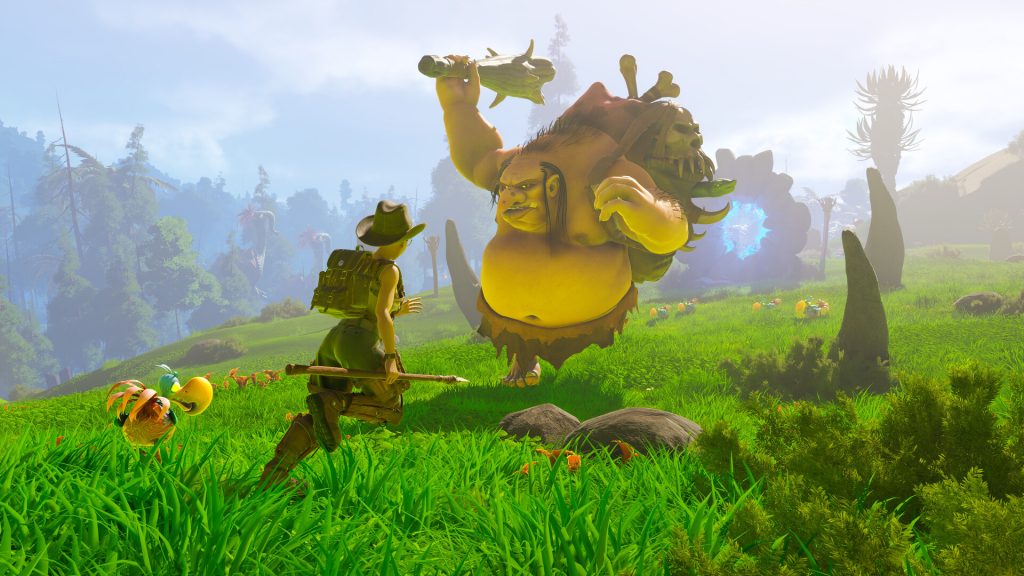
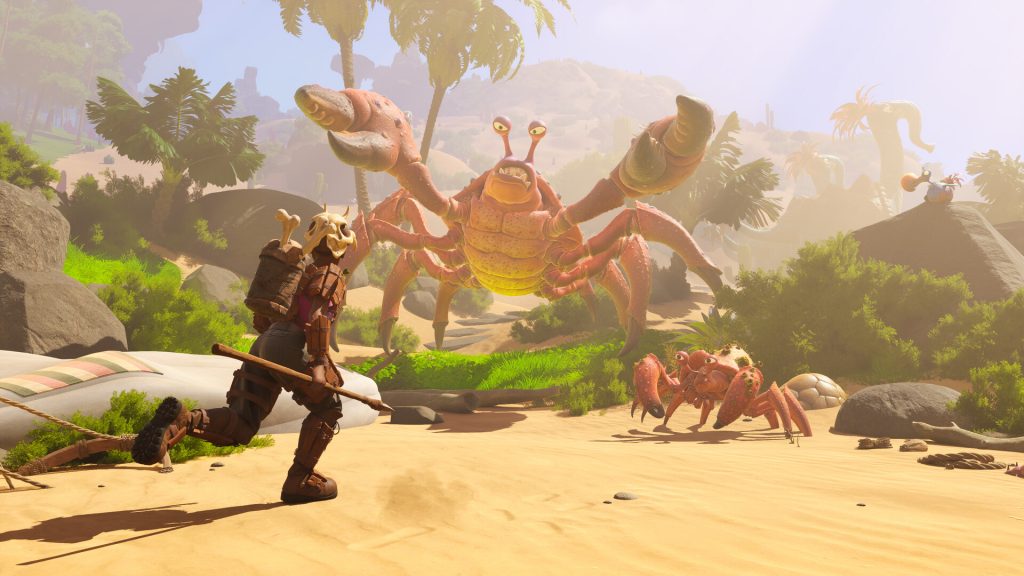
Under a Rock is built around CGI-level graphics ambitions applied to the survival genre. Players take on the role of an explorer stranded on a mysterious, vividly colorful island, exploring a world where evolution took a different path — populated by giant wild creatures, surviving Neanderthals, and a curse system that’s genuinely real within the game’s fiction.
The 19th-century explorer framing is an interesting choice. Most survival games place players as generic survivors in undefined circumstances; Under a Rock roots the experience in a specific historical-fantastical premise — a Victorian-era explorer encountering a world that diverged from known natural history. The presence of Neanderthals and the literal curse system push the setting from “survival sandbox” into “prehistoric fantasy,” giving the game a narrative texture the genre often lacks.
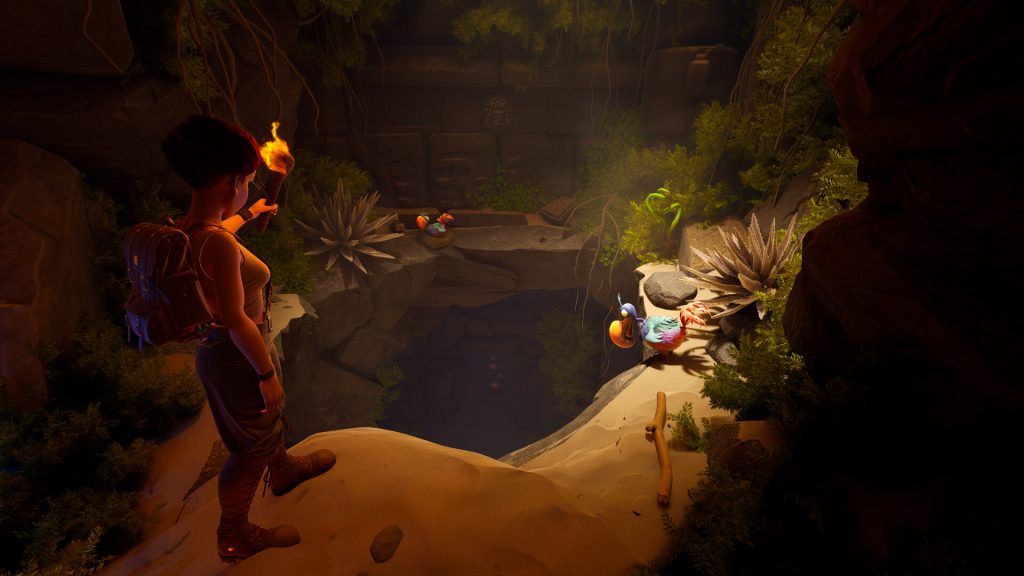
The world is procedurally generated, but the studio has emphasized purposeful design within the procedural framework. Improved starting points, richer biomes, and clear exploration route design give travel between regions purpose and distinctiveness. Jungles, caves, and underwater zones each carry unique dangers and rewards, while the day-night cycle modulates exploration rhythm and tension.
This is the right design priority for procedural survival. The genre’s recurring failure mode is procedural worlds that feel samey — endless variations on the same terrain with no reason to prefer one location over another. By layering deliberate biome design and exploration logic onto the procedural foundation, Under a Rock is attempting to capture procedural variety without procedural monotony.
The Two-Stage Creature System
The centerpiece of this development diary is the two-stage creature system that progresses from Taming to Companions. This is the content the community has been most eager to see, and it’s the system most likely to define whether Under a Rock succeeds in a genre where creature mechanics have become a major differentiator.
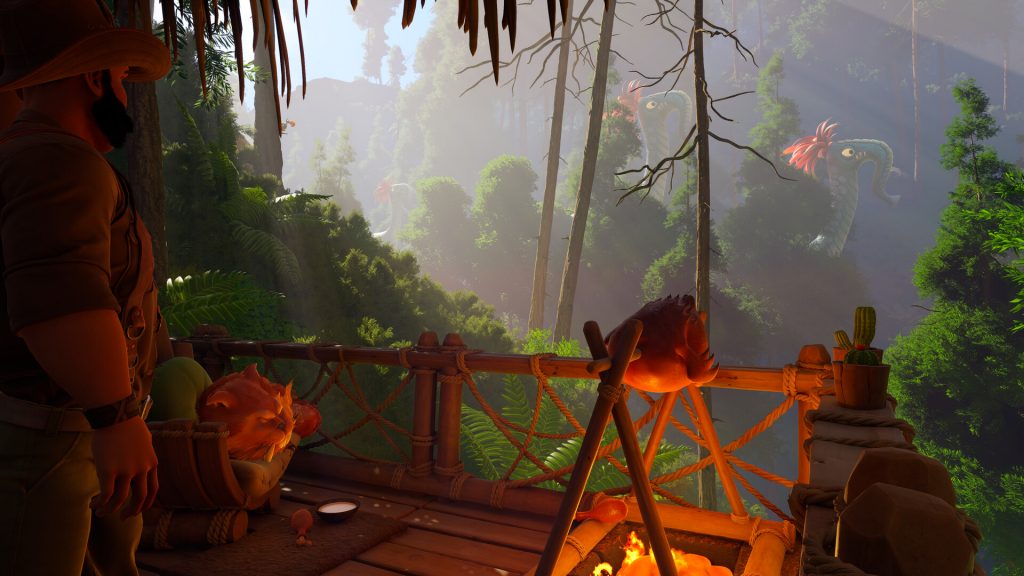
Taming works by capturing wild creatures using taming boxes equipped with each species’ preferred bait. Tamed creatures live at the player’s base, produce species-specific resources, and lay eggs when provided sufficient food and a stable environment. Critically, this isn’t a fire-and-forget system — tamed creatures require ongoing management, and insufficient care can cause them to revert to wild status.
That management requirement is a meaningful design choice. Many creature-collection survival games treat tamed creatures as permanent acquisitions once captured. Under a Rock‘s approach — where neglect causes reversion to wild status — creates ongoing engagement with the creatures rather than one-time collection. It also produces a resource-management layer: maintaining a stable of tamed creatures requires sustained food production and environmental stability, which integrates the creature system into the broader survival economy.
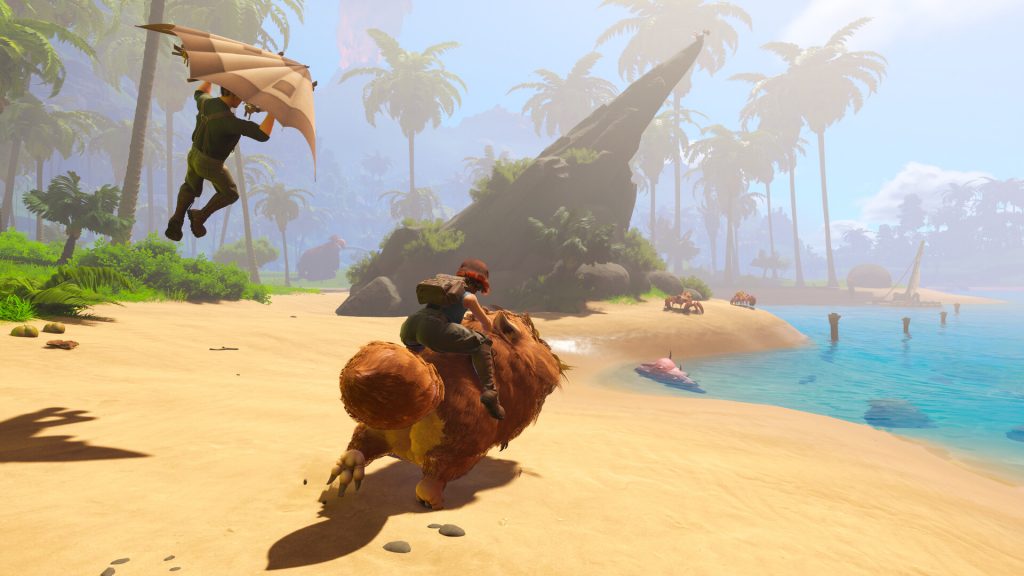
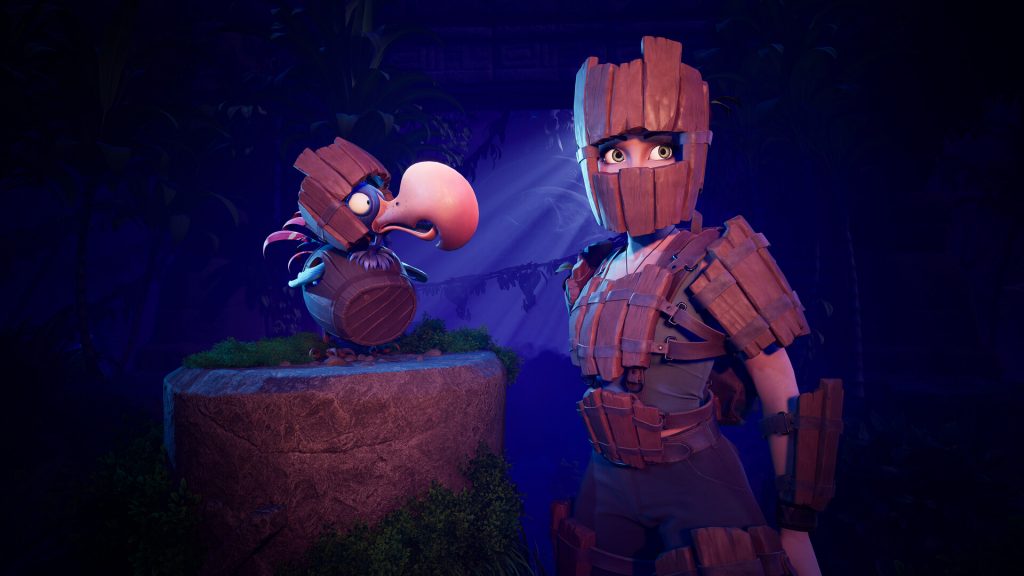
Companions are acquired by hatching the eggs from tamed creatures in incubators. These aren’t simple pets — they’re genuine adventuring partners that accompany players through exploration and combat. Players can ride companions as mounts to traverse the island, deploy them for combat support, and assign them to carry loot.
The command system supports wait, follow, attack, stop, mount, and dismount orders, with adjustable combat stances. And in a design choice that distinguishes Under a Rock from much of the genre, companions don’t die permanently. Even when downed in combat, they recover on their own after the dangerous situation passes.
This no-permadeath companion design is a notable departure from the genre’s harder-edge entries. Games like ARK often make creature loss permanent and devastating — a design choice that creates high stakes but also produces significant player frustration when hours of investment are lost to a single bad encounter. Under a Rock is betting that players will form deeper attachments to companions they don’t risk losing permanently, and that the reduced punishment fits the game’s broader philosophy of prioritizing creativity and discovery over extreme survival penalties.
The New Creatures
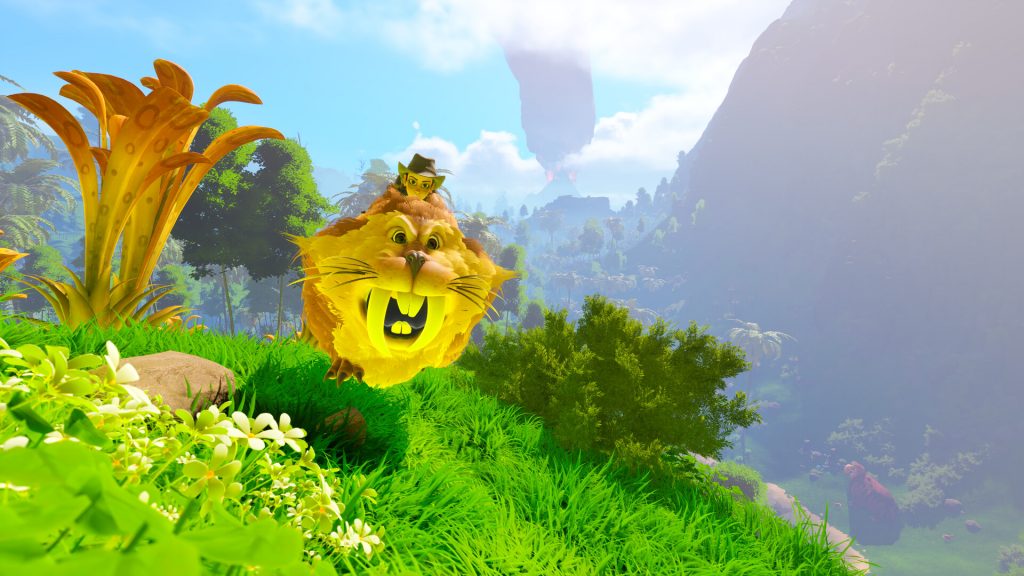
The development diary also revealed new creatures joining the roster. The “Curse Eye” a mysterious entity inhabiting crystal caves, and the “Giant Bee,” found in forest and grassland regions, both join through this update.
These additions reflect the game’s tonal range. The Curse Eye fits the supernatural-curse element of the setting, while the Giant Bee fits the prehistoric-fantasy creature design. Together they demonstrate the visual and conceptual variety the creature roster is aiming for — not just bigger versions of real animals, but genuinely fantastical creatures grounded in the game’s specific evolutionary-divergence premise.
The Survival Philosophy
Under a Rock explicitly positions itself toward creativity, exploration, and discovery rather than extreme survival penalties. This is a meaningful philosophical stance in a genre that often defines itself through punishment — hunger meters that drain relentlessly, death that costs everything, environments that constantly threaten to undo progress.
The game supports solo play and up to 10-player co-op, with the design clearly oriented toward the cooperative, exploration-focused end of the survival spectrum. Creatures aren’t merely things to kill — some provide unique abilities that aid exploration, and resource gathering, base building, agriculture, fishing, underwater exploration, and cave exploration all connect organically into a single interconnected ecosystem.
This interconnection is the design thesis. Nordic Trolls co-founder Thorbjørn Olsen has described the development goal as “building gameplay systems where exploration, building, combat, and discovery connect meaningfully to each other.” That’s the right ambition for the genre’s current state — the most successful recent survival games are the ones where systems feed each other rather than operating as parallel activities, and Under a Rock is explicitly designing for that integration.
The Comparisons and the Community
Community response has been positive, with Steam and Discord users converging on a recurring comparison: that Under a Rock combines the sensibilities of ARK, Palworld, and Subnautica. That’s a telling combination of reference points — ARK‘s creature taming, Palworld‘s companion-creature integration, and Subnautica‘s exploration-driven survival and underwater design.
The dodo mounts, creature breeding, and prehistoric fantasy setting have generated particular enthusiasm. And the companion system revealed in this diary specifically has drawn reactions that it “looks like a real companion system beyond simple pets” — exactly the response Nordic Trolls would want for their most-requested feature.
International coverage has tracked the project’s momentum. GamingBolt highlighted the interconnected gameplay structure and exploration-focused design. XboxEra emphasized the 450,000+ cross-platform wishlist achievement as a major milestone. Gematsu covered the creature taming trailer reveal with emphasis on the simultaneous console-PC launch plan.
The 450,000 wishlist figure deserves specific attention. For a survival game still approaching its first public test phase, that’s a substantial pre-release audience — comparable to or exceeding the pre-launch positioning of several successful genre releases. It suggests Under a Rock has found a real audience hungry for its specific combination of prehistoric fantasy, creature taming, and cooperative exploration.
The Companion Stat System
The five companion stats — Mobility, Ferocity, Vitality, Carrying Capacity, and Toughness — give the creature system mechanical depth beyond simple collection. Different companions presumably excel in different stat profiles, which creates the build-variety logic that sustains creature-collection games. A high-Mobility companion serves different functions than a high-Ferocity or high-Carrying-Capacity one, encouraging players to maintain diverse stables for different activities.
This stat structure is what separates meaningful creature systems from cosmetic ones. When companions have distinct mechanical profiles, players make strategic decisions about which to breed, raise, and deploy for which activities. When companions are mechanically interchangeable, the collection becomes purely aesthetic. Under a Rock‘s five-stat system positions the creatures as strategic assets rather than just collectibles.
Who This Is For
Strong fit for: ARK players who find the genre’s permadeath and punishment frustrating; Palworld fans interested in deeper companion integration; Subnautica fans drawn to exploration-focused survival; cooperative survival players (the 10-player co-op is a major feature); creature-collection enthusiasts who want taming and breeding systems with genuine depth.
Cautious fit for: hardcore survival players who specifically want extreme penalties and high-stakes permadeath; players who prefer realistic settings over prehistoric fantasy.
Less ideal for: players who dislike procedural generation; anyone seeking competitive or PvP-focused survival; players who prefer solo-only experiences without co-op design influence.
What to Watch For
A few questions will shape Under a Rock‘s path to release.
The first is whether the creature systems deliver depth in actual play. The development diary describes systems that sound genuinely substantial, but creature taming and companion mechanics are difficult to evaluate without hands-on experience. The first public test phase will be the real test of whether the two-stage system feels as engaging as it sounds.
The second is the procedural world’s quality. Survival games live or die on whether their worlds feel worth exploring. The studio’s emphasis on purposeful biome design within procedural generation is the right priority, but execution will determine whether the world delivers genuine exploration satisfaction.
The third is technical performance. CGI-level graphics ambitions on a procedurally generated open world with 10-player co-op is a demanding technical target. Whether Nordic Trolls can deliver the visual quality they’re aiming for while maintaining performance across solo and large co-op sessions is a significant question.
The fourth is the timeline. The project has been in development since 2023 and still doesn’t have a release date, with the first public access phase still ahead. How the public test phase goes will significantly clarify the path to full release.
The Takeaway
Under a Rock is one of the more promising survival adventures on the horizon, distinguished by its prehistoric fantasy setting, its creature-taming-and-companion systems, and its design philosophy that prioritizes creativity and exploration over punishment. The 450,000 wishlist count demonstrates real pre-release demand, and the creature systems revealed in this development diary address exactly the content the community has been most eager to see.
The no-permadeath companion design, the two-stage taming-to-companion progression, the five-stat mechanical depth, and the interconnected systems philosophy all suggest a studio thinking carefully about what survival players actually want from creature mechanics. Whether the execution delivers on the design ambition is the question the upcoming public test phase will answer.
For survival and creature-collection fans, this is one to wishlist and watch closely. The first public access phase will be the moment to evaluate whether Under a Rock delivers the interconnected, exploration-driven, creature-focused survival experience it’s promising. Based on the development diary and the substantial pre-release audience, there’s real reason for optimism.
A stranded Victorian explorer. An island where evolution went sideways. Giant creatures to tame, raise, ride, and fight alongside. As prehistoric survival pitches go, Under a Rock‘s is one of the more distinctive — and the creature systems revealed here suggest the game is building toward delivering on it.
Information regarding ‘Under a Rock’
| item | detail |
|---|---|
| Developer | Nordic Trolls (Norway) |
| Publisher | Gameforge 4D GmbH |
| Genre | Procedurally Generated Open World Survival Adventure / Crafting Sandbox |
| Release platform | PC (Steam / Epic Games Store) / PlayStation 5 / Xbox Series |
| Scheduled for release | Undetermined (Preparing for first public access phase) |
| Play Mode | Solo / Co-op up to 10 players |
| Wishlist | 450,000+ cases (total across all platforms) |
| core system | Creature Taming · Companions / Procedurally Generated Worlds / Base Building / Underwater Exploration · Cave Exploration |
| Companion Stats | 5 types: Mobility, Ferocity, Vitality, Cargo Capacity, and Toughness |
| Unique settings | 19th-century explorer setting / Neanderthal presence / Curse system |
| Main Keywords | Survival, Creature Taming, Open World, Procedural Generation, Co-op, Prehistoric Fantasy, CGI Graphics |
| Official Channel | Discord · Steam Community |
| Steam Page | Go to Wishlist |