Late 1990s Tokyo. A girl named Reina Amahara has moved into your apartment, and the world is ending, and she knows how to stop it, and the ritual requires living together under specific conditions that you’re responsible for maintaining. You pay her living expenses. You manage her mood. You collect stickers commemorating the moments you share — 100 in total, filling an Angel Passport that tracks the relationship being built toward whatever the ritual requires.
Rain98 from Tokyo-based indie label C#4R4CT3R is a lo-fi psycho thriller and romance visual novel that has been building its audience at game festivals worldwide — BitSummit, Tokyo Game Show, ChinaJoy, PAX East, WePlay, G-EIGHT — before winning Best of Show at PAX East 2026. The 70,000+ wishlists represent an audience that has been following the game through a December 2025 release delay and has kept accumulating since. Korean language support is confirmed, and BIC 2026 in August will be the game’s first showing for Korean audiences.
The Apocalypse Framing and What It Does
The end-of-world ritual as the reason two people are living together is a premise that does specific work. It’s not romance in the conventional sense — the shared living arrangement has a stated external purpose, something cosmic and undefined that requires this specific proximity and these specific activities. The relationship being built is simultaneously mundane (paying for food, managing moods, playing minigames) and weightily consequential (preventing the apocalypse through some mechanism the game gradually reveals).
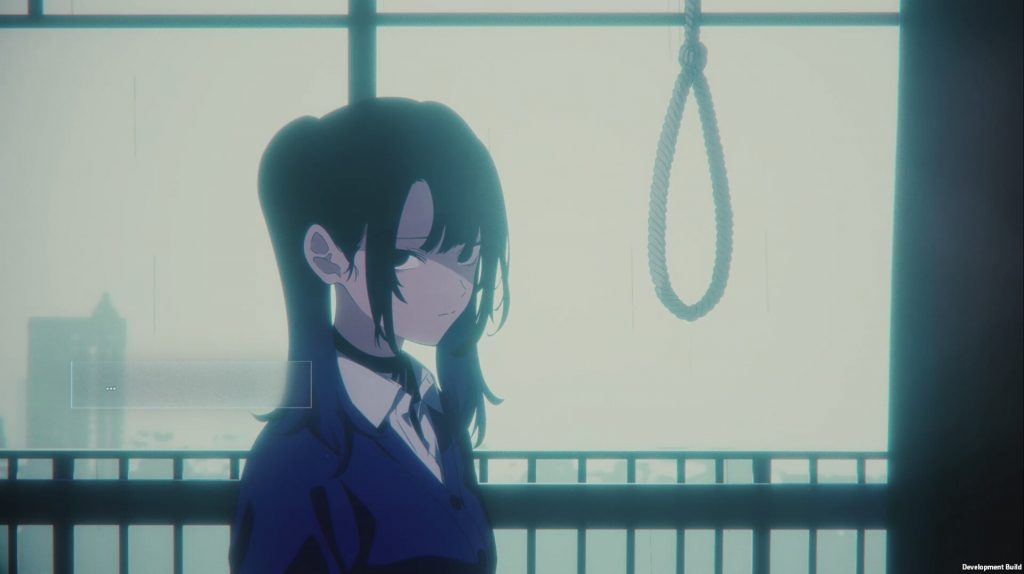
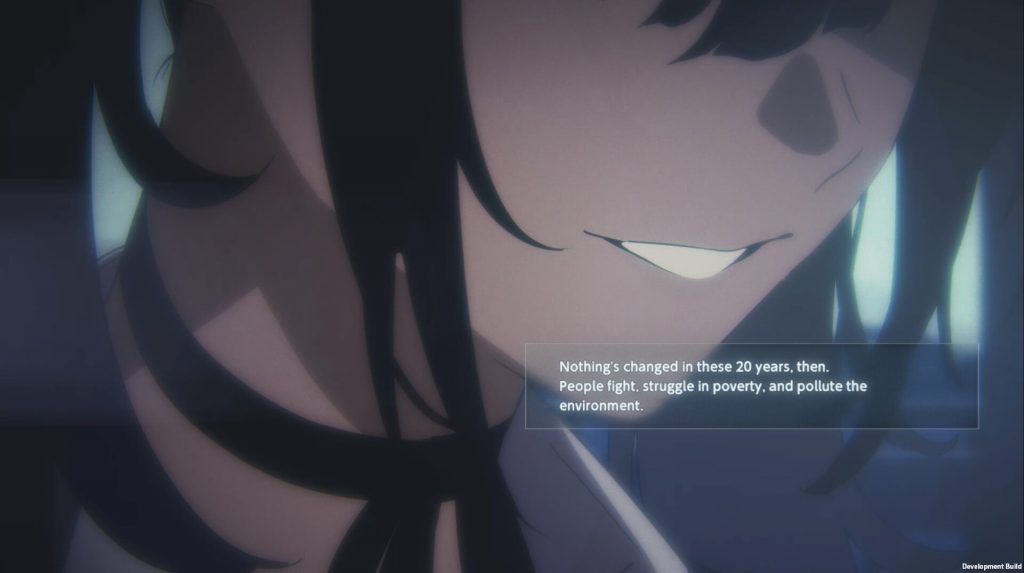
This framing creates narrative permission for the psychological instability that the “psycho thriller” half of the genre description promises. Reina is described as a “girl of unknown identity” — someone whose origins and nature are not immediately clear, whose reasons for accepting this arrangement are not transparent, and whose mood the player must manage without fully understanding her. The relationship isn’t between two fully legible people; it’s between the player and someone who is simultaneously intimate and opaque.
Director Shun T described the game as involving “violence, fear, fetishism, and mystery mixed into a journey toward the end of the world” — which is an unusually direct creative statement that signals the game is not presenting a conventional romance structure with dark aesthetic clothing. The psycho thriller element is substantive rather than decorative; the discomfort is part of the experience rather than surface flavor applied to comfortable genre conventions.
The Perfect Blue and Umi ga Kikoeru (Ocean Waves) references that the development team cites as primary influences are specific and revealing. Perfect Blue is Satoshi Kon’s 1997 psychological thriller about identity dissolution and the horror of being perceived rather than known — a film whose domestic spaces are never truly safe and whose central relationship is an act of violent appropriation. Ocean Waves is a softer, melancholic Studio Ghibli production about teenage memory and the specific feeling of young relationships that leave unresolved traces. The combination suggests a game that is simultaneously about the warmth of shared time and the danger in proximity to someone you don’t fully understand.
The Angel Passport and Time-Building Structure
The 100-sticker Angel Passport is a progress system that doubles as the game’s emotional architecture. Each sticker represents a specific moment shared with Reina — not an arbitrary collectible but a documented memory, something she specifically values enough to commemorate. Completing the passport is completing a record of the relationship, which means the game’s progress metric is accumulation of shared experience rather than completion of chapters.
This progress structure is coherent with visual novel design that centers on relationship building rather than plot advancement. The question isn’t “what happens next in the story?” but “what is the next moment Reina will want to remember?” — which creates a different kind of narrative investment. Players aren’t moving toward resolution; they’re accumulating texture, adding weight to the relationship through repeated small interactions that the passport makes concrete.
The resource system that supports this — earning money through activities in Reina’s room, spending on food and gifts — creates the economic dimension of the relationship. Taking care of someone financially is a form of intimacy that visual novels often leave abstract; Rain98 makes it a daily mechanical concern. Whether you’ve managed the finances correctly is visible in Reina’s mood and in what activities are available.
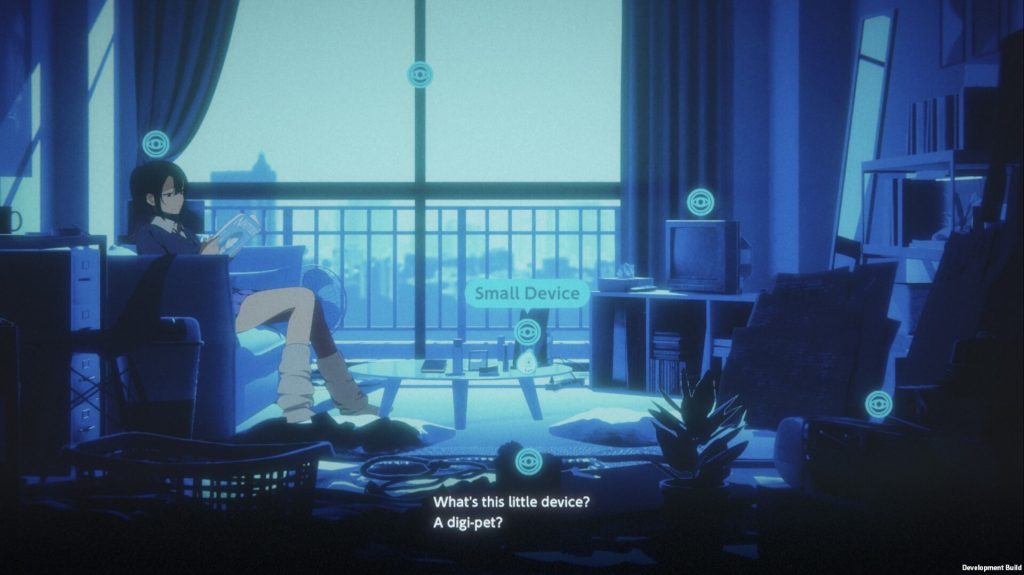
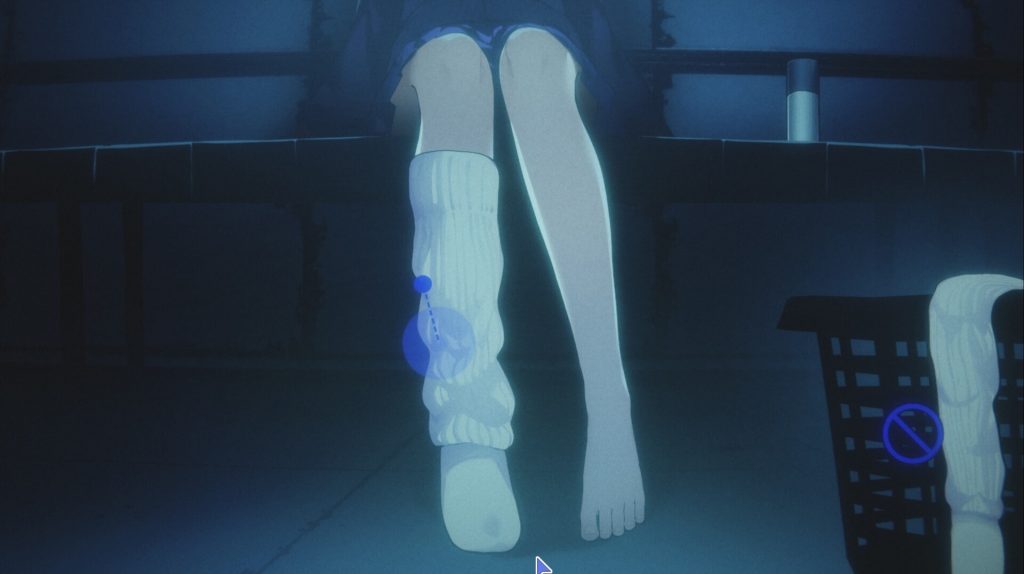
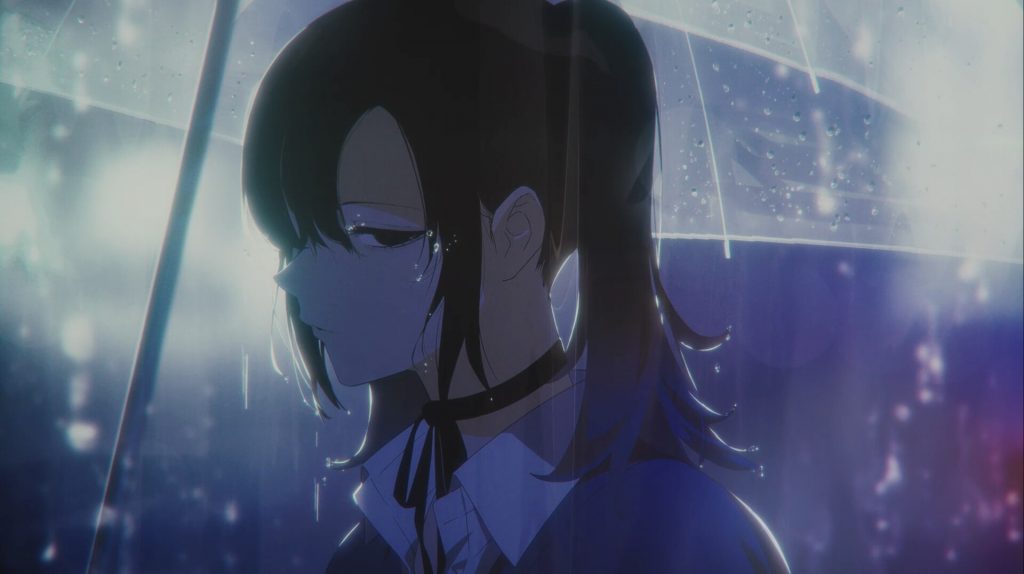
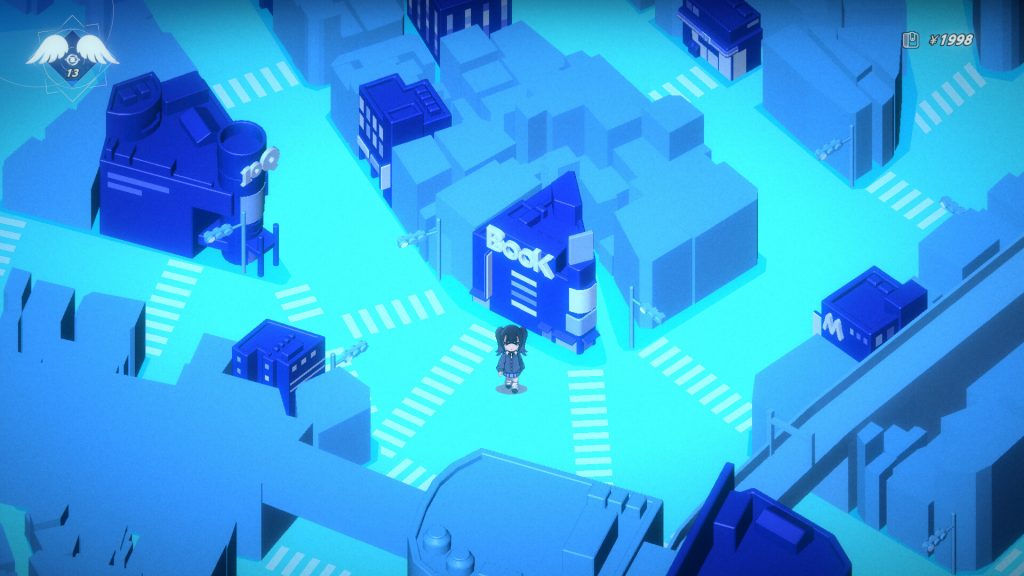
The Minigame Design and 1998 Japanese Youth Culture
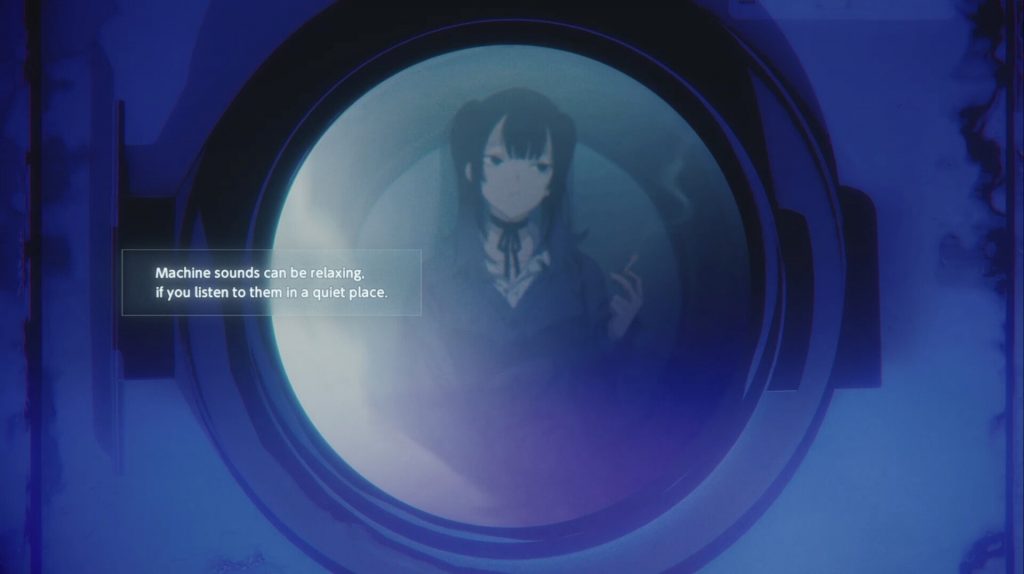
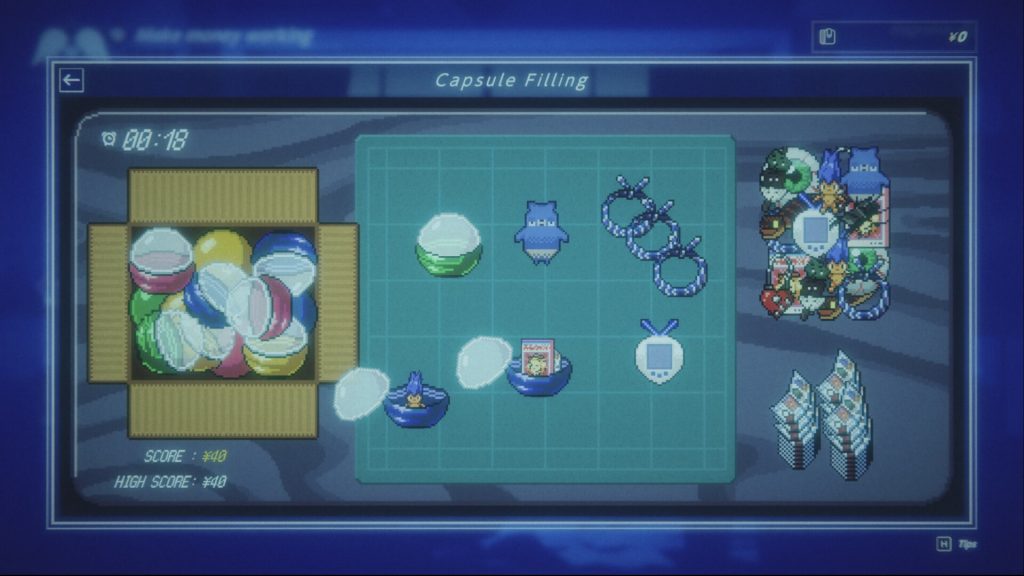
The minigames are doing cultural work alongside their mechanical function. Capsule toy assembly, bead crafting, laundromat part-time work — these are specific activities drawn from Japanese youth culture of the late 1990s, the particular moment when Japan’s economy was in the early years of the Lost Decade and the specific textures of young adult life were defined by certain kinds of affordable leisure and necessary work.
The late 1990s setting isn’t arbitrary aesthetic nostalgia — it’s a specific cultural moment that lo-fi aesthetics have become associated with through the “lo-fi beats” music genre’s iconography, and that Japanese media from the period (the anime the development team references, the street fashion, the specific technology of the era before smartphones) has acquired a particular emotional valence in contemporary culture. The vending machine colors, the cassette tapes, the rain-slicked streets of late-night Tokyo — these are images that carry weight for people who remember the period and for people who’ve encountered it through media.
The minigames are the entry points into this specificity. Playing a laundromat part-time work minigame in 1998 Tokyo is experiencing a particular kind of young-adult economics that defines the era. The capsule toy mechanic references a specific form of consumer culture that was at its peak cultural presence in that period. These aren’t generic “do tasks to progress” mechanics; they’re period-appropriate activities that extend the game’s world-building into mechanical texture.
The Sound and Visual Design
1,500+ hand-drawn illustrations with no AI-generated content is a production statement that the art team wants their work understood as human-made. For a game about intimacy and psychological proximity, the human-drawn quality of the illustrations is directly relevant to the emotional register — machine-generated imagery carries a specific impersonal quality that would undercut exactly the kind of close-in emotional work the game is doing.
The 30+ on-location recorded rain sounds are similarly specific. Stock rain sound effects exist in abundance and are functionally indistinguishable to most listeners; recording rain on-location means the specific acoustic signatures of particular places at particular moments are in the game. This is the kind of decision that players may never consciously notice but that contributes to the specific feeling of environmental authenticity that distinguishes crafted audio from assembled audio.
The blue tone color shifts that communicate Reina’s psychological state are a visual storytelling technique drawn from the anime tradition the game cites as influence. Perfect Blue used color and light to track Mima’s psychological destabilization; Rain98 applies this to Reina, making her mood visible not through explicit statement but through the palette that surrounds her. Players learn to read color as emotional information, which deepens the relationship mechanics — understanding how Reina is feeling becomes a visual literacy rather than a dialogue prompt.
Tsuchiya Rio’s voice performance as Reina, combined with the theme song they’ve recorded for the trailer, extends the character’s presence into audio registers that visual novel character design typically doesn’t reach. Tsuchiya’s profile — recognizable from major productions including Zenless Zone Zero and THE iDOLM@STER Shiny Colors — gives Reina’s voice a specific quality and cultural weight within Japanese voice acting that audiences familiar with those works will bring to the character.
The Festival Circuit and PAX East Best of Show
Rain98‘s game festival presence across BitSummit, Tokyo Game Show, ChinaJoy, PAX East, WePlay, and G-EIGHT represents an international exposure strategy that has been building an audience across different cultural contexts simultaneously. The PAX East Best of Show recognition is particularly significant because PAX East is a North American-facing major gaming event — recognition there signals that the game’s appeal is genuinely cross-cultural rather than specific to Japanese or Asian game audiences.
The wishlist growth from 45,000 to 70,000+ between the December 2025 delay announcement and now represents a counterintuitive positive: typically, release delay announcements cause wishlist stagnation or decline as audience attention disperses. Rain98 has grown by roughly 56% in the months following its delay, which indicates that the delay itself was perceived as a quality signal rather than a warning sign — audiences believe the additional development time will produce a better game rather than interpret the delay as a development problem.
Director Shun T’s statement about the delay — that feedback from hundreds of players at game events worldwide helped refine the game’s direction — provides the narrative that converts delay into invested development: the extra time was used productively for feedback integration, not recovered from a crisis.
The BIC 2026 Korean Debut
The combination of Korean language support confirmation and BIC 2026 as the Korean debut venue represents C#4R4CT3R’s specific entry strategy for the Korean market. BIC is the most prominent Korean indie gaming event internationally, and debuting there signals awareness that the Korean indie game community is a meaningful target rather than an afterthought.
The wishlist geographic distribution — 70%+ from North America and Asia — indicates the game’s existing audience has Korean and broader Asian representation. The language support formalizes what the wishlist data was already suggesting: Korean-speaking players are a meaningful portion of the people who want to play Rain98, and the localization makes their experience complete rather than partial.
Who This Is For
Strong fit for: visual novel enthusiasts who specifically want psychological complexity rather than conventional romance structure; audiences who responded to Perfect Blue and similar late-1990s Japanese animation for its specific aesthetic and psychological register; lo-fi music listeners and aesthetic enthusiasts who want their visual sensibility in an interactive format; players who appreciate games where mood and atmosphere are primary rather than supporting; Japanese indie game followers who have been tracking C#4R4CT3R’s festival appearances; Korean-speaking visual novel fans who can now engage with the game in their language from launch.
Cautious fit for: visual novel players who prefer straightforward romantic narratives without psychological thriller elements; players who want clear genre conventions rather than the genre-mixing that “psycho thriller romance” describes; anyone who finds the apocalypse-ritual framing too abstract as romantic context.
Less ideal for: players who dislike visual novel structure and want action or mechanical complexity as primary engagement; anyone who finds late-1990s Japanese cultural setting uninviting; players seeking cooperative or competitive multiplayer.
What to Watch For
The release date announcement in 2026 will clarify whether the game’s festival circuit has been building toward a specific launch or whether the timeline remains genuinely uncertain. The delay from 2025 to 2026 and the ongoing “within 2026” framing suggest the development team is releasing when they’re satisfied rather than on a commercial schedule — which is consistent with a small indie label’s self-publishing position but creates uncertainty for the community’s planning.
The psycho thriller element’s execution is the most interesting question. “Violence, fear, fetishism, and mystery,” alongside lo-fi romance, is a combination that can produce genuine complexity or can produce genre confusion if the tonal elements don’t cohere. Whether Rain98 integrates the thriller and romance registers into a single coherent experience or alternates between them will determine whether the genre description reflects a unified vision or an unstable hybrid.
The Takeaway
Rain98 is one of the more formally distinctive visual novels currently in development — a lo-fi psycho thriller that uses 1998 Tokyo’s specific cultural textures, 1,500+ hand-drawn illustrations, on-location recorded rain, and Tsuchiya Rio’s voice performance to build an atmosphere of intimate unease around a relationship structured by apocalypse prevention and 100 sticker-commemorated memories. PAX East Best of Show recognition and 70,000+ wishlists confirm the concept is reaching its audience internationally.
The BIC 2026 debut with Korean language support marks C#4R4CT3R’s formal entry into the Korean market — an appropriate venue for a game whose visual aesthetic and emotional register have specific resonance with Korean indie game audiences who have followed Japanese lo-fi culture’s influence on games, music, and visual arts.
Reina is waiting. The Angel Passport is empty. The rent needs paying. And somewhere in the blue-toned rain of late-night Tokyo, a world is ending in the slowest, most intimate possible way.
BIC 2026 in August. Steam release in 2026.
Information regarding ‘Rain98’
| item | detail |
|---|---|
| Developer | C#4R4CT3R (Shibuya, Tokyo, Japan) |
| Publisher | C#4R4CT3R (Self-publishing) |
| Genre | Lo-fi Psycho Thriller & Romance Adventure / Visual Novel |
| Release platform | PC (Steam), Console (TBD) |
| Scheduled for release | Within 2026 (exact timing TBD) |
| First unveiling in Korea | August 2026, Busan Indie Connect Festival (BIC 2026) |
| Language support | Multilingual support including Korean subtitles and interface |
| Major Awards | PAX East 2026 ‘Best of Show’ |
| Steam Wishlist | Over 70,000 cases (over 70% in North America and Asia) |
| voice actor | Rio Tsuchiya (as Reina Amahara) |
| Steam Page | Shortcut |