A young explorer named Katari discovers her father’s diary after his death. The diary leads her to Ciudadela — a mountain that has been sealed for a long time, holding the remnants of a lost civilization and the answer to whatever her father was trying to reach before he died. The path to the summit is blocked by puzzles built on historical inventions. The main tool for solving them is a Balearic sling.
Echoes From Ciudadela from Buenos Aires studio Kronos Interactive (founded 2024) launched July 23 as the studio’s debut release, following a Steam Next Fest demo that introduced the premise and the game’s opening section. The full game’s 4-6 hour runtime positions it as a focused narrative experience rather than an extended puzzle campaign — closer in scope to SOMA or Firewatch than to The Witness or Portal 2.
The Balearic Sling as Puzzle Tool
The Balearic sling — the ancient Mediterranean projectile weapon whose name comes from the Balearic Islands, where it was developed to particular sophistication — is an unusual puzzle tool choice that is historically specific rather than generic. Ancient sling users were trained specialists capable of remarkable accuracy; the Balearic Islanders were renowned throughout the ancient Mediterranean world for slingers whose skill could match archers.
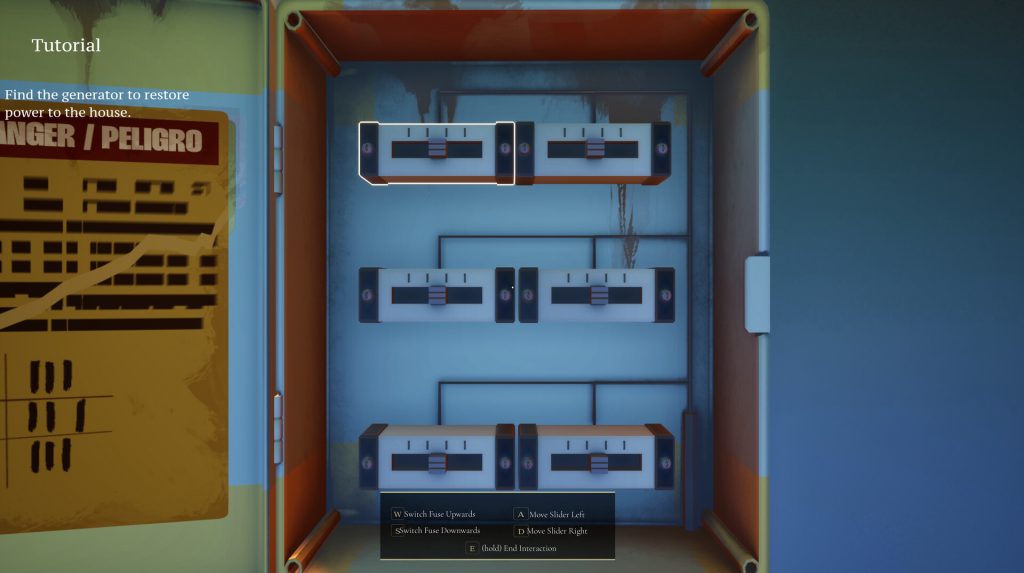
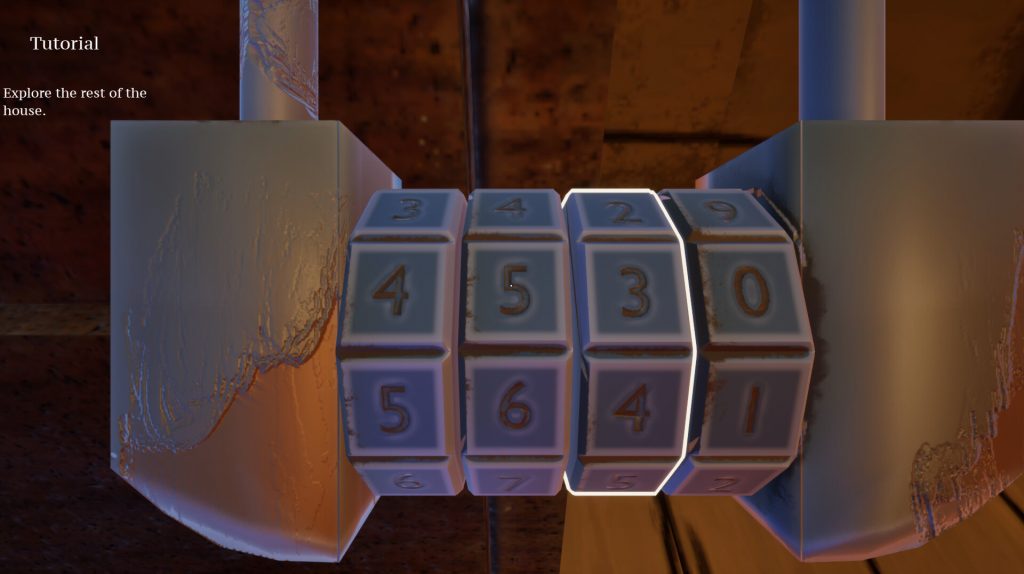
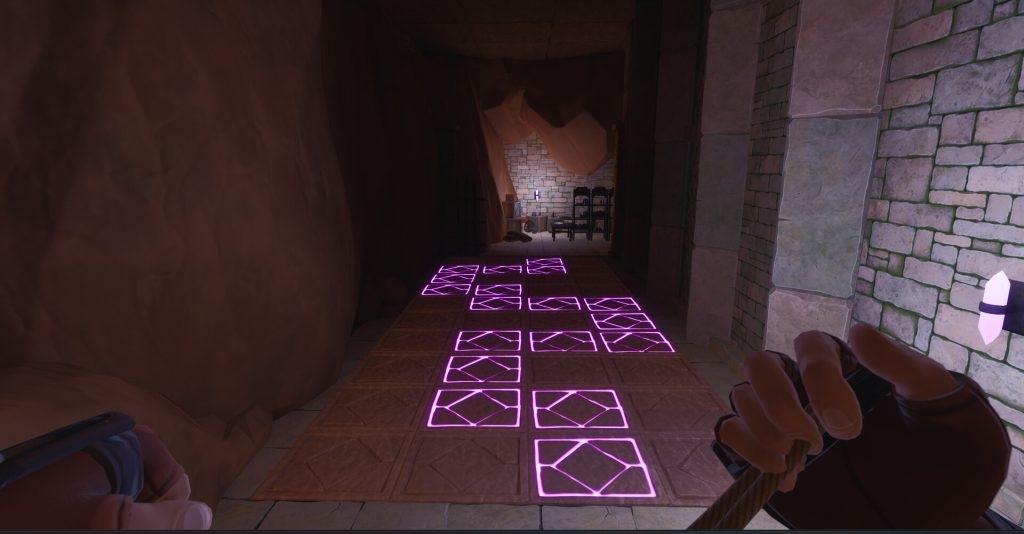
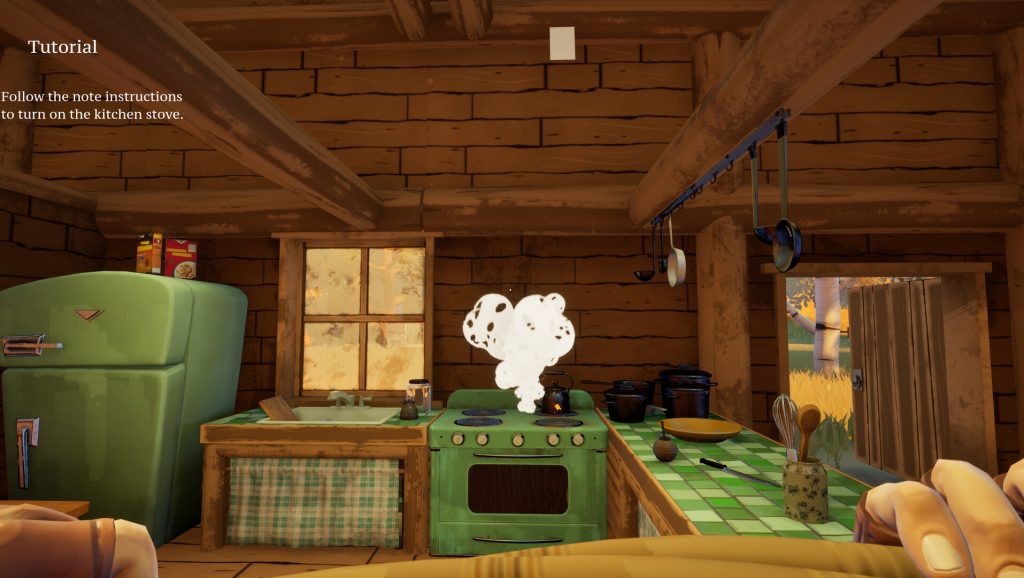
Translating this to a puzzle game creates a projectile-based interaction system with specific properties: range, trajectory, ricochets, and the ability to hit targets that direct interaction can’t reach. The puzzle design possibilities this creates are particular to the sling’s physics — targets that require specific angles, surfaces that redirect projectiles, sealed mechanisms that can only be triggered remotely.
The historical invention artifacts encountered during exploration — Archimedes’ drill, Leonardo da Vinci’s crossbow, Galileo’s lunar observation device — extend the game’s historical technology theme beyond the sling. These aren’t generic fantasy gadgets but specific historical inventions placed in a fictional archaeological context. The lost civilization of Ciudadela appears to have incorporated these real-world innovations, which creates the specific pleasure of recognizing historical technology in a fantastical setting.
The sling upgrades that unlock more complex device interactions over the game’s progression create the mechanical depth arc that short puzzle adventures need to feel complete: the tool you have in hour one is less capable than the tool you have in hour five, not because the story says so but because you’ve learned to use it in more sophisticated ways.
The Father’s Diary as Narrative Structure
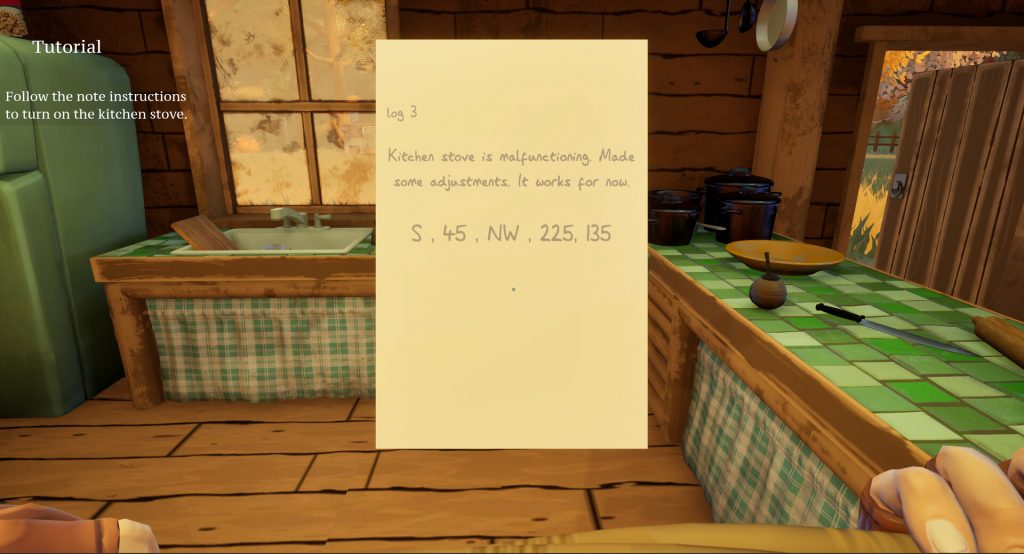
The father’s diary that progressively reveals information about the lost civilization as Katari explores is the classic puzzle adventure narrative delivery mechanism — information that arrives as exploration is earned rather than delivered upfront. Each new diary entry presumably reveals something about what the father was seeking, why Ciudadela was sealed, and what the civilization that built it was like.
This structure creates dual progression: the physical progress of ascending toward the summit alongside the narrative progress of understanding what that summit means and why reaching it matters. When the diary’s revelations align with the physical environment — entering a new zone that the diary has described, finding an artifact that the diary mentioned — the exploration feels like confirmation rather than discovery, which is a specific narrative satisfaction that puzzle adventures can produce when the information sequencing is well-designed.
The grief processing dimension — Katari coming to terms with her father’s death through understanding what he was pursuing — is the emotional frame that gives the exploration personal stakes rather than purely archaeological interest. This is the What Remains of Edith Finch structural influence: a dead relative’s archive as the guide to a physical space that reveals who they were and what they valued.
The Patagonian and SF Setting
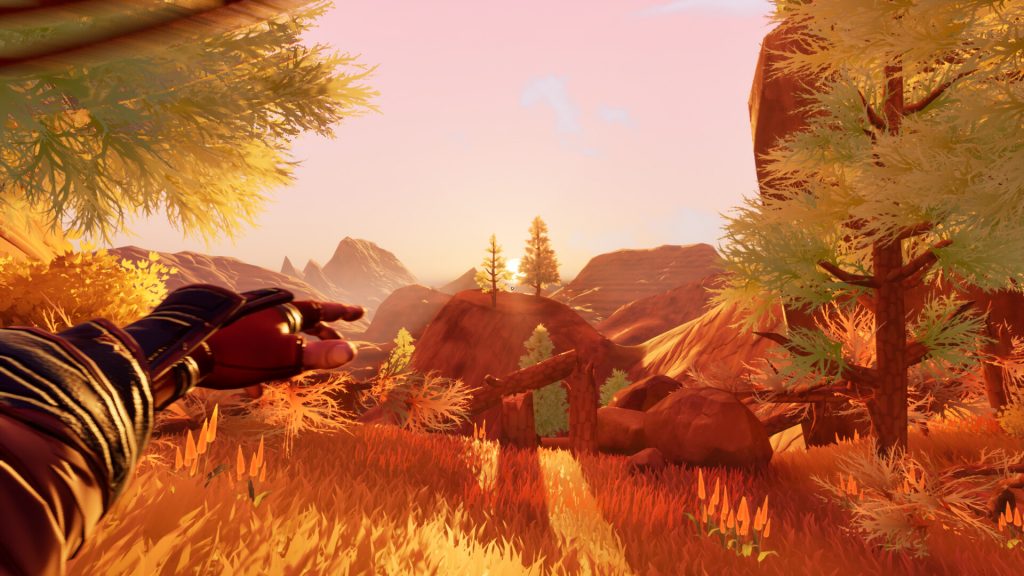
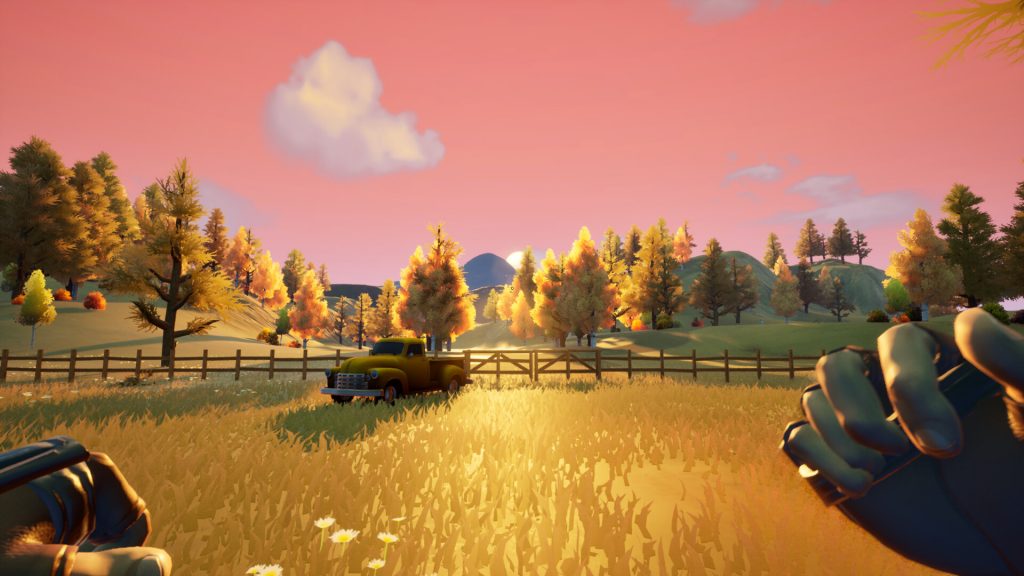
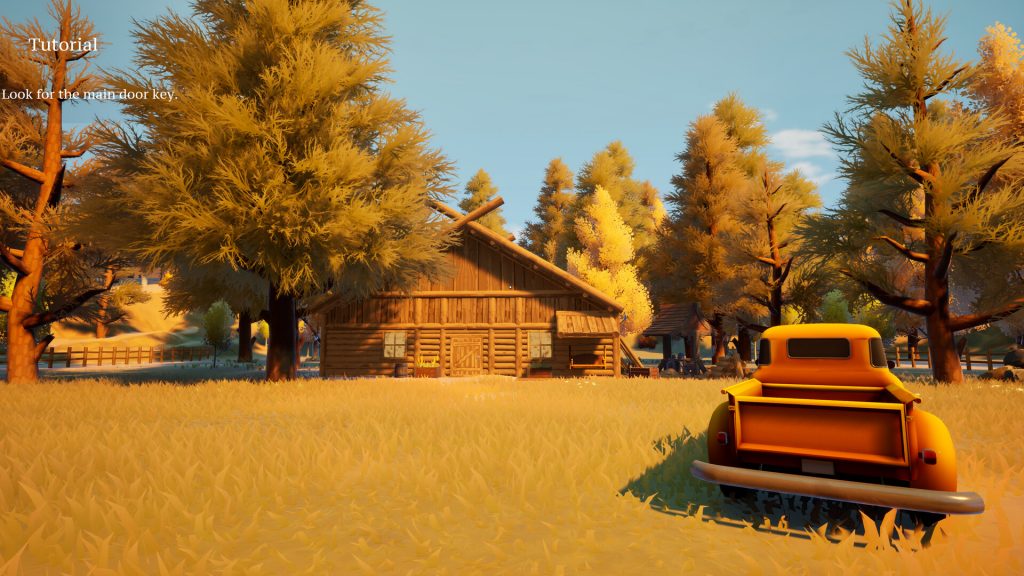
Patagonia’s specific landscape qualities — the dramatic geological formations, the extreme weather, the sense of a landscape at the edge of the inhabited world — make it a strong setting choice for a sealed mountain containing lost civilization remnants. Patagonia has the specific quality of a place where the ancient and the contemporary coexist: indigenous cultures with long histories, Jesuit and Spanish colonial remnants, European immigrant communities, all against a backdrop of geological time.
The transition from Patagonia’s surface landscape to the SF-aesthetic underground caves of Ciudadela creates the visual contrast that sustains visual interest across a 4-6 hour experience. The surface has the specific warmth of natural light and familiar geological forms; the underground has the specific strangeness of preserved technology and unfamiliar architectural logic. Moving between these environments is itself a form of narrative — each transition says something about what Ciudadela is and how it related to the surface world.
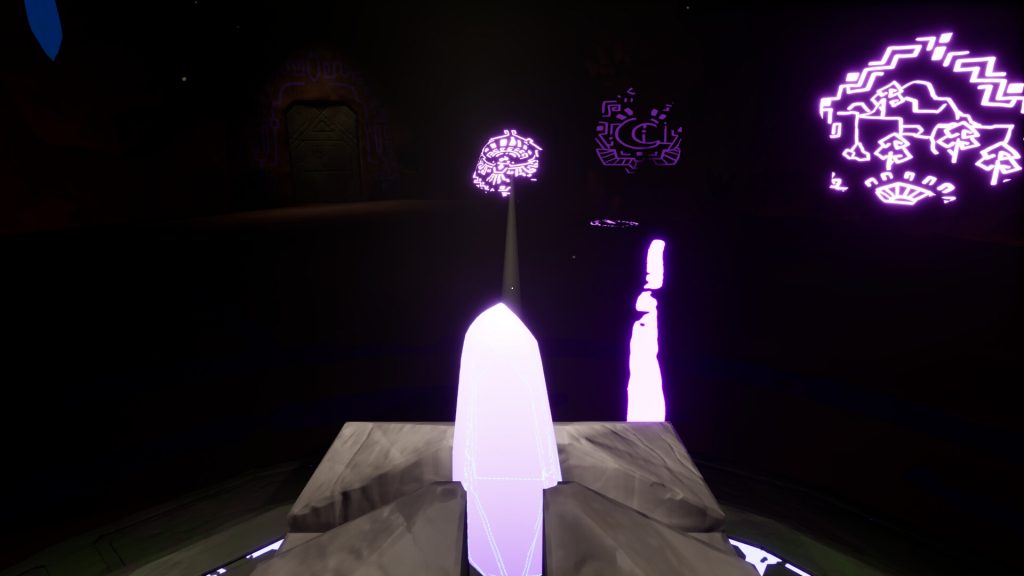
The spatial audio implementation — cave reverb, mechanical device sounds, ambient environmental audio that also serves as puzzle hints — is the sound design approach that makes a first-person adventure feel physically present rather than visually displayed. Sound that communicates information about puzzle solutions (mechanical sounds that indicate whether a device is active, spatial audio that helps locate targets) is integrated rather than merely atmospheric.
The Latin American Narrative Puzzle Context
Kronos Interactive’s Buenos Aires origin makes Echoes From Ciudadela part of a growing body of Latin American indie games engaging with their specific geographic and cultural contexts rather than producing setting-generic genre work. Earlier this month, Talaka used Brazilian mythology as its foundation; Graphite used Colombian cultural texture; Echoes From Ciudadela uses Patagonian landscape and the specific history of South American exploration and archaeology as its setting.
This geographic specificity produces games that non-Latin American players encounter as genuinely new cultural territory rather than familiar fantasy settings with different character designs. The Balearic sling as primary puzzle tool is itself an interesting cultural choice — a Mediterranean instrument brought to a South American context, fitting the history of European exploration and the hybrid cultures it produced.
The 4-6 Hour Scope
The 4-6 hour playtime positions Echoes From Ciudadela explicitly as a concentrated narrative experience rather than an extended gameplay campaign. This scope has specific implications for how the game should be evaluated: the puzzle design doesn’t need to sustain 20+ hours of variety, the narrative doesn’t need a sprawling cast and complex political intrigue, and the emotional arc doesn’t need multiple act reversals.
What it does need is integrity across its specific scope — that the beginning, middle, and end feel like a complete experience that uses its time fully rather than rushing toward conclusions or padding toward a longer runtime. The Steam Next Fest demo covering the opening section means players who tried the demo know what the beginning feels like; whether the remaining 3-5 hours of the full game maintain the quality level the demo established is the core launch evaluation.
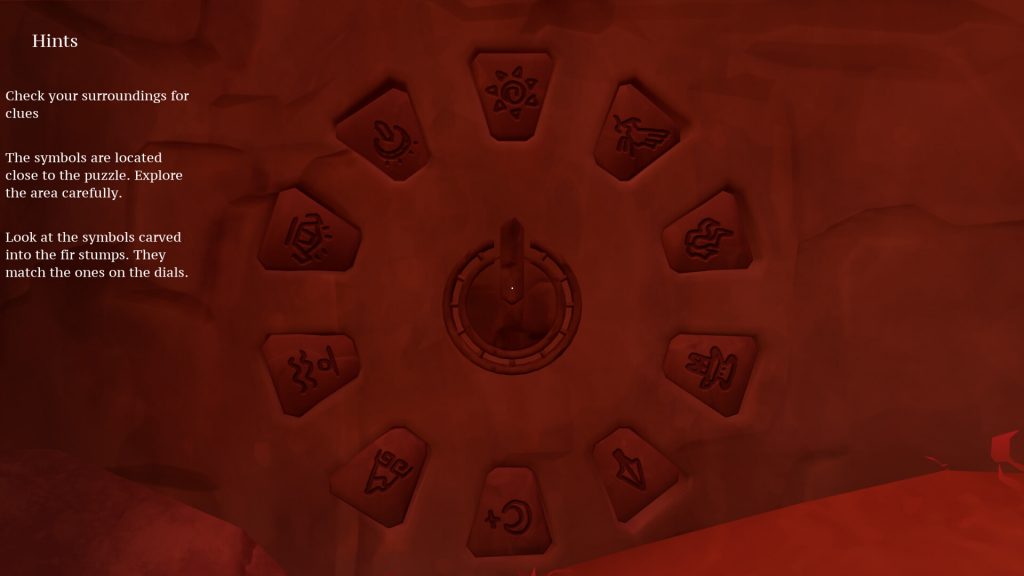
The hint system’s availability throughout ensures the 4-6 hour scope is achievable for players who aren’t puzzle specialists. A 4-6 hour game where players regularly spend extended time stuck on puzzles would effectively be longer; the hint system makes the intended scope more reliably achievable by preventing the experience of puzzle-blocked stagnation.
Who This Is For
Strong fit for: narrative puzzle adventure fans who want a focused story experience rather than extended puzzle campaigns; What Remains of Edith Finch and Firewatch players who want environmental storytelling with puzzle elements; players interested in Latin American indie games and the specific cultural contexts they bring; puzzle adventure fans who want historical technology as puzzle tools rather than generic magical devices; players who specifically want the emotional register of grief and resolution through exploration; players with 4-6 hours available for a complete game rather than an ongoing commitment.
Cautious fit for: puzzle game enthusiasts who want mechanically challenging puzzles over narrative integration (the hint system suggests accessibility is prioritized over difficulty); players who want longer game experiences for their purchase; anyone who played the Next Fest demo and found the opening section’s puzzle difficulty or storytelling approach not to their taste.
Less ideal for: players who dislike first-person navigation; anyone seeking action alongside puzzle content; players wanting multiplayer or replayability beyond a single narrative playthrough.
What to Watch For
Steam review accumulation in the weeks following launch will provide the first substantive indication of how the complete experience lands relative to the demo’s positive press reception. The specific evaluations most worth watching: whether the puzzle variety across the full 4-6 hours justifies the sling’s upgrade progression, whether the diary narrative’s revelations arrive with sufficient emotional weight at the moments they’re designed to land, and whether the lost civilization’s design creates the sense of a coherent lost culture rather than an aesthetic backdrop.
The Takeaway
Echoes From Ciudadela is a focused debut from a studio that has been building toward this specific experience for approximately two years — a first-person narrative puzzle adventure with a grief-processing emotional core, Patagonian and underground SF visual environments, historical technology as puzzle inspiration, and a Balearic sling as the primary interaction tool. The 4-6 hour scope is an honest statement about what the game is: a complete story told through puzzle exploration, not a content platform designed for extended engagement.
For players who want a puzzle adventure that takes them somewhere specific — a particular landscape, a particular father’s diary, a particular civilization’s preserved secrets — and who want to feel something at the end of it, Echoes From Ciudadela is offering exactly that kind of experience.
The diary has new pages. The mountain is still sealed. The sling is ready. And whatever the father was pursuing when he died, Katari is going to find it.
Information regarding ‘Echoes From Ciudadela’
| item | detail |
|---|---|
| Developer / Publisher | Kronos Interactive (Buenos Aires, Argentina) |
| Genre | First-person narrative puzzle adventure |
| Release platform | PC (Steam) |
| Official release date | July 23, 2026 |
| Playtime | About 4 to 6 hours |
| Main systems | Valiares Sling, Father’s Diary Clue, Hint Function |
| Steam rating | Before tally (early launch) |
| Official Channel | Discord, YouTube, Instagram |
| Steam Page | Shortcut |