David Brevik created Diablo. The game that defined the action RPG genre, established the loot-driven dungeon crawler as a commercial template, and continues to generate sequels and imitators thirty years later. When Brevik co-founded Skystone Games as a publisher, the implicit promise was a specific taste in action RPGs — games that understand what makes loot, risk, and darkness work together.
Mistfall Hunter from Bellring Games is Skystone’s dark fantasy extraction ARPG debut, launching July 30 simultaneously on PC, PlayStation 5, and Xbox Series X|S. The open beta’s 430,000+ participants and simultaneous appearance on Steam’s Top Demos and Top Trending Upcoming lists provide pre-launch validation that the concept is reaching its intended audience.
[Related Article: Dark Fantasy Extraction ARPG ‘Mistfall Hunter’ Open Beta Begins on the 15th]
The Extraction ARPG Combination
Extraction games and action RPGs share structural DNA but have historically remained separate. Extraction games (Escape from Tarkov, Hunt: Showdown, Dark and Darker) emphasize risk management — the tension between acquiring more and leaving safely, with death carrying meaningful loss. Action RPGs (Diablo, Path of Exile) emphasize loot accumulation and build progression — the satisfaction of a character becoming more powerful over time through acquired gear.
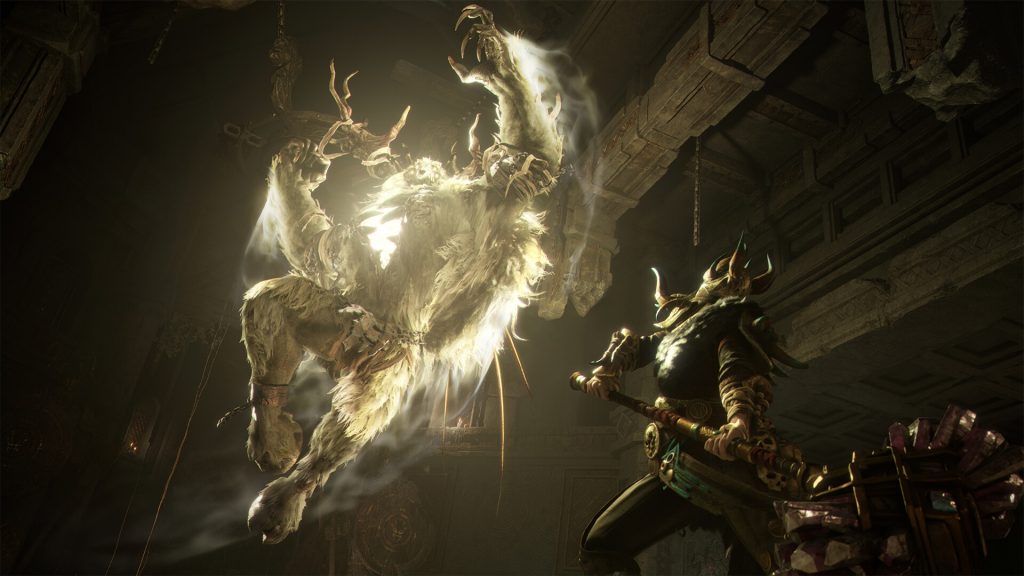
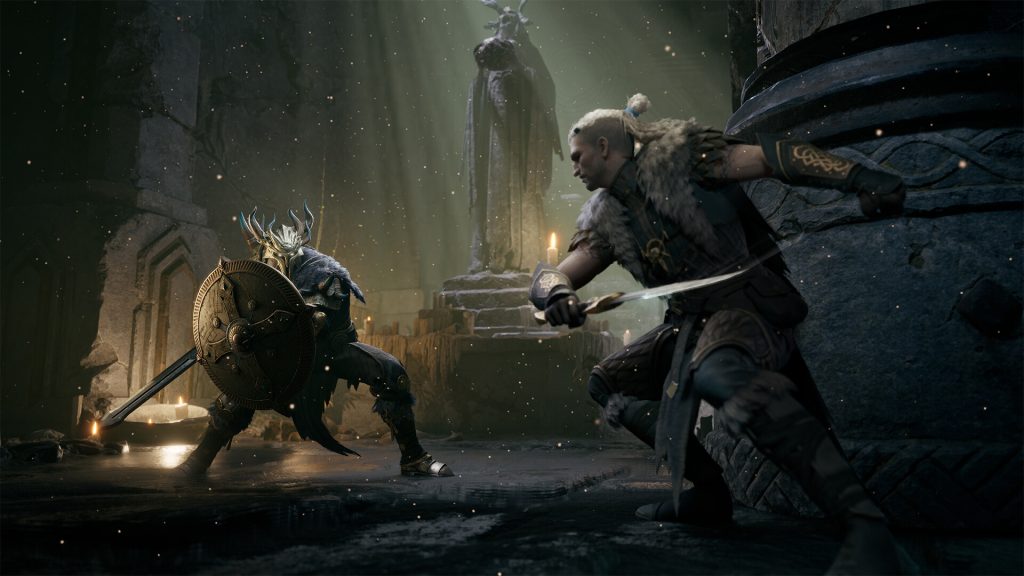
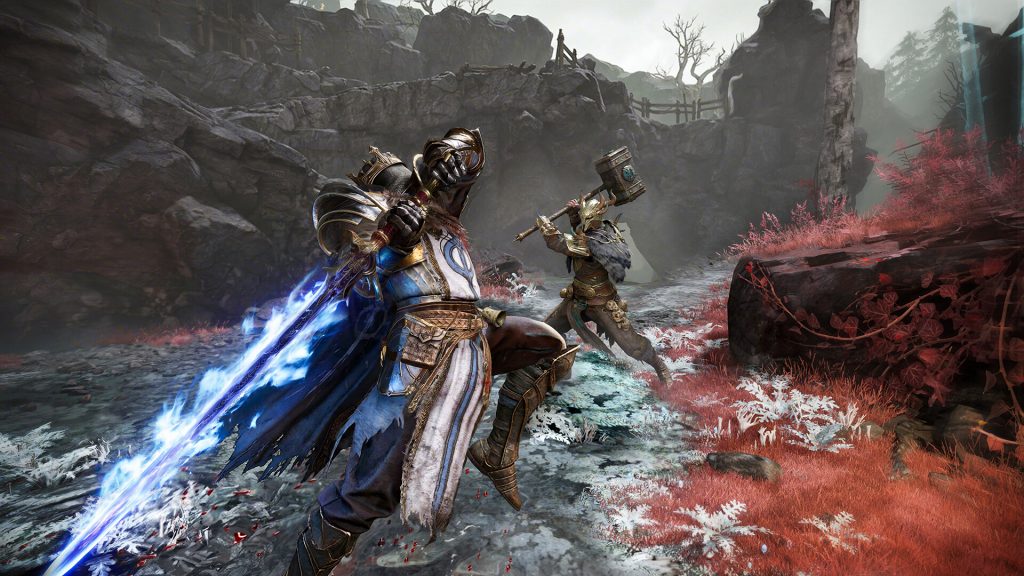
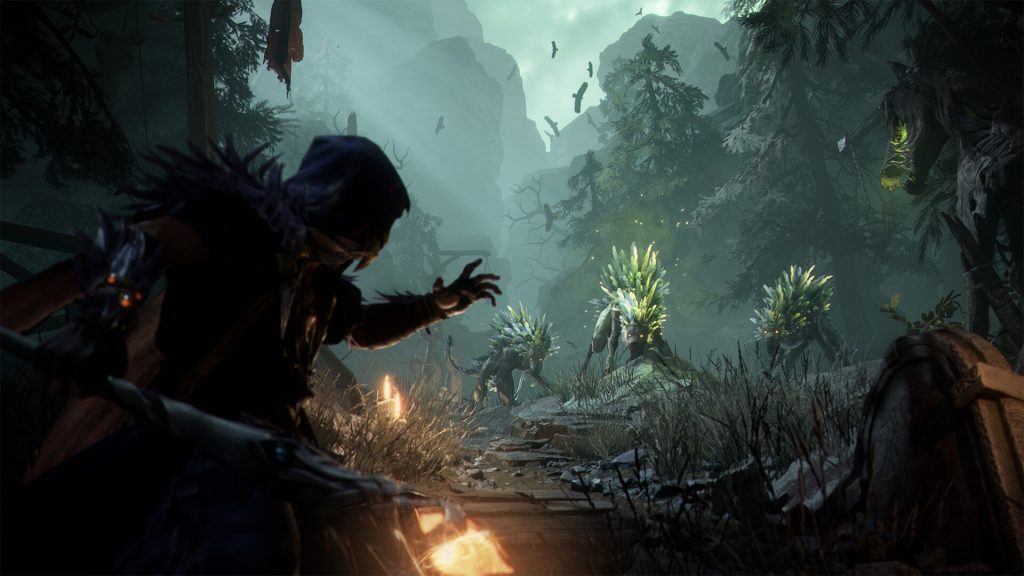
Mistfall Hunter combines both structures. Players enter a zone as Gold Hunters — revived by the mysterious girl Lu — and fight through corrupted monsters, powerful bosses, and other players all pursuing the same loot. The gear-loss-on-death risk structure is the extraction layer; the 6-class system, free weapon switching, and equipment progression are the ARPG layer.
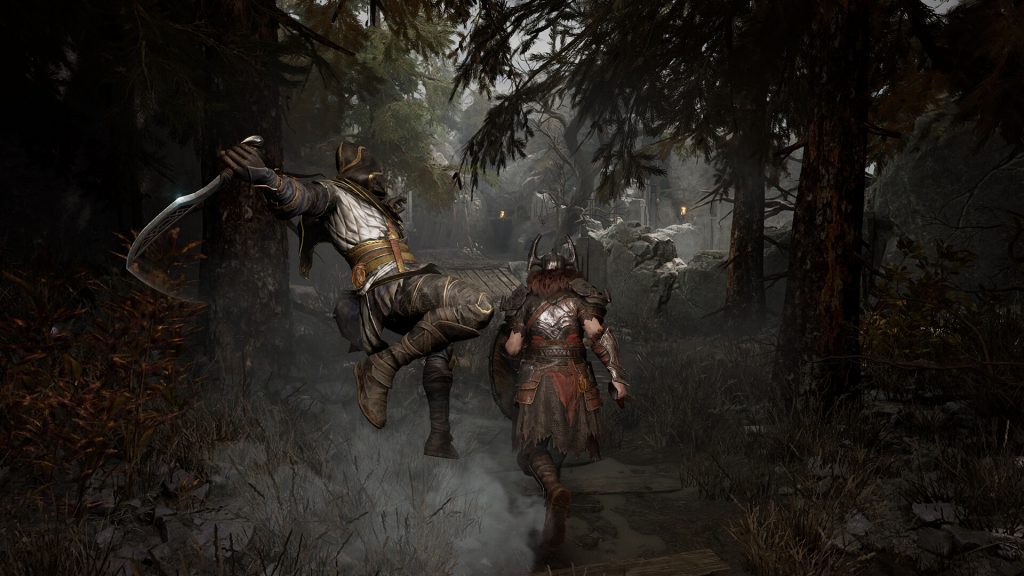
The PvPvE tension is where these layers interact most interestingly. Pure monster encounters are ARPG content with extraction consequences; player encounters are extraction confrontations in an ARPG equipment context. Another Gold Hunter who has better gear from previous runs is a more dangerous PvP encounter than a similarly leveled player who lost their equipment to death — which means the risk-reward calculation when encountering another player includes reading their visible gear state.
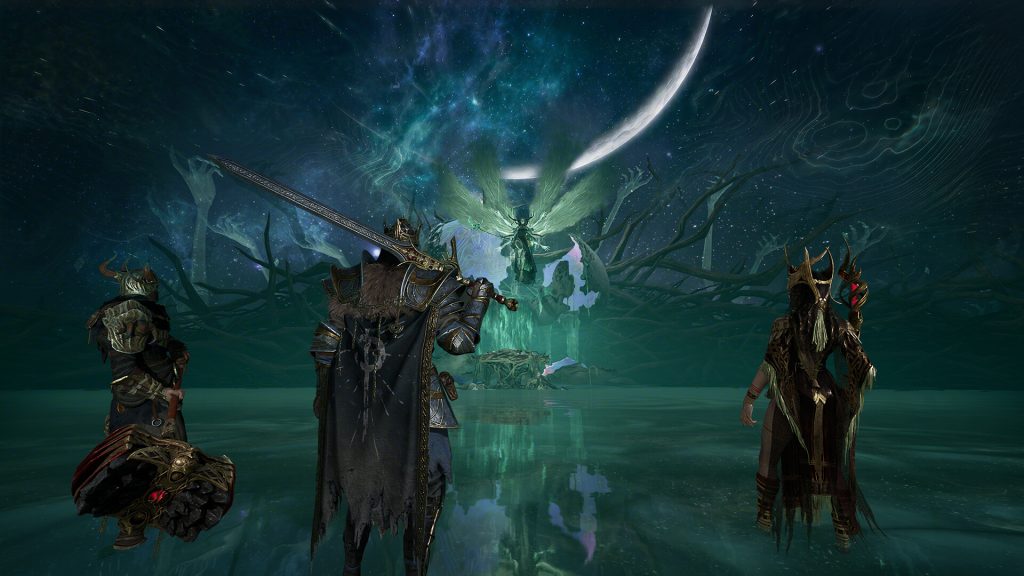
The maximum 3-player party structure allows coordinated teams to reduce the PvE burden while remaining potentially vulnerable to larger or better-equipped player groups — a group size choice with genuine strategic implications rather than a simple “more players equals easier” equation.
The Skystone Publishing Significance
Brevik’s involvement with Skystone Games represents specific genre expertise applied to publishing decisions. A publisher with Diablo‘s creator as co-founder brings credibility within the action RPG community that most publishers can’t claim — players know that Brevik has specific opinions about what makes loot-based progression satisfying, and Skystone publishing Mistfall Hunter is an implicit endorsement from someone whose genre judgment has commercial and critical track record.
This credibility functions differently from typical publisher signals. Most publisher reputations are based on catalog breadth and commercial success; Skystone’s is based on a specific creative vision about action RPG design. Players who trust Brevik’s design instincts have a reason to pay attention to games his company publishes that goes beyond typical market signaling.
The Dark Fantasy World
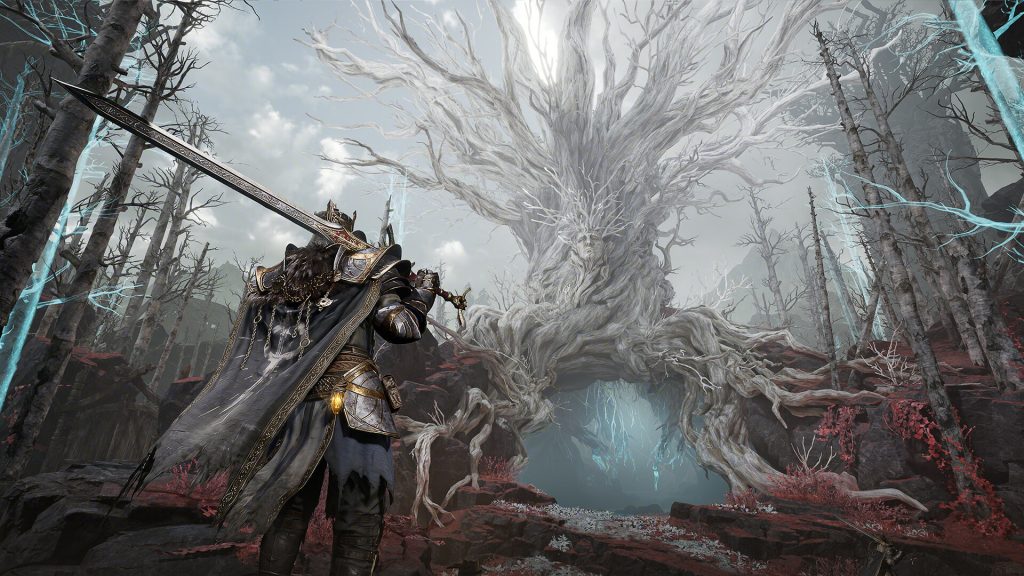
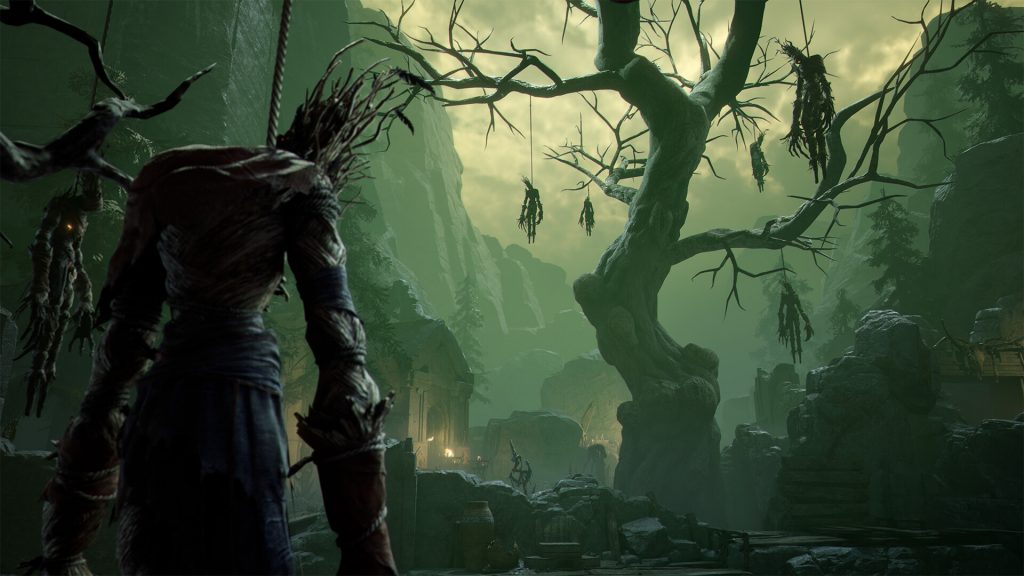
The gold-mist-covered battlefield where corrupted monsters and powerful bosses coexist with competing human hunters creates the atmosphere that dark fantasy requires: a world where the terrain itself is hostile, the supernatural threat is ambient rather than just boss-room specific, and the human-against-human dimension is both a danger and an opportunity.
The narrative wrapper — Gold Hunters revived by Lu, exploring forbidden lands to restore the broken fate web — provides the character motivation that pure mechanical extraction games sometimes lack. Players aren’t just looting; they’re participating in a restoration of something that was damaged, which gives the escalating risk-taking a story context rather than purely mechanical justification.
The seasonal content update model — new classes, regions, arcana, and relics planned for post-launch additions — positions Mistfall Hunter as a live-service game rather than a contained experience. The launch content is the foundation; the ongoing updates are the sustaining structure that keeps the playerbase engaged and returning.
The Open Beta Validation
430,000 open beta participants from June 15-22 is the most important pre-launch data point. Open beta participants self-select based on interest — they’re not random Steam users but players who specifically wanted to try Mistfall Hunter before launch. 430,000 represents a substantial player base that has now experienced the core extraction loop, the PvPvE tension, and the class variety.
The simultaneous Steam Next Fest Top Demos and Top Trending Upcoming appearances reflect two different discovery mechanisms — direct demo engagement and wishlist-based discovery — both pointing toward the same game simultaneously. This kind of multi-metric visibility suggests organic discovery rather than concentrated marketing spend driving artificial spikes.
The simultaneous multi-platform launch — PC, PS5, and Xbox Series X|S all on July 30 — reflects the publisher infrastructure that console certification and simultaneous release require. Bellring Games, as a debut studio, wouldn’t have managed this release scope without Skystone’s platform relationships.
The Edition Structure
The Standard Edition (₩26,500) provides the base game. The Deluxe Edition (₩41,000) adds cosmetic content: the Demon Hunter Skeleton costume, Shipwreck Shore background, Fate’s Web ear accessory, Justice pose, Pipi Daily Emote, Lu profile, Feather profile frame, and 2,500 Fate Coins for in-game cosmetic purchases. Standard Edition purchasers can upgrade to Deluxe later to access all additional content.
The Fate Coin currency being specifically for cosmetic purchases rather than gameplay items signals a monetization philosophy that avoids pay-to-win mechanics — consistent with what a publisher with Brevik’s game design background would advocate. Extraction games are particularly sensitive to pay-to-win concerns because in-game advantage directly affects the core tension of PvPvE confrontations.
Who This Is For
Strong fit for: Dark and Darker and Hunt: Showdown players who want a dark fantasy extraction ARPG with deeper character progression systems; Diablo and Path of Exile players who want the risk-management tension of extraction added to loot-focused ARPG structure; players who specifically trust Skystone’s genre expertise as a publishing signal; PlayStation and Xbox players who want extraction ARPG content on console; three-person friend groups looking for co-op PvPvE content with meaningful stakes.
Cautious fit for: players who find gear-loss-on-death mechanics frustrating rather than tension-generating; solo players who want ARPG progression without PvP exposure; players who prefer completed single-player experiences over live-service models.
Less ideal for: players who dislike PvP elements in their RPGs; anyone who wants narrative-first dark fantasy over mechanical-first; players seeking pure PvE without other human participants as threats.
What to Watch For
The balance between PvPvE and PvE content will be the primary community tension point post-launch. Extraction games lose players when the PvP element feels punishing rather than exciting — when being killed by other players feels like an unfair interruption of PvE progression rather than a coherent risk within the game’s systems. Whether Mistfall Hunter has calibrated the encounter frequency and equipment stakes such that PvP deaths feel like part of the game rather than failures of it will determine the game’s long-term player retention.
The seasonal content cadence will shape the live-service commitment evaluation. Players who invest in extraction ARPG character progression need new content — zones, bosses, gear tiers — at regular intervals to remain engaged. How quickly Bellring Games delivers the first season update, and how substantial that update is, will be the first major test of the game’s ongoing development commitment.
The Takeaway
Mistfall Hunter arrives at the extraction ARPG intersection with meaningful publisher credibility, 430,000 open beta participants, and simultaneous multi-platform launch — a debut from Bellring Games that Skystone’s involvement has positioned for maximum visibility within the genre’s audience.
The gold-mist-covered forbidden lands, the gear-loss stakes, the three-player cooperative tension, and the 6-class ARPG progression create the specific combination that extraction ARPG players have wanted someone to execute well. Whether Bellring Games has achieved the balance that genre requires — risk without unfairness, tension without frustration, progression without power-purchase shortcuts — is what the July 30 launch will reveal to the full player base.
Lu has revived you. The golden mist is ahead. Other Gold Hunters are already inside. The loot is there, and so are the consequences of reaching for it.
July 30. All platforms. The extraction begins.
Information regarding Mistfall Hunter
| item | detail |
|---|---|
| Developer | Bellring Games |
| Publisher | Skystone Games (co-founded by David Brevik and Bill Wang) |
| Genre | Dark Fantasy Extraction ARPG / 3rd Person PvPvE Looting / Soulslike |
| Release platform | PC (Steam) / PlayStation 5 / Xbox Series X|S |
| Open Beta | June 15, 2026 (KST) – June 22 |
| Official release date | July 30, 2026 |
| Language support | Multilingual including Korean |
| Play Mode | Solo / Party of up to 3 |
| core system | Equipment loss upon death / Guild Mist decay / Guild Hunter |
| Main Keywords | Extraction, Dark Fantasy, Soulslike, Fog, Gods, Corruption, PvPvE, Hardcore |
| Steam Page | Shortcut |