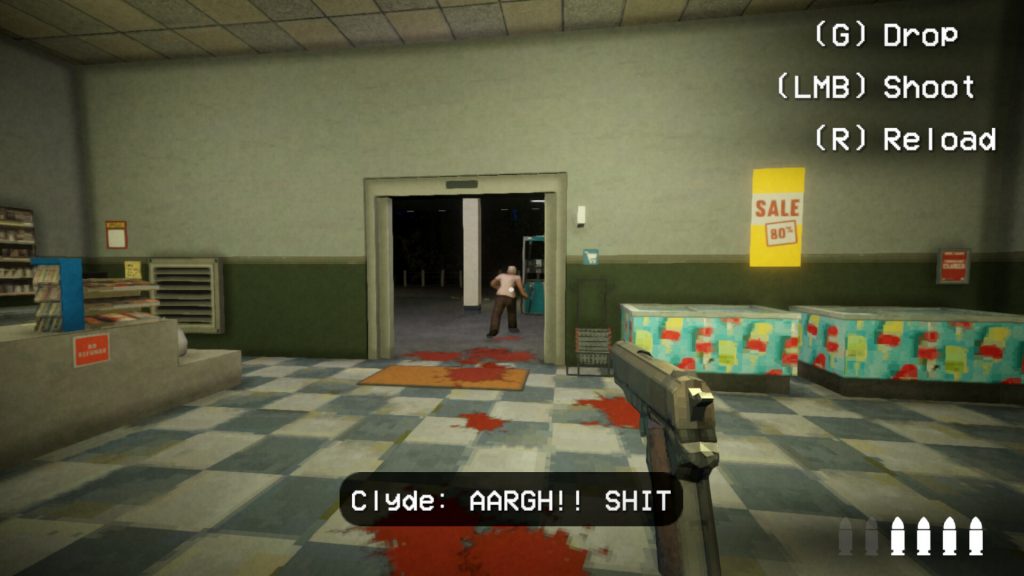
The setup is specific and immediately legible: a 1990s American rural gas station convenience store, the late-night shift, customers filing in. Some of them are human. Some are not. Your job is to figure out which are which before the ones that aren’t transform into something that your ID verification process cannot address.
Shift at Midnight from Australian solo developer Bun Muen (published by Kwalee) launched July 22 on PC, Xbox Series X|S, and Xbox Game Pass, and the reception trajectory makes it one of July 2026’s more commercially successful indie releases. The free multiplayer demo accumulated 4,762 reviews at 99% positive — Overwhelmingly Positive — through viral spread across streaming and social platforms before the full game launched. Post-launch, 1,048 reviews are sitting at 90% Very Positive. The drop from 99% to 90% is the standard early-adopter-to-general-audience rating adjustment, and 90% from over a thousand reviews is a strong signal that the core experience is working for a broad player base rather than just the initial enthusiast community.
The Doppelganger Detection Loop
The core gameplay loop puts three simultaneous demands on the player — a design structure that the press coverage identifies as the source of the game’s specific tension.
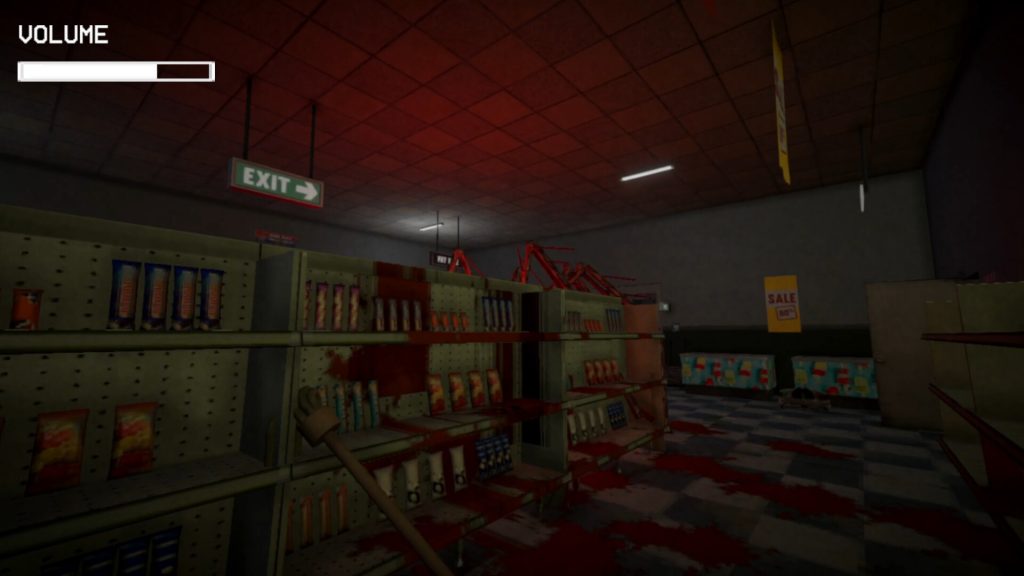
Managing the store (stocking shelves, organizing items, maintaining operations) is the work that makes the setting feel real and that makes the gameplay feel like being somewhere rather than playing a minigame. A convenience store at midnight has specific tasks that need doing; the game doesn’t exempt players from these tasks because they have other things to worry about.
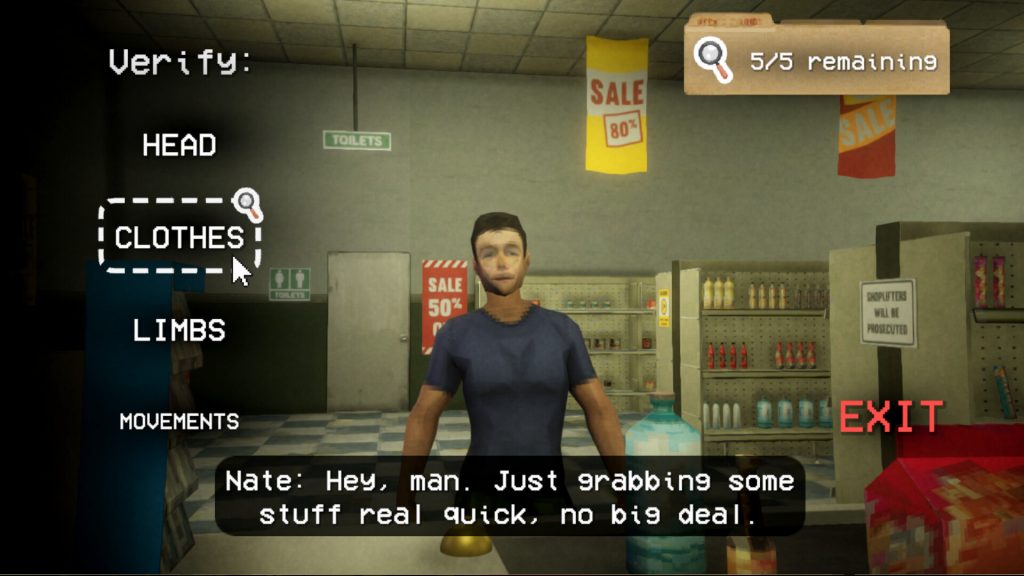
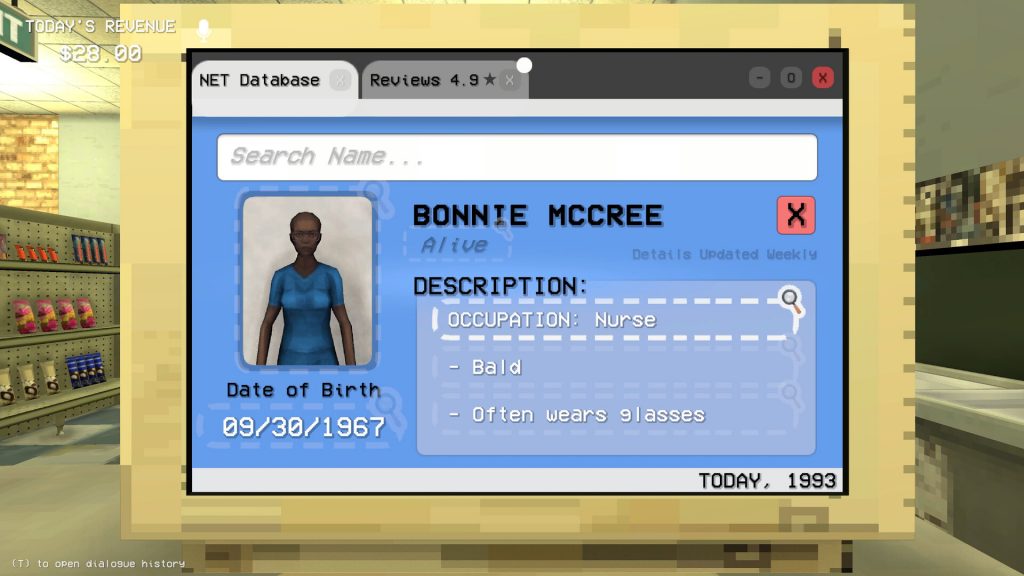
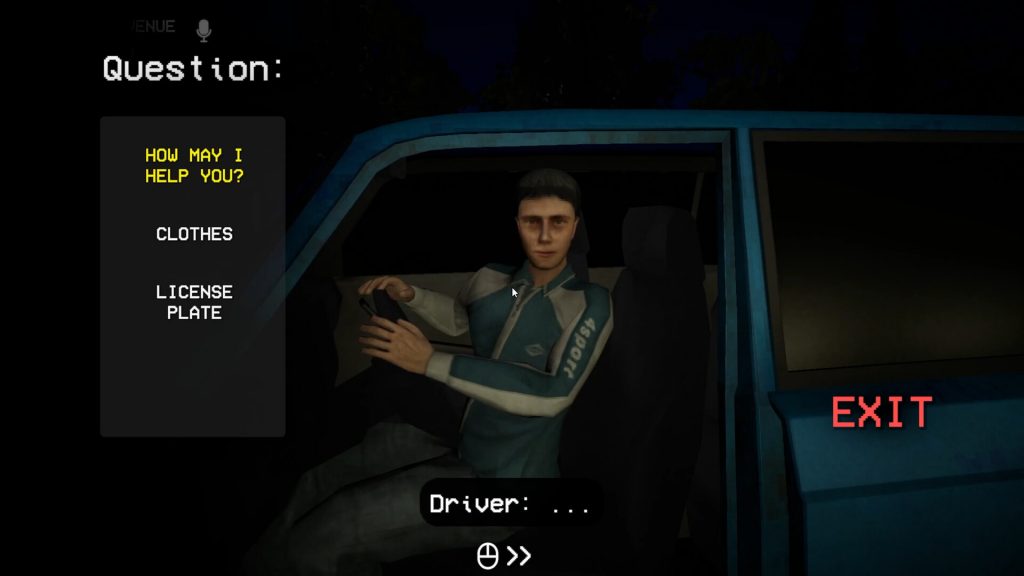
Investigating customers (asking up to 5 questions per customer, checking IDs, cross-referencing information against the computer database) is the detective layer that requires attention and judgment. The customer who answers questions in ways that are slightly off, whose ID has an inconsistency, whose behavior doesn’t quite match — identifying these requires the specific cognitive engagement of reading social signals under time pressure.
The doppelganger identification requirement itself is the consequence system: miss the infiltrator during their human phase and they transform at night, turning the investigation game into a survival horror game. The door sealing, trap installation, and hiding mechanics of the survival phase are the result of failure in the investigation phase — the game’s two modes are causally connected rather than arbitrary alternation.
The press assessment that “the pressure of having to identify suspicious customers among the flood of customers and remaining work creates more fear than the moment the monster appears” is the specific observation about horror design that makes Shift at Midnight interesting. The scariest moment in a monster horror game is rarely when the monster is present; it’s the anticipation — the knowledge that the monster is somewhere, or will be somewhere, or might be a regular-looking customer you just didn’t examine closely enough. Shift at Midnight constructs the entire investigation phase around this anticipatory dread.
The Proximity Voice Chat
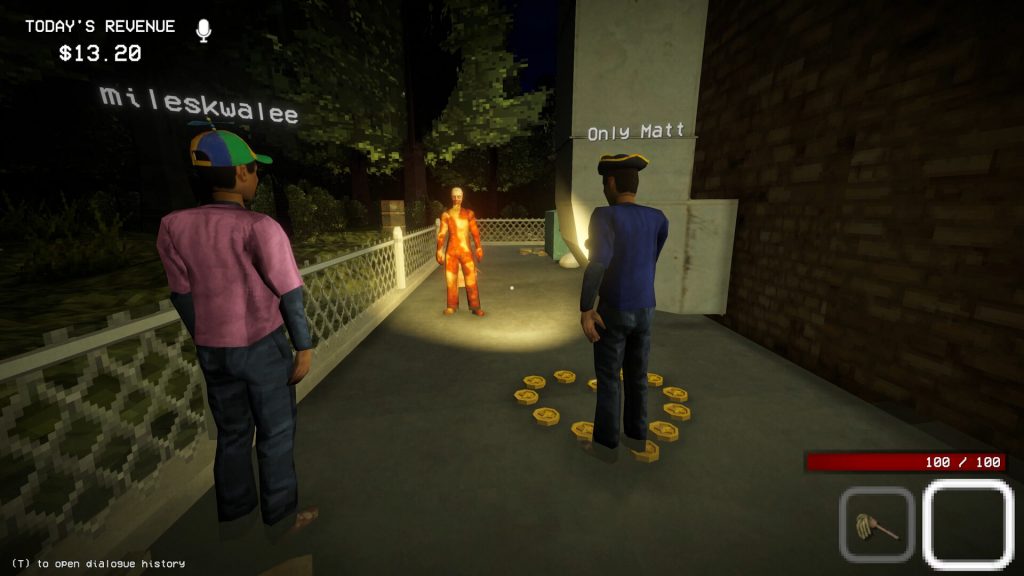
The proximity-based voice chat system — where co-op partners’ voices are louder or quieter depending on where they are in the store — is a co-op design choice with specific horror applications. Standard co-op voice chat creates a disembodied communication channel between players regardless of their positions; proximity chat creates a spatial audio environment where distance is meaningful.
In a horror context, this changes co-op communication from information exchange to spatial experience. A partner whispering from the back of the store because they’re watching a suspicious customer creates different tension than a partner saying the same thing through a standard voice channel. The muffled voice from around the corner, the silence when someone has moved out of range — these are social horror elements that proximity chat enables and standard voice chat eliminates.
For Shift at Midnight‘s specific investigation gameplay, proximity chat also creates realistic constraints on communication: you can’t easily compare notes with a partner who is on the other side of the store dealing with their own customer. The spatial separation of co-op partners creates genuine information asymmetry that affects how groups coordinate their investigation.
The Solo Developer Scale Achievement
Bun Muen building a game with this commercial performance as a solo Australian developer is the specific achievement that solo developer success stories are built from. The 99% demo rating from 4,762 reviews is exceptional — most games with demo ratings in this range are studio productions with marketing budgets. Shift at Midnight‘s demo viral spread through streaming and TikTok represents the kind of organic discovery that happens when a concept communicates immediately through video content.
The 1990s rural gas station setting specifically is the concept element that makes video content compelling: watching someone play a horror game set in a familiar, mundane environment is immediately relatable in a way that abstract horror settings aren’t. Everyone has been in a gas station convenience store at night; the specific anxiety of that setting is culturally accessible rather than requiring horror genre familiarity.
The Kwalee publishing partnership provides the platform infrastructure — Xbox Series X|S release, Xbox Game Pass inclusion — that solo developers typically can’t access independently. The combination of Bun Muen’s concept and execution with Kwalee’s distribution infrastructure is the model of what successful indie-publisher partnerships produce.
The Entertainment vs. Horror Balance
Bun Muen’s own acknowledgment that the game currently leans toward entertainment over horror, with a stated plan to add more horror depth through post-launch free updates, is honest development self-assessment combined with commercial roadmap communication. A game that is fun to play and watch but doesn’t produce genuine dread has a specific audience; a game that produces genuine dread has a different (sometimes overlapping) audience. The 90% positive rating suggests the current entertainment orientation is working for the existing audience; the planned horror deepening may expand the audience to players who want the dread more than the fun.
The Phasmophobia comparison that Kwalee’s promotional bundle suggests — the game appears alongside Escape the Backrooms and Phasmophobia in bundle promotions — positions Shift at Midnight in the co-op horror space that has been commercially successful since Phasmophobia defined the genre in 2020. The specific differentiation from Phasmophobia is the investigation-then-survival structure: rather than investigating throughout, Shift at Midnight creates the phase transition from detective work to survival horror as a consequence of investigation quality.
The 1990s Setting as Horror Register
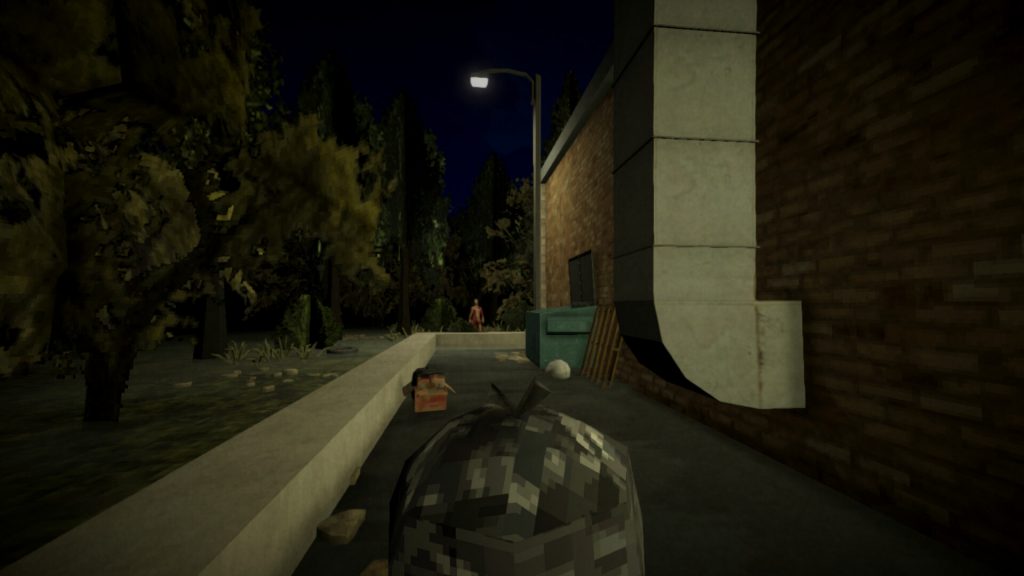
The 1990s American rural gas station is doing cultural and psychological work that a generic or contemporary setting wouldn’t. Gas stations are transitional spaces — places between destinations, never themselves destinations — which carry specific isolation associations. The rural specificity means no easy help available, no passing traffic that could save you. The 1990s setting precedes the ubiquity of cell phones and constant connectivity, which is the decade when being alone in a remote place was genuinely alone in a way that contemporary settings can’t quite reproduce.
The retro visual aesthetic reinforces this temporal displacement. The lo-fi pixel art of a 1990s gas station has the specific visual quality of something half-remembered — familiar enough to recognize, degraded enough to feel wrong. Horror that takes place in familiar settings is more effective than horror in unfamiliar ones precisely because the familiar setting creates the expectation of safety that the horror violates.
Who This Is For
Strong fit for: Phasmophobia and co-op horror fans who want a game organized around investigation and social deduction rather than ghost-hunting equipment; players who find the mundane-setting horror premise immediately compelling; streaming-oriented gaming groups who want a game that produces entertaining moments for audiences; solo developer enthusiasts who want to support Australian indie development; Xbox Game Pass subscribers looking for a co-op horror option within their subscription; players who specifically enjoy the anticipatory dread of “the monster is out there somewhere” over direct monster encounters.
Cautious fit for: co-op horror players who specifically want intense sustained dread rather than the entertainment-balanced current version; players who prefer single-player horror over co-op dependence; horror purists who find jump scares as primary horror delivery unsatisfying.
Less ideal for: solo players without co-op groups (the 3-player design is built around group dynamics); anyone who wants deep narrative horror over systemic investigation; players who specifically dislike the social deduction genre’s pressure.
What to Watch For
The post-launch update trajectory is the most important ongoing signal. Bun Muen’s commitment to add horror depth through free updates creates the expectation of meaningful content additions rather than only bug fixes. Whether the updates genuinely shift the balance from entertainment-forward to horror-forward — while maintaining the viral entertainment appeal that built the audience — will determine whether the game retains its review quality or drifts toward a more mixed reception as horror-seeking players who came from the viral content find the experience less dread-inducing than expected.
The Endless mode beta is the content that hardcore players will evaluate most critically. Story mode’s 13 nights provides a complete experience with a defined endpoint; Endless mode is where the game’s replayability lives for players who complete the story and want more. How well the randomized customer and investigation generation scales across extended Endless sessions will determine the game’s long-term engagement.
The Takeaway
Shift at Midnight is one of July 2026’s most complete solo developer success stories: a concept that communicates immediately through video content, a demo that earned Overwhelmingly Positive ratings from nearly 5,000 reviewers before the full game existed, and a full launch that maintained Very Positive at 90% from over a thousand reviews while adding Xbox and Game Pass distribution. Bun Muen identified a premise — checking IDs at a 1990s gas station convenience store to identify doppelgangers before they turn into monsters that will attack you — that resonated globally through streaming and social media.
The game’s current entertainment-forward balance is what built that audience, and the developer’s stated plan to add horror depth over time creates the possibility of serving both the viral-comedy crowd and the genuine horror audience through a single product’s evolution.
The night shift starts in 13 minutes. The next customer’s ID doesn’t quite match their face. Your partner is busy at the other register. And whatever is going to happen later tonight is determined by whether you catch what’s wrong with this person before they leave.
$9.99 on Steam. On Xbox Game Pass. Three players maximum.
Information regarding ‘Shift at Midnight’
| item | detail |
|---|---|
| Developer | Bun Muen (Australia, solo developer) |
| Publisher | Kwalee Ltd. (Limington Spa, UK) |
| Genre | Cooperative Detective Horror / Simulation |
| Release platform | PC (Steam), Xbox Series X|S, Xbox Game Pass |
| Official release date | July 22, 2026 |
| price | $9.99 / £9.99 / €9.99 |
| Maximum number of people | Online co-op up to 3 players |
| Content composition | Story Mode Night of the 13th, Endless Mode (Beta) |
| Steam Review (Official) | Very positive (90%, 1,048 cases) |
| Steam Review (Demo) | Overwhelmingly positive (99%, 4,762 cases) |
| Steam Page | Shortcut |