Nowhere Dawn is early. The Q4 2026 demo target is more than a year before the Q4 2027 release goal, and the current Steam page represents a first public announcement — a teaser trailer and wishlist launch rather than a playable demonstration of the game’s systems. GiantK Games is a solo Korean developer working through planning, art, and system design entirely alone, and the project’s current state is conceptual presentation rather than build availability.
That said, the concept is worth attention because the specific design commitment it makes runs against the dominant direction of the survival game genre in genuinely interesting ways.
The Isolation Design Philosophy
Survival games have bifurcated into two dominant models over the past decade. The base-building survival model (Valheim, Rust, 7 Days to Die) makes construction and resource accumulation the primary engagement loop, with threats serving as the pressure that motivates building. The action-adventure survival model (The Last of Us, Days Gone) makes traversal and combat the primary engagement, with survival elements as systemic support.
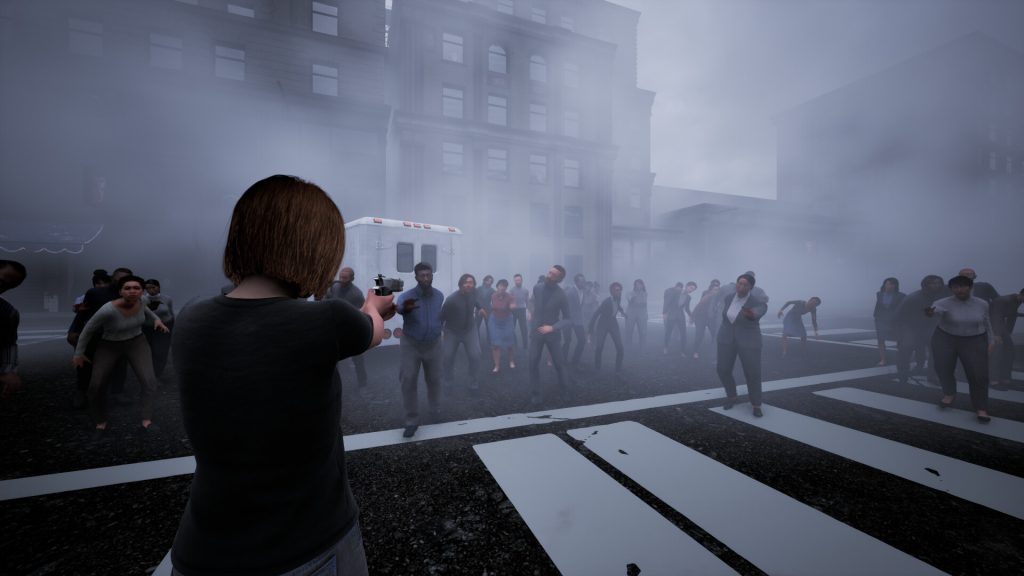
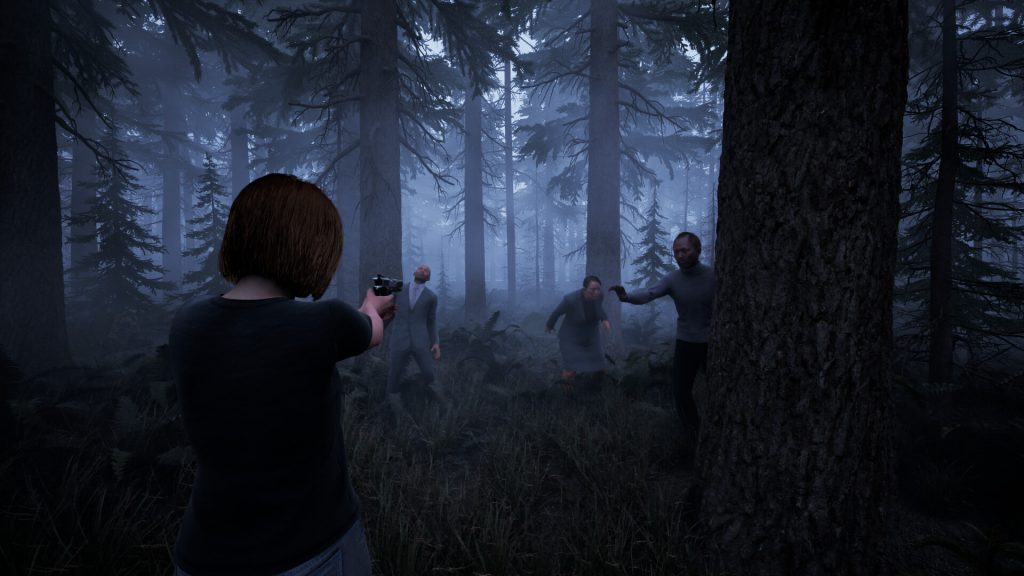
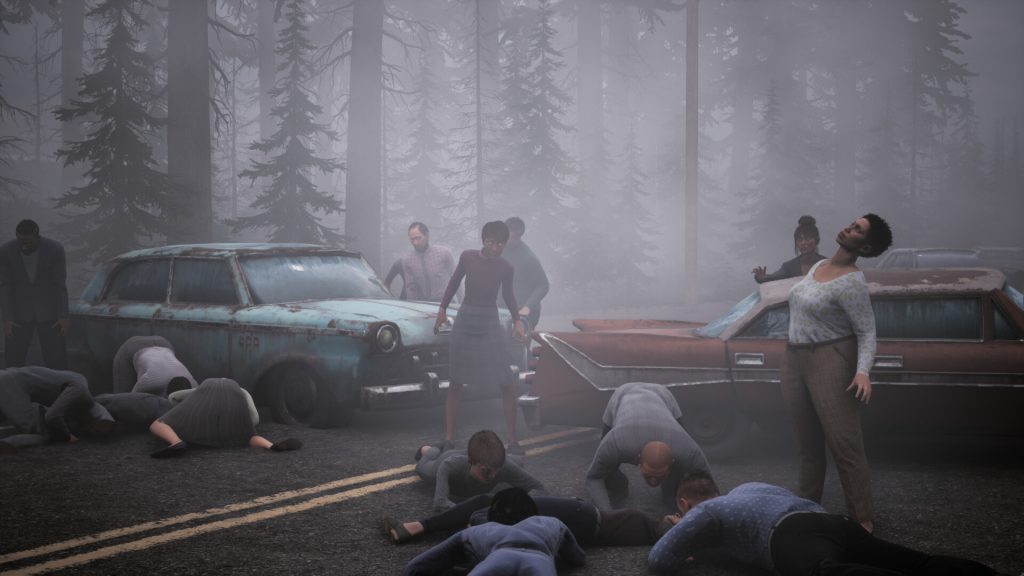
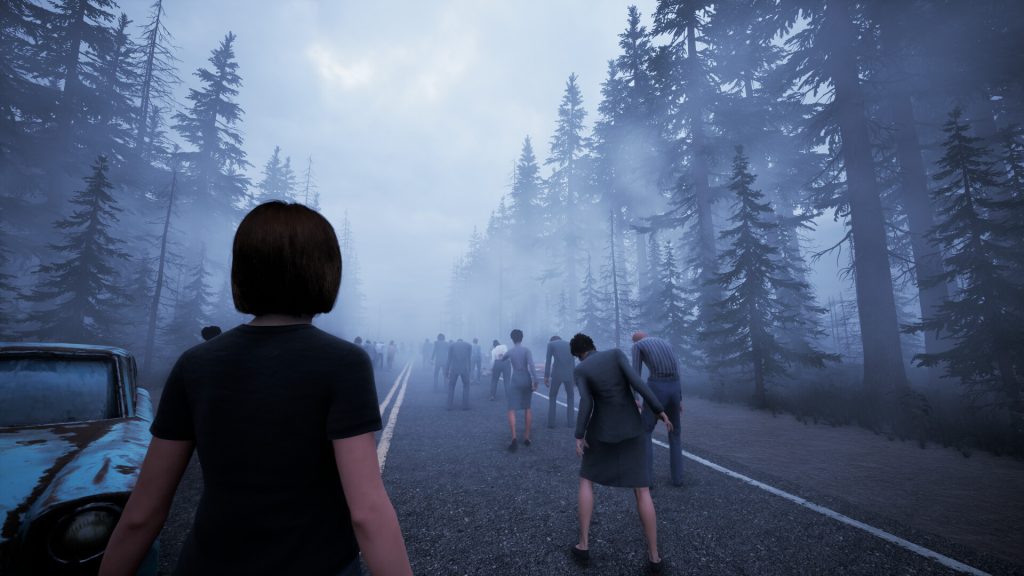
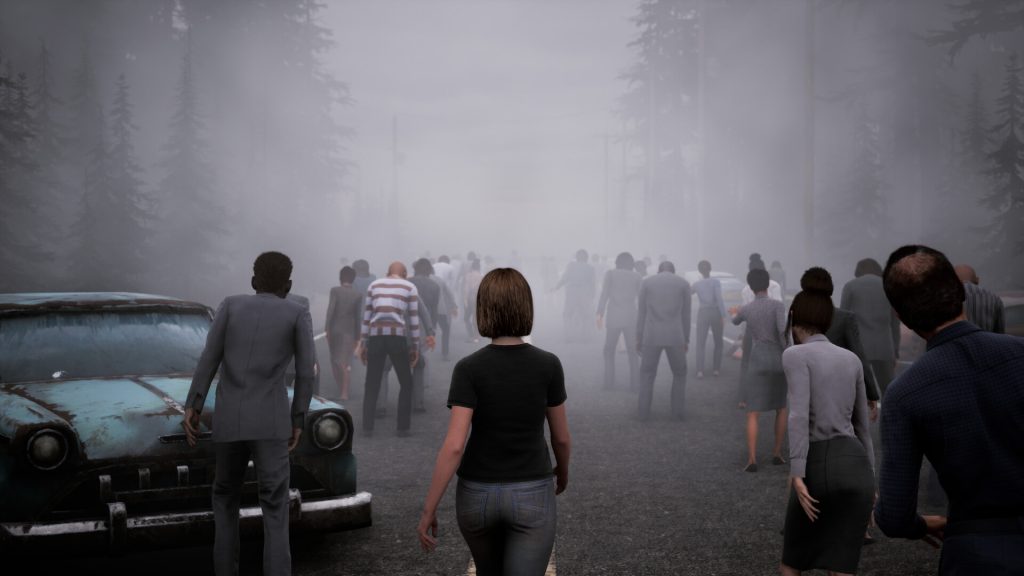
Nowhere Dawn‘s stated design philosophy rejects both in favor of a third orientation: psychological isolation as the primary experience. No large-scale base building, no spectacular combat, no safe zone to retreat to. Instead: fog-covered abandoned roads, silent forests, desolate coastal cities, and the specific experiential texture of being alone in a world that used to have people in it.
The developer describes this as “tracing hope in the midst of despair” — following the traces left by people who are gone, moving through the remnants of their presence. This is closer to the survival horror tradition (Silent Hill, Resident Evil in its earlier forms) than to survival games, where the horror is environmental and psychological rather than primarily combat-derived.
The stealth/combat binary is the central tactical decision the game presents. A bullet spent is a bullet that doesn’t exist for the next encounter; the path chosen determines what threats appear; the equipment used determines what resources are consumed. These aren’t abstract systems — they’re the mechanics that make “surviving” feel like survival rather than entertainment.
The Developer’s Personal Connection
GiantK Games’ note that being a solo developer — managing every aspect of the game alone — connects to the game’s central feeling of being alone in a world with no one else is the kind of creative origin statement that suggests genuine rather than commercial motivation. The solo developer making a game about isolation has a direct experiential reference point that a team making the same game wouldn’t.
This kind of direct connection between the creator’s situation and the work’s theme tends to produce specific qualities in games: the experience of isolation in Nowhere Dawn is presumably informed by someone who has actually spent extended time alone working on something difficult, with no external validation. Whether this translates into the game’s systems producing the specific emotional register the developer is aiming for is what the demo will begin to reveal.
The Silent Hill influence is particularly relevant. That series created survival horror’s most sophisticated version of psychological isolation through environmental design — the fog, the specific quietness of empty spaces, the uncanny wrongness of objects that should be ordinary. Nowhere Dawn‘s fog-covered cities and silent forests are working in this tradition, and the visual presentation from the teaser suggests awareness of what makes those environments feel the way they feel rather than merely imitating their surface appearance.
The Female Protagonist and Tonal Register
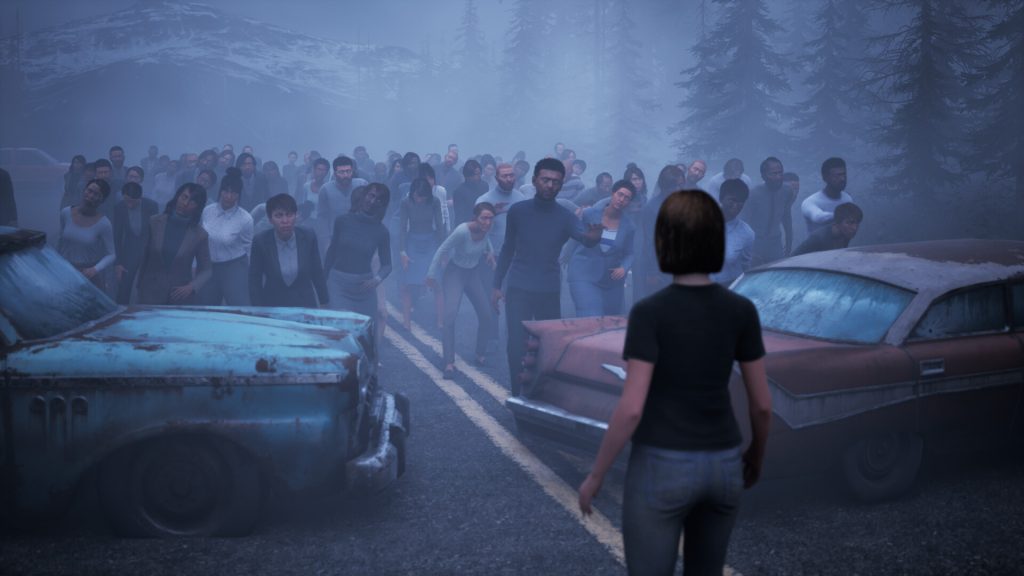
The choice of a lone female protagonist is noted as a deliberate aesthetic decision — emphasizing the isolation feeling over action spectacle. The protagonist who inspires “extreme isolation of being left alone in a bizarre world” rather than empowerment fantasy is the choice that prioritizes the game’s emotional register over its genre appeal.
This is the opposite tonal choice from games that make survival protagonists powerful action figures who can dominate their environments. A character whose primary quality is their solitude and vulnerability — not weakness, but specifically the experience of being alone — creates a different player identification than a character whose primary quality is their combat efficacy.
The inspiration list (zombie films and dramas alongside Silent Hill and Resident Evil) suggests the game is engaging with the survival horror genre’s full cultural range rather than just its game expressions. The best zombie fiction has always been less about the zombies than about how people behave when the systems that normally organize society are gone — and Nowhere Dawn‘s focus on a world where people have already disappeared engages with this without requiring the player to watch the collapse happen.
The Timeline and Current State
Q4 2027 is a 15-month development horizon from the current announcement, with a Q4 2026 demo providing the first public gameplay evaluation midway through. For a solo developer working across all disciplines, this timeline is realistic rather than optimistic — solo development of a 3D third-person survival action game with realistic graphics requires substantial time even for experienced developers.
The current announcement’s purpose is community building before the demo exists: establishing a wishlist audience, making the concept known to the players who would be interested, and creating the initial visibility that makes demo reception meaningful. The tiered announcement (page launch → demo → full release) is the standard solo developer public development strategy, and GiantK Games’ multi-language support from the start indicates awareness of international markets beyond Korea.
The AI disclosure — generative AI for some capsule images and illustrations, no real-time gameplay generation, gameplay and promotional images separated — is the sixth such disclosure in this month’s coverage and follows the pattern of solo developers using AI tools for visual materials while maintaining human authorship of the game’s creative content.
Who This Is For
This is an announcement coverage rather than a playable game review, so audience fit is necessarily tentative. Based on the stated concept:
Strong potential fit for: Silent Hill and atmospheric survival horror fans who specifically want the isolation and psychological dread over action spectacle; players who found post-apocalyptic survival games too focused on base building and resource accumulation; Korean indie game supporters who want to follow solo developer projects from early stages; players drawn to female protagonist survival narratives that prioritize solitude over combat power fantasy; anyone who has wanted the fog-and-quiet of classic survival horror in an open traversal format.
Areas of uncertainty: the balance between the stated isolation focus and the action/stealth mechanics — survival action games that emphasize atmosphere sometimes struggle to make the gameplay moment-to-moment as compelling as the environmental design; the visual quality achievable within solo developer constraints relative to the realistic graphic standard the developer is aiming for; how 15 months of continued solo development will affect scope relative to the concept’s ambitions.
What to Watch For
The Q4 2026 demo is the first real evaluation opportunity. The concept communicates clearly and the creative motivation sounds genuine, but survival action games live or die on how moving through the world feels — whether the stealth and combat options create the specific survival weight the developer is describing, whether the fog-covered environments produce the isolation feeling rather than just depicting it, and whether the resource constraint system creates meaningful decisions rather than inventory management chores.
The Takeaway
Nowhere Dawn is an early announcement from a Korean solo developer who is working toward a game about the specific feeling of being alone in a world that used to be full of people — not survival as a base-building puzzle, not survival as an action challenge, but survival as the psychological experience of continuing forward when there’s no confirmation that continuing forward is worth it. The Silent Hill influence is the right reference point for that specific ambition, and the developer’s personal connection to the game’s theme of isolation suggests genuine, rather than commercial, motivation behind the design choices.
Wishlist now if the concept resonates. The demo arrives in Q4 2026. The full game targets Q4 2027.
The fog is everywhere. The traces of other people are all that remain. And somewhere in the direction those traces point, there might be something worth continuing toward.
Information regarding ‘Nowhere Dawn’
| item | detail |
|---|---|
| Developer / Publisher | GiantK Games (South Korea, Solo Developer) |
| Genre | Survival Action / Adventure / Indie |
| Release platform | PC (Steam) |
| Demo revealed | Scheduled for the fourth quarter of 2026 |
| Official release | Scheduled for the fourth quarter of 2027 |
| Supported languages | Korean, English, Japanese, Spanish, Simplified and Traditional Chinese (6 languages) |
| Play Mode | Single player |
| Development Inspiration | Silent Hill, Resident Evil, Zombie Movies/Dramas |
| core system | Stealth vs. Combat Choice, Limited Resource Management, Tracking-based Exploration |
| Steam Page | Shortcut |