Hollow Home began in the Carpathian Mountains. When Russia’s full-scale invasion of Ukraine began in February 2022, the Twigames development team evacuated to a small village in the Carpathians and started building this game. They had just experienced the beginning of what Mariupol’s residents were experiencing — and they decided to document it.
Over the following months, the team worked with a journalist, collected 600+ records covering daily changes (weather patterns, when electricity failed, when ATMs stopped working), and read actual diaries from Mariupol residents. The characters in Hollow Home are fictional. The city and what happened there are not.
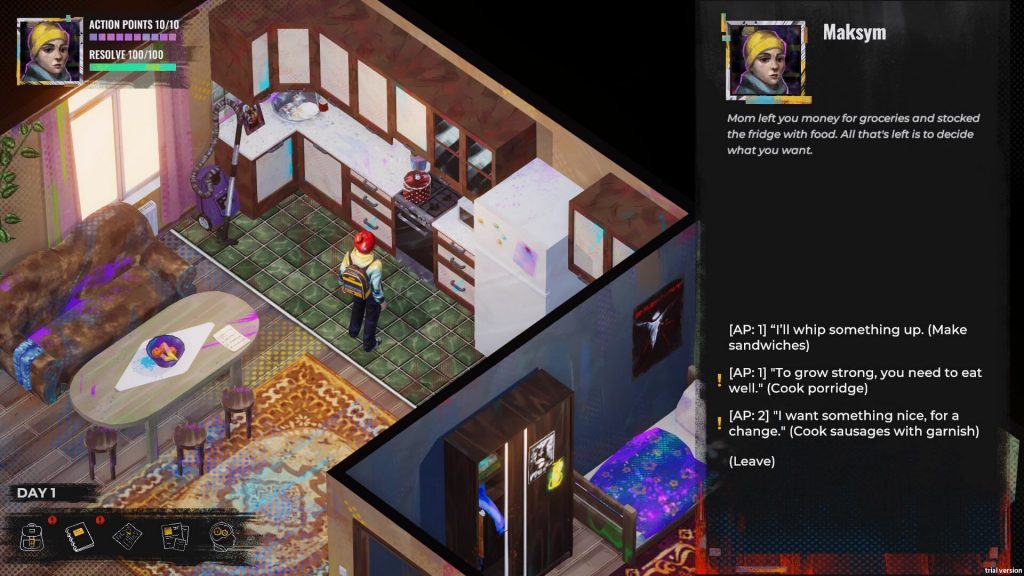
The game follows 14-year-old Maksym through the days of the Mariupol siege. There are no weapons. There is no combat. There is the daily question of how to spend limited time, who to trust, what to prioritize — and the knowledge that the choices compound into something that either sustains survival or doesn’t.
The Kickstarter runs through August 24, seeking $15,000 to fund final development before the H2 2026 release. Publishing is already secured through Berlin-based Crunchy Leaf Games — this campaign funds additional content and quality improvements rather than the core development budget.
What the Game Is Asking
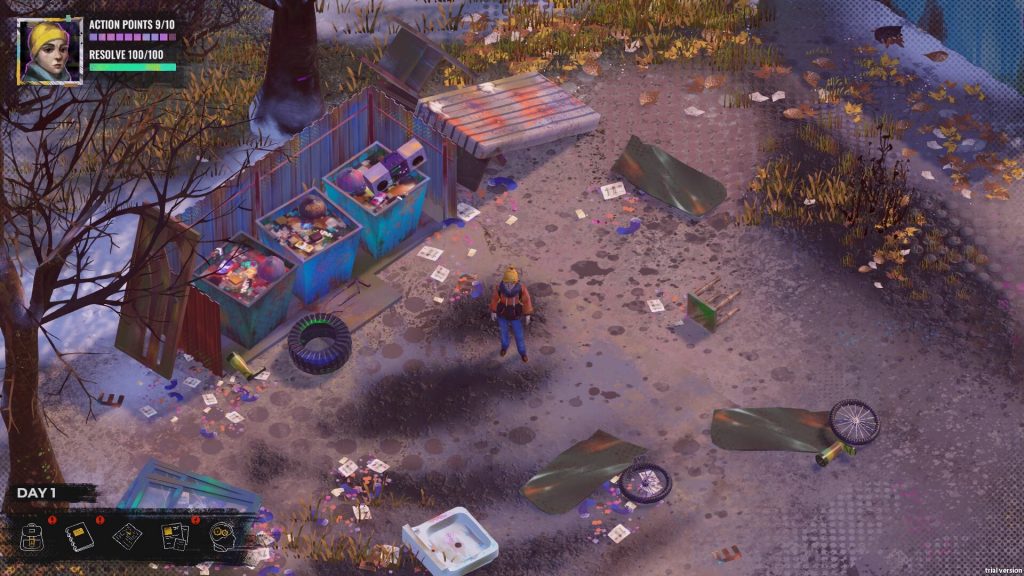
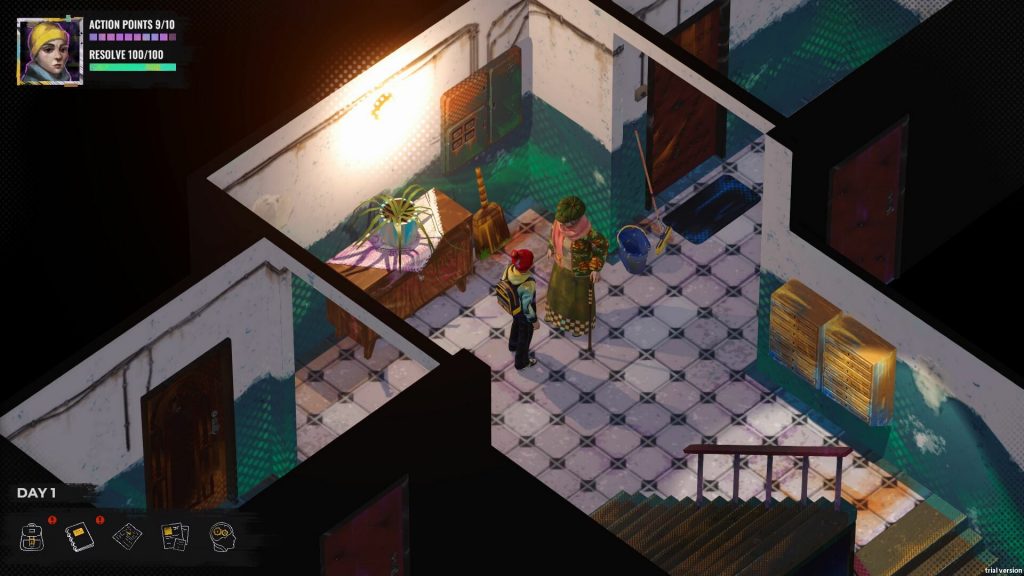
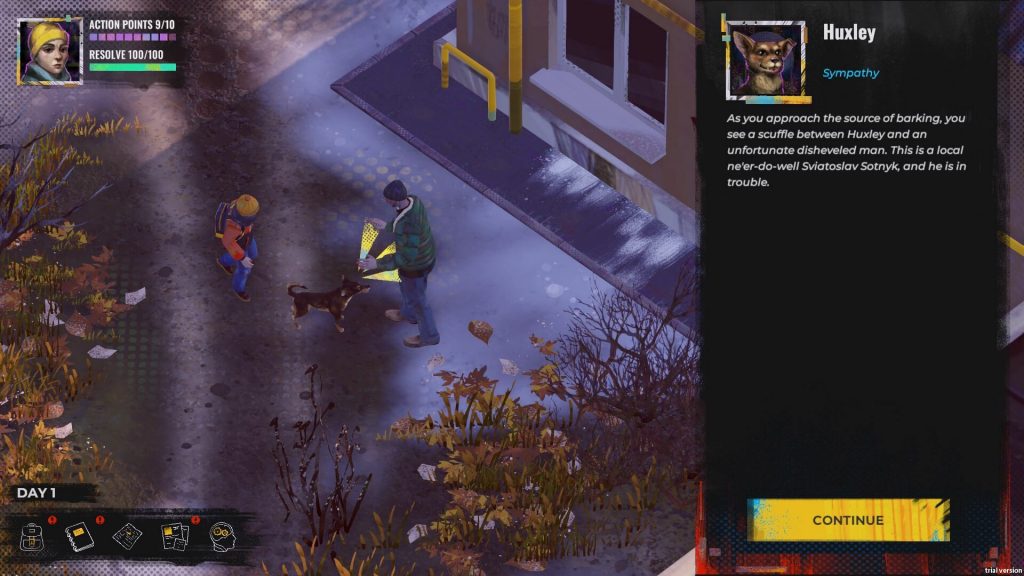
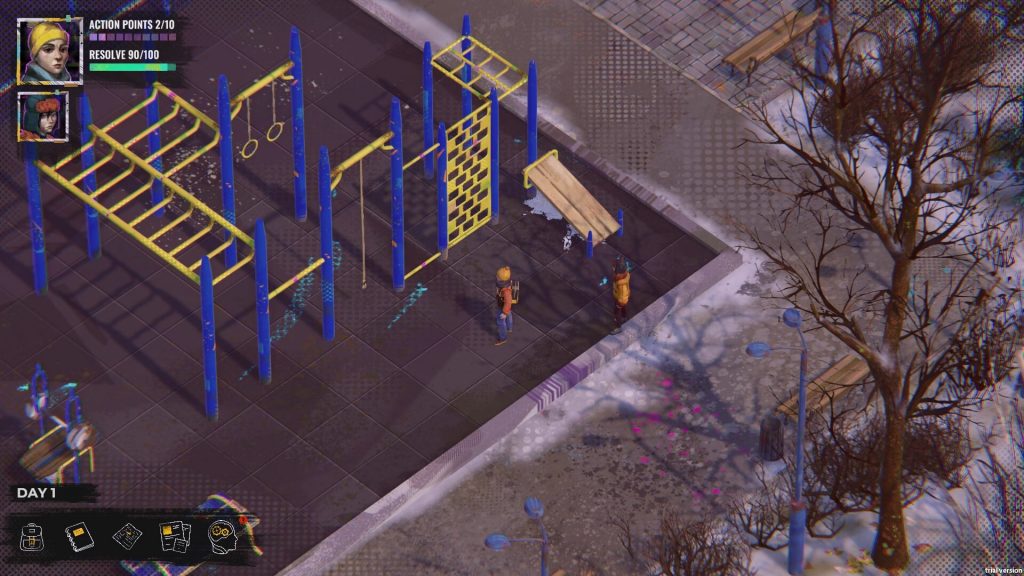
The narrative survival RPG without combat is a genre that This War of Mine established and that Hollow Home is building toward in a specific way: a first-person child’s perspective, a historically documented siege, and the isometric painting-style aesthetic that makes Mariupol’s destruction beautiful and heartbreaking simultaneously.
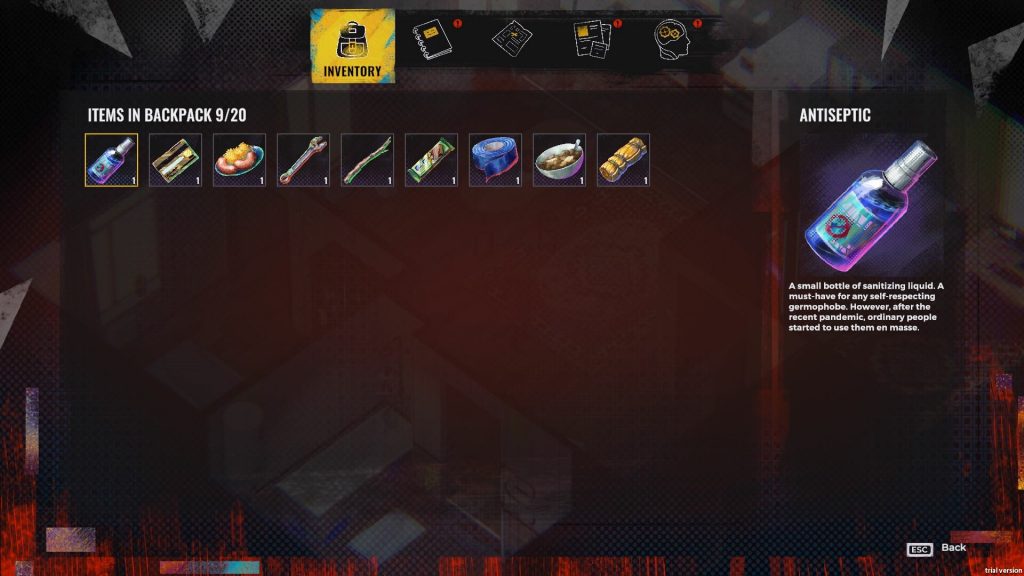
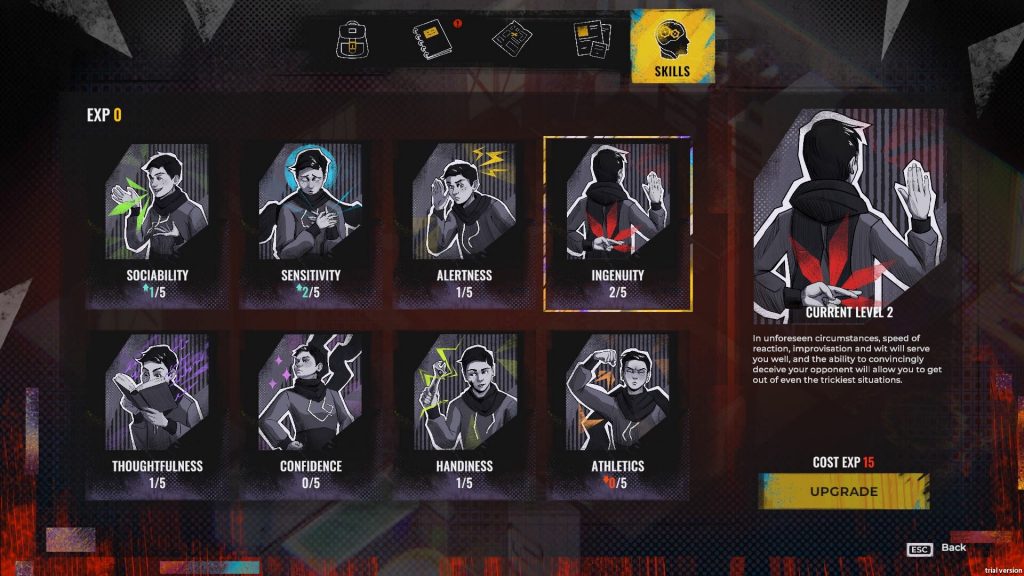
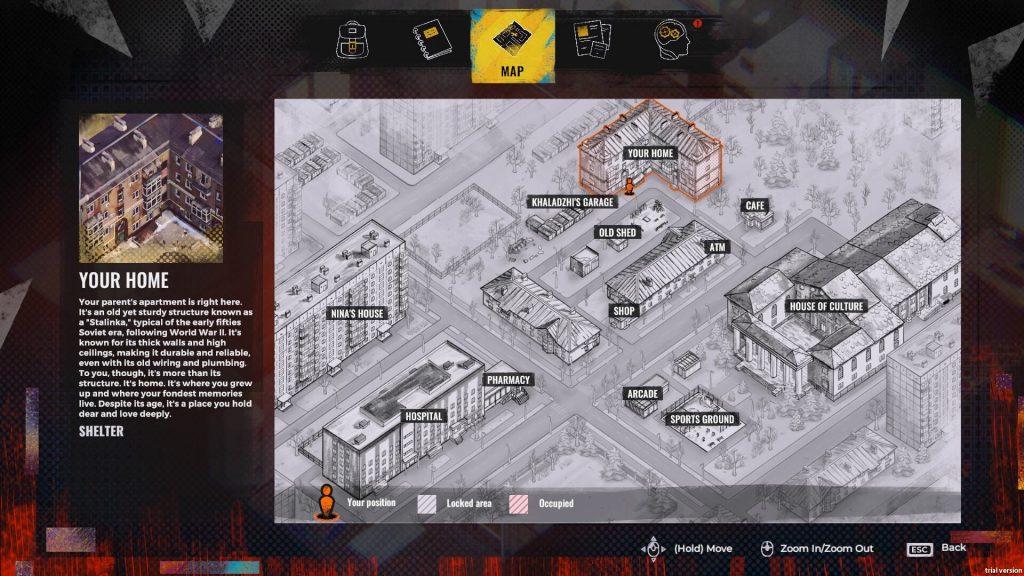
The city changes as Maksym navigates it — zones become inaccessible, new dangers appear, opportunities open and close based on choices made and historical events that occurred. Crafting, cooking, and resource collection maintain Maksym’s morale. Relationships with other characters determine what options are available. The branching narrative and multiple endings mean different players experience different versions of what Mariupol’s siege felt like depending on how they respond to its pressures.
Developer Valerii Minenko’s stated intention is specific: “When war comes to your city, I want players to experience what survival looks like for ordinary people.” Not the strategic overview of conflict. Not the soldier’s experience of combat. The child’s experience of days that don’t know whether they’ll have electricity, of adults who don’t know what’s happening, of decisions made with inadequate information under conditions that shouldn’t be making these demands on a 14-year-old.
The Disco Elysium and Planescape: Torment comparison in the coverage reflects the dialogue-centered, portrait-driven narrative style rather than thematic equivalence. The structural ambition is closer to This War of Mine — documenting civilian survival in a specific real conflict — but the specific historical documentation that Twigames has done (the 600+ records, the resident diaries, the journalist consultation) is something This War of Mine‘s designers didn’t have: firsthand proximity to the events they were depicting.
The Developer’s Position
Twigames is a Ukrainian studio that started making this game while fleeing the conflict it depicts. This is not a studio that researched a distant historical event; it’s a team that was displaced while building a game about displacement. The gap between the developers’ position and the subject matter is different from most war games because it’s nearly closed.
This proximity creates specific responsibilities and specific credibility. The 600+ records and the journalist consultation aren’t due diligence on unfamiliar territory — they’re the systematic documentation of something the team lived alongside, the effort to ensure that the game’s representation of Mariupol’s specific siege is accurate to the Mariupol that residents actually experienced rather than a generalized war atmosphere.
The Award Recognition
Nordic Game 2024 Pitch Battle winner, Games Gathering 2024 double winner, IndieCup Ukraine 2023 double winner — this award trajectory confirms that the game’s pitch, its visual style, and its design ambitions have been evaluated by industry professionals across multiple contexts and found to be genuinely compelling. The 97% Very Positive demo rating from 42 players confirms that those evaluations are translating into actual player reception of the playable content.
The Kickstarter Context
A studio with a publishing deal and a 97% demo rating running a $15,000 Kickstarter is not a studio in commercial distress — it’s a studio using the Kickstarter platform for what it can offer beyond funding: community engagement with a project whose documentation and intention should be understood before it releases. The campaign page presumably tells the development story in ways that a Steam page cannot. Backing Hollow Home is also an act of acknowledging what the team made it through to make the game.
A Note for This Coverage
Hollow Home warrants direct engagement with what makes it emotionally and ethically significant rather than only the standard critical framing. This is a game made by Ukrainian developers while their country was under invasion, documenting a siege that destroyed a city most of the world watched in horror from a distance. Playing the demo and finding it 97% positive is a different kind of data point than most demo ratings carry.
That said, the coverage’s standard approach — assessing the game as a game, not only as a document — is also the right approach for respecting what the developers have actually built. Hollow Home has been designed to be genuinely playable and emotionally resonant as a game; treating it only as testimony would reduce it to its subject matter rather than honoring its craft.
Who This Is For
Strong fit for: This War of Mine players who want a specifically documented historical civilian survival experience; players who want to understand what the Mariupol siege felt like from a civilian child’s perspective; narrative RPG fans who specifically want choice-driven survival without combat; players who backed or support Ukrainian game development; anyone who followed the Mariupol siege and wants engagement with it through interactive narrative rather than news coverage.
This is not a game for: players who need combat to feel engaged with RPG mechanics; anyone who finds war subject matter too emotionally difficult to engage with in a game context; players seeking entertainment rather than a meaningful experience.
The Takeaway
Hollow Home is not primarily a game to evaluate. It’s a document of what it meant to be 14 years old in Mariupol during the siege, built by a team that started making it while fleeing the same country, documented against 600+ historical records, and designed with enough craft that 97% of demo players found it a positive experience rather than simply a difficult one.
The Kickstarter runs through August 24. The demo is available on Steam. The game releases H2 2026.
Maksym needs to get through another day. The choices about how are harder than any game should make its players work through — and that’s the point.
Information regarding ‘Hollow Home’
| item | detail |
|---|---|
| Developer | Twigames (Kyiv, Ukraine) |
| Publisher | Crunchy Leaf Games (Berlin, Germany) |
| Genre | Epic Survival RPG (No Combat) |
| Release platform | PC (Steam, Microsoft Store), Xbox Series X|S |
| Scheduled for official release | second half of 2026 |
| Kickstarter period | July 27, 2026 – August 24, 2026 (20 days) |
| Kickstarter goal amount | $15,000 |
| Steam Review (Demo) | Very positive (97%, 42 cases) |
| Official Channel | Official Website, Discord, X, Facebook, YouTube |
| Steam Page | Shortcut |
| Demo Page | Shortcut |
| Kickstarter page | Shortcut |