Riley Ainge has been building ORMOD: Directive for over five years in Western Australia. It’s his first game. 325,000 people have wishlisted it. Gamescom 2026 (August 26-30) is when he’ll meet many of those community members in person for the first time.
“I’ve been working on a single project for over five years, so the fact that more than 325,000 gamers have added it to their wishlist since its reveal is genuinely astonishing,” Ainge said ahead of the Cologne event. “Gamescom is exciting — I’m finally going to meet in person many of the community members I’ve only spoken to online. Watching people play ORMOD: Directive is always one of the most enjoyable parts of the development process.”
The Gamescom appearance marks the first opportunity for the general public to play the game — previous access has been limited to closed playtests. The build being shown at Cologne includes new content not available in any prior playtest.
The Design Combination
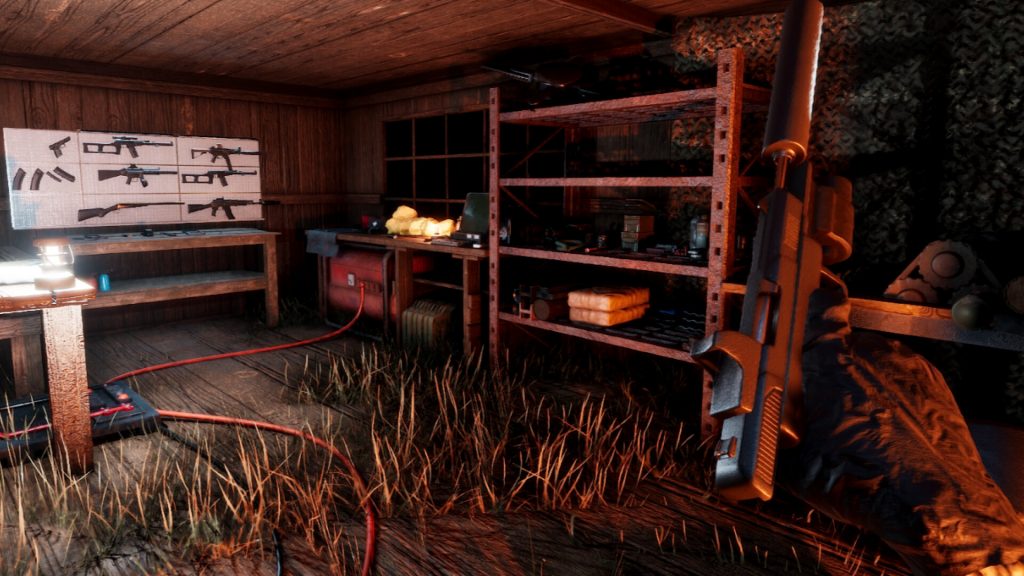
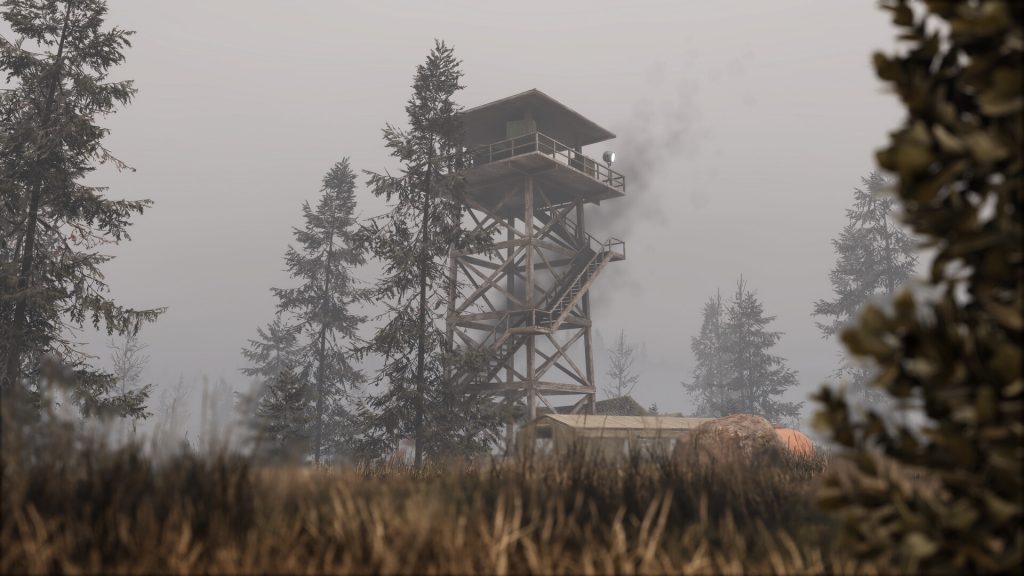
The “Bethesda-style open world combined with automation genre” characterization from international coverage captures the specific hybrid that ORMOD: Directive is attempting. Bethesda-style open-world survival — persistent, physical, everything where you left it — applied to factory automation creates a game where the late-game power fantasy isn’t a more powerful character but a more powerful production system. The farm partitions, rainwater collectors, sawmills, seeders, presses, and mixers that a playtester documented building over 10 hours aren’t equipment upgrades — they’re infrastructure.
This framing distinguishes ORMOD from games where automation is a feature layered onto combat progression. Here, building and optimizing a production system appears to be a primary, parallel engagement loop that develops alongside (and in support of) the survival and combat elements rather than supplementing them.
The persistence system is the specific technical commitment that makes this possible. Every item in the world exists as a physical object that remains wherever it’s placed. A game where items respawn or disappear after player interaction can’t support meaningful factory automation because the raw materials the factory requires aren’t reliably present. A game where everything persists can have a factory that actually operates continuously, processing whatever the world provides in the locations where resources have been established.
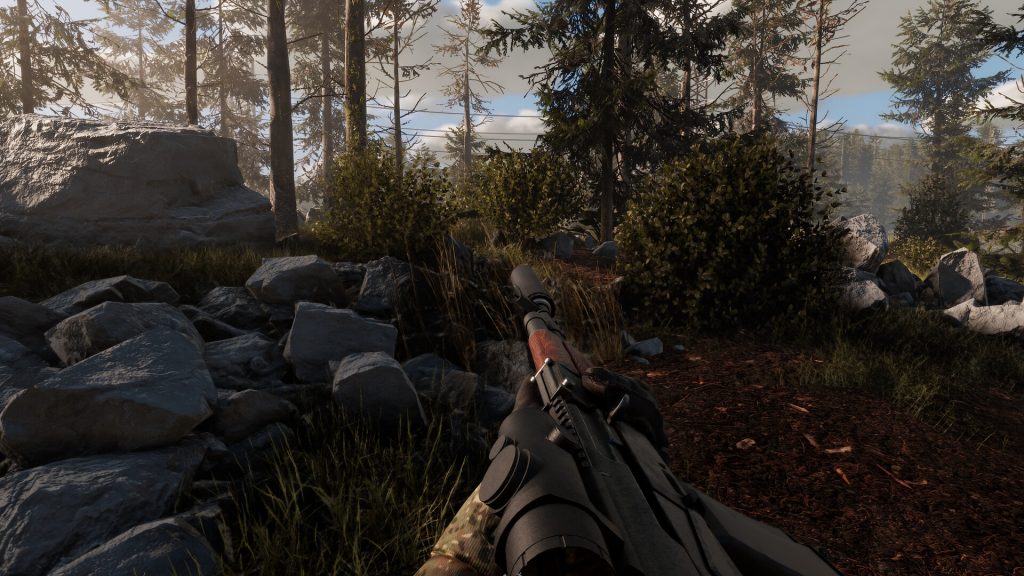
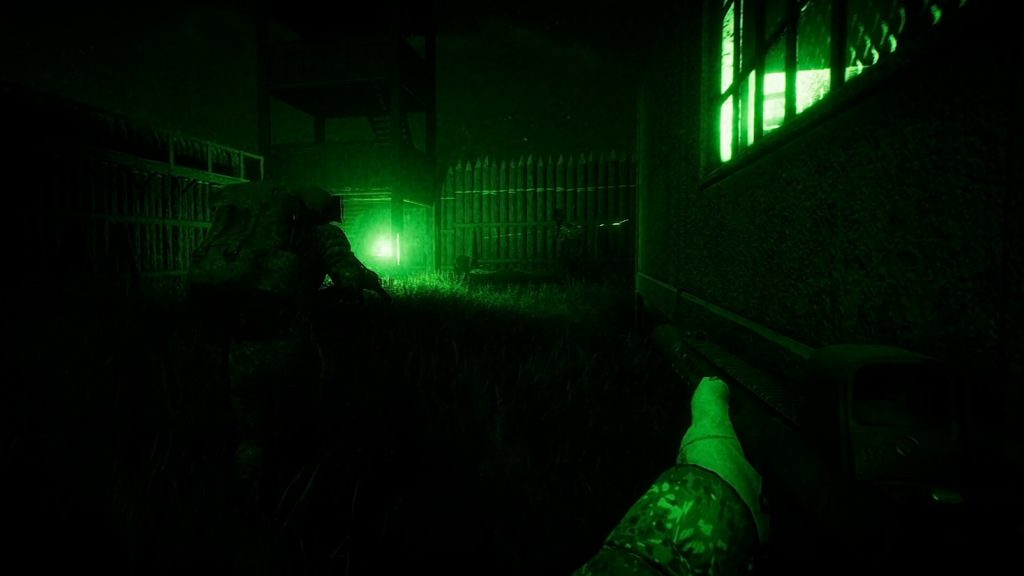
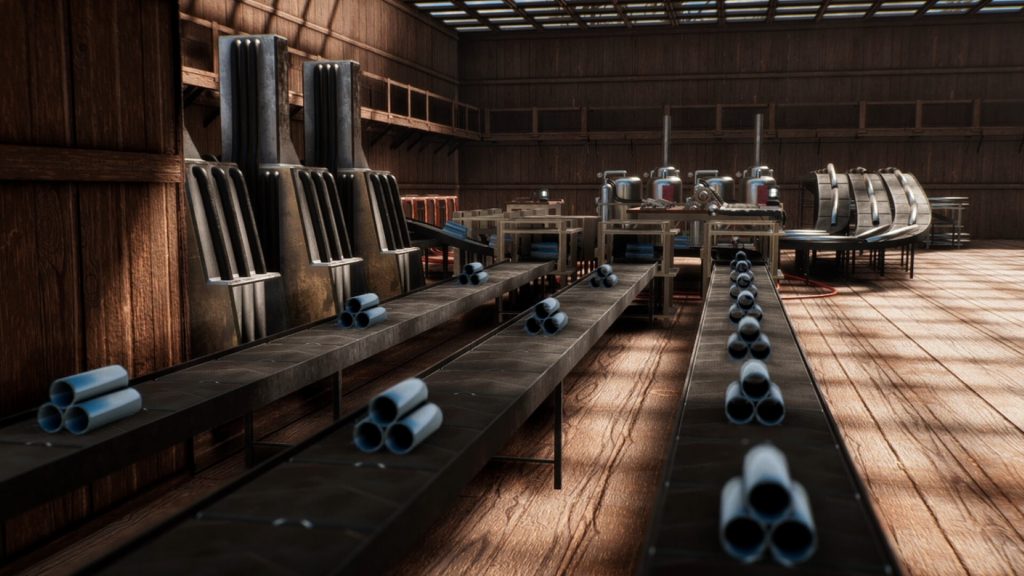
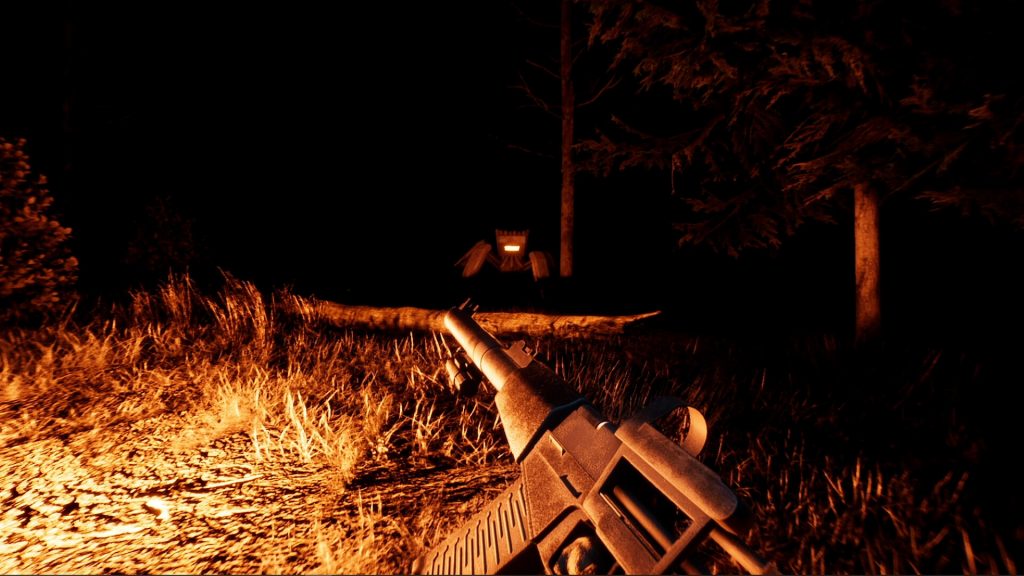
The World and Survival Systems
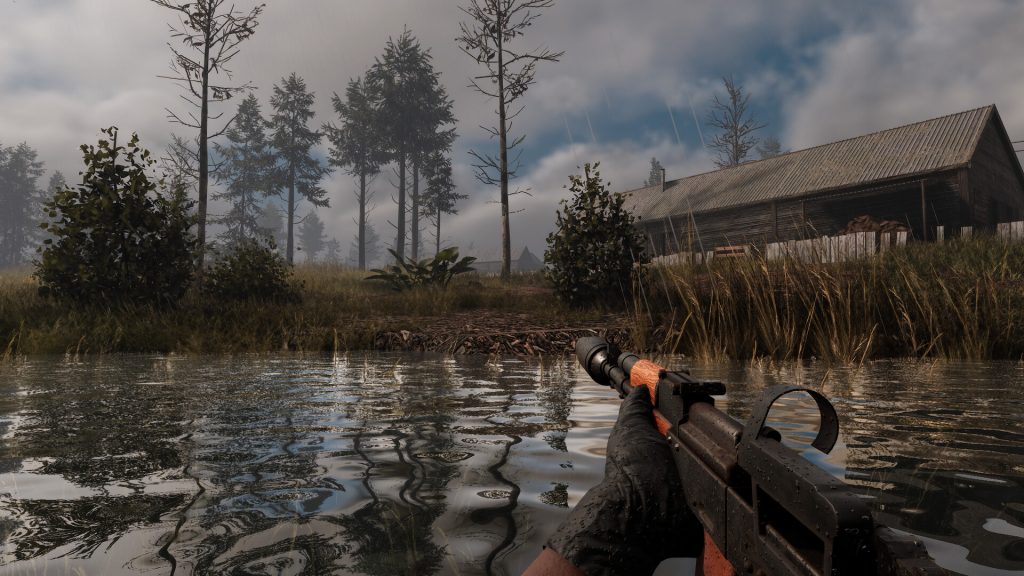
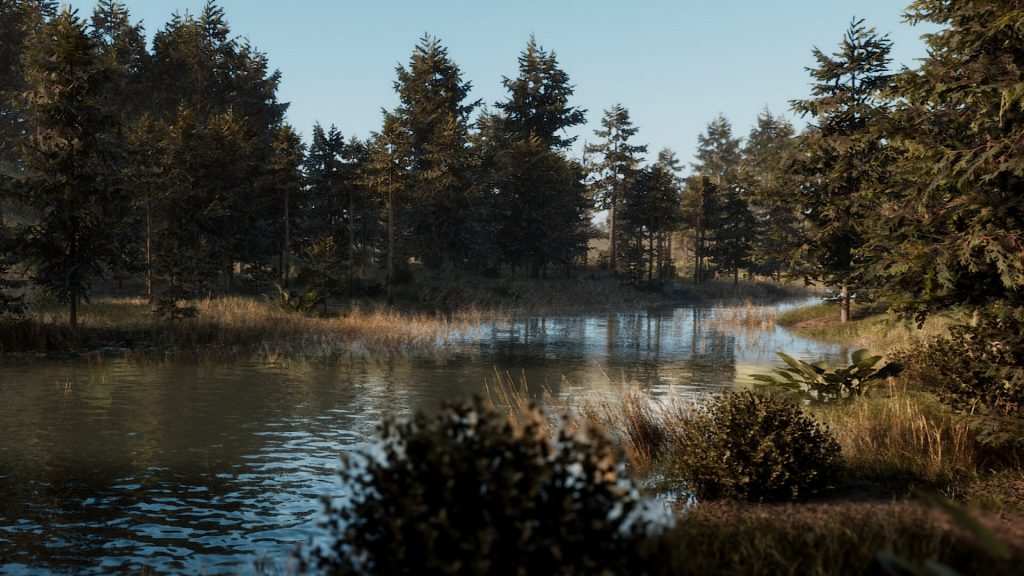
The procedurally generated infinite world — villages, roads, buildings, and terrain generated fresh each playthrough — provides the environmental variety that sustains exploration across extended survival sessions. The customization of world generation parameters (difficulty, rules, server type) and the support for community 24-hour servers (PvP, PvE, hardcore, creative modes) extend the single-world experience into multiple distinct player community contexts.
Survival depth is substantial: hunger, disease, temperature, and injury management alongside farming, cooking, and medical systems. The skill progression, quests, and item-based economy give the survival loop ongoing structure beyond reactive resource management.
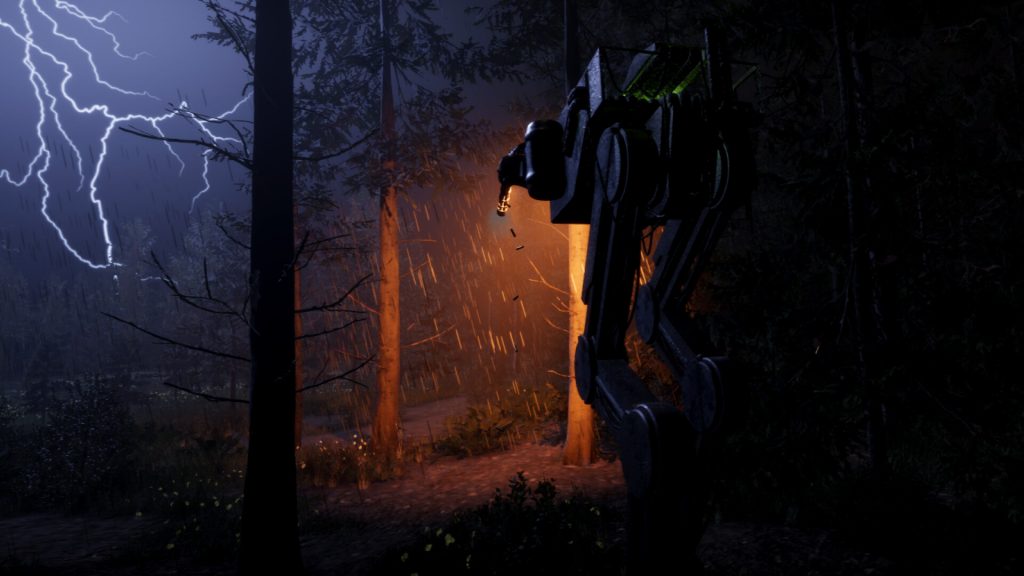
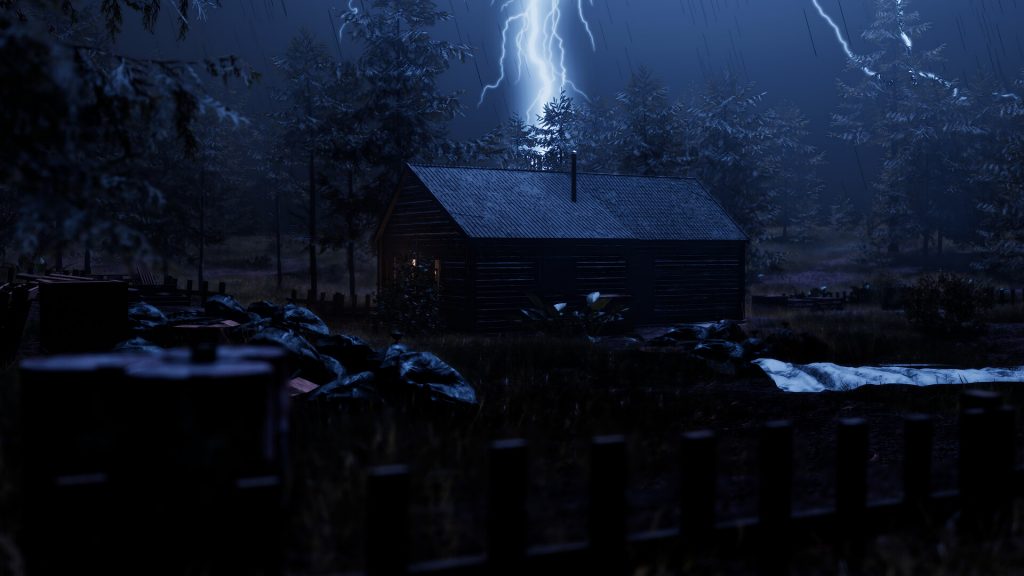
The night mechanic is the specific tension element that the day-night cycle enables: mechanical soldiers that specifically track isolated players after dark, creating the pressure to establish a secure base before nightfall rather than treating night as simply a visibility reduction. This is a more purposeful use of the day-night cycle than games that make night merely darker — the night creates a specific threat that the day’s base-building and resource gathering is in service of surviving.
The vehicle and helicopter operation — physics-modeled to approximate real handling — and the dynamic events (helicopter crash sites, large-scale PvP events) give the world ongoing event density beyond the base survival loop.
The Combat Detail
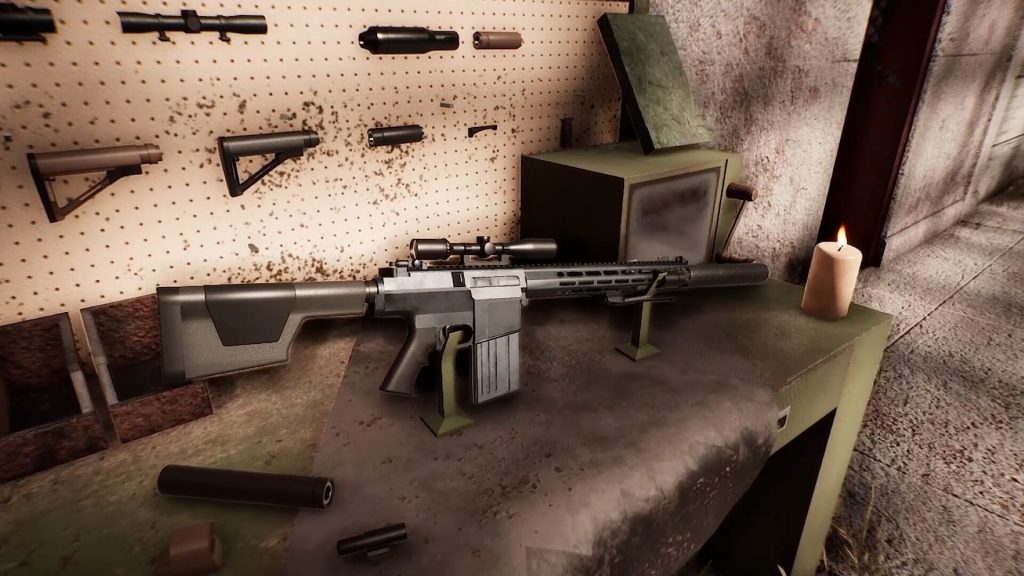
Leaning-based shooting, weapon customization, and ballistic simulation (bullet penetration and armor modeling) are the specific commitments to tactical military simulation that position the game’s combat adjacent to games like DayZ or Escape from Tarkov rather than the more arcade-leaning survival titles. Players who want to think about ammunition type, armor penetration, and body positioning during firefights will find a system designed for that level of engagement; players who want simplified combat will find it more demanding than typical survival game combat.
The 325,000 Wishlists Without a Public Release
The wishlist count accumulated from closed playtests and community-driven development is the most commercially significant pre-Gamescom data point. 325,000 wishlists from a game with no public demo and no established critical reception — built entirely through playtest community enthusiasm and the credibility of what those playtesters communicated — is the specific kind of organic community formation that the survival sandbox genre generates when the core design is resonating.
The Gamescom public debut is the moment when that closed community’s enthusiasm is tested against a broader audience encountering the game without prior context. Whether the Gamescom-exclusive new build produces the same response from players who haven’t been following the closed development is what the August 26-30 period will reveal.
Who This Is For
Strong fit for: survival sandbox enthusiasts who specifically want factory automation as a primary engagement loop alongside the survival systems; DayZ and hardcore survival players who want tactical combat realism alongside the base-building; players who want the persistence and world-physics depth that some survival games approximate but few fully commit to; community server players who want long-running shared world survival rather than session-based games; anyone who followed the closed playtests and wants the first public build at Gamescom.
Cautious fit for: survival game players who want the genre’s accessibility more than its depth; players who need confirmed release dates before investing community attention; anyone who wants the H1 2027 timeline to mean early rather than late H1.
Less ideal for: players who dislike survival mechanics; anyone wanting story-driven single-player content; players seeking competitive PvP-only experiences.
The Takeaway
ORMOD: Directive is House 16 Software’s five-year debut — an open-world survival sandbox that combines persistent physical world state, procedural infinite generation, factory automation production chains, and tactical ballistic combat into a system depth that the “Bethesda plus automation” shorthand is gesturing at. 325,000 wishlists from closed playtests alone suggest the community has found something in the design worth waiting for.
Gamescom 2026 is the debut. Riley Ainge will meet the community that has been building online for months. And the new build that wasn’t in any prior playtest will be on the floor of Hall 10.1, Booth A033, from August 26.
H1 2027 for the full release. Wishlist on Steam now.
Information regarding ‘ORMOD: Directive’
| item | detail |
|---|---|
| Developer | House 16 Software (Perth, Australia) |
| Publisher | House 16 Software |
| Genre | Open world, survival, automation, multiplayer sandbox |
| platform | PC (Steam) |
| Release date | Scheduled for the first half of 2027 (Playtesting currently in progress) |
| Wishlist | Approximately 325,000 cases (as of August 18, 2026) |
| Reactions/Evaluations | Prior to the official release, reactions from playtest participants and international media were generally positive. |
| Steam Page | Shortcut |