The life simulation genre has been waiting for this moment for years. The Sims franchise has dominated the category for over two decades, weathering criticism about its increasingly expensive DLC structure and waiting-game development pace. Various challengers have appeared and faded. Paralives, the Montreal indie that’s been quietly building toward this moment since 2019, finally launched into Steam Early Access on May 25 — and the numbers tell their own story.
78,000 concurrent players on day one. Over 1,500 Steam reviews within hours, 86% positive. A wishlist count exceeding one million. For a $39.99 indie life sim from a 15-person studio, those aren’t strong numbers — they’re paradigm-shifting numbers for the genre.
Whether Paralives delivers on the broader promise across its Early Access development is the question that defines the rest of 2026 for the life simulation category.
Seven Years of Patreon-Funded Development
The development story of Paralives matters for understanding what just happened. Founder Alex Massé began the project in 2019, building it through Patreon community support rather than traditional indie publishing or studio funding. Over seven years, the team grew to 15 people, all sustained by ongoing community backing.
This is an unusual development model that turns out to have unusual advantages. Patreon-funded development creates direct accountability between developers and supporters — backers see the work in progress, provide feedback continuously, and have effectively pre-committed to the project’s success. By the time Paralives launched into Early Access, it wasn’t being introduced to an audience; it was being delivered to an audience that had been waiting for nearly seven years.
The 1 million+ wishlist figure reflects exactly this dynamic. Most indie games launch with wishlists in the low tens of thousands; Paralives launched with a number that places it in the same conversation as major studio releases. That’s the accumulated audience of seven years of community-building, channeled into a single moment.
The original Early Access target was December 2025. The delay to May 2026 was attributed to bug fixes and town content gaps identified during large-scale playtesting. That’s the right kind of delay for the wrong-kind-of-game-design situation — taking additional time to address known issues rather than shipping on schedule with known problems intact. The discipline shown there is part of what generated the goodwill visible in the day-one reception.
The Sims Alternative Question
It’s impossible to discuss Paralives without addressing the elephant in the room: this is the most serious commercial threat the Sims franchise has faced in years.
The Sims fatigue is real. Long-time players have voiced increasing frustration with the franchise’s DLC model, where the base game functions as a foundation that requires substantial additional purchases to access content equivalent to previous generations. Pet ownership, seasons, careers, and university content — features that were base-game elements in earlier Sims releases have been positioned as paid expansion content in later iterations. The cumulative price of a “complete” Sims 4 experience runs into hundreds of dollars.
Paralives is making the opposite bet. The studio has committed to all updates and expansions being free. There is no paid DLC roadmap. The $39.99 entry price is the total commercial commitment for the lifetime of the game.
For players who’ve been holding their breath waiting for a credible Sims alternative, that pricing model is itself a major selling point. Whether Paralives delivers content depth equivalent to The Sims 4 with all its DLC is a different question — at Early Access, it almost certainly doesn’t. But the trajectory matters more than the current state. Paralives gets to grow over time without charging again. That’s the structural challenge it’s posing to EA’s franchise model.
The day-one concurrent player count of 78,000+ is significant within this context. It demonstrates that there’s substantial pent-up demand for a Sims alternative, and that the audience exists in numbers large enough to sustain a serious competing project. Whether that audience sticks with Paralives through Early Access development depends on whether the studio can deliver continuous improvements at the cadence the community expects.

The Build System Is the Headline Feature
The most consistently praised element of Paralives in early community response has been the build system. The architectural design tools depart from grid-based building conventions, allowing free adjustment of wall length and angle. Curved walls are possible. An in-game tape measure function lets players recreate actual real-world residential dimensions.
This is a meaningful technical departure from The Sims‘s building structure. The grid-based system that Sims has used across its generations is intuitive but constraining. Wall placement snaps to predetermined positions. Room dimensions follow tile multiples. Curves are essentially impossible without elaborate workarounds. Paralives eliminates these constraints, opening up architectural possibilities that the established franchise can’t match.
Object customization extends the principle. Color and material adjustments for furniture and architectural elements are continuous rather than preset-based. Window and furniture sizes scale freely through corner anchor dragging — a small window can become floor-to-ceiling glass, a single bed can expand to king-size, all in real time without separate object purchases.
Community response to the gameplay trailer released May 19 focused heavily on these building capabilities. The recurring sentiment — that “the game’s appeal is clearest when you can design spaces without grid constraints” — captures why this feature is so significant to the genre’s enthusiast audience. Architectural creativity is one of the things life sim players spend the most time engaging with, and Paralives‘s building system is structurally better suited to that creativity than anything currently on the market.
The Parafolk and the Open World
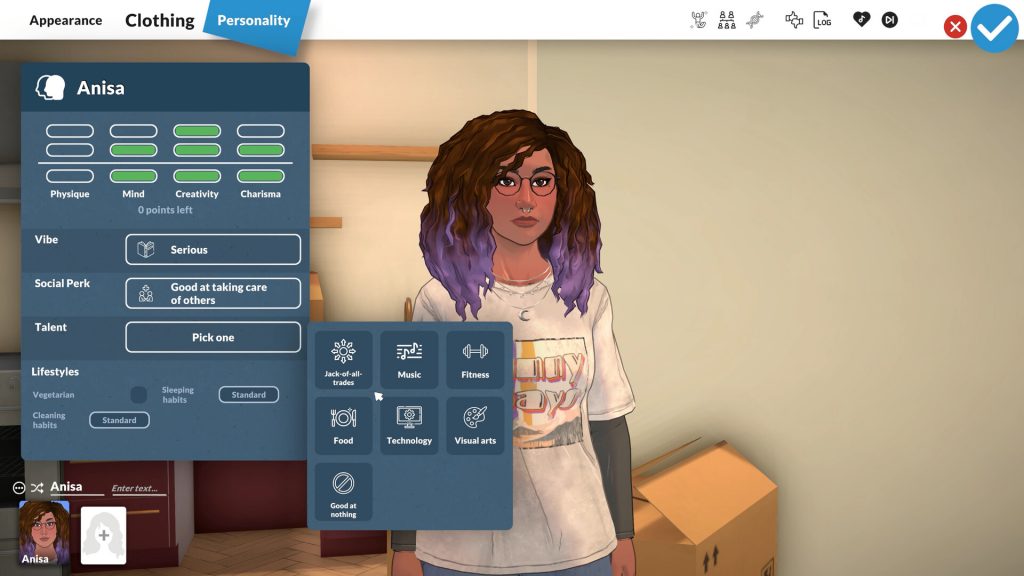
The character creation tool, called Paramaker, allows detailed body type, height, appearance, and personality customization for the in-game characters (called Parafolk). The depth of customization has been a long-running point of pride for the development team, and it appears to be landing well in early reception.
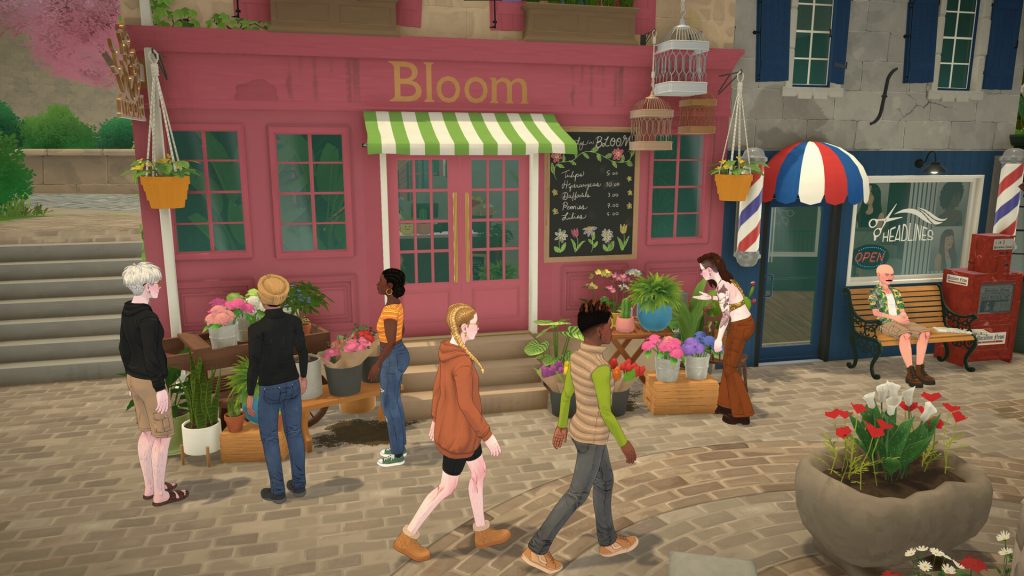
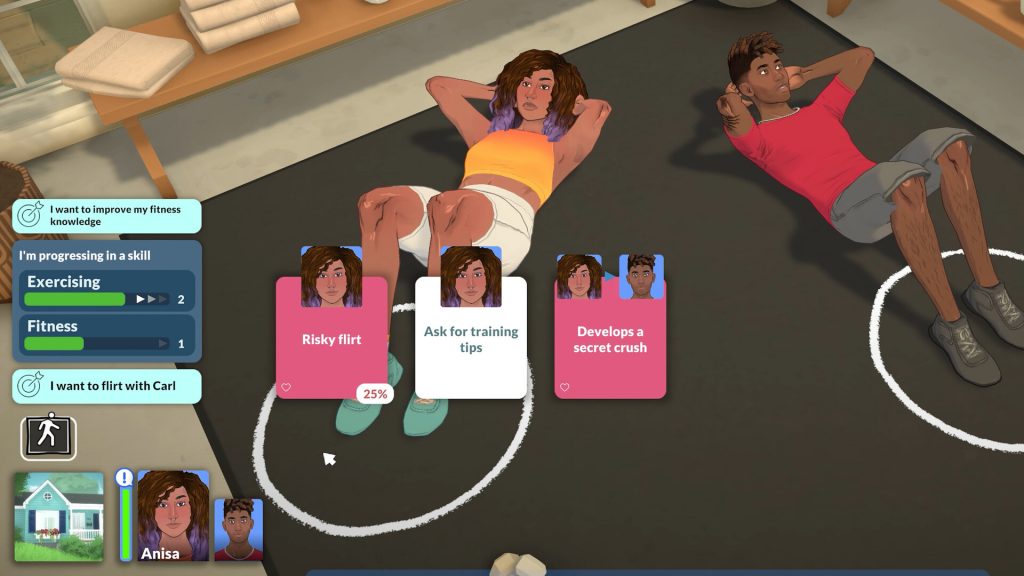
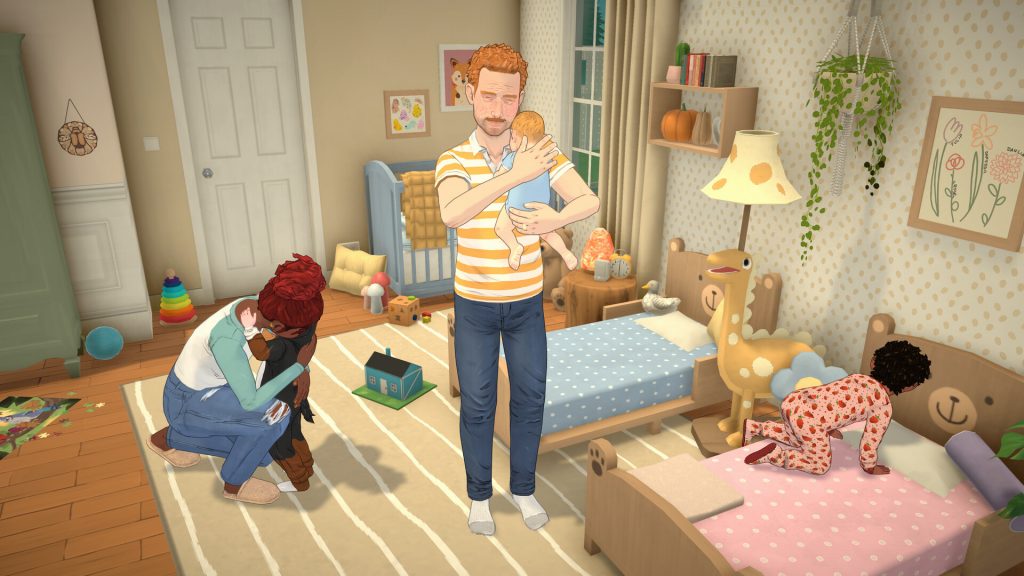
The living environment extends beyond home interiors. Open-world towns include shops, parks, workplaces, and event locations, with players freely exploring, forming relationships, and experiencing different lives. The game’s name — Paralives, referencing “parallel lives” — captures the core philosophy: experiencing different fictional lives in parallel rather than focusing on a single character’s story.
The open world element is itself a meaningful differentiator from The Sims 4, whose neighborhood structure is more loading-screen-segmented than continuous. Whether Paralives‘s open world delivers the seamless feeling its design suggests is one of the things players will be evaluating across Early Access.

What’s Missing at Early Access Launch
Honest evaluation requires acknowledging what isn’t in the Early Access version. The following features are confirmed as planned future free updates:
- Pets
- Seasons and weather systems
- Swimming pools
- Basements
- Cars
- Boats
- Family trees
- Calendar system
- Restaurant table service
This is a substantial list of missing features, and it directly addresses why the Early Access reception is positive-but-cautious in some press coverage. PC Gamer, TheGamer, and other major outlets have offered mixed reviews — praising the deep building tools and customization breadth while noting that bugs and incomplete content warrant a more cautious purchase recommendation.
Both readings are accurate. Paralives at the Early Access launch is a genuinely impressive foundation with substantial gaps. Players who buy in now are buying into the development trajectory rather than a complete product. The studio’s track record of seven years of consistent development is the reason that buy-in feels reasonable rather than reckless.
The June-September Roadmap
The studio’s stated near-term focus is performance improvement, bug fixes, and quality stabilization from June through September 2026. That’s the right priority for Early Access. Adding features to an unstable foundation produces an increasingly unstable game; stabilizing first and then expanding is the development discipline that produces successful Early Access trajectories.
The Patreon development model also means the team has been responsive to community feedback for seven years before Early Access. That feedback loop is now operating at a much larger scale — 78,000 concurrent players generate significantly more feedback than the Patreon community alone. How the studio scales its responsiveness will significantly affect Early Access reception over the coming months.
How the Press Has Read It
International coverage has been divided in a way that’s actually appropriate for the project’s current state. Some outlets are framing the deep building tools and customization breadth as sufficient justification for the purchase. Others are emphasizing the bugs and content gaps as reasons for caution. Both perspectives are defensible.
What’s notable is that even the more cautious coverage isn’t dismissive. The reviews calling for a cautious approach are still generally positive about the project’s direction and the studio’s track record — they’re just managing expectations about what players should expect from Early Access specifically.
The 2021 Canadian Game Developers community award for “Most Anticipated Canadian Game” and the Wholesome Direct 2021 feature placement both demonstrate that Paralives‘s legitimacy within the industry has been established for years. This isn’t a project arriving from nowhere; it’s a project arriving with substantial accumulated credibility.
What This Means for the Genre
The launch of Paralives matters beyond the game itself. The life simulation genre has been functionally a Sims monopoly for over two decades. The lack of credible competition has shaped EA’s design decisions, monetization strategies, and development pace. A genuinely successful Paralives changes the competitive landscape in ways that benefit everyone playing in the genre — including, ultimately, Sims players who would see their franchise pressured to compete on quality and pricing rather than coast on incumbent status.
Other life sim alternatives have emerged and faded over the years. inZOI recently launched with a significant marketing push. Life by You was canceled before release. The genre has seen genuine attempts and genuine failures. Paralives‘s day-one numbers suggest it has substantially better positioning than previous challengers — combining Patreon-built audience, free DLC commitment, distinctive technical features (especially the build system), and seven years of focused development.
Whether this translates to sustained commercial success across the Early Access period is the question that will define the genre’s next chapter. If Paralives maintains its trajectory and grows its content base while The Sims 4 continues its DLC-heavy approach, the genre’s economic structure could shift meaningfully. If Paralives stalls in Early Access development or struggles with technical issues, the Sims franchise retains its dominance, and the alternative-driven competition disappears again.
Who This Is For
Strong fit for: Sims players frustrated with DLC pricing models; life sim enthusiasts who specifically value architectural creativity; players who appreciate community-driven development models; anyone who’s been wishlist-watching Paralives across its seven-year development; players willing to engage with Early Access progression.
Cautious fit for: life sim players who specifically need certain features (pets, seasons, etc.) that aren’t in the Early Access build; players who prefer polished launch experiences over Early Access development.
Less ideal for: players who want immediate feature parity with The Sims 4‘s full DLC lineup; anyone with a strict no-Early-Access policy; players who don’t enjoy life simulation as a genre, regardless of execution.
What to Watch For
Several things will define Paralives‘ arc from here.
The first is bug fix and stabilization velocity over the June-September window. Player tolerance for technical issues degrades over time; the studio needs visible progress on stability to maintain the goodwill that’s currently elevated.
The second is content roadmap delivery. Pets, seasons, swimming pools, and the rest of the missing features carry community expectations. How quickly and substantially these arrive will determine whether players stay engaged through Early Access or drift away.
The third is community management at scale. The studio’s responsiveness was tested at Patreon scale during development; it’s now being tested at 78,000+ concurrent player scale. The communication patterns that worked for a smaller community need to scale to a much larger one.
The fourth is the response from The Sims 4 / EA. A genuinely successful Paralives launch is the kind of event that prompts strategic response from the established franchise. How The Sims franchise responds — through pricing adjustments, content acceleration, or other strategic moves — will be part of the larger story.
The Verdict on Early Access Launch
Paralives has delivered exactly the launch it needed: a substantial, technically distinctive foundation that demonstrates the project is real and worth engaging with, paired with honest acknowledgment of what’s missing and a clear development trajectory toward delivering it.
The 78,000 concurrent players, the 86% Very Positive Steam reviews, the 1 million+ wishlist count, and the no-paid-DLC commitment combine to make this the most credible Sims alternative the genre has seen. The seven years of Patreon-funded development weren’t wasted; they produced a project with genuinely strong foundations and a community ready to support its growth.
The honest framework for evaluating Paralives right now: this is an Early Access purchase that supports a development trajectory rather than a complete product. Players buying in now are investing in what Paralives will become across the next 12-18 months, not just what it currently is. For that investment to make sense, you need to believe in the studio’s track record (which is substantial), the free DLC commitment (which is genuine), and your own tolerance for Early Access roughness (which varies by individual).
Early Access Verdict: Recommended for the right audience; one of the most significant indie launches of 2026
Paralives has cleared the bar for a credible Sims alternative more decisively than any project before it. Whether it ultimately reshapes the life simulation genre depends on the Early Access development arc, but the day-one numbers prove that the audience exists and is hungry for what this game is trying to be.
A 15-person team in Montreal just delivered the launch life sim players have been waiting for. The next 18 months will determine whether the genre is permanently changed.
Information regarding ‘Paralives’
| item | detail |
|---|---|
| Developer / Publisher | Paralives Studio (Montreal, Canada, 15 people) |
| Genre | Life Simulation / Open World / Building Sandbox |
| Release platform | PC (Steam) / macOS |
| Release date | May 25, 2026 (Early Access) |
| price | $39.99 USD (Launch 10% Off ~June 1: $35.99) |
| Steam Review | Very Positive (86%, 1,593+) |
| Concurrent users on release day | Over 78,000 people |
| DLC Policy | All updates and expansions provided for free, no paid DLC |
| Major unimplemented features (to be added for free later) | Pets, seasonal weather, swimming pool, car, family tree, etc. |
| premier | Most Anticipated Canadian Game of 2021 / Wholesome Direct 2021 Featured |
| Main Keywords | Life Sim, Open World, Free Build, Sims Alternative, Free Updates, Character Customization |
| Official Channel | X (Twitter) · Discord · YouTube · Patreon |
| Steam Page | Shortcut |