Starsand Island has arrived at 1.0, carrying more history than most life simulation games accumulate. The February Early Access launch was followed almost immediately by an unusual public incident: the developer, Seed Sparkle Lab, posted on their official Discord to note that they had discovered suspiciously positive reviews from accounts with less than one hour of playtime across multiple social platforms, and openly requested that whoever was behind the activity stop. A developer publicly flagging and requesting cessation of artificial positive reviews on their own game attracted international press attention as an unusual act of transparency.
Six months of Early Access development later, the 1.0 arrives with 4-player online co-op, an autumn festival seasonal event, expanded relationship content, a new story chapter, and console platform expansion. Whether the development work across that period has produced a game that deserves its all-time 86% Steam rating — or whether the recent 30-day 47% Mixed rating better reflects the current state — is the question the launch invites.
The Life Simulation Content
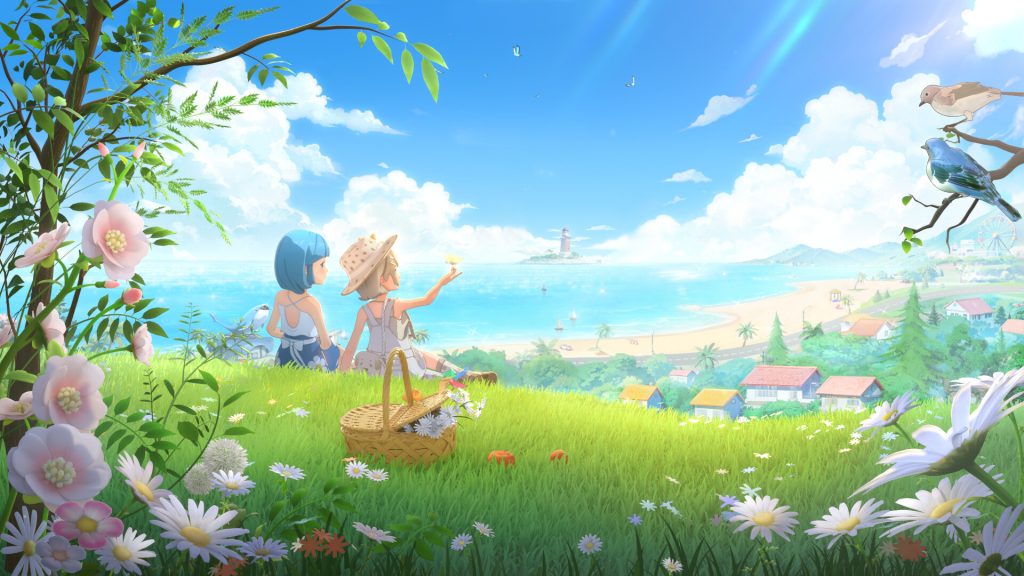
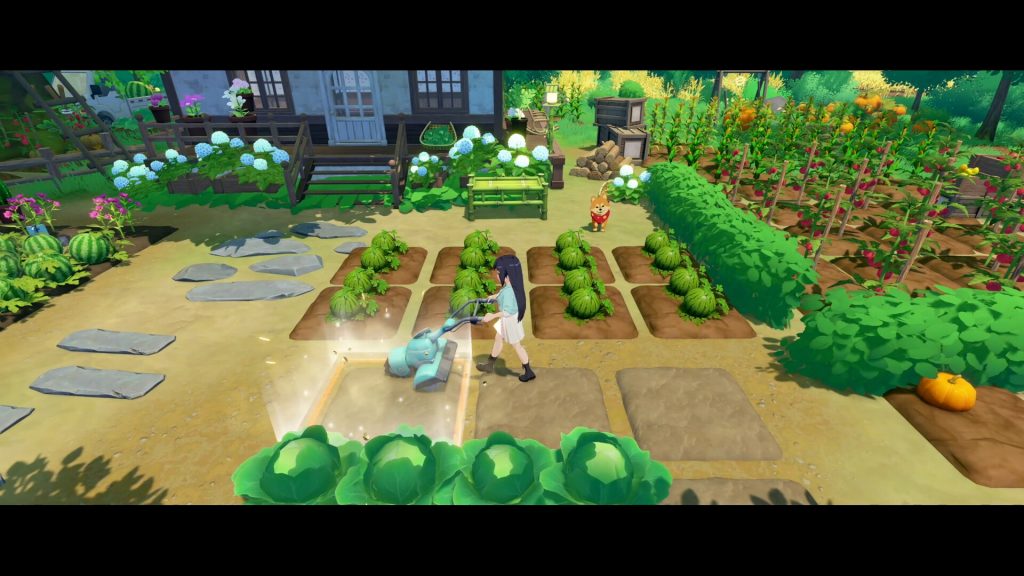
The Animal Crossing, Stardew Valley, and The Sims comparisons that GAMINGbible reached for are the correct genre landmarks — Starsand Island is working in the tradition these games established, with Ghibli-adjacent animation aesthetics giving the combination a visual identity that clearly distinguishes it from any of those predecessors.
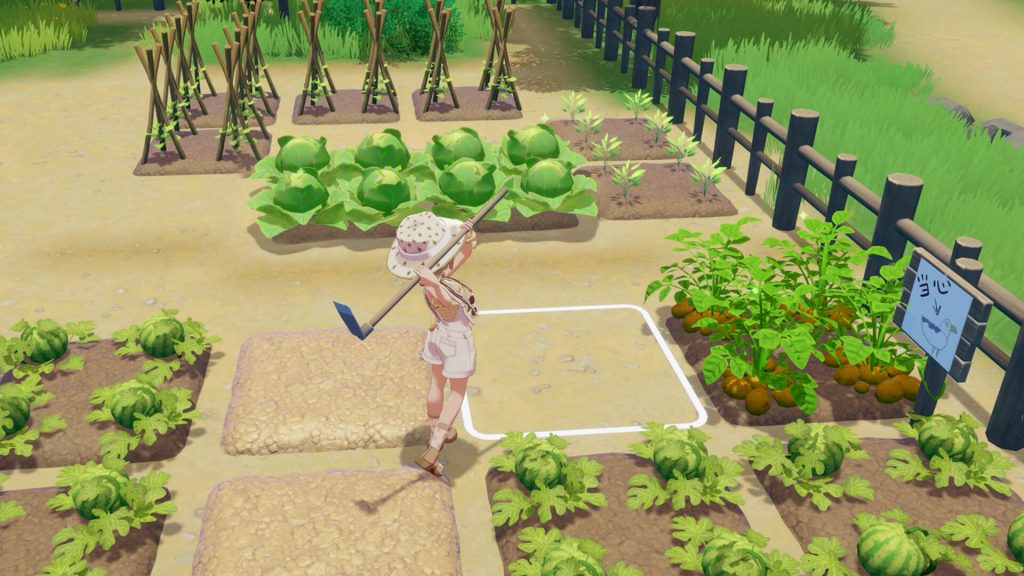
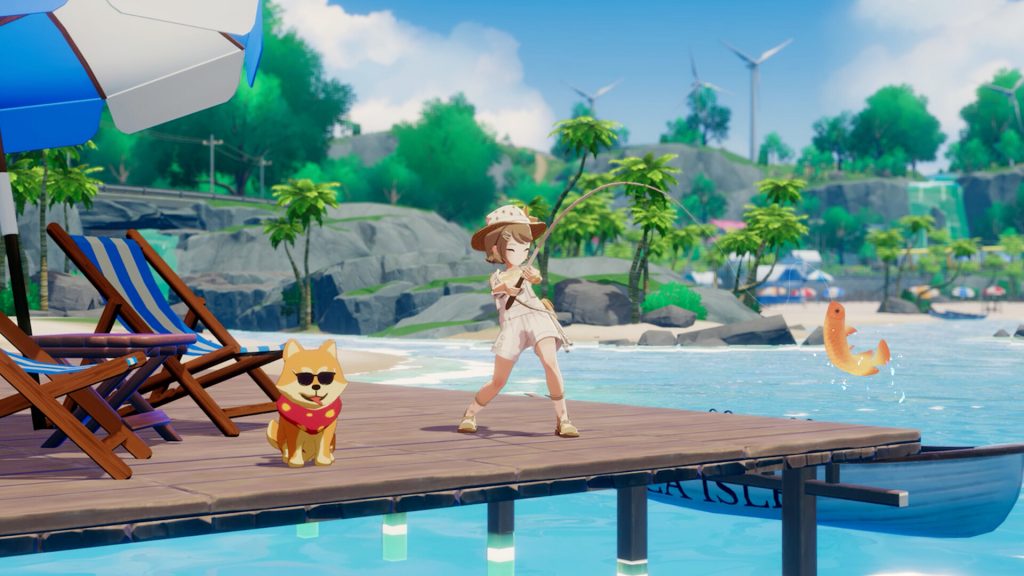
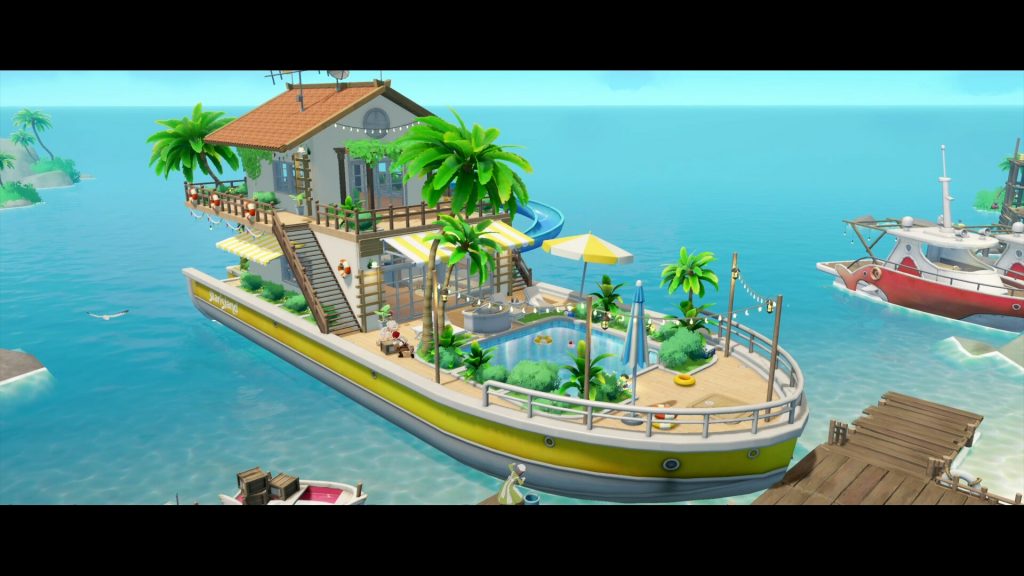
The island life foundation is comprehensive: four-season farming with seasonal effects on crops and community events, fishing, animal husbandry, crafting, DIY construction and interior decoration, character customization, and boat-accessible neighboring islands for exploration and resource gathering. The longboard and retro scooter traversal options give the island navigation a different energy than the walking pace most life simulation games operate at. This is a deliberately active life rather than a contemplative one — things to do, places to reach, goals to pursue.
The design decision to streamline the farming and livestock systems over time — so that as the game progresses, maintenance tasks take less attention, freeing players for exploration and social interaction — is the correct approach to life simulation long-form engagement. Games that maintain high maintenance overhead throughout their runtime lose players to management fatigue; games that front-load complexity and gradually smooth it reward patience.
The 1.0’s expanded relationship content — each NPC with their own storylines that unlock through sustained interaction — gives the social simulation dimension the narrative depth that makes individual residents feel like people rather than interaction nodes. The autumn pumpkin festival and its dedicated story content also demonstrate the seasonal event design that sustains return visits rather than a static world that players exhaust.
The Review Situation
The gap between the all-time 86% Very Positive and the recent 30-day 47% Mixed is the number that requires direct engagement. Two explanations coexist and aren’t mutually exclusive.
The early review controversy — artificial positive reviews that the developer publicly flagged — may have inflated the historical baseline. Even if the developer’s request stopped the behavior, the reviews that arrived before the request may remain in the count. An all-time rating built partly on manipulated early reviews will trend Mixed as organic reviews accumulate.
The alternative explanation: the game genuinely has ongoing technical issues that patch work hasn’t fully resolved. GAMESTIC’s observation of persistent quest state bugs and minor performance problems at 1.0 is consistent with a game where the core content is appealing but the implementation quality has rough edges. Players who try the game at 1.0, encounter bugs, and leave negative reviews would produce exactly the recent-period Mixed pattern.
COGconnected’s assessment that the development team directly addressed Early Access problems — specifically improving visual feedback clarity in farming and livestock systems — is the counter-evidence that the development period has been productive. The question is whether the improvements are sufficient to have resolved what’s producing the recent negative reviews.

The Honest Assessment
Metacritic 68 from critic reviews, 86% all-time Steam positive with a 47% recent window, and the specific critical praise for content breadth alongside criticism for remaining bugs and optimization issues — this is the data portrait of a game that has significant genuine appeal and significant remaining work.
GAMINGbible’s positive assessment and GAMESTIC’s mixed one are both accurate from their different entry points: if you connect with the aesthetic and encounter few technical issues, the content is genuinely rich, and the life simulation feel is authentic. If you encounter the bugs and performance issues that exist, the frustration undermines the experience that the content is trying to create.


Who This Is For
Strong fit for: Animal Crossing players who want the island life premise with more active gameplay systems; players who find the Ghibli-adjacent animation aesthetic immediately appealing and are patient with imperfect technical implementation; life simulation fans who specifically want the 4-player co-op option for shared island living; players who have tried the demo and found the core gameplay loop satisfying.
Cautious fit for: players who are sensitive to technical bugs and optimization issues; anyone whose recent Steam review window concerns suggest waiting for additional patches; players who want critic consensus before purchasing.
Less ideal for: players who want competition or action alongside the life simulation; anyone who finds the early review controversy’s unresolved status a dealbreaker for purchase; players seeking the tight design polish of Stardew Valley rather than a broader but rougher-edged alternative.
The Takeaway
Starsand Island launched Early Access with an unusual controversy, developed through six months of public iteration, and has arrived at 1.0 with genuinely comprehensive life simulation content, 4-player co-op, seasonal events, and multi-platform reach — alongside ongoing technical issues that the recent review divergence from the historical baseline indicates have not been fully resolved. Seed Sparkle Lab’s transparency about the review manipulation they identified and their development commitment across the Early Access period are both genuine positives for a studio trying to build something worth playing. Whether the current 1.0 has crossed the threshold into consistently delivering that experience is what individual players will evaluate for themselves.
Available now on Steam, Nintendo Switch 2, PS5, and Xbox Series X|S.
Starland Island Information related to ‘ Starsand Island ‘
| item | detail |
|---|---|
| Developer | Seed Sparkle Lab (Zhuhai, China) |
| Publisher | Seed Sparkle Lab |
| Genre | Life simulation, farming simulation, adventure |
| platform | PC (Steam), Nintendo Switch 2, PS5, Xbox Series X|S |
| Release date | August 18, 2026 (1.0 official release), physical version November 12 |
| Steam Page | Shortcut |