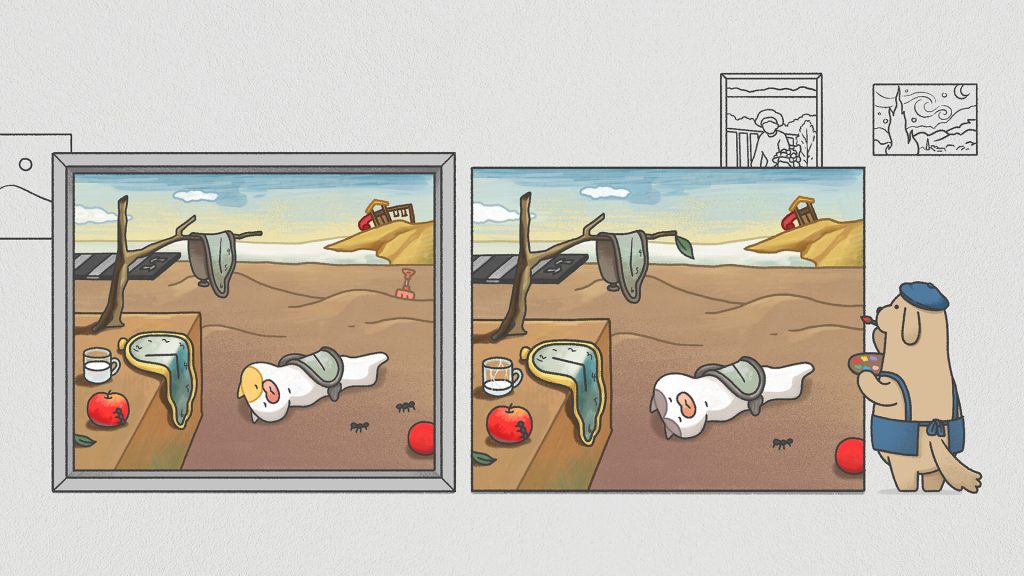
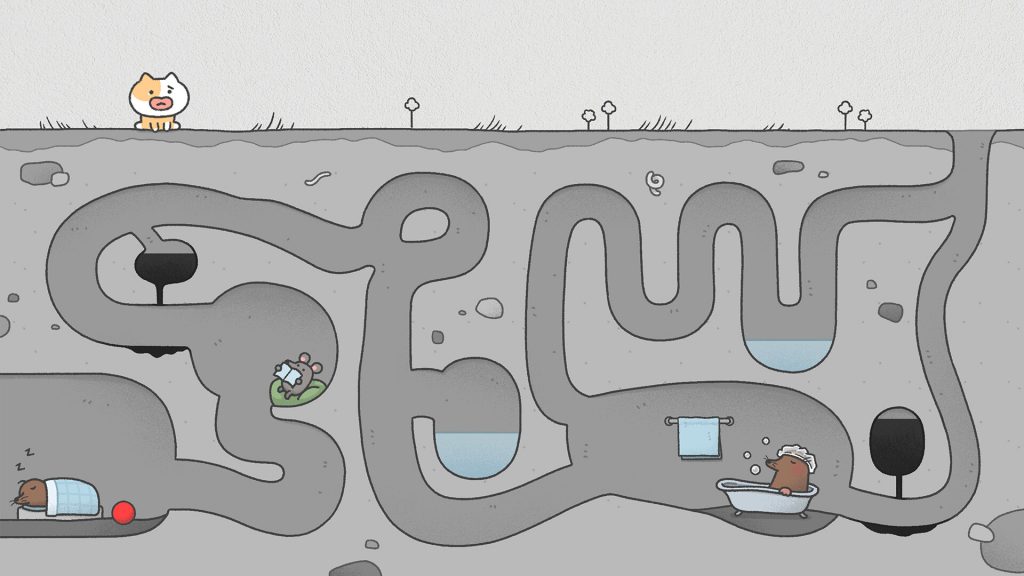
There is a red ball. Or rather, there should be. The cat will only be happy when it has the red ball. But the red ball doesn’t reveal itself easily. Sometimes it’s hidden inside a box. Sometimes it’s disguised as an apple. Sometimes it appears damaged or dirty. And sometimes the player has to make the red ball themselves.
Where’s My Red Ball? began as a two-month project built toward a BIC Festival submission with no commercial ambitions. Then, BIC audiences responded better than expected. Then Shuhei Yoshida — former PlayStation executive whose taste in indie games carries significant industry weight — mentioned it among the most impressive Korean indie games he’d encountered in 2025. Then the developer stopped. And then, this spring, they started again.
The upgraded demo now available on Steam is the first public output since development resumed. It represents a commitment to finish what the BIC response and the Yoshida mention made suddenly worth finishing.
The Single-Color Visual Logic
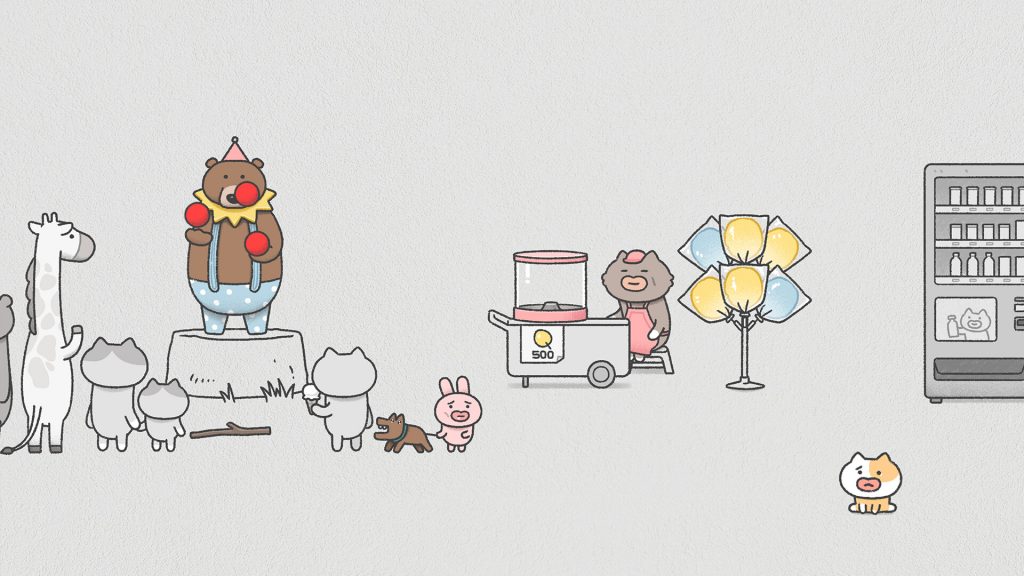
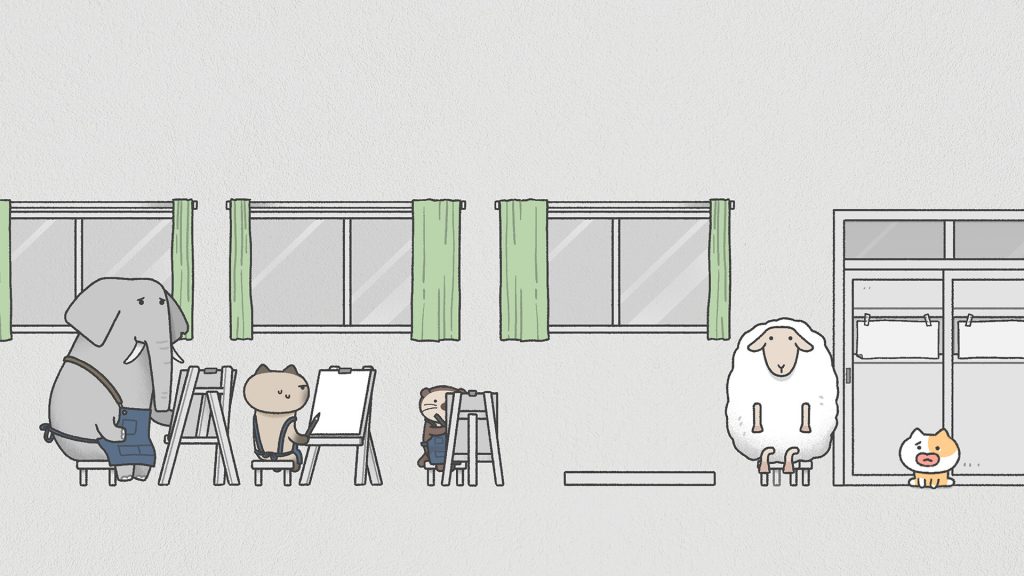
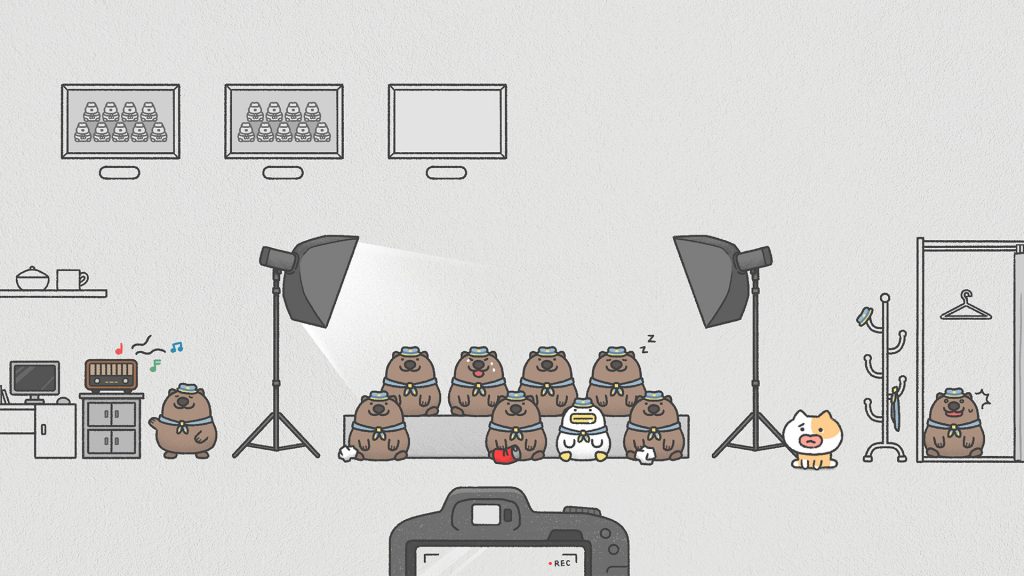
The black-and-white hand-drawn aesthetic, with one exception — the red ball — is the game’s most quietly clever design decision. It’s not just an aesthetic choice; it’s a functional mechanic embedded in the visual language.
In a world of black and white, red is functionally unique. The player’s eye goes to red automatically, making the red ball’s presence immediately legible when it appears — and making its absence, camouflage, or transformation into something else the active puzzle challenge. When the apple is the same shade of red as the ball, the color that was supposed to help identify it is now a tool of misdirection. When the ball is dirty or damaged, it might be a different shade, making color itself unreliable as a guide.
This is an elegant puzzle design: a rule (find the red thing) that generates exceptions (not all red things are the ball; sometimes the ball isn’t red; sometimes you make the ball) without requiring an explanation of those exceptions in advance. Each puzzle teaches its own variation on the rule through play.
The hand-drawn black-and-white aesthetic also creates the specific warmth that distinguishes this approach from photographic or rendered art. Hand-drawing implies a human made this — each imperfect line, each slightly uneven circle is evidence of someone’s hand moving across a surface. This warmth is particularly important for a game built around a cat’s emotional needs and a hidden diary because warmth is what those narrative elements require to land.
The Physics-Based Point-and-Click
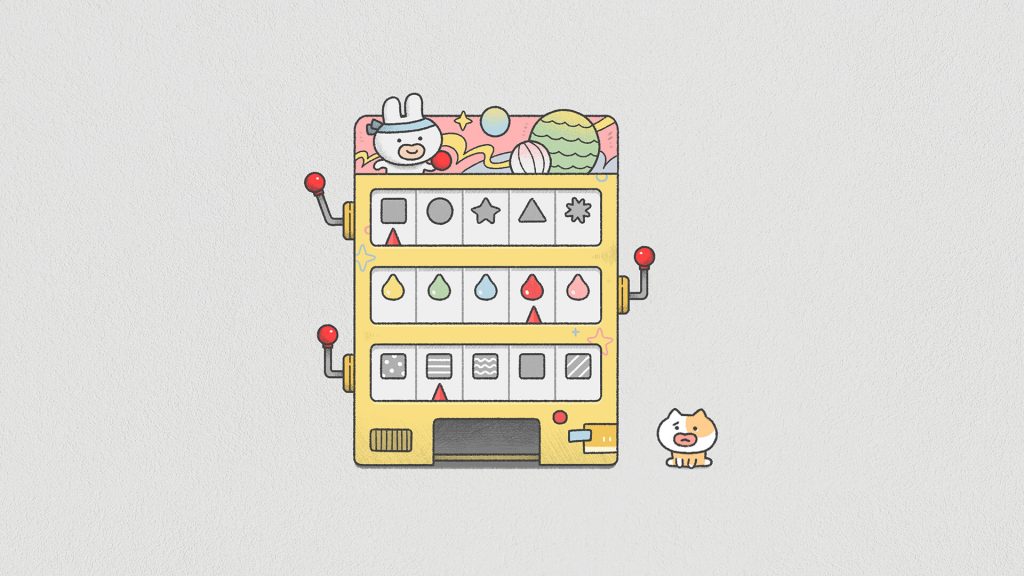
“Physics-based point-and-click” describes a specific interaction model where clicking, shaking, opening, and combining objects produce responses governed by physical simulation rather than scripted animation. The ball rolls; the box falls when tipped; objects interact with each other in ways the player can predict through physical intuition rather than puzzle-specific knowledge.
This matters for accessibility and warmth. A puzzle whose solution emerges from physical intuition (“if I knock this over, the ball inside will roll out”) feels discovered rather than memorized. The player feels clever without needing to be clever — the game’s physics system validates intuitive thinking.
The range of puzzle concepts — red ball hidden in a box, red ball disguised as an apple, red ball broken, red ball that must be created — suggests each stage is essentially asking a different question about what “finding” and “giving” can mean. Sometimes finding means locating. Sometimes it means transforming. Sometimes it means building from parts. The consistent goal (happy cat receives red ball) unifies what would otherwise be disconnected puzzle variations into a coherent experience.
The Hidden Diary Narrative
The diary found between stages is the game’s most interesting structural element because it transforms the puzzle from a sequence of discrete challenges into the investigation of a specific emotional situation.
Why does this particular cat need the red ball so specifically? That question, answered gradually through the diary entries, gives the player a reason to continue beyond puzzle satisfaction. Each diary entry presumably adds emotional context that makes the next puzzle carry more weight than the puzzle alone would.
This layered storytelling approach — mechanics that make immediate sense on their own, with narrative running alongside that deepens retrospectively — is among the most effective structures in small-scale games. The cat’s need for the red ball is comprehensible without the diary (cats want things). The diary makes it meaningful (this cat has a specific history with this specific red ball). The combination makes each successful puzzle delivery emotionally resonant rather than purely mechanically satisfying.
Community response has already identified this: “it’s a cat game but inexplicably moving.” That response describes exactly what this structure is designed to produce — the disproportionate emotional weight of a simple interaction given meaning by accumulated context.
The Shuhei Yoshida Recognition
Yoshida Shuhei’s tenure at Sony PlayStation — two decades as president of Sony Interactive Entertainment Worldwide Studios — gave him a platform and credibility in the indie gaming space that extended beyond corporate function. He became known as genuinely interested in indie games, attending events like GDC and TGS specifically to discover small projects, and his social media mentions of games he’d encountered could generate significant visibility for projects that might otherwise take years to find their audiences.
His naming of Where’s My Red Ball? among the most impressive Korean indie games of 2025 is the kind of recognition that cannot be pursued strategically — it can only be received when the work reaches someone whose attention matters. That a two-month BIC prototype made to practice and see what happened was the thing that reached him is the specific development story that independent game development produces, and that no commercial strategy replicates.
The developer’s description of this recognition as the catalyst for making development full-time reflects something true about how external validation functions for passion projects: not that the external recognition makes the work better, but that it makes the developer believe the work is worth the time required to do it properly.
The Development Resumption
Development stopping and restarting is common enough for side projects and uncommon enough for projects with Yoshida-level recognition that the resumption specifically deserves attention. Spring 2026 restart, upgraded demo in July — the timeline suggests a decision was made and followed through.
The upgraded demo isn’t just a content update; it’s a signal. It says: this is still happening, the commitment is real, and here’s evidence. For the community that formed around the BIC reception and the Yoshida mention, the upgraded demo answers the question “Is this actually going to release?” with something more actionable than a statement of intent.
The STUDIO PEPPERMILL team (two people, developer identity undisclosed) has chosen to let the work speak rather than the team profile. The black-and-white hand-drawn style, the cat, the red ball, the hidden diary — these communicate the game’s identity without requiring knowledge of who made it.
Who This Is For
Strong fit for: cozy game enthusiasts who want puzzle engagement without pressure; Unpacking and A Little to the Left fans who enjoy games where the emotional context gradually reveals itself; players who appreciated and Roger or Florence for finding emotional weight in simple interactions; cat game enthusiasts (this is genuinely a cat game); players who prefer accessible puzzles that provide curiosity over difficulty; anyone who responded to the description “inexplicably moving” as a feature rather than a warning.
Cautious fit for: players who specifically need mechanical challenge to feel engaged by puzzle games; anyone who finds black-and-white aesthetics limiting over extended play.
Less ideal for: players seeking complex puzzle mechanics; anyone who dislikes cozy game pacing; players who need strong narrative momentum rather than gentle revelatory structure.
What to Watch For
The primary question for Where’s My Red Ball?‘s eventual full release is whether the puzzle variety sustains across the complete stage count. The promise — every stage presents a different concept for what “finding the red ball” means — requires genuine creative range across the full game. Whether the development team has enough different puzzle concepts to fill a satisfying, complete experience without repetition will determine the game’s value proposition.
The diary narrative’s emotional payoff will also shape reception significantly. The community has already responded to “inexplicably moving” as a quality — the full game needs to deliver the resolution that emotional investment requires.
The Takeaway
Where’s My Red Ball? is a small, warm game that demonstrates what happens when the right simple idea finds the right simple visual language and the right emotional structure to carry it further than anyone expected. A two-month BIC prototype catching Shuhei Yoshida’s attention is the kind of development story that functions as an argument for why small games with specific emotional clarity matter: they reach the people who need exactly them, sometimes including people whose reach extends far.
The upgraded demo means the game is happening. The hand-drawn black-and-white world with one red exception means the design is working. The cat that needs the red ball means there’s something to feel about the puzzle beyond the puzzle. And the hidden diary means that the feeling will get an explanation.
The red ball is in there somewhere. The cat is waiting. And somewhere between the apple that’s pretending to be a ball and the box that’s hiding what you need, there’s a story about why any of this matters.
Find the ball. Give it to the cat. Read the diary. Understand why.
Information related to ‘Where is the red ball?’
| item | detail |
|---|---|
| developer | Unreleased (Domestic solo development) |
| Genre | Cozy Healing Puzzle / Point and Click |
| Release platform | PC (Steam, 예정) |
| Current status | Upgrade demo currently being released |
| graphic style | Black and white hand-drawn art + cute animation |
| core system | Physics-based point-and-click / Different puzzle concept for every stage |
| Sub content | Someone’s Diary (Hidden Story) |
| Major Awards and Mentions | BIC Exhibition / Shuhei Yoshida Mentions ‘Impressive Korean Indie Game of 2025’ |
| Main Keywords | Cozy, Healing, Puzzle, Cat, Black and White, Hand-drawn, Korean Indie, Point and Click |
| Steam Page | Shortcut |