All the acorns have been stolen. The Pig King’s minions raided the village and took every single one. DA Munk — the smallest but bravest squirrel — sets out alone to get them back, and finds an unexpected ally in GO Deer: large, enthusiastic, and endearingly oblivious. Together they’ll fight through the Pig King’s forces across 200 stages to recover what was taken.
WACKY! DEER & MUNK ADVENTURE launches on Nintendo eShop June 25, bringing Gyeonggi-do indie studio IDIOCRACY, INC.’s KakaoTalk emoticon IP to Nintendo Switch after its mobile app presence on iOS and Android. CEO Kim Sung-ki’s candid reflection on the development journey — “we dreamed of Korea’s Super Mario and pursued development with the power of IP, but the wall of reality was much higher than expected” — is the kind of honest acknowledgment that makes a studio’s achievement feel genuinely meaningful. Four people. Nintendo eShop. A Korean community is already calling it “Korean Split Fiction.”
The KakaoTalk IP Foundation
GO Deer and DA Munk’s origin as KakaoTalk emoticon characters is the commercial foundation that distinguishes this project from a typical original IP indie release. KakaoTalk is South Korea’s dominant messaging application — the platform through which most Korean daily communication flows. Emoticon characters within KakaoTalk develop genuine cultural familiarity through repeated use in conversation; they become associated with specific emotions, jokes, and communication contexts for millions of users.
This existing familiarity is valuable brand capital. Players who encounter GO Deer and DA Munk in the game context already have an effective relationship with these characters from their daily messaging use — the characters arrive with personality pre-established rather than needing to be introduced from scratch. This is the same dynamic that makes Disney or Sanrio character games commercially viable beyond their pure game quality: the characters carry an attachment that precedes gameplay.
The progression from emoticons to mobile app to Nintendo Switch represents deliberate platform expansion rather than accidental distribution. IDIOCRACY has been building GO Deer and DA Munk as a genuine multi-platform IP rather than treating the mobile game as the destination. Nintendo Switch, as the next step, is the correct platform choice for a 2D cooperative platformer IP — the Switch’s family-gaming positioning, couch co-op culture, and portable play options align naturally with what WACKY! DEER & MUNK ADVENTURE is offering.
The Tag Swap Design
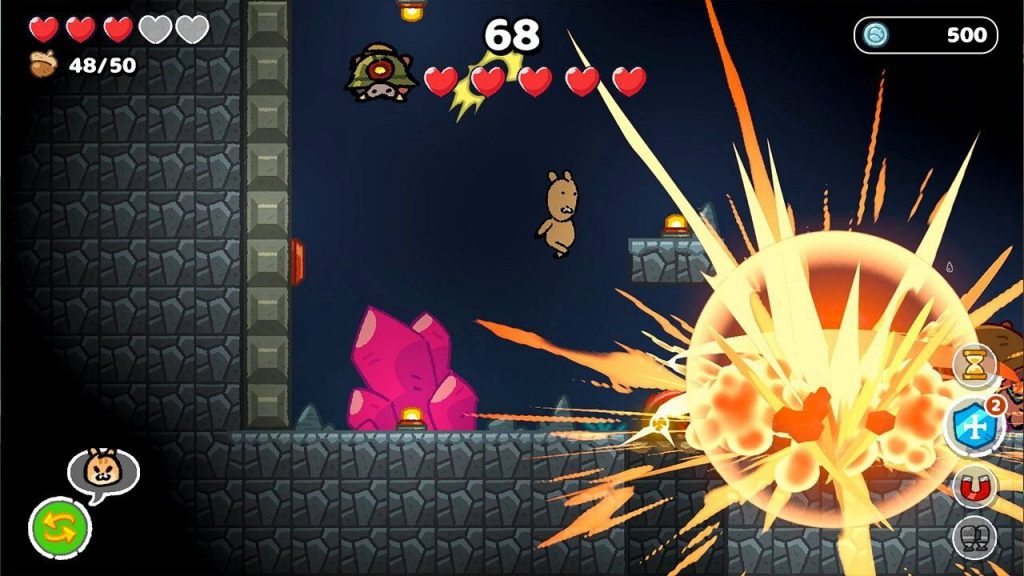
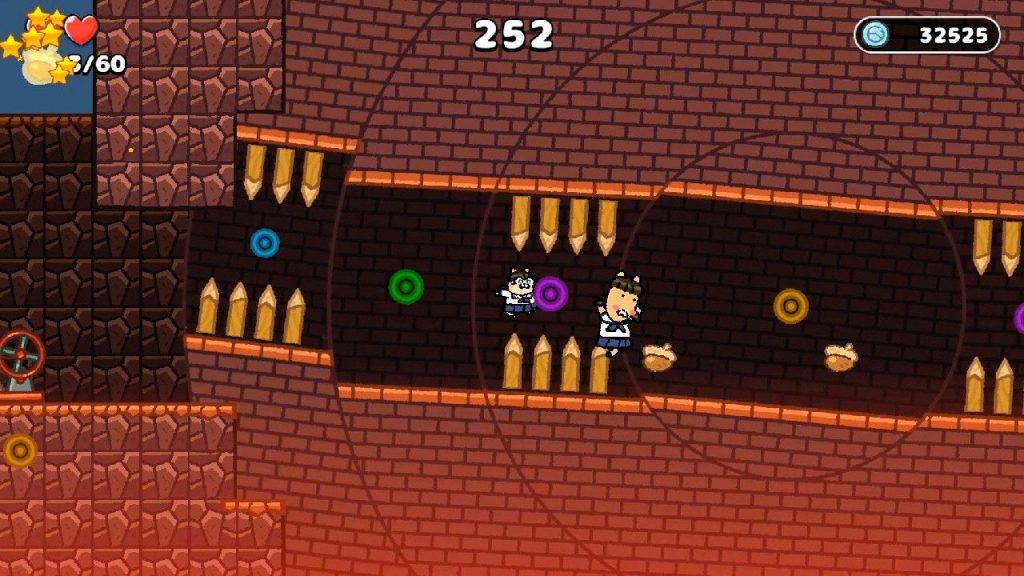
The core mechanical innovation is the tag swap system, combining two characters with complementary abilities. GO Deer specializes in power and reach: fast dash, high jump, moving objects, and weapon use. DA Munk specializes in mobility and access: double jump, glide, and narrow passage traversal. Neither character can handle all situations optimally; each excels in their specific domain.
This complementary ability design creates the puzzle layer that elevates the game beyond pure action. Players — or player pairs — must assess each obstacle and determine which character’s toolkit addresses it. A high platform requires GO Deer’s jump; a narrow tunnel requires DA Munk’s smaller frame; an enemy encounter might favor GO Deer’s weapons, while a platforming sequence favors DA Munk’s glide.
In single-player, the tag swap requires the player to manage both characters’ positioning, switching actively to match the situation. This creates a specific cognitive engagement — anticipating which character you’ll need, positioning the inactive character for efficient switching, and planning sequences through obstacles that require both. In cooperative play, two players, each controlling one character, must communicate and coordinate — GO Deer moving objects so DA Munk can reach a switch, DA Munk gliding past a narrow section to activate a mechanism for GO Deer to proceed.
The Korean community’s “Korean Split Fiction” comparison isn’t casual. It Takes Two (2021 Game of the Year, from Hazelight Studios) set a high bar for cooperative platformers with distinct character abilities and puzzle design requiring genuine coordination. The comparison is aspirational rather than evaluative, but it signals that the community perceives WACKY! DEER & MUNK ADVENTURE operates in legitimate cooperative platformer territory rather than casual novelty.
The Separate Story Structure
One of the most distinctive design decisions is that single-player and cooperative play offer different stories. The same game world, the same characters, different narrative perspectives.
This is more structurally ambitious than it might initially appear. Most cooperative games offer either a single story playable both ways (with the cooperative version simply adding a second player to an existing single-player campaign) or separate modes with no narrative connection. WACKY! DEER & MUNK ADVENTURE commits to actually telling different stories through different play configurations — the single-player experience presumably follows one narrative thread while the cooperative experience offers another.
This creates genuine replay motivation: completing the single-player campaign doesn’t exhaust the narrative content, because the cooperative mode offers a different story perspective. For families or friend pairs who play the cooperative mode, the single-player campaign remains an unexplored narrative territory worth exploring.
The Content Scale
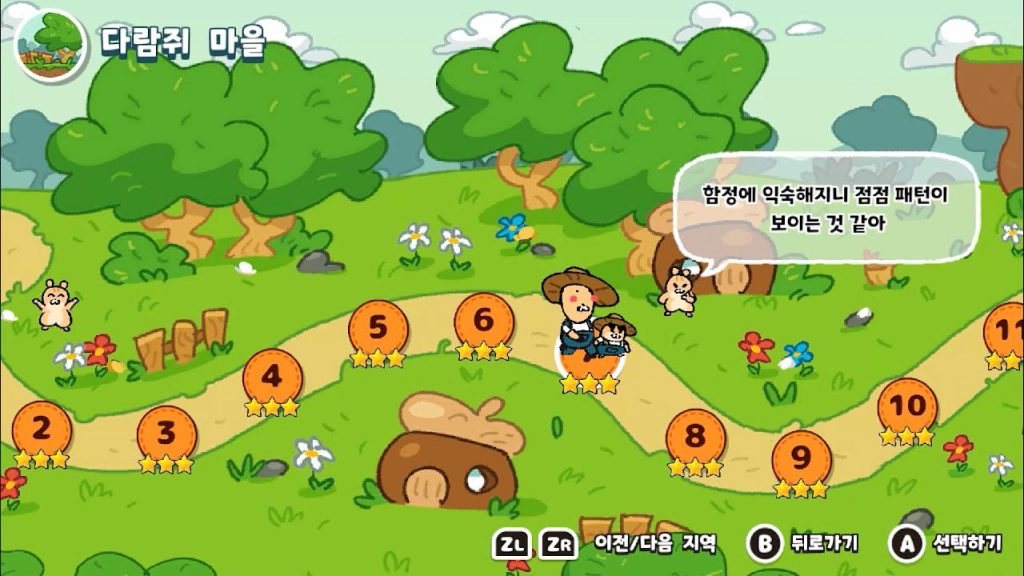
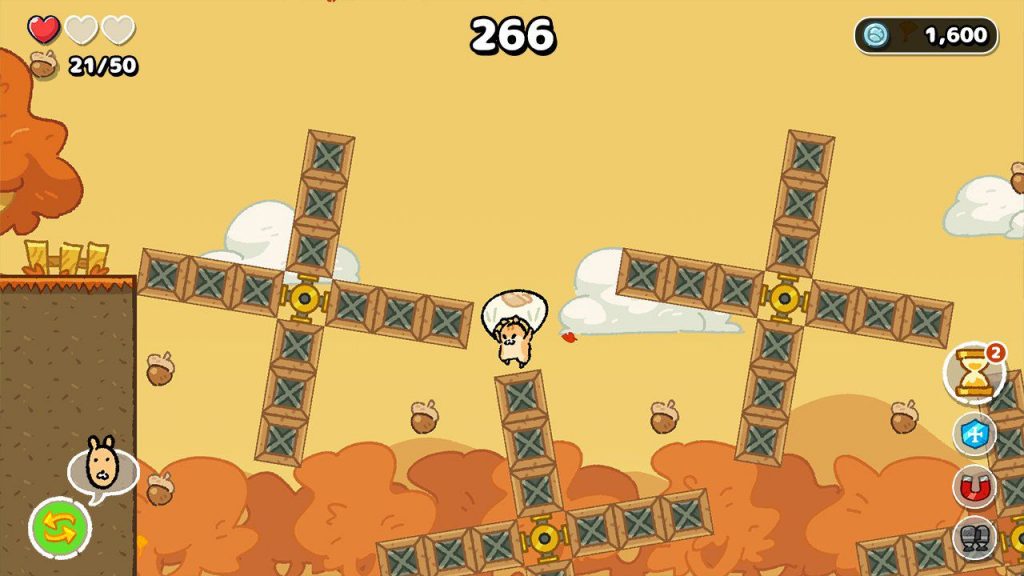
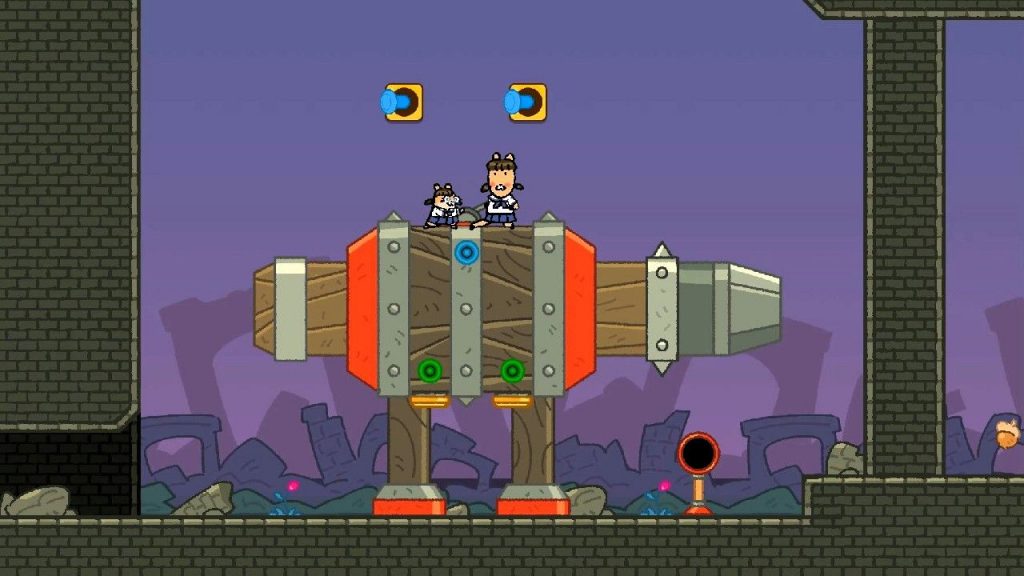
200 single-player stages are a substantial content commitment. For context, genre peers typically offer 50-100 levels in the main campaign with additional content unlocked through completion. 200 stages across a variety of environments described — autumn acorn village, dangerous enemy-held stages, boss encounter arenas — represent genuine scope for a four-person indie team.
The 10 cooperative-exclusive stages add a content layer specifically designed for the two-player experience — presumably the stages where coordination between both character types is most specifically required and where the cooperative chemistry produces its best moments.
Boss encounters in platformers serve as the punctuation of stage progression — the moments where the accumulated abilities and understanding are tested in distinctive ways. Multiple boss encounters across the game’s environments ensure the progression has narrative and gameplay peaks rather than uniform difficulty and presentation throughout.
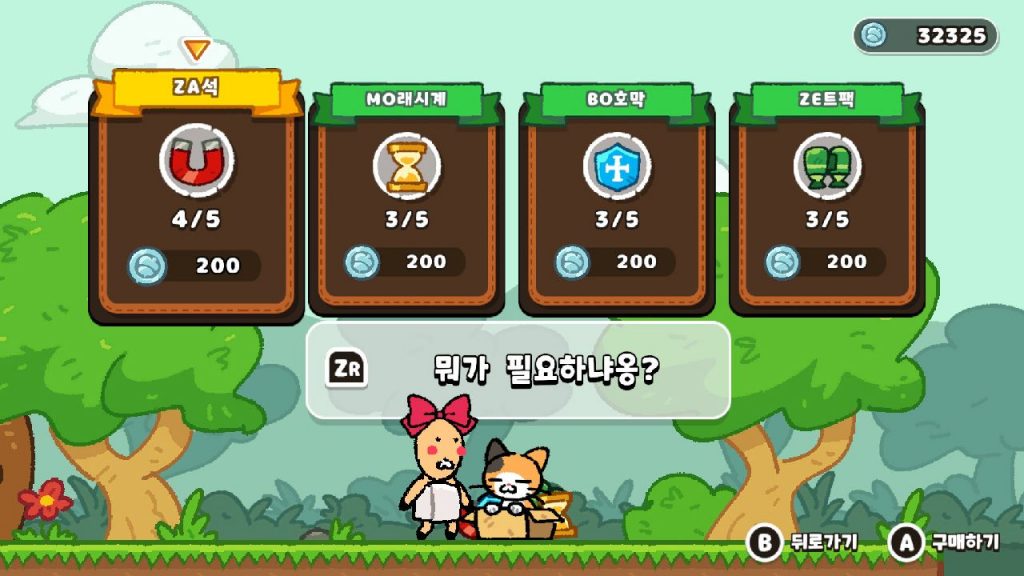
The shop upgrade system and achievement structures extend engagement beyond stage completion toward the meta-game satisfaction of unlocking and upgrading. The hundreds of costume items (head, face, outfit, dance) provide the collectible dimension that sustains completionist engagement after the core game is finished.
The Nintendo Switch Platform Fit
WACKY! DEER & MUNK ADVENTURE is designed specifically for Nintendo Switch, and the fit is natural for several reasons.
The Switch’s three play modes — TV, tabletop, handheld — map directly onto different use cases for this game. TV mode is the living room couch co-op session. Tabletop mode is a two-player session on a table without a TV. Handheld mode is the single-player session during travel or when a TV isn’t available. The game’s split between single-player and cooperative content means all three modes have appropriate use contexts.
Nintendo eShop’s family gaming orientation aligns with the accessible, character-driven presentation. KakaoTalk character IP with warm Korean forest aesthetics is exactly the kind of friendly, visually inviting content that performs well on a platform where family gaming is a core use case.
The comparison to Super Mario that CEO Kim explicitly invokes — “we dreamed of Korea’s Super Mario” — positions the game within Nintendo’s own platform heritage. A Korean indie platformer aspiring to the quality standard that Nintendo’s flagship franchise established is setting an ambitious benchmark. The honesty about how “the wall of reality was much higher than expected” acknowledges the difficulty of that aspiration, while the Nintendo eShop release itself demonstrates they got there.
The IDIOCRACY Development Context
A four-person team delivering Nintendo eShop certification, 200 stages, cooperative mechanics, hundreds of customization items, separate single and co-op storylines, and a cross-platform IP expansion is a significant achievement in scope management and quality control. Nintendo’s certification process for Switch games is notably rigorous — the technical and quality standards required to pass certification eliminate a substantial percentage of submissions.
Kim Sung-ki’s statement about the development journey carries the specific credibility of someone who encountered real obstacles rather than simply describing the difficulty in abstract terms. “The wall of reality was much higher than expected,” acknowledges that pursuing Nintendo Switch release from a small team in Uiwang required overcoming challenges that weren’t visible at the project’s start. That the team arrived at launch despite this is the achievement behind the achievement.
The mobile app presence on iOS and Android provides the commercial cushion and player base that helped sustain development toward the Switch release. IDIOCRACY built GO Deer and DA Munk’s audience through the mobile channel before attempting the more demanding Nintendo certification process — a sensible sequence that provides resources and validation for the larger platform effort.
Who This Is For
Strong fit for: Nintendo Switch owners seeking cooperative Korean indie platformers; families looking for couch co-op games with friendly, accessible aesthetics; KakaoTalk users with existing familiarity with GO Deer and DA Munk; cooperative platformer enthusiasts who enjoyed Kirby’s Return to Dream Land, New Super Mario Bros., or similar games; completionists motivated by costume collection and achievement hunting; solo players who want substantial stage count (200) with tag-swap mechanical depth.
Cautious fit for: players specifically seeking the difficulty level and mechanical complexity of It Takes Two or A Way Out; anyone who finds emoji/emoticon character aesthetics less appealing than original fantasy or realistic game aesthetics.
Less ideal for: players seeking single-player narrative depth over platformer mechanics; anyone who specifically dislikes 2D platformers; players looking for competitive multiplayer rather than cooperative content.
What to Watch For
A few questions will shape WACKY! DEER & MUNK ADVENTURE‘s reception trajectory.
The first is whether the 200 stages maintain variety across their full count. Stage variety is the most critical quality factor in platformers with substantial stage counts — a game with 200 uniform stages is worse than a game with 50 consistently varied stages. Whether the environmental diversity described (autumn village, enemy stages, boss arenas) is distributed across the full count or concentrated in early stages will affect perceived value.
The second is the cooperative stage design quality. The 10 co-op exclusive stages need to deliver genuinely satisfying moments of two-player coordination that the single-player experience doesn’t replicate. Whether these stages represent the game’s best design moments or feel like additional content will determine whether the cooperative mode is a highlight or an appendix.
The third is international discovery. WACKY! DEER & MUNK ADVENTURE has Korean community familiarity through the KakaoTalk IP, but Nintendo eShop discovery in non-Korean markets requires visibility mechanisms beyond existing brand recognition. How the game performs in international eShop discovery will determine its commercial scope.
The fourth is the single versus cooperative story quality. The separate narrative for each mode is a meaningful design commitment; whether the stories are substantive enough to merit distinct playthroughs or feel like a thin justification for the mode separation will affect this feature’s reception.
The Takeaway
WACKY! DEER & MUNK ADVENTURE is a genuine Korean indie platformer achievement — four developers building a Nintendo Switch release from a KakaoTalk emoticon IP, with substantial stage counts, cooperative mechanics, separate storylines, and hundreds of customization items. The “Korean Split Fiction” community nickname sets ambitious expectations; whether the game fully delivers on that comparison will emerge from broader player engagement.
For the Korean indie scene, a four-person Uiwang studio completing Nintendo eShop certification with an original cooperative platformer represents exactly the kind of platform expansion that demonstrates the scene’s maturation. The mobile-to-Switch IP expansion path that IDIOCRACY has navigated provides a model for other Korean indie studios with established character IPs looking toward console presence.
All the acorns are gone. GO Deer and DA Munk have different approaches to getting them back. One player — or two — has to figure out which abilities to use, when to switch, and how to work together well enough to get through the Pig King’s forces.
The wall of reality was higher than expected. They got over it anyway. Sometimes that’s the whole story.
Information regarding ‘ Wudangtangtang! GO Rani and DA Squirrel’s Great Adventure ‘
| item | detail |
|---|---|
| Developer / Publisher | IDIOCRACY, INC (Uiwang, Gyeonggi-do / CEO Kim Seong-gi / 4-person team) |
| Genre | 2D Co-op Action Platformer / Adventure |
| Release platform | Nintendo Switch (Nintendo eShop) / iOS·Android (Separate app available) |
| Release date | June 25, 2026 (Nintendo eShop) |
| Play Mode | 1-Player (Tag Mode) / 2-Player Co-op |
| Number of stages | Single 200 / Co-op 10 |
| IP-based | KakaoTalk Emoticon Original Character |
| GO? What an ability. | Dash / High Jump / Move Objects / Use Weapon |
| DA Squirrel ability | Double Jump / Glide / Passing Through Narrow Passages |
| Support Mode | TV Mode / Table Mode / Handheld Mode |
| Customization | Hundreds of types of costume items (head, face, outfit, dance) |
| Main Keywords | Co-op, Tag Swap, Platformer, Roe Deer, Squirrel, Acorn, Kakao Emoticon, Korean Indie |
| Community Reaction | Ruliweb “Korean Version of Split Fiction” |
| Official Website | Shortcut |