Fourteen million six hundred thousand capsules opened in two weeks. That number — the total gachapon capsules cracked open by players across Gacha Capsule Shop Simulator – Akihabara‘s first fourteen days on Steam — tells you more about this game’s appeal than any review could. Turkish studio UGC90’s Early Access debut, published by Gamersky Games, has achieved something that most store management simulators never manage: it went viral in the Japanese VTuber community, triggering 3-8 hour marathon streams from major VTubers including Pekora, Sakuna, and Karuvi Akami, which produced the fan art, clips, and memes that cascaded into 50,000+ wishlists and 19,000+ players within the first two weeks.
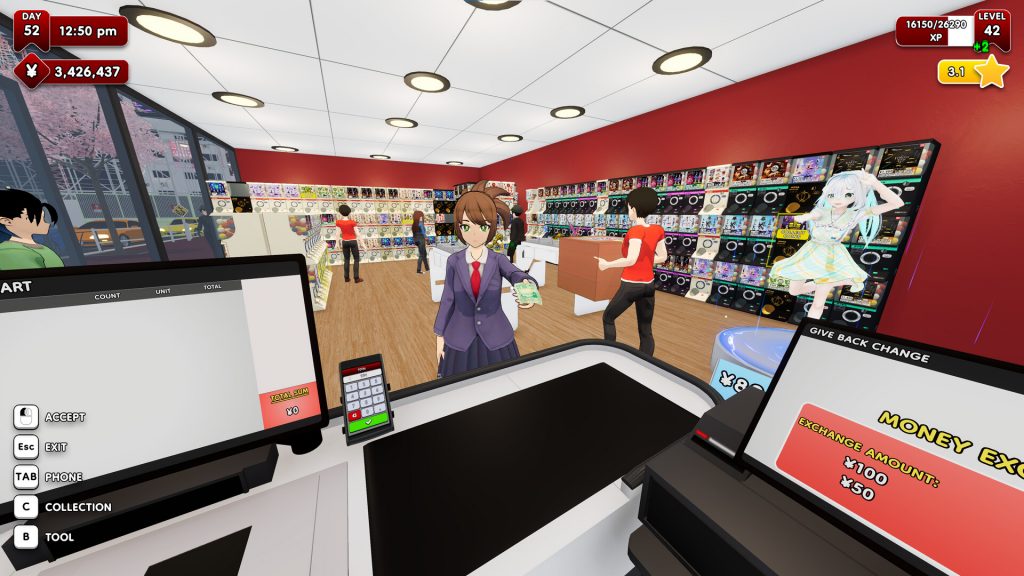
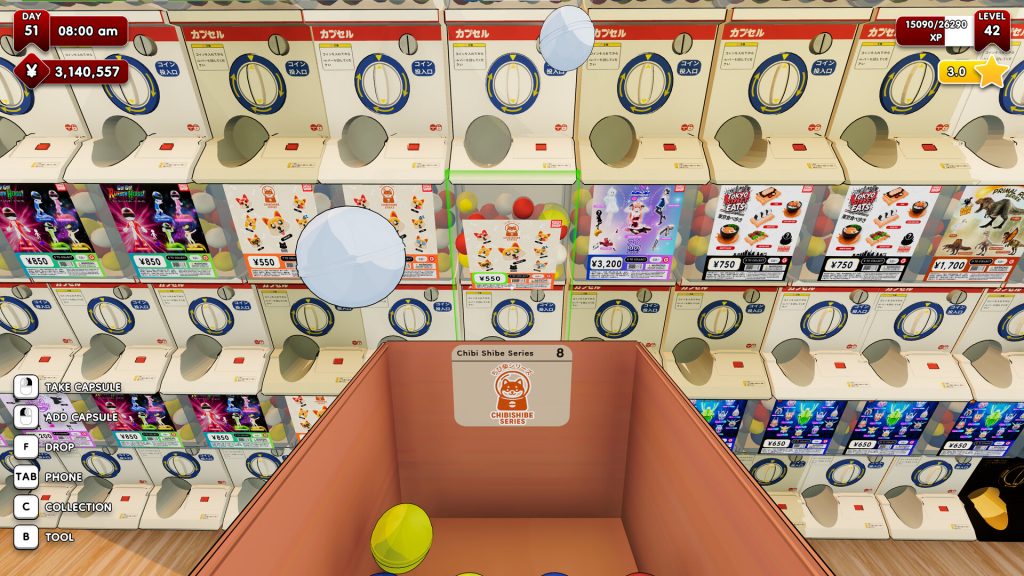
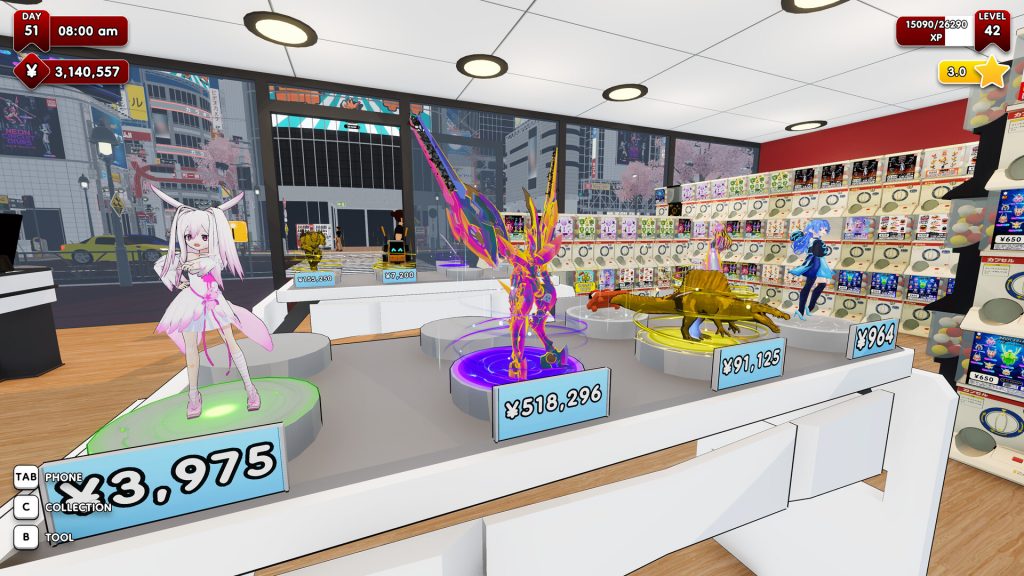
The game itself is a first-person shopkeeper simulator set in a meticulously recreated Akihabara — Japan’s famous electronics and anime subculture district in central Tokyo. Players operate a gachapon (capsule toy vending machine) shop: stocking capsule machines, serving customers, managing inventory, and expanding the business. The 78% Mostly Positive Steam rating reflects a game that’s delivering its core experience while still in early development — and the 9.4-hour average playtime with 20% of players exceeding 30 hours indicates the experience is compelling enough to sustain extended engagement far beyond casual sampling.
The Akihabara Reconstruction
The most immediately impressive thing about Gacha Capsule Shop Simulator – Akihabara is that it was made in Istanbul. UGC90 is a Turkish studio — geographically and culturally distant from the Akihabara streetscape they’re recreating. The team spent approximately a year in research and community feedback before the Early Access release, building the district’s specific texture from external observation rather than lived familiarity.
The result, based on player response, apparently achieves the “walking through Akihabara” quality the developers aimed for. Neon signs, cosplayers, tourists, anime fans, maid café promotional staff working the streets, JDM tuning cars, the specific street life of an entertainment district that is genuinely unlike anywhere else in the world — these details accumulate into environmental specificity that goes beyond “Japanese aesthetic” into something that feels like a particular place.
The inclusion of “Truck-kun” — the internet meme truck famous from isekai anime where a truck hits the protagonist, transporting them to another world — signals cultural fluency that goes beyond surface research. This isn’t a team that looked at Akihabara photos and recreated the visual surface; they understood the internet culture layer that gives Akihabara its specific contemporary meaning.
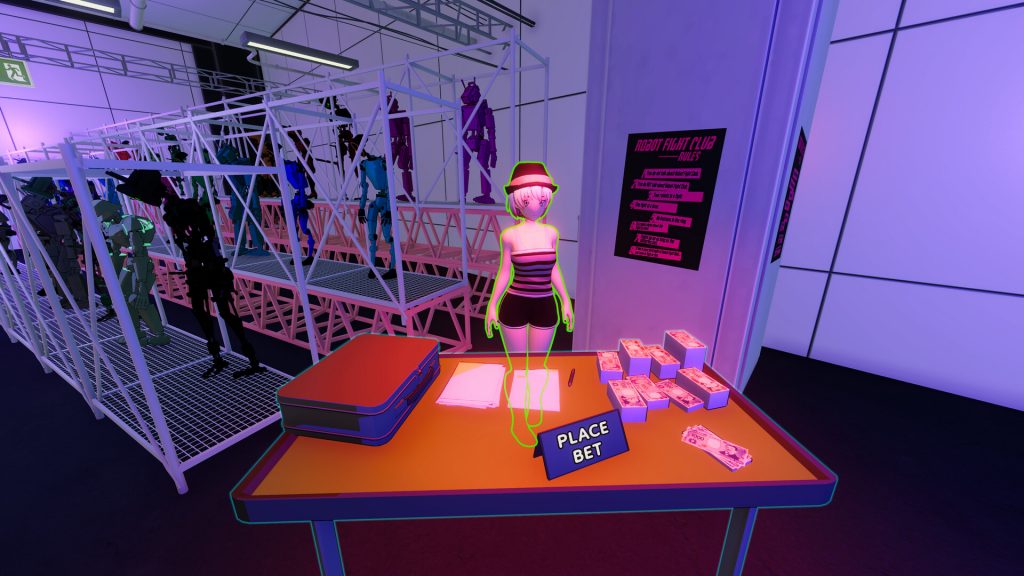
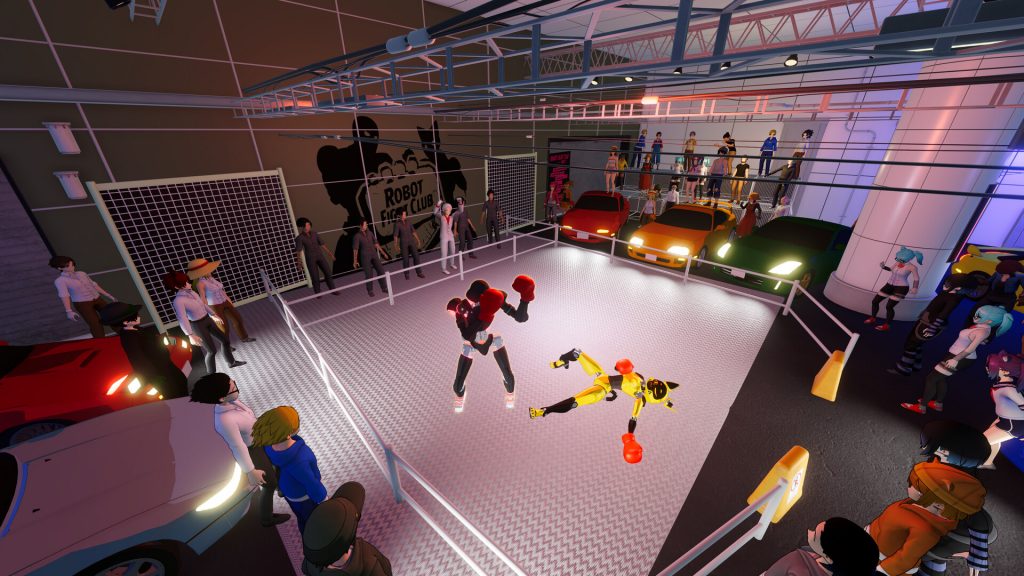
The day-night structure expands this specificity into a temporal dimension. Daytime Akihabara and nighttime Akihabara are genuinely different environments — different crowds, different energy, different activities. The game’s daytime shop management and nighttime underground robot fight club side content (with betting mechanics and distinctive character encounters) captures this duality. The robot fight club specifically is the kind of “underground Akihabara” detail that requires cultural depth to include.
The Gachapon Appeal
Understanding why gachapon machines have a specific psychological appeal is important for understanding what the game is actually selling. A gachapon (from “gacha” — the sound of the machine’s crank — and “pon” — the sound of the capsule dropping) dispenses a random small toy from a selection. You put in your money, you don’t know what you’ll get, you hope it’s the one you want.
This is the same psychological mechanism that makes trading card packs, loot boxes, and blind bag toys appealing — the anticipation of the unknown, the hope for the desired outcome, the satisfaction of both good pulls, and the motivation that a bad pull creates to try again. Gachapon is a culturally embedded, entirely legal, physically tactile version of this mechanism that has existed in Japan for decades.
Gacha Capsule Shop Simulator – Akihabara puts players on the shopkeeper side of this equation rather than the consumer side. You’re stocking the machines with capsule packs, deciding which licenses to carry, managing inventory and pricing — but crucially, you’re also facilitating the customer side of the experience, watching people engage with the machines you’ve set up.
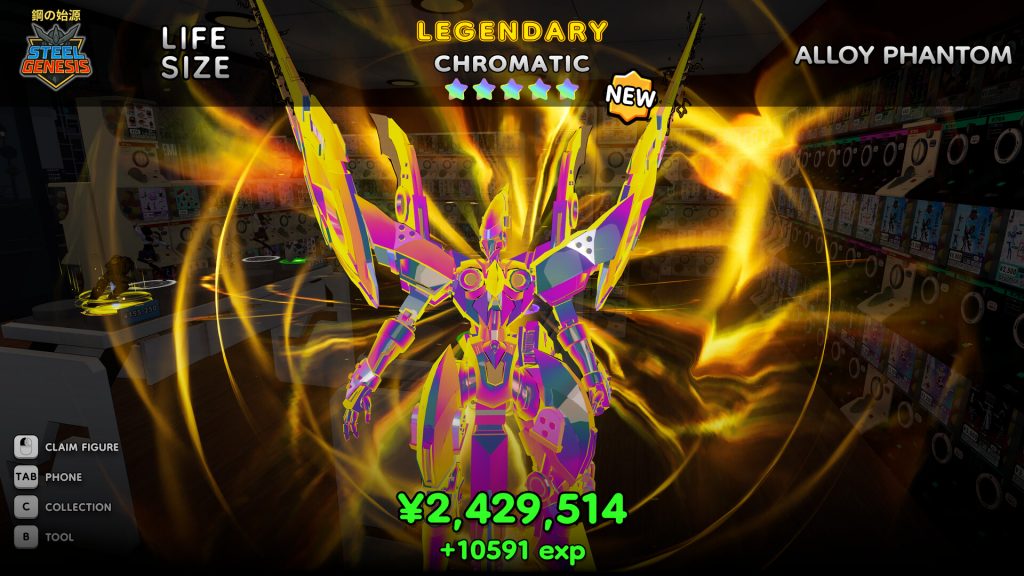
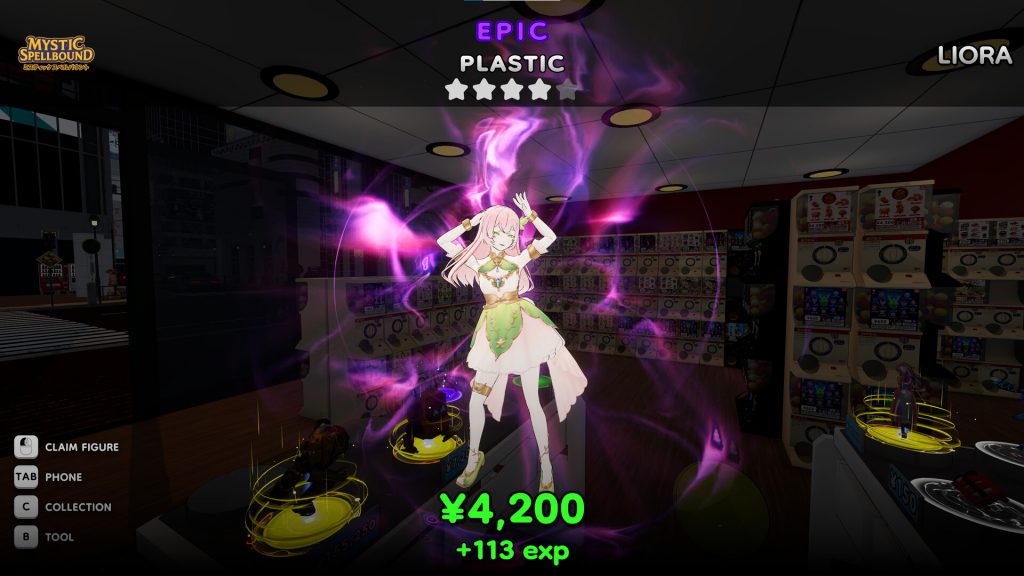
The 14.6 million capsules opened in two weeks reveal something important: players aren’t just simulating shop management, they’re also opening capsules themselves. The game apparently provides both the business-owner satisfaction of managing a successful shop and the consumer satisfaction of the gachapon experience from the inside. MonsterVine’s description of “the joy of opening gacha capsules and the satisfaction of growing a small shop” confirms this dual appeal.
The VTuber Discovery Chain
The viral trajectory of Gacha Capsule Shop Simulator – Akihabara through the Japanese VTuber community is a near-perfect case study in how certain games become streaming phenomena.
The game has several qualities that make it ideal for long-form streaming content. The gachapon mechanic is inherently watchable — there’s a reason “unboxing” content has been a dominant YouTube genre for over a decade. The anticipation and reaction to random outcomes is compelling to watch even when you’re not the one pulling. The Akihabara setting provides constant conversational hooks — VTubers can comment on the environment, the cultural references, and the specific items appearing in capsule packs. And the shop management loop creates the satisfying “one more upgrade” progression that makes streams naturally extend.
The 3-8 hour marathon streams from Pekora and others reflect a game that sustains interest far beyond initial novelty. A game that keeps a VTuber engaged for 8 hours isn’t just mechanically interesting — it’s generating enough varied content and moments worth sharing that extended coverage feels natural rather than padded.
The fan art and meme generation that followed the streams is the secondary wave that extends viral reach beyond the initial streaming audience. When content creators generate content about a game — fan art of in-game characters, memes about in-game moments, references that circulate within community spaces — the game achieves cultural presence that traditional advertising can’t purchase.
The Istanbul-Makes-Akihabara Dynamic
The geographical origin of Gacha Capsule Shop Simulator – Akihabara deserves specific reflection. Cultural products made by outsiders about specific cultures can fail in multiple ways: surface-level aesthetic appropriation without understanding, stereotyping that locals find reductive, or missing the specific texture that makes a place feel real rather than themed.
The Japanese VTuber community’s enthusiastic reception — the very audience most likely to notice inauthentic Akihabara representation — suggests UGC90 navigated these pitfalls successfully. Japanese audiences streaming it for 8 hours and generating community content implies the representation resonates rather than offends.
This is increasingly common in gaming as development tools and research resources enable studios to build specific cultural environments they haven’t directly experienced. The test is always whether the culture depicted recognizes itself in the result. In this case, the evidence suggests they do.
The AI Music Disclosure
The Steam page disclosure that some background music was created using AI tools is the second such disclosure we’ve covered this month (alongside CyberSushi from Ezza Games). Both disclosures represent the responsible transparency approach in an industry still developing norms around AI-assisted content creation.
The specific choice to disclose music AI use while not disclosing (presumably human) work in other departments reflects the current state of community sensitivity around AI creative tools. Music and visual art are the two categories where AI assistance generates the most community discussion; background music disclosure is the conservative, audience-respecting choice.
For players making purchasing decisions based on AI use in content creation, the disclosure provides the information needed. For players unconcerned with this, the disclosure doesn’t affect their experience. The transparency itself is the appropriate choice regardless of where individual players land on the underlying question.
The Early Access Roadmap
The planned automation update is the most commercially significant near-term development. Shop management simulators become more engaging as they scale — the challenge of managing a small shop manually is appropriate in the early game, but the satisfaction of building systems that run efficiently is what sustains long-term play. Automation mechanics that let players step back from manual management and optimize systems rather than operations is the standard late-game evolution in shopkeeper simulators.
The subsequent additions — seasonal capsule packs, community events, cooperative play — suggest UGC90 is thinking about the game as a live service content platform rather than a static product. This is the correct model for a shopkeeper simulator in Early Access: the core loop needs to be compelling immediately, but the content that keeps players engaged for 30+ hours comes from ongoing additions.
The 20% of players at 30+ hours within two weeks of Early Access launch is the most encouraging metric in the entire data set. Early Access player bases typically skew toward early adopters who engage intensely then move on; players who accumulate 30+ hours in two weeks are building the kind of investment that long-term retention requires.
Who This Is For
Strong fit for: gachapon and capsule toy enthusiasts with personal investment in the collecting culture; Akihabara and Japanese subculture fans who want virtual tourism with depth; shopkeeper simulator enthusiasts (Shop Titans, Shoppe Keep audiences); VTuber community members who followed the viral streams and want to play what they watched; cozy management game fans seeking culturally specific settings; players who enjoy the unboxing/random-outcome psychology in a simulated context.
Cautious fit for: players who specifically object to AI-assisted music creation; Early Access purchasers who prefer complete experiences before buying; players who find random-outcome mechanics frustrating rather than appealing.
Less ideal for: players seeking action-focused gameplay; anyone who finds management simulation micromanagement tedious; players outside the anime/subculture interest sphere who may not connect with the setting.
What to Watch For
A few questions will shape Gacha Capsule Shop Simulator – Akihabara‘s development trajectory.
The first is the automation update’s quality and timing. The most common reason shopkeeper simulators plateau in reviews is that manual management becomes tedious before automation mechanics arrive. Whether UGC90 delivers the automation update quickly enough to prevent this plateau will significantly affect the 78% review score’s trajectory.
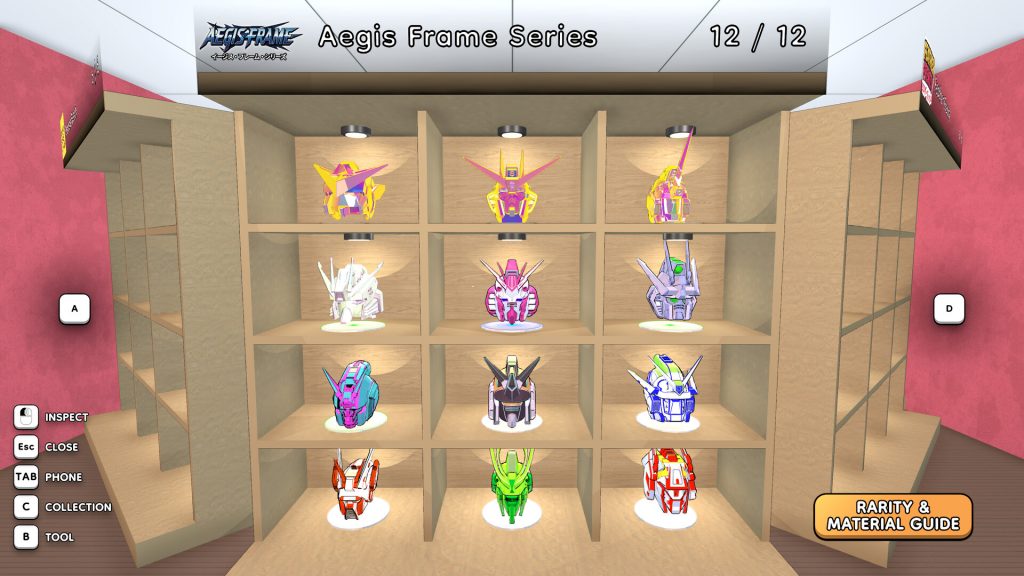
The second is whether the licensed capsule pack variety expands meaningfully. 24 licensed packs at launch is a reasonable foundation; sustaining player interest requires continuous new content to open. Whether new licenses are added frequently enough to maintain the collecting excitement will determine long-term engagement.
The third is the cooperative play implementation. Co-op shopkeeper games (think PlateUp! for restaurant management) occupy a distinct appeal tier from solo play — the social coordination required for managing a shared shop creates different satisfaction dynamics than solo optimization. Whether the planned co-op implementation adds genuine strategic depth or is merely multiplayer for the sake of it will affect this mode’s reception.
The fourth is the nighttime content depth. The robot fight club and nighttime characters are intriguing differentiators from standard shop management — but whether there’s enough nighttime content variety to justify the day/night structure as a sustained feature rather than a novelty element will emerge from extended play.
The Takeaway
Gacha Capsule Shop Simulator – Akihabara is one of Early Access 2026’s more surprising success stories — a Turkish studio’s meticulous reconstruction of a specific Japanese cultural environment that found its audience through the Japanese VTuber community’s marathon streaming sessions, generating 14.6 million capsules opened and 50,000+ wishlists in its first two weeks.
The 78% Mostly Positive rating reflects an Early Access game with a compelling core experience and acknowledged rough edges. The 9.4-hour average playtime and 20% 30-hours-plus player rate reflect genuine engagement well beyond casual evaluation. And the VTuber discovery chain — major streamers streaming for 3-8 hours, generating community content that brought in subsequent players — reflects a game with specific qualities that make it naturally watchable and rewatchable.
For gachapon enthusiasts and Akihabara aficionados, this is exactly the cozy management fantasy the genre premise promises. For the broader shopkeeper simulator audience, the cultural specificity and the day/night structure provide the distinctive identity that distinguishes memorable entries from forgettable ones.
Fourteen million capsules don’t lie. Something about spinning that machine, watching the capsule drop, and finding out what’s inside keeps people coming back. In Akihabara, that’s been true for decades. In Istanbul, UGC90 figured out how to bottle it.
Gacha Capsule Shop Simulator – Akihabara Related Information
| item | detail |
|---|---|
| Developer / Publisher | UGC90 (Istanbul, Türkiye) / Gamersky Games |
| Genre | First-person Management Simulation / Showkeeper / Cozy Life Sim |
| Release platform | PC (Steam Early Access) |
| Release date | June 8, 2026 (Early Access) |
| price | (Steam Summer Sale 20% off) |
| Steam Review | Mostly positive 78% (269 items) |
| Wishlist | 50,000+ cases |
| Number of players in 2 weeks | 19,000 people+ |
| Number of 2-week capsules opened | 14.6 million |
| Average playtime | 9.4 hours (30+ hours ratio 20%) |
| VTuber reaction | Pekora, Retor, Sakuna, Karubi, Akami, Sanninsho (3-8 hour marathon broadcast) |
| Capsule pack license | 24 types |
| Language support | 26 languages (including Korean) |
| Roadmap | Automation Update / Season Capsule / Co-op Play Scheduled |
| Main Keywords | Gacha, Akihabara, Figure, Management, VTuber, Robot Fight Club, Koji, Japanese Subculture |
| Official Channel | Discord · YouTube · TikTok · QQ |
| Steam Page | Shortcut |