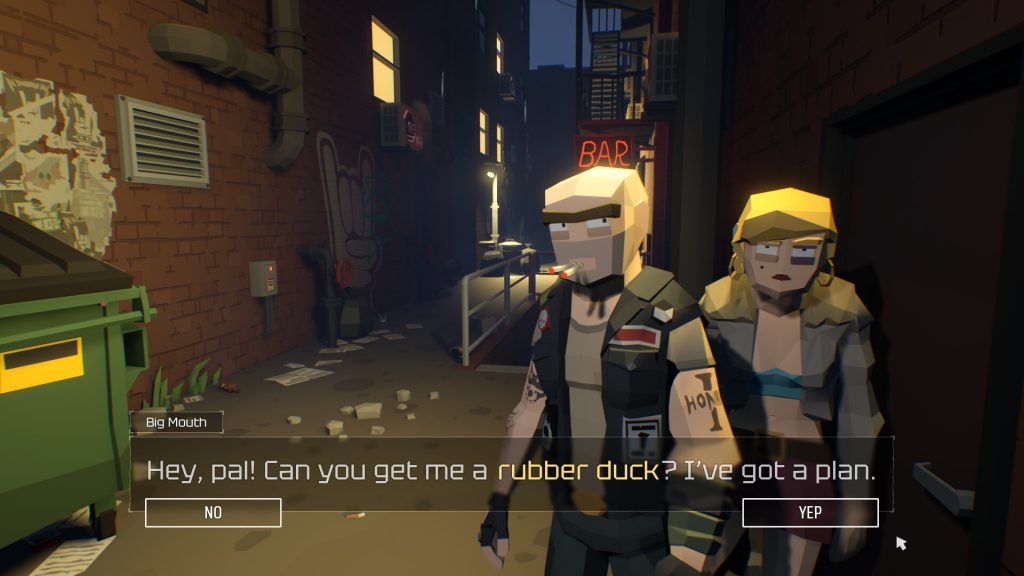
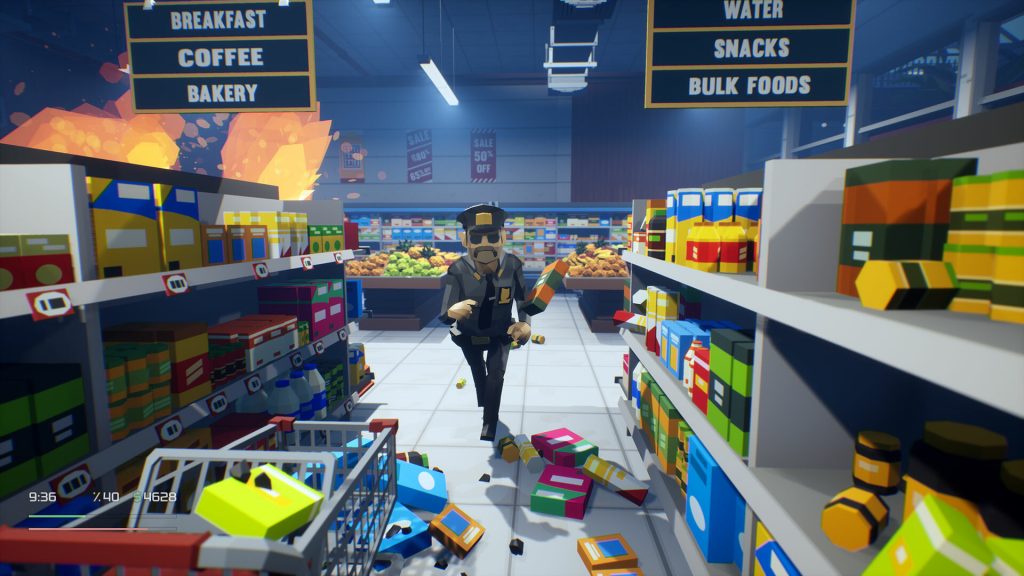
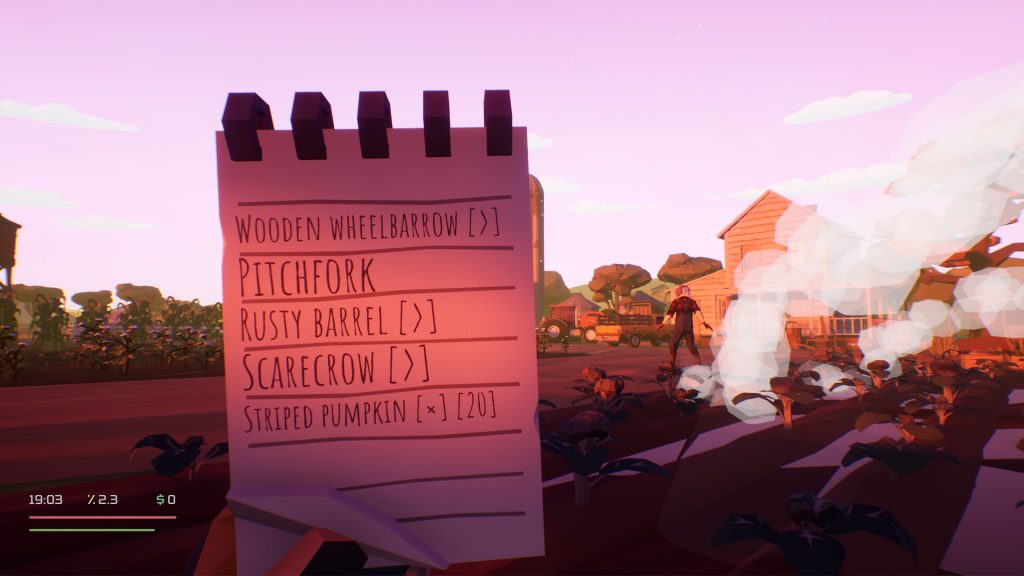
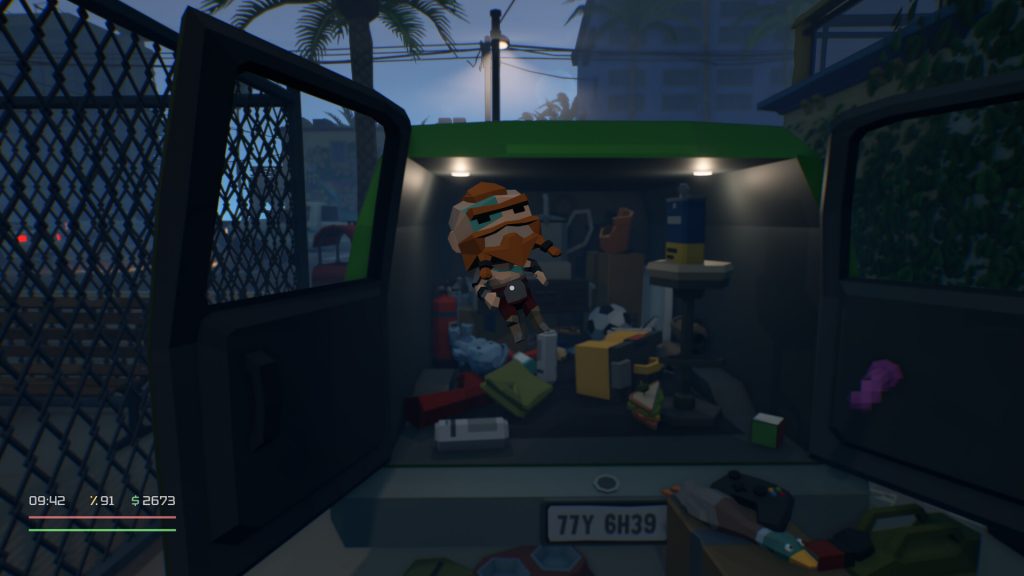
The mission objective for this run: one gold bar, one banana peel, and one rubber duck. The masked client didn’t explain why. You don’t ask. This is the specific comedic-tense energy that Loot List: Thief Sim is pursuing — a physics-based cooperative heist sandbox from Latin American solo developer Anoft where the dynamically generated Loot List defines not just what you steal but how the mission unfolds, from precision stealth to spectacular chaos depending on what the list demands.
The Steam Next Fest demo has pushed the game into wishlist rankings that suggest genuine pre-release audience traction, with the trailer also appearing at the Latin America Game Showcase’s Summer Game Fest 2026 edition. The developer’s comment that “each wishlist is a signal that we’re building something meaningful” reflects an independent developer watching pre-release validation arrive in real time.
The Loot List as a Dynamic Mission Generator
The core design innovation is the Loot List itself — a dynamically generated objective list that changes not just the targets but the implied approach for each mission. This is a more interesting design than it initially sounds.
Traditional heist games give you a fixed objective: rob the bank, steal the painting, break out the prisoner. The target is predetermined, and while the method of achieving it might vary, the goal is fixed. Loot List: Thief Sim generates the objective dynamically, which means the mission’s implied tone is also generated dynamically. A Loot List containing high-security items demands precision planning. A Loot List containing absurd or mundane objects (banana peel, rubber duck, broken toaster) signals that this mission is going to be chaotic and comedic regardless of how carefully you plan.
This dynamic generation creates tonal variety run-to-run that fixed objective systems can’t achieve. Players don’t know before starting whether this mission calls for the stealth approach or whether it’s going to collapse into farce — and some missions will collapse into farce even when stealth is the plan, because the physics engine and unpredictable environment interactions make controlled execution genuinely difficult.
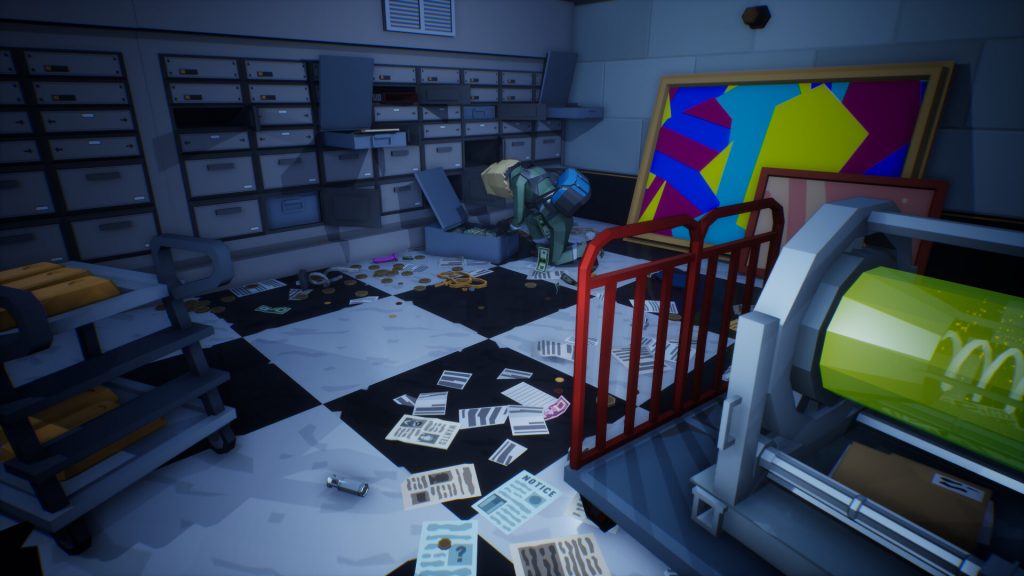
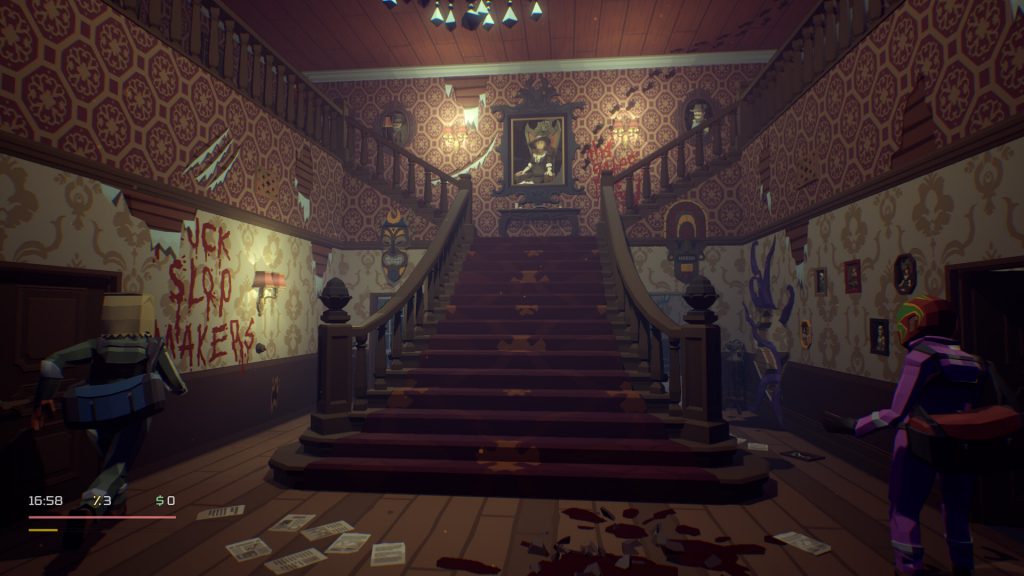
The examples provided in the game materials suggest Anoft has thought carefully about the range of situations this generates. A haunted mansion where a broken toaster causes a fire, a masked client requesting a rubber duck for unstated reasons, classic heist movie equipment deployments through sewer systems into casino vaults — the variety implies that the Loot List isn’t just randomizing items but generating implied narrative contexts for each theft.
The Physics Sandbox Approach Choices
The physics-based interaction model creates the moment-to-moment emergent situations that make sandbox heist games compelling and shareable. Loot List apparently supports multiple approach philosophies: stealth (hacking security, navigating quietly), improvisation (stacking junk to climb, using the environment creatively), and confrontation (explosives, frontal breach). These approaches aren’t just different paths to the same outcome — they produce fundamentally different experiences with the physics engine.
Stealth in a physics sandbox is inherently precarious. Unlike scripted stealth games where the environment is designed to support the stealth attempt, physics sandboxes have objects that can be knocked over, guards who can hear environmental sounds triggered by accidents, and chain reactions that no one planned. The same physics engine that enables creative problem-solving also enables creative failure — which is exactly what generates the shareable moments that spread these games through social media.
The 4-player cooperative dimension amplifies this. Four people attempting coordinated physics-based theft is multiplicatively more chaotic than one person because every player’s actions create physics interactions that affect every other player’s situation. A carefully executed two-player entry through a security bypass gets complicated by the third player, who knocked something over, which created a noise, which brought a guard, which required the fourth player to improvise a solution that escalated the situation further. This cascade of consequences is the cooperative heist game experience at its best.
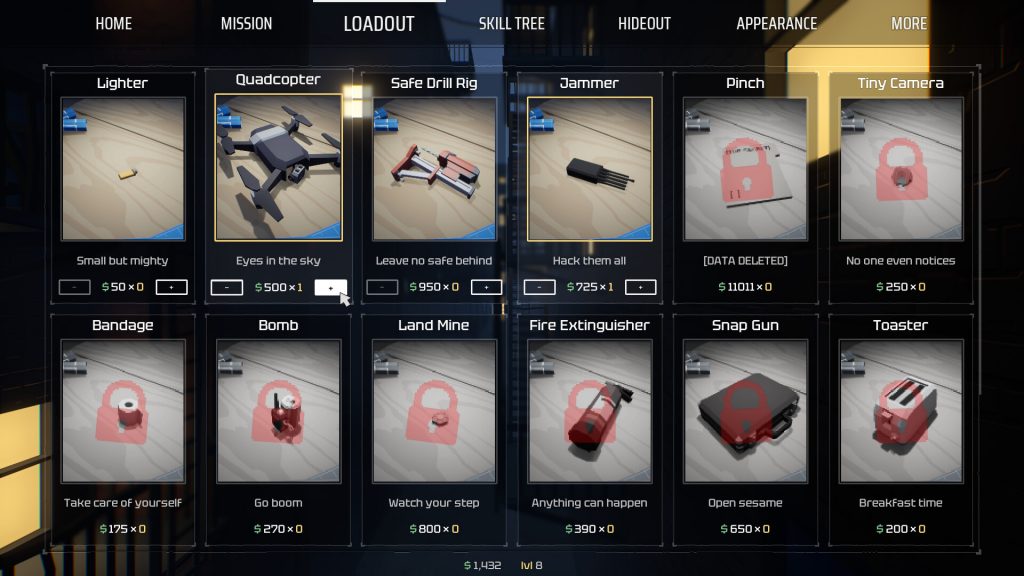
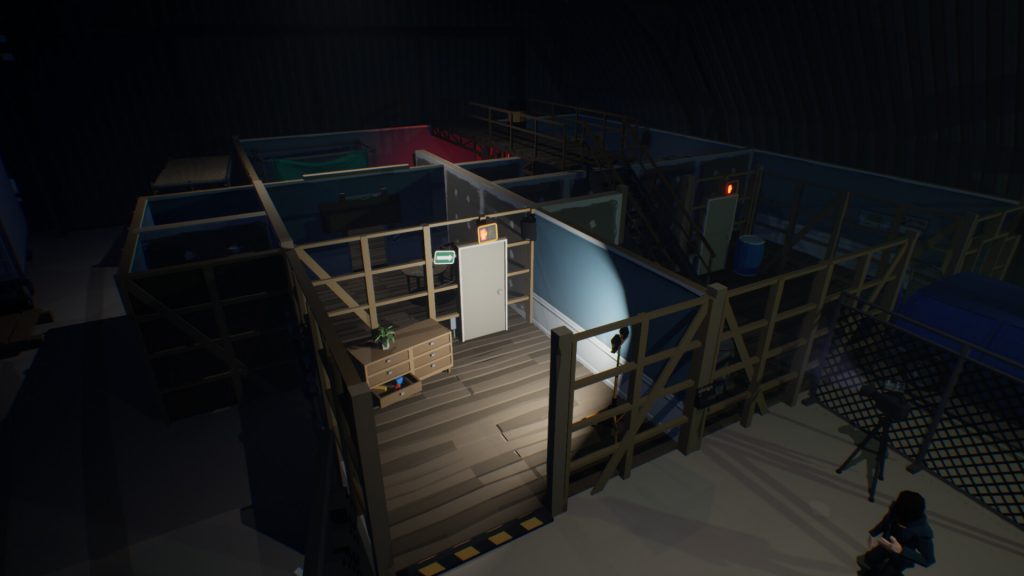
The hideout upgrade system provides the meta-game layer that sustains engagement between missions. Selling loot to buy equipment and upgrade the criminal operation transforms individual theft success into a long-term progression investment — the hideout becomes a visualization of an accumulated criminal career rather than an abstract number.
The Solo Developer Achievement
Developing Loot List: Thief Sim over multiple years as a solo developer while also working on additional projects (Reflection, a colorful first-person platformer, and a story-driven adventure) is the kind of parallel development that characterizes ambitious independent developers who can’t yet support single-project focus.
Unreal Engine 5, as the development platform, is an ambitious technical choice for a solo developer specifically because UE5’s feature set — physics systems, lighting, environmental detail — requires significant technical competence to leverage effectively. The decision suggests Anoft is prioritizing the visual and physical quality that UE5 enables over the development convenience of more accessible engines.
The Discord-based playtest community reflects the community-integrated development model that successful indie games increasingly adopt. Real player feedback during development produces better-calibrated games than internal testing alone, and the demo bug reports from Steam Next Fest are exactly the kind of specific feedback that improves systems before Early Access launch.
The Latin America Game Showcase Appearance
The trailer’s inclusion in the Latin America Game Showcase at Summer Game Fest 2026 is worth noting in the regional gaming industry context. Latin American indie development has been growing in international visibility over recent years, with games from Brazilian, Argentine, Chilean, and other regional studios appearing in major festivals and achieving commercial success in international markets.
Loot List: Thief Sim‘s showcase appearance positions it within this growing regional gaming identity — a solo developer from the region building a physics sandbox heist game with the technical ambition to use Unreal Engine 5 and the commercial intelligence to target international markets through Steam and cooperative play mechanics that appeal across regions.
The developer’s nationality isn’t specified in the source materials beyond “Latin America,” which is appropriate — what matters for the game’s evaluation is the design quality and execution rather than specific origin. But the regional showcase appearance is meaningful as industry context about how Latin American indie development is being recognized and promoted at major international gaming events.
The Demo and Current State
The Steam wishlist ranking following the Next Fest demo suggests the concept is communicating effectively to the target audience before the game is complete. Heist sandbox games occupy a small but enthusiastic niche — Payday audiences, Thief fans, players who specifically want the sandbox freedom of multiple approach options — and the Loot List’s dynamic generation adds meaningful differentiation from existing entries in that space.
The reported demo bugs in the Loot List collection system are worth addressing honestly. Demo bugs in indie games are nearly universal — the demo build is typically not the most polished version, and Next Fest specifically serves as a feedback collection for pre-release issues. The fact that these are already being reported and presumably being addressed means they’ll likely be resolved before Early Access launch. The presence of bugs doesn’t diminish the concept’s validity; it’s standard development reality for this stage.
Virus.hr and Worthplaying’s coverage reflects the concept’s international communication — the banana peel and rubber duck specificity translating across language barriers as immediately funny and interesting. This kind of specific comedic detail often does travel well internationally because absurdist humor tends to need less cultural context than wit or irony.
Who This Is For
Strong fit for: Payday 2/3 fans who want physics sandbox freedom rather than scripted heist structure; Garry’s Mod and Teardown fans who specifically enjoy physics-based creative problem solving; cooperative gaming groups of 2-4 seeking emergent chaos content; sandbox game enthusiasts who appreciate unpredictable outcomes over optimized execution; heist movie fans who want the variety of approaches from planning to improvisation; players drawn to games where failure is funny rather than frustrating.
Cautious fit for: players who specifically want highly controlled, precise stealth (physics sandboxes are inherently imprecise); Early Access skeptics who prefer waiting for full release states; players concerned about solo developer scope management across multiple simultaneous projects.
Less ideal for: players seeking narrative-heavy heist experiences; anyone who dislikes cooperative multiplayer even in sandbox contexts; players expecting the production scale of major studio heist games.
What to Watch For
A few questions will shape Loot List: Thief Sim‘s path to Early Access.
The first is the Loot List system’s variety and depth. Dynamic generation is only as good as the range of situations it can produce — if the generation produces variation in items but not in implied context and approach, the system’s differentiation from a random loot table is minimal. Whether the Loot List genuinely creates varied mission tones and not just varied item targets will determine its core design value.
The second is the physics simulation quality at full cooperative play. Four players in a physics sandbox with Unreal Engine 5 simulation put significant demand on both the physics system and network synchronization. Whether the cooperative experience delivers responsive, predictable-enough physics that cooperative planning is possible while still generating emergent chaos will affect the 4-player experience quality significantly.
The third is the pacing across the career progression. Starting as a beginner thief and developing toward legendary status implies a learning and progression arc. Whether the early game’s simpler missions and limited equipment feel appropriately scaled rather than merely limited, and whether the progression curve is satisfying rather than grinding, will shape long-term engagement.
The fourth is the Early Access content roadmap. A solo developer entering Early Access with a UE5 physics sandbox multiplayer is committing to substantial ongoing development work. What the Early Access content scope includes and how update frequency is sustained will determine whether the release creates momentum or plateaus.
The Takeaway
Loot List: Thief Sim is the kind of pre-release project that generates genuine wishlist enthusiasm because the core concept communicates clearly and the implications of that concept are appealing. A physics sandbox heist game where the dynamically generated Loot List changes not just targets but mission tone — from precision stealth to inevitable chaos — built by a solo Latin American developer in Unreal Engine 5 with cooperative play for up to four players and a career progression from petty thief to legendary criminal.
The banana peel and rubber duck aren’t just jokes. They’re signals that this game understands the specific pleasures of heist sandbox games — the planning that goes wrong, the improvisation that creates better stories than the plan, the chaos that four people create when they’re all trying to be the competent one and none of them quite succeeds.
The Loot List says rubber duck. The masked client isn’t explaining why. The gold bar is also on the list. And somewhere in the casino, the sewer access point that looked perfect in the planning phase has encountered the first of several unexpected variables.
This is the job. Go steal some things. Try to be subtle about it. Fail in interesting ways.
TBA on Steam.
| item | detail |
|---|---|
| Developer | Anoft (solo independent developer) |
| Genre | Immersive Sim / Heist Simulation / Sandbox |
| Release platform | PC (Steam, Early Access 예정) |
| Player count | Single Player / Online Co-op (2~4 players) |
| Game engine | Unreal Engine 5 |
| Release Schedule | Undetermined (TBA) |
| core system | Dynamic route list, physics-based interaction, hideout upgrades, character growth |
| Official Channel | Discord · Developer Website (anoft.com) · Official Game Site (thiefsimulator.com) |
| Steam Page | Shortcut |