A solo developer in Australia has sold 100,000 copies in the first week of their debut game. The 50,000-unit first-day figure and the 125,000 wishlists that preceded it tell the same story: Hearth and Hamlet found its audience through two Steam festival appearances before launch, and that audience showed up on day one.
This is the festival funnel working correctly. The April Steam Medieval Fest demo introduced the game to a new audience. The June Steam Next Fest amplified it. 100,000 demo players and 125,000 wishlists converted into 50,000 copies sold on day one. Runic Forge — RUNE’s publishing brand, for which Hearth and Hamlet is their first major publishing title — has a debut result that validates the investment.
The Game
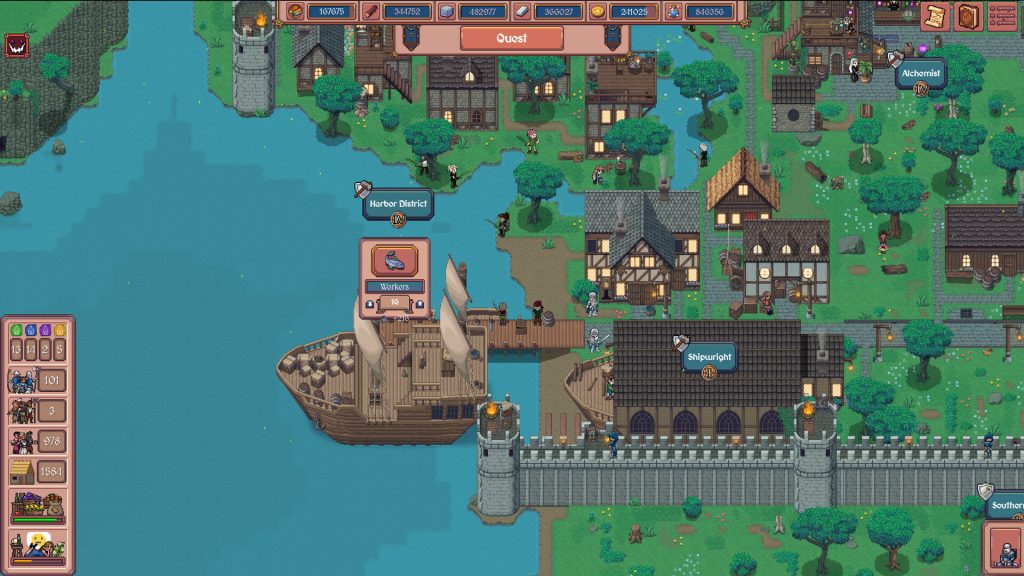
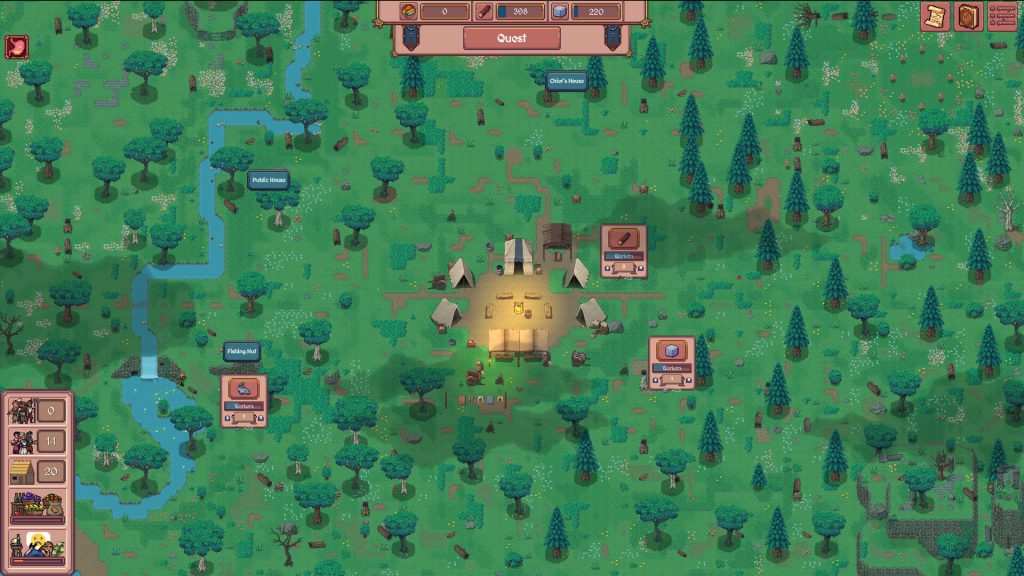
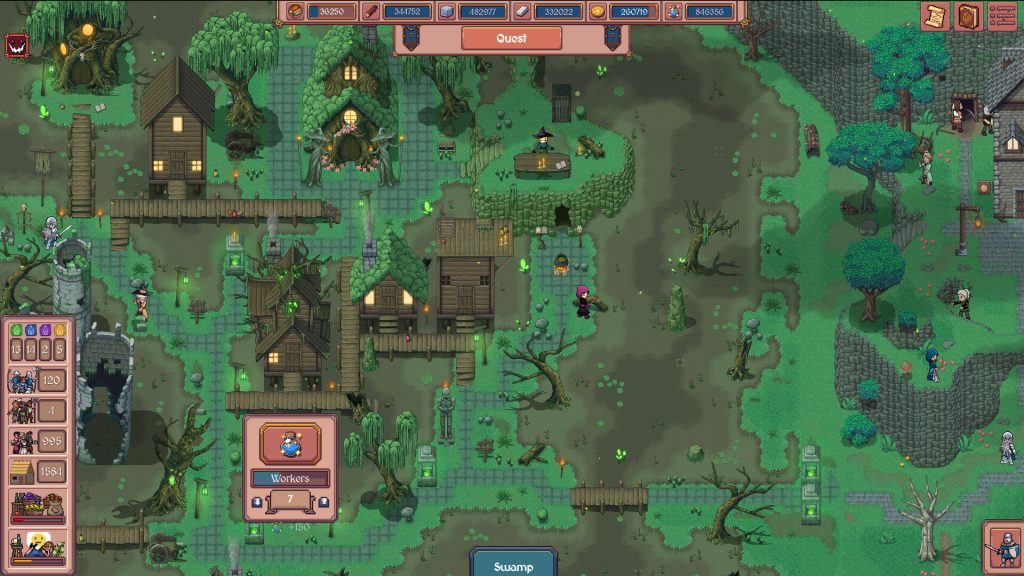
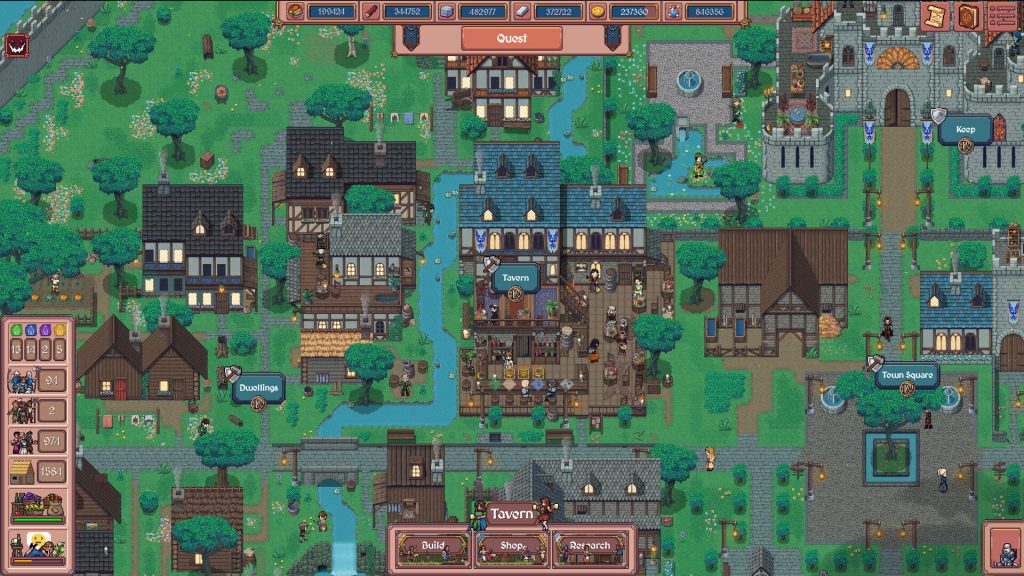
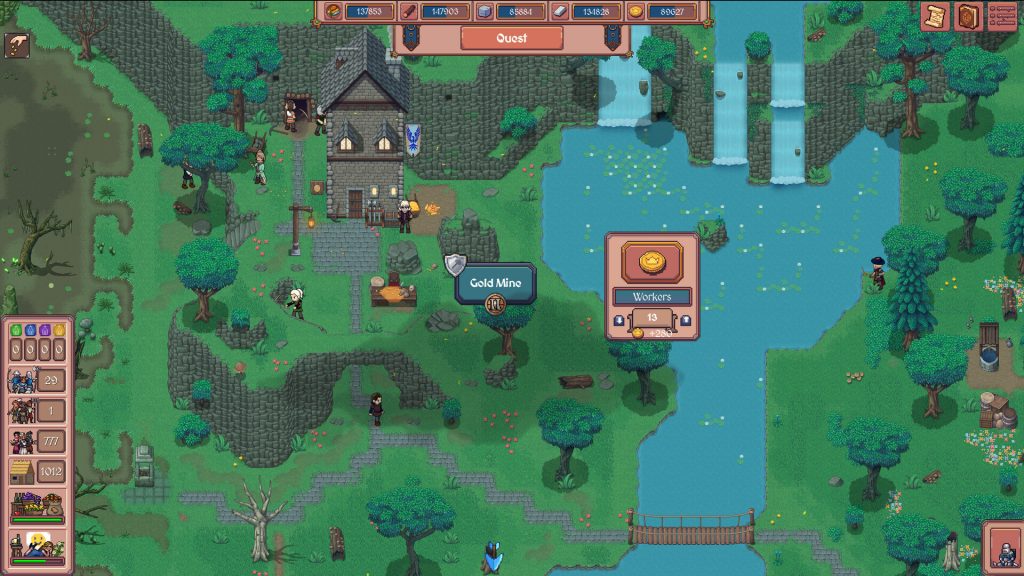
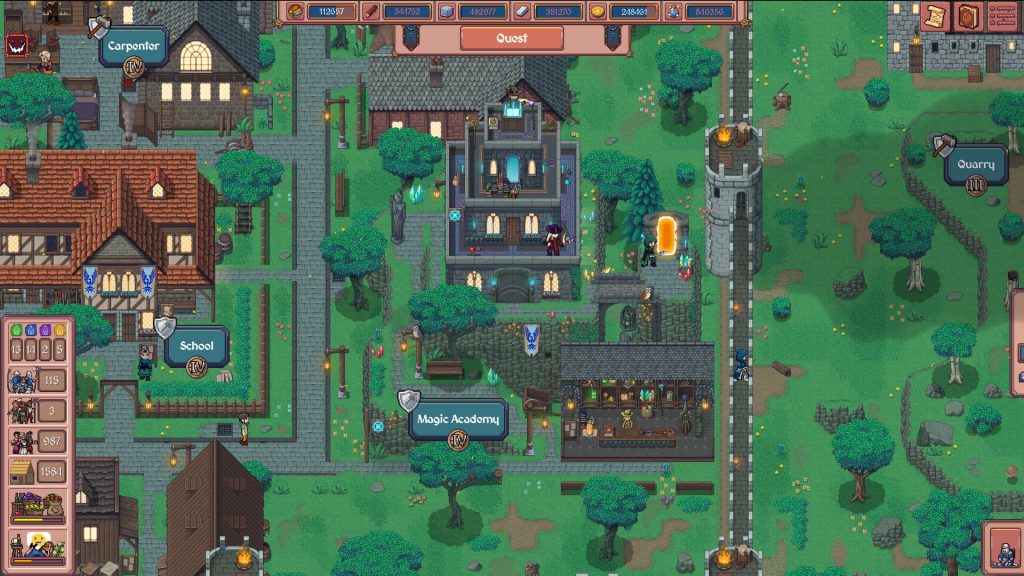
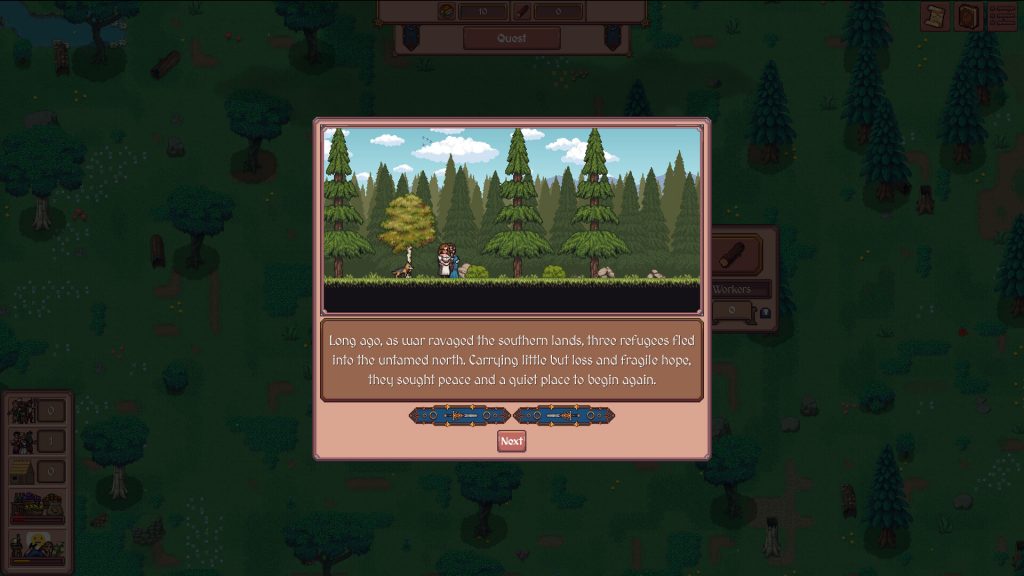
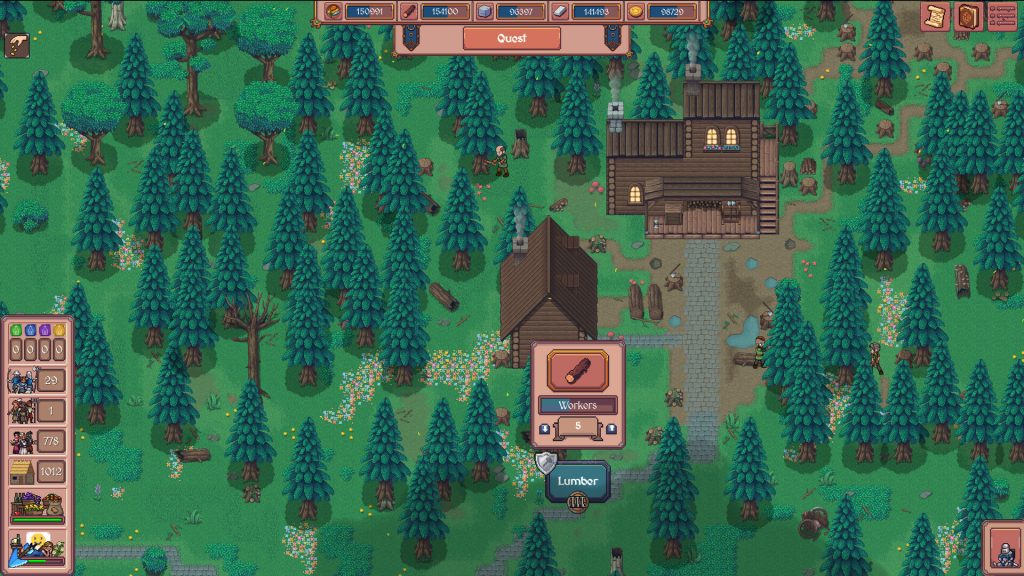
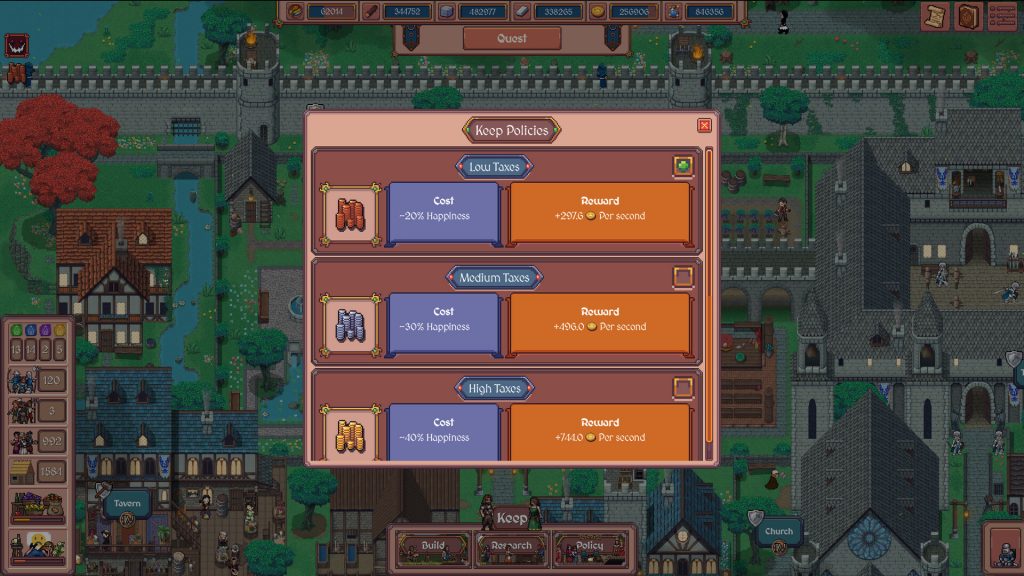
A medieval fantasy settlement that begins as a campfire and expands — through resource allocation, building construction, citizen happiness management, and maritime trade with other settlements — into a magical kingdom with a market, town hall, barracks, bank, and magic academy. The incremental game’s defining characteristic is making the growth visible: the tent becomes a house, becomes a city, and the pixel art registers each transformation so that the kingdom feels genuinely built rather than numerically unlocked.
The “not just numbers going up, but a world actually growing” description from reviewers is the distinction that puts Hearth and Hamlet in the category of incremental games with spatial identity rather than pure abstraction. When the settlement’s visual character changes as it expands, the growth has a quality that clicking on abstract progress bars doesn’t generate.
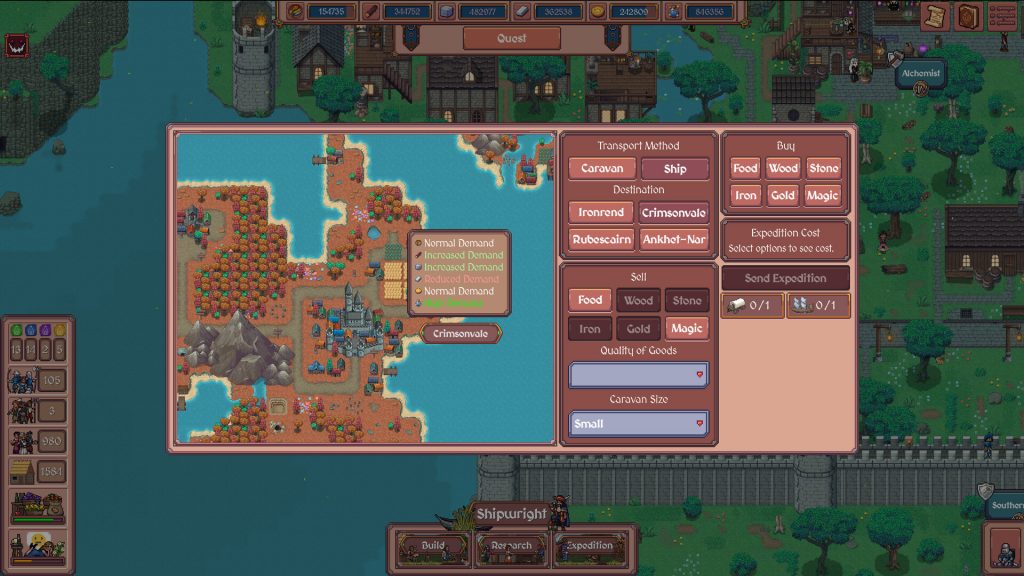
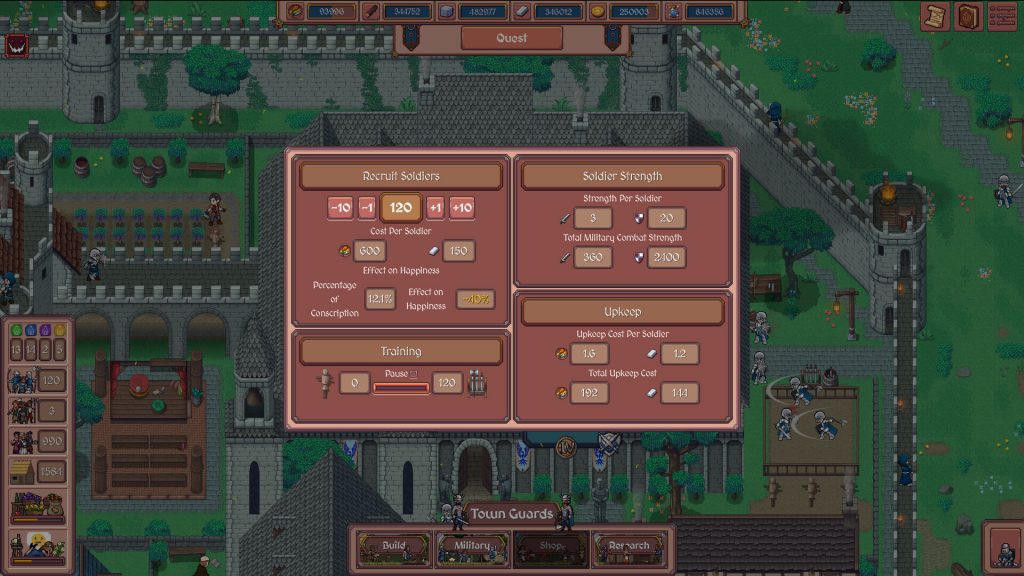
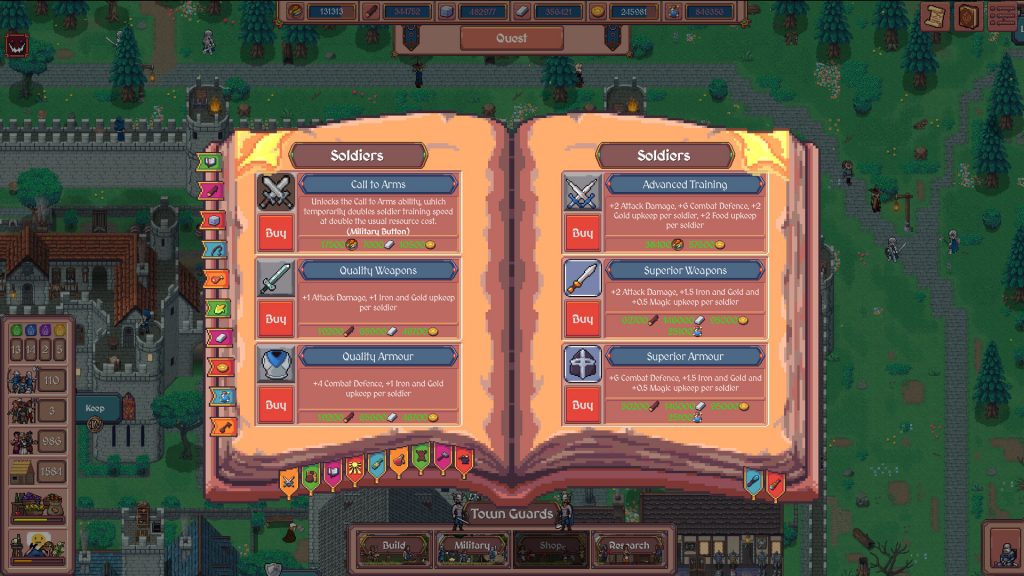
Research unlocks permanent upgrades — buildings, magic, infrastructure — which is the incremental genre’s compounding mechanism applied to city building. The external threats (hostile creatures, raids) and the maritime trade giving access to exotic resources extend the management beyond pure internal optimization.
The Mostly Positive Calibration
79% positive from 1,600+ reviews is Mostly Positive rather than Very Positive, and the specific praise-and-criticism split that generates this rating is legible from the reviews. The game lands well for players who want cozy incremental satisfaction with a world that visually grows — the Stardew Valley aesthetic comparison that reviewers make is apt for the warm pixel art register. The game lands less well for players who arrive expecting the genre depth of a traditional city builder; the 10- 15-hour play time and the incremental structure’s relative simplicity disappoint that expectation.
This is the correct rating for the game that Hearth and Hamlet actually is: a cozy incremental game with city builder aesthetics, not a city builder with incremental elements. The audience separation between these two descriptions determines whether a player finds the game satisfying.
The Australian Solo Developer Context
This is the second Australian solo developer success story in this month’s coverage — Go-Go Town! from Prideful Sloth (Brisbane, 100,000 copies in one month) and now Hearth and Hamlet from Phorust Studios (100,000 in the first week). Both are cozy simulation games; both found their audiences through patient community building before launch, and both are demonstrating that the Australian indie development scene is producing commercially viable work across team sizes.
The specific comparison to Go-Go Town! — which took a month to reach 100,000 versus Hearth and Hamlet‘s week — reflects the different scale of pre-launch community building: Go-Go Town! had two years of Early Access; Hearth and Hamlet had two festival appearances and a demo. Both paths produced the same result through different investment timelines.
Who This Is For
Strong fit for: incremental game enthusiasts who want spatial visual growth alongside the number progression; cozy simulation players who want medieval fantasy aesthetics in their idle game format; players who found the festival demos satisfying and want the full game; players comfortable with 10-15 hours of play time for the price.
Cautious fit for: city builder players who want strategic depth and complex management systems alongside the cozy aesthetic; players who need higher Steam rating consensus before purchasing; anyone who wants the incremental content to continue substantially beyond the initial kingdom growth arc.
Less ideal for: players who dislike idle or incremental game mechanics regardless of aesthetic; anyone wanting multiplayer options; players seeking narrative content.
The Takeaway
Hearth and Hamlet is a solo developer’s festival-built debut that converted two Steam festival appearances and 100,000 demo players into 100,000 first-week sales — the exact commercial trajectory that the festival funnel is supposed to produce when the game finds the right audience at the right events. The warm pixel art medieval fantasy incrementalism is the product that 125,000 wishlists said they wanted, and the launch week validated that those wishlists represented genuine intent.
The campfire becomes a city. The city becomes a kingdom. The 79% positive rating accurately describes a cozy incremental game that delights the audience it was made for and disappoints the audience it wasn’t.
Available now on Steam.
Information regarding ‘Hearth and Hamlet’
| item | detail |
|---|---|
| Developer | Phorust Studios (Australia, Solo Developer) |
| Publisher | Runic Forge (under UK-based RUNE) (Gamersky Games also listed jointly on the Steam page) |
| Genre | Incremental, City Building, Simulation, Casual Strategy |
| platform | PC (Steam) |
| Release date | August 19, 2026 |
| Sales performance | 100,000 copies sold in the first week of release (approx. 50,000 copies in the first 24 hours) |
| Reactions/Evaluations | Steem ‘Mostly Positive’ (79% positive out of 1,588 total) |
| Steam Page | Shortcut |