A prosecutor is found burned to death in his own home one night. The case files stored in his house — records of old crimes — burn along with him. BANJIHAGAMES, the studio behind the text-based post-apocalyptic roguelike Seoul 2033, has announced Cold Case, a keyword-driven detective adventure built around reconstructing exactly what those flames destroyed.
The Reconstruction Mechanic
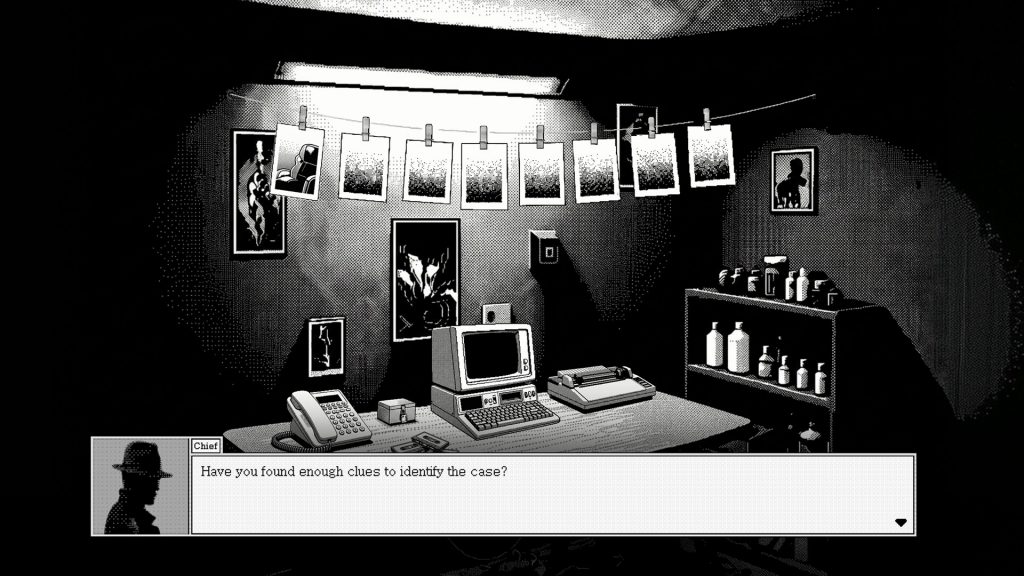
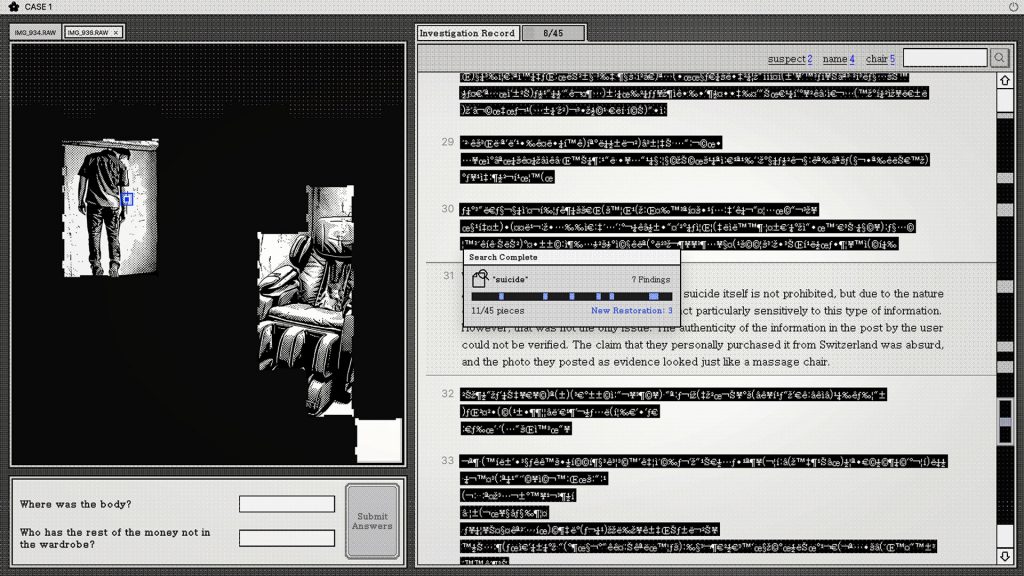
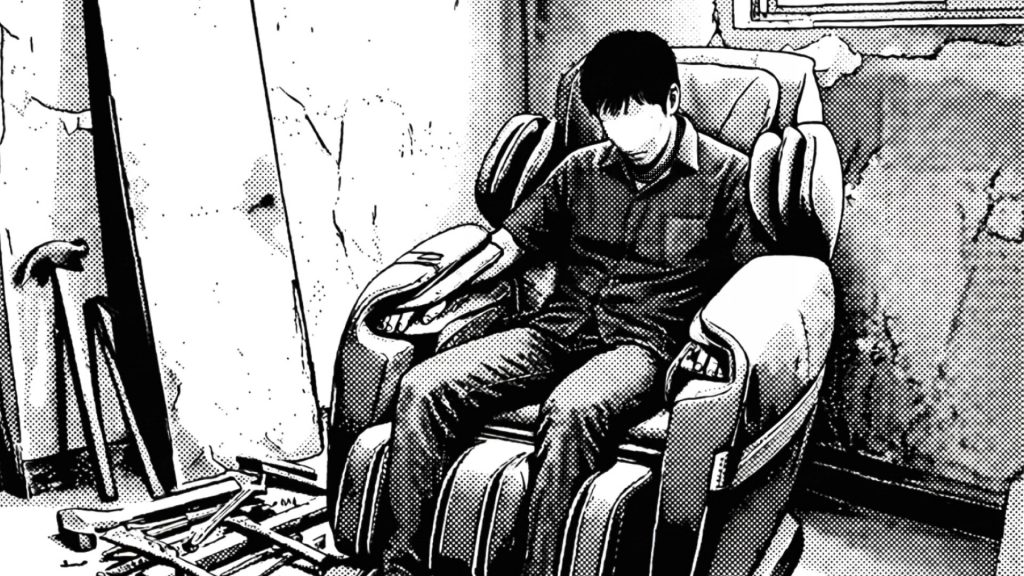
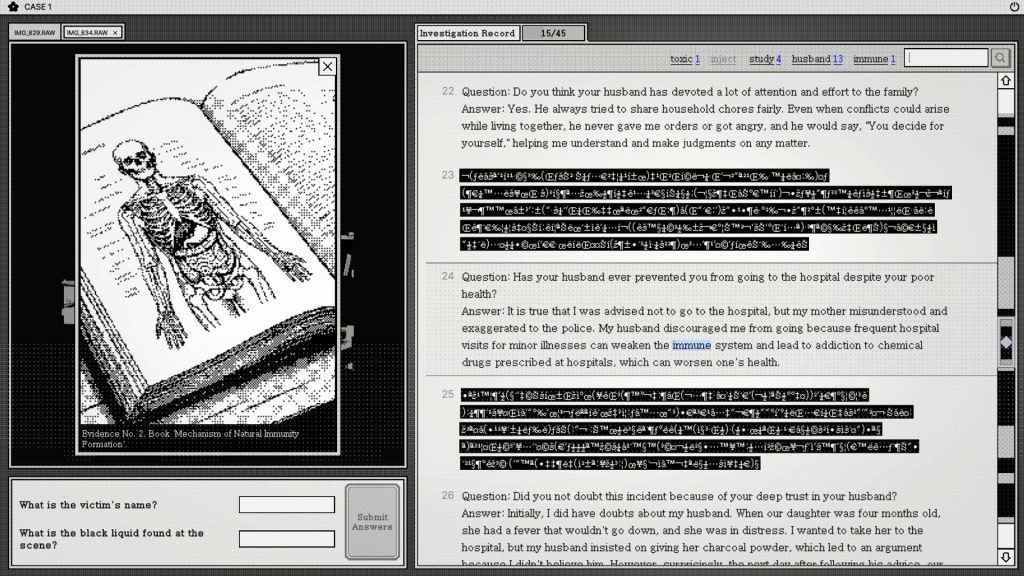
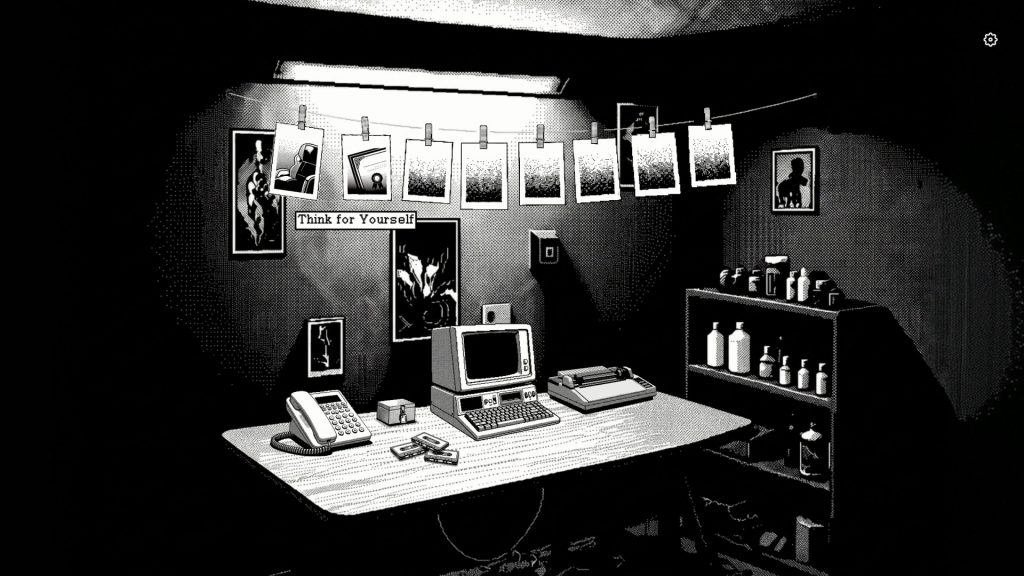
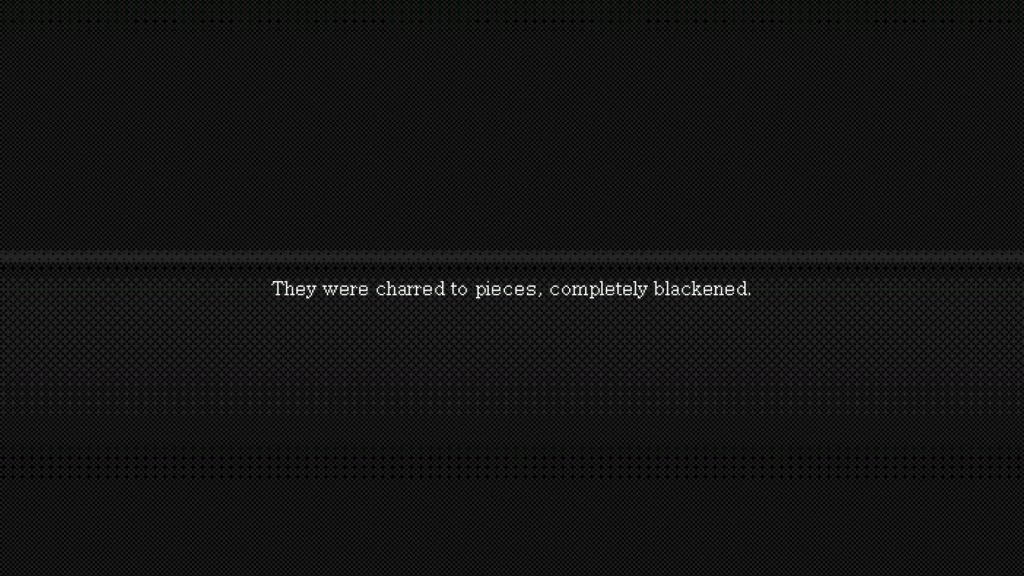
Players take the role of investigators in the Cold Case division — the department responsible for preserving historical crime records — tasked with restoring 8 case files recovered from the ashes. The photos and documents found at the scene are completely blackened. There is no vague, automatic restoration process. The player has to reason out what to look for and find the right keywords themselves.
Searching for a specific keyword within a damaged file restores the fragment of the record containing that word. Newly revealed sentences and clues become the lead for the next keyword search, and the player repeats this process, gradually uncovering the full scope of the case. There are no multiple-choice options anywhere in this system. What to search, which record to examine first, and how to connect the restored clues are entirely the player’s judgment calls.
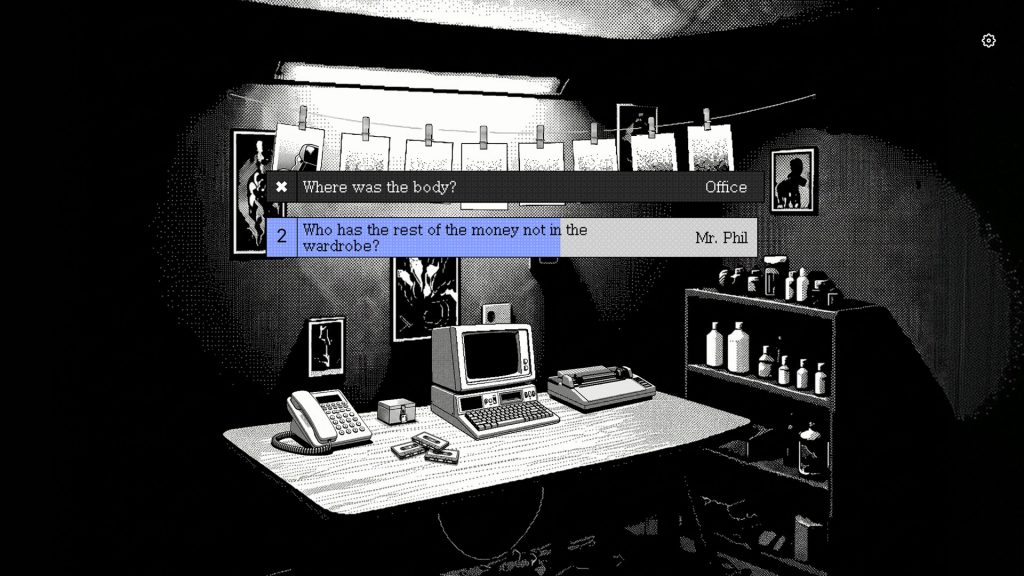
This is the specific design distinction the studio is drawing: standard detective games typically ask players to select the correct answer from a set of candidates. Cold Case asks players to identify the relationship between hidden words and clues themselves. The restored record depends on what keyword was searched; the information found within it leads to the next search. Reconstructing the timeline from crime scene photos, witness statements, and restored records across 8 independent unsolved cases with different crime scenes, suspects, and hidden truths is the complete design loop.

The Evolution From Seoul 2033
Seoul 2033 built its reputation on player-authored narrative through extensive text and branching choices — a post-apocalyptic roguelike about a Seoul devastated by nuclear war, expanded over years through an AI storyteller feature and a user-generated content workshop mode into a franchise that spawned Seoul 2033: Shelter, Seoul 2033 Prequel: Yoo Si-jin, and Seoul 2033: Patron.
Cold Case represents a genre departure while maintaining the studio’s core design interest: text as the primary interactive medium and the player’s own reasoning as the mechanism that advances the experience. Where Seoul 2033 lets players construct narrative through selecting among branching text choices, Cold Case removes the choice menu entirely and replaces it with active keyword search and clue inference — a more demanding, more active mode of engagement with text as the interface.
The Studio Origin
BANJIHAGAMES’ name comes directly from its founding circumstances: a half-basement room (반지하, banjiha) in Seoul, where the studio began in 2016 under the stated motto “better to fail with something original than succeed by copying.” Seoul 2033‘s 2019 Google Play Indie Game Festival triple crown — including the top indie game award — validated that founding philosophy commercially, and the subsequent spin-off series confirmed the world had a fanbase invested enough to follow it across multiple releases.
Cold Case is BANJIHAGAMES’ announced move beyond the text-based survival and adventure genre that built their reputation into detective fiction — carrying the studio’s characteristic commitment to text-driven, player-reasoning-dependent design into new genre territory rather than repeating the Seoul 2033 formula.
Who They’re Building For
Strong fit for: detective and mystery adventure fans who want active reasoning over multiple-choice deduction; Seoul 2033 players curious about what the studio does with its text-interaction philosophy in a new genre; players who specifically enjoy piecing together a case from fragmented, non-linear information rather than following a guided investigation; Korean indie game supporters tracking a studio with a proven original-IP track record.
Cautious fit for: players who want visual or interactive variety beyond text-based investigation; anyone who needs the specific release date confirmed before 2027; mystery game players who prefer guided deduction systems with clear right/wrong feedback over open-ended keyword search.
Less ideal for: players who dislike text-heavy interfaces; anyone wanting action or real-time mechanics; players seeking a single continuous narrative rather than 8 independent cases.
The Takeaway
Cold Case is BANJIHAGAMES betting that the reasoning-driven, text-interface design philosophy that built Seoul 2033‘s fanbase transfers to detective fiction — replacing branching dialogue choices with active keyword search and clue inference, and replacing multiple-choice deduction with player-authored investigative logic. Eight independent burned case files, no answer menus, and a path to the truth that changes in real time depending on which keyword the player catches first.
The prosecutor burned. The case files burned with him. And somewhere in the ash, eight unsolved truths are waiting for someone who knows what to search for.
2027 on Steam. Windows and macOS.
Information regarding ‘Cold Case’
| item | detail |
|---|---|
| Developer | Banjiha Games (BANJIHAGAMES, Seoul, South Korea) |
| Publisher | Banjiha Games (Self-publishing) |
| Genre | Keyword-based mystery adventure, digital forensics |
| platform | PC (Steam, Windows·macOS) |
| Release date | 2027 (exact date TBD) |
| language | 5 languages including English, Japanese, Korean, and Chinese (Simplified and Traditional) |
| Previous work | ‘Seoul 2033’ – Triple Crown Winner and Best Indie Game Award at the 2019 Google Play Indie Game Festival |
| Volume | 8 independent unsolved cases |
| Reactions/Evaluations | Building anticipation for the new work based on the previous work’s award history |
| Steam Page | Shortcut |