When the studio behind one of indie gaming’s most beloved titles spends four years developing its next major release — and openly characterizes the project as “make or break” for the studio’s future — the resulting game carries unusual weight. Yacht Club Games’ Mina the Hollower, released May 29 across virtually every relevant platform, arrives as not just another indie release but as the answer to one of the indie scene’s most-watched questions: can the Shovel Knight team do it again?
Based on early returns, the answer is a resounding yes. Mina the Hollower has accumulated Metacritic scores of 92-93, making it the highest-rated game of 2026 so far — outranking major AAA releases including Forza Horizon 6 and Biohazard Requiem. The Steam first-day sales of 55,000+ copies (excluding consoles) reportedly exceed Shovel Knight‘s initial pace, and the game has maintained an Overwhelmingly Positive Steam rating across thousands of user reviews.
For a studio that staked its future on this project, the early returns represent vindication on a remarkable scale.
The Make-or-Break Context
Understanding Mina the Hollower requires understanding what was at stake. Shovel Knight, Yacht Club’s 2014 breakthrough, accumulated over 3 million copies sold and $20 million+ in revenue across its various platform releases and expansions. That commercial success funded the studio’s growth, allowed multiple expansion projects (Plague Knight, Specter Knight, King Knight, Showdown), and established Yacht Club as one of indie’s most respected development studios.
But studios can’t live on a single hit forever, and Shovel Knight‘s commercial peak passed years ago. Mina the Hollower represented the studio’s bet on whether they could deliver another major commercial success or whether their post-Shovel Knight era would gradually shrink the operation. Co-founder Sean Velasco described the project candidly in pre-release interviews as a “make or break” title, acknowledging that commercial performance would directly determine the studio’s future.
The 2022 Kickstarter raised approximately $1.2 million, providing development funding while also creating substantial community expectations. Development extended over approximately four years — significantly longer than original projections, with multiple delays as the team expanded the project’s scope and content. Each delay added pressure; each delay also created the additional development time that the final product clearly benefited from.
This commercial pressure context matters because it shapes how to evaluate the early sales numbers. 55,000 Steam units on day one isn’t just a strong indie launch — it’s the kind of number that justifies the studio’s four-year investment. Velasco recently expressed confidence that the game would reach 1 million copies sold, framing it as a target rather than a stretch goal. Based on the early trajectory, that target looks achievable rather than aspirational.
The Gothic Horror Reinvention of Game Boy Color Zelda
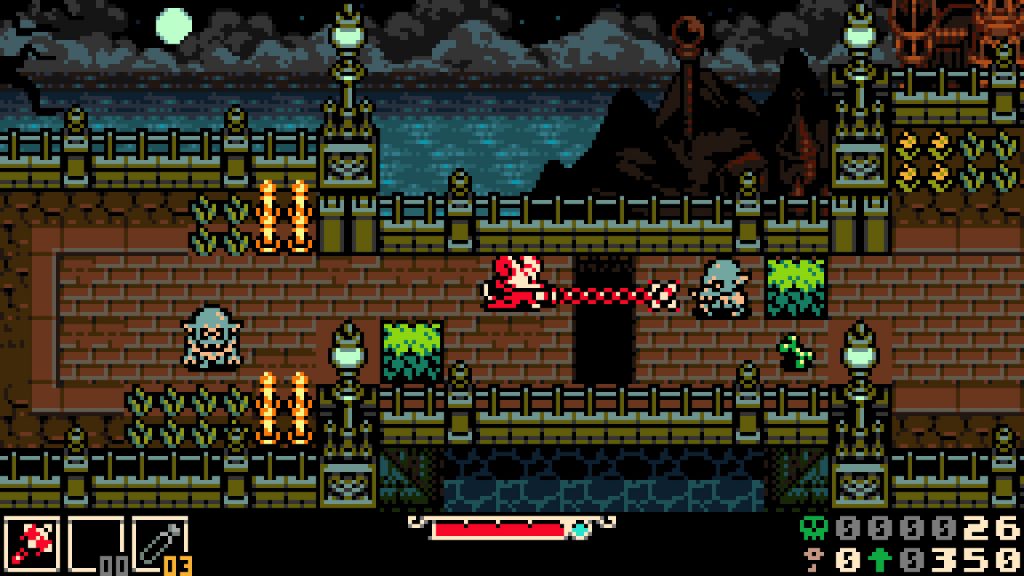
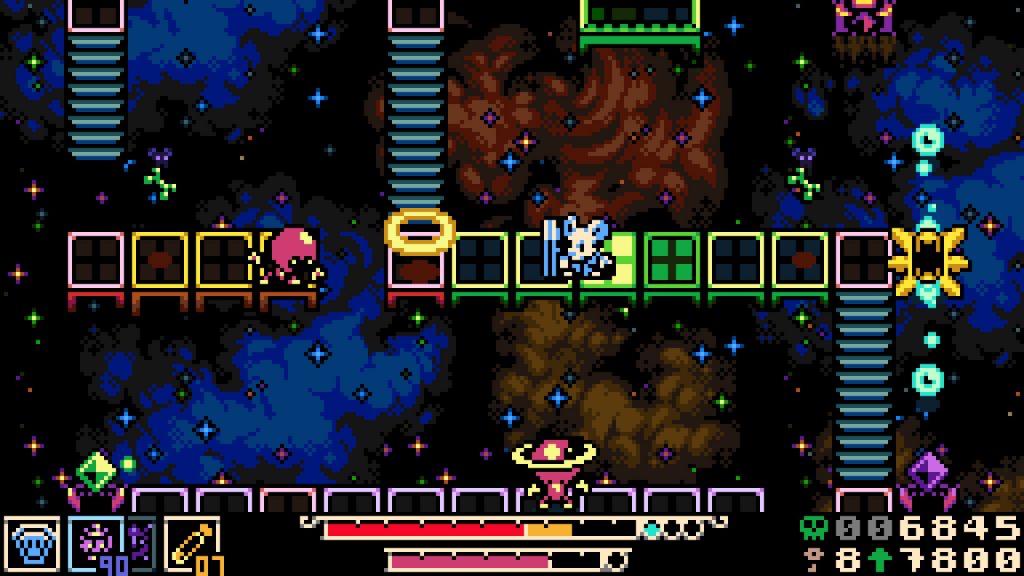
Mina the Hollower‘s core design pitch — Game Boy Color aesthetics applied to a gothic horror adventure with sophisticated modern action — is the kind of conceptual fusion that either works brilliantly or feels gimmicky. The Metacritic scores and player response suggest it works brilliantly.
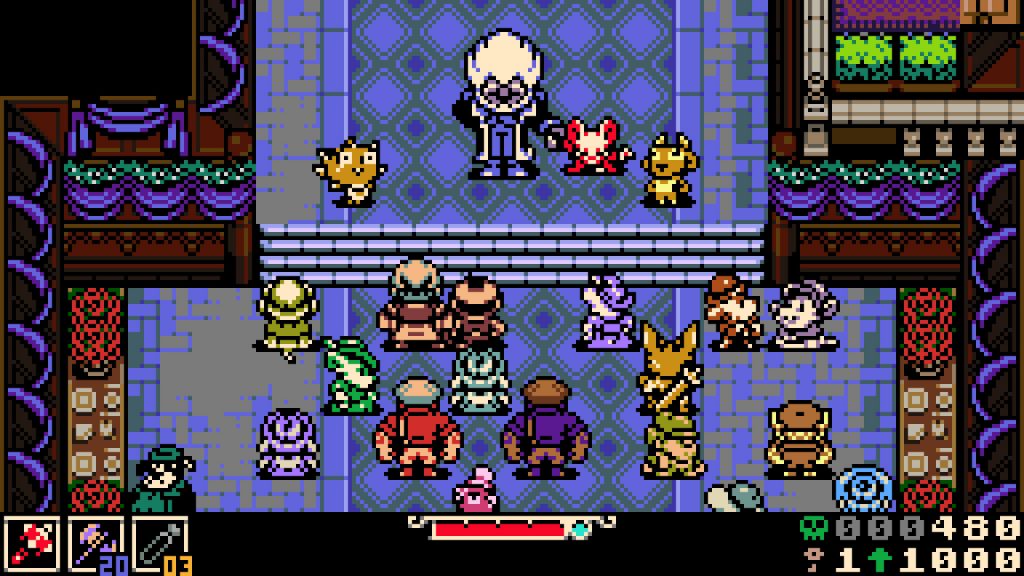
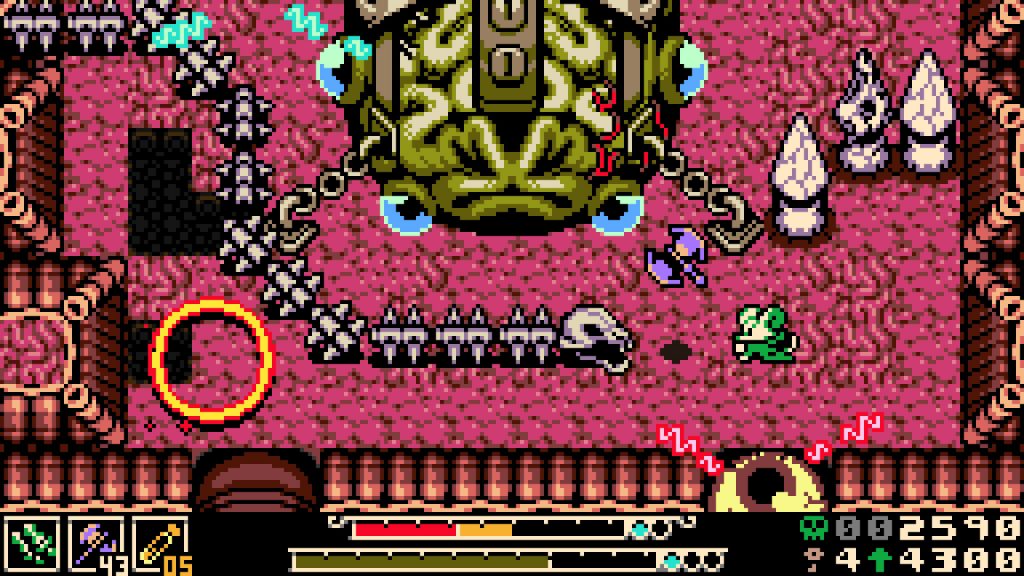
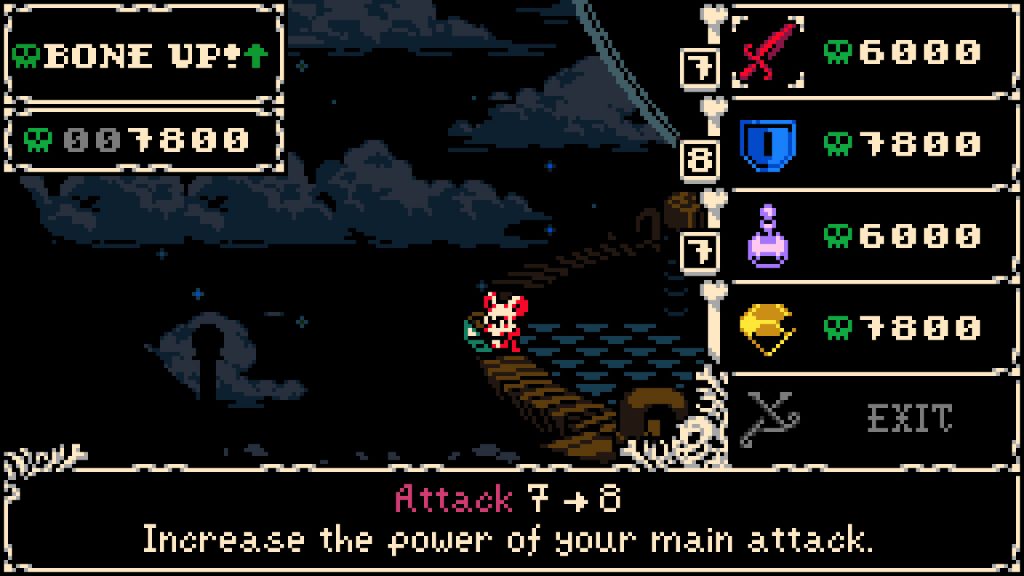
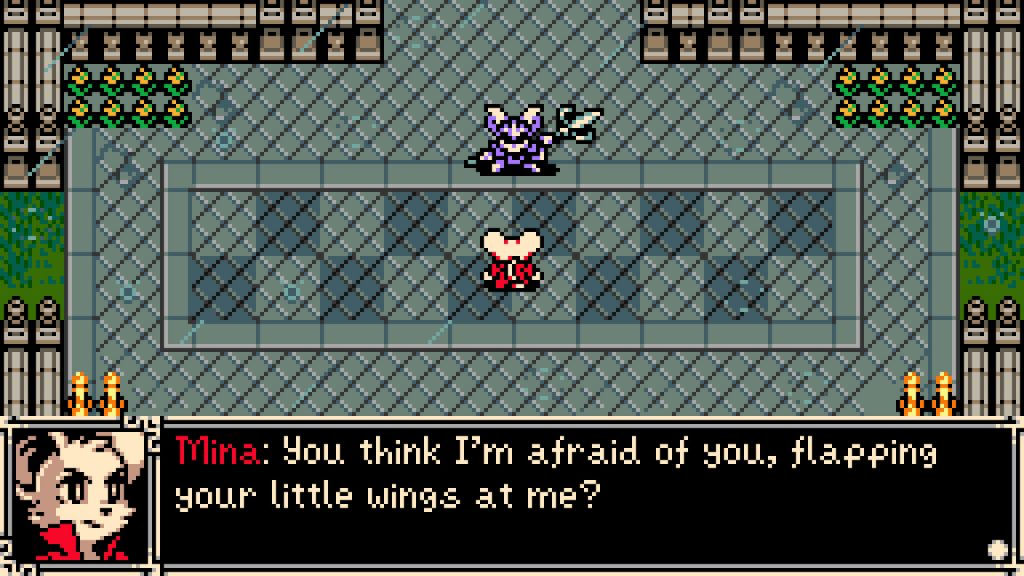
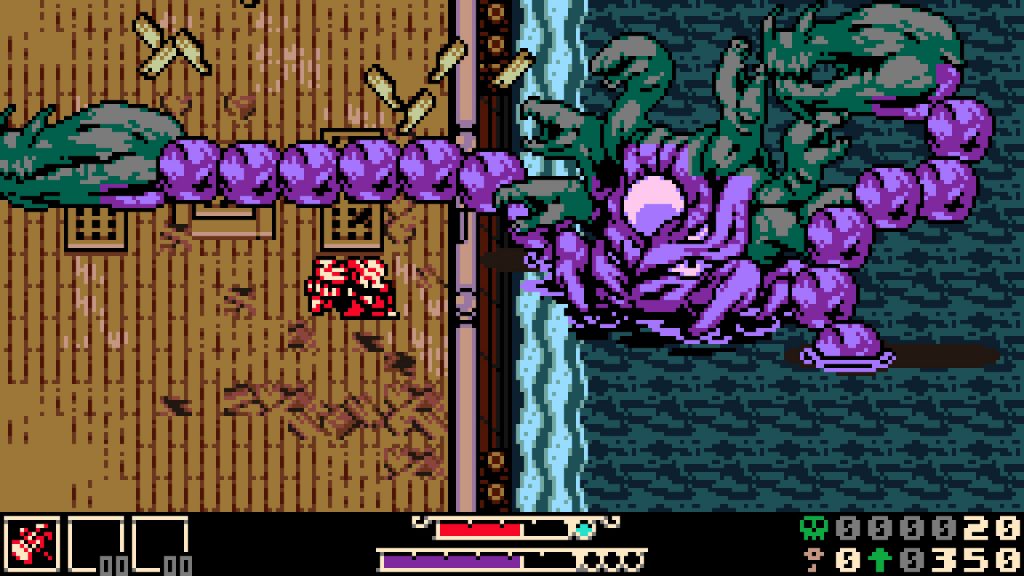
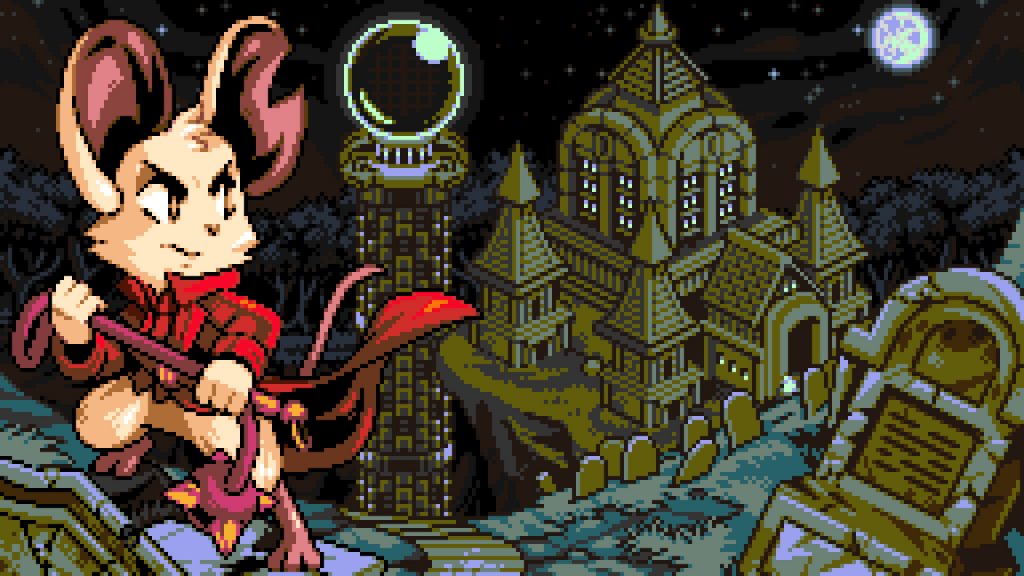
The visual identity is anchored in 8-bit retro aesthetics from the Game Boy Color era, but modernized rather than purely nostalgic. Fast and precise 60FPS combat. Top-down exploration. Detailed world design. The combination produces what Gamereactor described as feeling “like an overclocked Game Boy Color game” — preserving the era’s visual language while transcending its technical limitations.
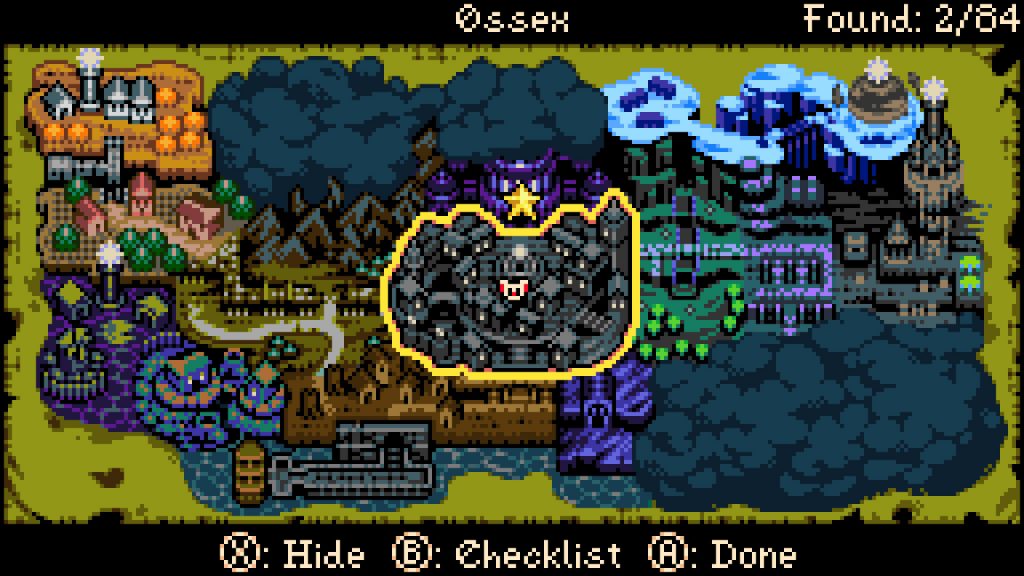
The Tenebrous Isle setting transforms the Game Boy Color Zelda template through a gothic horror atmosphere. Where the original Link’s Awakening and similar titles operated in vaguely fantasy registers, Mina the Hollower commits fully to gothic horror — dark forests, abandoned manors, supernatural threats, and the specific tonal register of haunted landscapes. The Haunted Mansion influence is visible throughout, giving the exploration a tone that distinguishes it from its inspirations.
This kind of genre-tone reinterpretation is harder than it looks. Many indie projects attempt to combine recognizable design templates with novel aesthetic registers and end up with games that feel like mashups rather than coherent visions. Mina the Hollower avoids this by committing fully to both halves of the equation — the design template is genuinely Game Boy Color Zelda DNA, and the tonal register is genuinely gothic horror, with neither compromising the other.
The Hollowing Mechanic
The most distinctive system in Mina the Hollower is the Hollowing mechanic — protagonist Mina’s ability to burrow into the ground. This isn’t a single-purpose action like a dodge or jump; it’s a foundational system that integrates evasion, movement, jumping, puzzle solving, and secret route discovery into a single coherent mechanic.
The design accomplishment here is integration. Many action-adventure games have multiple movement abilities that exist in parallel — dodge for combat, climbing for traversal, and special abilities for puzzles. Mina the Hollower unifies all of these functions into the Hollowing system, creating a movement language that’s simultaneously the combat system, traversal system, exploration system, and puzzle system. That kind of unification produces gameplay coherence that more system-separated approaches can’t achieve.
RPG Site and Shacknews specifically compared the resulting world design to FromSoftware’s Elden Ring rather than to traditional Game Boy Color action structures. The comparison reflects how the Hollowing system enables interconnection — the same mechanic that lets Mina dodge an attack also lets her access hidden paths, solve environmental puzzles, and discover secret content. This produces a world design where exploration and combat exist in a continuous relationship rather than as separate gameplay modes.
This kind of mechanical integration is exactly what distinguishes great action-adventure games from good ones. The verbs in your control are the language of your relationship with the game world. When those verbs do single tasks, the world feels segmented into different gameplay categories. When the verbs serve multiple purposes coherently, the world feels unified, and discoveries feel meaningful regardless of which category they occur in.
The accessibility options are also worth highlighting. The game offers invincibility mode, fall damage deactivation, enemy health adjustment, and various other difficulty modifications. This isn’t a compromise of design integrity — it’s recognition that the game’s audience includes players with different skill levels and that all of them deserve to experience what Mina the Hollower offers. Modern accessibility approach embedded in a game with serious craft commitments demonstrates that these values can coexist.
Sound Design and the Yuzo Koshiro Collaboration
Music is a central strength of Mina the Hollower. Jake Kaufman, the Shovel Knight series composer, handles the main soundtrack — bringing his proven chiptune-influenced compositional sensibility to the new project. Beyond Kaufman’s work, the game features two guest tracks by Yuzo Koshiro — the Japanese video game music legend known for Streets of Rage, the Ys series, and decades of formative game soundtrack work.
The Koshiro collaboration is meaningful beyond celebrity association. Koshiro represents a specific lineage of video game music — the technical mastery of constrained sound hardware (the era of Mega Drive, NES, PC-Engine) — that’s directly relevant to Mina the Hollower‘s retro-modern aesthetic positioning. Having him contribute to this project connects it to the historical tradition the game is drawing from, while also signaling that Yacht Club Games has the industry standing to attract collaborators of this caliber.
International reviewers have described the soundtrack with phrases like “music that doesn’t easily leave your head” and “melancholy and threatening but strangely cozy.” These reactions identify something important about the tonal balance the music achieves. Pure gothic horror music would be relentlessly oppressive; pure cozy indie music would undercut the gothic atmosphere. The soundtrack walks the line between both registers, supporting the gameplay’s combination of dark exploration and approachable mechanical satisfaction.
In combat, fast-tempo music amplifies tension. In exploration, the gothic fantasy atmosphere effectively elevates the moody register. This tonal flexibility lets the music actively support the gameplay state rather than imposing a single emotional register across different play contexts.
The Multi-Platform Launch Strategy
The simultaneous launch across PS5, Xbox Series X|S, Nintendo Switch (and Switch 2), PC (Steam, GOG, Humble Store), Mac, and Linux represents one of the most aggressive multi-platform indie launches in recent memory. This kind of broad availability requires substantial publishing infrastructure that smaller indie studios typically can’t access — and the fact that Yacht Club self-published across all these platforms reflects their accumulated capabilities from years of Shovel Knight distribution.
The $19.99 price point is also strategic. It’s accessible enough to encourage impulse purchase from the Metacritic-driven curiosity audience while being meaningful enough that strong sales translate to real revenue. Many similarly-positioned indie games launch at higher price points and struggle to convert critical attention into commercial success. Yacht Club Games’ pricing decision appears calibrated to maximize the sales velocity that drives Steam’s algorithmic promotion.
The Switch 2 inclusion specifically is noteworthy. Mina the Hollower arrives at a moment when Switch 2 is still building its software library, making strong indie releases especially valuable to early adopters of the new platform. Launching simultaneously across Switch 1 and Switch 2 ensures Yacht Club captures both audiences without the staggered release pattern that fragments potential sales.
How the Press Has Read It
The 92-93 Metacritic score is the headline number, but the qualitative reception reveals more about what’s resonating. Coverage has consistently emphasized several themes.
Gamereactor‘s description of the visual achievement as “an overclocked Game Boy Color game” with “unbelievable detail and personality within limited pixel style” captures the technical-aesthetic accomplishment that distinguishes the work.
RPG Site and Shacknews‘ framing of the world design as closer to Elden Ring than to traditional Zelda comparisons identifies the modern design ambition embedded in the retro aesthetic.
International reviewer comments about the soundtrack (“music that doesn’t easily leave your head”) and the overall tonal balance (“melancholy and threatening but strangely cozy”) capture how the project succeeds across multiple emotional registers simultaneously.
The collective effect is that Mina the Hollower is being received not as a successful retro indie game, but as a genuinely excellent modern action-adventure that happens to use retro aesthetic vocabulary. That distinction matters significantly — many retro indie games are evaluated within their genre constraints, while Mina the Hollower is being evaluated against the broader contemporary action-adventure space and winning.
User Response
The Steam Overwhelmingly Positive rating across thousands of reviews aligns with the critical reception. Player commentary has emphasized several specific strengths: the elaborate pixel art, the gothic worldview, the satisfying action combat, and the exploration enabled by the Hollowing mechanic.
The most resonant user framing has been “Game Boy Color era Zelda reinterpreted for the modern era” and “ideal balance between retro sensibility and modern design.” These framings position Mina the Hollower exactly where its design intent placed it — as a project that honors the past while transcending it.
Many users have noted that Yacht Club Games has produced “another signature work alongside Shovel Knight” — recognition that the studio has successfully avoided the one-hit-wonder fate that haunts many breakthrough indie developers. That kind of cross-project reputation is what sustains studios across multiple releases, and Mina the Hollower clearly establishes Yacht Club’s position as a multi-success studio rather than a Shovel Knight specialist.
Who This Is For
Strong fit for: Shovel Knight fans who’ve been waiting for Yacht Club’s next major project; Link’s Awakening and Game Boy Color Zelda enthusiasts looking for modernized variations; gothic horror fans seeking action-adventure rather than survival-horror experiences; pixel art enthusiasts who appreciate craft-intensive retro aesthetics; action-adventure fans seeking high-quality contemporary releases; anyone curious about why a game is currently the highest-rated of 2026.
Cautious fit for: players who specifically prefer a fully 3D modern presentation over pixel art aesthetics; anyone who finds gothic atmospheres oppressive rather than atmospheric.
Less ideal for: players uninterested in retro-styled games regardless of execution quality; anyone seeking pure horror experiences rather than action-adventure with a gothic atmosphere; players who avoid mid-priced indie purchases.
What to Watch For
Several questions will shape Mina the Hollower‘s trajectory across the rest of 2026 and beyond.
The first is whether the commercial sales trajectory continues converting critical acclaim into purchases. Velasco’s stated 1 million copies sold target is achievable based on early trajectory, but maintaining sales velocity across the post-launch period determines whether the studio reaches that target or falls short.
The second is post-launch content support. Yacht Club Games’ track record with Shovel Knight included substantial post-launch content expansions that extended the property’s commercial life across years. Whether Mina the Hollower receives similar expansion treatment will significantly affect its long-term commercial impact.
The third is the cross-platform sales distribution. The aggressive multi-platform launch creates the potential for substantial sales across multiple ecosystems, but also fragments the audience’s attention. How sales distribute across PC, PlayStation, Xbox, and Switch will reveal interesting patterns about contemporary indie market dynamics.
The fourth is awards season positioning. With a 92-93 Metacritic score already established as 2026’s highest, Mina the Hollower is positioned strongly for end-of-year awards consideration. Whether it converts the early critical momentum into Game Awards nominations, Steam Awards consideration, and other recognition will affect the game’s permanent industry standing.
The Takeaway
Mina the Hollower is one of the most genuinely accomplished indie releases in recent memory — a project where four years of focused development, accumulated studio expertise, and considered design choices have combined into a game that earns its critical reception and commercial momentum.
The studio’s “make or break” framing has resolved decisively in the make direction. Yacht Club Games has demonstrated they can produce another major commercial and critical success beyond Shovel Knight, securing their continued operation and establishing the path for future ambitious projects. The 1 million copies sold target Velasco articulated looks like a realistic outcome rather than an aspirational stretch.
For players, this is a clear recommendation regardless of whether you’re a Yacht Club Games existing fan. The 92-93 Metacritic average reflects genuine quality across critical perspectives, and the gothic horror reinterpretation of Game Boy Color Zelda design offers something genuinely fresh within familiar grammatical structures. The $19.99 price point makes this exceptionally good value for the quality on offer.
For the broader indie scene, Mina the Hollower serves as proof of several important propositions. That breakthrough indie studios can produce sustained excellence across multiple major projects. That serious craft investment over multi-year development cycles can pay off commercially and critically. That retro aesthetic vocabulary can serve genuinely contemporary design ambitions. Self-published multi-platform launches can compete with major studio releases at the highest critical levels.
Beyond all the strategic and contextual considerations, Mina the Hollower succeeds because it’s genuinely excellent — a craft-intensive action adventure that uses every system in service of a coherent vision. The Hollowing mechanic. The gothic horror atmosphere. The Kaufman and Koshiro soundtrack. The world design integrates exploration and combat. The accessibility options welcome players across skill levels. All of it adds up to a game that respects its players’ time and intelligence while delivering the satisfaction that action-adventure games at their best provide.
A cursed island called Tenebrous Isle. A protagonist named Mina who can burrow into the ground. A four-year development cycle that became the make-or-break moment for one of indie’s most respected studios. As stories of indie development go, Mina, the Hollower’s is one of 2026’s most satisfying — and the game itself, currently sitting at the top of the year’s Metacritic standings, delivers everything that the story promised.
Welcome to Tenebrous Isle. The gothic horror awaits. And Yacht Club Games has very clearly stuck the landing.
Information regarding ‘Mina the Hollower’
| item | detail |
|---|---|
| Developer / Publisher | Yacht Club Games |
| Genre | Top-down Action Adventure / Gothic Horror / Indie |
| Release platform | PS5 / Xbox Series X|S / Nintendo Switch·Switch 2 / PC (Steam·GOG·Humble Store) / Mac·Linux |
| Release date | May 29, 2026 |
| price | $19.99 |
| Metacritic | 92~93 points (Highest rated game of 2026) |
| Steam first day sales | 55,000+ copies (console not included) |
| Kickstarter | raised approximately $1.2 million in 2022 |
| Soundtrack | Composed by Jake Kaufman + 2 guest tracks by Yuzo Koshiro |
| inspiration | Game Boy Color Zelda / Castlevania / FromSoftware RPG / Haunted Mansion |
| Development period | About 4 years (2022~2026) |
| Main Keywords | Gothic horror, pixel art, top-down, hollowing, Shovel Knight sequel, Game Boy vibe |
| Official Website | minathehollower.com |
| Steam Page | Shortcut |