The concept communicates in four seconds of video: wet sand, fingers pressing it into walls, waves coming in, the structure holding or not holding. Sandcastle from Luxembourg’s Bubblebird Studio (Fabien Weibel) has accumulated 165,000 Steam wishlists and 4.5 million Instagram views before its first playable demo exists. August 6 is when the demo arrives.
The numbers explain themselves through the concept’s specific nature. Sand castle building is a universal childhood experience — culturally accessible regardless of gaming history, immediately nostalgic, and visually distinctive in a gaming landscape where the specific tactile pleasure of wet sand packing into shapes has never been convincingly simulated. The social media spread reflects discovery through visual content that immediately communicates what the game is: people watching clips of sand walls being constructed and waves being managed recognize the experience before any explanatory text is needed.
The Physics Simulation as Product
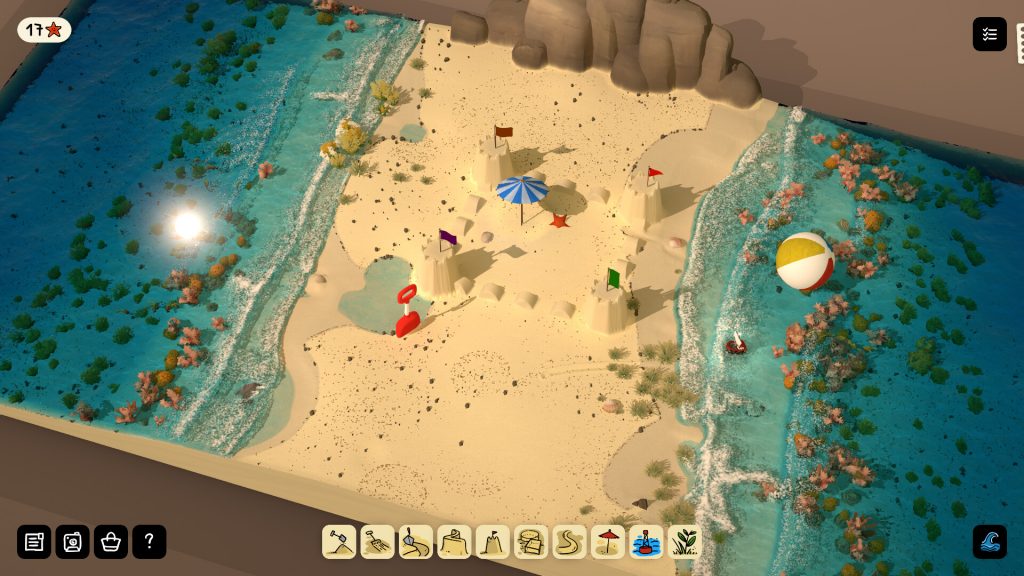
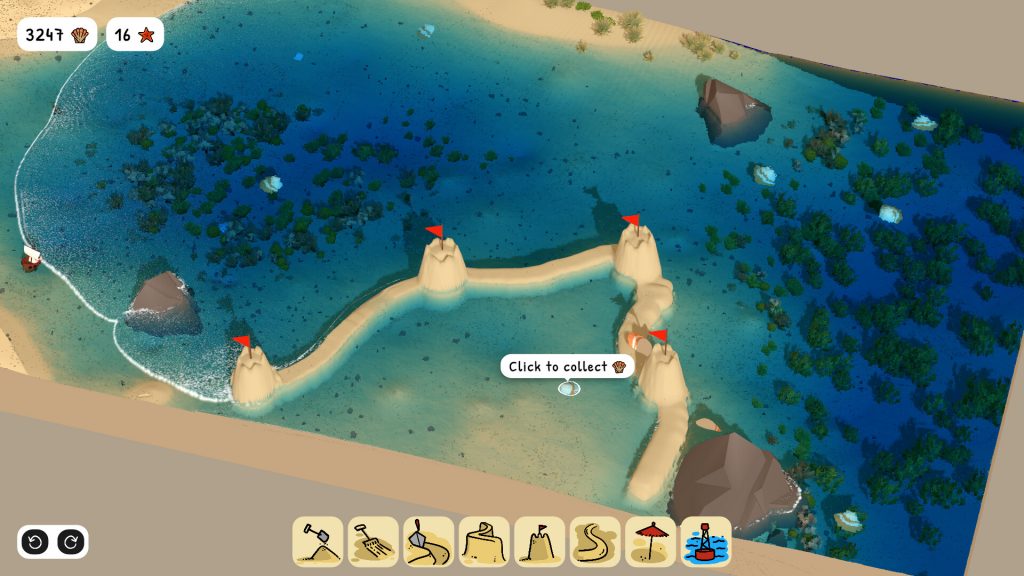
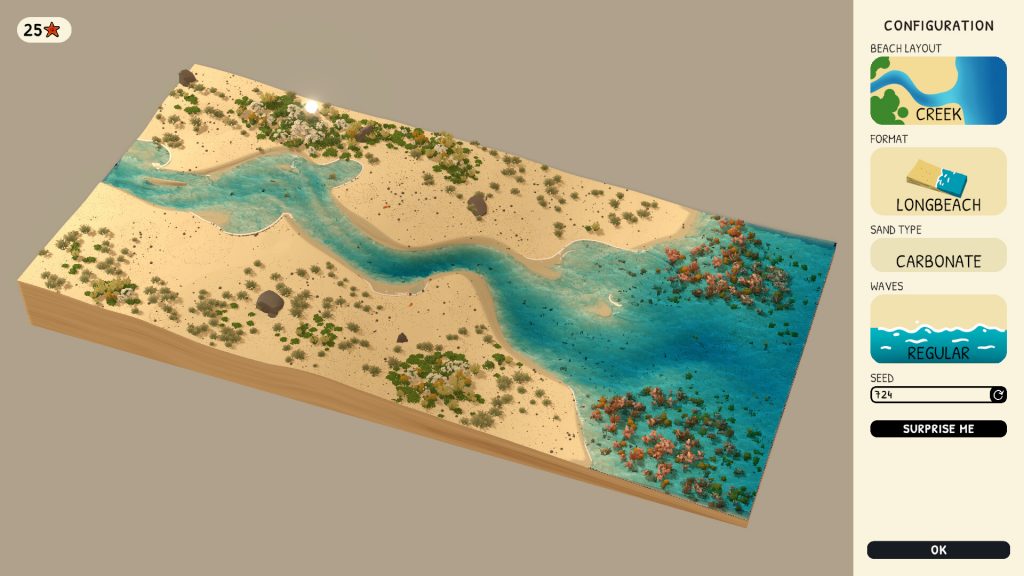
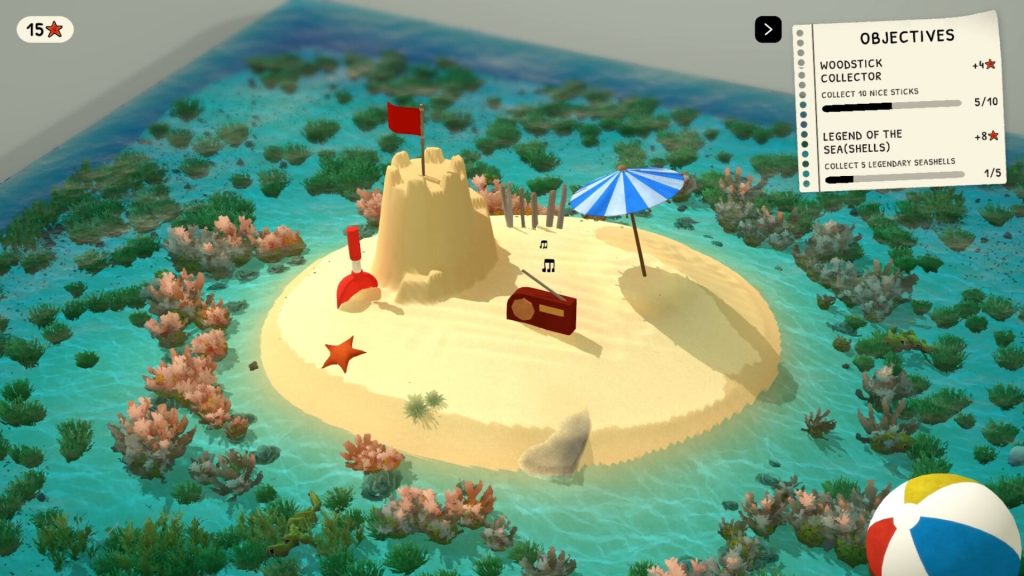
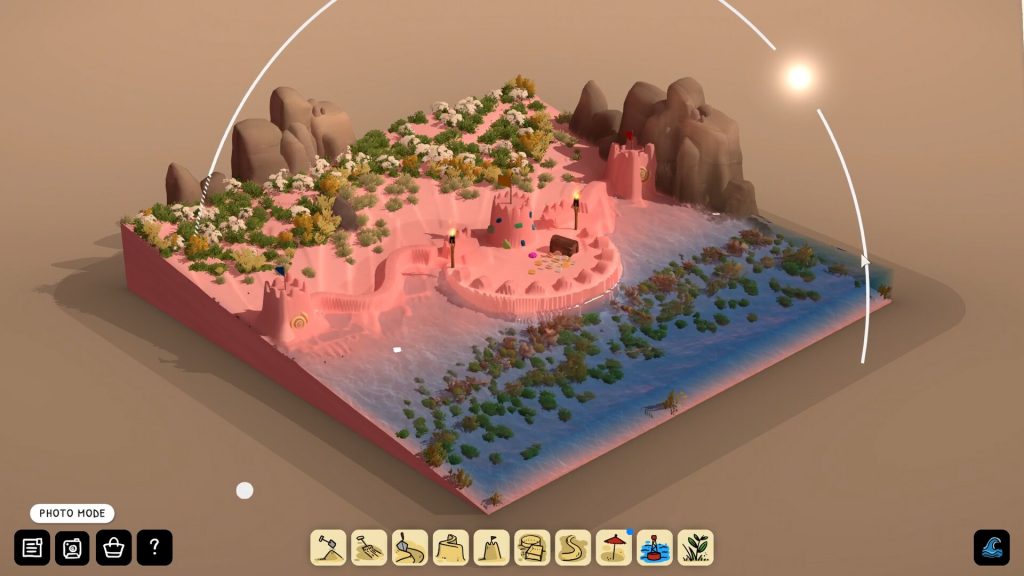
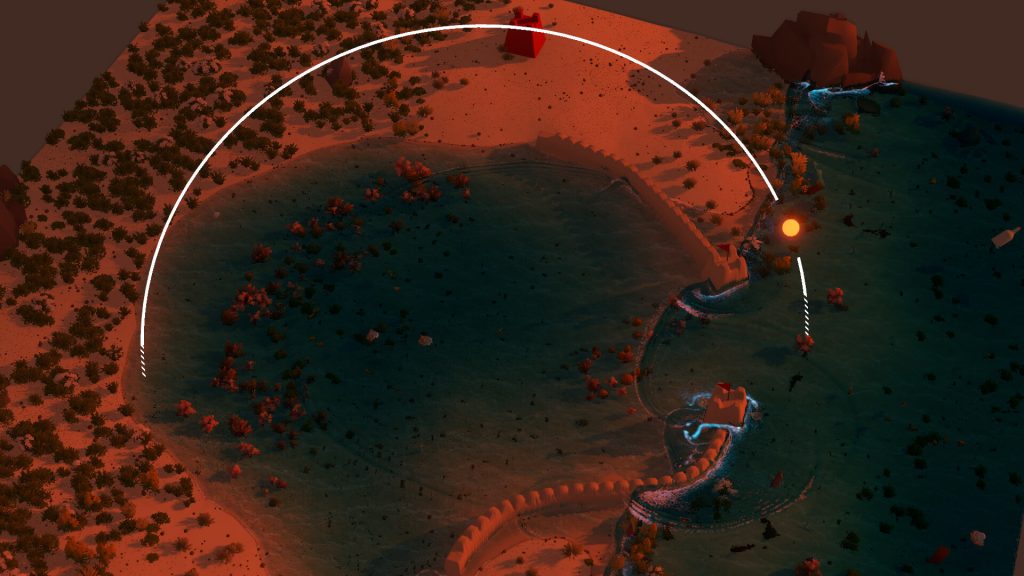
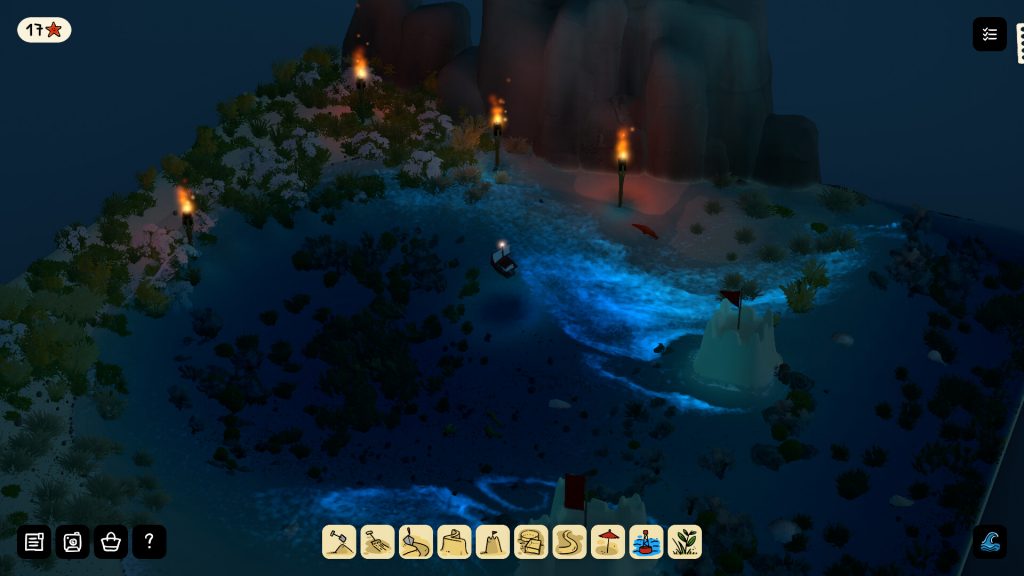
The distinguishing feature of Sandcastle compared to other cozy building games is the physics simulation’s specificity. Generic building games let you place blocks in predetermined shapes; Sandcastle apparently simulates how wet sand actually behaves — how it stacks, how water infiltrates it, how wave impact erodes specific points, how the structure’s geometry affects its water resistance.
This physics specificity is what makes Sandcastle feel different from aesthetic building games in the same way that Kerbal Space Program felt different from other space games: the simulation is doing genuine work rather than approximating the impression of the activity. Players who build a sand castle in Sandcastle are presumably making real decisions about structural integrity, drainage, and wave management that affect whether their specific construction survives the tide — not just placing decorative pieces.
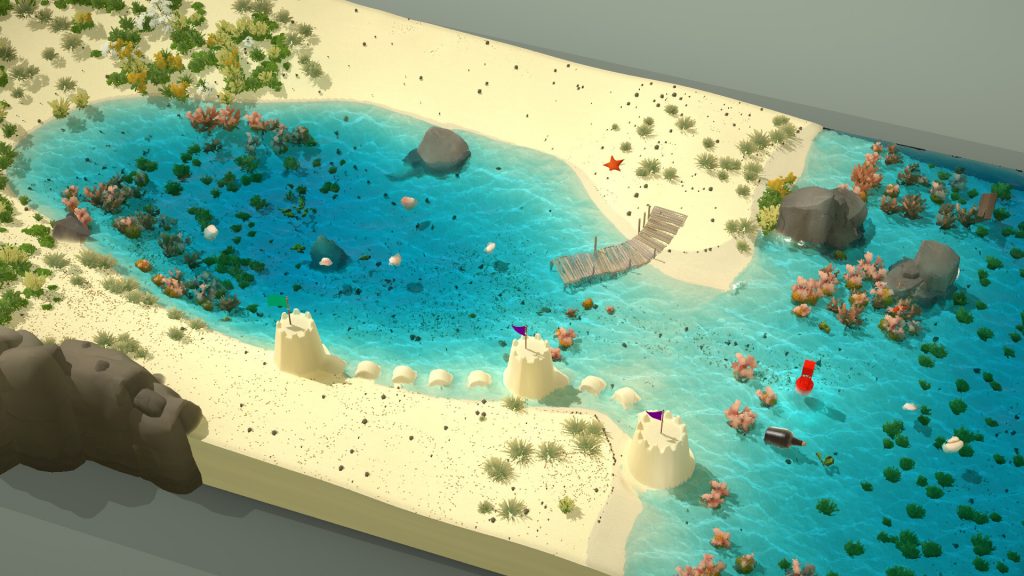
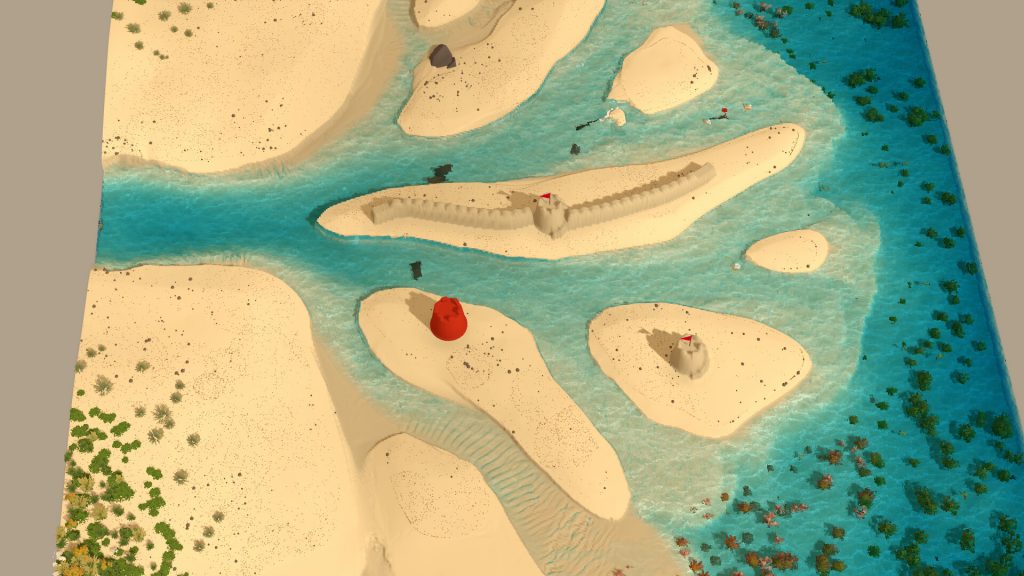
The 10 distinct beach environments — lagoon, island, sand breakwater, delta and others — provide different physics contexts rather than just visual variety. A lagoon with protected water behaves differently than an open beach with direct wave exposure; a delta with multiple water channels creates different drainage management challenges than a single shoreline. The game’s physics simulation needs to express these differences meaningfully for the environmental variety to be more than aesthetic.
The No-Timer Design
Fabien Weibel’s explicit decision to exclude competitive or time pressure elements — no tower defense, no score competition, no deadline — is the same design commitment that I Know a Spot (covered earlier this month) made with its camping simulator. The only time pressure is the natural tide cycle, which is itself a physics event rather than an externally imposed game mechanic.
This positions Sandcastle in the meditation-adjacent cozy game space where the experience of being absorbed in a creative activity is the product rather than the performance of that activity against external standards. The player building a sand castle in Sandcastle is not being evaluated; they’re playing in the same way that actual beach sand castle building is played — absorbed in the specific sensory and creative pleasure of the activity itself.
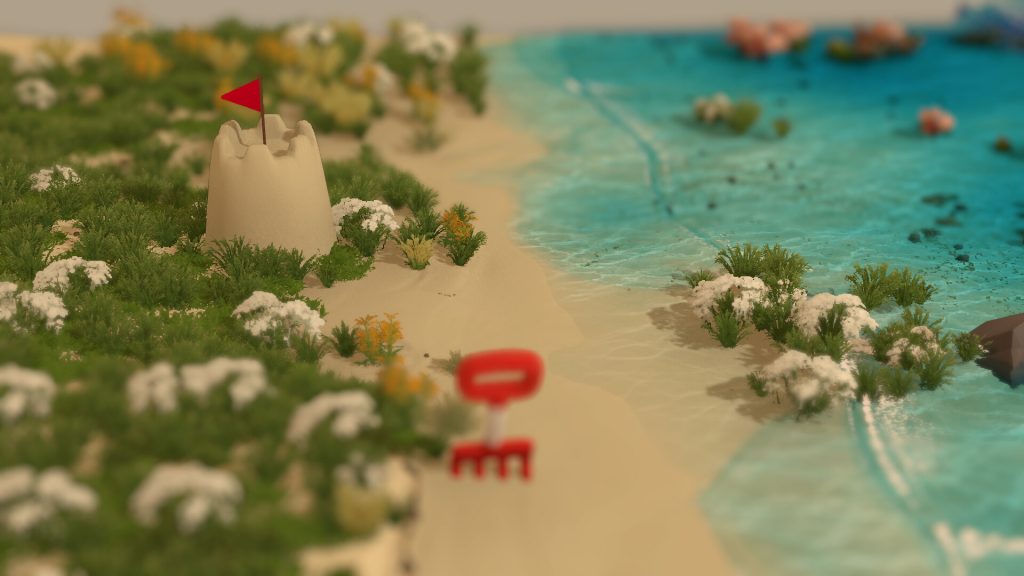
The warm tropical color palette, the ambient wave sounds, and the “sunshine” that the game describes as the only pressure alongside tidal cycles create a complete sensory environment for this meditative state. Sandcastle is explicitly not trying to be exciting; it’s trying to be absorbing.
The Bubblebird Studio Track Record
Fabien Weibel’s previous releases — Haven Park (a cozy adventure about tending a campsite) and Trackline Express (train building with tower defense elements) — establish a developer comfortable across different genre combinations while maintaining consistent tonal identity around relaxed, non-punishing engagement. The pivot from Haven Park‘s character-driven adventure to Trackline Express‘s mechanical strategy to Sandcastle‘s physics simulation suggests a developer exploring different forms of the same underlying question: what does low-pressure interactive creative engagement feel like in different contexts?
The Future Friends Games publishing partnership appears again — this is the same publisher handling Sunset Summit (the Fender brothers’ climbing game, also covered today). Future Friends’ catalog consistently features games with specific aesthetic and tonal identities over genre convention executions; Sandcastle‘s identity as a physics-simulated beach building meditation is a natural fit.
The Social Media Discovery Pattern
450 million Instagram views and 165,000 wishlists before a demo exists is the specific viral pattern that cozy simulation games with distinctive visual identities can achieve when their concept communicates through short video content. The sand-building footage presumably shows sand behavior that viewers immediately recognize as more physically real than they expected from a game, which produces the “I didn’t know this existed, and I need it” response that drives wishlist additions without extensive information processing.
This is a different discovery pathway than games that build audiences through Steam Next Fest demos or festival selections. Sandcastle built its audience through content that showed what the experience feels like before players could try it, which creates a wishlist audience that has seen the specific visual and physical qualities they’re interested in rather than an audience that responded to a concept description.
The Ocean Fest participation and the developer’s Discord transparency about ongoing development (new tools, collection elements, features being added) is the community maintenance layer that keeps the wishlist audience engaged between initial discovery and eventual demo/release.
Who This Is For
Strong fit for: cozy game players who specifically want physics-based creative building over strategic construction; players who built sand castles as children and want the digital version of that specific activity; Tiny Glade and I Know a Spot fans who want outdoor natural environment building without mechanical pressure; Instagram and social media players who saw the footage and wishilsted it — you’re the core audience; players who want meditative absorption in creative activity rather than accomplishment against external standards; Future Friends Games catalog followers.
Cautious fit for: players who specifically need objectives or competition to feel engaged with building games; anyone who wants the strategic depth of tower defense alongside the beach setting; players who want the demo to be available before adding to their wishlist.
Less ideal for: players who find physics simulation games over-complex for their cozy game preferences; anyone who wants narrative or character-driven content alongside the building; players seeking multiplayer options.
What to Watch For
The August 6 demo will answer the critical question that 165,000 wishlists can’t: does the physics simulation produce the specific tactile engagement that the social media content implies? Sandcastle building is a sensory experience; whether Sandcastle‘s simulation communicates the sensation of wet sand packing and wave pressure through mouse/keyboard controls on a monitor is the verification that video content can suggest, but only hands-on play confirms.
The 10-environment variety’s impact on gameplay will also begin to emerge from the demo. If the lagoon and the delta genuinely require different structural approaches rather than just providing different visual backdrops, the game has meaningful content depth; if the physics behaves similarly regardless of environment, the variety is primarily aesthetic.
The Takeaway
Sandcastle is the rare pre-demo game that has already proven its concept’s visual appeal through social media virality before players can evaluate its actual quality. The 165,000 wishlists and 4.5 million views are real commercial signals, but they’re signals about the concept rather than the execution. August 6 is when the concept becomes evaluable — when players discover whether the physics simulation delivers the specific meditative engagement that wet-sand video content implies.
Fabien Weibel has made two games with distinct identities that found their audiences. Sandcastle has already found a much larger potential audience than either of its previous releases before launch. Whether the game lives up to what those 165,000 players wishlisted will determine if the viral discovery translates into the kind of reception that sustains a game’s community past the initial excitement.
The tide is coming in. The sand is wet. The walls need building before the water arrives. No timer. No score. Just the waves and what you make before they reach you.
Demo: August 6. Full release: 2026. The sand is ready.
Information regarding ‘Sandcastle’
| item | detail |
|---|---|
| Developer | Bubblebird Studio (Fabien Weibel, Solo Developer, Luxembourg) |
| Publisher | Future Friends Games |
| Genre | Casual Sandbox / Relaxing Simulation |
| Release platform | PC (Steam) |
| Demo release date | August 6, 2026 |
| Official release date | By 2026 (undetermined) |
| Content composition | 10 types of beach terrain, physics-based sand and water simulation |
| Developer’s previous work | Haven Park, Trackline Express |
| Steam Wishlist | Over 165,000 cases |
| SNS reactions | Over 4.5 million cumulative views on Instagram |
| Steam rating | Pre-counting (Upcoming Releases) |
| Official Channel | Official Website, Discord, X, Instagram, TikTok, Bluesky |
| Steam Page | Shortcut |