Every lich was once something else. The memory of what that was is gone. What remains is the form and the drive — and the knowledge that the throne of the Lich Lord can only be held by one, which means every other lich is simultaneously a potential ally and a necessary obstacle.
Lich Lords from RE:CODE opens its public playtest on Steam with a premise built around the specific competitive logic of undead political existence: survival is winning the cycle, but the cycle always begins again. A new challenger will always come. The throne is permanent; the tenure is not.
RE:CODE previously released The Backrooms: Survival, establishing the studio’s interest in roguelite-adjacent survival experiences with a specific atmospheric identity. Lich Lords represents a significant scope expansion — from the liminal horror of the Backrooms to a full dark fantasy action RPG system with soulslike combat, procedural dungeons, companion recruitment, and multiplayer invasion mechanics.
The Core Loop
The dungeon structure places players among many liches all pursuing the same objective: survive the deepest levels and claim the throne. This framing creates an unusual roguelite context because the competition isn’t just against the dungeon’s environmental and monster threats — it’s against other liches whose ambitions directly conflict with yours.
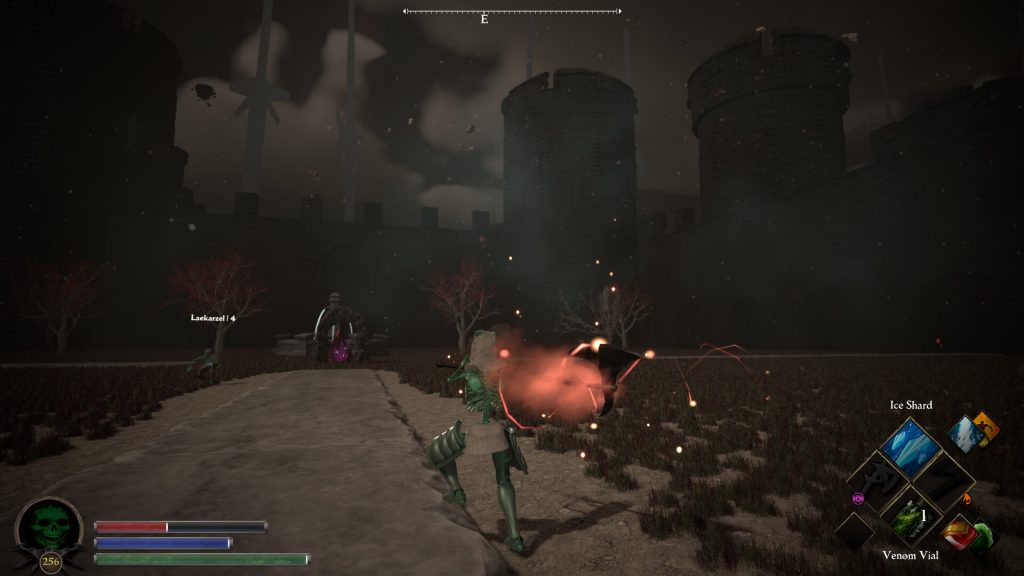
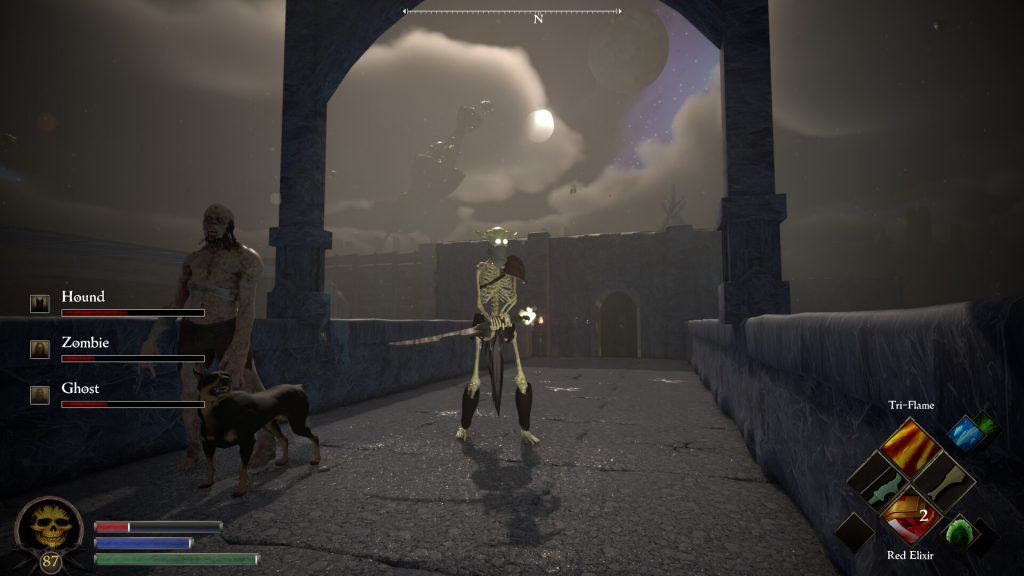
The soulslike combat foundation — tense, deliberate, with the specific rhythm of reading enemy patterns and finding safe windows — provides the baseline difficulty that makes the dungeon feel genuinely dangerous rather than procedurally generated obstacle space. Hack-and-slash action RPG tempo alongside the soulslike precision creates a hybrid that presumably allows faster-paced engagement than pure soulslike games while retaining meaningful difficulty from careful combat design.
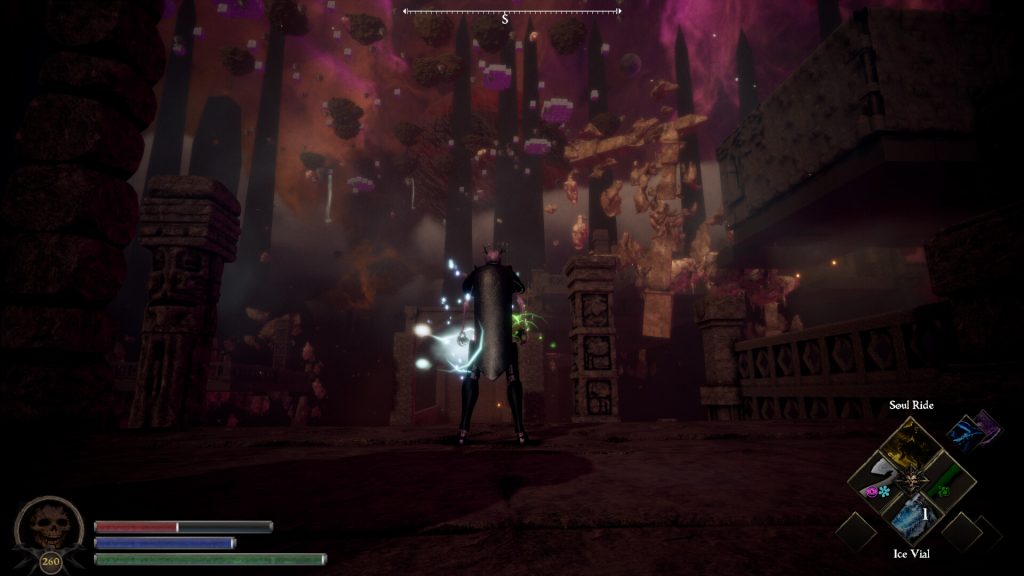
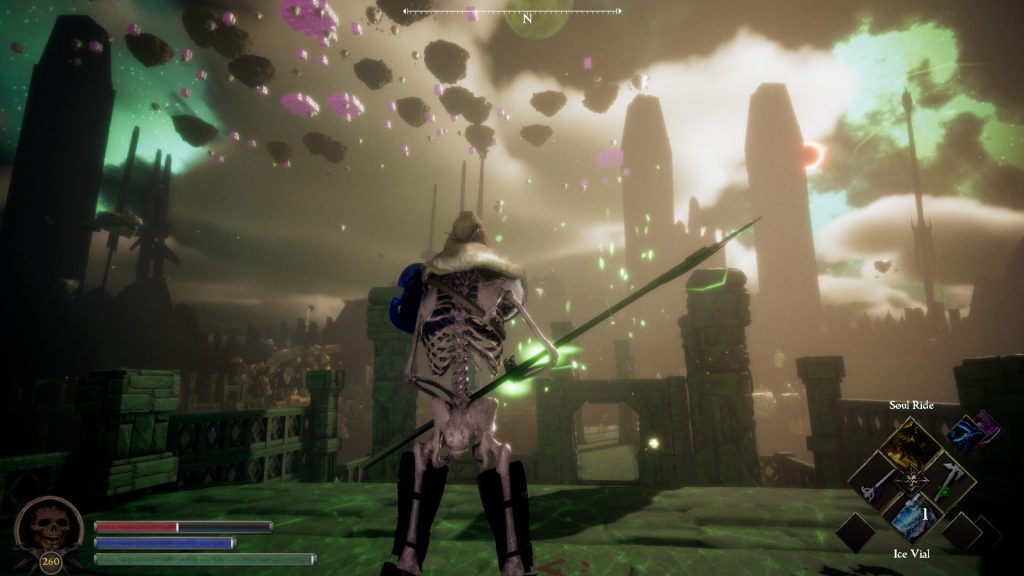
Procedural dungeon generation across gothic architecture, ancient ruins, and plant-overgrown city environments provides the run-to-run environmental variety that prevents the dungeon from becoming a memorized route. Each descent encounters a different spatial configuration within the consistent aesthetic identity of the dark fantasy world.
Companion recruitment — prisoners, ghouls, ghosts, animals encountered during dungeon exploration — adds the social dimension that most dungeon crawlers handle through party composition screens. Finding and convincing companions during the run, rather than selecting them before, makes the party an emergent consequence of exploration rather than a pre-planned build.
The PvP Invasion System
The soulslike-inspired invasion mechanic is the feature that most specifically defines Lich Lords’ competitive vision. Players can enter other players’ dungeon runs as cooperators or as hostile invaders attempting to interfere with the host’s progress. This is the Dark Souls multiplayer architecture applied to a roguelite dungeon crawler — the specific anxiety of knowing that another player might appear in your run at any moment.
For dungeon crawlers specifically, invasion creates a threat category that procedural generation alone can’t replicate: another thinking player who is specifically motivated to end your run. Monster AI follows patterns that can be learned; a player invader improvises based on your specific situation. The unpredictability is total rather than merely procedurally varied.
The same system allows cooperative play — entering another player’s run to assist rather than obstruct. The dual nature of the invasion system means the same mechanic that creates the most stressful encounters also enables the most helpful ones.
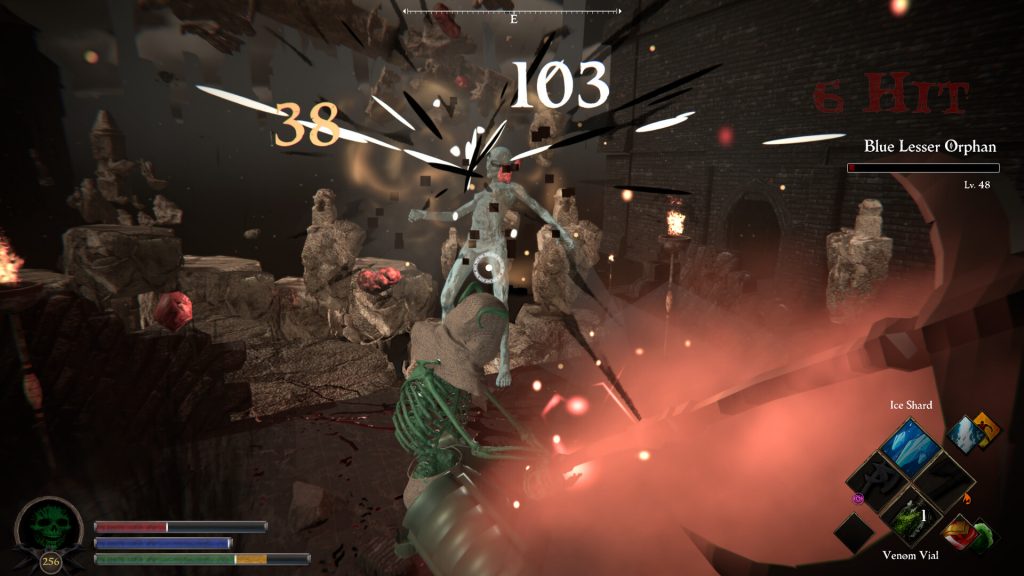
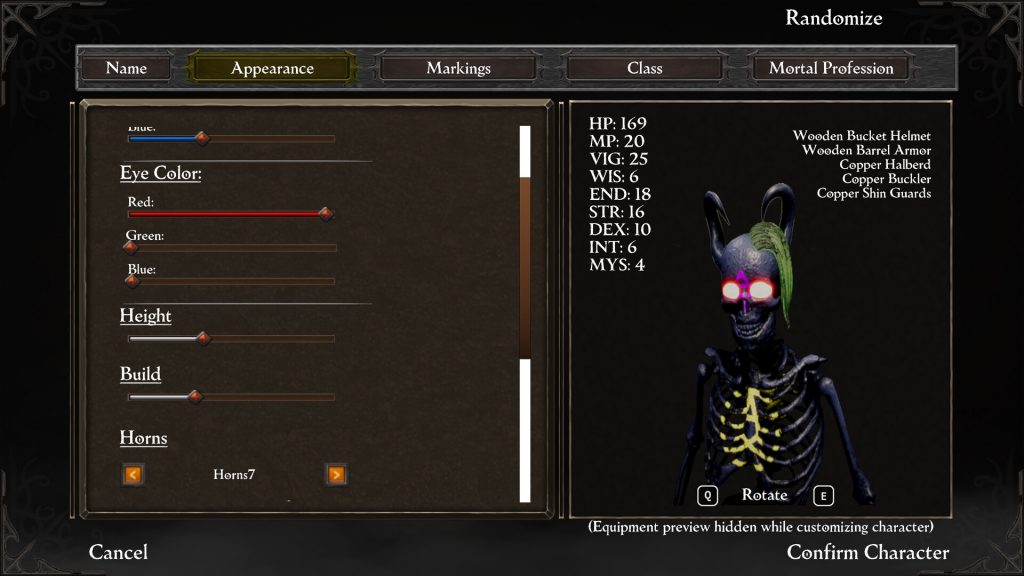
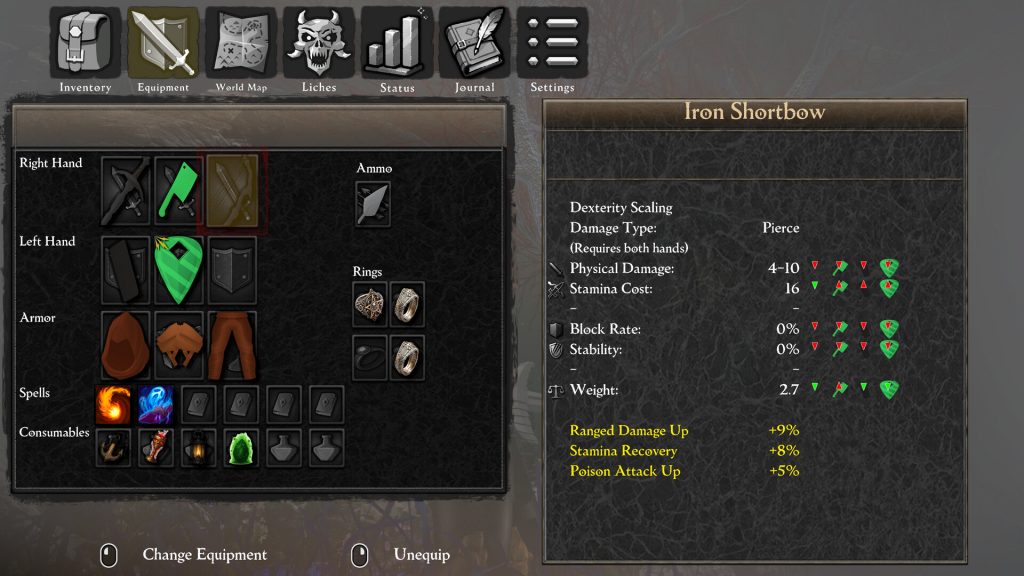
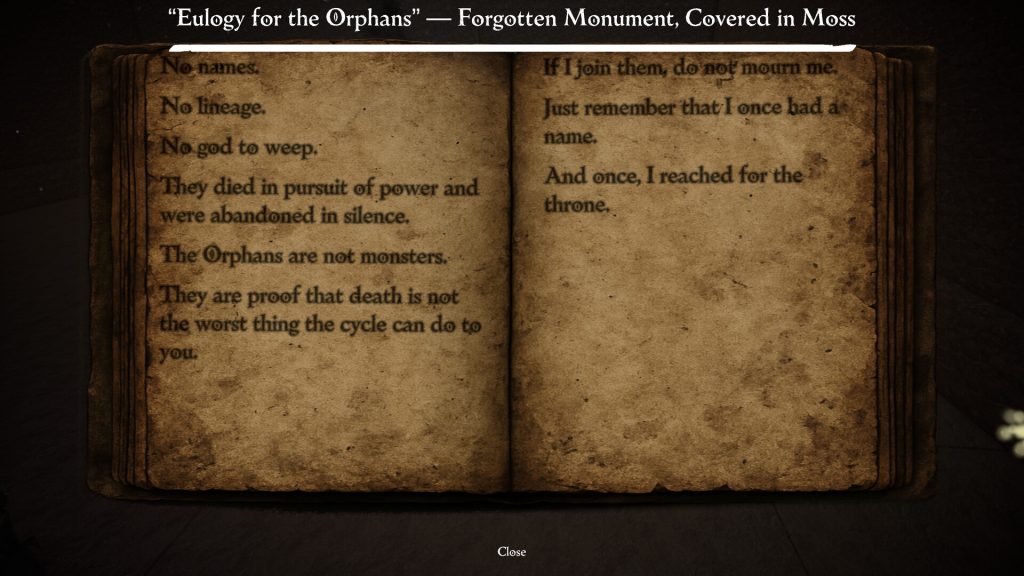
The Campaign Customization
The ability to change campaign settings each run — adjusting the number of opposing liches, their damage multipliers, and dungeon themes — is the difficulty scaling system that lets players engage at their preferred intensity level. The roguelite structure already provides run-to-run variation through procedural generation; campaign customization adds player-controlled variation in the baseline challenge conditions.
Adjusting the number of competing liches specifically changes the social competitive dynamic of the run. Fewer opposing liches mean the dungeon is more about surviving its environmental threats; more opposing liches mean the political competition is the primary pressure. Different players want different balances of these, and the customization system allows self-selection.
The Real-Time Perspective Switch
Top-down to third-person perspective switching in real-time is a technical flexibility that serves different gameplay needs within the same run. Top-down view provides spatial awareness — seeing the dungeon layout, tracking multiple enemies, understanding the field of engagement. Third-person view provides combat immediacy — the specific visual relationship to the character and enemies that makes soulslike combat feel most legible.
A dungeon exploration game that allows real-time perspective switching lets players use whichever view serves their current need: top-down for navigation and enemy approach, third-person for the actual combat engagement. Whether this switching feels natural or disorienting in practice will be one of the playtest evaluations.
The RE:CODE Development Context
RE:CODE’s The Backrooms: Survival established the studio’s capability with atmospheric survival horror in a roguelite structure. The design ambitions of Lich Lords — soulslike combat, PvP invasion, companion systems, procedural dungeon generation, multiple endings, real-time perspective switching — are substantially more complex than the Backrooms project’s scope. Whether the studio has grown into these ambitions is what the public playtest is designed to reveal.
The Q4 2026 Early Access target and the planned price increase at full release create a clear development pathway: playtest to refine the current systems, Early Access to expand content while maintaining community engagement, and full release as the complete product. The planned additions (new items, equipment, enemies, dungeon themes, endings, multiplayer content) suggest the current playtest build is demonstrating the core systems rather than the full intended scope.
Who Is This For
Strong fit for: soulslike enthusiasts who want the genre’s tense combat in a roguelite dungeon crawler format; players who specifically enjoy PvP invasion mechanics and want them in a dark fantasy context; fans of dark fantasy aesthetic registers (gothic architecture, body horror, ancient ruins); players who want run customization to control their baseline challenge level; Early Access participants who want to engage with development iteration; RE:CODE’s existing The Backrooms: Survival player community.
Cautious fit for: players who find PvP invasion mechanics in cooperative-adjacent games frustrating rather than exciting; soulslike players who want handcrafted level design over procedural dungeons; anyone who needs a finished game before engaging.
Less ideal for: players who dislike gothic dark fantasy aesthetics; anyone who wants purely cooperative play without PvP elements; players seeking lighter difficulty options.
What to Watch For
The playtest’s primary evaluation is whether the soulslike combat feel is genuinely satisfying in a top-down/third-person dual-perspective dungeon crawler context. Soulslike combat quality is the most difficult thing to get right and the thing the genre audience is most sensitive to when it’s wrong. If the combat timing, feedback, and enemy design produce the specific tense satisfaction that the soulslike label promises, the game’s other systems have a strong foundation to build on.
The PvP invasion balance will be the secondary evaluation. Invasions in soulslike games are enjoyable when they feel like fair PvP encounters within an atmospheric context; they’re frustrating when they feel like griefing mechanics that specifically target players at their most vulnerable moments. Whether RE:CODE has calibrated the invasion system to produce the former rather than the latter will shape the community’s relationship to this feature.
The Takeaway
Lich Lords is an ambitious scope expansion from the studio that made The Backrooms: Survival — a dark fantasy action roguelite dungeon crawler with soulslike combat, procedural gothic dungeons, companion recruitment, campaign customization, and PvP invasion borrowed from the soulslike playbook. The public playtest is the first opportunity for players outside RE:CODE to evaluate whether these ambitions are being realized in play.
The throne is real. The tenure is temporary. And in the dungeon beneath the gothic architecture, another lich is already considering whether your particular run would benefit from a visitor.
Public playtest is open now on Steam.
Information regarding ‘Lich Lords’
| item | detail |
|---|---|
| Developer / Publisher | RE:CODE |
| Genre | Dark Fantasy Soulslike Dungeon Crawler / Action Roguelite |
| Release platform | PC (Steam) |
| Early Access Scheduled Period | 4th quarter of 2026 |
| Official release date | Undecided |
| Play Mode | Single-player, Online Co-op, PvP Invasion |
| Supported languages | english |
| Refer to content rating | Includes dark fantasy adult themes such as gore, mutilation, and violence. |
| Steam rating | Pre-aggregation (Playtest Phase) |
| Reference media | Alpha Beta Gamer |
| Steam Page | Shortcut |