Shinnosuke Kumazawa made Finding Polka for his dog. Not for players first, though players have responded — 100% positive across 33 demo reviews, BitSummit PUNCH recognition in two categories, coverage from Gematsu, Niche Gamer, and MonsterVine. The game was made for Polka, who died before the game could be finished, and whose memory is traced through every footprint the player follows in the fictional town where Frendi and Jazz walk.
The premise is simple. Frendi and his dachshund Jazz are living their ordinary life when Jazz spots a puppy in front of a flower shop that looks exactly like Polka, Frendi’s childhood dog. They follow. They have a map and a destination and the goal of finding Polka. What the journey turns out to be about is something else: the strangers met along the way, the unexpected connections, the small moments that happen in the detours rather than the straight paths.
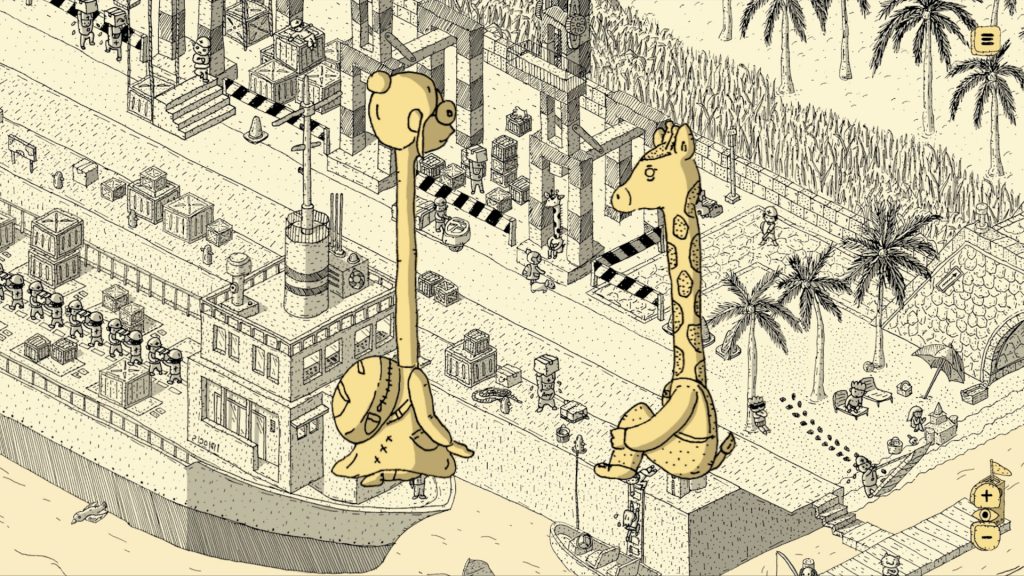
There are no dialogue boxes. No text. Characters communicate through animated expressions, body language, and sound. The tall giraffe with infinite patience. The always-hungry cat. A world of personalities expressed without words.
The Ballpoint Pen Visual Language
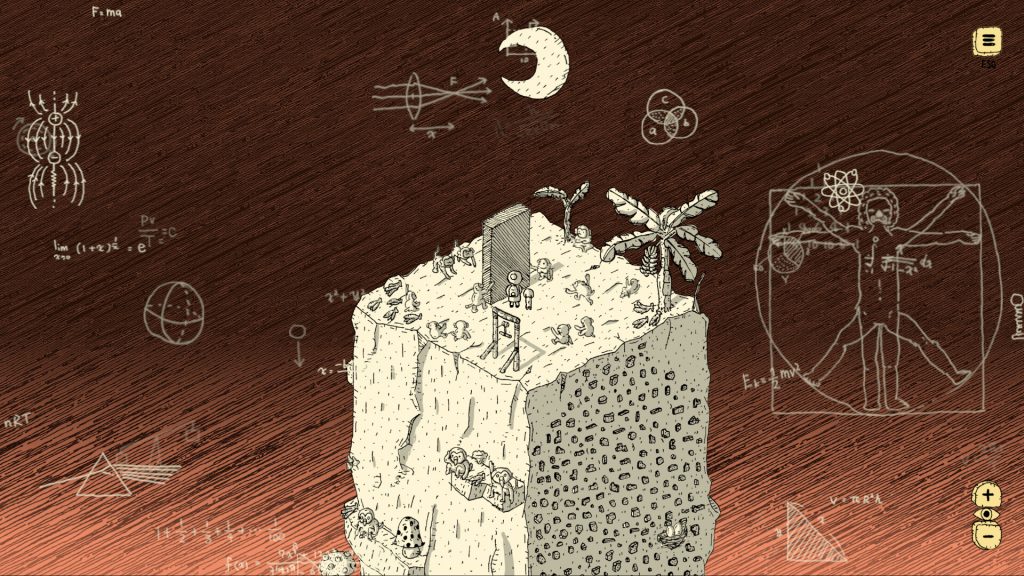
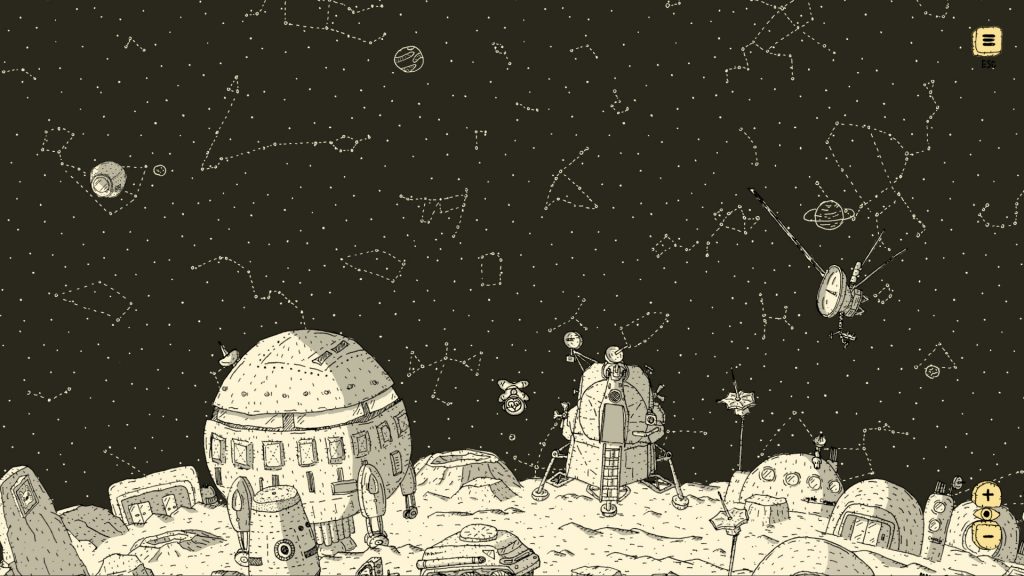
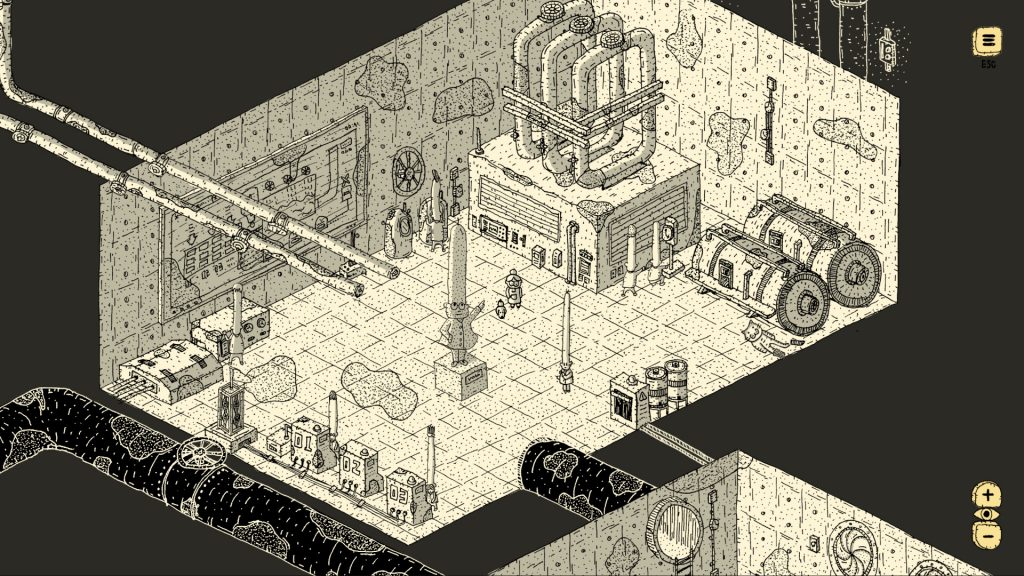
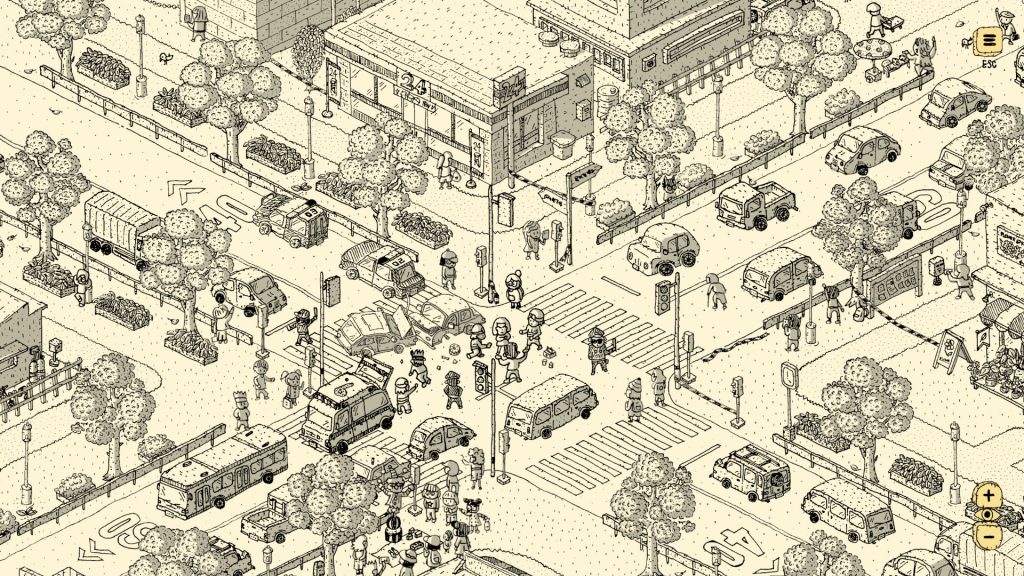
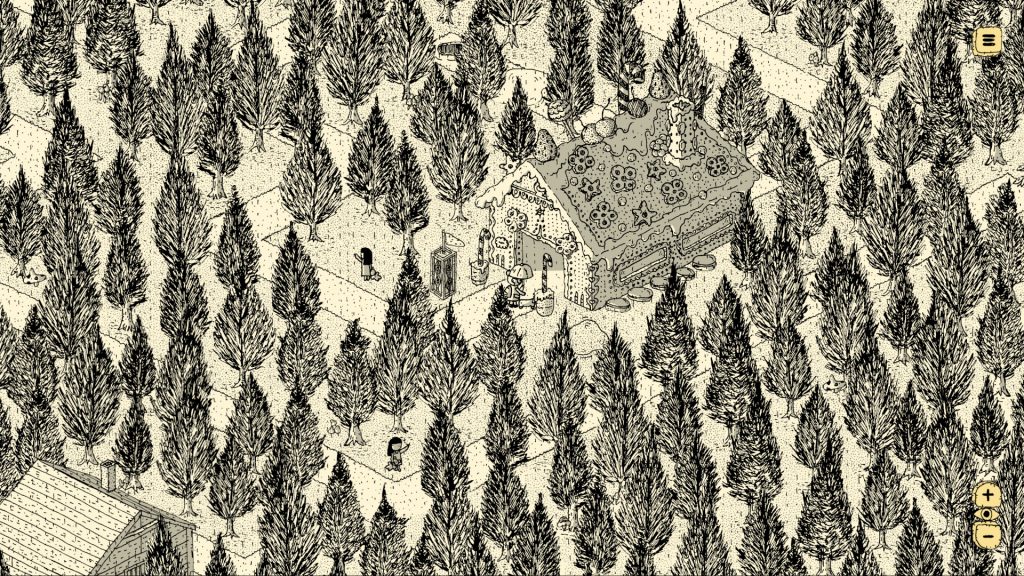
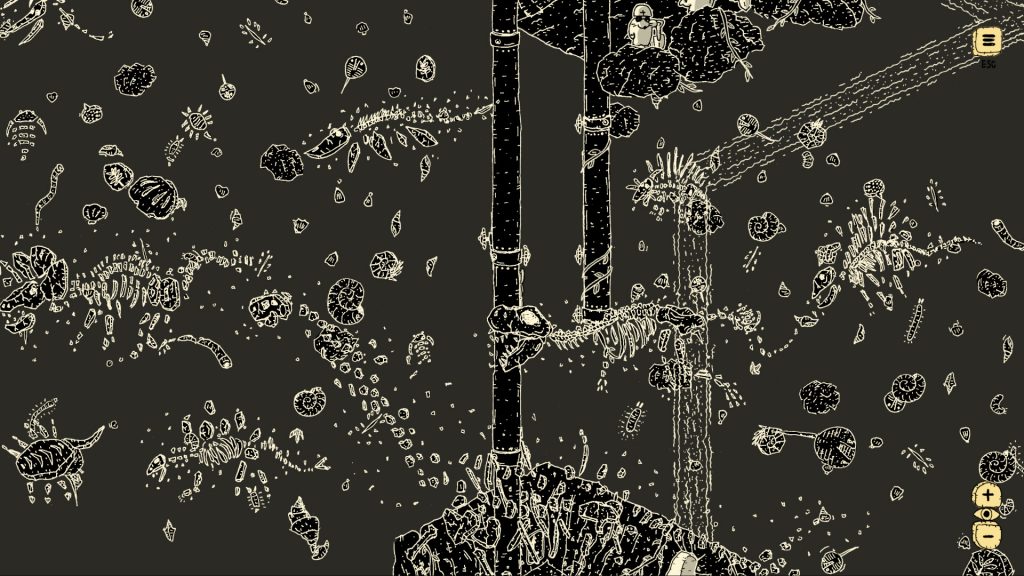
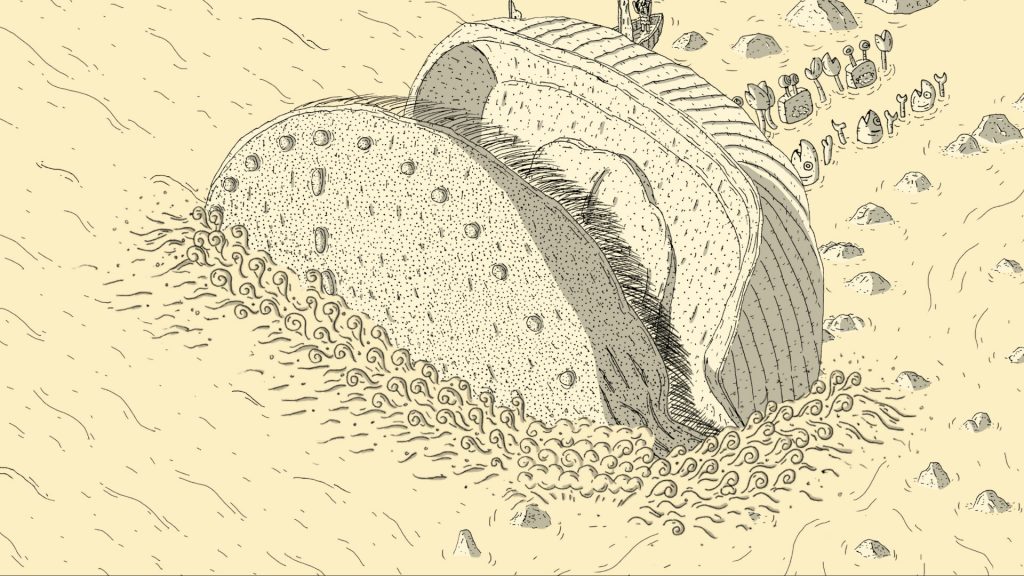
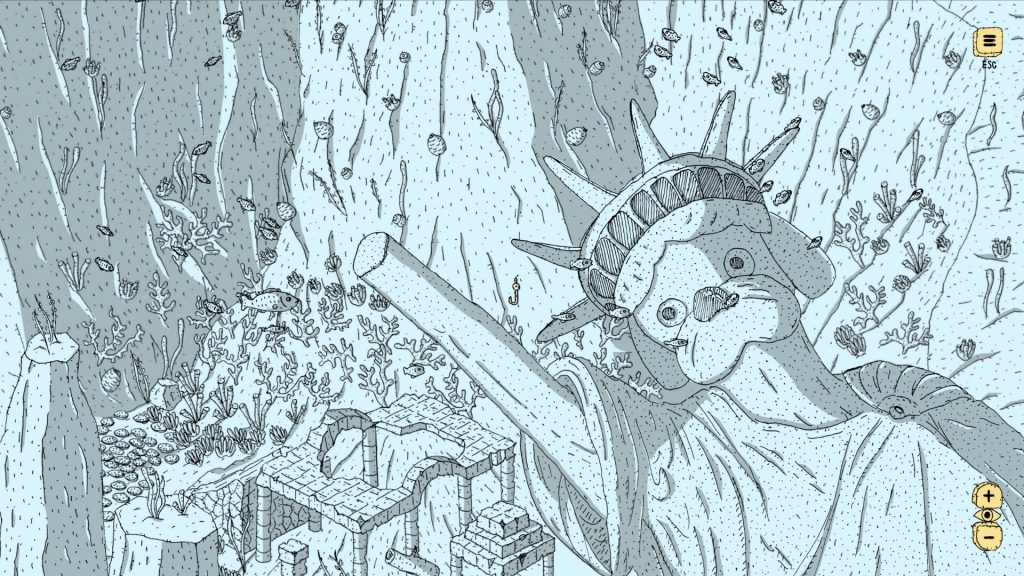
The art style is specifically ballpoint pen — not digital art imitating hand-drawn, not watercolor, not pencil sketch. Ballpoint pen has a specific visual character: the particular weight of lines made by pressing a ball bearing through ink, the slight imprecision that accumulates into warmth, the marks that look exactly like what a person makes when they’re drawing something they care about in a notebook.
This specificity matters because it creates a visual register that is simultaneously humble and personal. Highly polished digital art signals professional production; ballpoint pen hand-drawn art signals personal investment. The world of Finding Polka looks like something someone made because they needed to make it, which is exactly what it is.
The BitSummit PUNCH Visual Excellence Award confirms this reading — the jury specifically recognized the visual approach as exceptional rather than merely distinctive. A solo developer’s personal art style being recognized for visual excellence is an unusual kind of award validation: it’s the industry saying the personal quality is a quality rather than a limitation.
Wordlessness as Design and Tribute
Games without dialogue are not uncommon in abstract or action contexts. A walking adventure game with complex emotional content and relationships between characters communicating entirely through expression and gesture is rarer. The challenge is that dialogue is the most efficient tool for communicating specific emotional content between characters — wordlessness requires more work from animation, sound, and design to convey what text states directly.
That Finding Polka achieves 100% positive demo ratings without text suggests Kumazawa has built enough expressive range into the characters’ animation and sound design to communicate complex feelings without words. This is appropriate for a game about a dog — the relationship between person and pet is built entirely on non-verbal communication, on body language and presence and the specific quality of attention that makes animals feel understood by the people who love them.
A game made as a tribute to a dog who didn’t speak but communicated everything being a game where nothing speaks but everything communicates — the formal choice is the thematic statement. Polka couldn’t tell Kumazawa what she felt. Kumazawa is making something that shows it.

The PARCO GAMES Publishing Context
PARCO GAMES — whose catalog includes The Berlin Apartment, Constance, and Nova Antártica — has a consistent aesthetic sensibility: personal, atmospheric, formally unusual games that prioritize emotional specificity over genre convention. Finding Polka is their fourth published title and the most emotionally transparent about its origins.
The publisher’s description of its mission — “respecting creators’ individuality to create new gaming culture” — is the right framing for a game where the creator’s individuality is the game’s entire emotional source. A publisher that interferes with the specific personal quality of Finding Polka would damage what makes it what it is.
The Walk as Form
Walking simulators — games organized around movement through a world and the experiences that movement occasions — have an established place in indie gaming since Dear Esther and Gone Home demonstrated the form. Finding Polka fits this genre but with a different emotional register than most of its predecessors.
Many walking simulators use movement as the delivery mechanism for narrative or thematic content — you walk, you encounter the story. Finding Polka‘s walk is more literal: the game is about a walk, modeled on the actual walks that people take with their dogs, and the specific experience of following a dog’s nose through a neighborhood where every detour is an encounter and every encounter is enough.
The town, the forest, the ocean — these are the places a walk can take you, and the game takes you through all of them. The giraffe you stop for. The cat you feed or don’t. The person who needs something you have. The world is populated with the kind of small human-animal-world connections that make a walk worth taking longer than planned.
Who This Is For
Strong fit for: anyone who has lost a pet and wanted a way to spend time with that loss that isn’t grief alone; cozy game players who want walking adventure with genuine emotional resonance; fans of wordless visual storytelling (Japanese picture books, silent animation); BitSummit attendees who encountered the demo and want the full game; players who specifically seek games with non-conventional art styles; people who take long walks with their dogs and want a game that understands that experience.
This is not a game that needs conventional recommendation criteria. It’s for anyone who understood what it was about from the first sentence and felt something.
Cautious fit: players who need mechanical challenge to feel engaged; anyone who wants games to be primarily entertaining rather than primarily moving; players who find wordless games difficult to read emotionally.
The Takeaway
Finding Polka is a solo developer’s letter to his dog, expressed through ballpoint pen drawings of a world where a man and his dachshund follow the ghost of an earlier love through a friendly town full of strangers who become, for the time of a detour, not strangers.
It won two awards at BitSummit PUNCH. It has 100% positive reviews from everyone who tried the demo. It has no dialogue. It communicates everything it needs to communicate anyway.
August 12. The map says where Polka is. The walk will find something else.
Information regarding ‘Finding Polka’
| item | detail |
|---|---|
| Developer | lidlocks (Shinnosuke Kumazawa, solo developer) |
| Publisher | PARCO GAMES |
| Genre | Walking Simulator / Adventure |
| Release platform | PC (Steam) |
| Official release date | August 12, 2026 |
| Player count | Single player |
| Art style | ballpoint pen hand drawing |
| Awards | BitSummit PUNCH Visual Excellence Award, Kids Selection Award |
| Steam Review (Demo) | Positive (100%, 33 cases) |
| Official Channel | X, TikTok, YouTube, Instagram, RedNote |
| Steam Page | Shortcut |
| Demo Page | Shortcut |