Most auto-battler games keep the player at a remove from the combat they’ve arranged. You construct the roster, you make the upgrade decisions, and then you watch the fight resolve according to the systems you’ve set up. The satisfaction is architectural — the engagement of having designed something that works — rather than kinetic.
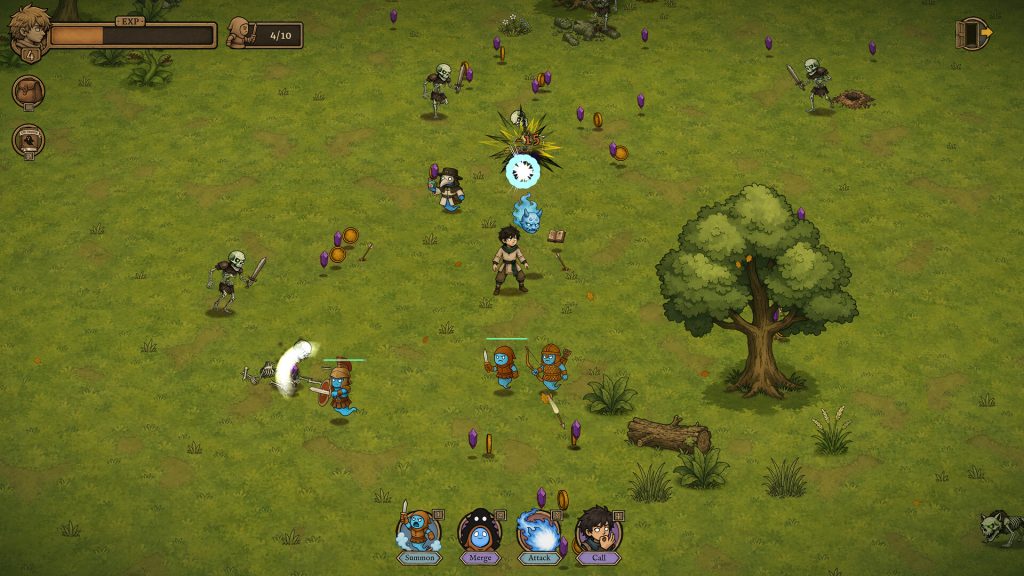
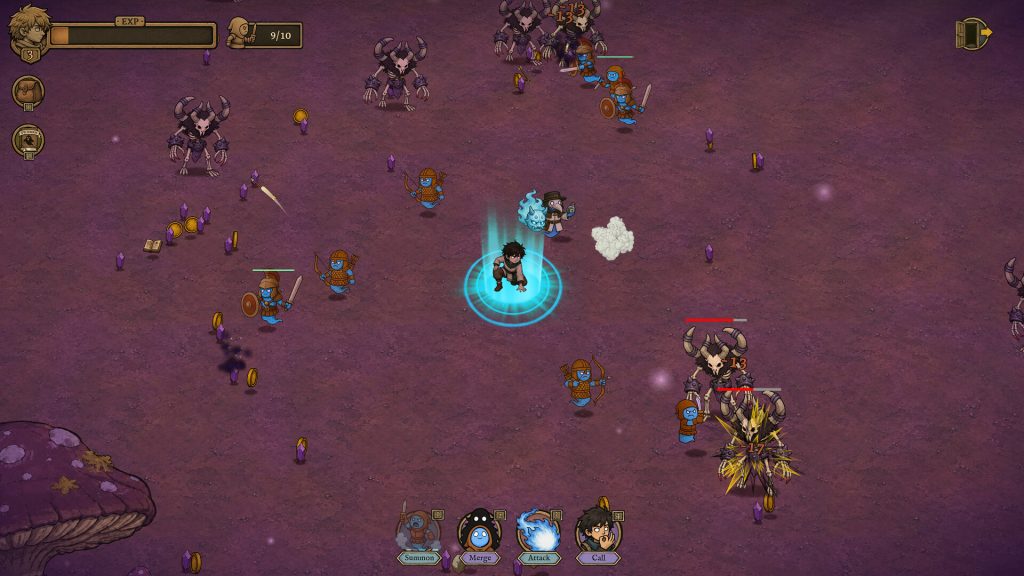
Soul Merger from Keya Labs (solo developer, Bologna, Italy) modifies this fundamentally. The summoned souls fight automatically, as the genre expects. But the player controls the necromancer directly — moving through the battlefield in real time, casting spells, triggering abilities, finding position, avoiding attacks. The auto-battle is happening around a manually-controlled character who has their own tactical responsibilities.
This creates a game with two simultaneous engagement layers: the strategic (which souls to deploy, which merges to pursue, how to build the army’s composition) and the kinetic (where to be, when to cast, how to avoid getting killed while the army does its work). Neither layer is trivially resolved by solving the other.
The Soul Merger System
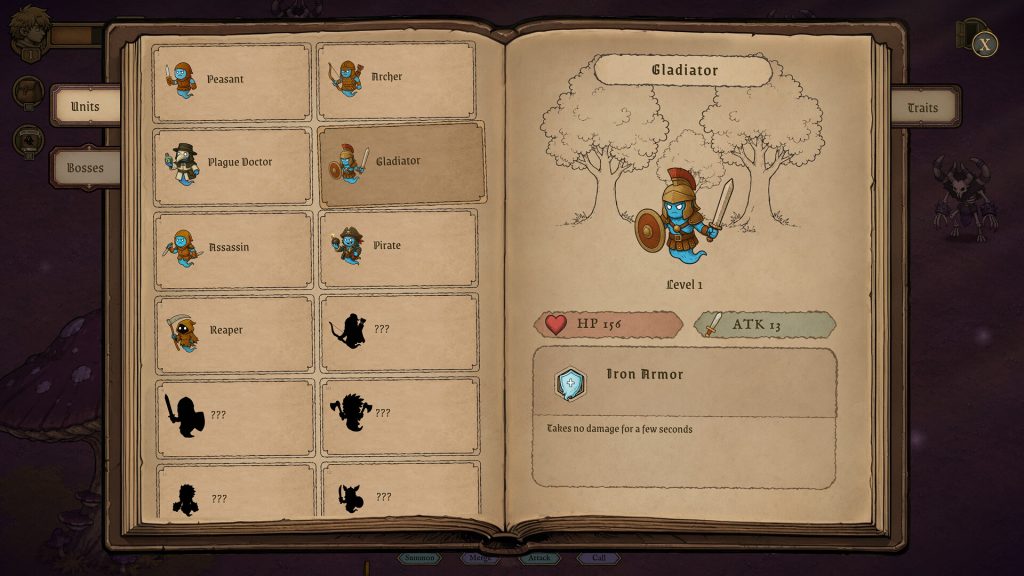
Souls are collected during expeditions. When two identical soul units are combined, the merged result is a more powerful form with new abilities and a new combat role. This is the merge mechanic that the game’s title names, and it’s doing the same work that Teamfight Tactics‘ and Dota Underlords’ merging systems do — creating the progressive power escalation that auto-battler runs organize themselves around.
The specific angle that Soul Merger adds is random traits. Each soul has a fixed identity (its historical or mythological warrior basis) but random properties that vary between appearances. A soul that was a defensive unit in one expedition might appear with traits that make it an aggressive damage dealer in the next. This means the merge decision isn’t static knowledge (“always merge Warrior X because Warrior X is strong”) but a dynamic assessment (“this Warrior X has these traits, which makes merging toward this unit type the right choice this run”).
The “Cursed Merge” is the high-risk variant: unpredictable outcomes, potentially catastrophic, potentially run-defining. The risk tolerance decision when Cursed Merge becomes available is the moment of maximum strategic interest — a player who is behind and needs a game-changer might accept the risk that a winning player would correctly avoid.
The historical and mythological warrior basis for all 30+ soul types gives the collection a cultural texture. Encountering specific legendary warriors — recognizing the mythological figure behind the soul’s design — provides the specific pleasure of historical games that use their source material with care rather than cosmetically.
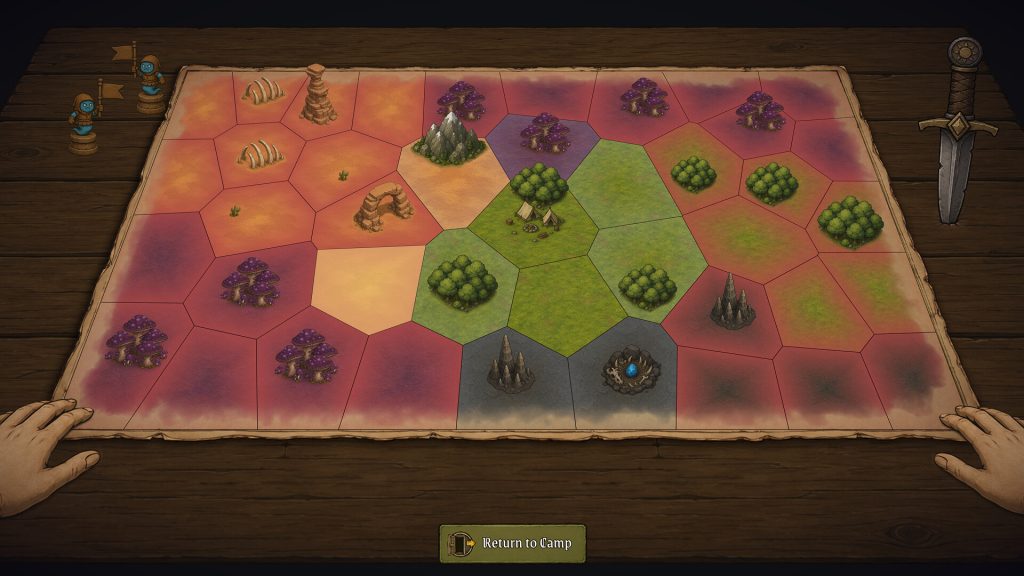
The Camp and Expedition Structure
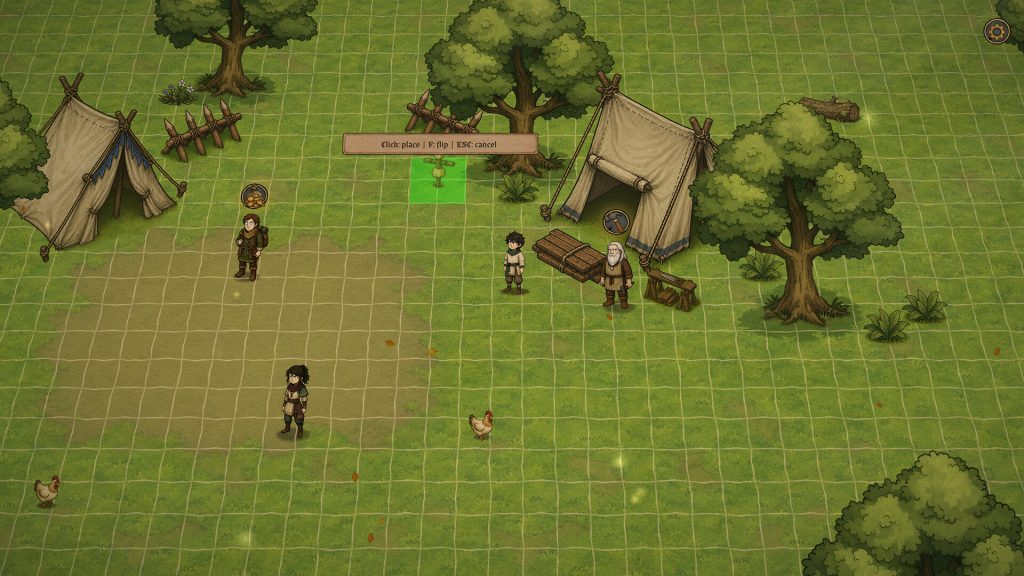
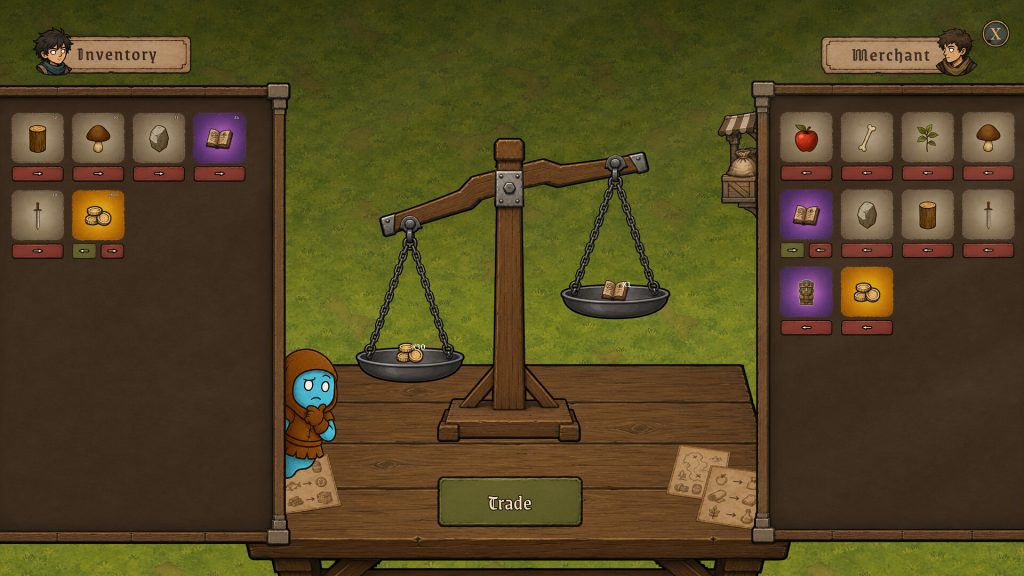
The camp between expeditions — building structures, training units, activating upgrades, meeting survivors — is the between-run base that gives the expeditions context and continuity. Most roguelite auto-battlers use meta-progression (persistent unlocks that grow across runs) as the between-run structure; Soul Merger appears to use an in-run camp that develops within the current playthrough.
The survivor encounters extend the world-building into the base management layer. These aren’t purely mechanical NPCs offering upgrades; they’re people representing the human dimension of what the necromancer’s army is ostensibly defending. The camp is “humanity’s last stronghold” — which gives the army-building purpose that pure combat accumulation games sometimes lack.
The Tabletop-to-Digital Publishing Bridge
Tambù Digital as publisher — the digital game division of a board game and gamification company — is an unusual publishing arrangement that reflects the specific overlap between tabletop game design thinking and video game design thinking. Tabletop game design has been a productive source for digital auto-battler development: the genre has strong roots in tabletop wargaming and collectible card games, and designers who think in terms of unit compositions, trait interactions, and merge economies often bring relevant instincts from physical game backgrounds.
Tambù Digital’s stated focus on “strategy and storytelling combined with distinctive indie games” is the positioning that makes Soul Merger a natural fit. The game’s historical soul mythology provides the storytelling layer; the merge strategy and army composition provide the strategy layer; both are delivered through a roguelite structure that Tambù’s portfolio focus suggests they understand commercially.
The Italian Indie Context
This is the third Italian indie project featured in coverage this month, alongside Phantom Tower (Horien Studio, Genova) and ORPHEUS: TO HELL AND BACK (Studio Loading × Kibou Entertainment). Italian indie game development continues to demonstrate range: dark hack-and-slash roguelite, Game Boy Color mythology action, and now a comedic pixel art necromancer auto-battler, all emerging from the same national scene within the same month.
Keya Labs’ founding in 2025 and immediately working on what will be their first Steam release is the pattern of young studios entering a market where the tools are accessible enough that studio founding and game development can happen simultaneously rather than sequentially.
Who This Is For
Strong fit for: auto-battler enthusiasts who specifically want active player control alongside the automated combat; roguelite fans who enjoy army-building progression with merge mechanics; historical and mythological warrior collection enthusiasts; players who appreciate comedic aesthetic registers in dark fantasy settings (the “colorful pixel art and playful humor” approach to necromancy); Italian indie game supporters; players who want the strategic depth of auto-battler composition alongside the kinetic engagement of real-time action.
Cautious fit for: pure auto-battler players who prefer full strategic remove from combat rather than direct battlefield involvement; players who need confirmed release dates before paying attention to games; anyone who wants a finished game rather than Early Access development engagement.
Less ideal for: players who dislike roguelite structure; anyone wanting multiplayer options; players who find merge-based progression systems mechanically repetitive.
What to Watch For
The Early Access date announcement will be the next significant information point. “Within 2026” leaves the timeline broad enough that the community-building the announcement has started needs to be sustained across the remaining development period — how Keya Labs manages the interval between announcement and Early Access launch will determine how much of the day-one announcement attention converts to actual launch players.
The balance between the manual necromancer combat and the automatic soul army is the design question most worth watching for in Early Access evaluations. If the necromancer’s direct participation feels genuinely necessary — if poor manual play meaningfully undermines a well-built army, and good manual play noticeably extends a weaker army’s capability — the two engagement layers are genuinely integrated. If the necromancer’s presence feels supplementary to the army’s autonomous performance, the hybrid design is shallower than the premise implies.
The Takeaway
Soul Merger is the first announcement from a 2025-founded Italian solo developer combining auto-battler army composition with direct necromancer control into a roguelite expedition structure. The merge system, the random soul traits, the Cursed Merge risk mechanic, and the camp between expeditions provide the structural elements of a complete auto-battler roguelite; the active necromancer control is the differentiating element that positions the game within the genre rather than simply replicating it.
Gamezilla and YouGame picking it up within 24 hours of the announcement indicates European indie game press finding the concept interesting from the initial reveal. Whether that immediate press interest translates into the Early Access player community needed to make the development iteration period productive will be the practical test.
The souls are waiting to be merged. The necromancer is on the battlefield personally. And somewhere in the Cursed Merge risk calculation — this could end the run, or this could win it — is the kind of decision that makes auto-battlers memorable.
Steam Early Access: 2026. Wishlist now.
Information regarding ‘Soul Merger’
| item | detail |
|---|---|
| Developer | Keya Labs (Bologna, Italy, established in 2025) |
| Publisher | Tambù Digital |
| Genre | Action Roguelite / Merged Autobattler |
| Release platform | PC (Steam) |
| Scheduled for Early Access release | By 2026 (undetermined) |
| Release date | August 3, 2026 |
| Content scale | Over 30 types of collectible souls, over 100 territories |
| mode | Story Expedition Mode, Endless Survival Mode |
| Steam rating | Pre-counting (public stage) |
| Official Channel | X, Instagram, Reddit, TikTok |
| Steam Page | Shortcut |