Eight years. That’s how long CIRCLEfromDOT spent between founding in 2018 and releasing their debut. Kusan: City of Wolves arrived July 30 simultaneously on PC, PS5, Xbox Series X|S, Nintendo Switch, and Nintendo Switch 2 — a multi-platform launch that reflects PQube’s distribution infrastructure applied to a Korean indie studio’s first commercial release. The result, by every available metric, is an exceptional debut.
Metacritic 84. OpenCritic 82 with 100% critic recommendation rate. Steam 95% Very Positive from 61 launch reviews. INVEN called it “what Hotline Miami and John Wick would look like if they met.” Gameliner praised the fresh elements built on familiar top-down action foundations. These are the numbers and descriptions of a game that delivered on what it promised.
The Protagonist and World
Jin is a former soldier turned contractor — experienced, compromised, operating in a city where violence and corruption are the organizing principles. His mission is twofold: protect Haru, a girl who has had a powerful atomic weapon implanted into her body, while simultaneously hunting down his former commanding officer. The city of Kusan is the environment through which both objectives are pursued simultaneously.
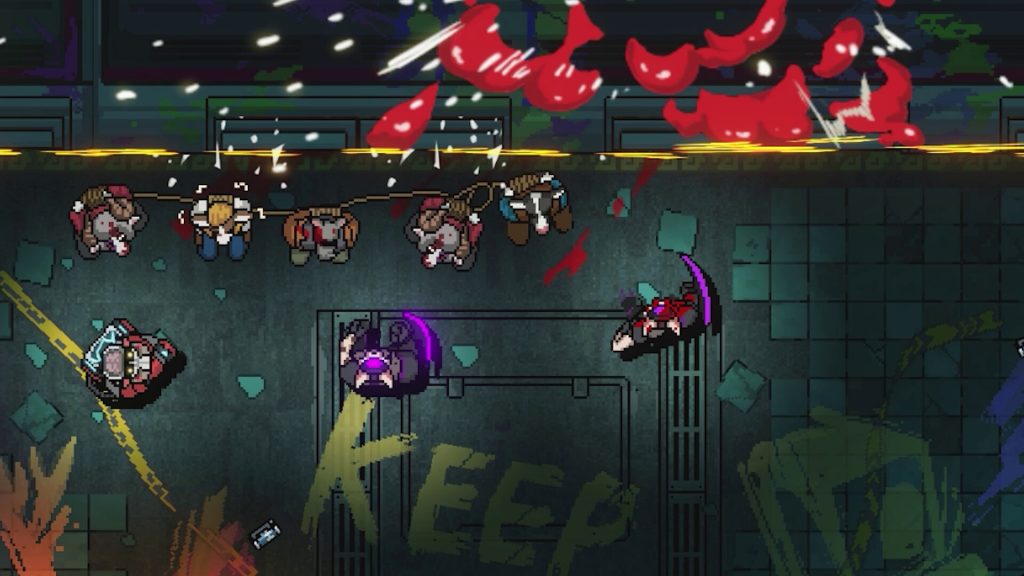
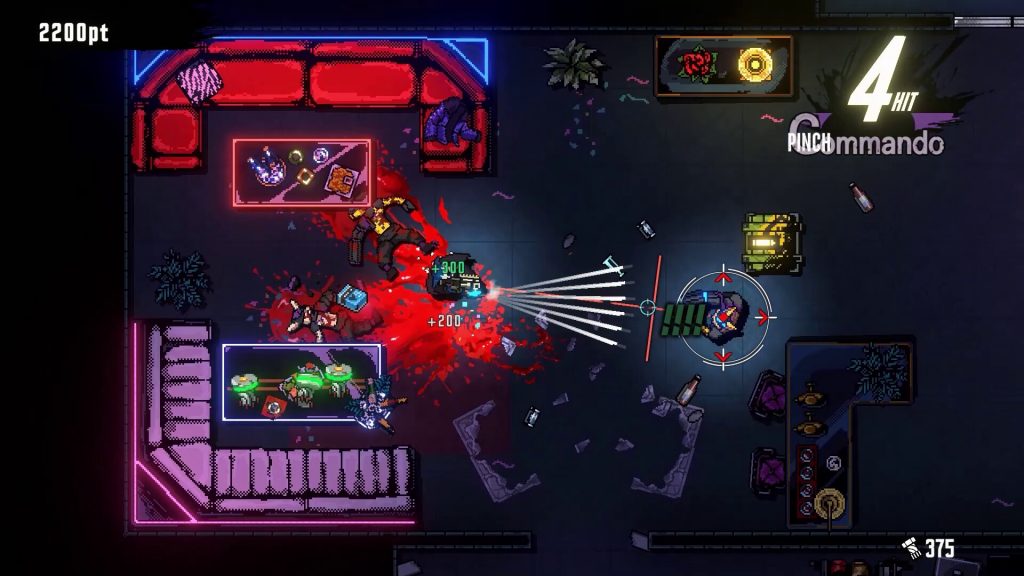
The anthropomorphized animal character design is the aesthetic choice that immediately distinguishes Kusan visually. Every character — Jin, Haru, the bosses, the enemies — is an animal rendered in the game’s neon-soaked pixel art style. This is not a casual decision. Anthropomorphic character design in dark genre fiction has a long lineage: it creates visual distance from human violence while enabling character expressiveness that the genre requires. The animals of Kusan are capable of the same moral complexity, betrayal, and loyalty that human characters carry — the forms are different, the emotional register is the same.
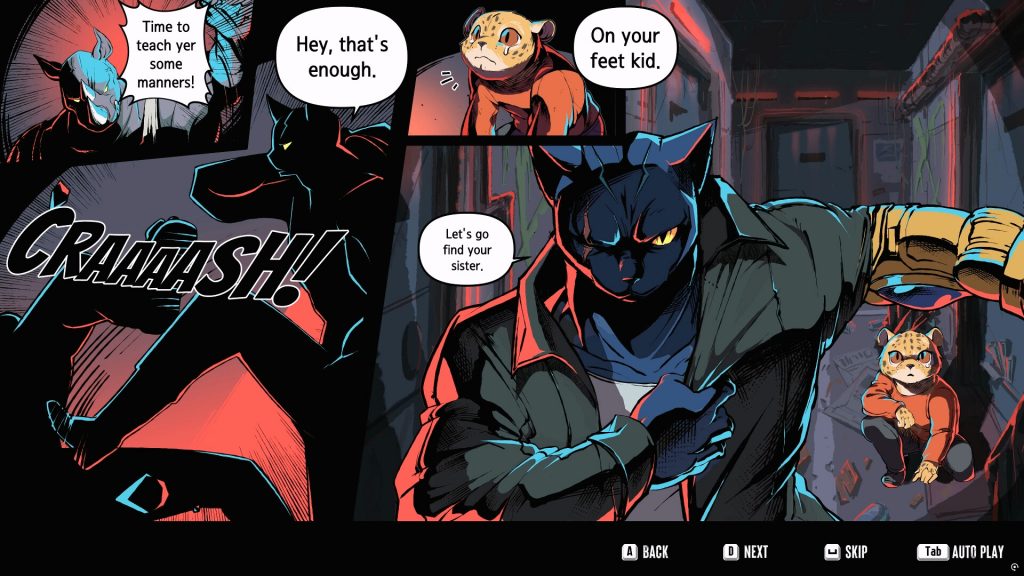
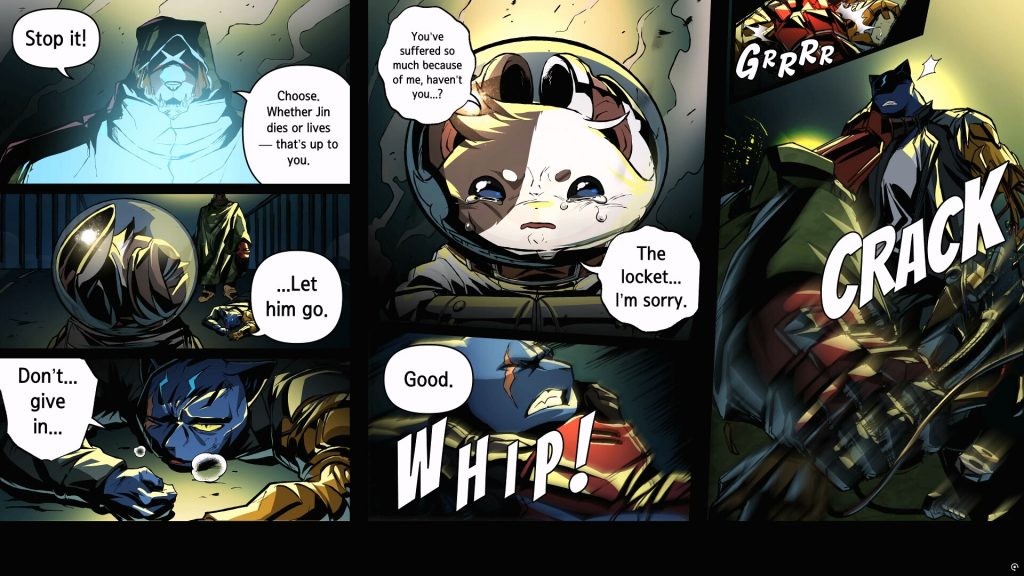
The graphic novel cutscene narrative delivery reinforces this. Cinematic presentation of a story about violence, corruption, betrayal, and loyalty in a corrupt city, with animal characters, is a specific aesthetic combination that has precedents in both games and comics — it’s working in a tradition that the execution can honor or squander. From the critical response, CIRCLEfromDOT has honored it.
The hip-hop soundtrack by Loptimist completes the neo-noir atmosphere. Hip-hop as genre music for a neon-city top-down action game is one of those combinations that either works immediately or doesn’t — the rhythmic structure, the specific cultural associations of the genre, the way it relates to urban environments and street-level conflict. The critical unanimity on the game’s atmosphere suggests it works.
The Combat Architecture
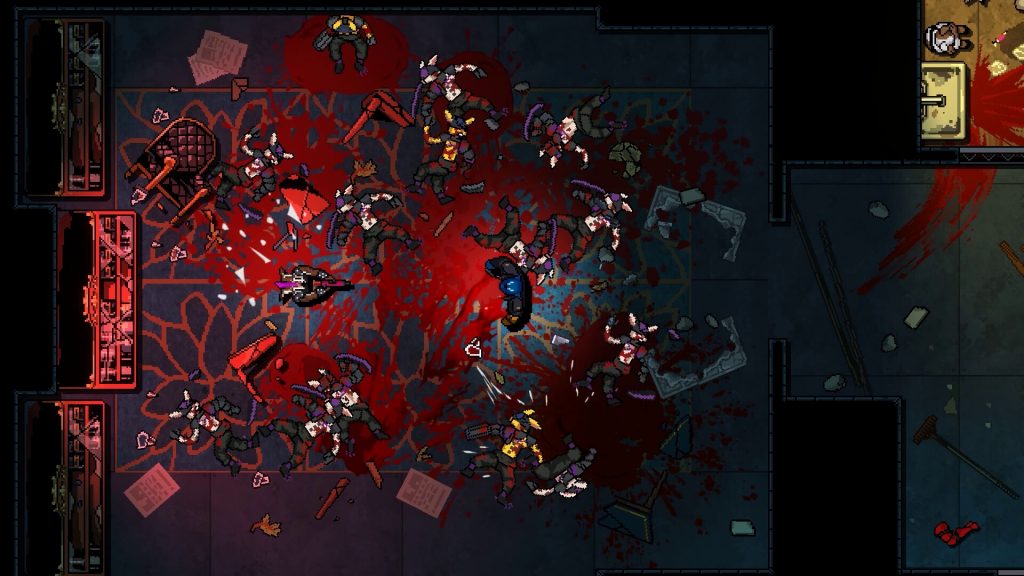
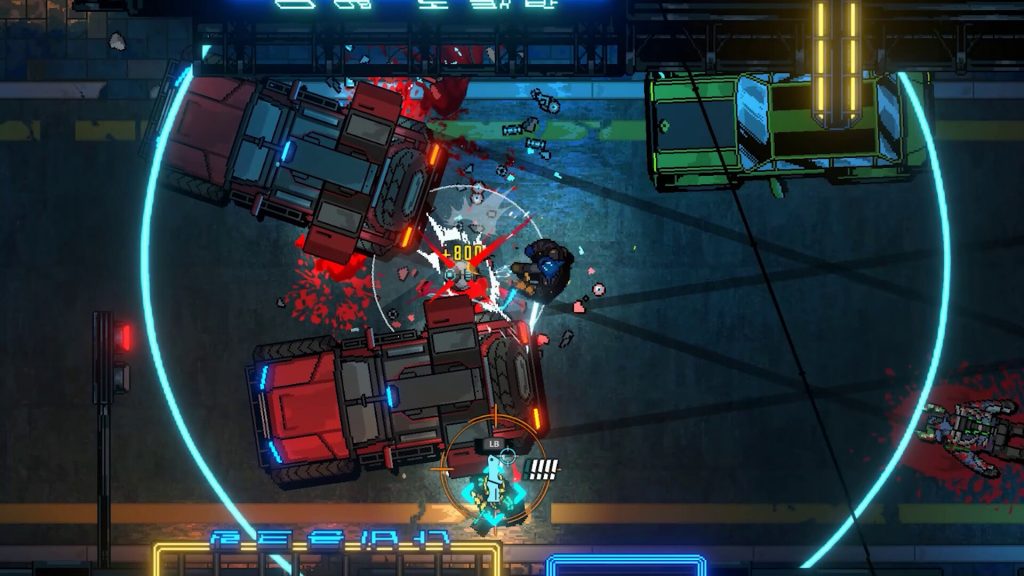
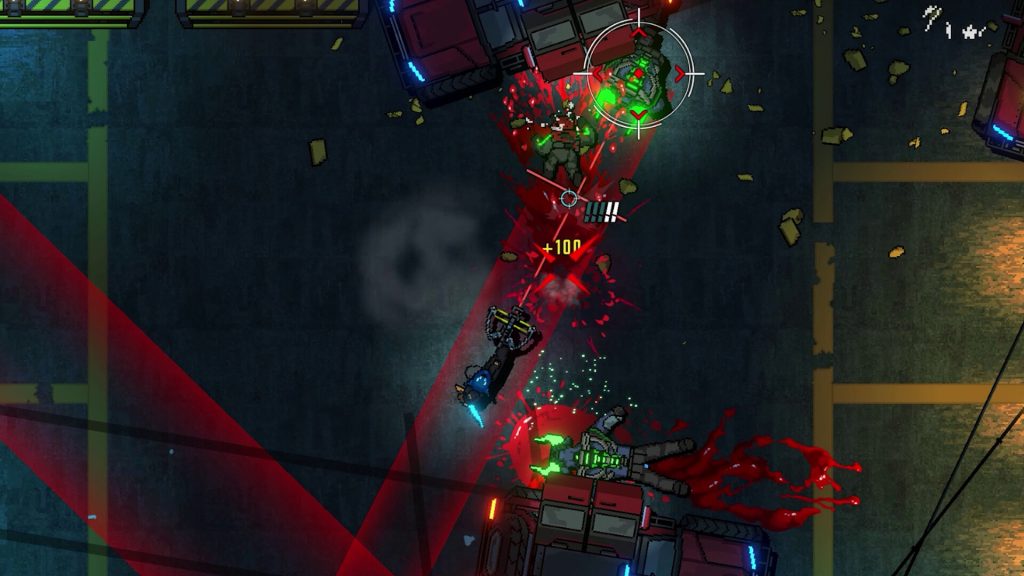
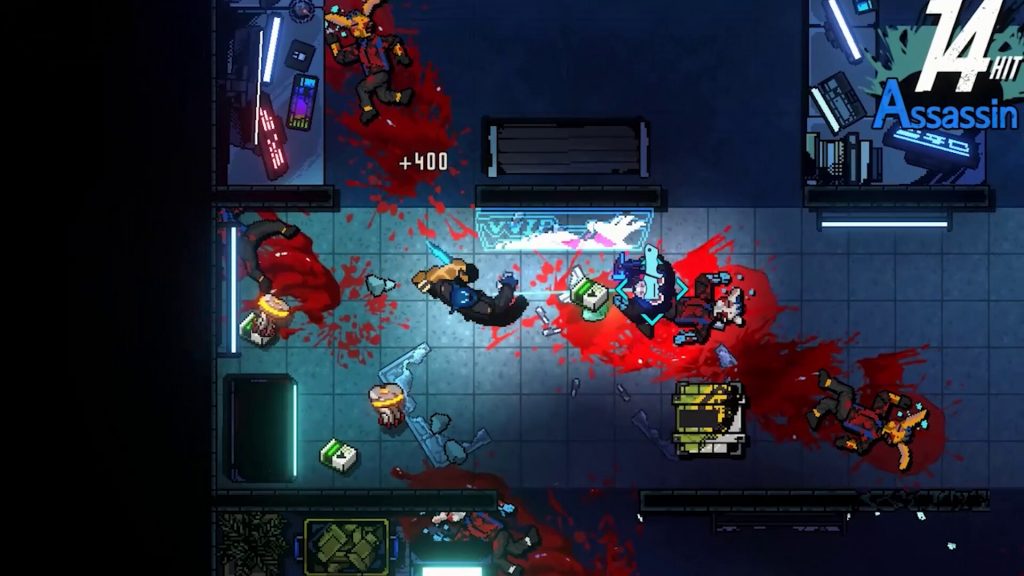
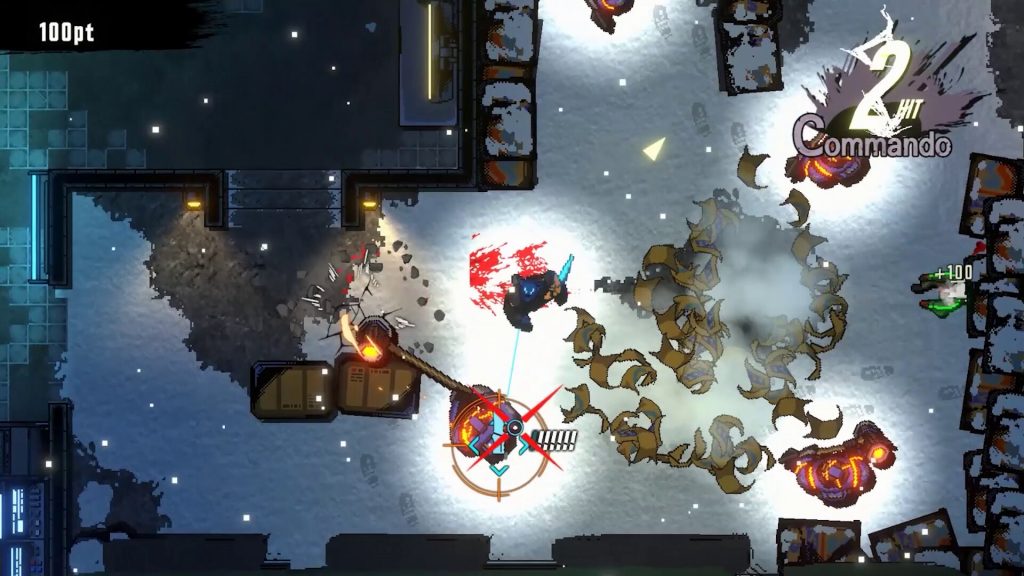
Fast-tempo gunplay combined with melee action built around two signature tools — the War Hand mechanical arm and the Quantum Knife — is the core combat expression. The combination of ranged and close-quarters tools creates the switching rhythm that the Hotline Miami comparison implies: different situations call for different tools, the transition between them is where skill is expressed, and the combat flow that develops from executing the right tool at the right moment is the experience the game is built around.
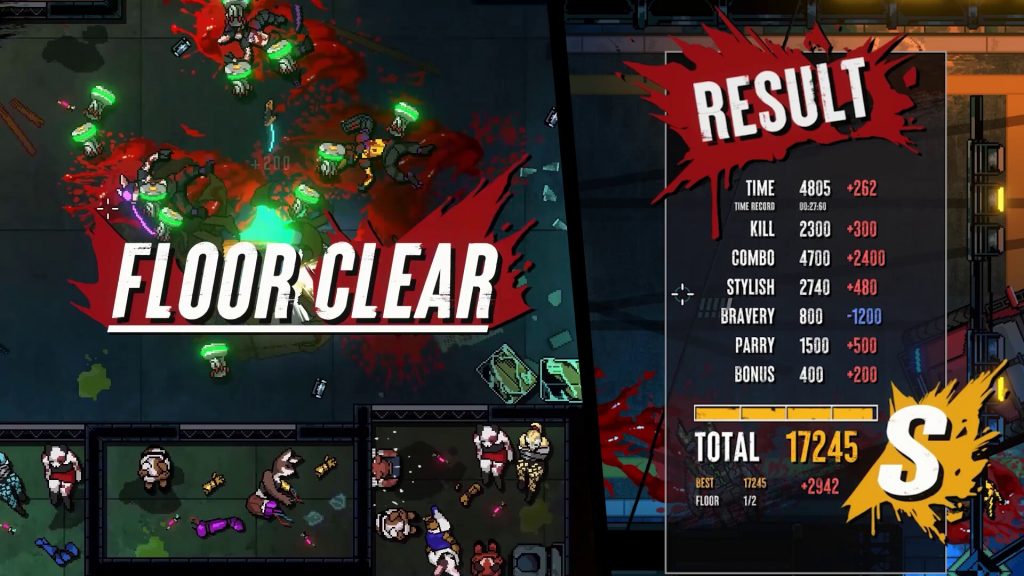
The 54 handcrafted stages are the specific production choice that signals CIRCLEfromDOT’s design philosophy. Procedural generation would have been easier and produced infinite variation; handcrafted stages produce specifically designed encounters. Each of the 54 stages is a specific problem the designer has conceived, and the player must solve. S-rank challenge on each stage is the perfect-run target that extends replay value for players who want to master each specific encounter rather than just complete it.
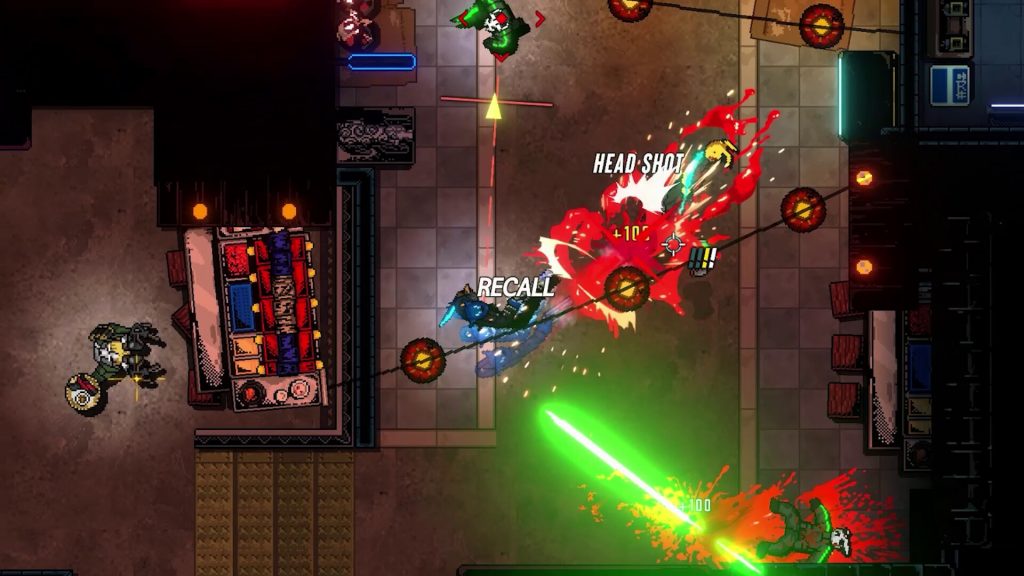
The boss fights as core content is the appropriate design priority for a top-down action game whose critical comparisons include Hotline Miami. Memorable bosses with distinctive patterns are what the genre remembers — they’re the specific challenges that define the experience and produce the specific satisfaction of finally understanding and defeating a pattern that previously seemed insurmountable.
The Techtrix Upgrade System
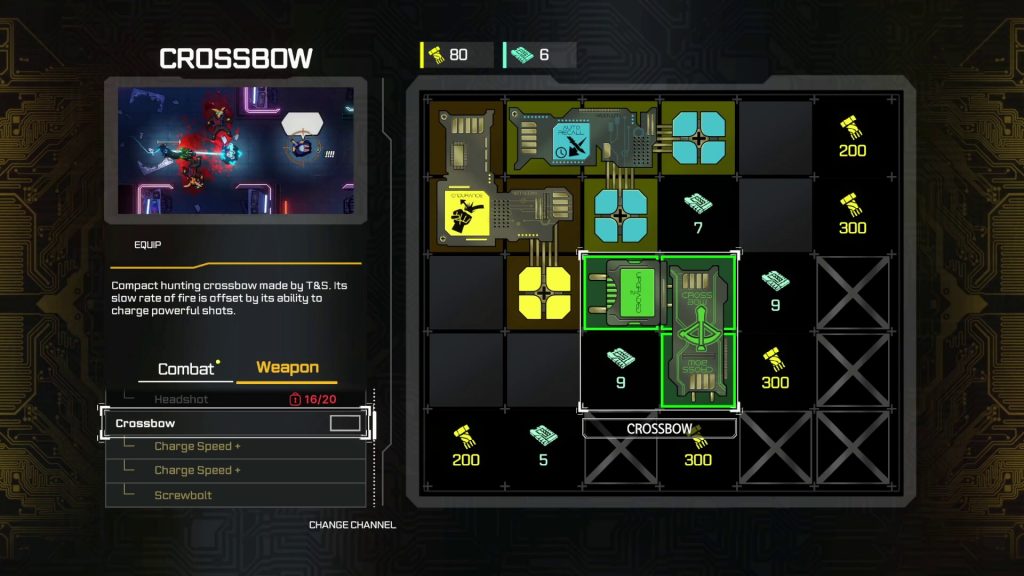
The grid-based chip system for upgrade placement — arranging enhancement elements in a lattice grid to balance stat improvements and skill modifications — is the strategic layer that gives progression depth beyond simple stat increases. A lattice grid creates adjacency relationships between placed elements, which means the arrangement of upgrades matters rather than only the upgrades themselves. This is the same spatial puzzle logic that Sephiria‘s artifact placement system (covered earlier this month) employs, applied to a character upgrade rather than a build construction context.
The “balancing strengths and weaknesses of abilities” framing suggests the Techtrix system isn’t purely additive — some configurations create trade-offs where improving one capability affects another. Strategic loadout construction rather than pure accumulation is the correct design for a game where execution challenge is a defined design value.
Mechanical Arm ‘War Hand’ and ‘Quantum Knife’, Action Completed with Tech-Tricks
Combat unfolds with a focus on fast-paced gunplay and close-quarters action. The protagonist, Jin, subdues enemies using his mechanical arm, the ‘War Hand,’ and his melee weapon, the ‘Quantum Knife,’ engaging in fierce battles by appropriately combining firearms and skills.
Each stage features puzzle elements that utilize skills and various challenges, and supports replayability aimed at achieving the highest S-rank. In particular, battles against large bosses employing unique attack patterns are the core content of the game.
The growth system is also differentiated. After completing each stage, players can place various enhancement elements into a grid-like chip system called the ‘Techtrix’ at the upgrade shop, allowing them to configure a strategic loadout that balances the strengths and weaknesses of their stats and skills.
Neo-noir combining a neon-colored pixel art city with hip-hop sounds
The game features a neo-noir atmosphere filled with neon signs, set against the backdrop of a rain-soaked pixel art city. Adding to this is a soundtrack by hip-hop artist Loptimist, which further heightens the tension and speed of the battles.
The story unfolds through graphic novel-style cutscenes. It portrays the narratives of characters wavering between violence, corruption, betrayal, and loyalty through cinematic direction, and the depiction of all characters as anthropomorphic animals adds to the work’s unique character.
The Critical Context
The 100% critics recommend rate on OpenCritic is the strongest available signal that the game is achieving what it sets out to achieve without fundamental failures that would make critics unable to recommend it. A game can have well-documented weaknesses while still being recommendable; Kusan apparently meets that standard universally among the critics who have reviewed it.
The specific criticisms that have emerged — parry timing difficulty, final boss challenge level, narrative density — are the criticisms appropriate to a game with great difficulty as a design intention. They’re not criticisms that the game fails to do what it attempts; they’re criticisms about where the difficulty is calibrated and whether the story complexity fully lands. The reviewers who note these issues still recommend the game, which is the correct framing: these are difficulties the game asks players to work through, and the achievement of working through them is part of the experience.
The K-Indie Achievement
A Korean indie studio’s debut game earning Metacritic 84 and universal critical recommendation on a simultaneous five-platform release published by a British publisher is not a routine outcome. It reflects development time taken seriously — eight years between founding and release — and design ambition that chose 54 handcrafted stages and a distinctive aesthetic identity over easier production choices.
CIRCLEfromDOT’s appearance in the K-indie landscape at this quality level is the kind of debut that changes what’s expected from the ecosystem. The studios that demonstrated Korean indie games could reach international critical success at this level created the conditions for the wave of K-indie visibility that this coverage has been tracking through 2025 and 2026. Kusan is now a data point in that trajectory.
Who This Is For
Strong fit for: Hotline Miami players who want the top-down action intensity applied to a neo-noir narrative and more elaborate upgrade system; John Wick fans who want the aesthetic of a single competent combatant navigating a corrupt underworld in interactive form; pixel art neo-noir enthusiasts; players who enjoy the S-rank challenge of mastering handcrafted stages; K-indie game supporters who want to see the debut of a studio that spent eight years getting the first release right; multi-platform gamers who want the same experience on PS5, Xbox, or Switch.
Cautious fit for: players who specifically dislike high-difficulty parry-timing mechanics; anyone who wants narrative density to be fully resolved rather than leaving gaps; players who prefer procedural variety over handcrafted specific encounter design.
Less ideal for: players who dislike top-down perspective; anyone wanting cooperative or multiplayer options; players who specifically want lighter difficulty options in their action games.
The Takeaway
Kusan: City of Wolves is one of the year’s cleaner debut achievements: a Korean indie studio’s eight-year first release arriving with Metacritic 84, universal critical recommendation, 95% Steam positive ratings, and comparisons to two specific reference points — Hotline Miami and John Wick — that immediately communicate what the game is and does. The neon pixel art neo-noir city with anthropomorphized animal characters, the hip-hop soundtrack, the War Hand and Quantum Knife combat, the 54 handcrafted stages, the Techtrix grid upgrade system — these are the components of a game with complete design identity.
CIRCLEfromDOT spent eight years on their debut. The reception suggests those years were spent well.
$11.99. Five platforms. Launch discount through August 13. The city is corrupt. Jin has a job. The grid upgrade system awaits configuration.
Information regarding ‘Kusan: City of Wolves’
| item | detail |
|---|---|
| Developer | CIRCLEfromDOT (Seoul, South Korea, established in 2018) |
| Publisher | PQube |
| Genre | Top-down action shooter |
| Release platform | PC (Steam), PS5, Xbox Series X|S, Nintendo Switch/Switch 2 |
| Release date | July 30, 2026 |
| price | $11.99 (Discount valid until August 13) |
| Content composition | 54 stages, boss battles, Tech Tricks upgrade system |
| Soundtrack | Loptimist (Hip-hop Artist) |
| Metacritic | 84 points |
| OpenCritic | 82 points (100% critic rating) |
| Steam rating | Very positive (95%, 61 cases) |
| Official Channel | Official Website, X, YouTube, Discord |
| Steam Page | Shortcut |