Dante Knoxx of London’s one-person studio Gloom Box has released Dwarf Delve across Steam, GOG, Epic Games Store, and indie.io simultaneously — a multi-platform first release that shows ambition matching the concept. The mining extraction roguelite drops players into a collapsing procedural mine as a Delbling (junior miner) for the Dwarven Federation, asking them to descend, mine, and escape before the tunnels fall.
The 21% positive Steam rating from 14 reviews requires direct engagement rather than gentle euphemism. That said, 14 reviews is a genuinely small sample, and the early reviewer feedback that “the basic framework and development potential are there” alongside “needs convenience improvements and early tutorial reinforcement” is specific and actionable rather than condemning. This is a game with real problems at launch and a developer who has publicly committed to addressing them.
The Core Loop and Why It Has Appeal
The mining extraction premise is mechanically sound: time pressure (the mine collapses progressively), resource risk (the deeper you go, the more valuable the ore but the less time to escape), and the greed trap that defines the genre’s appeal (“just one more vein” as a path to losing everything). This is the same psychological pull that makes extraction games compelling — the constant negotiation between what you could gain and what you might lose.
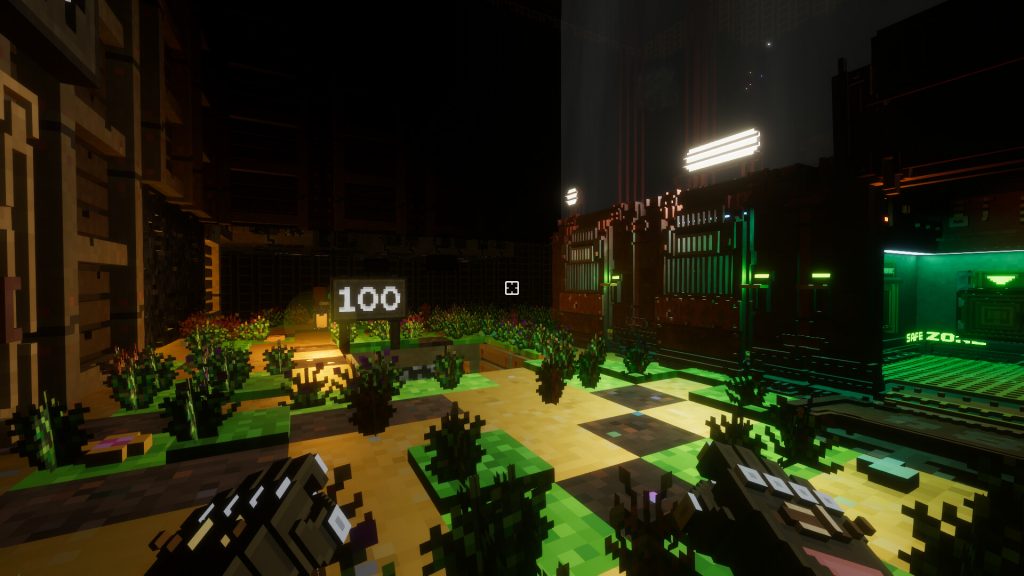
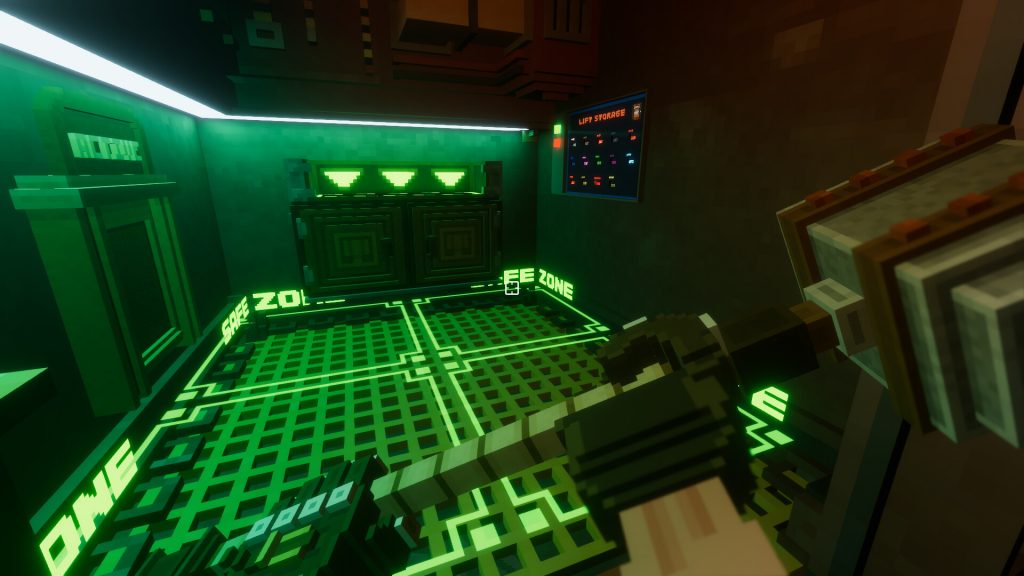
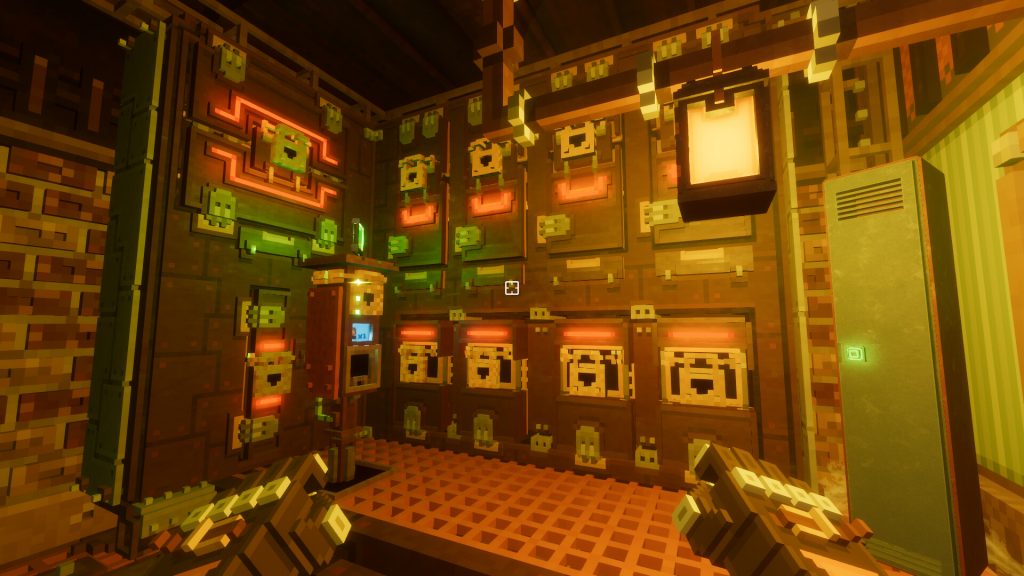
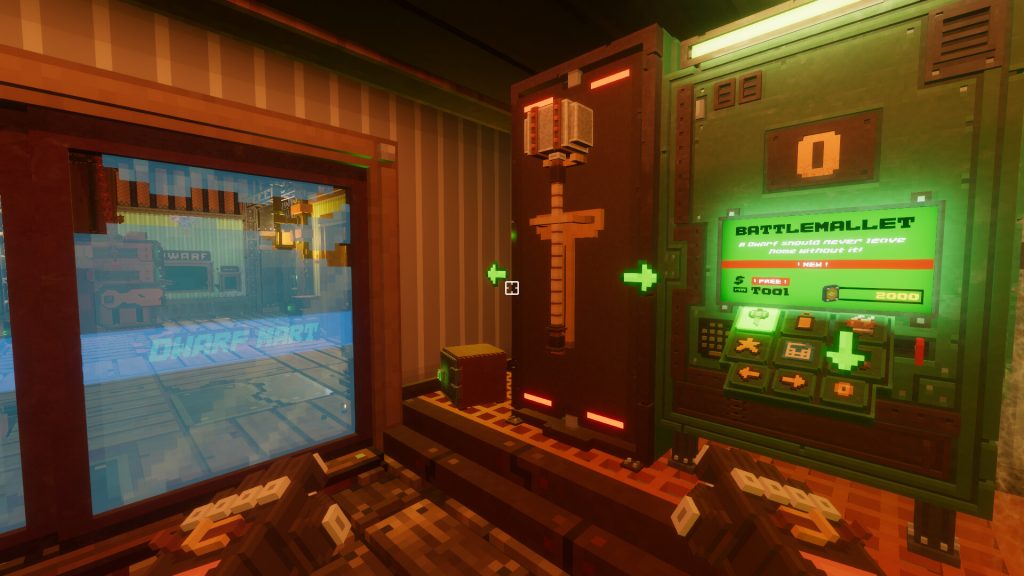
The physical mining approach — swinging the Battle Mallet, placing ladders for vertical access, building rail infrastructure to transport heavy cargo to the elevator — gives the extraction loop tactile engagement that inventory-based systems don’t provide. Installing a rail segment while watching the cave-in timer count down creates specific urgency that abstract resource management screens don’t generate.
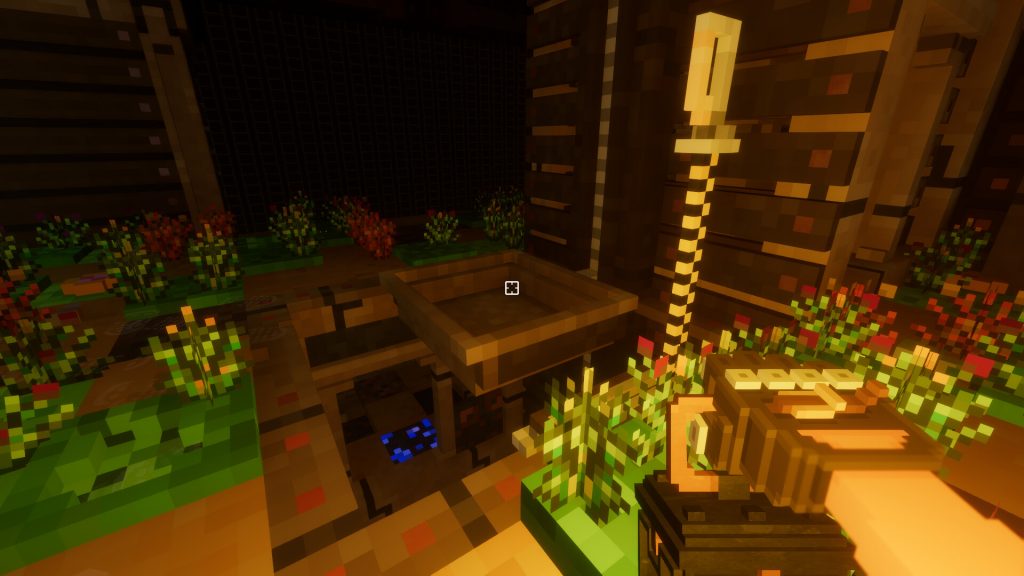
The procedural mine generation means the specific tactical problem changes each expedition: where’s the richest ore this time, which route allows efficient extraction, how does the mine’s layout this run affect whether you can install the rail infrastructure you need. This run-to-run variety is what roguelites need to sustain engagement across repeated attempts.
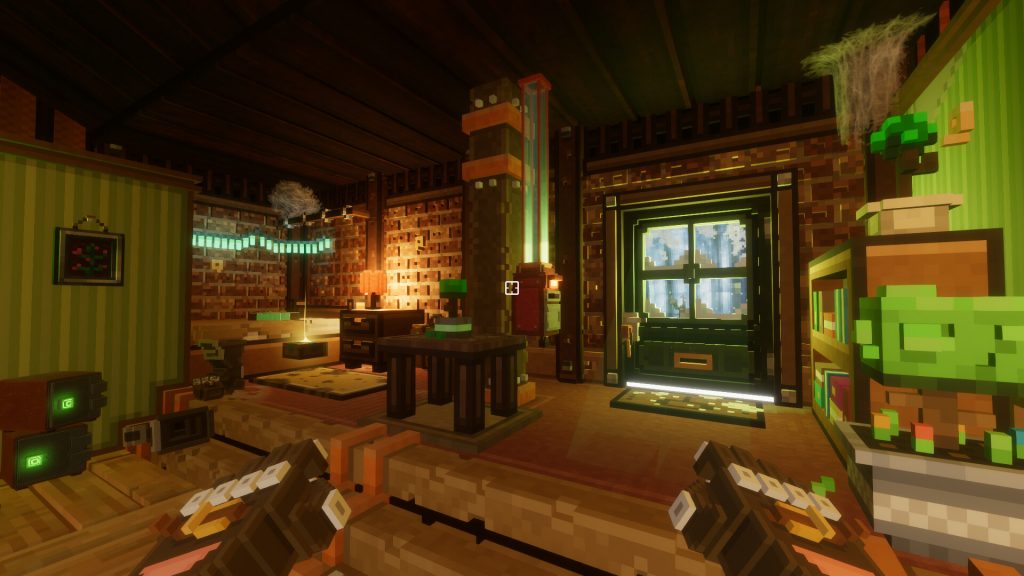
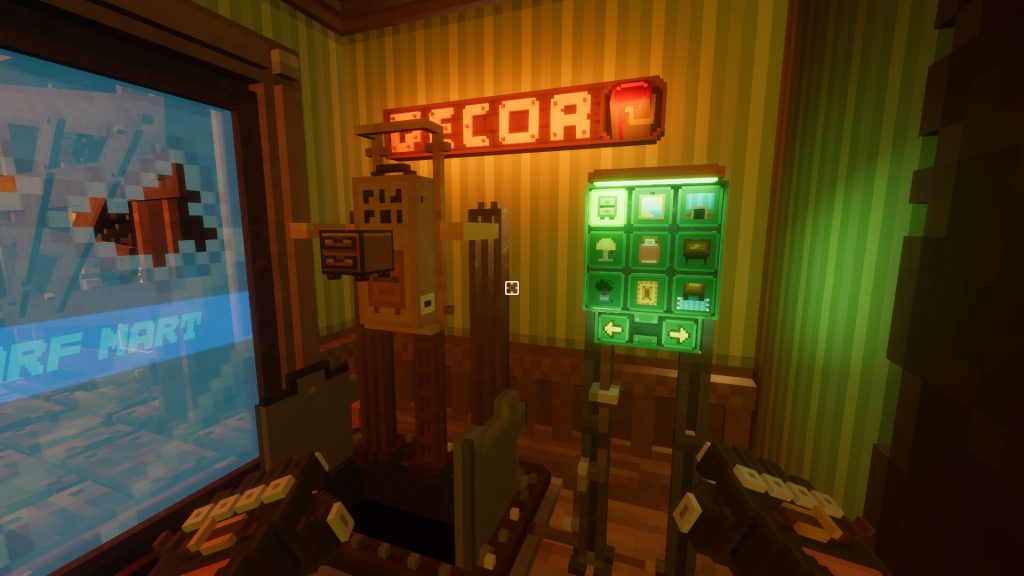
The Dwarf quarters customization — decorating a personal room with furniture, carpets, and wall decorations recovered during expeditions — is the “cozy complement to dangerous work” element that games like Dome Keeper used effectively. The contrast between the tense extraction sessions and the peaceful home-building layer provides emotional variety across a play session.
The Launch Problems
The 21% positive rating and the specific reviewer feedback indicate where the launch state is falling short.
Early tutorial weakness is the most critical problem for an extraction game with physical mining mechanics. A player who doesn’t understand how the collapse timer works, or how to efficiently build and use the rail infrastructure, or what the practical risk/reward calculation looks like across different depths, cannot properly engage with the game’s design. Tutorial inadequacy in extraction games specifically tends to produce frustrated early-game reviewers who encounter the game’s full complexity without the foundational understanding that makes it enjoyable.
Convenience issues — which likely cover interface clarity, control responsiveness, and quality-of-life features that experienced developers add during extended testing but solo developers sometimes miss — are the category of problems that patch work can address most directly. These aren’t design problems; they’re implementation problems that iteration resolves.
Knoxx’s public commitment to community feedback integration and a multi-year update roadmap is the correct response to a difficult launch. The question isn’t whether the developer intends to improve the game — the commitment is clear — but whether the specific improvements needed are within the scope of patch work or require more fundamental design revision.
The Developer’s Honesty About the Journey
Knoxx’s release statement acknowledges the development path directly: “a long, complex, and excessively roundabout path to get here.” The description of the setting — “not the cosmos or a glittering fantasy world, but deep underground, perhaps somewhere just outside Hull” — is the specific kind of self-aware humor that suggests a developer who knows exactly what they built and is making no claims beyond it.
The ramen, cats, and reading self-description in the studio bio is the kind of detail that signals a person rather than a company behind the work — the specific domestic context of a solo developer’s creative life. For players who specifically want to support solo development and engage with the iteration process, this context matters. For players who need a polished ready-made experience at launch, it accurately predicts what they’ll find.
The Four-Platform Launch
Simultaneously releasing on Steam, GOG, Epic Games Store, and indie.io at launch is an unusually broad multi-platform footprint for a solo developer’s debut. The indie.io publishing relationship — which has supported many of the games covered this month, from Codename CURE II to Graphite to Dwarf Delve — apparently provides the infrastructure that makes this distribution breadth achievable for a single developer.
The practical implication is that players on platforms with stronger DRM-free preferences (GOG) or different discovery algorithms (Epic) can access the game, which expands the potential audience beyond Steam’s default discovery system.
Who This Is For (Honestly)
Strong fit right now: players who specifically enjoy following solo developer projects from difficult launches through improvement arcs; extraction game enthusiasts who find the mining-specific premise compelling enough to engage with current rough edges; players who appreciate first-person physical mining over inventory-screen resource management; those willing to contribute to Discord feedback and participate in the iteration process.
Better to wait: players who want polished launch experiences; anyone for whom tutorial quality is essential to enjoying a new game; extraction game players with high quality bars from polished genre entries.
The developer’s multi-year roadmap commitment means Dwarf Delve will likely be a meaningfully different game in six months than it is today. Whether the specific improvements that bring it to its potential are achievable and deliver within a timeframe that maintains the community that’s forming now is the practical question.
The Takeaway
Dwarf Delve is a solo developer’s mining extraction roguelite with a sound core premise (collapsing mine, greed trap, physical mining mechanics, dwarf quarters customization) launching with real problems (weak tutorial, convenience issues) that have produced an accurately negative early reception. The 14-review sample is too small to be conclusive; the specific feedback is too pointed to dismiss.
Dante Knoxx made something he clearly wanted to make, through a development path he describes as longer and more complicated than intended, and released it simultaneously on four platforms with a public commitment to continued improvement. These are the conditions under which difficult launches become better games over time — when the developer genuinely understands what needs fixing and has the community relationship to find out what’s actually wrong.
The mine collapses on a timer. The Battle Mallet is ready. And somewhere between the richest ore deposit and the elevator, every expedition teaches you something about when to leave.
Available now on Steam, GOG, Epic Games Store, and indie.io. $12.99 with 20% launch discount. The improvement roadmap is coming.
Information regarding ‘Dwarf Delve’
| item | detail |
|---|---|
| Developer | Gloom Box (Dante Knoxx, Solo Developer) |
| Publisher | indie.io |
| Genre | First-person extractable roguelite |
| Release platform | PC (Steam, GOG, Epic Games Store) |
| Official release date | July 27, 2026 |
| price | $12.99 (Limited 20% launch discount) |
| core system | Procedurally Generated Mines, Battle Mallets, Growth System, Dwarf Lodging Customization |
| Steam rating | Mostly negative (21%, 14 cases) |
| Official Channel | Discord |
| Steam Page | Shortcut |