The current commercial reality of first-person shooter development is enormous teams, multi-year development cycles, and massive marketing budgets that almost exclusively favor sequels and established IP. Everything is Gun!, the upcoming first-person roguelike arena shooter from three Bulgarian women developers, is a complete inversion of this model — and it’s currently generating one of the most distinctive cross-cultural wishlist patterns in recent indie gaming history.
Sofia-based Incineration Productions revealed Everything is Gun! at the recent Insider Gaming Showcase, where it was one of just 12 global games selected by a committee that included journalist Tom Henderson. Within five days of the reveal, the game produced an explosive Steam wishlist response. The most remarkable detail: the gameplay shown in the trailer is the result of just three developers working for approximately three months. Targeted for Q4 2027 release on PC, the project demonstrates how a distinctive design vision can capture global attention without major publisher backing or massive development teams.
The Japan-Heavy Wishlist Pattern
One of the most genuinely surprising aspects of Everything is Gun!‘s pre-launch reception is the geographic distribution of its Steam wishlist interest. Japan accounts for approximately 30% of wishlists — the highest single-country share — with the US following at 23%. Additional interest spans China, Russia, the UK, Germany, France, and Spain.
This distribution pattern is significant for several reasons. First-person shooters with this kind of design philosophy (90s arena shooter heritage, roguelike systems, skill-respecting movement) historically perform strongest in North American and European markets, not Japanese ones. Japan’s gaming culture has its own distinctive shooter genre history (focused on different traditions), and Western-style arena shooters typically don’t lead Japanese wishlist patterns.
The 30% Japan share suggests Everything is Gun! has connected with something specific in Japanese gaming culture that the Korean market hasn’t yet identified. The aesthetic dimension matters here — 90s arena shooter visual styles have specific Japanese cultural associations through anime, manga, and Japanese gaming traditions that overlap with the Western shooter heritage. Japanese players who appreciate fast, technical, skill-rewarding games may recognize aesthetic and design language that resonates with their own gaming traditions.
The cross-cultural appeal of a small, women-led studio building wishlist momentum simultaneously in Japan and the US, without major publisher backing, is genuinely unusual. This kind of organic international interest typically requires either established IP, significant marketing budgets, or platforms that systematically promote work across regions. Everything is Gun! is achieving it through pure design distinctiveness and trailer impact.
The 12-Game Curated Showcase
The Insider Gaming Showcase selection deserves specific attention. Tom Henderson, one of gaming journalism’s most respected industry analysts, led a committee that selected just 12 games from a much larger pool of submissions. Everything is Gun!‘s inclusion in this curated selection provided immediate credibility that most indie projects struggle to achieve.
Curated showcases function differently from general indie events. Steam’s daily release count means hundreds of indie projects launch every month, and the discovery problem is real — most projects sink without reaching their potential audience regardless of quality. Tom Henderson committee-curated showcases provide editorial filtration that helps players discover the projects most likely to deliver on their promises.
For Incineration Productions specifically, this selection essentially substituted for the marketing budget the team doesn’t have. Being part of a 12-game curated selection by major industry figures provides the kind of validation that drives both wishlist growth and broader press attention. The wishlist explosion within five days reflects exactly this kind of curated visibility, translating into player interest.
The Setting: Prison Planet Spectacle
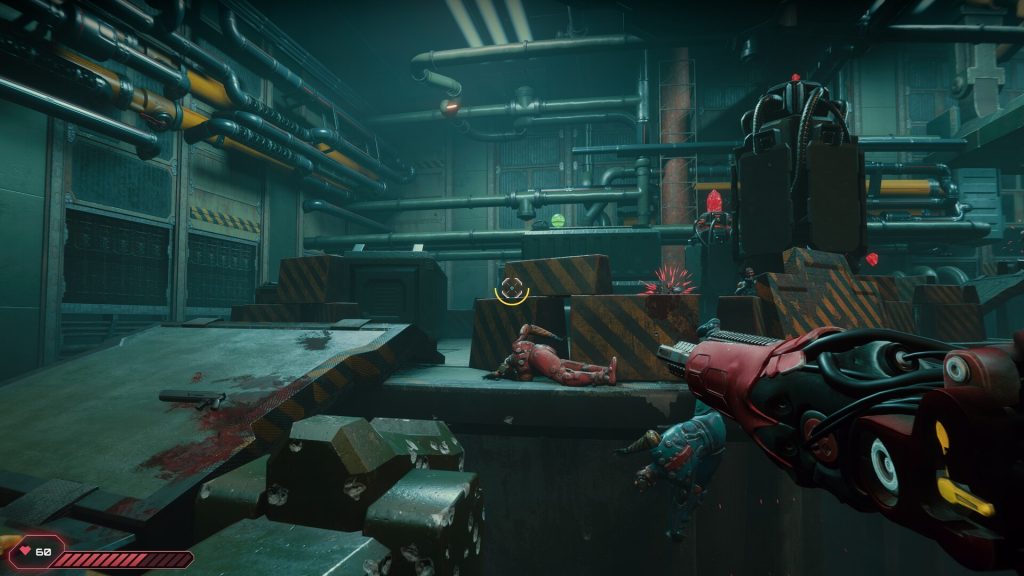
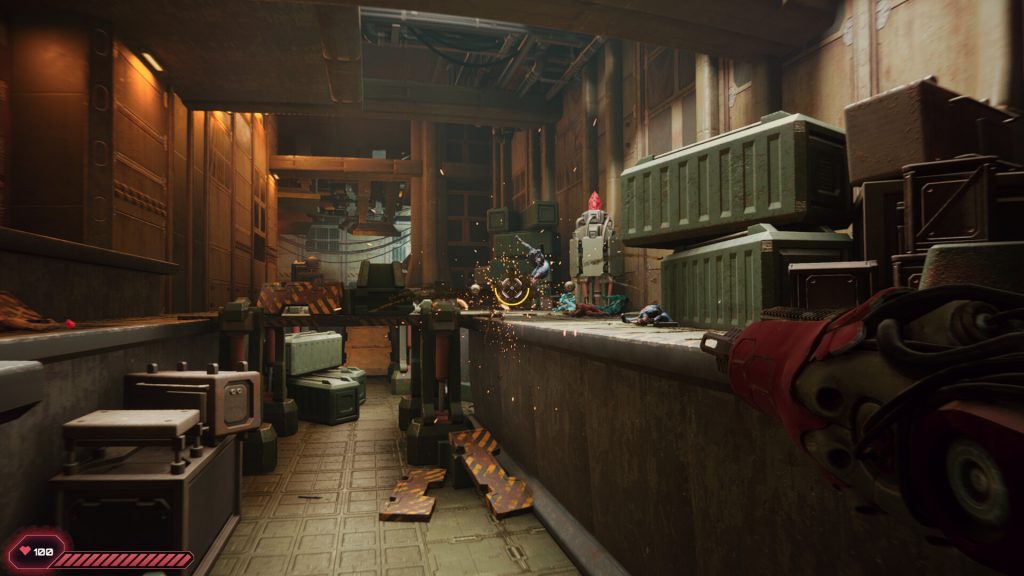
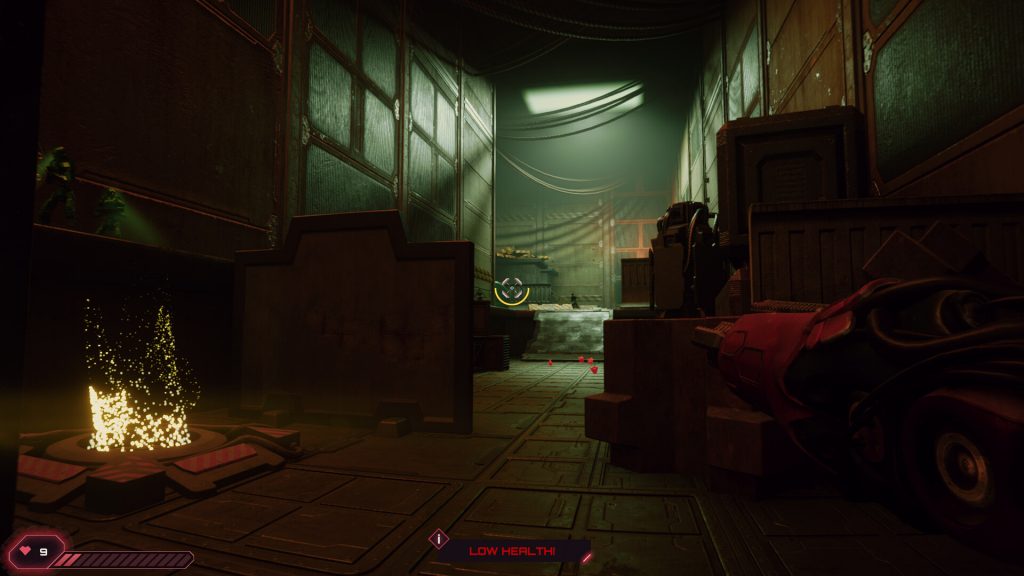
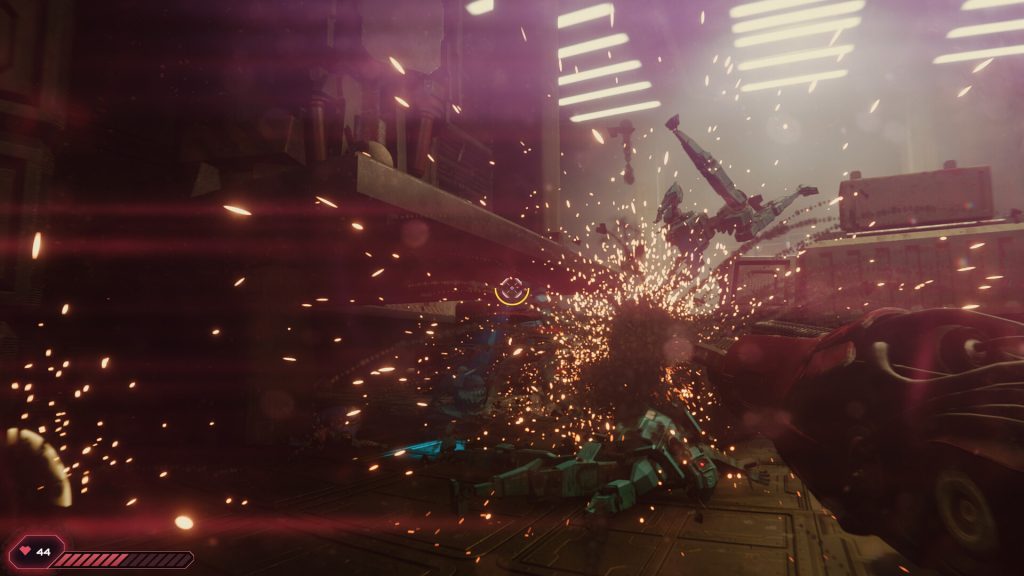
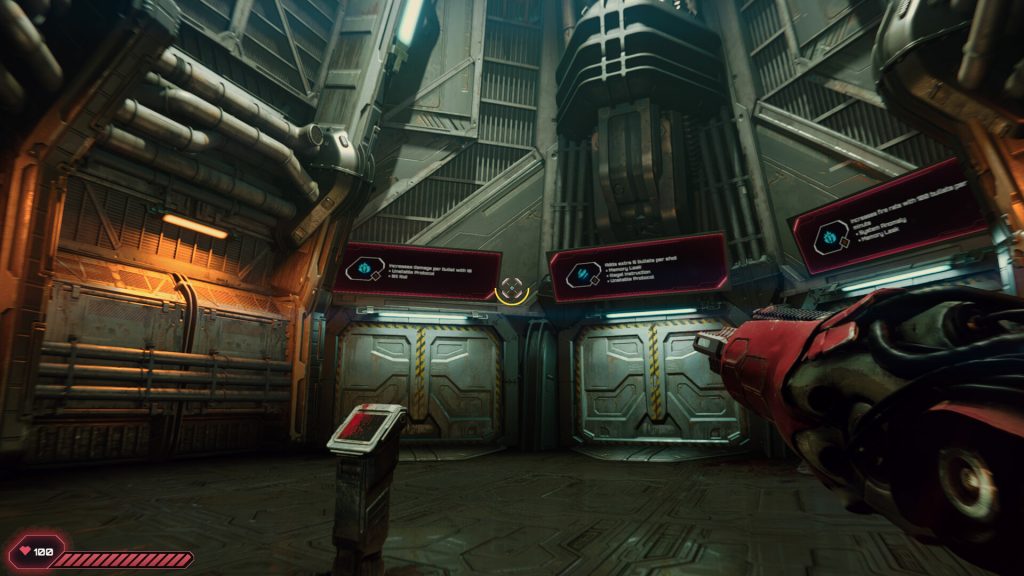
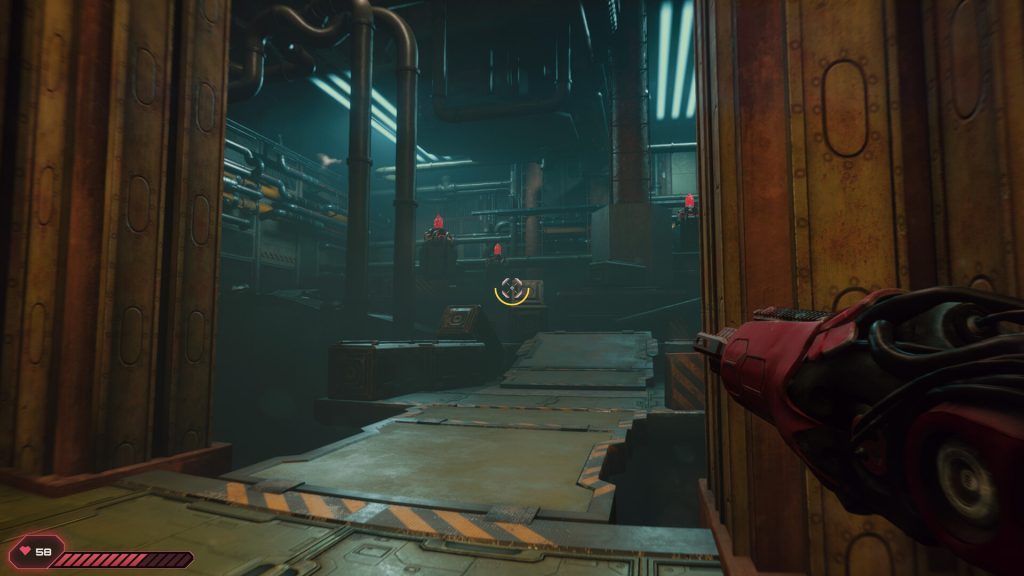
The setting establishes the game’s tonal register effectively. Everything is Gun! takes place on A1-KTRZ, a collapse-imminent prison planet where death matches are live-streamed for billions of viewers. Players inhabit combat suits with uploaded consciousness, entering dangerous spaces that combine industrial facilities with geometric structures.
This streaming-spectacle framing is doing meaningful design work. The premise justifies the gameplay’s relentless intensity (it’s literally entertainment for billions, so it has to be entertaining), supports the roguelike death-and-repeat structure (players literally die and respawn for new viewers), and provides narrative justification for the Twitch integration features (the game’s reality is shaped by viewer participation, just as the actual game’s experience is shaped by stream viewer participation).
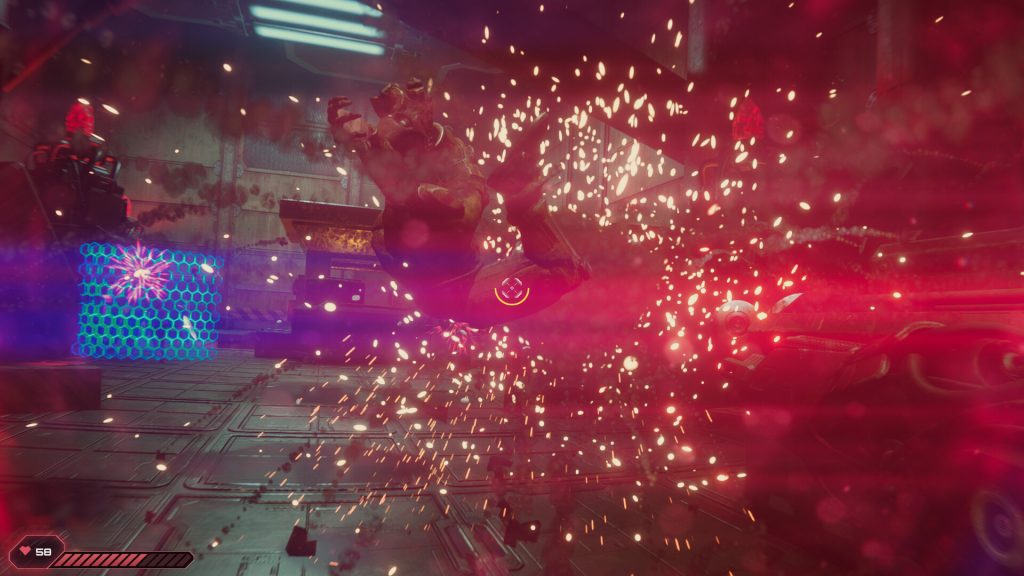
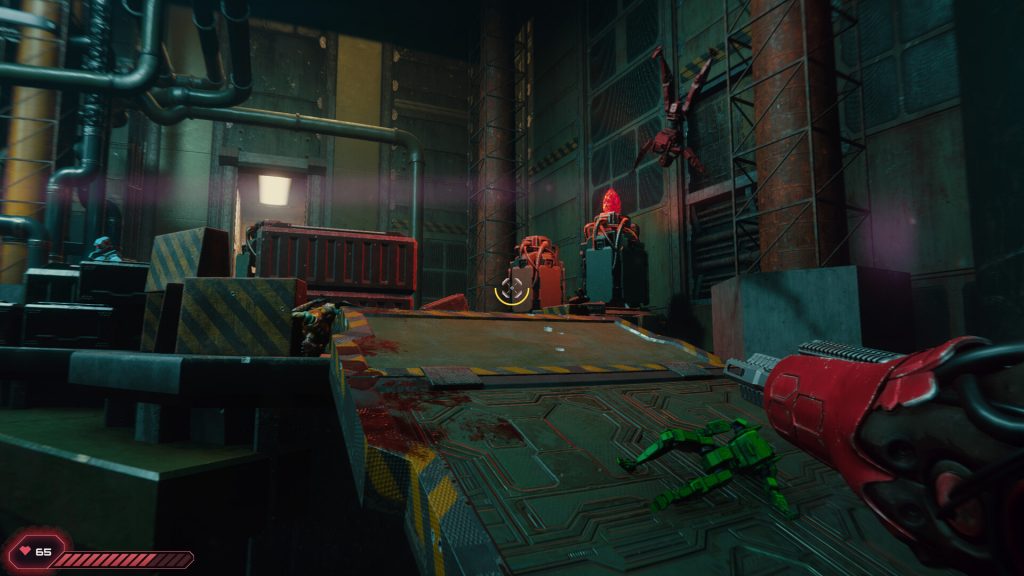
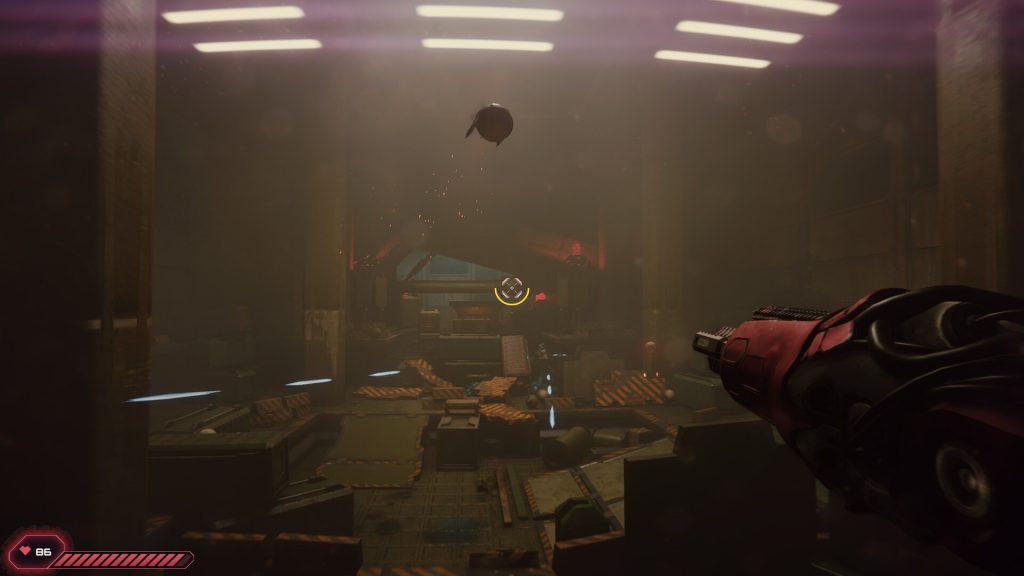
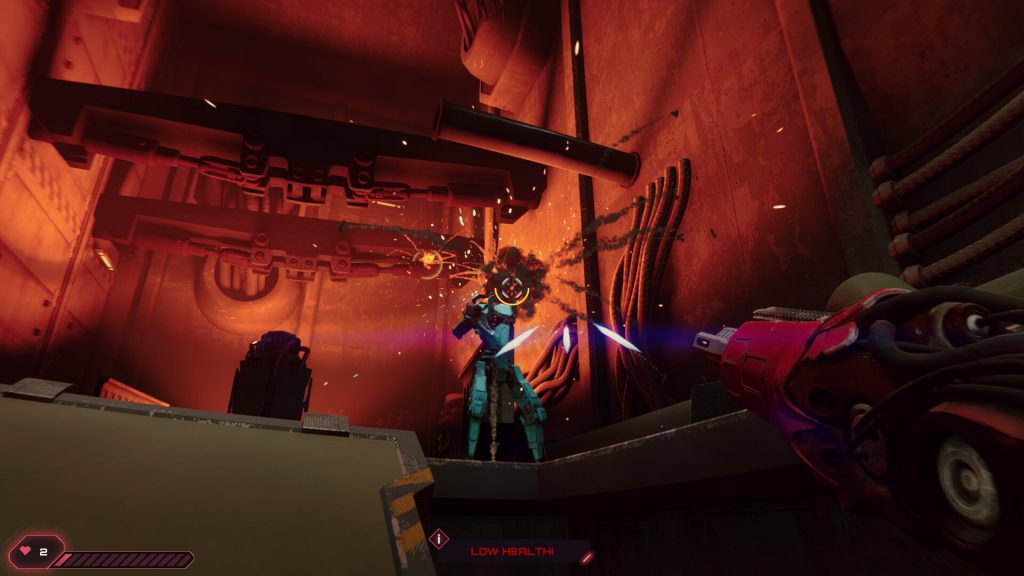
The visual presentation has been described as modernized 1990s arena shooter aesthetics — sharp, linear design reinterpreted for contemporary execution. Screen-filling particle effects and intense color staging maximize the high-speed action’s visceral satisfaction. This visual direction is appropriate for the design lineage that Everything is Gun! is drawing from. Quake, Unreal Tournament, and the broader 90s arena shooter aesthetic were specifically about visual impact at high speeds.
The procedural map regeneration deserves recognition. Every death produces a new map configuration. This eliminates the memorization advantage that experienced players typically develop in level-based shooters — instead of learning specific maps, players must develop generalized spatial awareness, instant tactical judgment, and pure mechanical execution skills. The design philosophy explicitly favors immediate skill over accumulated knowledge.
The Three Core Systems
Everything is Gun!‘s gameplay rests on three distinct systems that combine into its specific identity.
The Isaac-Style Synergy System provides the roguelike foundation. Drawing from The Binding of Isaac‘s approach to character progression, the game offers mutation-style upgrades that don’t just enhance weapons but transform their fundamental character. Basic firearms can become wall-bouncing fragment weapons or armor-melting acid bullet launchers. Killed enemies can become detonation points for chain explosions. The resulting builds are unpredictable in ways that pure stat-based progression rarely achieves.
This synergy approach is well-suited to the FPS context. Pure DPS optimization (the standard RPG progression model) makes shooter combat predictable; Isaac-style weapon transformation creates situations where players must adapt their playstyle to whatever combinations they’ve assembled. The mechanical interaction between procedurally generated maps and procedurally combined weapons creates the kind of replayability that pure level-based progression can’t match.
The Movement System doubles down on skill expression. No sprint button. No cover system. No aim assist. Bunny hopping, dashing, and precise aiming are the only survival tools. This is an explicit homage to the Quake III / Unreal Tournament/arena shooter tradition, where movement mastery was the difference between life and death.
The design philosophy here is provocative within the current FPS landscape. Modern shooters have systematically reduced player skill demands through aim assist, cover mechanics, regenerating health, and various accessibility features. Everything is Gun! takes the opposite direction — building a game that requires real mechanical skill and trusts players to develop it through practice.
This positioning creates clear audience targeting. Players who want accessible casual shooting won’t find what they’re looking for here. Players who specifically crave the technical depth of classic arena shooters will recognize Everything is Gun! as a project designed for them.
The Asynchronous Ghost Boss System is the most innovative single feature. When a player clears the game with a powerful build, their playstyle, movement patterns, and weapon combinations are recorded. They then appear as powerful bosses in other players’ games — providing new challenges based on actual successful player behavior rather than designer-authored opponents.
This is genuinely novel. Asynchronous multiplayer has been explored in various ways (Dark Souls’ messages, racing games’ ghost cars), but a system that turns successful players into actual enemy bosses for other players represents a new combination. It also creates interesting social dynamics — players have personal stakes in their builds because those builds will challenge other players, while the game’s enemy variety grows organically through community success.
The Twitch Integration
The Twitch integration feature deserves specific examination because it represents both opportunity and risk. Viewers can vote in real-time to adjust difficulty, place traps, or provide streamer support bonuses. This level of integration goes beyond what most streaming-friendly games attempt.
The design alignment with the streaming-era prison planet setting is elegant. The game’s narrative reality is shaped by viewer participation; the player’s reality is also shaped by viewer participation. The structural parallel between narrative and gameplay reinforces the project’s identity.
The implementation challenges are real. Twitch integrations require careful balance — too much viewer power destroys streamer agency, too little makes the feature pointless. The best implementations (like Choose Your Own Adventure games with Twitch chat) find specific moments where viewer input adds drama without removing player skill expression. How Everything is Gun! threads this needle will significantly affect the feature’s value.
The streaming era has produced specific value in indie shooter discovery. Games that integrate well with streaming and content creation reach audiences much larger than their development resources would otherwise enable. Everything is Gun!‘s Twitch features position the project for this kind of organic discovery growth across development and release.
The Three-Person Studio Story
Incineration Productions consists of three women developers operating from Sofia, Bulgaria. Co-founder Gergana Popova explained the project’s origin in terms of frustration with current shooter trends.
“Recent shooters have become overly safe, sacrificing original mechanical depth for cinematic presentation,” she said. “I missed the time of 1990s FPS games where player movement was the means of survival itself. I wanted to make a game that genuinely respects player skill.”
This design philosophy statement reveals what the project is actually attempting. Everything is Gun! isn’t trying to be the next mass-market shooter — it’s specifically building a game for players who feel the modern shooter genre has compromised what made earlier shooters great. The audience for this kind of design philosophy is dedicated rather than mass-market, but it’s also passionate enough to drive the kind of organic enthusiasm that’s already producing the wishlist explosion.
The women-led, Eastern European, three-person team composition adds specific cultural significance. The FPS development industry has historically been overwhelmingly male-dominated, particularly at an indie scale. A woman-led team building exactly the kind of technical, skill-demanding shooter that the genre’s traditionally male enthusiasts often claim only male developers can deliver is the kind of demonstration that quietly reshapes industry assumptions.
The three-person development scale producing globally-noticed work in three months also demonstrates something important about contemporary indie development. Modern game development tools, distribution platforms, and visibility infrastructure have lowered the barriers to creating internationally significant work. Small teams with a clear vision can compete for player attention even against major studios with vastly larger resources.
The Bulgarian Indie Context
Bulgaria’s gaming scene deserves a brief context. The country has been gradually developing its game development capability across recent years, with various studios working on different projects, but Bulgarian indie hasn’t yet achieved the international recognition that Polish or Czech indie development has earned. Everything is Gun!‘s breakthrough attention represents one of the more visible Bulgarian indie successes of recent memory.
For the broader Eastern European indie scene, projects like Everything is Gun! demonstrate that internationally competitive work can emerge from regions outside the traditional gaming development centers. Sofia is not Warsaw, Prague, or Stockholm — and yet Incineration Productions has produced a project that’s competing for international attention with games from much more established gaming development regions.
This pattern of indie development geographic expansion is one of the more interesting current industry developments. Each new region’s emergence into international indie visibility expands the diversity of perspectives, design philosophies, and cultural sensibilities feeding into the global gaming conversation. Everything is Gun! contributes to this broader expansion while delivering its specific design vision.
Who This Is For
Strong fit for: Quake, Unreal Tournament, and 90s arena shooter enthusiasts; Doom Eternal fans seeking even more mechanical demand; roguelike fans curious about FPS variations of the format; The Binding of Isaac fans interested in similar synergy systems in different genres; competitive FPS players who appreciate skill expression; streamers seeking games with strong viewer integration; players who feel modern shooters have become too accessible.
Cautious fit for: players who specifically rely on aim assist for FPS gameplay; anyone uncomfortable with rapid procedural map regeneration.
Less ideal for: casual FPS players seeking accessible experiences; anyone who avoids high mechanical demand games; players who specifically prefer cover-based or tactical shooter approaches over arena shooter intensity.
What to Watch For
A few questions will shape Everything is Gun!‘s development arc toward Q4 2027 release.
The first is whether the three-person team can scale the three-month prototype into a full-length game. The trailer impressions reflect early development work; sustaining that quality across a complete game with extensive content is a significantly larger challenge. How Incineration Productions manages this scaling will determine whether the wishlist excitement translates into a satisfying full release.
The second is whether the Ghost Boss system delivers genuinely engaging asynchronous multiplayer or settles into one-note novelty. The system’s potential depends heavily on how well-implemented player behavior translates into satisfying boss encounters for other players.
The third is Twitch integration execution. The feature has substantial potential for viral discovery growth but requires careful balance to avoid undermining streamer experience.
The fourth is content variety across the full game. Roguelike shooters need enough weapon types, enemy varieties, and synergy possibilities to sustain engagement across extensive replay. Whether Everything is Gun!‘s final content roster supports the replayability the format demands will affect long-term reception.
The Takeaway
Everything is Gun! is one of the most distinctive indie FPS projects in current development, combining clear design philosophy (90s arena shooter heritage, skill-respecting mechanics, roguelike systems), genuinely innovative features (asynchronous Ghost Boss system, sophisticated Twitch integration), and remarkable production efficiency (three developers in three months producing globally-noticed work).
For FPS enthusiasts who’ve grown frustrated with modern shooter trends toward accessibility and cinematic presentation, Everything is Gun! represents exactly the kind of project that justifies continued attention to the indie scene. The development team’s explicit design philosophy — respecting player skill, refusing aim assist, demanding movement mastery — aligns with what specific segments of the FPS audience have been requesting for years.
For broader indie scene observers, the project demonstrates several important contemporary patterns: how small teams can achieve international attention through pure design distinctiveness, how curated showcase visibility (like the Insider Gaming Showcase) can substitute for marketing budgets, how women-led teams can succeed in traditionally male-dominated genres, and how Eastern European indie development continues expanding into globally competitive territory.
For Japanese players specifically — currently representing 30% of the wishlist — Everything is Gun! has demonstrated unusual cross-cultural appeal that suggests the project may achieve commercial success in markets that smaller indie FPS games typically don’t reach.
A prison planet where deaths are streamed to billions. Three Bulgarian women developers are building what 90s arena shooter fans have been requesting for decades. Procedurally regenerating maps that punish memorization and reward skill. Weapon mutations that transform basic firearms into wall-bouncing fragment cannons or armor-melting acid launchers. Asynchronous Ghost Bosses created from successful player builds. Twitch integration that makes viewers active participants in the chaos.
As indie shooter pitches go, Everything is Gun!‘s is one of the most distinctive of 2026 — and the fact that this distinctiveness emerged from a three-person women-led Bulgarian studio working for just three months represents one of the more inspiring contemporary indie development stories.
The wishlists are growing across continents. The development continues. The Q4 2027 release is still distant, but the foundation is already producing the kind of global attention that established studios spend millions of dollars trying to manufacture. Incineration Productions is doing it through pure design vision — and the gaming world is responding.
Welcome to A1-KTRZ. The streams are live. The bullets are mutating. And one of the most genuinely interesting indie shooters in development is just getting started.
Information regarding ‘Everything is Gun!’
| item | detail |
|---|---|
| Developer / Publisher | Incineration Productions (Sofia, Bulgaria / 3-person female-led team) |
| Genre | First-person roguelike arena shooter / action roguelike |
| Release platform | PC (Steam) |
| Scheduled for release | Q4 2027 |
| Wishlist distribution | Japan 30% / United States 23% / China, Russia, United Kingdom, Germany, France, Spain, etc. |
| Public history | Insider Gaming Showcase (Selected as one of the world’s top 12 games / Tom Henderson Committee) |
| core system | Isaac Style Weapon Synergy / 100mph+ Infinite Momentum / Asynchronous Ghost Boss / Twitch Integration |
| Development Period (Current) | About 3 months (initial development phase) |
| Main Keywords | 90s FPS, Arena Shooter, Roguelike, Bunny Hop, Synergy, Streaming, Bulgarian Indie |
| Official Channel | Discord · X · YouTube |
| Steam Page | Go to Wishlist |