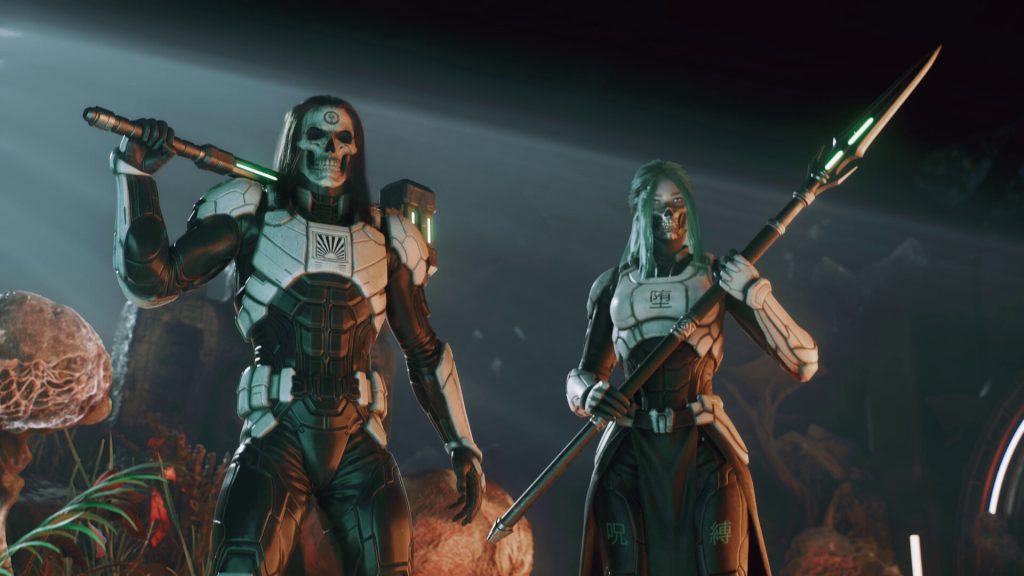
Humanity’s need to expand into space faster than biological evolution allows produced a solution: engineered posthumans capable of surviving what ordinary humans cannot. People called them Angels. The Angels proved superior in nearly every measurable way. The powerful suppressed and exploited them. The resulting conflict — the Interhuman Wars — ended with the Angels victorious and departing for deep space. Two hundred years later, they’re returning. And something dark is coming with them.
This is the world of Angelic: Dark Symphony, the debut project from Angelicore Game Studios — a team of AAA veterans founded specifically to make the cinematic SF RPG they collectively wanted to play. Game Director Erkan Bayol described the concept’s origin directly: “What if humanity had to adapt to space environments faster than evolution allowed? The answer was the Angels — but once they became superior to humans, those in power started to suppress them, and conflict became inevitable.”
The studio’s founding team comes from Bungie, Crytek, and Ceidot Game Studios, with collective credits on games that have reached over 100 million players worldwide. That pedigree gives Angelic: Dark Symphony a specific kind of credibility before a single player has tried the Early Access build: these are people who have shipped large, technically complex games before.
The Multiple Protagonist Structure
The narrative architecture — multiple heroes with different perspectives, motivations, and conflicts whose viewpoints cross to form a single larger story — is an ambitious storytelling approach that the turn-based tactical RPG genre doesn’t often attempt. Most JRPGs and tactical RPGs have ensemble casts but tend toward a single protagonist’s perspective as the organizing viewpoint; Angelic: Dark Symphony is explicitly constructing the narrative from the intersection of several perspectives simultaneously.
This structure mirrors the setting’s thematic content. A conflict between humans and posthuman Angels — both with legitimate grievances, both capable of atrocity — doesn’t have a clean protagonist viewpoint. The Angels experienced oppression; the humans experienced an existential threat from beings they created. Telling this story from multiple perspectives simultaneously is the narrative choice that matches the setting’s moral complexity.
The first campaign centers on Dreadheaven — formerly called “The Heaven,” a posthuman colony that has gone silent. Heroes sent to investigate encounter “a horrific event” and find themselves confronting fundamental questions about existence, faith, evolution, morality, and reality. The settlement’s history (a colony for the very beings whose suppression started the war, now silent after their return) gives the investigation narrative weight beyond mystery-solving.
The Combat System
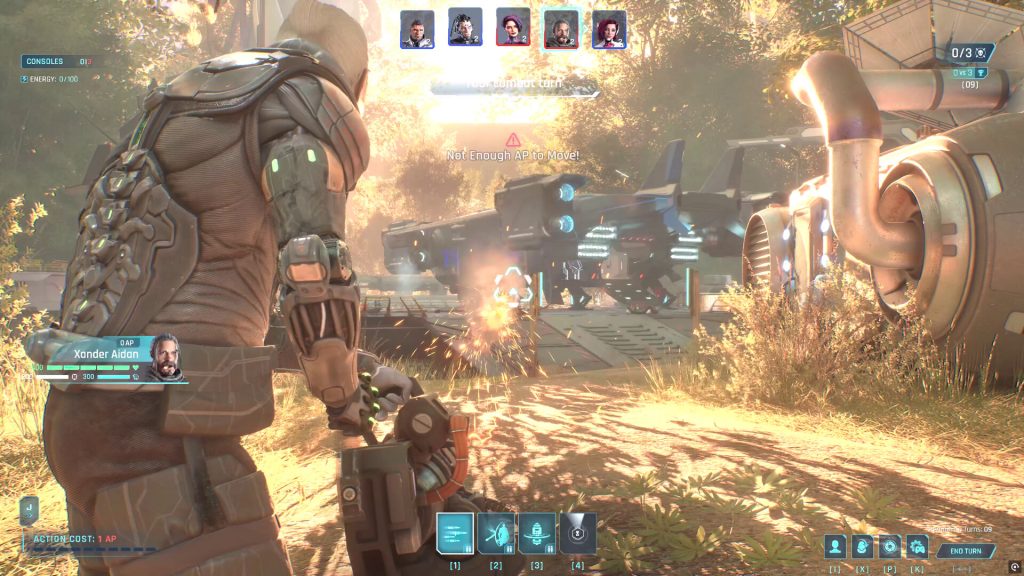
Turn-based tactical combat with multi-hero parties, signature ability combinations, environmental interaction, and execution animations is the design vocabulary of the genre’s most successful recent entries. The specific claims — strategic synergies from combining hero abilities, terrain and environment utilization, satisfying execution cinematics — are the correct priorities for a genre whose best moments come from the interplay of these elements.
The “strong-feel action” alongside tactical depth is the design tension that turn-based games navigate: too cinematic and combat becomes a passive viewing experience; too abstract and the emotional investment in individual heroes fades. Whether Angelicore has found the balance between strategic satisfaction and kinetic engagement will be the primary Early Access evaluation point.
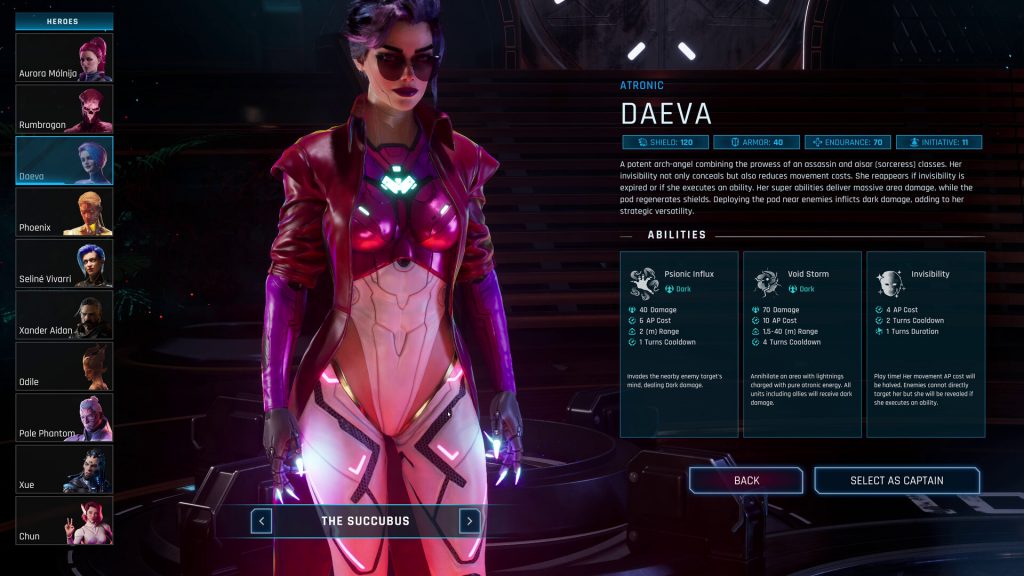
Each hero’s distinct combat style, unique abilities, and dedicated animations extend this into the character identity dimension. A hero roster where different characters feel meaningfully different to play — where switching between them requires adjusting tactics rather than just aesthetics — is what sustains long-term player investment in multi-character party games.

The Chaos Theatre Multiplayer
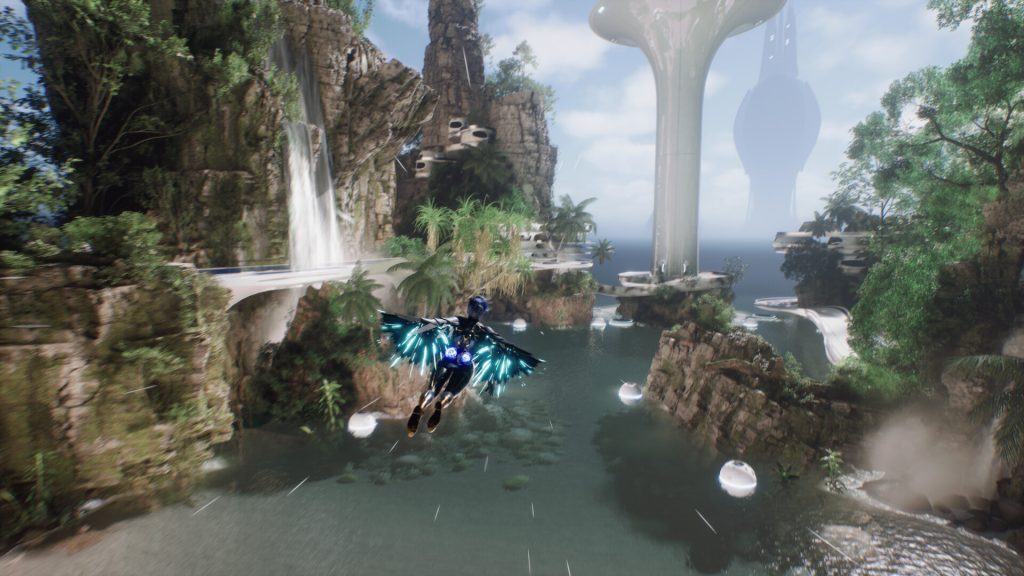
The free multiplayer mode included with the paid game is a significant commercial and design decision. Chaos Theatre provides co-op play, PvP, and free battle modes — allowing players to take the hero compositions and tactical synergies they’ve developed in the campaign into player-versus-player and cooperative contexts.
The “free” distinction matters: the multiplayer isn’t sold separately or gated behind a subscription. All players who purchase the base game access Chaos Theatre. This design commitment — alongside the explicit no-in-app-purchase, no-gacha pledge — positions Angelic: Dark Symphony as a conventional paid game rather than a live-service model.
The developer’s stated plan to “continuously expand the multiplayer ecosystem through patches and updates” is the long-term community commitment that multiplayer modes require to remain viable past the initial launch audience. Whether the update cadence delivers on this commitment will determine Chaos Theatre’s longevity as a competitive mode.
The Open Alpha and Early Access Trajectory
The open alpha period that Angelicore ran before this announcement served a specific purpose: collecting player feedback on the combat system before committing to the Early Access state. The developer’s explicit statement that the alpha was used to “continuously collect user feedback on the combat system” indicates the development team is using the public testing period as genuine input rather than marketing.
The transition from open alpha to Early Access preparation — with the story-centered “Dark Symphony” campaign content as the Early Access focus — suggests a development strategy where multiplayer viability was validated first (open alpha’s turn-based combat with player opponents) before committing to the narrative content that requires more development infrastructure.
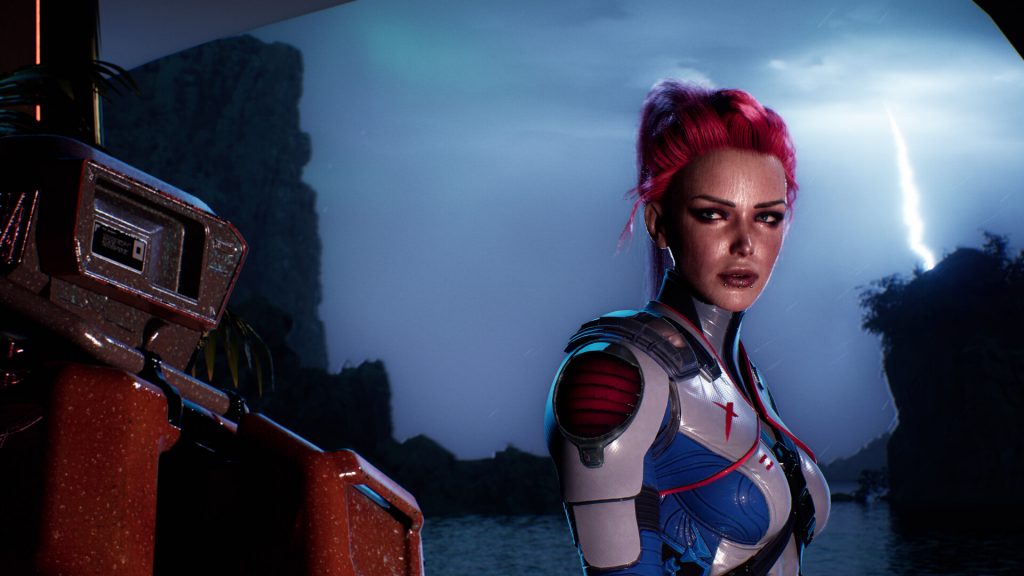
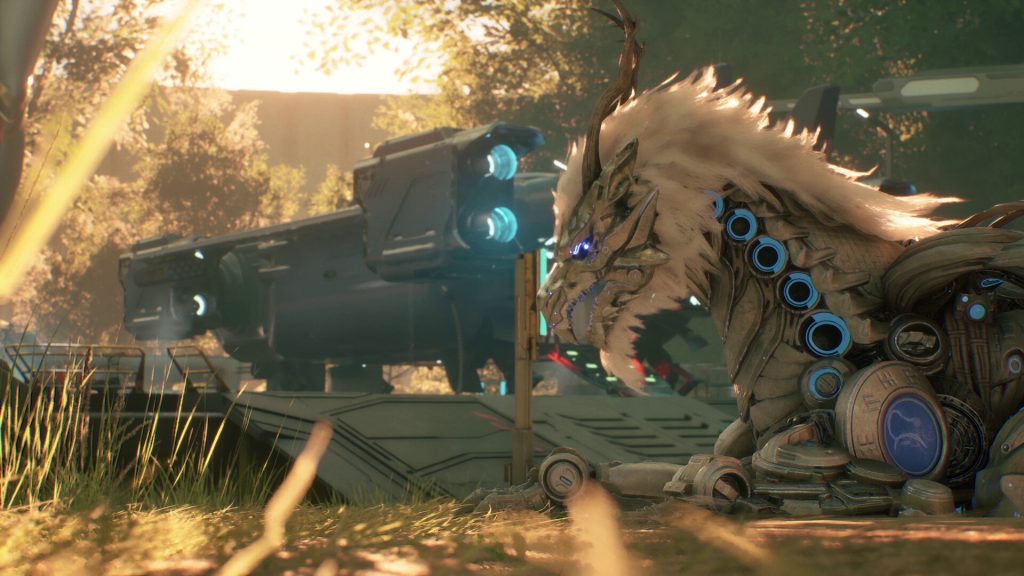
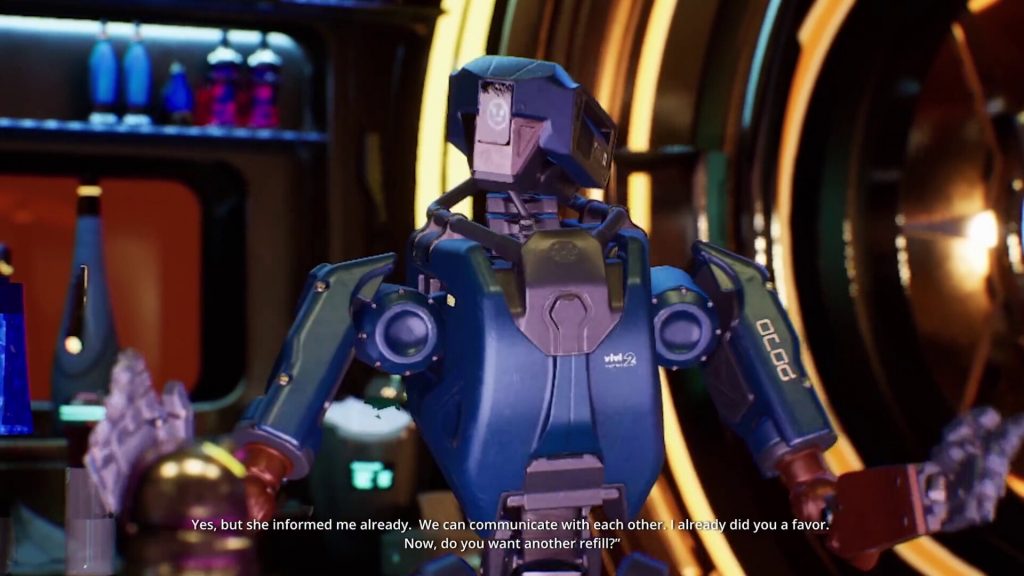
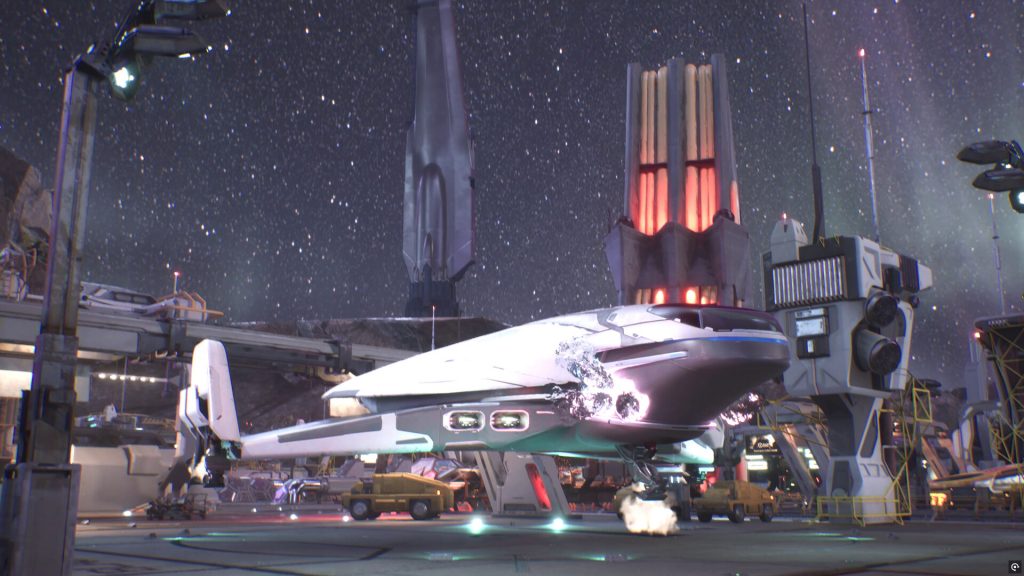
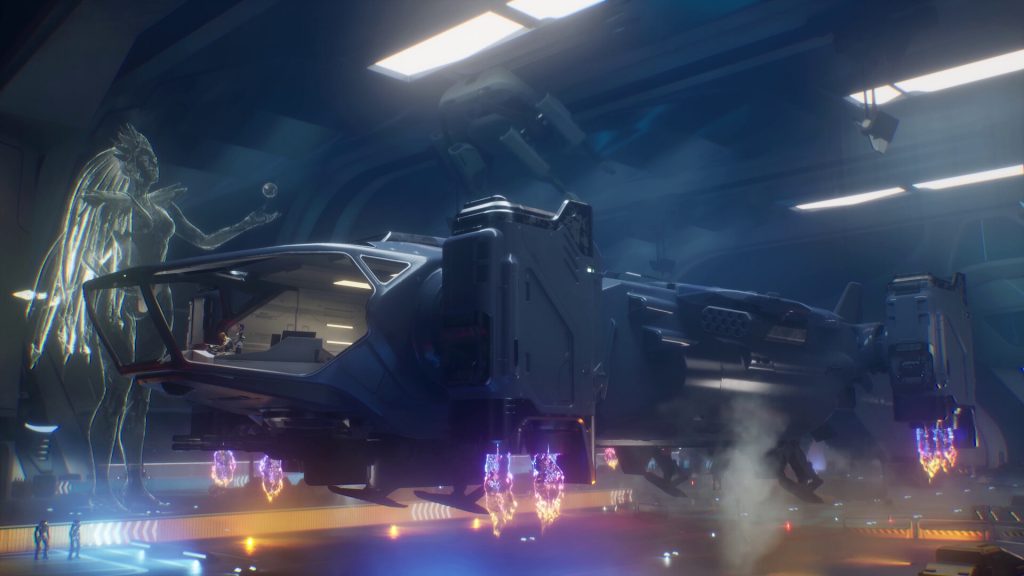
The Unreal Engine foundation is visible in the released footage — the character facial expression quality, movement, and lighting are consistent with modern engine output. The developer’s note that current screenshots and footage were captured from early development builds and may change at release is the standard disclaimer, but the gap between what’s shown and what ships will be an early credibility test.
The No-Gacha Commitment
The explicit statement that Angelic: Dark Symphony will be a paid packaged game with no in-app purchases or gacha elements is worth examining as a business model stance, not just as consumer information.
SF games with posthuman characters and hero collection systems are natural candidates for gacha monetization — the character variety and power differentiation that gacha systems exploit exist organically in this genre. Angelicore is explicitly declining that monetization pathway in favor of a conventional paid model. For players who have grown frustrated with gacha mechanics in RPGs, this is a meaningful commitment that affects the game’s fundamental design philosophy: hero balance doesn’t need to be skewed toward paid rarities, story characters don’t need to be withheld for monetization, and the game’s difficulty doesn’t need to be tuned to encourage gacha spending.
Who Is This For
Strong fit for: turn-based tactical RPG enthusiasts who want cinematic SF settings and moral complexity rather than fantasy conventions; players who specifically appreciate AAA production quality in indie game contexts; SF fans interested in posthuman ethics and the specific tensions of created-being-versus-creator narratives; JRPG enthusiasts who want Western production aesthetics applied to ensemble cast storytelling; players who have been waiting for a fully-realized SF tactical RPG that commits to no gacha monetization.
Cautious fit for: players who need confirmed release dates before investing attention; anyone who wants real-time action rather than turn-based tactical combat; players who found the open alpha combat unsatisfying and are uncertain whether Early Access has addressed those concerns.
Less ideal for: players who dislike turn-based games regardless of production quality; anyone seeking pure single-player content without multiplayer infrastructure; players who prefer established studios over debut projects with AAA pedigree.
What to Watch For
The Early Access launch date announcement will clarify the development timeline. The open alpha conclusion and the Early Access preparation stage suggest the launch is not immediate but also not distant — the transition language implies months rather than quarters.
The combat system’s Early Access reception will be the most significant initial evaluation. Turn-based tactical games live on whether their combat depth sustains interest across extended play; the open alpha feedback apparently drove substantial iteration, and whether that iteration produced a combat system that rewards long-term engagement will determine the Early Access community’s patience.
The Takeaway
Angelic: Dark Symphony is Angelicore Game Studios’ bid to demonstrate that AAA development experience applied to indie studio creative freedom produces cinematic turn-based SF RPGs that neither the AAA publishing model nor the typical indie development context easily enables. The Bungie and Crytek credentials establish technical execution credibility; the no-gacha commitment establishes design philosophy credibility; the posthuman ethics narrative framework establishes thematic ambition. Whether the Early Access build delivers on all three simultaneously is what the launch will reveal.
The Angels are returning to a humanity that created and then oppressed them. Dreadheaven has gone silent. The first campaign’s heroes are being sent to find out why. And in the darkness of a colony called Heaven, two hundred years of accumulated grievance is about to express itself in whatever form it’s taken while waiting.
Early Access incoming. Steam and Epic Games Store wishlist now open.
Information regarding ‘Angelic : Dark Symphony’
| item | detail |
|---|---|
| Developer | Angelicore Game Studios (developers formerly from Bunge, Crytek, and Saydot Game Studios) |
| Publisher | Angelicore Game Studios (Self-publishing) |
| franchise | Angelic |
| Genre | RPG / Strategy (Party-based turn-based tactical RPG) |
| Release platform | PC (Steam, Epic Games Store), additional platforms under review |
| Release date | Upcoming Release (Preparing for Early Access, Open Alpha Season Ended) |
| engine | Unreal Engine |
| Supported languages | English (Full support for audio and subtitles) |
| adult content | Contains strong language, violence, gore, and rarely nudity or sexually explicit content. |
| Additional content | Free multiplayer mode ‘Chaos Theater’ (supports Co-op, Versus, and Free Battle), no in-app purchases |
| reaction | 12 Steam curators have posted reviews; there are no user reviews yet as the official release has not yet begun. |
| Steam Page | Shortcut |