Now and then, a studio coins a portmanteau so confidently weird that you have to respect it on principle alone. Korean indie studio Project Moreum has decided their new game is a “Cooktroidvania” — a Metroidvania built around cooking, set in a post-apocalyptic world where the very concept of cuisine has been forgotten. The protagonist is a lone chef wandering the ruins of civilization in pursuit of the perfect dish.
If that sentence made you stop and reread it: yes, that is the actual premise. And based on the free demo currently on Steam, it might also be one of the more interesting K-indie projects of the year.
A Premise That Earns Its Strangeness
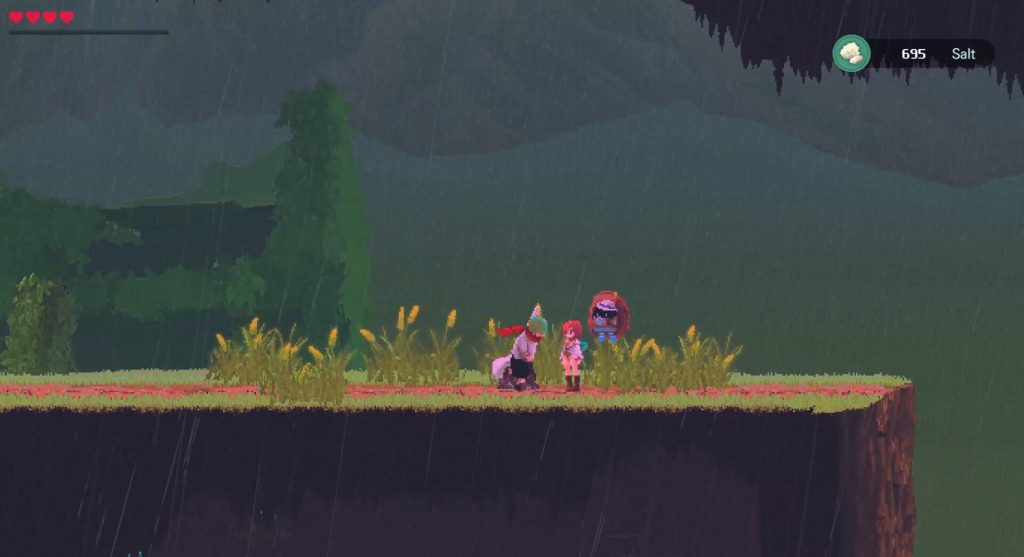
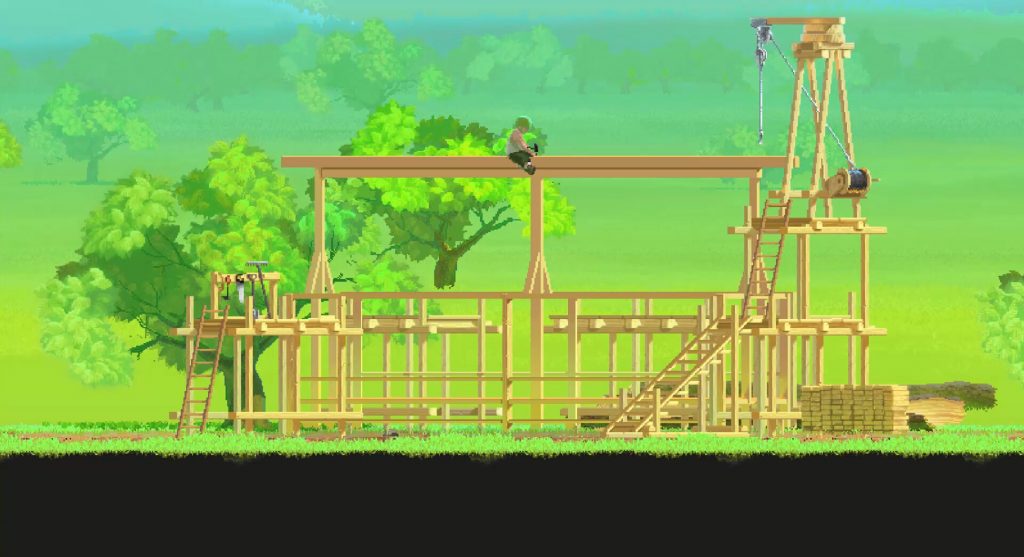
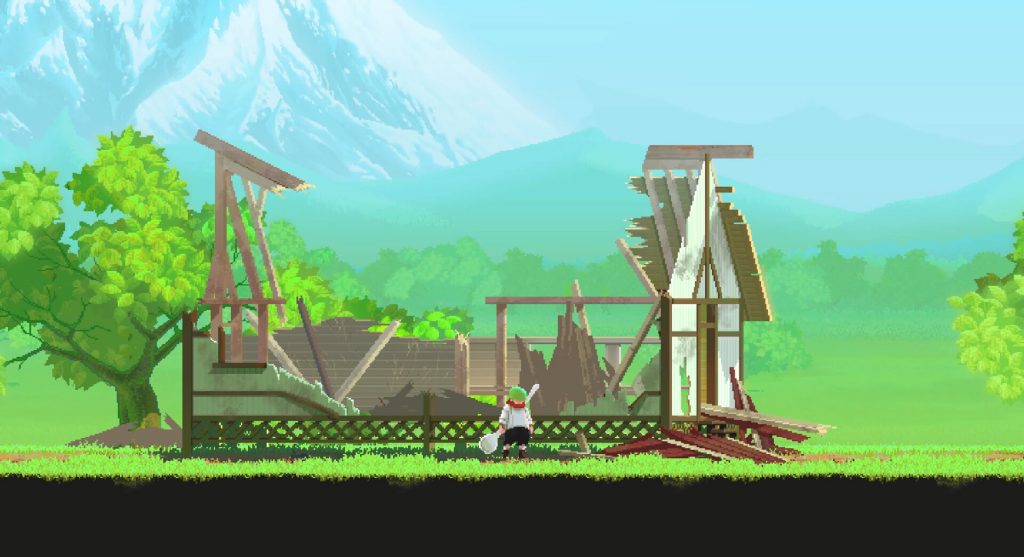
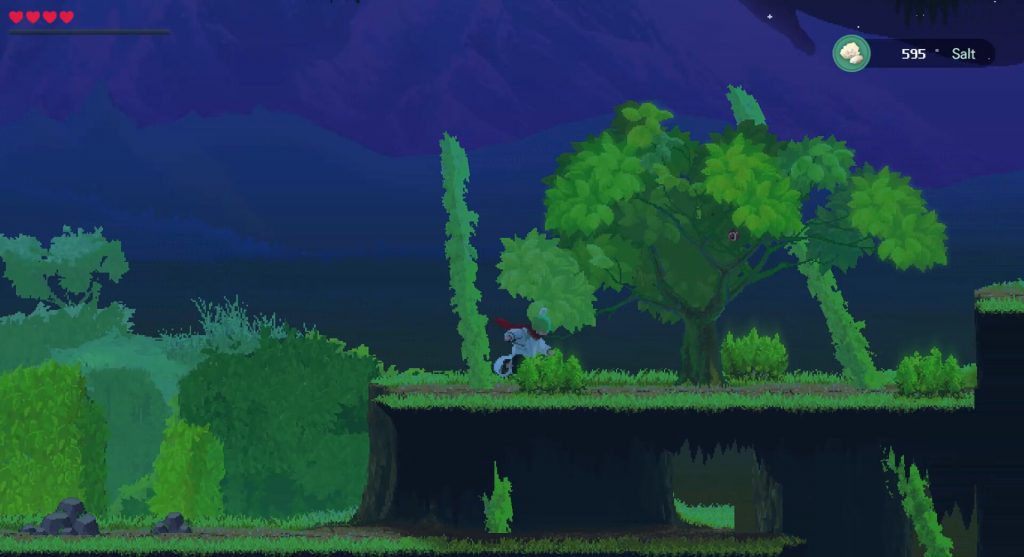
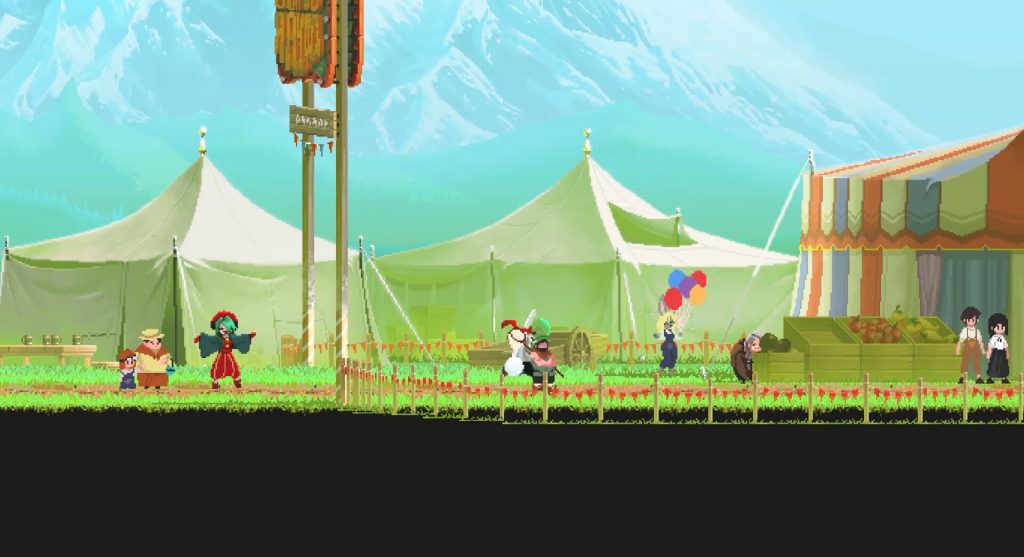
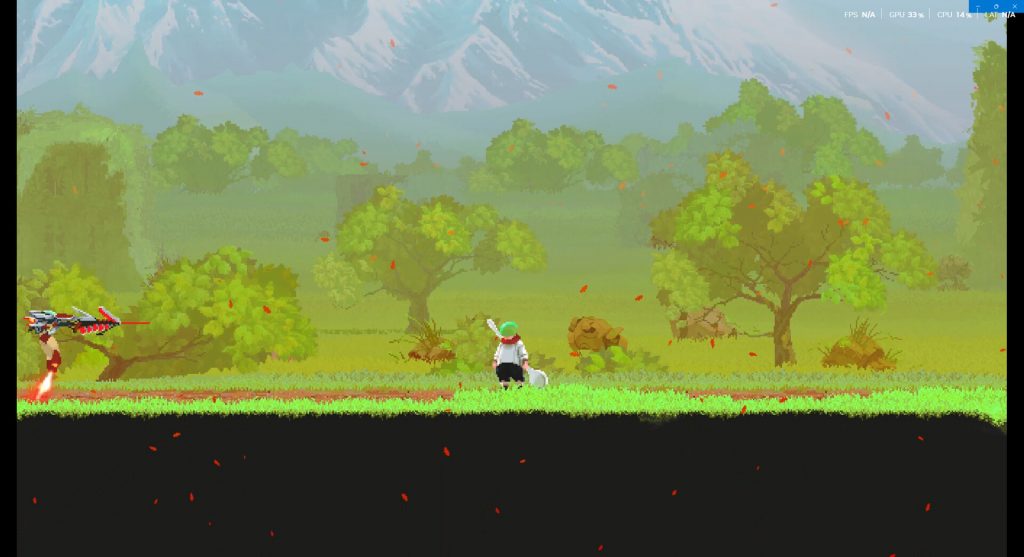
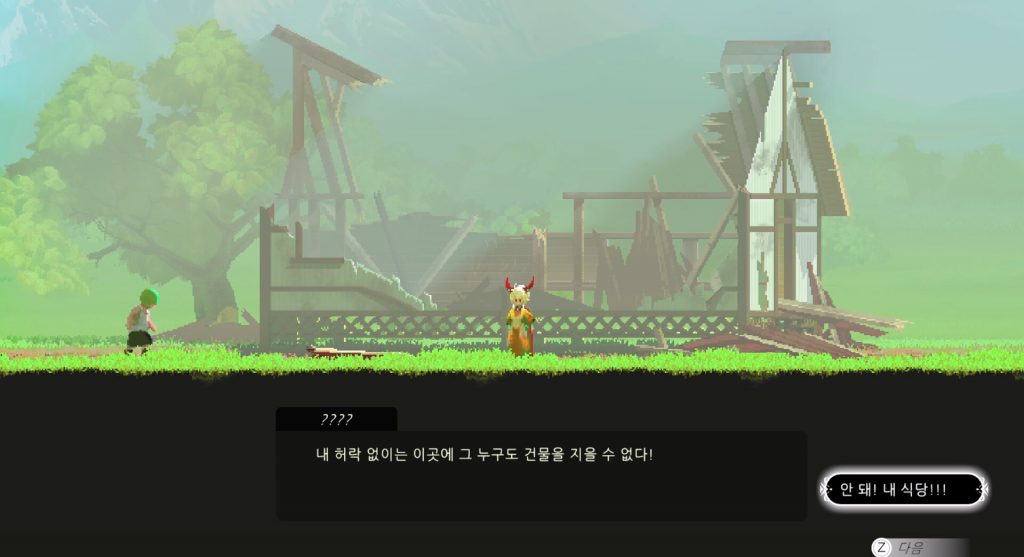
The setup of Lone Chef has no business working as well as it does. Post-apocalyptic settings are usually a license for gray skies, grim survivalism, and a relentless focus on scarcity. Project Moreum has taken that template and inverted nearly every part of it. The world here is bright, cartoonish, animated with a clear love for Saturday-morning sensibilities, and laced with comedy. The ruins are real. The mood is not.
More importantly, food in Lone Chef isn’t a stat-restoring afterthought. It’s the connective tissue of the entire game. Recipes are how the protagonist builds relationships with the strange survivors scattered through the world, how lore is gradually unlocked, and how the player progresses through both combat and story. Some recipes are explicitly tied to specific characters’ arcs. Cooking, in other words, is the verb the whole game is built around — exploration and combat exist to feed it, not the other way around.
That’s a genuinely fresh structural idea, and it’s the part of the pitch that distinguishes Lone Chef from the dozens of Metroidvanias that ship every year with broadly similar movement and combat loops.
170+ Recipes, and a Stat System That Actually Cares What You Eat
There are 121 base recipes and 48 “ancient” recipes in Lone Chef, for a total of 170 dishes. Base recipes come from experimenting with ingredient combinations; ancient recipes have to be discovered out in the world, which gives exploration a tangible reward beyond the standard Metroidvania ability gating.
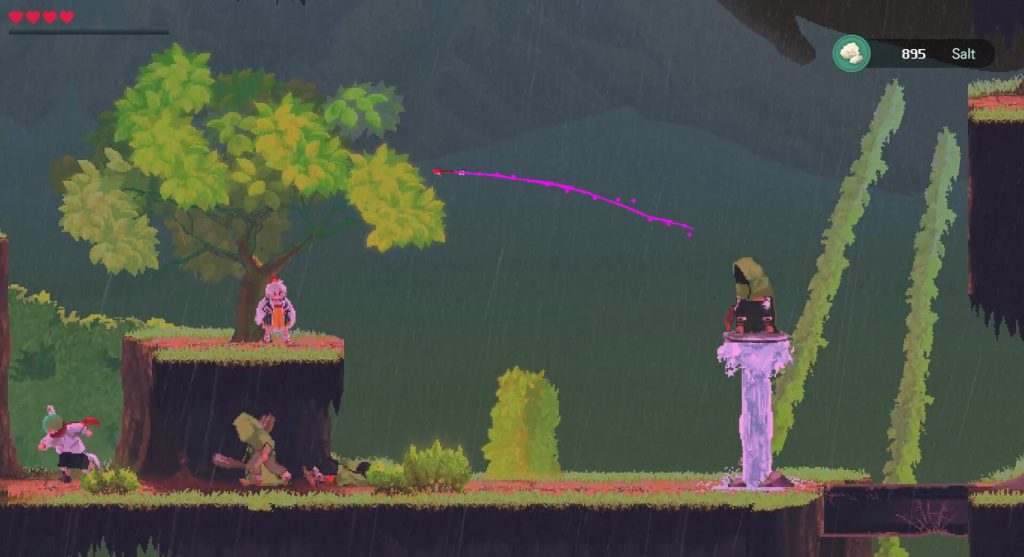
The cleverest piece of design is the Tag system. Ingredients carry stat affinities: meat boosts STR, fruit boosts VIT, vegetables boost AGI, and grains boost HP. That means your diet is your build. A meat-forward player and a vegetable-forward player will play the game differently — different combat tempos, different survival strategies, different priorities when hunting. The cooking system isn’t just a flavor layer on top of action; it’s the character progression system itself.
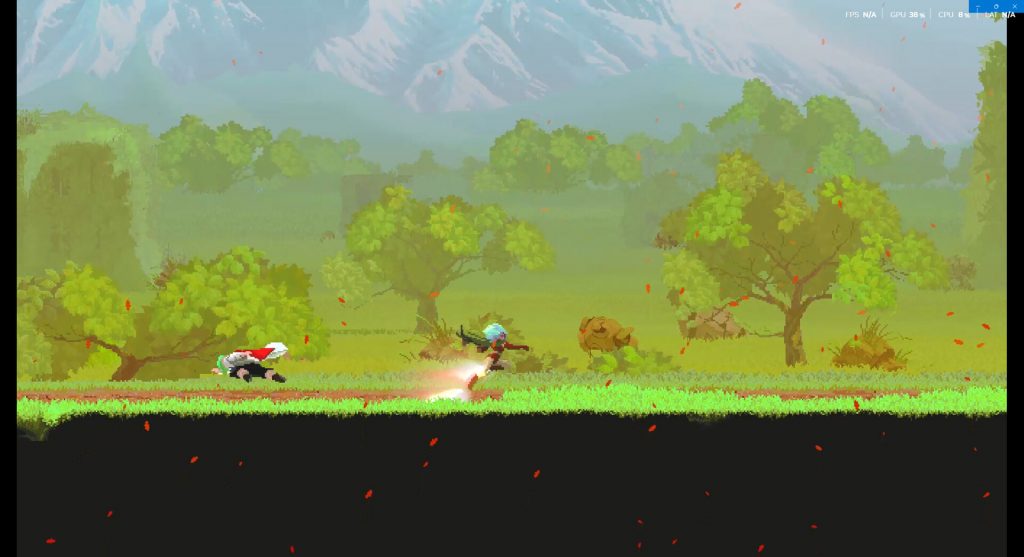
The loop, then, is hunt → cook → explore → fight → hunt better → cook better → push deeper. It’s a tighter integration of cooking and action than the genre usually attempts, and on paper it’s the right answer to the question “what would a Metroidvania built around food actually look like?”
Early Reception Is Encouraging — With Caveats
The demo covers roughly half of the game’s first chapter. Reception in the community has skewed positive on the things that matter most for a project like this: the art direction has been called genuinely beautiful, the world’s tonal balance between bleak setting and warm presentation seems to be landing, and the cooking-as-storytelling idea has found an audience that wants more of it.
The criticism has been concentrated and specific: the control scheme and settings menu need work. That’s the kind of feedback an indie team can actually address before launch, and it’s the kind of feedback that tends to show up in demos precisely so it can be fixed. Project Moreum has signaled they’re taking community input seriously, which is the only correct response.
It’s worth being honest about what we don’t know yet, though. A demo covering half of chapter one is a long way from a full Metroidvania, a genre that lives or dies on the back half — how the map opens up, how late-game traversal feels, whether the recipe count translates into meaningful build variety or starts feeling repetitive around hour fifteen. The vision is clear. The execution at scale is the open question.
A Studio With a Track Record
Project Moreum was founded in 2019, and the team’s name comes from the Korean word moreum — “the unknown,” “uncertainty.” It’s an apt framing for a studio whose explicit identity is building imagined worlds that don’t fit neatly into existing genre boxes.
Their previous title, the cat-themed action-adventure Shutter Nyan!, picked up a respectable shelf of Korean indie awards — the MWU Korea Award 2019 Innovation Prize, the DDP Indie Game Award 2019 Creative Prize, an Indiecraft 2021 Community Special Award, and a third-place finish in the next-gen category at G-STAR × Xsolla 2021. That’s not the resume of a studio swinging blindly. Lone Chef reads as the logical next escalation: the same eye for distinctive art and unusual concepts, applied to a much more ambitious genre structure.
The publishing arm of the project is Com2uS Holdings, which gives the game meaningful global distribution muscle. The dual showcase appearance at PlayX4 in Korea and BitSummit in Kyoto is part of that push — BitSummit in particular is a smart move for a game whose anime-inflected art style and genre-bending sensibility are likely to resonate with Japanese players.
What to Watch For
A few questions will determine whether Lone Chef delivers on its promise:
The first is whether the cooking system maintains its mechanical weight through the full game. 170 recipes is a big number; the test is whether late-game cooking still meaningfully changes how you play, or whether the system flattens out into a small handful of optimal builds.
The second is whether the Metroidvania architecture holds up. The genre has a high-quality floor and a brutal ceiling. Plenty of Metroidvanias have charming first chapters and structureless second halves.
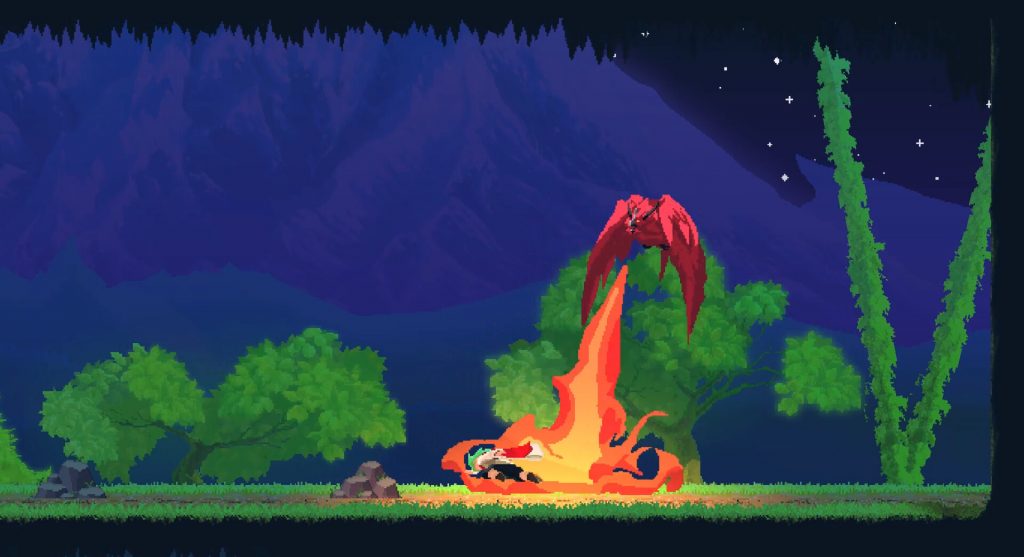
The third is the tone. The post-apocalyptic-but-bright juxtaposition is the game’s most distinctive aesthetic choice, and tonal balance is one of the hardest things to sustain across a long playthrough. If the comedy starts undercutting the emotional beats — or if the bleakness starts undercutting the comedy — the whole vibe collapses.
None of these is a reason for pessimism. They’re just the things that separate a great demo from a great game.
The Takeaway
Lone Chef is the rare project where the pitch alone tells you whether you’re interested. Post-apocalyptic Metroidvania built around cooking, made by a Korean indie team with award-winning form, published with global ambition, demo on Steam right now: that’s either your kind of thing or it isn’t.
For players for whom it is, this is a project worth wishlisting and keeping a close eye on. Project Moreum is making the kind of confident, weird, genre-mashing game that Korean indie has been quietly excelling at over the last few years, and “Cooktroidvania” — whether or not the term sticks — is at least pointing somewhere the genre hasn’t really been before.
The demo is free. Try it. The full release is coming in the second half of 2026, with a Switch version to follow.
Information regarding ‘Lone Chef’
| item | detail |
|---|---|
| Developer / Publisher | Project Moreum Inc. (Korea) |
| Genre | Cooktroidvania (Cooking × Metroidvania) / 2D Action Adventure / Story Reach |
| Release platform | PC (Steam) |
| Scheduled for release | Undetermined (Demo currently available) |
| Art style | 2D Cartoon/Animation / Post-apocalyptic |
| cooking system | 121 Basic Recipes + 48 Ancient Recipes = Total 170 Recipes+ |
| Genre tags | Metroidvania · Story Reach · Dating Sim · Post-apocalyptic · Comedy · Romance |
| Main Keywords | Cooktroidvania, Cooking, Exploration, Hunting, Post-apocalypse, Solitude, Narrative |
| Official Channel | Discord · projectmoreum.com |
| Steam Page | Go to Wishlist |