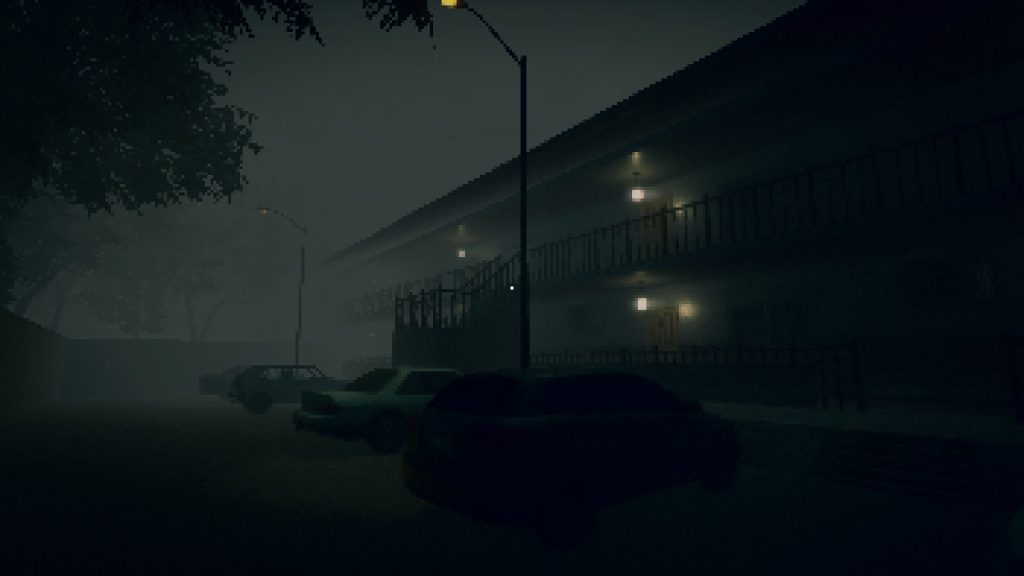
The GPS cut out somewhere on the road to Crestfall. The signs weren’t helping. Nancy — investigative reporter, nicotine-stained fingers, professional detector of lies — was supposed to be covering an arson case with the smell of insurance fraud and revenge about it. Instead, she’s standing in front of Paradise Motel as the last of the daylight disappears.
Maybe the story she came for is inside. Maybe something considerably worse than a story is.
Dead Stop: No Vacancy from Portuguese indie studio Camel 101 launches August 13 — the first episode of a new short-form horror anthology series, arriving from a studio that has been building different kinds of horror experiences across three distinct previous titles. The 90-120 minute runtime is the defining commitment: one journalist, one building, one night, nothing extraneous.
The Anthology Model and What It Enables
The Dead Stop series concept — each episode an independent story, different characters and locations across episodes, unified by the short-form horror anthology format — is the organizational structure that allows Camel 101 to pursue specificity over scope. A single-location 90-minute horror experience is not a failed long game; it’s a deliberately different object, and the anthology framing makes that clear from the first episode.
The advantage of the anthology model for horror, specifically, is tonal freshness. Long horror games face the design challenge that sustained dread eventually desensitizes — the mechanisms of fear become familiar, the pacing becomes predictable, and the audience adjusts to the threat register that the game established in its first hour. Short episodes sidestep this by beginning fresh: new location, new protagonist, new threat, new atmosphere. The audience never has time to fully habituate.
What the anthology model requires is that each episode deliver a complete horror experience rather than a chapter of a larger one. “No Vacancy” needs to work as a self-contained 90-minute object — beginning, middle, end, dread arc, and resolution — without the benefit of established character relationships or building narrative momentum from previous episodes. Whether Camel 101 has built a first episode that justifies the series model will determine if the Dead Stop concept has legs.
The Environmental Storytelling Commitment
The decision to tell the story through objects, notes, and the traces left in the motel environment — rather than through cutscenes or direct exposition — is the design choice most likely to determine how the 90- 120 minutes feel in retrospect.
Environmental storytelling in horror games has a specific relationship with player agency that makes it particularly effective when executed well. In a cutscene-driven narrative, the player is an audience: the story happens to them on the game’s schedule. In an environmental narrative, the player is an investigator: the story reveals itself at the player’s pace, as they choose which objects to examine and in what order. The emotional impact of a revelation the player discovers through their own investigation is different from — often more affecting than — a revelation the game delivers directly.
For a game whose protagonist is an investigative journalist, this approach is thematically coherent. Nancy reads situations and assembles evidence professionally; the player is doing the same thing she does. The detective’s experience and the player’s experience are unified rather than alternating.
The risk is that environmental storytelling without cutscenes creates moments where the narrative is unclear — where players don’t understand what they’re looking for or what they’ve found — which interrupts the dread rather than sustaining it. Horror games can’t afford to let the player’s confusion break the atmosphere for extended periods. How clearly Dead Stop: No Vacancy‘s environmental clues communicate will be the primary craft evaluation.
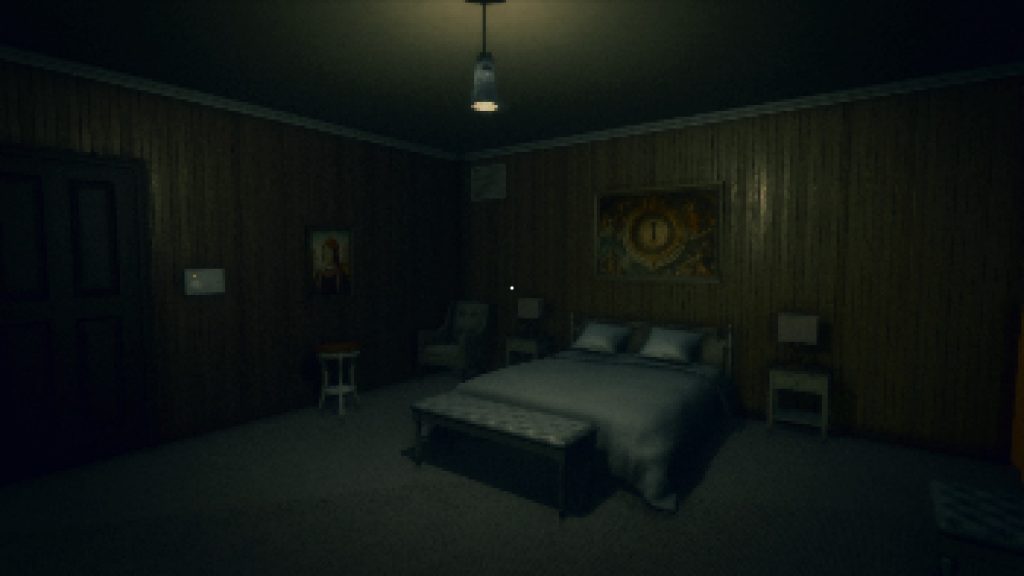
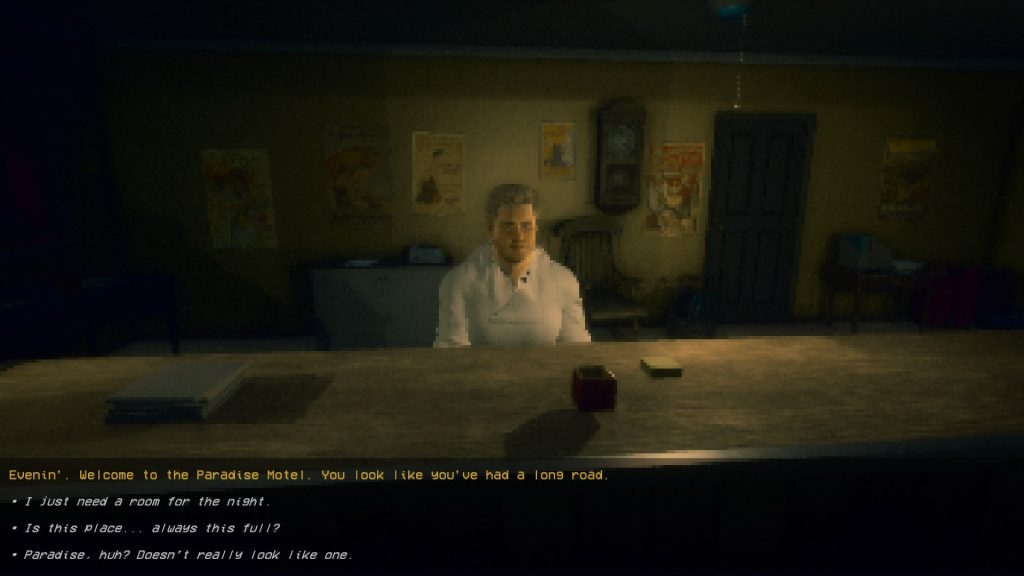
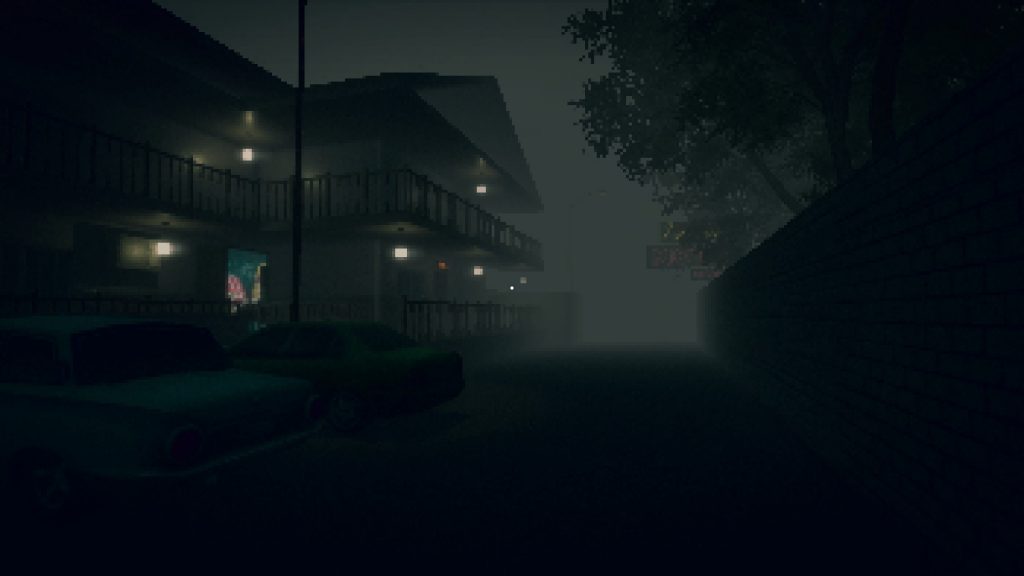
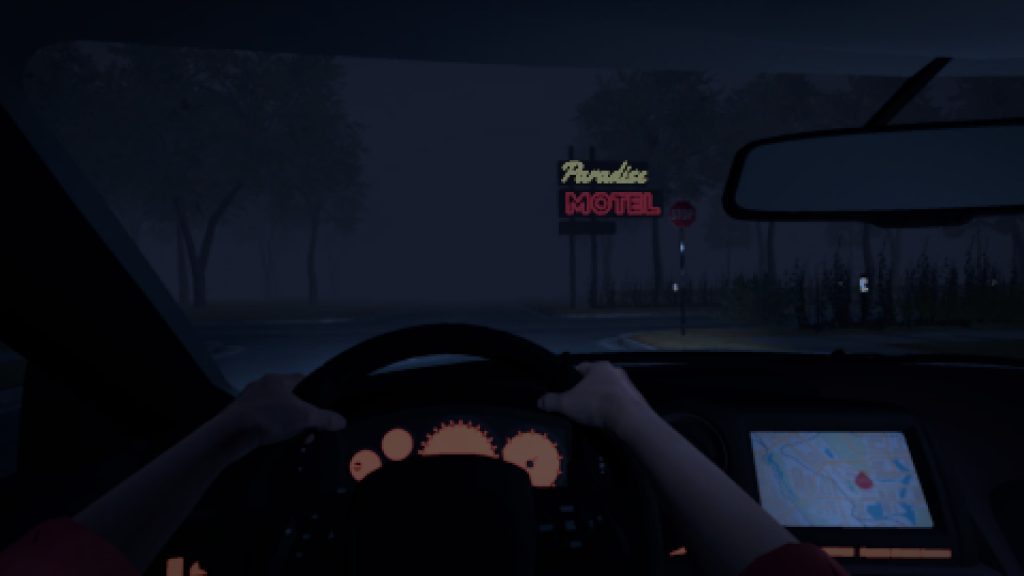
The 1980s Slasher Aesthetic
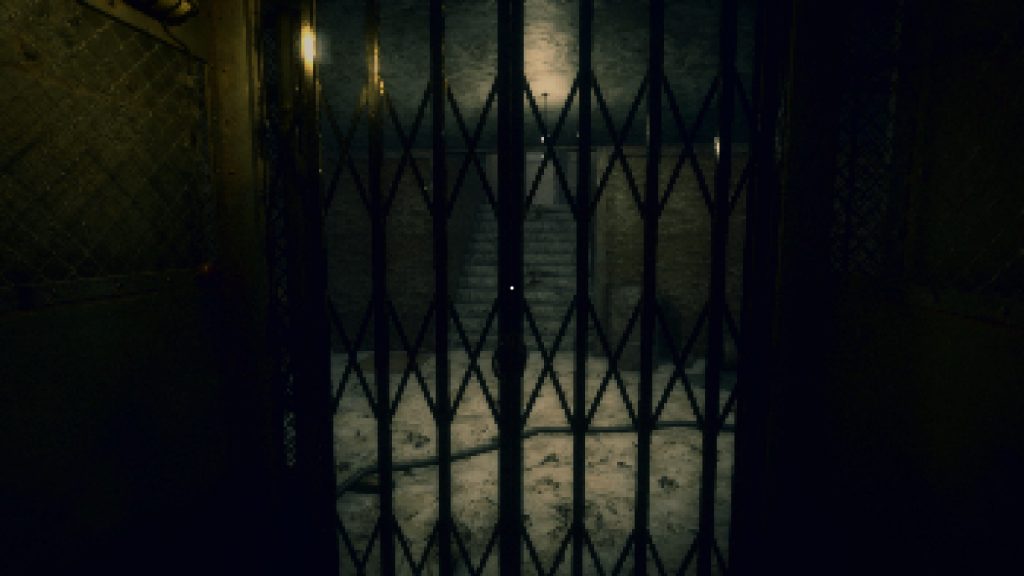
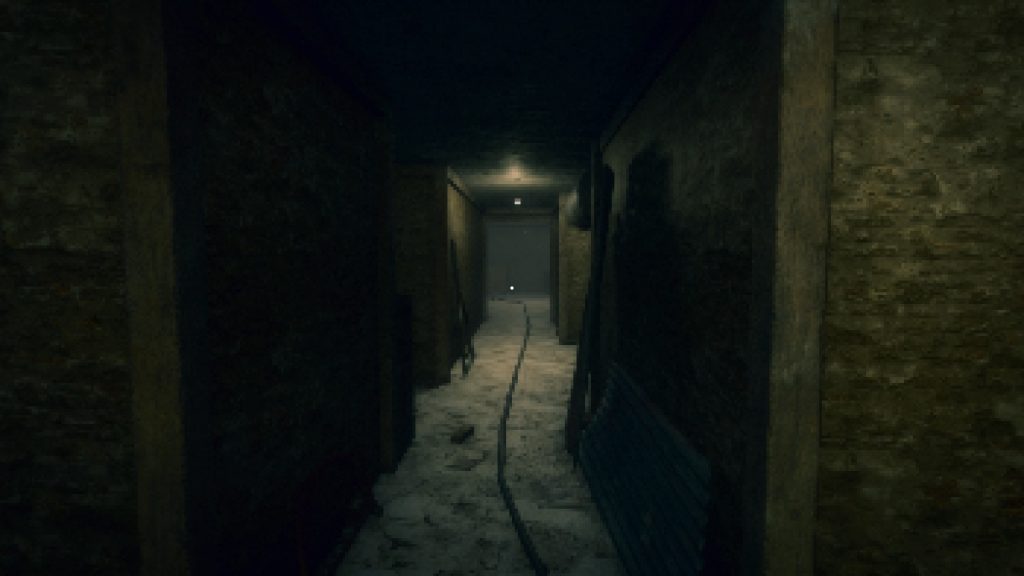
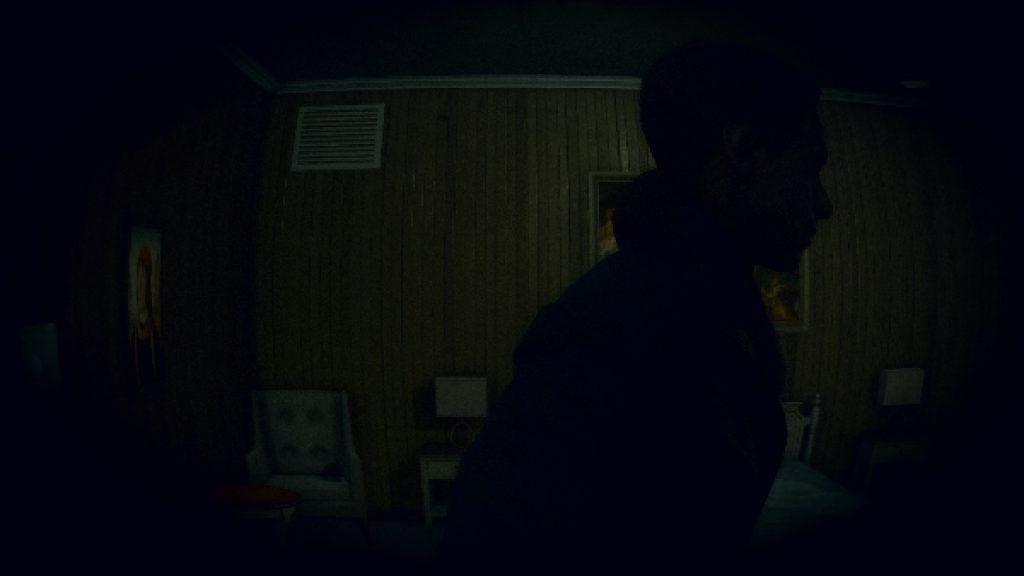
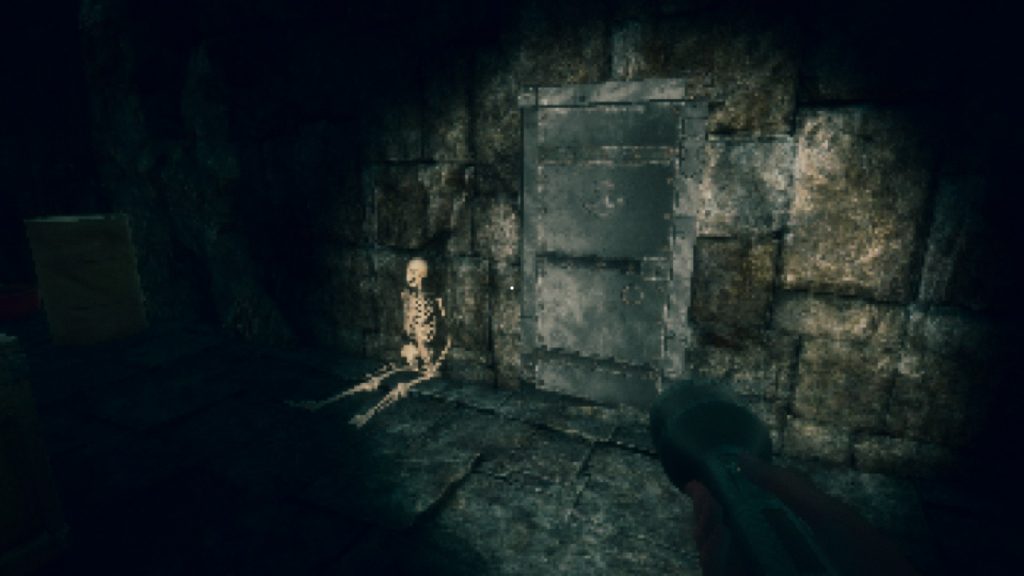
The retro VHS visual treatment is doing specific tonal work in this context that differs from how we’ve seen it used elsewhere this month. In Yellowcreek Stories: The Cabin Watcher (covered in July), the VHS aesthetic worked specifically because its visual degradation created uncertainty about what was actually present — the grain and distortion made the monster less fully legible, which is scarier than full visual clarity. Dead Stop: No Vacancy‘s Paradise Motel setting lends itself to a similar use: the specific visual textures of analog horror (the grain, the color shifts, the screen artifacts) make the motel feel like documentation of something that happened rather than a fictional setting.
The 1980s slasher film reference is also the correct period for roadside motel horror specifically. That decade produced the specific cultural mythology of the highway horror genre — the roadside motel as a space of danger and concealment, the isolated location as a trap rather than a refuge, the traveler whose GPS-equivalent failed them as the horror genre’s most reliable protagonist setup. Dead Stop is working within this mythology consciously rather than incidentally.
The Bloody Disgusting and All Hallows Geek coverage specifically highlights this genre literacy — horror media outlets recognizing a game that understands what it’s referencing rather than simply replicating surface aesthetics.
The Camel 101 Horror Portfolio
Camel 101’s trajectory across three previous horror games reflects a studio systematically exploring different horror spaces:
Syndrome — survival horror in a deep space setting, the alien-isolated-location genre that Dead Space and Alien: Isolation had established as viable horror territory.
Those Who Remain — psychological supernatural horror in a small-town setting, the ambient dread genre that doesn’t rely on combat or direct threat as its primary tension mechanism.
Beneath — deep-sea horror, one of the horror genre’s most evocative settings due to its combination of genuine environmental hostility and total isolation.
Each of these is a different flavor of horror with different visual registers, different threat types, and different emotional relationships between player and environment. The Dead Stop anthology represents a fourth approach: short-form horror that concentrates on a single space and a single night, where the scope limitation is the creative constraint that produces intensity.
This portfolio diversity suggests a studio that pursues horror as a genre seriously rather than repeating successful formulas — which is the correct orientation for a horror specialist studio in a market where the genre’s audience is sophisticated and attentive to creative approach.
The Sound Design as Primary Fear Mechanism
The developer’s emphasis on sound design as a core tool — “allowing players to feel anxiety that something exists nearby even without directly seeing it” — identifies the mechanic that most distinguishes atmospheric horror from action horror.
In action horror games, sound communicates threat status: the music changes, the effect signals danger, and the player enters a combat-ready state. The sound is functional, telling you what to do. In atmospheric horror, sound creates presence — the suggestion that something is there without confirmation. This is the specific mechanism that makes the dark hallway behind you feel threatening even when nothing has been established to be there. The sound doesn’t tell you something is coming; it makes you wonder if something already is.
For a 90-minute experience set entirely in a motel — a space where the physical geography is small enough to be learned quickly — the sound design’s ability to maintain uncertainty is what sustains dread across the full runtime. Once the player knows the layout, the threat has to come from within the spaces they know rather than from unknown territory. Sound can inhabit known spaces in ways that visual design alone cannot.
The 12 Million Post Views
The official X post encouraging wishlists, achieving 12 million+ views before the game has launched, is the specific social media metric that indicates the concept communicates immediately through short-form content. “Journalist trapped in roadside motel, 1980s slasher setting, 90 minutes” generates a visual concept that travels in the video-game-social-media context where these viral moments happen.
This is notable because it’s a very different discovery pathway from the Steam Next Fest demo metrics that have been the dominant discovery story for games covered this month. The wishlist post’s social media reach wasn’t driven by playable content — it was driven by concept communication through a single post. For a horror game specifically, the premise communicated effectively through text and imagery suggests the visual and narrative identity is strong enough to generate interest before anyone has played it.
The Portuguese Indie Context
Camel 101 is one of Portugal’s most established indie game studios, with a track record across multiple horror titles released over several years. Portuguese indie game development receives less international press attention than Spanish, German, or British indie development — which means Camel 101’s consistent output represents a studio building a reputation in a national context that doesn’t have the visibility infrastructure of larger gaming nations.
The Dead Stop anthology’s potential as a recurring series would provide Camel 101 with a format that allows regular horror content releases within a consistent brand — which is a sustainable commercial model for a horror specialist studio in a way that single large games aren’t.
Who Is This For
Strong fit for: horror game players who specifically want short, intense, complete experiences rather than extended campaigns; 1980s slasher film enthusiasts who want the genre’s aesthetic in interactive form; Outlast and Amnesia fans who want first-person horror without combat but with more active investigation than pure survival; environmental storytelling enthusiasts who enjoy discovering narrative through objects and environment rather than through exposition; Camel 101’s existing audience from Syndrome, Those Who Remain, and Beneath; horror players who have tried the free demo and want the full experience.
Cautious fit for: horror players who want longer experiences that justify extended investment; players who specifically want combat options alongside the horror; anyone who finds the 90- 120-minute runtime insufficient for their preferred horror game engagement.
Less ideal for: players who dislike first-person horror; anyone who wants puzzle-light atmospheric horror without investigation elements; players seeking multiplayer horror experiences.
What to Watch For
The primary evaluation for Dead Stop: No Vacancy on August 13 is whether the environmental storytelling delivers a complete and comprehensible horror arc within the 90-120 minute runtime. The absence of cutscenes means the narrative has to do more work through environment than convention typically demands — and horror games specifically suffer when players are confused about what they’re pursuing, because confusion interrupts dread.
The relationship between the arson case Nancy was covering and whatever is happening at Paradise Motel needs to feel coherent in retrospect: the investigation she intended to conduct and the investigation the motel forces upon her should connect in ways that make both feel meaningful rather than coincidental.
The anthology’s long-term viability as a series will also begin to be evaluated after this first episode. Does the format work? Does the 90-minute runtime feel complete rather than truncated? Is Camel 101 establishing a horror anthology series identity that justifies the format? These are questions the first episode answers for both players and the studio.
The Takeaway
Dead Stop: No Vacancy is Camel 101, beginning a new format with a premise that communicates immediately and a studio background that justifies confidence in the execution. One journalist, one motel, one night, environmental storytelling without cutscenes, 1980s slasher aesthetics applied to psychological horror — the constraints are tight and the commitment is clear.
The 12 million views on the wishlist post confirm the concept has found the audience that horror game premises reach when they’re specific and evocative. Whether the 90-120 minutes of actual play delivers what the premise implies is what August 13 will determine.
Nancy is in the parking lot. The lights in the Paradise Motel are on. Something in there has the story she came for. And something in there has other plans.
August 13. Free demo available now. 14 languages, including Korean.
Information regarding ‘ Dead Stop : No Vacancy’
| item | detail |
|---|---|
| Developer | Camel 101 |
| Publisher | Camel 101 (Self-publishing) |
| franchise | Dead Stop (Short Horror Anthology Series Episode 1) |
| Genre | Adventure (First-person psychological horror, exploration/puzzle) |
| Release platform | PC (Steam), SteamDeck compatible |
| Release date | August 13, 2026 |
| Estimated playtime | About 90 to 120 minutes |
| Supported languages | Supports interface and subtitles in a total of 14 languages, including English and Korean. |
| Previous work | Syndrome, Those Who Remain, Beneath |
| reaction | 1 Steam Curator has posted a review, and there are no user reviews yet as the official release has not yet begun (free demo available). |
| Steam Page | Shortcut |