The village of Gruesome Grove looks, at first glance, like somewhere a children’s picture book might be set. Colorful, warm, populated with charming characters. Then the residents start disappearing. Then you notice the moths — stationed at corners, watching. Then the investigation begins, and what lies beneath the warm surface starts revealing itself in the specific way that only hand-drawn dark fantasy can reveal things: slowly, personally, with the specific quality of something someone drew because they needed to.
Allogloom from solo developer Kate (operating as Galactic Ghosty, published by Iceberg Interactive) announces October 13 as its Steam release date. The free demo currently holds 100% positive from 25 reviews, with players specifically reaching for the Fran Bow comparison — the 2015 Killmonday Games hand-drawn psychological horror adventure that became a touchstone for the specific genre this game is working within.
The Hand-Painted World
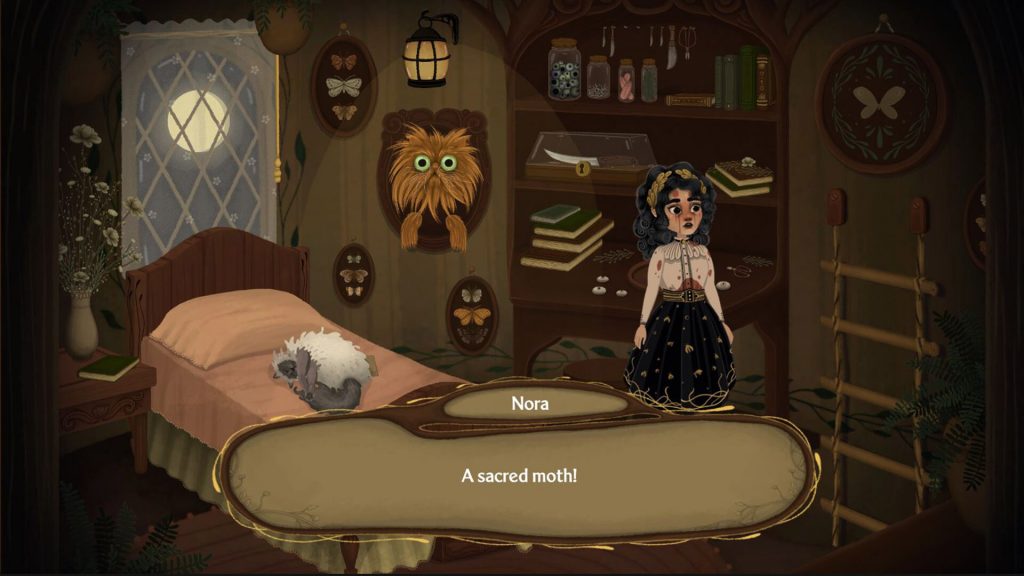
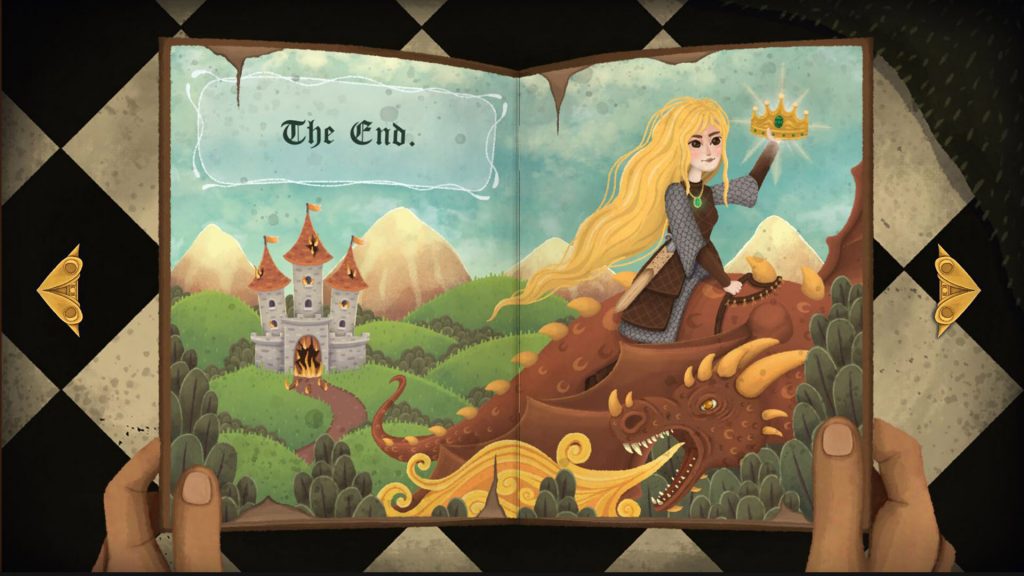
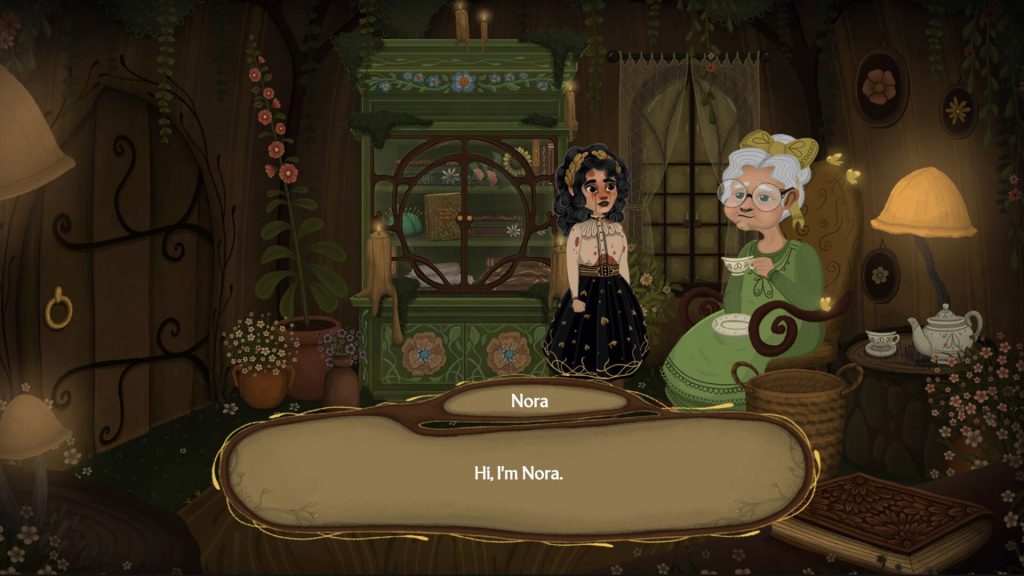
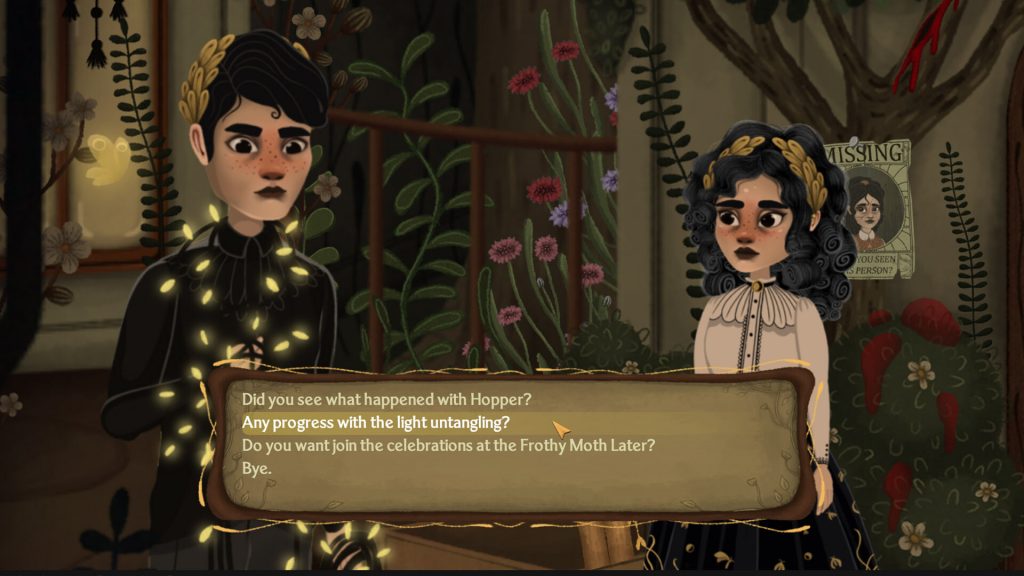
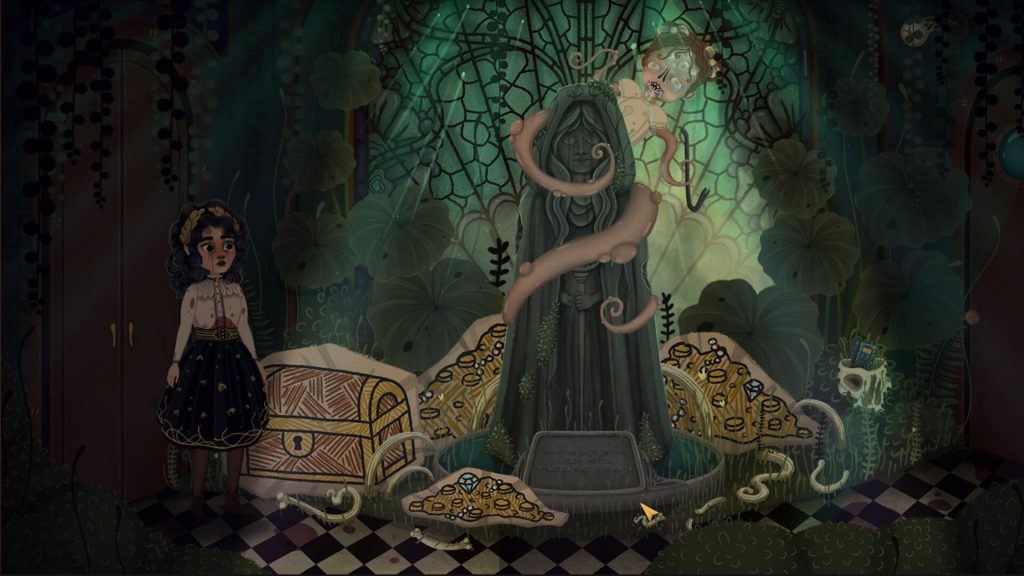
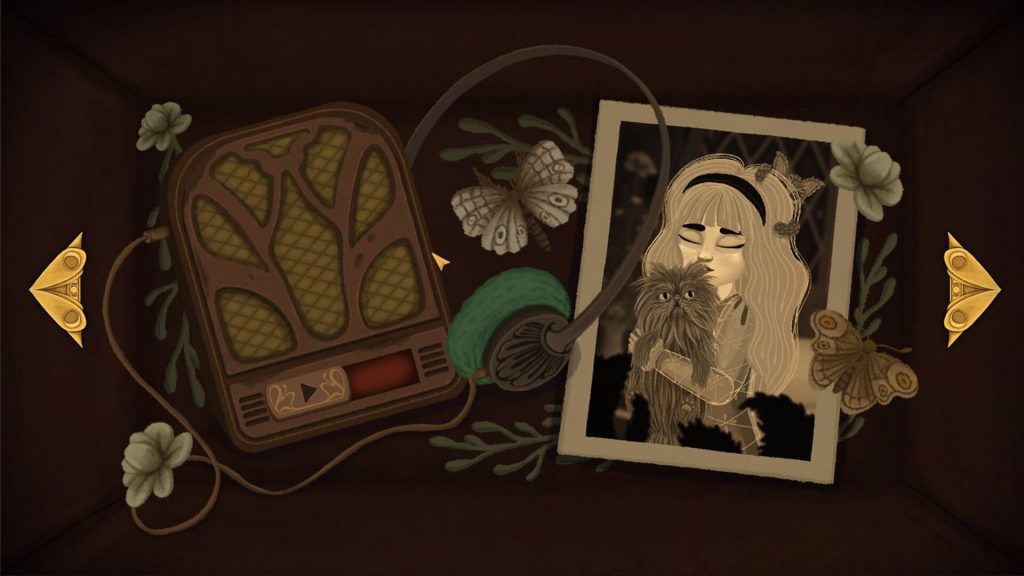
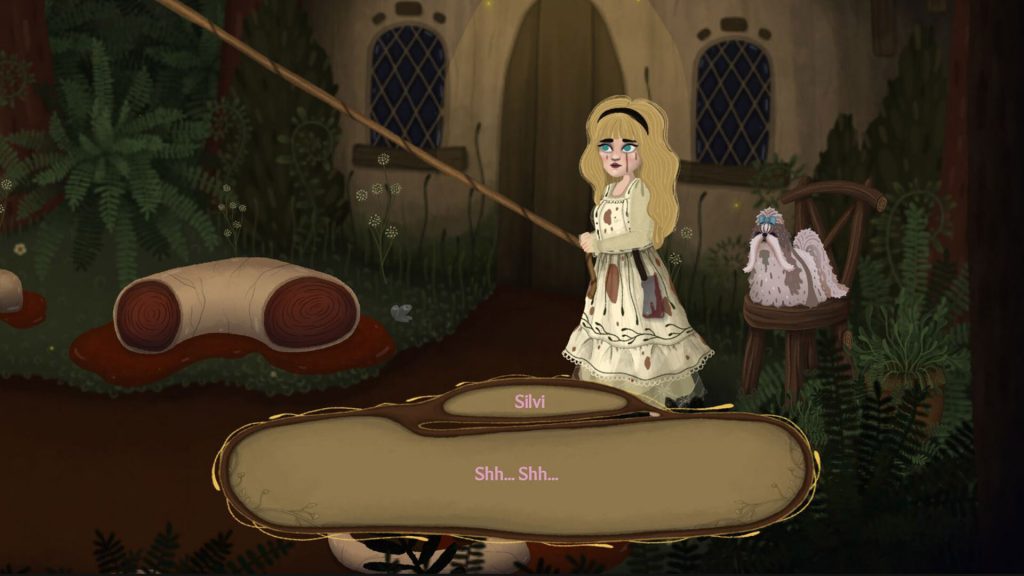
Kate’s hand-painting of every element in Allogloom — backgrounds, characters, creatures — is the production commitment that makes the specific aesthetic quality of the game possible and that distinguishes it from games that apply digital illustration techniques to achieve a similar look. Every line in Gruesome Grove exists because Kate put it there. The color choices, the specific proportions of characters, the particular way the environment is composed — these are accumulations of thousands of individual artistic decisions made by one person across years of development.
The visual tension between the warm, colorful presentation and the dark fantasy horror that gradually surfaces is the game’s central tonal project. Point-and-click adventure games have specific visual requirements: the player needs to read environments clearly enough to identify interactable elements, while the art needs to sustain the atmospheric register that horror requires. Hand-painted art achieves this through the specific quality of being simultaneously beautiful and unsettling — the same illustration style that makes the village charming makes the disappearances feel more wrong because they’re violating a world that looks like it should be safe.
The GamingOnLinux assessment — “leaves a strong impression from the hand-drawn artwork alone” — is the correct response to work where the visual quality is immediately legible as the product of genuine artistic investment rather than production pipeline efficiency.
The Fran Bow Connection
Player comparison to Fran Bow is the most specific available indication of what Allogloom is achieving. Fran Bow occupied a specific niche: hand-drawn psychological horror for young adults, where the cute visual style and the genuinely disturbing content coexisted rather than contradicting each other, where puzzles were integrated with psychological narrative, and where the world felt like one person’s vision completely rather than a design document executed by a team.
That niche has been largely unoccupied since Fran Bow‘s 2015 release. Killmonday Games has moved to different projects; nothing has emerged with quite the same combination of hand-drawn warmth and psychological darkness in the point-and-click adventure format. Players who have been waiting for something to fill that specific space apparently found it in Allogloom‘s demo.
“I could feel the Fran Bow vibes I’d been waiting for again after so long” is the kind of community response that indicates not just quality comparison but genuine emotional resonance — players who loved a specific game feeling the same thing activated again. This is the strongest possible community endorsement for a game in an underserved niche: the confirmation from the audience that cares most specifically about this exact combination that it’s working.
The Puzzle Design Philosophy
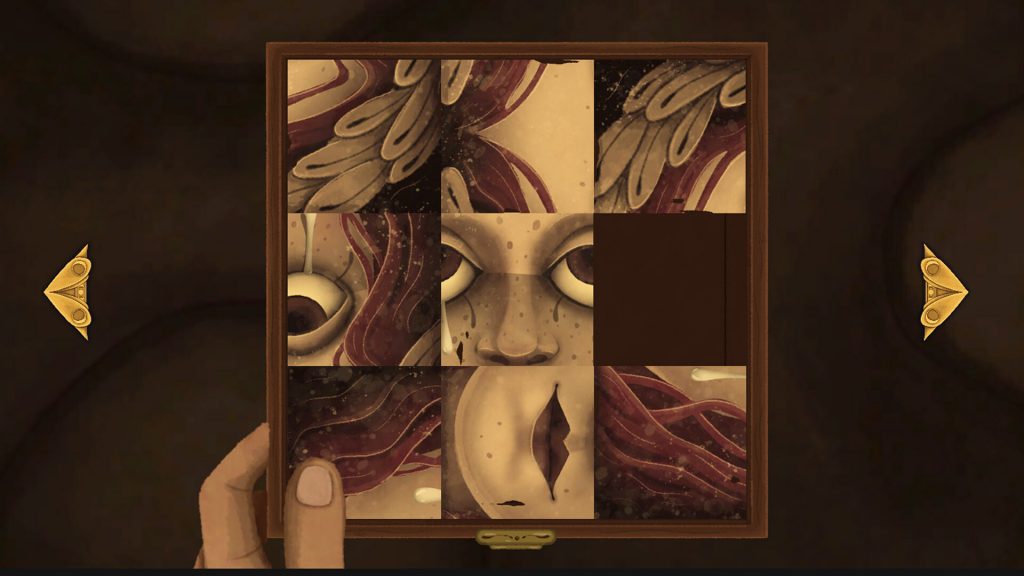
The design decision to require observation and curiosity over trial-and-error is the puzzle philosophy that separates the point-and-click adventure genre’s best iterations from its most frustrating ones. Trial-and-error puzzle design — trying every item in inventory on every interactable object until something works — is the design failure mode that drove players away from the genre’s peak era and that contemporary adventure games specifically work to avoid.
Puzzles that emerge from the village’s folklore and residents’ stories create the integration of investigation and narrative that makes mystery adventures feel coherent. When the solution to a puzzle requires understanding something about the village’s history or a character’s situation — rather than just having the right item — the puzzle is doing narrative work simultaneously with mechanical work. Solving it feels like understanding something rather than just finding the correct combination.
Item combination, NPC negotiation, and strange artifact investigation as distinct interaction types provide the variety that sustains engagement across 8 chapters without the puzzles feeling repetitive. A game where every puzzle is solved by combining two inventory items gets monotonous; one that varies the interaction type while maintaining consistent investigation logic keeps the approach fresh.
The Solo Developer Journey
Kate’s self-teaching of illustration, game design, scenario writing, and animation over years of development — building Gruesome Grove’s world across an extended solo development period with minimal collaboration — is the origin story that Allogloom‘s aesthetic coherence reflects. A world built by one person across years has the specific quality of internal consistency that team productions achieve through design documents and style guides but rarely through the more intuitive consistency of a single creator’s developing vision.
The 8-chapter, 6-interconnected-world scope is ambitious for a solo development, reflecting a project that has been growing in scope and complexity across its development period rather than constraining itself to achievable production targets. The extended development time is the cost; the coherent world is the return.
Iceberg Interactive as publisher provides the distribution infrastructure that allows Kate to focus development attention on completion rather than platform management. Iceberg’s catalog of indie games across various genres has an established relationship with the kind of atmospheric adventure game that Allogloom represents.
Who This Is For
Strong fit for: Fran Bow players who have been waiting for something to fill that specific combination of hand-drawn warmth and psychological darkness; point-and-click adventure enthusiasts who want puzzle design that rewards observation over inventory shuffling; hand-drawn art enthusiasts who specifically value the aesthetic quality that human illustration produces; players drawn to the specific tonal combination of cozy surface and creeping horror; mystery adventure fans who want world folklore integrated with puzzle mechanics.
Cautious fit for: adventure game players who specifically want lower difficulty puzzles or hint systems available throughout; players who found Fran Bow‘s psychological horror too intense and want something gentler; anyone who needs action or mechanical variety alongside investigation.
Less ideal for: players who dislike point-and-click adventure mechanics; anyone wanting multiplayer options; players seeking fast-paced rather than deliberate investigative gameplay.
What to Watch For
October 13 will answer whether the 8-chapter scope maintains the quality and tonal consistency that the demo established. Point-and-click adventure games often front-load their best content because demo selection typically draws from the opening sections; whether the full game’s later chapters deliver puzzles and narrative beats equivalent to what’s in the demo will determine the full experience’s reception.
The 6-interconnected-world structure is the other evaluation point. Connection between worlds implies that understanding one world’s secrets affects another — if this interconnection is genuinely felt by players rather than just architecturally true, the game achieves the kind of revelatory mystery structure that adventure games aim for when they’re working at their best.
The Takeaway
Allogloom is a solo developer’s years-long work on a hand-painted mystery adventure that has found, in its demo, the specific audience that has been waiting for something to feel the way Fran Bow felt. That community response — “the vibes I’d been waiting for after so long” — is the most honest possible indication of what the game is accomplishing.
Iceberg Interactive publishing it on October 13 means the distribution is handled. The demo’s 100% positive rating means the opening establishes the promise. Whether the promise carries through 8 chapters and 6 worlds is what October will determine.
Gruesome Grove has moths watching from corners. Nora is asking questions. The residents who disappeared left things behind. And beneath the warm colors of a village that should be safe, something wrong has been growing long enough to leave traces throughout the world.
October 13. The free demo is available now.
Information regarding ‘Allogloom’
| item | detail |
|---|---|
| Developer | Galactic Ghosty (Kate, solo developer) |
| Publisher | Iceberg Interactive |
| Genre | Point-and-click mystery adventure |
| Release platform | PC (Steam) |
| Official release date | October 13, 2026 |
| Content composition | 8 chapters, 6 worlds |
| Art style | Hand-painted |
| Steam Review (Demo) | Positive (100%, 25 cases) |
| Official Channel | Official Website, Bluesky, YouTube, TikTok, Instagram, Discord |
| Steam Page | Shortcut |
| Demo Page | Shortcut |