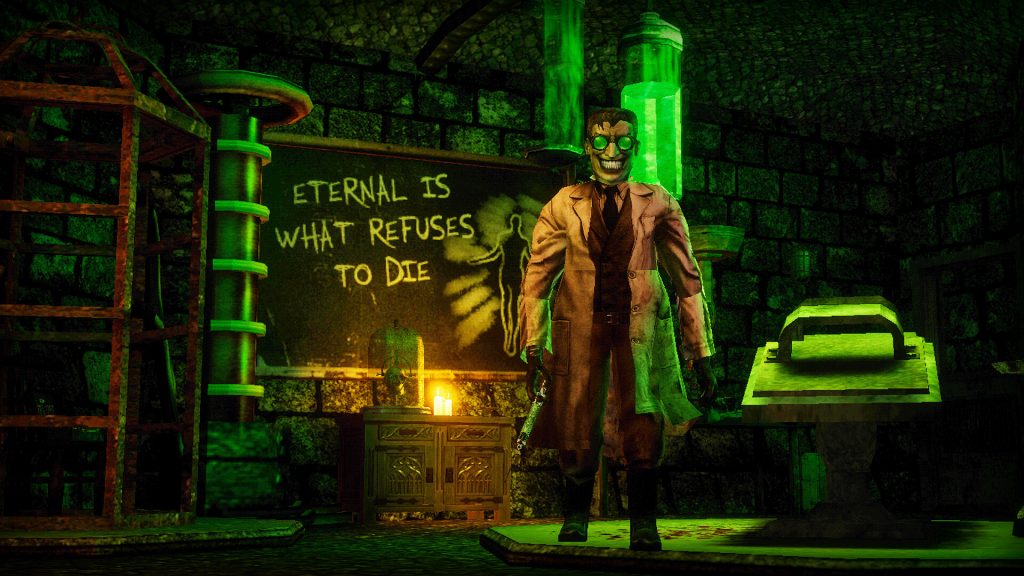
A perfect 100% Positive rating on Steam — even from only 63 reviews — signals something worth examining. Liminal Road, a Brazilian four-person indie studio founded by friends who love horror, has released the Definitive Edition of Doctor Viscera, their PSX-style pursuit survival horror set in the abandoned psychiatric hospital Grimhaus. All new content is provided as a free update to existing owners.
The Definitive Edition expands the original October 2025 release with a new enemy type, a new area featuring a tram system, visual upgrades, improved spatial audio, and various quality-of-life improvements. The complete positive reception across all 63 reviews suggests the expansions have landed exactly as intended.
The PSX Aesthetic Choice
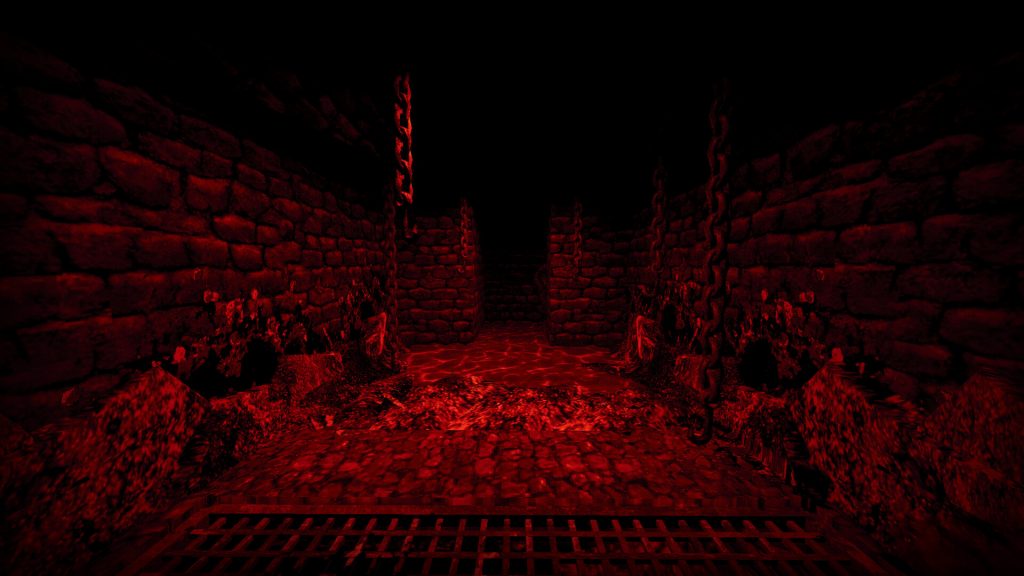
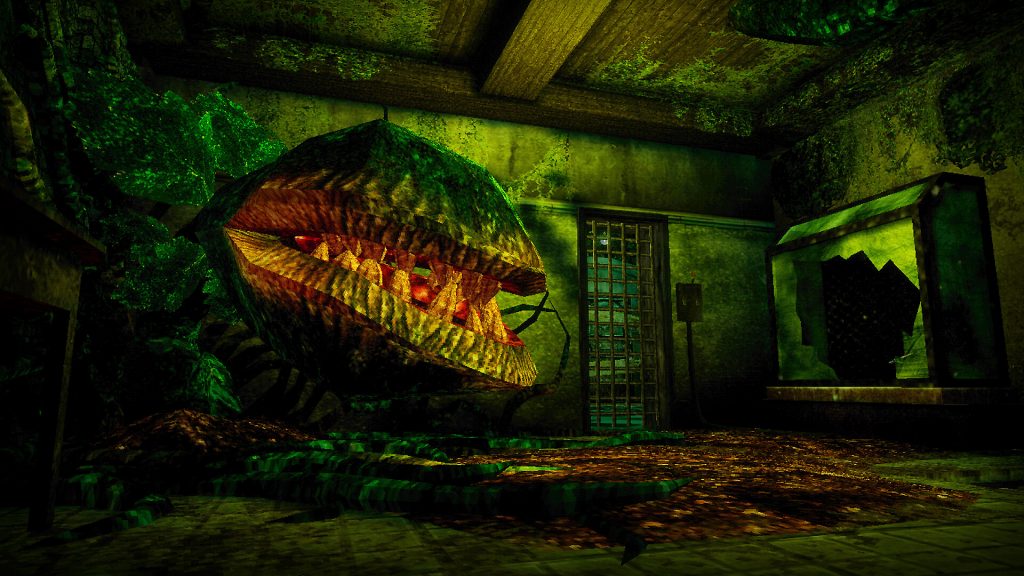
The decision to use PS1-era visual aesthetics is doing more than nostalgic pandering — Liminal Road has thought carefully about why this visual register serves horror specifically. Their explanation is precise: “Because it allows us to create strange and unsettling environments without depending on extreme realism.”
This insight captures something genuine about how horror works. Photorealistic horror requires extraordinary technical investment to produce the specific uncanny valley effects that make realistic virtual spaces disturbing. Lower-fidelity visuals paradoxically give the imagination more space to fill in — the jagged edges, the limited polygon counts, the particular way PS1-era lighting behaved in environments create a specific aesthetic dread that perfect realism doesn’t produce.
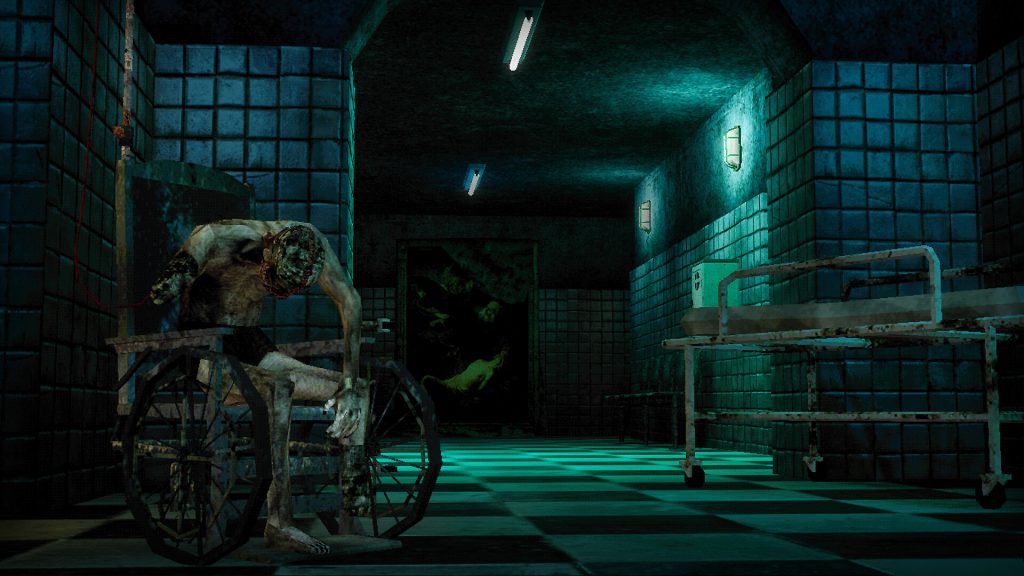
The abandoned psychiatric hospital Grimhaus draws on Gothic horror and H.P. Lovecraft, with the Frankenstein/Re-Animator tradition of mad science and bodily experimentation adding another layer. Lovecraftian horror in PS1 aesthetics has a specific pedigree — the compressed, limited visual fidelity mirrors the “unknowable and incomprehensible” quality that Lovecraftian horror conceptually depends on. You can’t fully render cosmic horror; the PS1’s technical limitations become thematically appropriate.
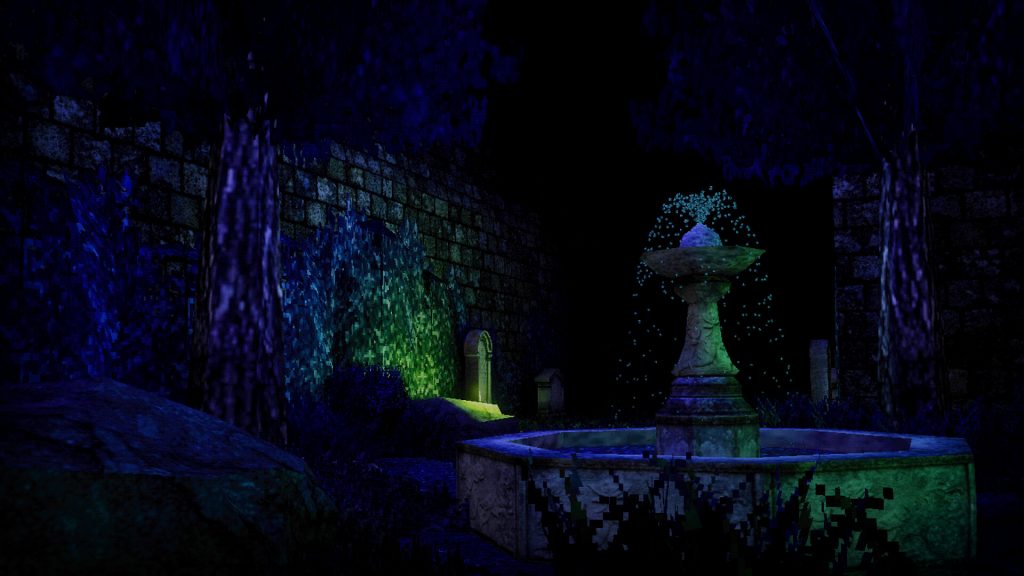
The Definitive Edition’s visual upgrades — new rain effects, improved cemetery visuals, enhanced spatial audio — improve the atmospheric foundation while preserving the core PSX identity. Rain in PS1 aesthetics has a specific quality (limited particle counts, particular transparency handling) that creates atmospheric texture distinct from modern rain rendering.
The Pursuit Horror Structure
Five nights in Grimhaus. Navigate abandoned corridors, solve puzzles, collect resources, and survive Doctor Viscera’s pursuit. Hide in lockers, minimize noise, use stealth to avoid detection. This structure places Doctor Viscera within the clearly defined pursuit horror genre, whose most recognizable entries include Granny, Evil Nun, Stay Out of the House, and Ice Scream.
The genre operates on specific psychological principles. The pursuer creates permanent background anxiety — even when Doctor Viscera isn’t visible, the player knows the threat exists and could materialize at any moment. This sustained tension is different from jump-scare horror (which produces momentary shock) or atmospheric horror (which builds dread through environment). Pursuit horror produces something more like stress — the continuous management of risk and noise and position relative to a persistent, intelligent threat.
The stealthy play required — locker hiding, noise minimization, careful movement — transforms the player’s relationship to the environment from exploration to navigation under pressure. Every decision about which route to take, when to move, and how long to hide becomes meaningful because the pursuer makes consequences real.
Player feedback validates the intended experience. Steam reviewers describe “not being able to relax for a single moment” and characterizing the game as “not just a horror game but a work that strategically uses anxiety” — exactly the sustained-tension quality that distinguishes pursuit horror from other horror subgenres.
The Nurse Addition
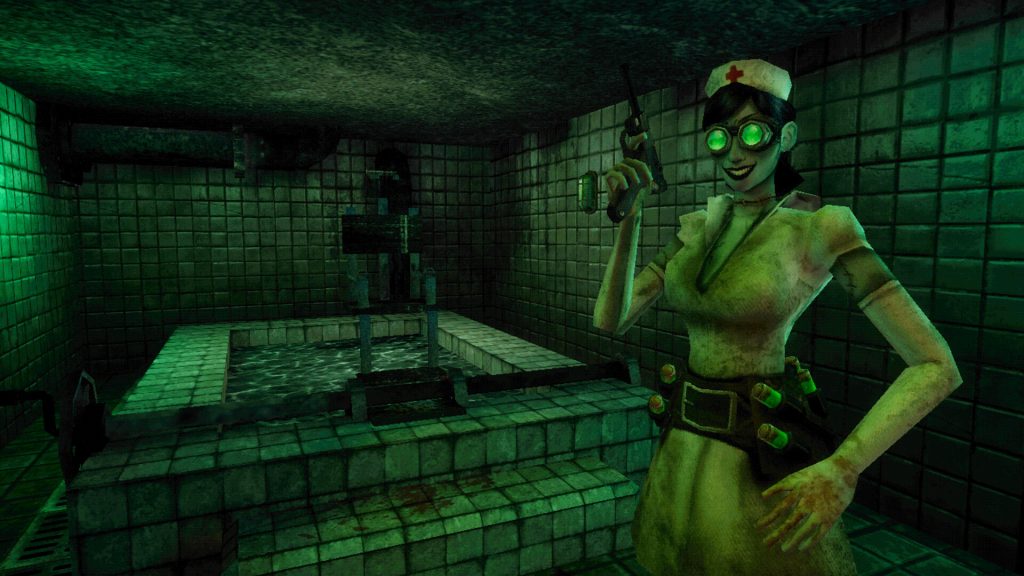
The most significant new content in the Definitive Edition is the Nurse enemy. Doctor Viscera uses close-range pursuit — the fundamental pursuit horror formula where the threat chases, and the player runs or hides. The Nurse introduces a different threat profile: slow movement but ranged attacks, effective at distance.
This enemy design change is structurally important for the game’s tension dynamics. A pure close-range pursuer creates specific safe zones (anywhere far enough away, any hiding spot outside the threat radius). A ranged attacker eliminates distance as a simple safety measure — being far from the Nurse doesn’t make you safe from attack. Players must now manage two different threat types with different properties simultaneously, which multiplies the strategic complexity without simply scaling up difficulty.
The disarm mechanic adds tactical richness. Rather than the Nurse being purely a threat to avoid, players can create counterattack opportunities by disarming her — transforming her from threat to vulnerability. This kind of threat-becomes-opportunity design adds the agency that pure evasion gameplay can lack.
The tram system in the new Grimhaus area provides mobility infrastructure that the pursuit horror genre doesn’t typically include. Trams as both exploration tools and emergency escape options create specific gameplay moments — using the tram to move through a dangerous area, timing tram departures to evade pursuit, and the decision of whether to board when the threat is close. This mechanical variety extends the game’s moment-to-moment design beyond the established pursuit-hide-survive loop.
The Additional Improvements
Beyond the major additions, the Definitive Edition includes a range of smaller improvements that collectively represent significant polish work.
The improved spatial audio — specifically, footstep directionality and distance representation — addresses what is genuinely one of the most important systems in pursuit horror. Knowing where Doctor Viscera is relative to your position without seeing them is critical gameplay information. Better audio directionality gives players more meaningful information to work with, improving both the fairness and the tension of pursuit sequences.
Drawer and cabinet interaction systems add environmental richness and resource acquisition variety. Reworked library puzzles improve a specific area’s engagement quality. Level design improvements throughout reflect the kind of post-launch development iteration that Early Access games undergo but that games released without EA status typically don’t publish as formal updates.
Eight new achievements and controller support extend accessibility significantly. Controller support specifically is often underweighted by developers of PC horror games — but pursuit horror’s tension is meaningfully different when you’re holding a controller rather than a keyboard and mouse, and making the experience available in that form expands the potential audience.
The Grimhaus Universe Plans
Liminal Road has announced plans to expand the Grimhaus setting further, both console versions and new projects sharing the world. This is the right kind of post-release announcement because it signals two things: commercial confidence (they’re investing in expansion rather than moving on) and franchise thinking (the Grimhaus setting is being treated as a property rather than a one-off game).
Pursuit horror has specific franchise potential. The setting, the antagonist, and the stealth-survival mechanics can be iterated without being replicated — different Grimhaus areas, different experimental antagonists, different time periods within the same institutional history. Granny has demonstrated that the formula sustains through iterations; Liminal Road appears to be thinking about Doctor Viscera along similar lines.
Console versions specifically suggest commercial ambition. Console survival horror has a robust market (the Resident Evil franchise, Outlast, Until Dawn are all console-first or console-important properties), and PSX-aesthetic horror in particular has proven appeal to console horror audiences who grew up with that visual register.
The Brazilian Indie Horror Scene
Doctor Viscera: Definitive Edition represents Brazilian indie horror, establishing a specific identity. While Brazilian indie gaming has been producing work across multiple genres (we covered DekaDuck from Asteristic Game Studio earlier this year), horror is a genre with specific traditions in Brazilian media that independent game developers can draw on.
Liminal Road’s description as “four friends who love horror” founding a studio reflects the kind of pure passion-driven development that produces the most authentic genre work. Studios that form because the founders love a specific genre bring different energy to that work than studios that choose genres based on market analysis. The 100% positive reception suggests this authenticity is communicated through the work.
Who This Is For
Strong fit for: pursuit horror enthusiasts (Granny, Evil Nun, Stay Out of the House audiences); PSX/PS1 aesthetic horror appreciators; Lovecraftian horror fans; survival horror players who prefer stealth evasion over combat; atmospheric horror enthusiasts who appreciate Gothic settings; players who want short-form horror experiences (five-night structure implies contained playtime); anyone who appreciates studios that deliver substantive free updates to existing owners.
Cautious fit for: players who found the original Doctor Viscera had inventory or difficulty concerns (community feedback indicates these remain partly addressed but not fully resolved); anyone who specifically dislikes pursuit horror as a genre.
Less ideal for: players seeking combat-focused horror; anyone who strongly dislikes retro low-poly aesthetics; players expecting extensive narrative content over survival gameplay.
What to Watch For
A few questions will shape Doctor Viscera‘s continued reception.
The first is whether the inventory and difficulty feedback translates into future updates. Community members who raised these concerns have been partially heard (various improvements in the Definitive Edition), but if these remain consistent criticism points in reviews, they represent ongoing development attention priorities.
The second is the console version timing and quality. Console ports of PC indie games vary significantly in quality, and pursuing horror with good spatial audio has specific controller and console optimization requirements. How well Liminal Road handles this transition will affect the franchise’s broader commercial potential.
The third is the Grimhaus universe expansion quality. The promise of new projects sharing the setting creates expectation; how the next Grimhaus game delivers on the world-building foundation of Doctor Viscera will determine whether the universe approach adds value or fragments audience attention.
The Takeaway
Doctor Viscera: Definitive Edition is exactly what a well-executed Definitive Edition should be: the original experience improved and expanded at no cost to existing owners, with additions that enhance the core gameplay rather than just increasing content volume. The 100% Positive Steam reception reflects a community that felt genuinely served by the update.
For pursuit horror enthusiasts, the PSX aesthetic combined with the Lovecraftian setting and the Nurse’s ranged-attack variation on the formula make Doctor Viscera: Definitive Edition one of the stronger recent entries in the genre. The combination of atmospheric Gothic hospital, legitimate threat design, and stealth-survival mechanics delivers what the genre’s audience is seeking.
For Brazilian indie gaming observers, Liminal Road represents a studio building a genuine horror identity through iterative work. The Definitive Edition’s free-update approach to existing owners, the expanded content, and the announced Grimhaus universe expansion plans all signal a studio thinking about long-term franchise development rather than one-and-done releases.
Grimhaus is waiting. Doctor Viscera is conducting experiments that should not be conducted. And somewhere in the newly added wing, the Nurse is watching from a distance you thought was safe.
Five nights. No combat. Nowhere that’s truly safe. And a PSX visual filter that makes the familiar geometry of an institutional corridor feel like something that exists in dreams you don’t remember having.
Information regarding ‘Doctor Viscera: Definitive Edition’
| item | detail |
|---|---|
| Developer / Publisher | Liminal Road (Brazil, 4-person team) |
| Genre | PSX Style Survival Horror / Puzzle Adventure / Stealth |
| Release platform | PC (Steam) / Console (to be announced later) |
| Release date | June 23, 2026 (Definitive Edition) |
| Original release | October 2025 (Steam) |
| Steam Review | Very positive 100% (63) |
| Existing owner update | Free (no extra cost) |
| Art style | PSX and PS1-inspired retro visuals |
| Worldview inspiration | HP Lovecraft / Frankenstein / Re-Animator |
| Genre inspiration | Granny / Evil Nun / Stay Out of the House / Ice Scream |
| New content | Nurse (Ranged Enemy) / Tram System Zone / New Player Model / 8 Achievements |
| Developer’s previous work | Laser Tag Massacre / Doctor Viscera (Original Work) |
| Main Keywords | PSX Horror, Asylum, Stealth, Puzzle, Chase, Gothic, Lovecraft, Brazilian Indie |
| Official Channel | Instagram·X·TikTok·Discord |
| Steam Page | Shortcut |