What does a VTuber look like? Yandere Virus, the cooperative horror game from Korean solo developer Park Jun-su’s Mocasphere (Enstarcube), has turned this concept into one of Steam Next Fest’s more surprising subcultural success stories. Built on the licensed IP of VTuber group Meechu from Korean VTuber company SCON, the game ranked #4 in the animation/subcultural tag category during the June 15-22 Next Fest — ahead of major publisher entries — while accumulating 30,000+ wishlists. August 18 is the release date.
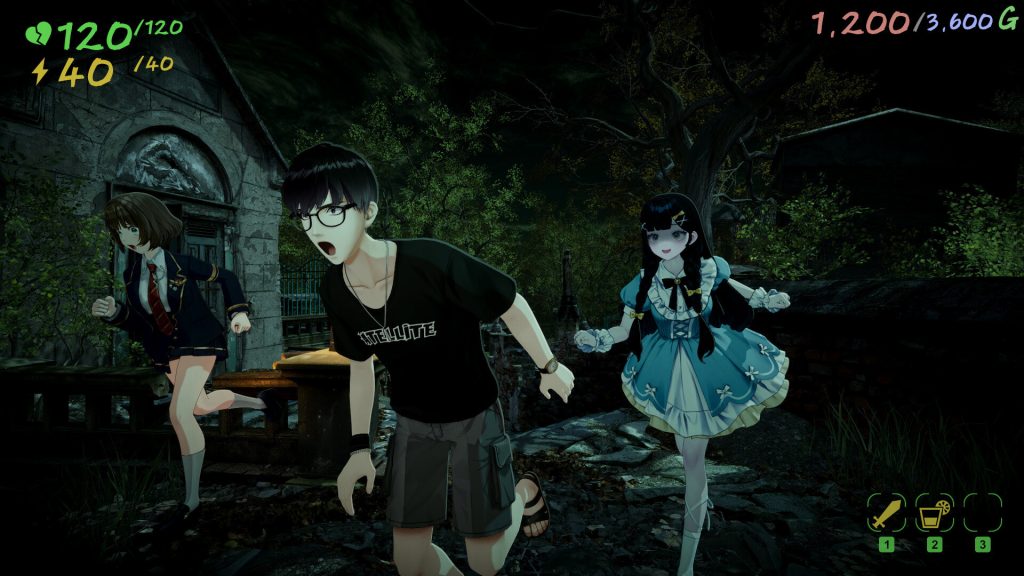
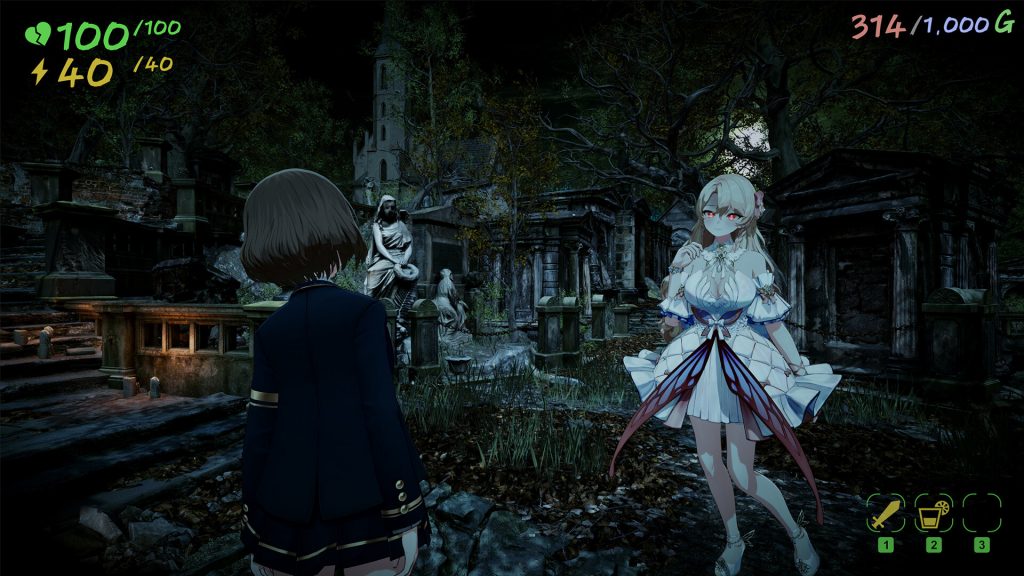
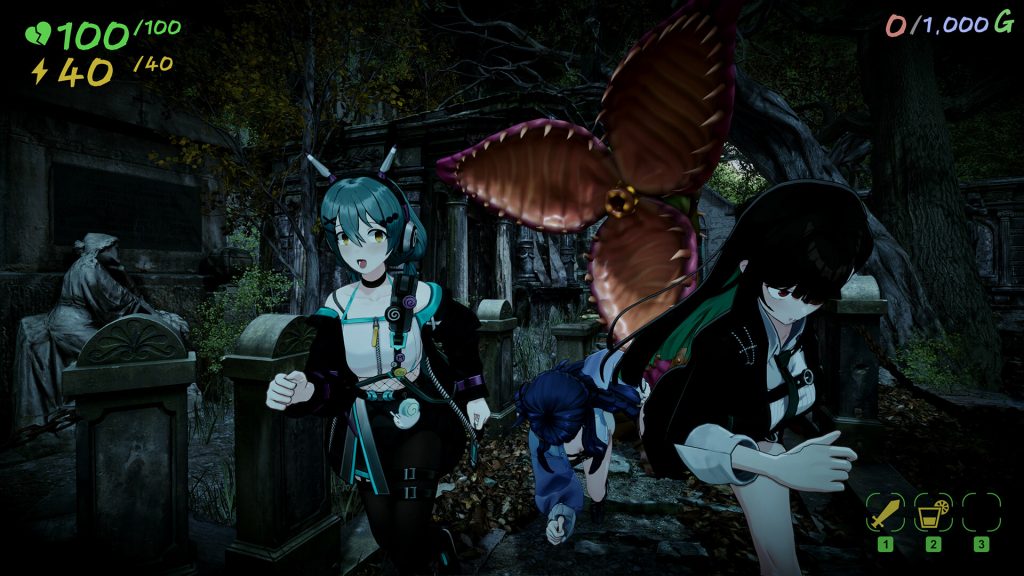
The premise is precisely calibrated for its target audience. Five Meechu members — Mazet, Moa, Bukuki, Hajiyu, and Heeji — have been infected by the mysterious Yandere Virus. They retain their usual cute and charming appearances while exhibiting distorted obsession and possessiveness, pursuing the player with relentless fixation. Players must survive and find a cure.
The Yandere-VTuber Fusion
“Yandere” is a Japanese character archetype that Western gaming audiences have encountered primarily through visual novels and anime — a character who appears sweet and loving on the surface while harboring an obsessive, dangerous attachment beneath. The combination of yandere psychology with the familiar, parasocial VTuber format is doing specific tonal work that the game’s target audience will recognize immediately.
VTuber culture operates through established intimacy. Fans develop affective relationships with VTuber personas through repeated viewing — they know the characters’ speech patterns, jokes, and personality quirks. Yandere Virus takes this established intimacy and inverts it: the characters you know and like are now pursuing you, their affection having crossed into something threatening. The familiarity that usually provides comfort becomes the source of horror.
This is the “uncanny familiar” approach applied specifically to fandom culture. Horror that uses elements the audience already cares about tends to be more effective than horror using unfamiliar monsters — you can’t be afraid of something you have no relationship with. Yandere Virus leverages the existing relationship between the Meechu fanbase and these characters to generate dread that pure horror game characters couldn’t produce.
The sweet yet sinister voice work described in the game materials completes this dynamic. Hearing a beloved character’s voice say frightening things — maintaining the usual vocal warmth while expressing something deeply wrong — is exactly the kind of tonal dissonance that the yandere archetype depends on. The audio design appears to take full advantage of this.
The Lethal Company Structural Parallel
Community comparisons to Lethal Company are apt and worth examining. Lethal Company became one of 2023’s breakout co-op games through a simple structure: groups of players are sent into dangerous abandoned facilities to collect quota-filling items, with unpredictable threats making every run different. The game’s charm came from the emergent comedy of friend groups failing together in absurd ways.
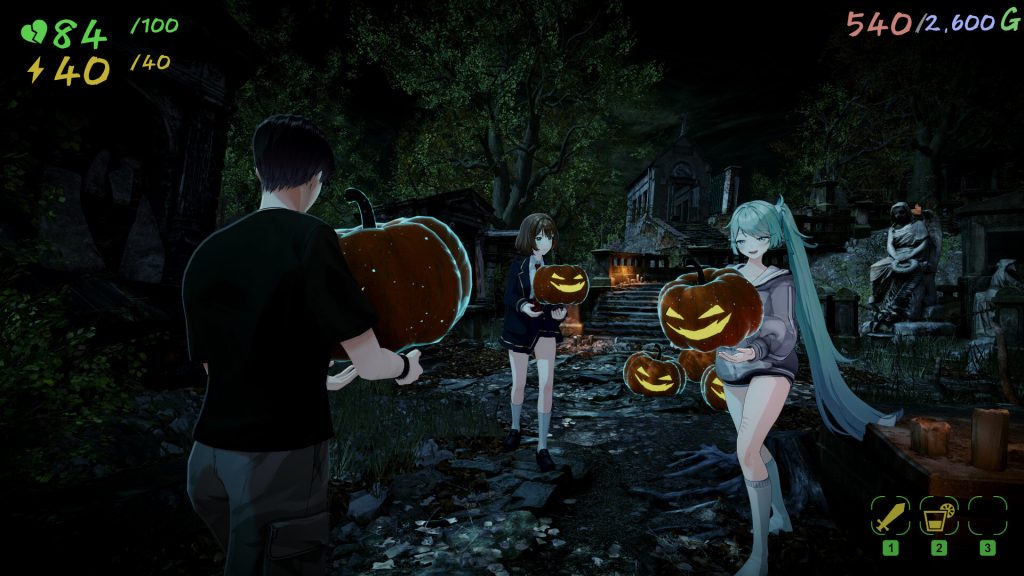
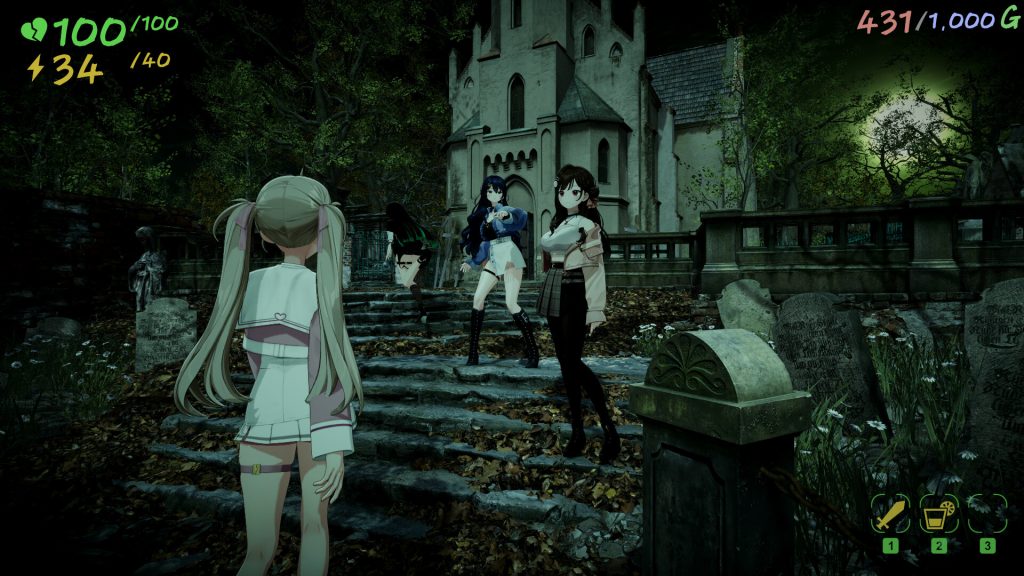
Yandere Virus applies a comparable structure. Up to 4 players must cooperate to collect Platonic Pumpkins scattered across a Halloween-themed graveyard environment, craft antidotes, cure infected companions, and escape. The infected VTuber characters and environmental mutant plants provide the threat. Proximity voice chat ensures the social chaos of near-misses and failures becomes immediately shareable.
The Lethal Company model proved that co-op horror with a clear collection objective works extremely well for streaming and content creation — the formula produces exactly the kind of panic-then-laughter moments that generate clips. Yandere Virus inherits this structural advantage while adding the subcultural layer of recognizable VTuber characters as the threat.
The graveyard setting with Halloween aesthetics provides a visually distinctive environment that distinguishes the game from generic horror facility backdrops. Mutant plants as environmental hazards add variety to the VTuber-character pursuit threat.
The Mocasphere “Snack Game” Strategy
The studio context is worth understanding for what it reveals about the project’s commercial philosophy. Mocasphere operates as Park Jun-su’s solo indie brand, describing its output as “B-grade subcultural snack games.” The studio releases new titles approximately every five months, targeting 2-hour playthrough times and $5-7 price points.
This is a coherent commercial philosophy distinct from the “build an epic, ambitious project” model that most indie studios pursue. The snack game approach prioritizes frequency, accessibility, and the specific pleasures of compact experiences over scope and depth. Two hours at $6 is a fundamentally different value proposition than 20 hours at $30 — and for the subcultural co-op horror niche, the former may actually be more commercially sustainable.
The rapid development cycle (approximately five months) requires a specific kind of design discipline: knowing what your project is, committing to that, and not expanding scope past what the timeframe allows. Yandere Virus‘s clearly defined loop (collect pumpkins, craft antidote, cure friends, escape) reflects this discipline. The game isn’t trying to be everything; it’s trying to be one specific kind of fun, delivered reliably.
PlayX4 2026 participation provided early audience testing and feedback before the Next Fest demo. This physical showcase engagement before digital distribution is exactly the validation approach that helps small teams identify issues before wider release.
The Steam Next Fest Performance
The specific numbers deserve attention. Steam Next Fest June 2026 attracted approximately 4,400 participating games — an enormous field. Ranking #4 in the animation/subcultural tag category placed Yandere Virus ahead of entries from substantially larger studios and development teams.
The explicit competitive context: Bandai Namco’s Echoes of Aincrad, Hound13’s Dragon Sword, and Road Complete’s Void Diver occupied positions 1-3 in the subcultural ranking. For a solo developer’s five-month project to rank alongside these represents meaningful validation of the concept’s audience resonance.
The 15,000 new wishlists generated during Next Fest, pushing the cumulative total past 30,000, provide a concrete pre-release commercial signal. The Meechu members’ own promotion of the game to their fanbase contributed significantly — VTuber IP games have a built-in marketing advantage when the IP holders themselves share the content with their audiences. This is exactly the kind of fanbase amplification that makes licensed VTuber IP attractive for small studios.
CEO Park Jun-su’s post-Next Fest statement acknowledged both the positive reception and the remaining work: “More users than expected played the game and left feedback during Steam Next Fest. We will improve the lacking parts and add more diverse content before the official release to present a satisfying cooperative horror game.”
The SCON Collaboration Context
SCON (Scon Universe) is a Korean VTuber company operating Meechu among other virtual talent groups. The IP licensing arrangement — a solo developer building a game around a VTuber group’s characters — represents an increasingly common model in the intersection of gaming and VTuber culture.
For VTuber companies, licensed games provide content for their talents to stream (VTubers playing games featuring themselves is premium content for their audiences), expand IP value beyond regular streaming content, and potentially introduce their characters to new audiences through gaming discovery channels.
For small developers, VTuber IP provides several advantages: an existing fanbase with established emotional attachment to the characters, built-in marketing through the VTubers themselves promoting the game, and a brand identity that helps the game stand out in crowded genre spaces.
The model works when the game genuinely integrates the characters in ways that feel meaningful to fans rather than just substituting the IP as skin over generic characters. The yandere-specific character transformation — using the characters’ established personality traits as the baseline that the virus corrupts — suggests Mocasphere has thought carefully about meaningful IP integration rather than surface licensing.
The Korean VTuber Market Context
Korean VTuber culture has been growing rapidly, with groups from multiple companies building substantial domestic and international audiences. The crossover between Korean indie gaming and Korean VTuber culture represents a natural market alignment — both communities concentrate on similar platforms (Twitch, YouTube, Discord), share significant demographic overlap, and are comfortable with the kind of parasocial engagement that Yandere Virus‘s premise specifically leverages.
The domestic success indicators from Next Fest (generating Korean gaming community discussion alongside the subcultural ranking) suggest the game is successfully bridging gaming and VTuber fandom audiences, which is exactly the market expansion that IP licensing games attempt.
Who This Is For
Strong fit for: Meechu fans who want interactive content featuring the characters; yandere archetype enthusiasts who appreciate the horror-comedy potential of the concept; Lethal Company and similar co-op horror fans seeking subculturally-specific variations; VTuber culture enthusiasts interested in games built around the format; players who enjoy compact, focused horror experiences ($5-7 price range, ~2 hour playtime); streamers and content creators seeking shareable co-op horror moments.
Cautious fit for: players unfamiliar with VTuber culture who may miss the specific appeal of the IP integration; horror enthusiasts who prefer serious, sustained dread over horror-comedy hybrids.
Less ideal for: players uninterested in VTuber culture or anime aesthetics; solo-only players who prefer single-player horror experiences; anyone seeking deep mechanical complexity over pick-up-and-play accessibility.
What to Watch For
A few questions will shape Yandere Virus‘s August 18 release.
The first is whether the IP integration feels meaningful to the Meechu fanbase. Licensed VTuber games succeed when the characters feel genuine rather than generically replaced — whether the voice work and character-specific behavior patterns in the full game deliver the authentic Meechu experience their fans expect will significantly affect reception within the fanbase.
The second is the session variety over the ~2-hour playtime. Compact co-op horror games need enough run variety that repeat plays feel different. Whether the Platonic Pumpkin collection loop, the antidote crafting, and the escape structure provide sufficient variety or whether runs feel repetitive will determine replayability.
The third is proximity chat integration and netcode quality. The social horror of co-op games lives or dies on whether the communication systems work reliably. Lethal Company‘s success was partly technical — the proximity chat worked, the syncing was stable, and the failure states were entertaining rather than frustrating.
The fourth is post-release content support. The “snack game” model works commercially when the $5-7 price point is matched by consistent value. Whether Mocasphere’s planned content additions and improvements maintain player interest through and after launch will affect long-term reputation.
The Takeaway
Yandere Virus is one of 2026’s more genuinely distinctive co-op horror concepts, combining culturally specific IP (Meechu VTubers with established fanbase relationships), precisely targeted tonal register (yandere horror-comedy), commercially disciplined scope (snack game philosophy, ~2 hours, $5-7 price), and the structural co-op horror foundation that Lethal Company proved works extremely well for streaming and social gaming.
The #4 subcultural ranking during Steam Next Fest against major publisher entries represents meaningful validation — whatever one thinks of the specific VTuber IP, the concept clearly resonates with the audience it targets. For a solo developer’s five-month project, this is strong pre-release commercial evidence.
For VTuber fans and yandere enthusiasts, August 18 brings exactly the specific content they’ve been requesting. For co-op horror fans looking for something genuinely different from standard horror facilities and creature designs, the Meechu horror-comedy provides the kind of specific tonal variation that the genre benefits from.
A Halloween graveyard. Five VTubers who are usually adorable but are now infected with something that has made their affection into something you need to run from. Platonic Pumpkins to collect. Friends to cure. An exit to find. And proximity chat ensures that your friends hear everything when you get caught.
The Meechu members remember you. They’ve always cared about you. And that’s exactly why you should run.
August 18. Don’t be alone when they find you.
Information regarding ‘Yandere Virus’
| item | detail |
|---|---|
| Developer / Publisher | Mocasphere / Nstarcube (Korea, Solo Developer / CEO Park Jun-su) |
| IP Licensee | SCON (SCON Universe) |
| VTuber appearing | Meechu — Majet · Moa · Bukuki · Hajiyu · Heeji (to be added) |
| Genre | Cooperative Horror / Adventure / Survival |
| Release platform | PC (Steam) |
| Scheduled for release | August 18, 2026 |
| Steam Next Fest Achievements | Ranked 4th in the Subculture (Animation) Category / Ranked 43rd in Upcoming Releases Popularity |
| Wishlist | Cumulative 30,000+ (Next Fest new 15,000) |
| Play Mode | Solo / Online Co-op Up to 4 players |
| core system | Collect Platonic Pumpkins → Craft Cure → Rescue Friend → Escape |
| characteristic | Proximity voice chat / Character customization / Korean language support |
| offline events | Participation in PlayXpo 2026 (Ilsan KINTEX) |
| Main Keywords | Yandere, VTuber, MeetU, Cooperative Horror, Subculture, Snack Game, Korean Indie |
| Official Channel | X · Discord |
| Steam Page | Go to Wishlist |