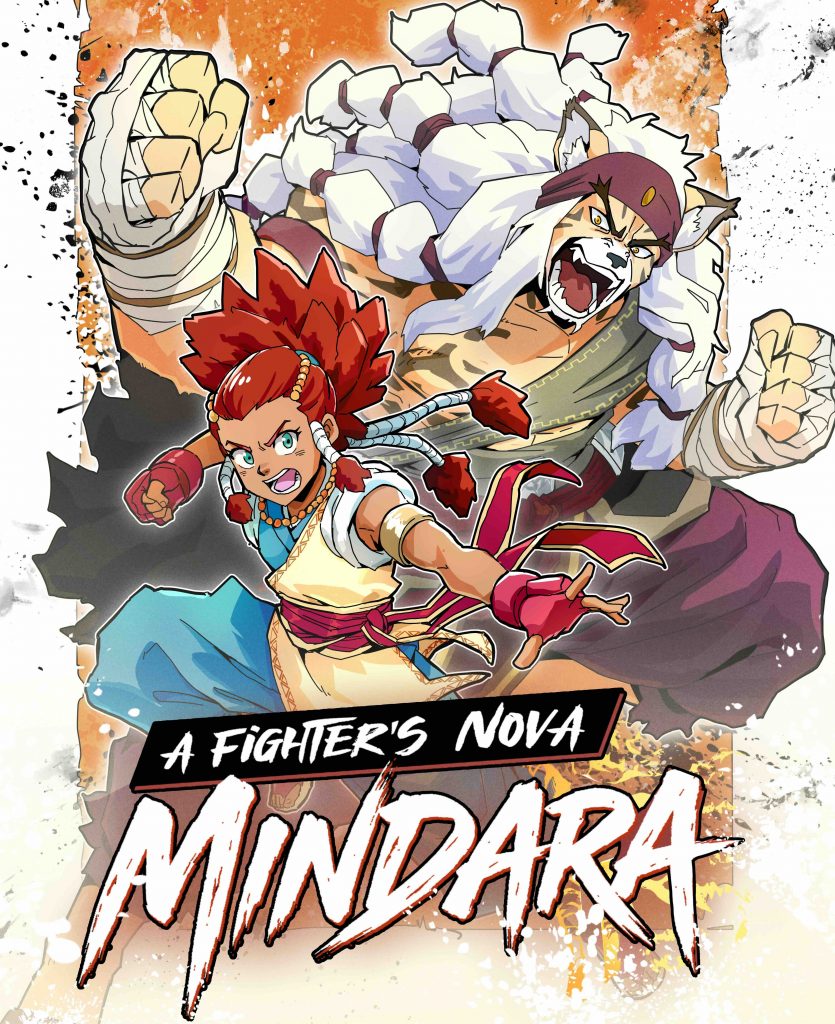
Genre fusion is one of indie gaming’s most reliable sources of creative innovation, but some fusions are riskier than others. JRPG and fighting game might be one of the most ambitious combinations anyone has attempted recently — these are two genres with profoundly different audience expectations, design philosophies, and gameplay rhythms. A Fighter’s Nova: Mindara, the upcoming debut from Montreal-based indie studio BadRez Games, is making exactly this attempt — and based on the prototype response and the involvement of Hiroki Kikuta as composer, the project has the foundations to actually pull it off.
The Kickstarter campaign launched June 2, alongside a free prototype version on Steam that lets anyone directly experience the core systems. Both elements together represent the kind of “show, don’t tell” approach to crowdfunding that’s increasingly important for ambitious indie projects.
The Two-Genre Challenge
It’s worth being honest about why JRPG-fighting game fusion is so rarely attempted. The two genres operate on opposing design priorities.
JRPG combat is typically turn-based or active-turn-based, prioritizing strategic decisions over execution skill. Players have time to think, build complex character configurations across long campaigns, and engage with narrative material between battles. The reward structure favors patience, planning, and gradual mastery of character builds and story content.
Fighting games operate in real-time, prioritizing execution skill over strategic planning. Players need precise input timing, combo memorization, frame-by-frame understanding of moves, and the kind of muscle-memory developed through repetition. The reward structure favors mechanical mastery, often at competitive levels that exclude casual players.
Combining these genres means combining audiences with different skill expectations, time commitments, and gameplay preferences. A JRPG-fighting game hybrid risks alienating both core audiences — JRPG fans may find combat too demanding, while fighting game fans may find the narrative content tedious overhead before “real” gameplay.
A Fighter’s Nova: Mindara‘s approach to this challenge appears to be addressing both audiences explicitly rather than compromising for either. The game supports both solo play and cooperative play, includes adjustable difficulty and control depth options, and structures the experience so that JRPG fans can engage at lower combat intensities while fighting game fans can access deeper mechanical content.
This kind of inclusive design philosophy is exactly what cross-genre projects need. Rather than picking a target audience and optimizing for it, BadRez Games appears to be building systems that scale across audience preferences — letting players choose how much fighting game depth they want to engage with based on their own background and preferences.
The Narrative Foundation
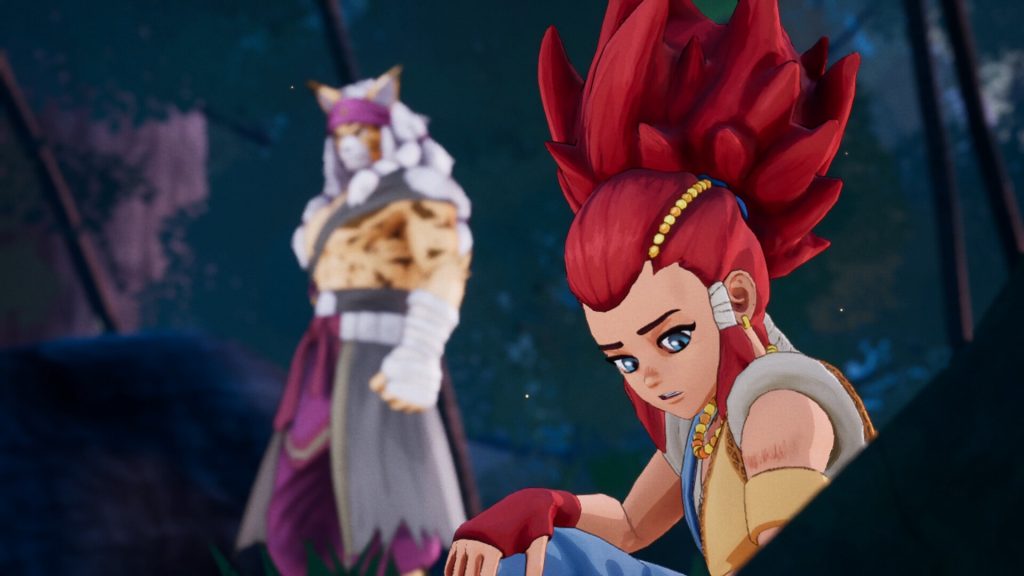
The story features two protagonists with distinct narrative arcs. Maya is a 10-year-old martial artist seeking purpose in life. Mindara is a werewolf wrestling with the choice between revenge and redemption after unjust exile. Their paths converge on a legendary tournament hidden deep within a mysterious city, where fate, mythology, and ambition complexly intersect.
The two-protagonist structure provides natural tag-team combat justification while offering narrative complexity through dual perspectives. Maya and Mindara approach the tournament from different motivations and emotional positions — Maya seeking purpose, Mindara navigating moral ambiguity around revenge. Their relationship and contrasting worldviews provide the kind of character dynamic that JRPG storytelling thrives on.
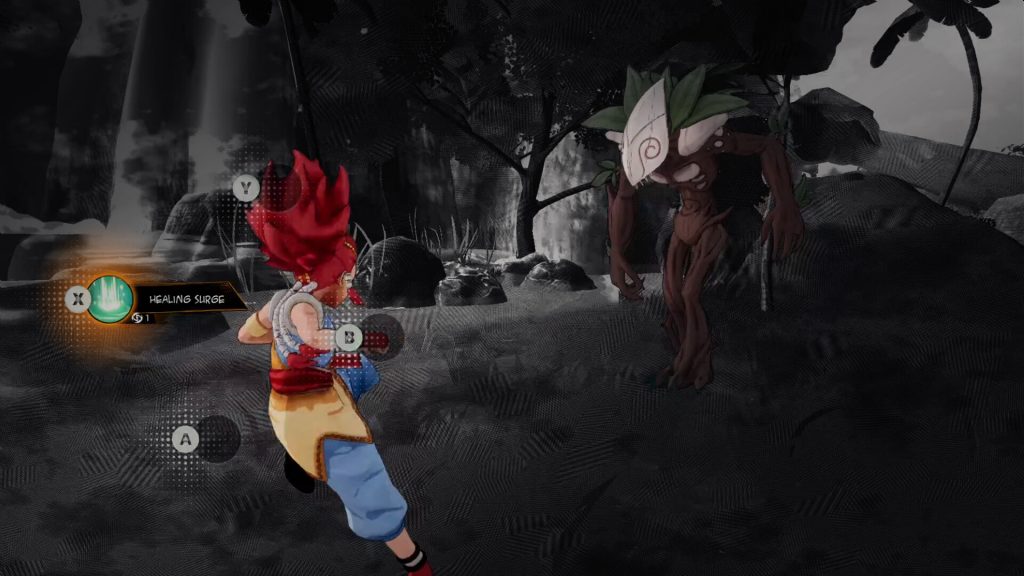
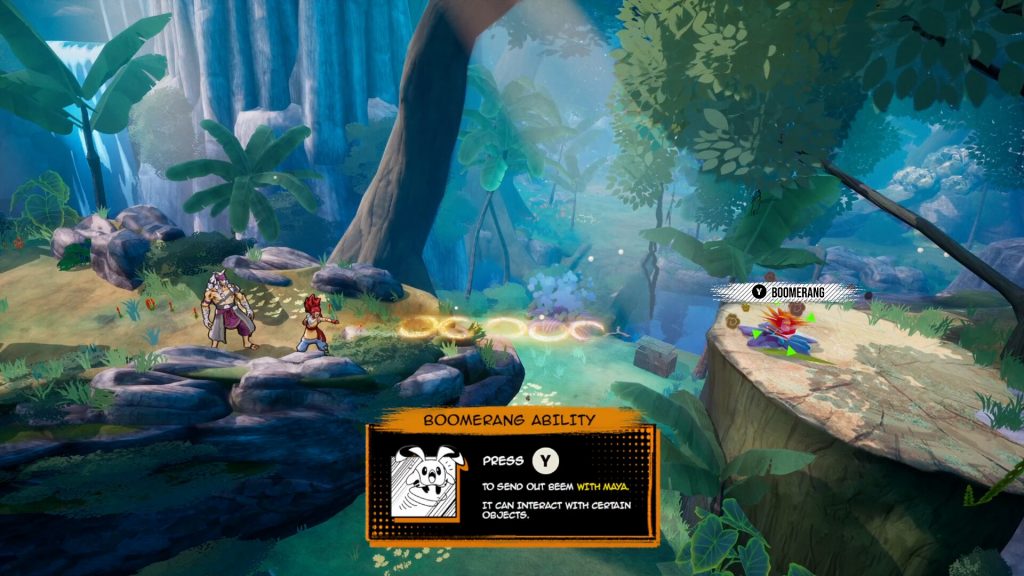
The supporting cast carries similar depth. Companions encountered during the journey each have their own backstories, goals, and combat styles, building the world’s depth beyond just the protagonists. The diverse environmental puzzles and hidden paths add exploration variety, with secrets and truths gradually revealed across the world.
This narrative scope — multi-protagonist story with supporting cast complexity, environmental exploration, and hidden lore — represents serious JRPG ambition rather than just a narrative wrapper around fighting game content. BadRez Games appears committed to delivering genuine JRPG depth alongside the fighting game systems, which is exactly what cross-genre success requires.
The Combat Innovation
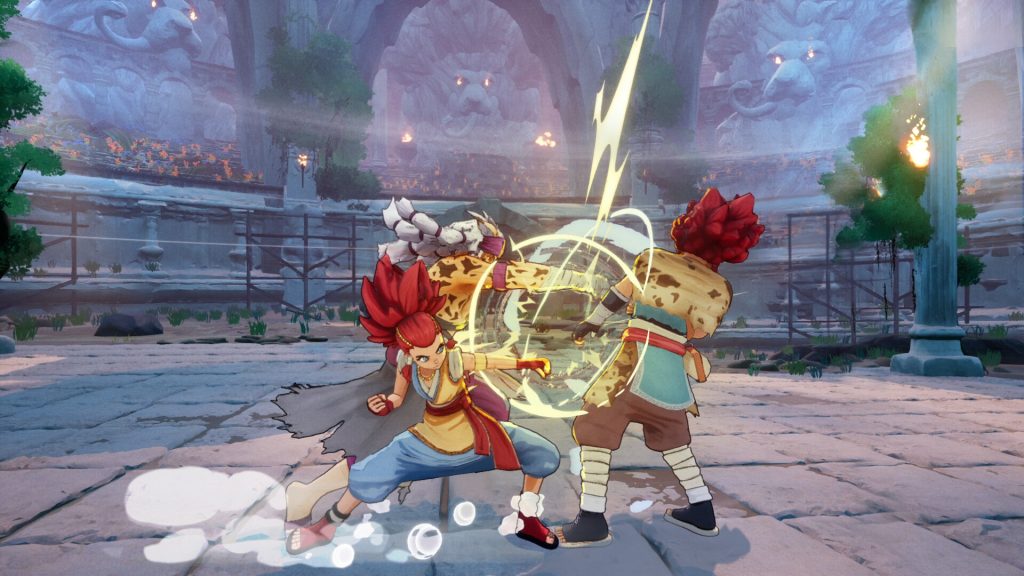
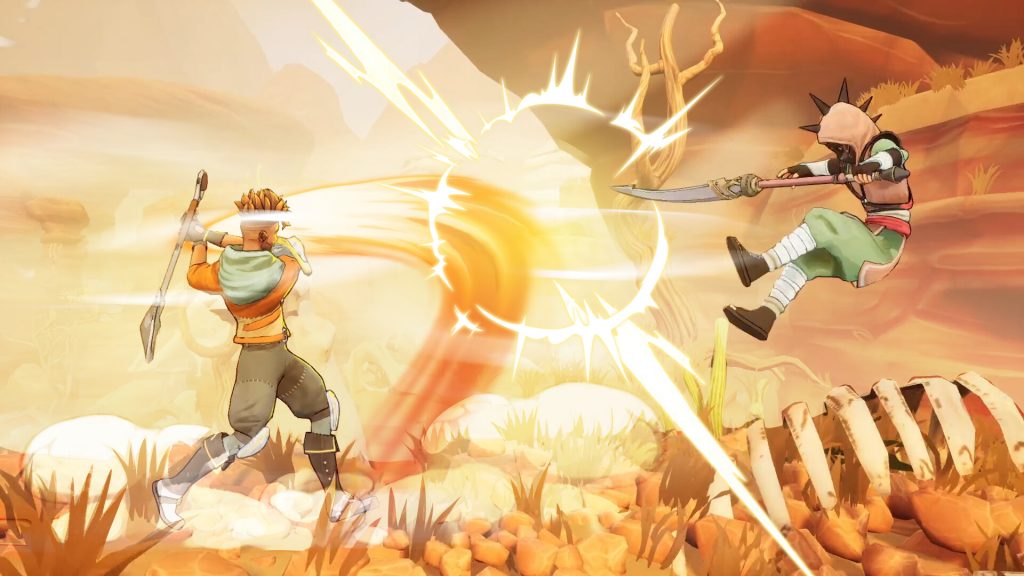
The combat system is where A Fighter’s Nova: Mindara makes its boldest design choices. The 2D side-scrolling tag-team real-time format draws explicitly from fighting game tradition rather than from JRPG combat lineage. Players switch characters during combat to continue combos, experiencing the kind of speed-and-strategy that characterizes traditional fighting games.
Linux Gaming News framed the project well: “This isn’t simply JRPG with flashy action attached, but an ambitious attempt to integrate story-centric exploration with high-difficulty fighting game gameplay.” The distinction matters significantly. Many cross-genre projects shallow one half to accommodate the other; A Fighter’s Nova appears committed to delivering both halves at meaningful depth.
Each character has unique combat styles and skills, with new combos and strategic options unlocking as relationships with companions develop. This relationship-tied progression system bridges the genres elegantly — it provides the character development arc that JRPG fans expect while expanding the mechanical depth that fighting game fans require. The same system serves both audiences simultaneously.
The cooperative play support is also significant. Two players can tag-team through the campaign together, which transforms the combat experience from solo execution challenge into genuine cooperative coordination. Cooperative fighting games are rare; cooperative JRPG-fighting hybrids represent particularly distinctive gameplay territory.
The Hiroki Kikuta Factor
The involvement of composer Hiroki Kikuta deserves specific attention. Kikuta composed the music for Secret of Mana and the broader Seiken Densetsu / Mana series — defining work in JRPG soundtrack history. His distinctive lyrical melodies and dramatic battle music are part of why those games achieved their cult status.
For a debut studio’s first commercial project to attract a composer of Kikuta’s stature signals serious industry credibility. Composers like Kikuta don’t accept projects casually; his involvement implies that A Fighter’s Nova: Mindara presented sufficient creative vision and execution capability to interest him. This kind of pedigree partnership often separates indie projects that achieve breakthrough success from those that don’t.
Kikuta’s specific musical sensibilities also align with the project’s needs. The Mana series combined lyrical melodic content for exploration and emotional moments with dramatic battle music for combat — exactly the dual-register that A Fighter’s Nova‘s JRPG-fighting fusion requires. His participation suggests the soundtrack will support the genre fusion at a sophisticated level.
The Visual Direction
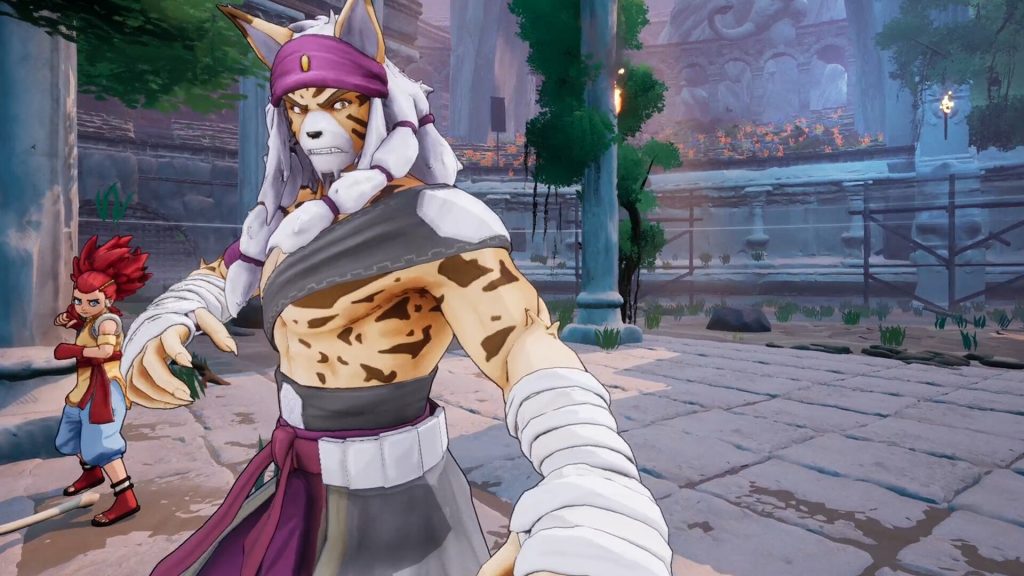
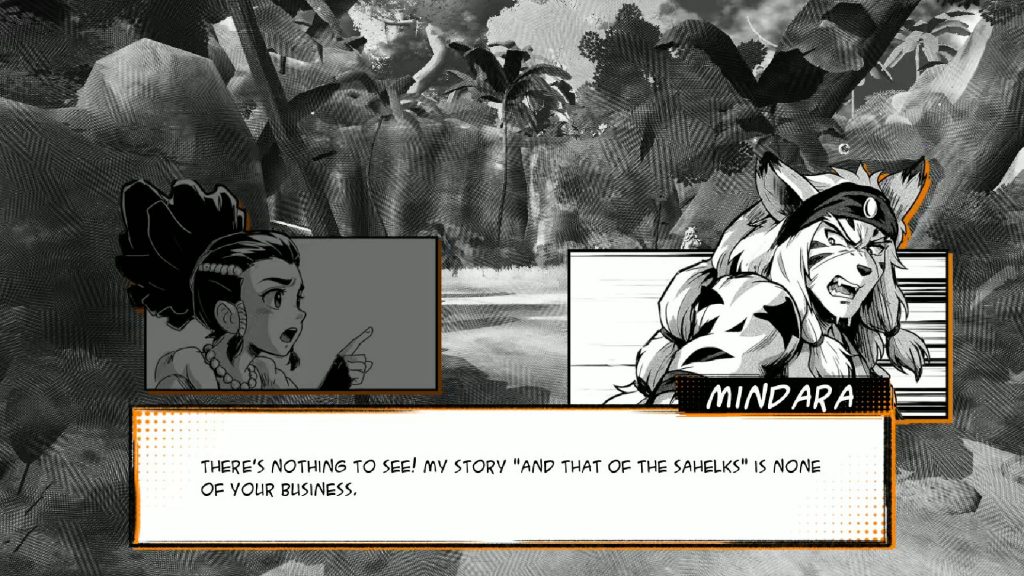
The game’s visual approach combines stylized cinematic presentation inspired by Japanese manga with Unreal Engine 5 gameplay foundations. Major story scenes are rendered with anime-style cinematic direction, integrated organically with the engine’s real-time gameplay capabilities.
The manga-influenced aesthetic is specifically appropriate for the genre fusion. Manga as a medium often combines dramatic action sequences with extended character development — exactly the rhythm A Fighter’s Nova: Mindara attempts to deliver. Players who enjoy manga storytelling will recognize the structural conventions the game is using to integrate its different gameplay modes.
The Unreal Engine 5 foundation provides technical capability for both the 2D fighting game combat and the cinematic story sequences. UE5’s strengths in real-time rendering and cinematic presentation align well with what the project needs to deliver.
How Press and Community Have Responded
The international gaming press has taken a notable interest in the project. Gematsu evaluated it as “a narrative-centric JRPG combining rich storytelling and exploration with the genuine tension and depth of true fighting games” — recognition that the project is attempting both halves at serious depth rather than compromising either.
RPGamer focused on the unique aspect of integrating tag-team fighting systems into RPG structure. Linux Gaming News expressed optimism that “this could become a rare work where both JRPG fans and pure fighting game enthusiasts can be satisfied.”
Content creator ROK the Reaper, who reportedly approaches Kickstarter projects with caution, called A Fighter’s Nova “a rare case that presents both an interesting idea and a prototype to prove it.” This kind of endorsement from a creator known for careful evaluation carries weight in the crowdfunding ecosystem.
The free Steam prototype is particularly important for the project’s reception. Most crowdfunding-stage games ask backers to fund development based on conceptual promises. A Fighter’s Nova‘s prototype lets potential backers actually engage with the core gameplay before committing — significantly reducing the trust requirement that often limits indie game Kickstarter success.
The BadRez Games Context
BadRez Games is a Quebec-based indie studio operating from Montreal, with A Fighter’s Nova: Mindara representing their first commercial project. Quebec has been one of Canada’s strongest gaming development regions, with major studios (Ubisoft Montreal, Eidos-Montréal, Behaviour Interactive) anchoring an ecosystem that has gradually produced significant indie work alongside the AAA productions.
For a debut studio’s first commercial project, A Fighter’s Nova: Mindara‘s ambition is substantial. The combination of genre fusion innovation, narrative depth across multiple protagonists, manga-influenced cinematic presentation, Unreal Engine 5 technical complexity, and partnership with a composer of Kikuta’s stature represents a production scope that smaller debut projects typically can’t attempt. This either signals impressive studio capability or substantial development risk — likely both, in different proportions.
The Kickstarter campaign funding will support content expansion, combat system improvements, and narrative enhancement. The reward structure includes exclusive skins, Discord roles, digital art books and soundtracks, and ending credits acknowledgment for backers. Higher-tier backers can have their designed NPCs or bosses actually appear in the game — a particularly meaningful reward for invested supporters.
The 2028 Release Target
The 2028 release target is worth highlighting. This is a long development horizon — approximately two years from the Kickstarter campaign launch. For comparison, many crowdfunded indie projects target 12-18 months from campaign to release, often experiencing delays that extend this further.
A two-year development target indicates BadRez Games is approaching this with realistic scope awareness. The project’s complexity — genre fusion, multiple protagonists, manga cinematic content, Unreal Engine 5 development — genuinely requires substantial development time. Setting a two-year target rather than promising 12-month delivery reflects mature project planning that should reduce the disappointment risk that plagues many crowdfunded games.
The extended timeline also accommodates the prototype-iteration-feedback cycle that crowdfunding-supported development requires. Backers who engage with the current prototype can provide feedback that shapes the final game’s development — but this feedback loop only works if development time accommodates the iteration cycles.
Who This Is For
Strong fit for: JRPG fans curious about combat innovation beyond traditional turn-based systems; fighting game enthusiasts interested in narrative depth alongside mechanical content; manga storytelling appreciators; players who enjoyed Valkyrie Profile‘s combat hybrid approach or Skullgirls‘ fighting game with story content; Hiroki Kikuta fans following his compositional career; cooperative play enthusiasts seeking distinctive co-op experiences.
Cautious fit for: pure traditional JRPG fans who specifically prefer turn-based combat; fighting game purists who find narrative content tedious; players who avoid Kickstarter projects on principle.
Less ideal for: players who want either pure JRPG or pure fighting game experiences without genre fusion; anyone seeking immediate gameplay release rather than the 2028 timeline; players uninterested in manga-influenced aesthetics.
What to Watch For
A few questions will shape A Fighter’s Nova: Mindara‘s development arc toward 2028.
The first is whether the prototype-to-full-game scope can actually be achieved within the development timeline. Genre fusion projects at this scope frequently exceed initial scope estimates significantly. How BadRez Games manages scope across the two-year development period will determine whether the 2028 target holds.
The second is the Kickstarter campaign performance. Strong crowdfunding success would provide the resources to deliver the project’s full ambition; weak performance could force scope reduction. The first weeks of the campaign will reveal whether the project has captured sufficient audience to fund its ambitions.
The third is the genre fusion execution at full content scope. The prototype demonstrates the concept works at a small scale; whether the system scales to support a full campaign with hundreds of hours of potential engagement is the harder question that only the completed game can answer.
The fourth is platform expansion. PS5 and Nintendo Switch 2 versions are “under review” — whether these materialize alongside the PC release will significantly affect the project’s commercial trajectory.
The Takeaway
A Fighter’s Nova: Mindara is one of the more genuinely ambitious indie Kickstarter projects launching in 2026. The JRPG-fighting game genre fusion represents real creative risk-taking; the partnership with Hiroki Kikuta represents serious industry credibility; the free prototype represents the right approach to demonstrating capability before asking for crowdfunding support.
For JRPG fans curious about combat evolution beyond turn-based traditions, or fighting game fans interested in narrative depth alongside mechanical content, this project is worth investigating both through the prototype and the Kickstarter campaign. The genre fusion has the potential to deliver something genuinely distinctive that neither parent genre offers alone.
For broader audiences, A Fighter’s Nova serves as an interesting case study in how cross-genre indie projects can be presented to potential audiences. The prototype-plus-crowdfunding approach addresses the trust problem that limits many ambitious indie projects, while the 2028 timeline reflects realistic development scope awareness.
For Quebec indie scene followers, BadRez Games’ debut represents another emerging studio from one of Canada’s strongest gaming regions. Whether the studio successfully delivers on the ambitious vision could establish them as a significant new voice in the international indie scene.
A young martial artist seeking purpose. A werewolf navigating revenge and redemption. A legendary tournament in a mysterious city. JRPG storytelling depth combined with tag-team fighting game combat. As genre fusion pitches go, A Fighter’s Nova: Mindara is one of the more ambitious of the year — and the prototype demonstrates that the concept can actually work in practice rather than just sound interesting in description.
The Kickstarter is open. The prototype is free. The development path stretches to 2028. For players willing to engage early with an ambitious project, A Fighter’s Nova: Mindara offers the chance to support and shape one of the more distinctive indie genre experiments currently in development.
The tournament awaits. The combat systems are taking shape. And somewhere between JRPG narrative tradition and fighting game mechanical depth, BadRez Games is trying to build something neither genre has quite seen before.
Information regarding ‘A Fighter’s Nova: Mindara ‘
| item | detail |
|---|---|
| Developer | BadRez Games (Montreal, Quebec, Canada) |
| Genre | Narrative JRPG / Tag Team Fighting / Action RPG |
| Release platform | PC (Steam·Linux·Steam Deck) / PS5·Nintendo Switch 2 (Under Review) |
| Official release target | 2028 |
| Current status | Free Steam Prototype Release / Kickstarter Campaign Opens June 2 |
| Soundtrack | Hiroki Kikuta (Mana series composer) participated |
| engine | Unreal Engine 5 |
| First revealed | Convergence Games Showcase (February 19, 2026) |
| Major media | Introduction to Gematsu, RPGamer, Niche Gamer, Linux Gaming News, etc. |
| Main Keywords | JRPG, Fighting Game, Tag Team, Manga, Werewolf, Martial Arts, Unreal Engine 5 |
| Kickstarter | Shortcut |
| Steam Page | Prototype & Wishlist |