After roughly a year and a half in Early Access, The Dead Await — the open-world zombie survival RPG from Tbilisi-based Shotx Studio — has officially launched its 1.0 version. It’s the kind of game whose pitch reads like a deliberate dare: open-world survival RPG, deckbuilding combat, caravan management, and zombie apocalypse, all in one. That sentence could easily describe a project that bites off more than it can chew. The 1.0 release is the test of whether the combination actually holds together.
The short answer, based on early reception, is: it mostly does, with caveats worth taking seriously.
A Genre Combination That Earns Its Logic
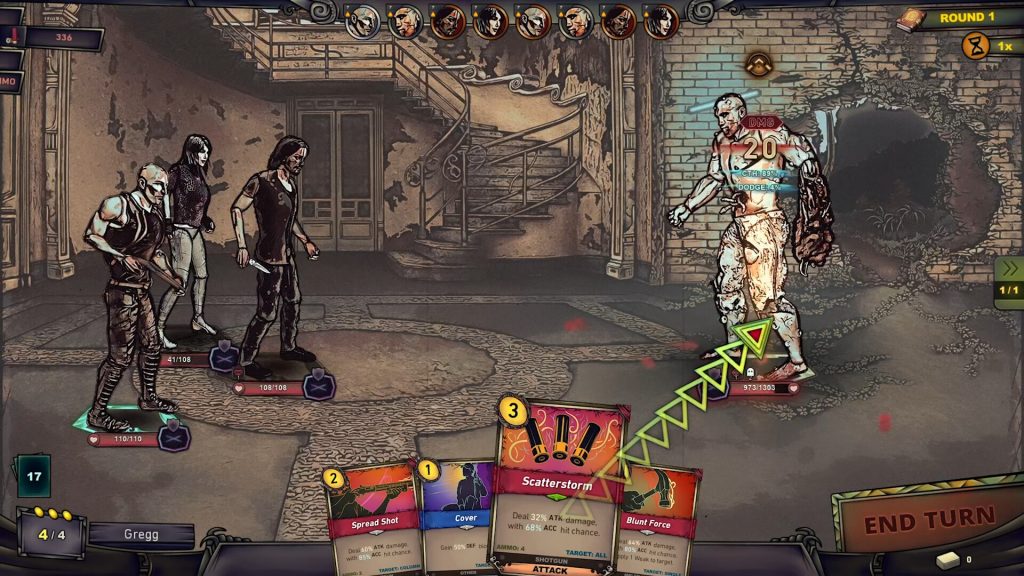
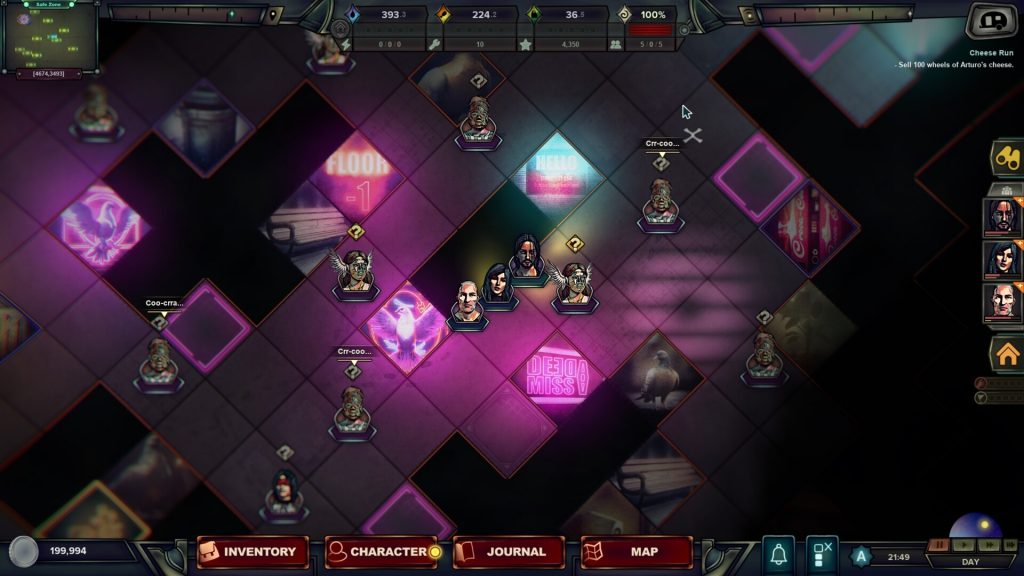
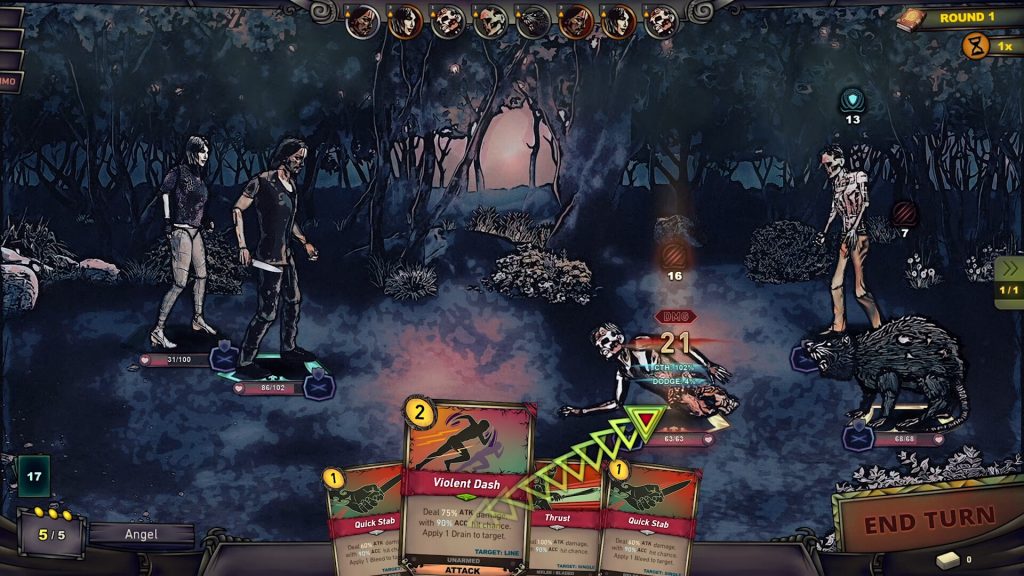
The most surprising thing about The Dead Await is that the four-genre stack actually has internal coherence. Survival systems generate the pressure that makes every decision matter. Caravan management gives the survival pressure a long-term horizon. Open-world exploration provides the variety the long horizon needs to stay interesting. And deckbuilding combat ties the moment-to-moment encounters back to the longer-term progression layer through card and equipment acquisition.
This is the right way to combine genres — each layer feeding the next, rather than four parallel systems sharing a screen. The most common comparison in coverage has been to Wartales and Battle Brothers rather than Slay the Spire, and that’s accurate. The texture of play is closer to long-form strategy RPG than to roguelike deckbuilder. You’re not running discrete deck-based runs. You’re sustaining a group of survivors across a campaign, and the cards are how combat resolves within that larger structure.
The Slay-the-Spire-style satisfaction of building a synergistic deck still surfaces in good moments — the encounter where a weapon combination you’ve been assembling finally clicks and pulls you through a fight you weren’t supposed to survive — but the combat is in service of the caravan rather than the other way around. That’s the right priority for this kind of project.
Survival That Punishes You for Real
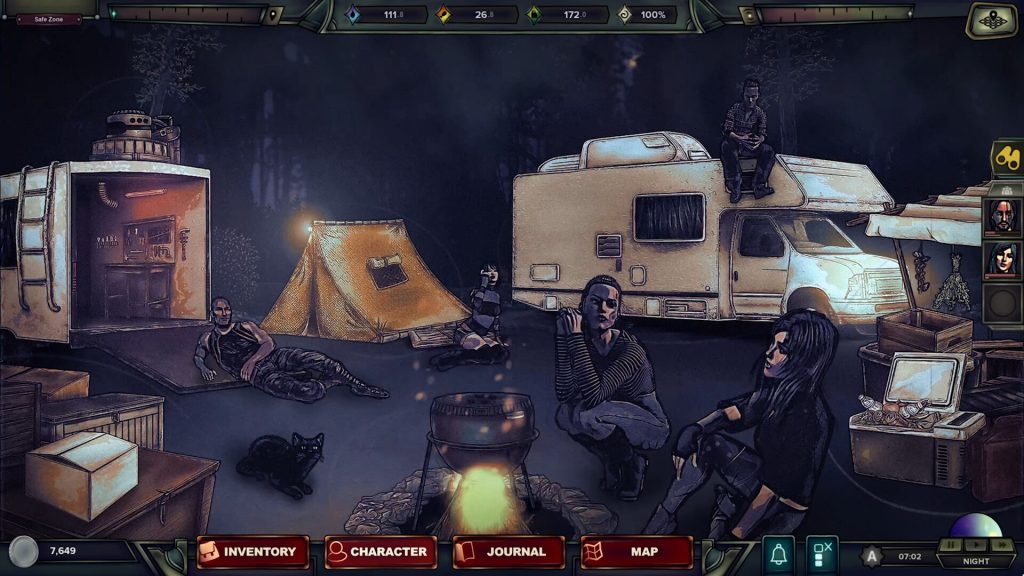
The survival layer in The Dead Await has teeth, and it’s where the game’s identity is sharpest. Food scarcity, injuries, mental health, and the threat of permanently losing companions all carry forward across the campaign. A bad expedition doesn’t just cost you a fight; it can compromise the entire caravan for the next several days of in-game time. Resource management isn’t a checklist — it’s the thing the game is actually about.
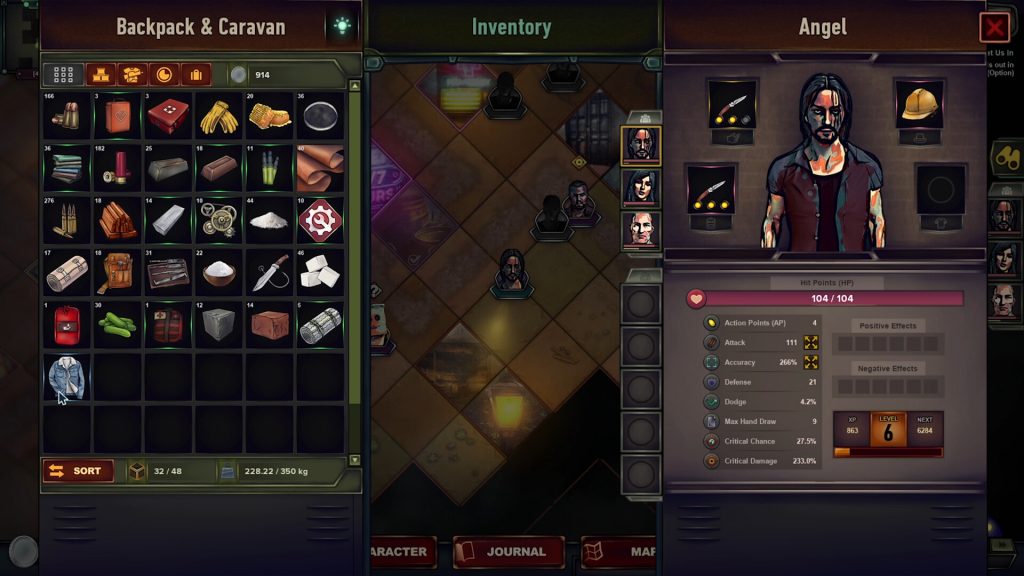
This is the design space This War of Mine and the harder-difficulty XCOM runs operate in, and The Dead Await commits to it. Permanent loss is meaningful here precisely because survivors aren’t interchangeable. They have attributes, skills, and perks you’ve invested in. Losing one isn’t a respawn problem. It’s an actual setback.
The trade-off, as always with games in this register, is that the experience is sometimes more stressful than fun. Players who want a deckbuilder for cathartic combat satisfaction will find the survival pressure intrusive. Players who want survival games for tense resource management will find the cards a fresh way to express it. The game knows which audience it’s for, which is the right kind of clarity.
1.0 Brings the Endgame
The 1.0 release adds Act 3, the campaign’s final content arc, completing the world’s scale. New regions include the dangerous streets of “Hope,” the unknown space of “Hell-0,” and “Zone 99” — locations whose names carry the right tonal weight for the game’s grimmer corners.
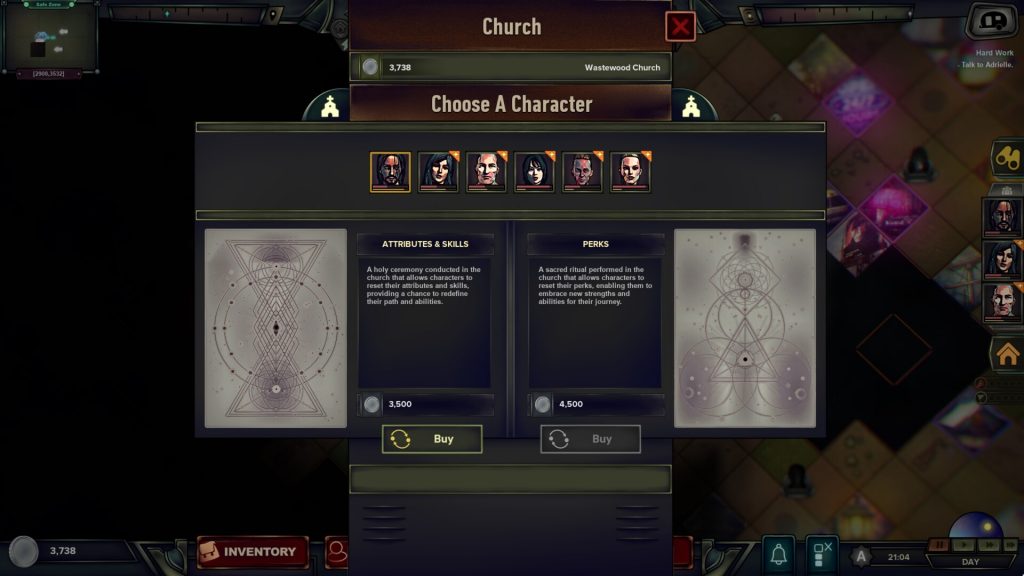
The longevity systems added at 1.0 are arguably even more important than the new content. Character skins, Z-Tasks for permanent rewards, a Z-Shop, and a Vault Safe (an account-level sharing system) all give long-term players reasons to continue past the campaign ending. The new Arena mode lets players test increasingly lethal combat for rare rewards, and the raised level cap opens up new weapon mods, equipment, and progression paths.
This is the kind of post-campaign infrastructure that genre veterans look for. The Dead Await isn’t shipping its campaign and walking away; it’s shipping the campaign with the scaffolding for sustained play already in place.
Where the Friction Lives
The 68% Mixed rating on Steam isn’t a fluke, and a fair review has to engage with it honestly. The most consistent criticism is the early-game experience: the opening hours are dense, the systems are under-explained, and the learning curve is steep enough that some players bounce before the combination of systems starts clicking.
That’s a real design problem, not just a difficulty preference. Games combining four genres carry a higher onboarding burden than single-genre projects, and The Dead Await hasn’t fully solved it. Players who push through tend to find the deeper game rewarding; players who don’t may never reach the layer where the systems start feeding each other.
The Mixed rating also reflects a broader frustration with the pacing of system reveals. Some mechanics that significantly shape mid-game play are introduced more abruptly than they should be, and the game’s tutorial layer is doing less work than it needs to do for a project this conceptually ambitious.
What gives some grounds for cautious optimism is Shotx Studio’s track record during Early Access. They iterated on community feedback consistently across the year and a half of development, and the 1.0 release is positioned as a starting point for further refinement rather than a final state. Whether those refinements address the onboarding problem will be one of the key questions for the project’s longer arc.
A Studio Worth Noting
Shotx Studio is based in Tbilisi, Georgia — a Caucasus indie scene that doesn’t get major coverage in Western games press but produces interesting work. The Dead Await is the studio’s most ambitious project to date, and the cross-publisher partnership with indie.io (which has been quietly publishing some of the more interesting genre-mashing indies in recent years) gives it distribution reach that small Georgian indies typically struggle to access.
The collaboration model is worth highlighting because it represents something happening more broadly in indie publishing — smaller publishers like indie.io serving as bridges for studios in scenes that don’t yet have established global distribution networks. The Dead Await is one of the more visible recent examples, and its commercial reception will be a meaningful data point for that model.
How the Press Has Read It
International coverage has been generally positive about the genre experiment, with COGconnected calling it “a work that combines open exploration, caravan management, and strategic deckbuilding,” and GameDaily describing it as “an original combination that goes beyond simple marketing language.” Turn-Based Lovers offered the sharpest framing: a deckbuilder for players who want their card games to come with actual survival pressure and long-term risk management.
That last framing is probably the cleanest summary of who The Dead Await is really for.
Who Should Play It
Strong recommend for: fans of Wartales, Battle Brothers, or other long-form strategy RPGs who are open to card-based combat; survival game players who want their resource management with strategic depth; players willing to push through a rough opening for a deeper mid-and-late game.
Cautious recommend for: deckbuilder fans who want pure combat satisfaction without survival overhead; players who bounce off games with steep onboarding curves; anyone who finds permadeath companion loss frustrating rather than meaningful.
Worth waiting on: if you tend to wait out 1.0 patches before buying ambitious genre-mashers, the 35% discount will likely return, and a few more months of post-launch refinement could meaningfully improve the early-game experience.
The Verdict
The Dead Await is a genuine genre experiment that mostly works, packaged with real friction that’s keeping it from broader appeal. The 1.0 release adds substantial content and longevity infrastructure, and the underlying systems are smarter and more cohesive than the four-genre pitch suggests. The Mixed rating reflects real onboarding problems rather than fundamental design failures, and the studio’s Early Access track record suggests those problems are likely to keep improving.
For players willing to meet the game halfway through its rough opening, there’s a substantive strategy RPG underneath — one that combines survival weight, caravan logistics, and card-based combat in ways that feel meaningfully different from anything else in the deckbuilder space.
Information regarding ‘The Dead Await’
| item | detail |
|---|---|
| Developer | Shotx Studio (Tbilisi, Georgia) |
| Publisher | indie.io |
| Genre | Deck-building Open World Survival RPG / Caravan Management / Zombie Apocalypse |
| Release platform | PC (Steam / indie.io store) |
| Release date | May 18, 2026 (1.0 Official Release) |
| price | $12.99 (35% off for a limited time) |
| Steam Review | Mixed 68% (101 pieces) |
| Early Access Period | About 1.5 years (starting in late 2024) |
| 1.0 New Content | Act 3 / Arena Mode / Z-Shop / Vault Safe / Z-Tasks / Character Skins |
| Major systems | Deckbuilding Combat / Caravan Management / Sanity, Injuries, and Food Management / Permanent Survivor Losses |
| Main Keywords | Deckbuilder, Zombie, Survival, Caravan, Open World, Post-apocalyptic, Card Combat |
| Official Channel | Discord · X(@shotxstudio) |
| Steam Page | Shortcut |