Maze Breaker from Korean indie studio AsBar is running a playtest on STOVE INDIE’s Boost Lab program through August 24. The action roguelite places players in a demon lord’s labyrinth that changes structure between day and night, with the specific twist that players actively build their own path through it using Star Fragments rather than navigating a fixed layout.
The Map Construction System
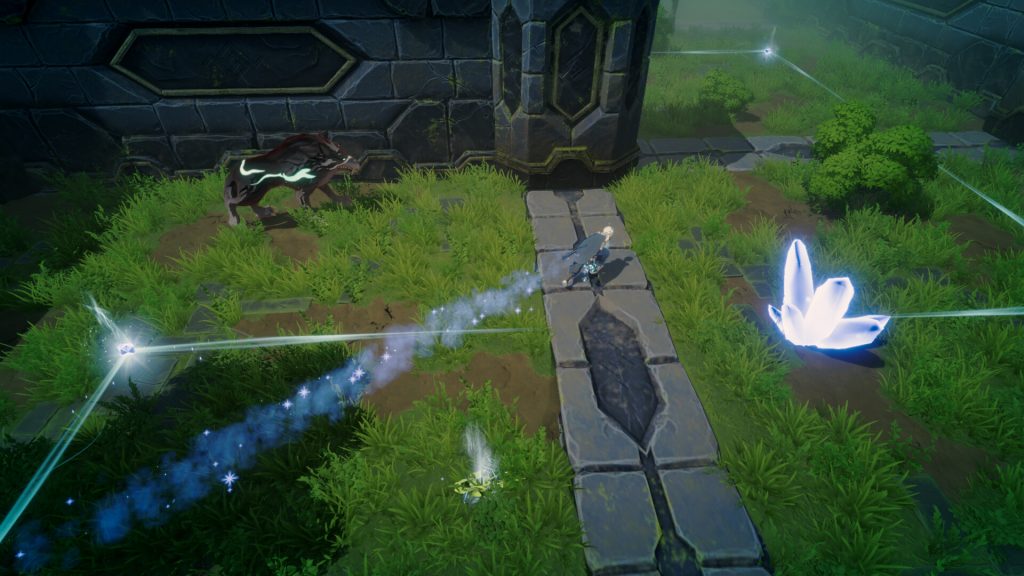
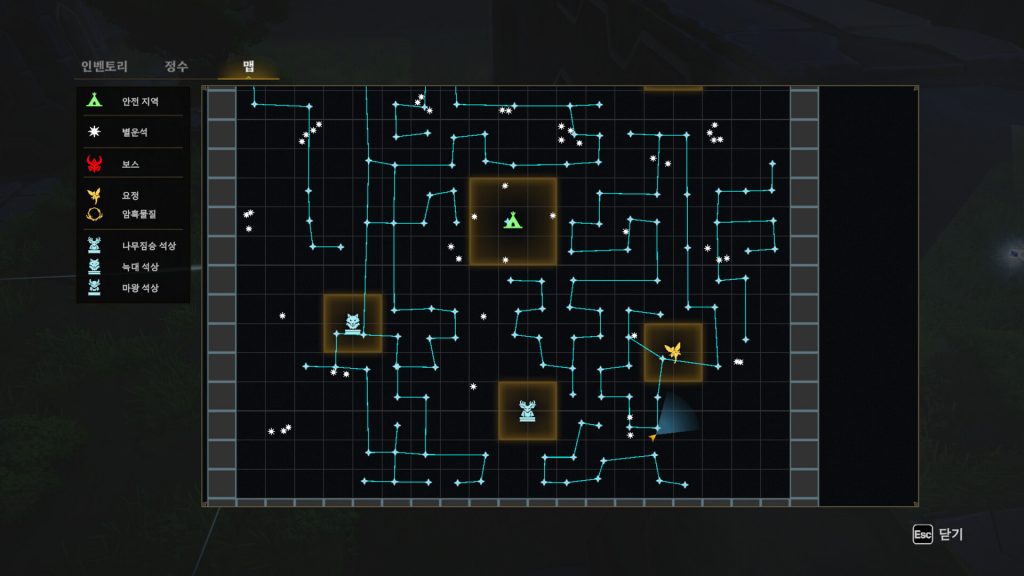
The Star Fragment placement mechanic is the design element that distinguishes Maze Breaker from action roguelites that use maze settings as aesthetic backdrops. Players collect Star Fragments during exploration and place them to create paths — and those paths persist even when the maze’s structure changes at nightfall. Exploration builds a personalized map: the routes you’ve constructed remain while everything else shifts.
This creates a specific temporal investment in the space. A route established on day one has strategic value on day three because it survived the intervening structural changes. The maze is simultaneously the opponent and the canvas — you’re navigating it and making it more navigable simultaneously.
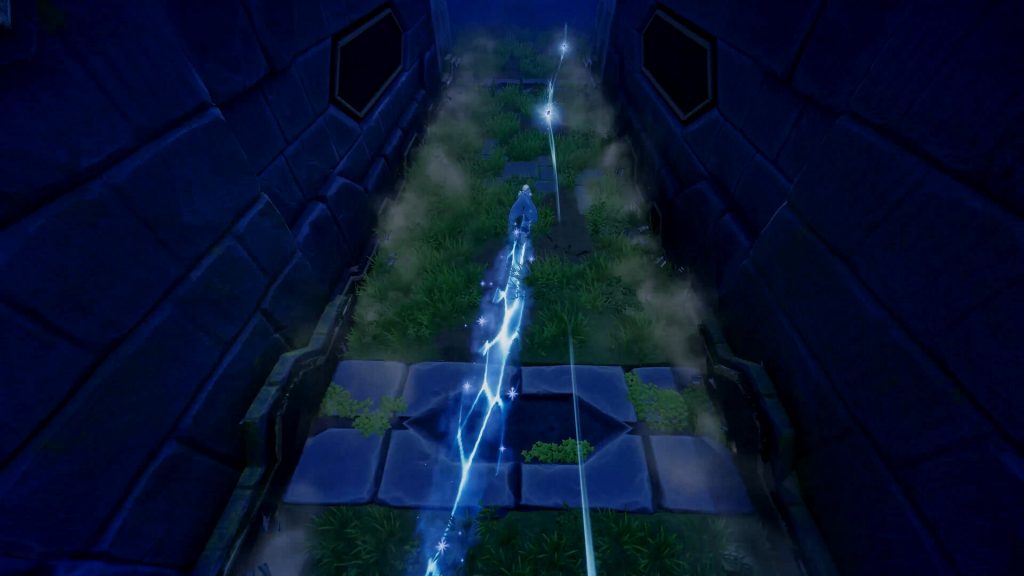
Starlight Sprint allows fast traversal along established Star Fragment paths. Super Jump allows wall-climbing to discover new routes when constructed paths are blocked. The two movement abilities serve different phases of exploration: Sprint for efficient movement through known territory, Jump for pioneering new connections.
The Day-Night Cycle
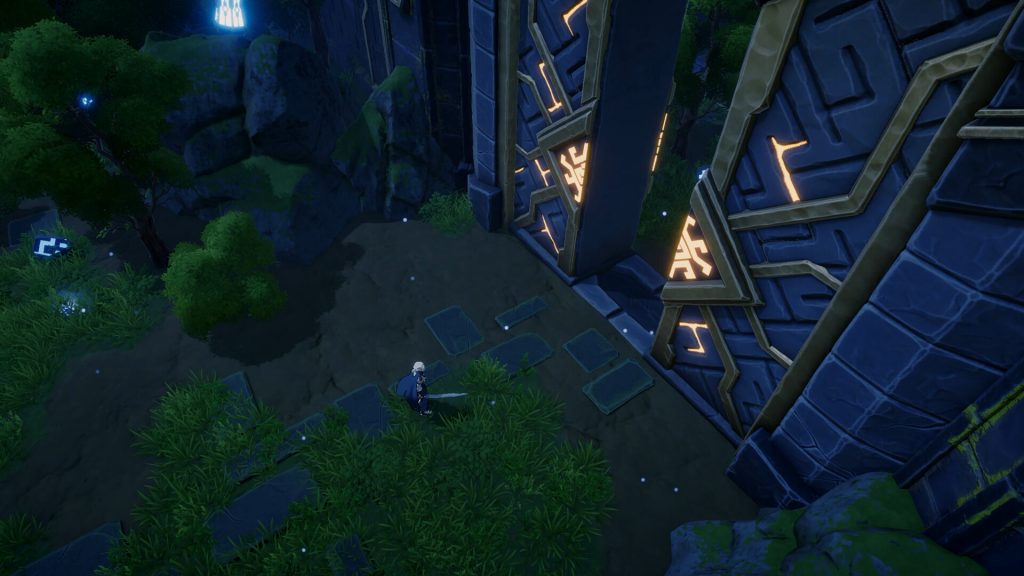
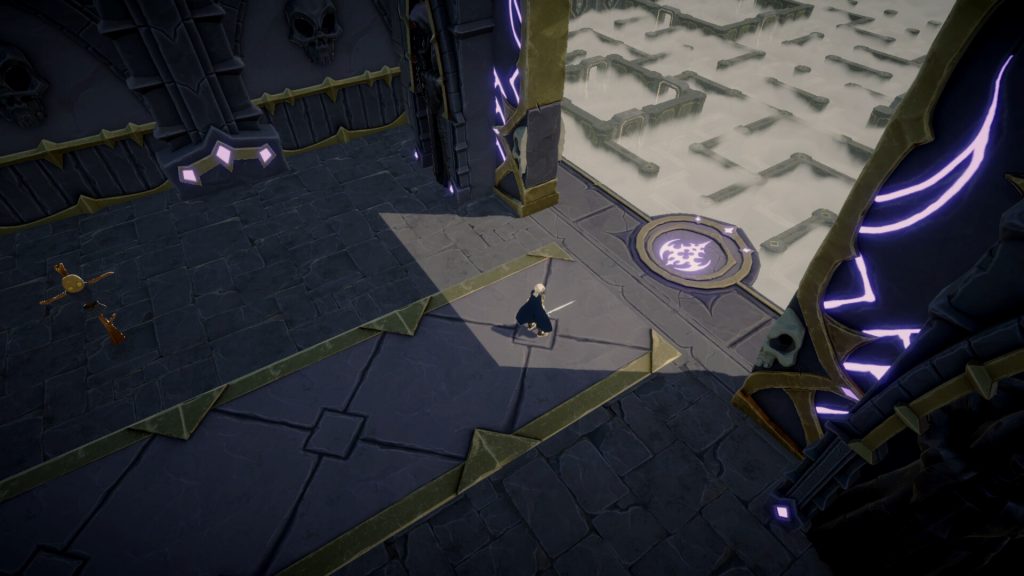
The maze’s structural transformation at night is the tension mechanism that makes the daytime path-building urgent rather than merely convenient. When darkness falls, the layout changes, and Nightmare Monsters emerge from the dark. The practical implication: players need to return to safety before nightfall, using the daytime to extend their map and gather resources.
The resulting rhythm — daytime exploration and Star Fragment placement, sunset retreat and preparation, nighttime defensive management or avoidance — is the same day-night loop structure that Doloc Town (covered earlier this month) uses in its post-apocalyptic farm context. Both games use the temporal cycle as an organizational pressure rather than just an atmospheric feature.
The Guardian Essence Build System
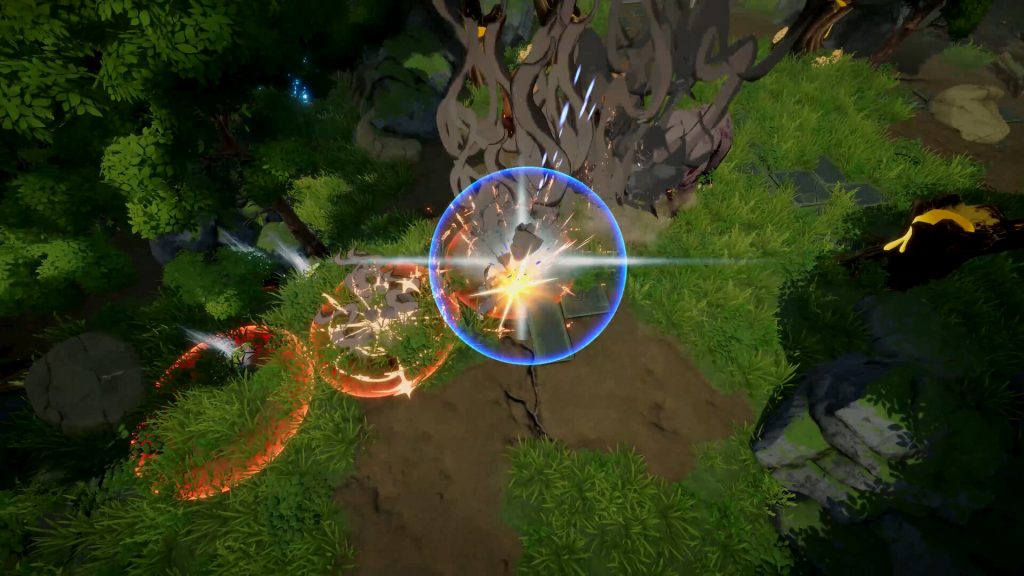
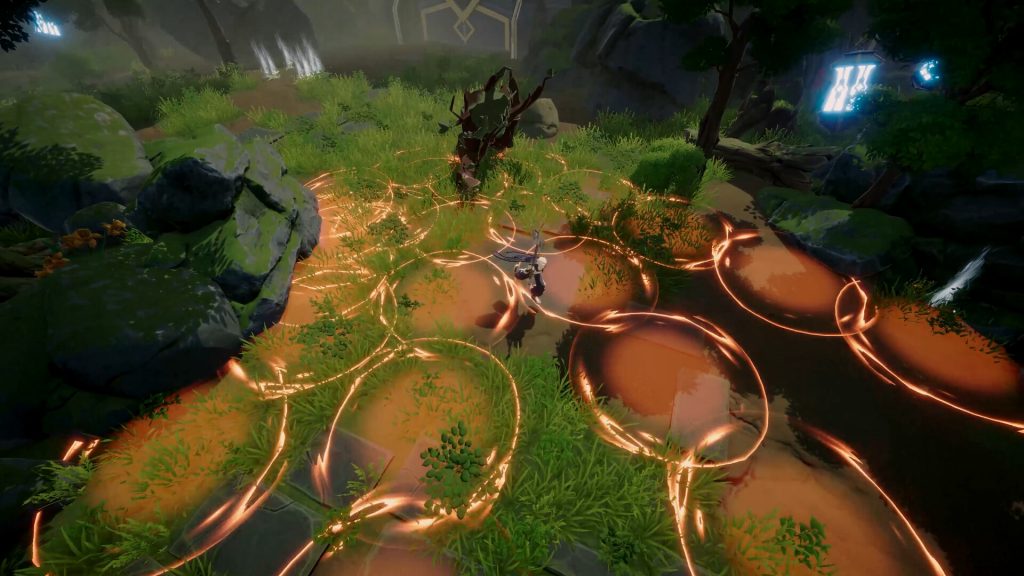
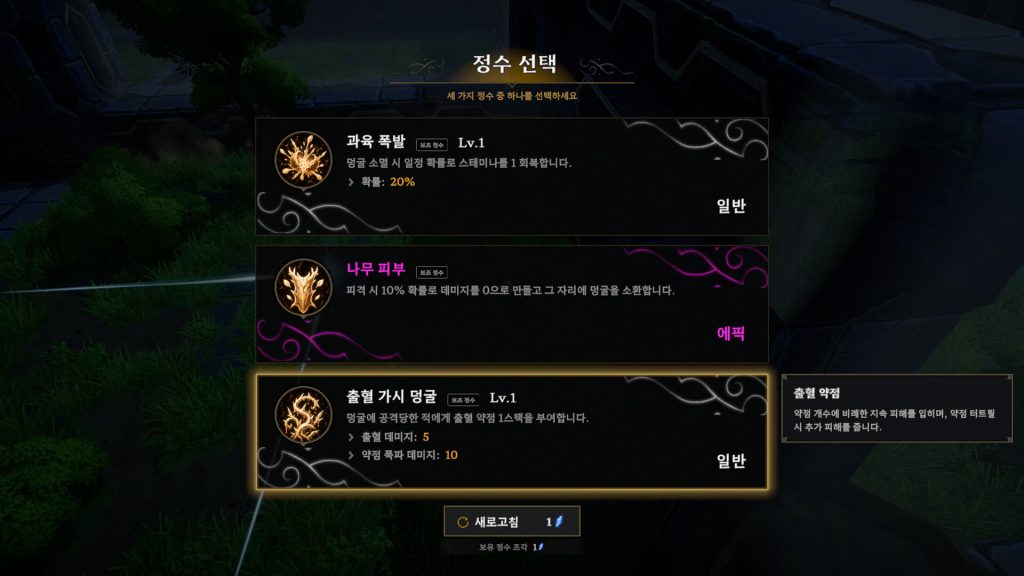
The 75 essence types represent the roguelite variety layer. Tree, Dragon, Wolf, and other guardian essences modify fundamental combat mechanics — basic attack, dodge, parry, and charge attack — changing behavior rather than simply increasing stats. Different essence combinations produce genuinely different combat styles rather than scaled versions of the same approach.
The essence system combined with random weather, traps, and monster waves means each run encounters a different combination of variables. The path you’ve built through the maze remains consistent; everything fighting you while you use it changes.
The Playtest Context
The STOVE INDIE Boost Lab program provides structured playtest infrastructure for indie games in pre-release development — a Korean platform equivalent of the early feedback programs this coverage has tracked through the Jungle Game Lab model. The current STOVE playtest sample is very small (six participants at the time of writing), making the existing feedback signals insufficient for quality assessment. The test runs through August 24, which will produce a more substantial data set before any evaluation is meaningful.
No international press coverage exists yet at this early stage. The Steam page lists the release date as TBA. AsBar is using the STOVE playtest specifically to gather improvement-focused feedback before committing to a launch timeline.
Who Is This For
Strong fit for: action roguelite players who want active map construction alongside combat build variety; players who find passive maze navigation less engaging than participatory maze-building; STOVE INDIE Boost Lab participants who want to contribute feedback to K-indie development; players interested in the day-night cycle as a structural pressure mechanic rather than just a visual feature.
Cautious fit for: anyone who wants established quality metrics before engaging; players who want a Steam demo rather than STOVE platform access; action roguelite players who prefer fixed level design over procedural mazes.
Less ideal for: players who dislike roguelite structure; anyone without STOVE INDIE access; players seeking finished games over playtest builds.
The Takeaway
Maze Breaker is an early-stage Korean action roguelite with a specific design angle — player-constructed paths persisting through a shifting maze — that gives the genre’s standard combat-and-build loop a spatial creative dimension. The playtest through August 24 is the feedback-gathering mechanism before the game has a release timeline, and the small current sample makes quality assessment premature.
The Star Fragment path system is a concept worth watching as more playtest data arrives. If constructed routes provide genuine strategic advantage across the maze’s nightly transformations, the mechanic creates a meaningful creative investment that standard roguelite map generation doesn’t.
STOVE demo available through August 24. Steam wishlist open.
Information regarding ‘Maze Breaker’
| item | detail |
|---|---|
| Developer / Publisher | AsBar |
| Genre | Action Roguelite |
| Release platform | PC (Steam) |
| Playtest period | August 10, 2026 – August 24, 2026 |
| Progress platform | STOVE INDIE INDIE BOOST LAB |
| Official release date | Undetermined (‘To be announced’ as of the Steam page) |
| core system | Star Shard Path Design, Starlight Sprint/Super Jump Movement, Guardian Essence Build, Day/Night Maze Changes |
| Content scale | 2 types of weapons, 75 essence abilities, multi-themed mazes including forest, snowfield, volcano, and rock |
| Keywords | Action Roguelite, Maze, Maze Runner, Guardian, Day and Night |
| Official Channel | X · Instagram |
| Store Page | STOVE Demo Page / Steam Page |