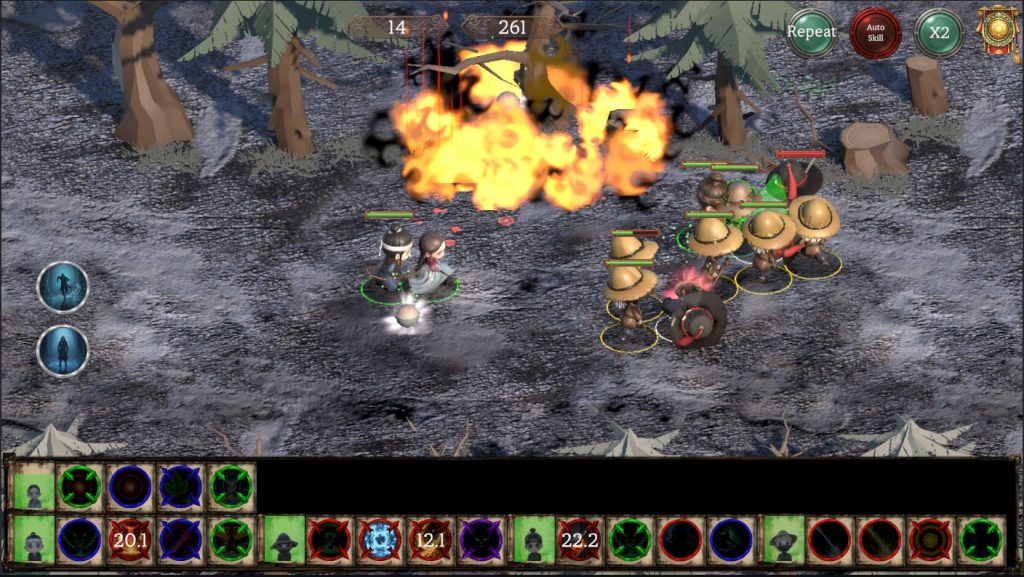
NewClassic, a one-person indie studio based in Gimpo-si, Gyeonggi-do, has released its first mobile game Dream Mercenary Corps, on Google Play. The roguelite RPG organizes its strategy around a core mechanic that distinguishes it from the genre’s typical upgrade-accumulation approach: job switching mid-combat as an active tactical response to changing battlefield conditions.
The Job-Switching System
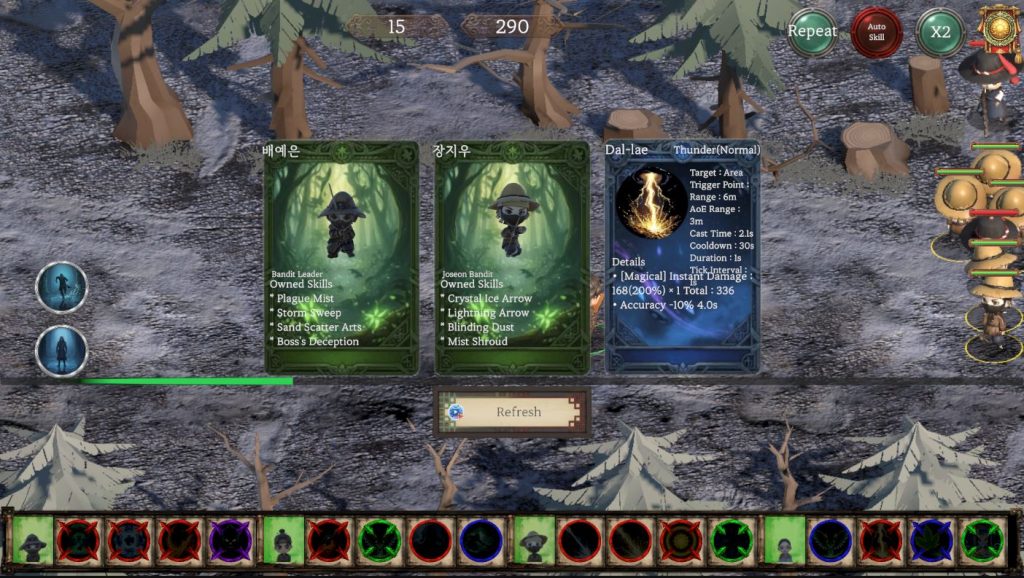
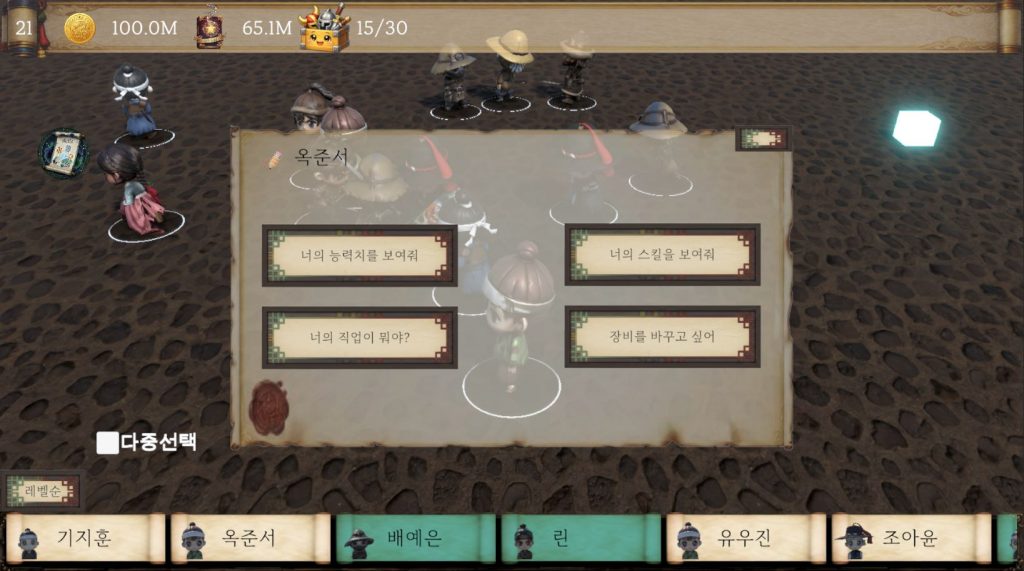
Most mobile RPGs define a character’s role at creation and scale that role’s numbers through progression. Dream Mercenary Corps allows players to change a mercenary’s job freely during play, with each switch providing new stat bonuses appropriate to the new job’s role. The decision of which job to apply in a given combat situation is the game’s primary tactical question.
The level-up weighting system adds a long-term dimension to this short-term flexibility. The longer a mercenary maintains a specific job, the more that job’s associated stats develop during level-ups — creating gradual specialization that emerges from play patterns rather than upfront selection. A player who consistently switches to tank jobs during difficult encounters will naturally develop stronger defensive stats over time, even without explicitly choosing a “defense build.”
The combination creates two simultaneous strategic layers: the immediate decision of which job to run in the current fight, and the accumulated decision of which job to favor long enough that it shapes the character’s development direction. Neither decision is permanent — the next fight can go differently — but the long-term weighting means repeated choices compound into character identity.


The Roguelite Structure
Procedurally generated maps with random enemy encounters create the run-to-run variety. Permadeath ensures each run is a fresh mercenary corps with a fresh set of decisions about which jobs to develop and how to respond to the specific combination of enemies that this particular map produces. There is no carry-forward other than the player’s accumulated understanding of how the job-switching and weighting systems interact.
This is the correct structure for a mobile game built around a skill-expression mechanic. Mobile roguelites that carry forward powerful equipment or permanent stat gains reduce the strategic weight of each run; one where every run starts equal makes the player’s tactical judgment the only differentiating factor.



The Launch Context
Dream Mercenary Corps is at the very beginning of its market life — fewer than 50 downloads, no user reviews established, no rating data available. This is a genuine first commercial release from a solo developer, and the metrics for what it becomes will accumulate over weeks and months rather than being visible at launch.
The ad-supported free model removes the download barrier for players curious about the job-switching premise. Whether the game’s systems create enough engagement to sustain a player community through word-of-mouth will be the primary question over its first months of service.
Information regarding ‘Dream Mercenary Corps’
| item | detail |
|---|---|
| Developer | New Classic (Solo Developed) |
| Publisher | New Classic (In-house service) |
| Genre | Roguelike, RPG, Strategy |
| platform | Mobile (Google Play · Android) |
| Service Status | Now available on Google Play Services (Latest update as of August 12, 2026) |
| price | Free (in-app ads included) |
| Age rating | Rated 7 (Mild violence) |
| Reactions/Evaluations | User reviews and ratings unavailable due to early service stage (less than 50 downloads) |
| Google Play | Shortcut |