Corvus Belli’s Infinity tabletop miniature wargame has been a fixture of the competitive miniature gaming community for over two decades — a Spanish company’s science fiction game whose factions, lore, and character roster have accumulated substantial depth across years of physical releases. Infinity: HexaDome Tactics from Montreal’s Blindspot Games is the first PC game adaptation of this IP, and the September 10 release date is now confirmed, with the final public playtest running through August 18.
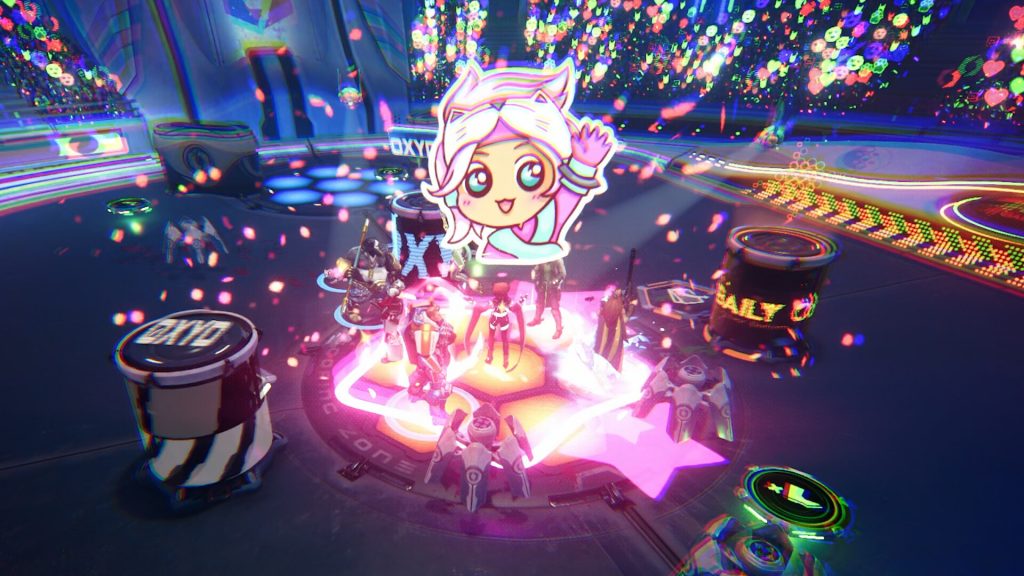
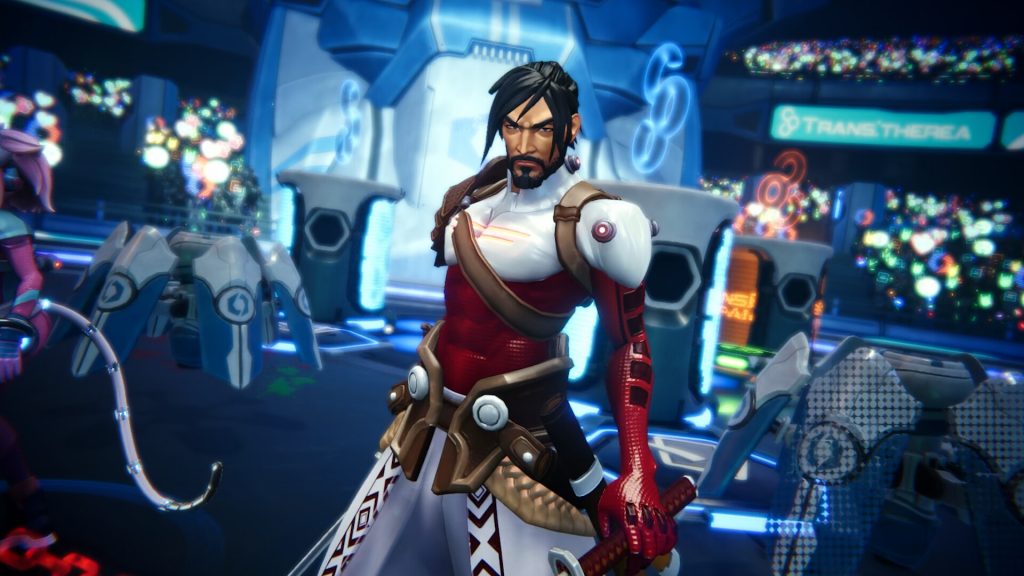
The HexaDome concept comes specifically from Aristeia! — Corvus Belli’s arena-combat spin-off board game set within the Infinity universe — framed as “the most brutal sports spectacle of the future.” Champions fight in a hexagonal arena grid before crowds of spectators, with victory conditions more complex than simple elimination.
The Non-Elimination Victory Condition
The most immediately distinctive design element is the explicit statement that killing all opponents doesn’t win the match. Victory in HexaDome Tactics comes from controlling key zones on the hexagonal grid, completing objectives set by match sponsors, and managing crowd interaction — a multivector scoring system that prevents pure attrition tactics from dominating.
This is a meaningful design commitment for a tactics game. Most tactical games allow elimination-focused strategies as a dominant or at least viable path — simply removing opponents from the board addresses most problems. HexaDome Tactics instead demands ongoing zone control and objective awareness even when the combat is going well. A team winning all the fights but ignoring the scoring zones can lose to a team that fights selectively and prioritizes objectives.
The sponsor objectives and crowd interaction add dynamic elements that shift throughout a match. Sponsors present sub-objectives mid-game whose completion yields additional resources, including tactical cards that can alter the flow of encounters. Crowd engagement operates as an additional resource layer — how the battle looks to spectators, not just how it goes mechanically, generates value. This framing is thematically coherent with the HexaDome’s “future brutal sports spectacle” concept: the crowd isn’t background dressing; they’re participants whose reactions matter.
The Hexagonal Grid and Champion Design
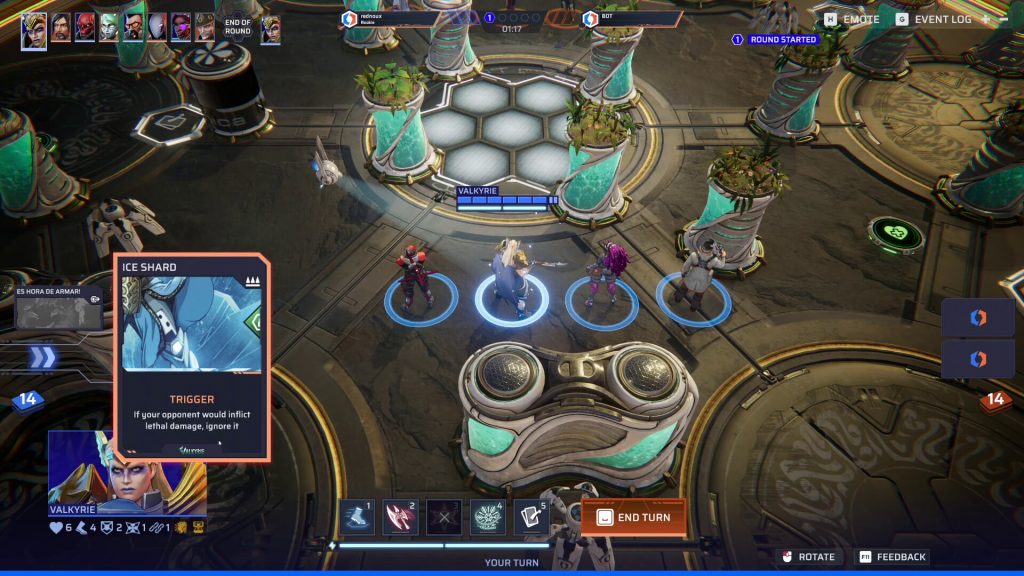
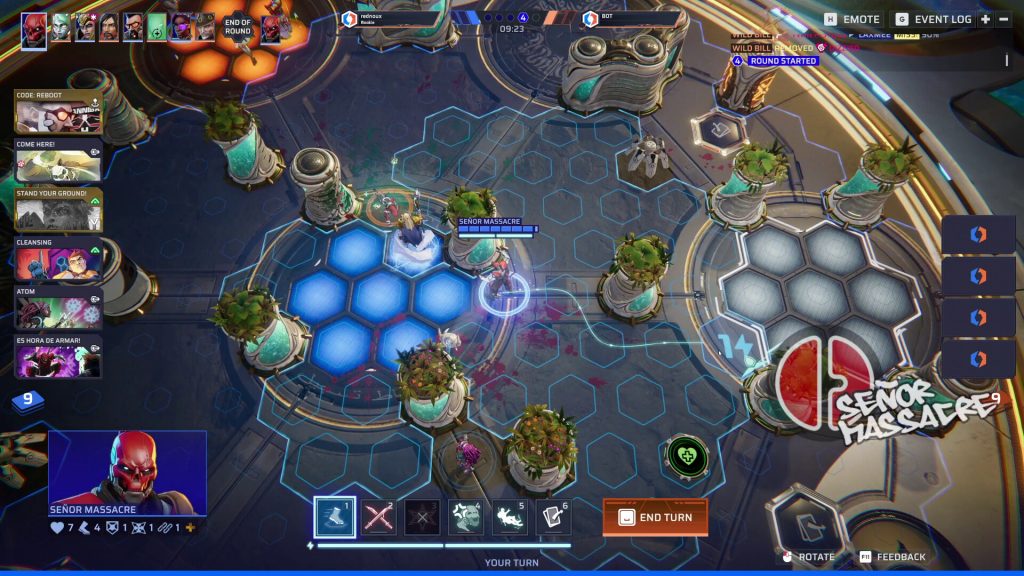
The hexagonal grid is the foundation that makes the tactical vocabulary work. Hexagonal grids create six directional adjacencies rather than four (or eight in square grid diagonal systems), which changes flanking geometry, cover angle calculations, and movement path optimization. Tactics games built on hexagonal grids tend toward natural chess-like positional thinking where the geometry itself creates tactical problems.
Positioning, cover, traps, surveillance, attacks, and tactical cards are described as the combination elements that create decisive moment selection — finding the optimal action sequence at critical moments. This is the competitive tactics game’s core skill expression: reading the board state and identifying which combination of available actions produces the most favorable position.
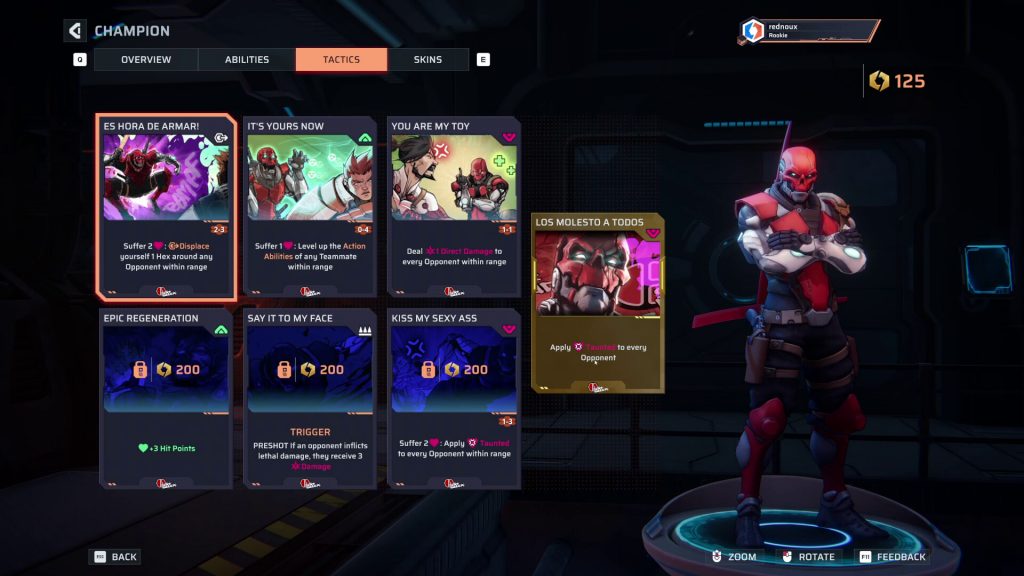
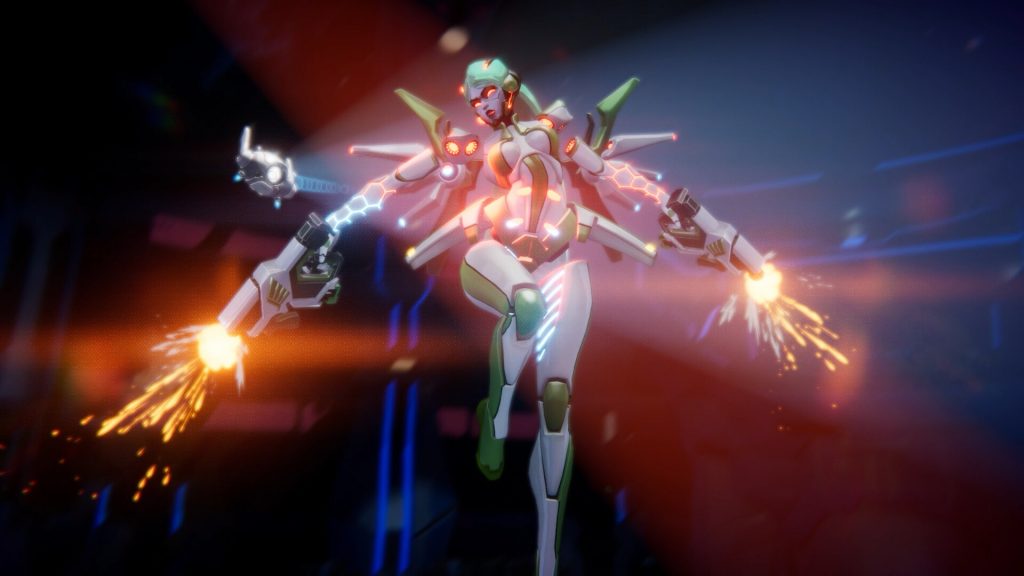
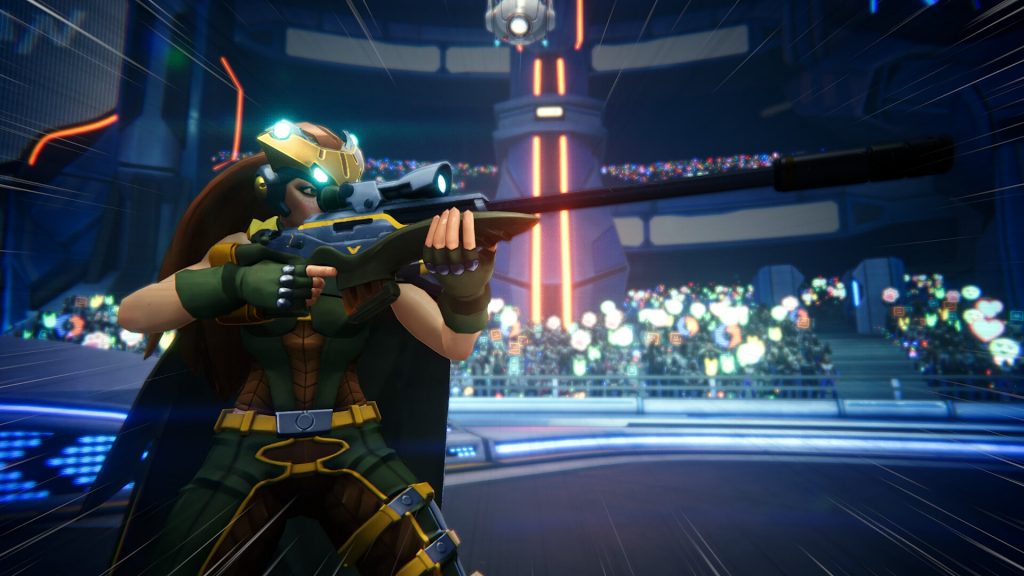
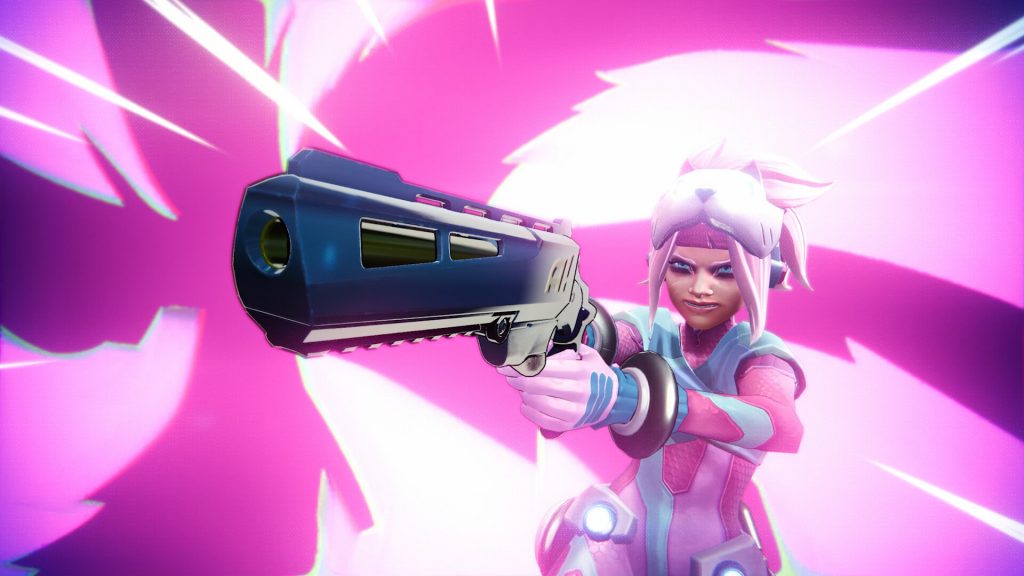
The full release’s 12 champions across two confirmed factions (PanOceania and Haqqislam represent two of Infinity‘s main powers) provide the roster depth that competitive tactics games need for sustained play. Eight champions are available in the playtest — enough to evaluate whether the kit differentiation is meaningful rather than cosmetic.
The Tabletop IP Translation
Converting a tabletop miniature wargame to PC is a specific design challenge that differs from adapting board games or card games. Miniature wargames derive substantial gameplay depth from physical measurement, model placement precision, and the tactile reality of moving metal or plastic figures across terrain. Translating this to digital requires preserving the strategic intent while replacing the physical execution with interface systems that feel satisfying in their own right.
The Infinity universe itself provides deep faction identity, champion personality, and world-building lore that digital adaptations can leverage more effectively than from-scratch IP development. Players already familiar with the tabletop have character investment before the first PC match. Players new to the universe encounter a science fiction world with 20+ years of accumulated detail.
The community response noted in the Korean source article — mixed opinions about character design direction — reflects a dynamic common in tabletop-to-digital adaptations: the tabletop community has specific expectations about how beloved miniature models should look when rendered digitally, and these expectations create reactions when the execution differs from mental images built around physical models.
The Blindspot Games Studio
Fifteen industry veterans forming a studio specifically to maintain the creative organic environment where “all members can directly influence the final result” is the founding narrative that explains both the studio’s ambition (they chose a 20-year-old tabletop IP as their first project) and their production approach (small enough that individual influence is possible, experienced enough that the project’s complexity is manageable).
The December demo, the earlier private creator/community tests, and now this final public playtest represent a development process that has been systematically validating systems before the September 10 commitment.
Who Is This For
Strong fit for: Infinity tabletop miniature wargame players who want the universe’s tactical depth in a digital format; competitive turn-based tactics enthusiasts who want the 1v1 arena format with multi-vector victory conditions; players who specifically want tactical games where zone control and objective play matter as much as elimination; Korean-language players who want the localization confirmed at launch.
Cautious fit for: players who prefer elimination-focused tactics over objective-based scoring; anyone who has opinions about the character design and wants to evaluate the playtest before September 10; players who need established user review scores before purchasing.
Less ideal for: players who dislike turn-based tactics regardless of IP; anyone wanting cooperative or team multiplayer beyond the 1v1 format; players seeking narrative-first experiences over competitive systems.
What to Watch For
The final playtest through August 18 is the last community input opportunity before the September 10 launch. The Haqqislam arena’s 7-zone configuration — compared to the Training Arena’s 3-zone format — provides the first look at the game’s larger, more strategically complex map design. Whether the 7-zone layout creates meaningfully different tactical problems or primarily extends the same tactical vocabulary across more territory will be the arena design evaluation.
The community reception to the character design concerns will also be monitored — if the mixed reactions reflect a subset of tabletop community purists rather than a broad player sentiment, the design direction has navigated the adaptation challenge adequately.
The Takeaway
Infinity: HexaDome Tactics is the first PC adaptation of a tabletop IP with 20+ years of competitive miniature gaming history, developed by a 15-person Montreal studio and releasing on September 10. The non-elimination victory condition, the sponsor objective, the crowd interaction systems, and the hexagonal arena grid create a competitive tactics game with layered scoring rather than a pure elimination focus. The final playtest through August 18 is the last opportunity to evaluate the current build before the full release.
Champions are already in the arena. The sponsors have set their objectives. The crowd is watching. And in a tactics game where killing everyone doesn’t automatically win, the players who understand what the score actually requires will find their advantage there.
September 10 on Steam. Playtest open through August 18.
Information regarding ‘Infinity: HexaDome Tactics’
| item | detail |
|---|---|
| Developer | Blindspot Games |
| Publisher | Blindspot Games (Polden Publishing mentioned in some press releases) |
| Genre | Turn-Based Strategy / Turn-Based Tactics |
| platform | PC (Steam) |
| Release date | September 10, 2026 |
| Playtest period | August 11 – 18, 2026 |
| language | Supports Korean subtitles and interface (audio supported only in English and French), a total of 12 languages |
| Reactions/Evaluations | No Steam user reviews as it is pre-official release |
| IP based on | Corvus Belli ‘Infinity’ / ‘Aristeia!’ Tabletop Game |
| Steam Page | Shortcut |