Can a game move its audience to tears without saying a single word? For the Barcelona-based indie team at Nomada Studio, the answer is a resounding yes. Through their two masterpiece titles—GRIS (2018) and Neva (2024)—they have proven that silence, when paired with breathtaking art and music, is the most powerful language of all.
The “Goodbye Party” That Started It All
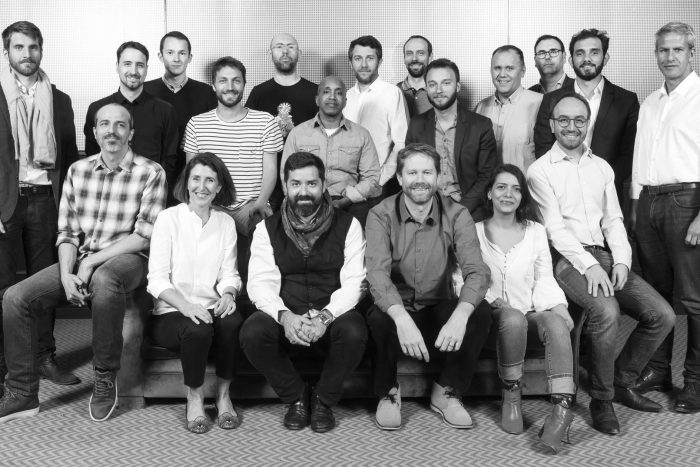
The story of Nomada Studio reads like a movie script. It began at a farewell party for Adrián Cuevas, who was leaving Ubisoft for a role in Montreal. There, he and Roger Mendoza (another Ubisoft veteran) met acclaimed illustrator Conrad Roset.
- The Tech: Cuevas and Mendoza brought 13+ years of combined experience from giants like Ubisoft and IO Interactive.
- The Art: Roset brought a fine-arts background, having worked with brands like Zara and exhibited in galleries worldwide.
- The Vision: Roset dreamed of making a “playable painting,” while the developers craved a project more personal and creative than a corporate AAA title.
GRIS: Painting the Stages of Grief
Released in 2018, GRIS was an experiment in accessibility. The team famously removed the “fail state”—no deaths and no “game over” screens—allowing non-gamers to experience the narrative of a girl dealing with depression.
“About 70% of the team for GRIS didn’t come from a gaming background. We had illustrators, advertisers, and filmmakers working alongside a psychologist to ensure the stages of grief were accurately reflected in the world’s colors.” — Conrad Roset
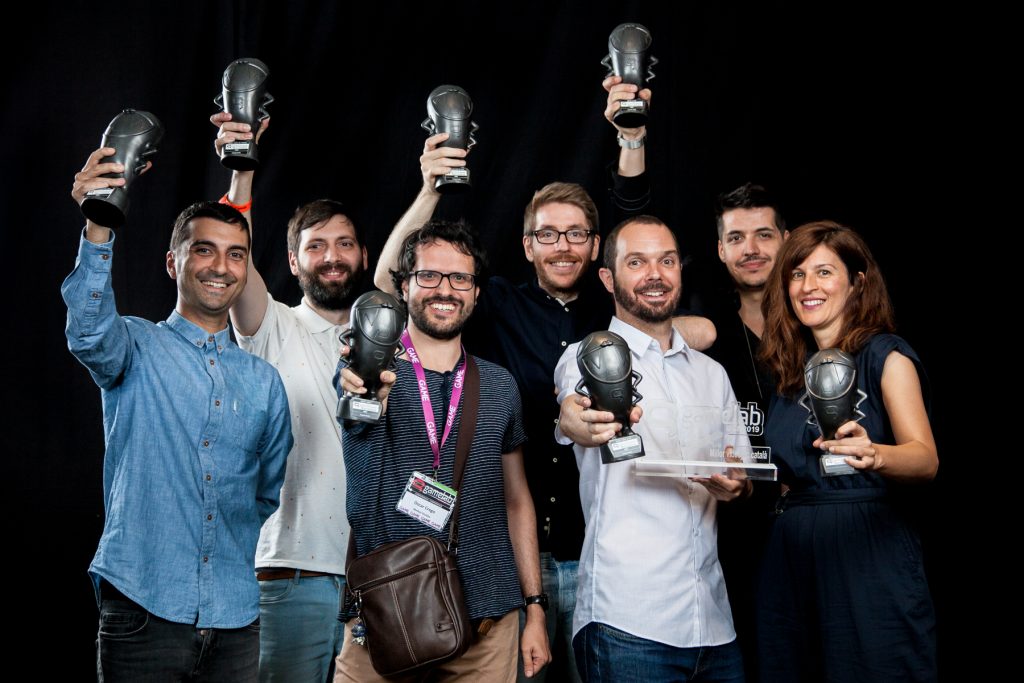
With a haunting score by the band Berlinist, GRIS went on to sell over 3.2 million copies and won the “Games for Impact” award at The Game Awards 2019.
Neva: A Parent’s Fear and a Wolf’s Growth
While GRIS was about internal healing, Neva (2024) turned its gaze toward relationships. Inspired by Roset’s experience becoming a father during the pandemic, the game explores the “sandwich generation”—those who must care for their children while simultaneously looking after their aging parents.
Unlike GRIS, Neva introduced combat. This wasn’t just for action’s sake; it was a narrative tool to show the protagonist, Alba, protecting the wolf pup, Neva. As the game progresses, the player witnesses Neva grow from a helpless cub into a fierce, independent adult.
Nomada Studio: Comparing Two Masterpieces
| Feature | GRIS (2018) | Neva (2024) |
| Core Theme | Personal Loss & Recovery | Relationships & Parenting |
| Key Mechanic | Platforming & Color Restoration | Platforming & Combat Synergy |
| Fail State | None (Impossible to die) | Present (Traditional combat) |
| Awards | TGA ‘Games for Impact’ (2019) | TGA ‘Games for Impact’ (2024) |
| Music | Berlinist (Melancholic/Piano) | Berlinist (Epic/Orchestral) |
The Philosophy of Universal Emotions
Nomada’s games are often described as “experiences” rather than mere products. By omitting dialogue, they allow every player to project their own life experiences onto the characters.
Lead artist Conrad Roset points to Studio Ghibli as a major inspiration. He believes that “universal human emotions”—the beauty of nature, the sense of belonging, and the passing of time—transcend language and culture. This is why Neva holds a 94% positive rating on Steam; it speaks to a shared human vulnerability.
Looking Ahead: Neva: Prologue
In February 2026, the studio returned to their latest world with the “Neva: Prologue” DLC. This prequel explores the very first meeting between Alba and Neva, offering three new regions and a higher difficulty curve for veteran players who want to test the limits of the game’s combat system.
Nomada Studio has successfully shattered the myth that “art games” cannot be commercially successful. By designing emotions to be played, they have carved out a unique space in the industry where colors tell stories and music defines the rules of the world.