A kingdom thrown into chaos when massive magical swords begin falling from the sky. A hero who alone can wield the power of the fallen blades. And a combat system where every sword you collect is essentially a different character build — from conventional longswords to tennis rackets to shark-shaped weapons. Swordcery, the new roguelike action RPG from LA-based indie studio Temple Door Games, has released its demo through Steam Next Fest, earning 85% Positive reviews since its May 29 launch.
What makes Swordcery particularly notable is its development pedigree: the studio was founded by cinematic animators who worked on 2018’s God of War at Sony Santa Monica Studio. For action game fans, the prospect of AAA-honed animation expertise applied to an indie roguelike represents exactly the kind of craft-meets-creativity combination that produces memorable indie action games.
The Swords-From-the-Sky Premise
The central conceit of Swordcery is genuinely distinctive: a kingdom called Armorial thrown into crisis when a mysterious giant sword plunges into the earth, after which magical swords begin endlessly raining from the sky. This catastrophe gradually erodes the kingdom’s life force, pushing the world toward ruin.
This premise accomplishes several things efficiently. It provides immediate visual identity — a world where swords fall from the sky is instantly distinctive. It establishes narrative stakes (the kingdom’s life force being consumed). And crucially, it provides natural justification for the core gameplay mechanic — if magical swords are raining from the sky, the protagonist collecting and wielding diverse magical swords makes perfect narrative sense.
The player becomes Colt, the only person capable of handling the power of the fallen blades, fighting against the celestial evil threatening the kingdom. This “only one who can wield the power” framing provides clean hero motivation while explaining why Colt specifically can use the diverse sword abilities that other characters presumably can’t.
The tonal approach blends serious worldbuilding with humorous elements. The game draws influence from Enter the Gungeon, Hades, and the Dark Souls series — an interesting combination that suggests both roguelike structure (Gungeon, Hades) and weighty combat (Dark Souls), while the humor (tennis rackets and shark swords among the arsenal) prevents the serious premise from becoming self-important. This balance of serious stakes and playful execution is exactly what distinguishes memorable action roguelikes from generic genre entries.
The Swordcery System
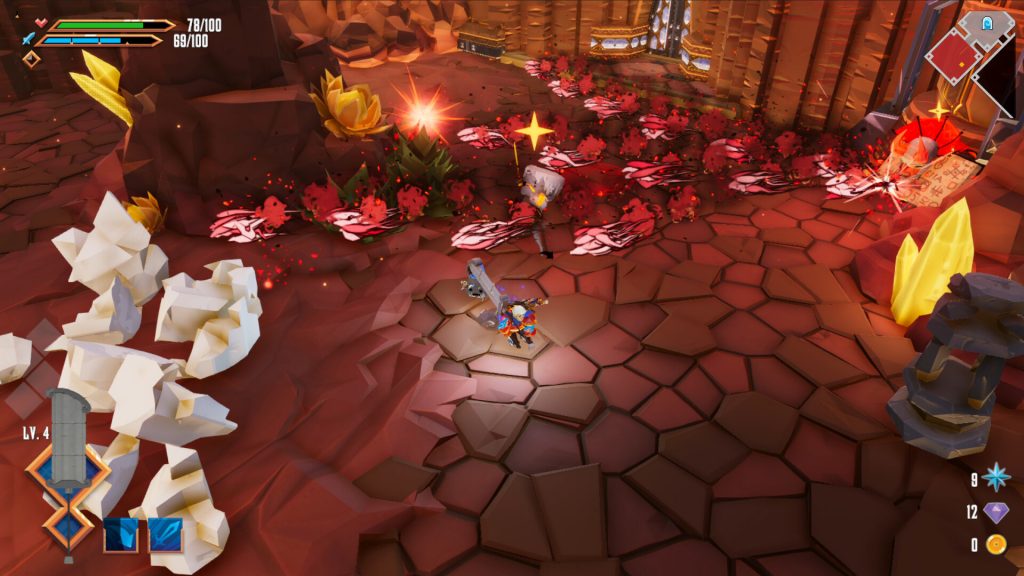
The game’s defining feature shares its name with the title: the “Swordcery” system. Players acquire diverse magical swords throughout their adventures, then utilize the unique abilities embedded in each blade. Swords can be thrown like boomerangs, drop lightning, create hellfire rifts, or generate defensive barriers with ice swords — entirely different combat styles emerging from different blades.
This system represents the project’s most significant design innovation: every sword is essentially a build. In most action RPGs, character builds emerge from skill trees, equipment combinations, and stat allocations. In Swordcery, the sword itself defines the playstyle. Switching swords means switching combat approaches entirely, which makes weapon selection the core strategic decision rather than one factor among many.
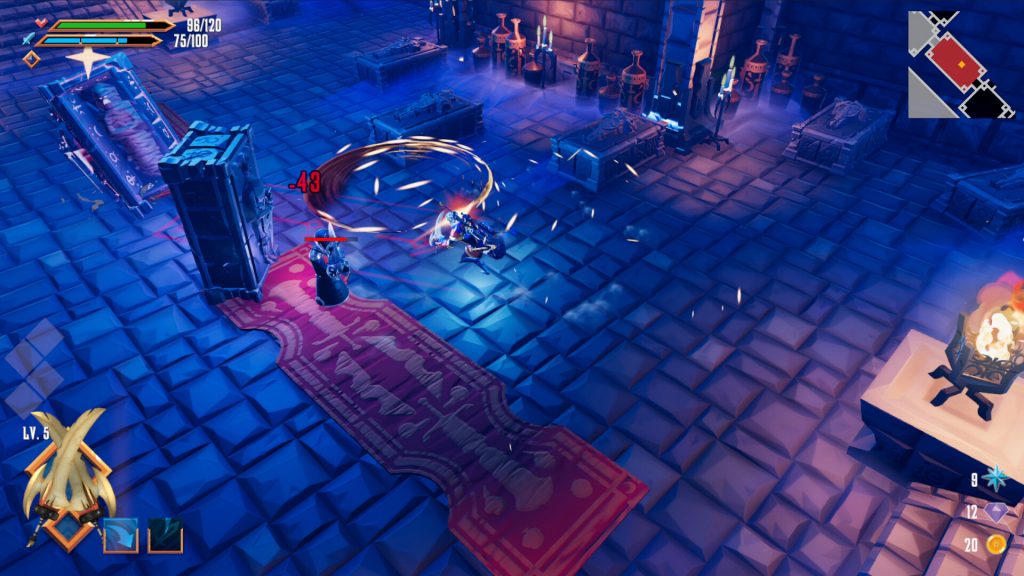
Every sword belongs to a unique “Sword Class,” and combat methods and synergy effects vary by class. This class system adds strategic depth beyond individual sword abilities — understanding how sword classes interact, which classes synergize, and how to build around class strengths provides the kind of strategic engagement that distinguishes deep roguelikes from simple ones.
The arsenal variety extends from conventional weapons to deliberately absurd ones. Beyond ordinary longswords, tennis rackets, and shark-shaped weapons appear, adding the game’s characteristic playful sensibility. This humor isn’t just decoration — it reflects a design philosophy that takes the gameplay seriously while refusing to take the premise pompously. The combination of genuine mechanical depth and playful presentation is exactly the balance that the best action roguelikes achieve.
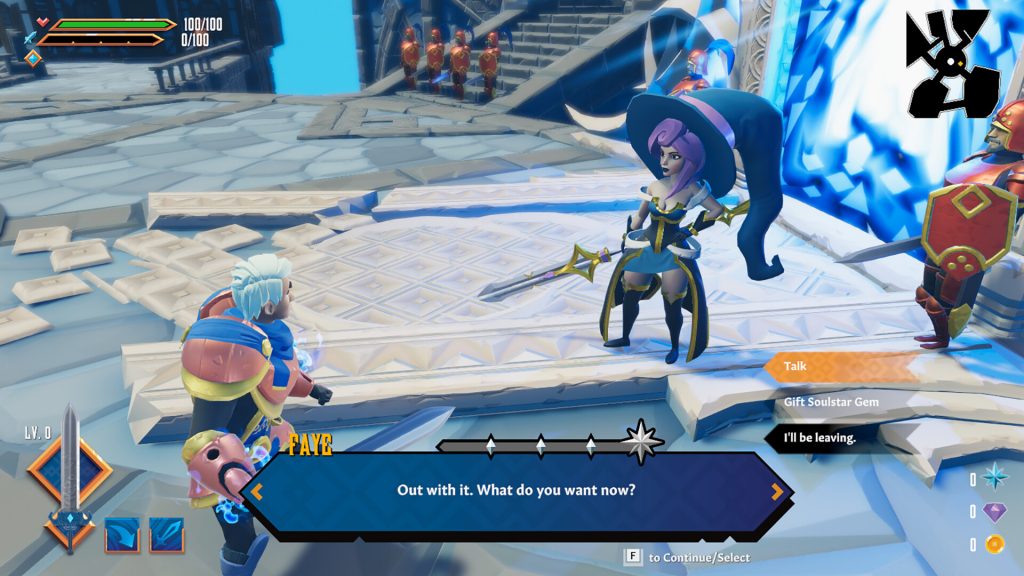
The current demo includes village exploration, NPC interaction, early stages, 40+ swords, and 100+ relics. The combination of procedurally generated dungeons with diverse sword and relic combinations produces different builds each run, providing high replay value. This content scope — 40+ swords each representing different playstyles, 100+ relics modifying those playstyles — suggests substantial build diversity even at the demo stage.
The Animation-First Combat
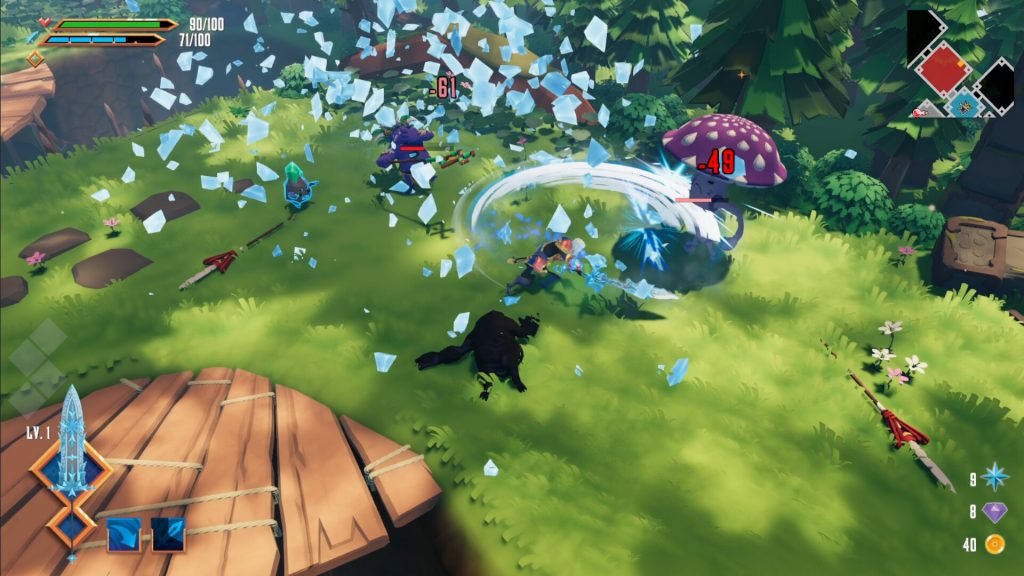
The most distinctive production quality of Swordcery derives directly from its developers’ backgrounds. The game implements top-down 3D action in a vibrant fantasy world, and the cinematic animator developers’ strengths manifest particularly in combat presentation and character movement.
This is where Swordcery‘s pedigree becomes genuinely meaningful rather than just an interesting biographical detail. Animation quality is one of the most important and most difficult elements of action games. Combat that feels good depends enormously on animation — the weight of attacks, the responsiveness of movement, the visual feedback that makes hits feel impactful. AAA studios invest enormous resources in animation specifically because it’s so central to game feel.
Players who tested the demo specifically cited smooth animation and weighty combat feedback as primary strengths. This reception validates the central promise of the project — that animators from one of gaming’s most acclaimed action titles (God of War 2018 won numerous awards specifically for its combat feel and animation quality) can bring that expertise to indie development.
The developers themselves emphasize hit feedback as one of action gaming’s most important elements, and they’ve committed to continuous demo updates incorporating user feedback through release. This focus on combat feel — the “game feel” that separates satisfying action from frustrating action — reflects exactly the priorities that their God of War background would instill.
The God of War Pedigree
The Temple Door Games’ founding story deserves specific attention. The 2-person studio was established in 2019 in Los Angeles by co-founders Mike Henriet and Don Thurakichprempri, both cinematic animators who worked on God of War (2018) at Sony Santa Monica Studio.
God of War (2018) holds particular significance in action gaming history. The game won Game of the Year at The Game Awards 2018 and received widespread acclaim specifically for its combat system, animation quality, and the seamless cinematic presentation that made its action feel weighty and impactful. Animators who contributed to this project worked on one of the modern benchmarks for action game animation.
The decision to leave AAA development for indie work reflects a specific creative impulse. AAA animation work, however prestigious, involves contributing to others’ creative visions within massive teams. Establishing an independent studio means complete creative ownership — the ability to make the specific game you want to make rather than contributing your specialty to someone else’s project.
The combination of AAA animation expertise with indie creative freedom is exactly the kind of pairing that produces distinctive indie games. Swordcery benefits from animation quality that most indie projects can’t match (because most indie developers aren’t former AAA cinematic animators) while pursuing the creative distinctiveness (swords from the sky, tennis racket weapons) that AAA development typically wouldn’t support.
The Kickstarter campaign and prologue demo approach reflects standard practice for ambitious indie projects, allowing the team to gather user feedback continuously while building toward release quality. For a 2-person team, this community-engaged development approach helps ensure the final product meets player expectations while maintaining the creative vision that drives the project.
The Demo Reception
The 85% Positive Steam rating since the May 29 demo release reflects a strong reception with the kind of constructive criticism that helps development. The rating indicates that the substantial majority of players who tried the demo found it satisfying, while the feedback provides direction for continued improvement.
Community response has emphasized the fast combat tempo, challenging boss fights, and diverse build combinations as primary strengths. These are exactly the elements that matter most for action roguelikes — the moment-to-moment combat feel, the challenge that makes victory satisfying, and the build variety that sustains replayability. Positive reception across these dimensions suggests Swordcery succeeds at its core design goals.
Some players have offered suggestions for UI readability and convenience improvements. This kind of feedback is exactly what demo periods exist to gather — interface refinements that don’t affect the core experience but improve the overall polish. The developers’ commitment to incorporating user feedback through continued demo updates suggests these suggestions will inform pre-release refinement.
The combination of strong core reception (combat, bosses, builds) with actionable refinement feedback (UI, convenience) represents an ideal demo outcome. The fundamental design is landing well, and the remaining improvements are polish rather than fundamental reconsideration.
The Action Roguelike Context
Swordcery enters a competitive but vital genre space. Action roguelikes have produced some of indie gaming’s most significant recent successes — Hades (cited as influence) became one of the defining indie games of its generation, Enter the Gungeon (also cited) established lasting genre standards, and numerous others have demonstrated the format’s appeal.
The genre’s strength is its combination of moment-to-moment action satisfaction with run-based variety and progression. Each run offers different builds, different challenges, and the “just one more run” compulsion that emerges from roguelike structure. Swordcery‘s sword-as-build system fits this framework naturally — different swords each run create different playstyles, providing the variety that roguelikes depend on.
What distinguishes Swordcery within this competitive space is the combination of its specific innovations (sword-defines-build system, swords-from-sky premise) with its production pedigree (God of War animation quality). Many action roguelikes offer solid gameplay with modest production values; Swordcery aims to combine distinctive design with AAA-honed combat animation.
The Dark Souls influence alongside the Hades and Gungeon influences suggests an interesting tonal ambition. Dark Souls represents weighty, deliberate, challenging combat; Hades and Gungeon represent faster roguelike action. Combining these influences suggests Swordcery aims for combat that’s both fast (roguelike pace) and weighty (Souls-like impact) — exactly the combination that the developers’ animation expertise could enable.
Who This Is For
Strong fit for: action roguelike enthusiasts (Hades, Enter the Gungeon fans); players who prioritize combat feel and animation quality; build-variety enthusiasts who enjoy experimenting with different playstyles; God of War fans curious about the animators’ indie work; players who appreciate humor mixed with serious action; dungeon crawler fans seeking procedural variety; anyone drawn to the distinctive sword-as-build system.
Cautious fit for: players who prefer narrative-heavy RPGs over action-focused roguelikes; anyone who specifically dislikes procedural generation.
Less ideal for: players seeking slow-paced or cozy experiences; anyone who dislikes roguelike structure and run-based progression; players who prefer realistic tone over playful fantasy.
What to Watch For
A few questions will shape Swordcery‘s development toward release.
The first is whether the sword-as-build system delivers sufficient depth across the full game. The demo’s 40+ swords demonstrate the concept appealingly; whether the full game’s sword roster provides genuinely distinct, balanced, and engaging playstyles throughout will determine whether the core innovation fulfills its potential.
The second is the boss encounter design across the full game. Community response praised the demo’s boss fights; whether the full game maintains this quality across a complete boss roster will significantly affect the experience.
The third is the build balance. With 40+ swords and 100+ relics, balancing the combinations so that diverse builds remain viable (rather than converging toward a few optimal strategies) is genuinely challenging. How well the developers balance this variety will determine long-term replayability.
The fourth is the UI and convenience refinement. The community feedback on these elements provides clear direction; how effectively the developers address these concerns will affect the overall polish that distinguishes finished products from rough demos.
The Takeaway
Swordcery is one of the more promising action roguelikes on the horizon, combining distinctive design innovation (sword-as-build system, swords-from-the-sky premise), exceptional production pedigree (God of War cinematic animators), strong demo reception (85% Positive), and the kind of combat-feel focus that distinguishes satisfying action games from frustrating ones.
For action roguelike enthusiasts specifically, this is a clear demo-first recommendation. The combination of Hades-influenced roguelike structure, Dark Souls-influenced combat weight, and the distinctive sword-collection system provides exactly the kind of fresh-but-familiar appeal that the genre’s best entries achieve.
For action game fans more broadly, the God of War animation pedigree makes Swordcery particularly worth watching. Animation quality is so central to action game satisfaction that developers with this specific expertise have a genuine advantage in creating combat that feels good — and the demo reception suggests they’re delivering on this advantage.
For indie gaming observers, Swordcery represents the increasingly common and valuable pattern of AAA veterans bringing their specialized expertise to indie development. The combination of AAA animation craft with indie creative freedom produces exactly the kind of distinctive, well-crafted projects that keep indie action gaming vital.
A kingdom where swords rain from the sky. A hero who alone can wield the fallen blades. 40+ swords, each representing a different combat style — from lightning-dropping blades to ice-barrier weapons to tennis rackets and sharks. 100+ relics modifying every build. Procedural dungeons ensure every run differs. And combat animation crafted by the people who animated one of modern gaming’s most acclaimed action titles.
As action roguelike pitches go, Swordcery‘s is one of the more genuinely promising of 2026 — and the Steam Next Fest demo provides immediate access to evaluate whether the sword-as-build system and the AAA-honed combat feel deliver as well in practice as the premise and pedigree suggest. The swords are falling. Colt alone can wield them. And the question of which blade to grab next becomes the question of who you’ll be in the next fight.
The sky is full of swords. Everyone is a different way to fight. And one of 2026’s more promising action roguelikes is waiting for players ready to discover what falls next.
Information regarding ‘Swordcery’
| item | detail |
|---|---|
| Game name | Swordcery |
| Developer | Temple Door Games (LA, USA) |
| Genre | Roguelike Action RPG / Hack and Slash |
| Release platform | PC (Steam) |
| Scheduled for release | Undecided |
| Demo Release | May 29, 2026 / Steam Next Fest |
| core system | Magic Sword Collection · Swordfrost Ability / Sword Class / Procedurally Generated Dungeon / Artifact Build |
| hero | Colt |
| Developer History | God of War (2018) – A two-person team of former cinematic animators |
| Main Keywords | Roguelike, Hack and Slash, Magic Sword, Fantasy, Dungeon Crawler, Indie |
| Official Channel | Discord · YouTube · TikTok · Bluesky · X · Instagram |
| Steam Page | Go to Wishlist |