A cowardly zombie falls in love at first sight with a frozen college student he finds in a shopping mall freezer. To revive her — for the chance at a single date — he ventures into dangerous dungeons, devouring enemies to steal their abilities and transforming into eleven different monster forms. Stupid Never Dies, the new action RPG from Osaka-based indie studio GPTRACK50, has confirmed a Fall 2026 release alongside a new trailer — and its development pedigree is among the most impressive of any indie project this year.
GPTRACK50 was founded by former Capcom veterans behind Resident Evil, Devil May Cry, and Dragon’s Dogma — some of the most influential action and horror franchises in gaming history. Led by Hiroyuki Kobayashi, producer of Resident Evil, Dino Crisis, and Sengoku Basara, the studio’s debut original IP combines fast combat, roguelike progression, and a deliberately absurd premise into what the team calls “Funky Zombie Action.”
The Capcom Veteran Pedigree
Understanding Stupid Never Dies requires understanding the extraordinary development pedigree behind it. GPTRACK50 was founded in 2022 in Osaka by Hiroyuki Kobayashi, a producer whose credits include some of Capcom’s most significant franchises.
Kobayashi’s resume is genuinely remarkable. As a producer on the Resident Evil series, he contributed to the franchise that essentially defined survival horror. Resident Evil 4, specifically — which Kobayashi produced — is frequently cited as one of the greatest and most influential action games ever made, reshaping third-person action design for an entire generation. His work on Dino Crisis and Sengoku Basara further established his credentials across multiple genres.
The broader team includes veterans with experience across Devil May Cry, Dragon’s Dogma, and Resident Evil — franchises representing the pinnacle of Japanese action game design. Devil May Cry established stylish character action as a genre; Dragon’s Dogma created one of action RPG’s most beloved combat systems; Resident Evil defined survival horror. Developers with this collective experience bring action design expertise that few indie studios can match.
This pedigree fundamentally changes how Stupid Never Dies should be evaluated. This isn’t a typical indie debut where developers are learning their craft. This is a team of seasoned professionals who have shaped major franchises, now applying that accumulated expertise to an original creative vision freed from corporate franchise constraints. The “indie AAA” framing that has emerged around such projects fits precisely — indie creative freedom with AAA-level development experience.
The Absurd-but-Sincere Premise
The narrative premise of Stupid Never Dies is deliberately ridiculous in exactly the way that distinguishes memorable games from generic ones. The world is a post-apocalyptic landscape where humanity has nearly vanished after a great war, and monsters now rule the world.
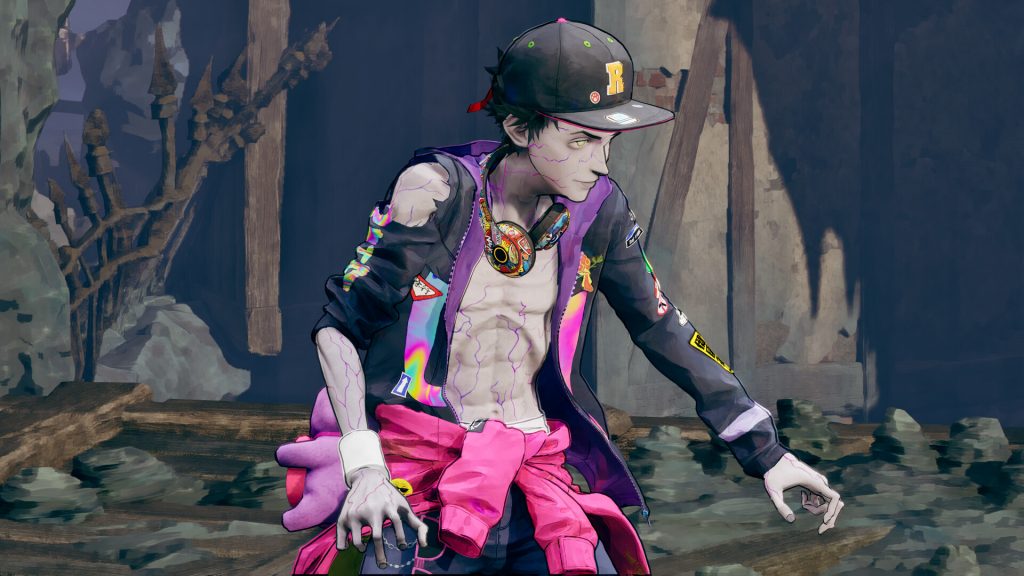
The protagonist is Davy, a zombie — one of the most lowly beings in this monster-dominated world. One day, Davy discovers Julia, a college student frozen as if sleeping in a shopping mall freezer, and falls in love at first sight. To revive Julia, Davy ventures into the depths of dangerous dungeons.
Davy’s goal is simple: resurrect Julia and go on a single date with her, just once. This somewhat absurd but pure motivation forms the heart of the story, and the process of companions with different objectives moving toward a single goal constitutes the game’s main narrative. The addition of researcher Dr. Frank pushes the adventure in even more unpredictable directions.
This premise accomplishes something specific. The absurdity (a cowardly zombie in love with a frozen woman, devouring monsters to revive her for a date) provides immediate, distinctive identity. But the sincerity of the motivation (genuine love, pure if ridiculous goal) prevents the absurdity from becoming hollow. This combination of absurd premise and sincere emotional core is exactly what made games like Lollipop Chainsaw (which community members have compared Stupid Never Dies to) memorable.
The “stupid never dies” title itself captures this philosophy. The game embraces its ridiculousness rather than apologizing for it, and that confident embrace of absurdity is precisely what gives the project its distinctive appeal.
The Style Eat Transformation System
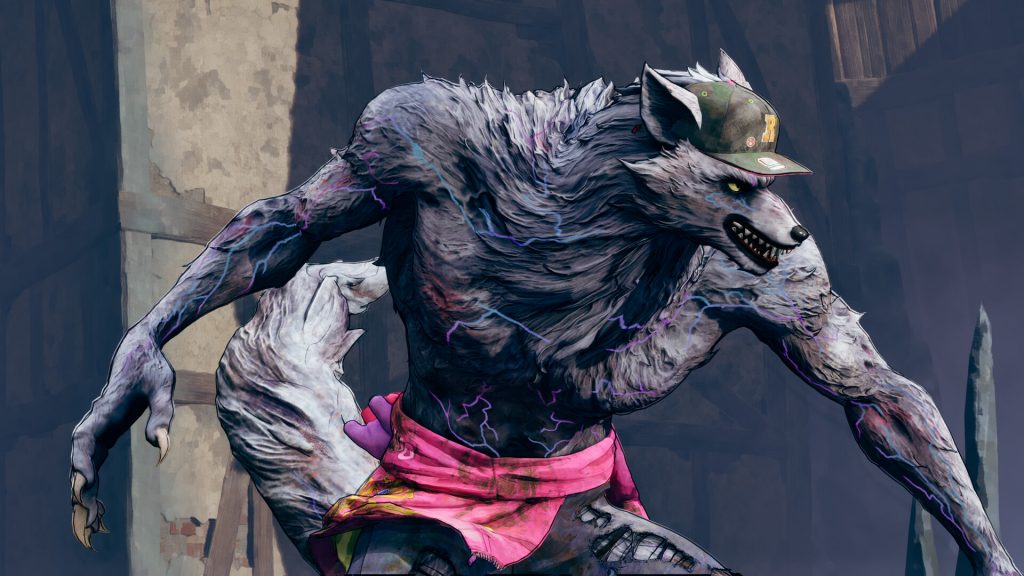
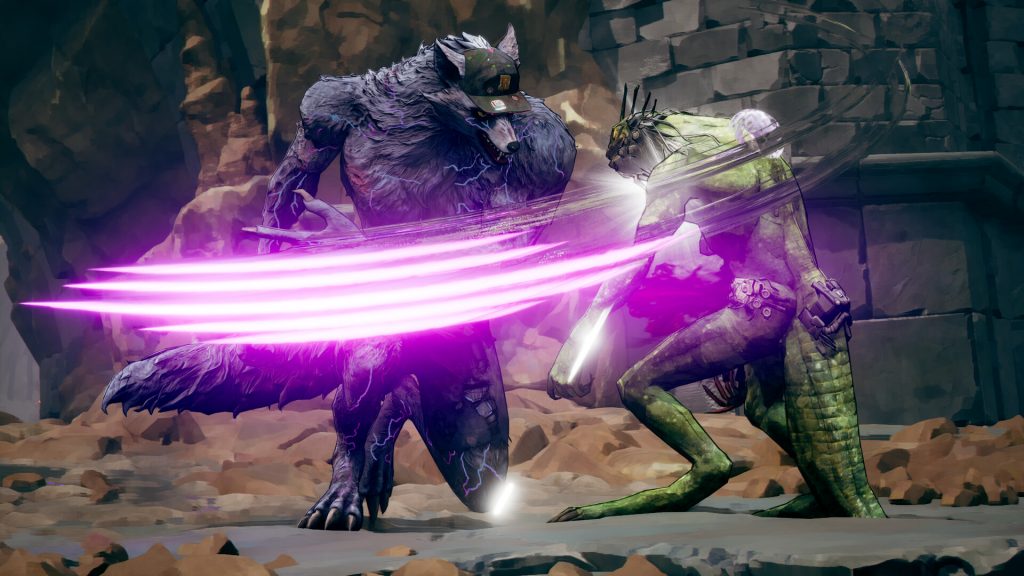
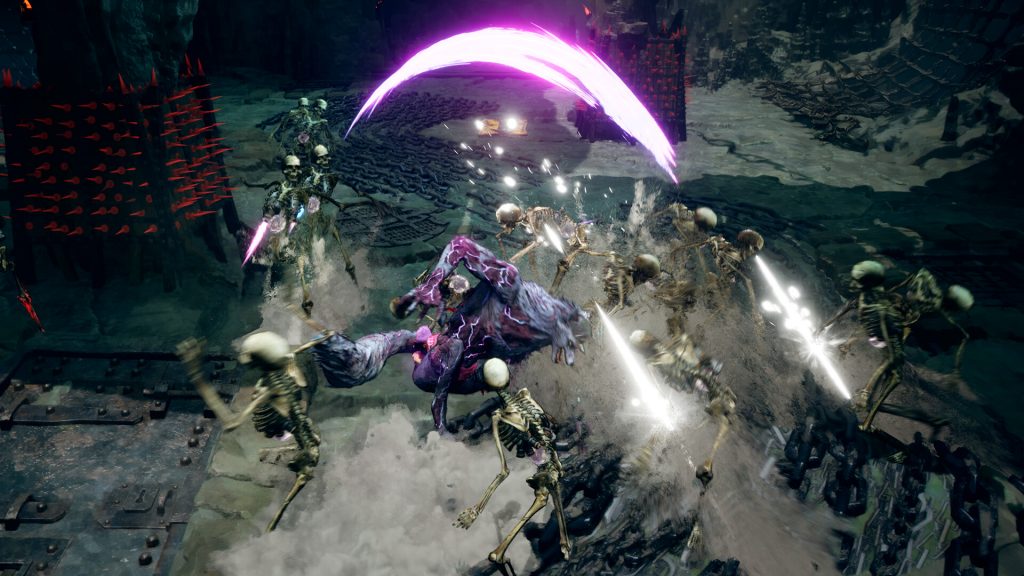
The game’s defining mechanic is the “Style Eat” transformation system. Davy can devour enemies to absorb their abilities, transforming into various monster forms. Including the base zombie form plus 10 monster styles — werewolf, harpy, golem, vampire, lich, demon, and more — players can freely utilize 11 different combat styles.
Each style provides different attack methods and abilities, and players can switch between them in real-time during combat, enabling diverse strategic approaches. This real-time transformation system creates the kind of moment-to-moment tactical depth that the developers’ Devil May Cry and Dragon’s Dogma backgrounds would instill — those franchises are renowned for combat systems that reward mastery of multiple styles and real-time tactical decisions.
The transformation-through-devouring mechanic also fits the game’s tonal identity. A zombie that eats enemies to gain their powers is both thematically appropriate (zombies eat things) and mechanically rich (each enemy type potentially offers a different transformation). The “Style Eat” system makes the act of consuming enemies central to both narrative (Davy is a zombie) and mechanics (consuming enables transformation).
The 11 styles provide substantial combat variety. Werewolf, harpy, golem, vampire, will-o’-wisp, cyclops, snow fairy, merfolk, lich, and demon forms each presumably offer distinct playstyles — different attacks, different abilities, different tactical applications. The ability to switch between these in real-time means combat becomes a matter of selecting the right form for each situation and chaining transformations for maximum effect.
The Body Hack System
Complementing the Style Eat transformations, the “Body Hack” system adds character build depth. Players can grotesquely modify Davy’s body to construct personalized growth builds. The combination of transformation systems and body modification creates roguelike elements that produce different combat styles each playthrough.
This Body Hack system adds the persistent progression dimension that complements the real-time transformation flexibility. Where Style Eat provides moment-to-moment tactical options, Body Hack provides run-to-run build customization. Together, these systems create both immediate tactical depth (which form to use now) and strategic progression depth (how to build Davy across the run).
The “grotesque body modification” framing fits the game’s monster-movie aesthetic. Rather than clean RPG skill trees, Stupid Never Dies embeds its progression in the body-horror-adjacent imagery appropriate to its tonal identity. This thematic integration of mechanics and aesthetics reflects the kind of design sophistication that experienced developers bring.
The roguelike progression structure means each playthrough offers different build possibilities, supporting the replayability that the genre’s enthusiasts appreciate. With 11 transformation styles and customizable body modifications, the build variety potential is substantial.
The Funky Zombie Action Aesthetic
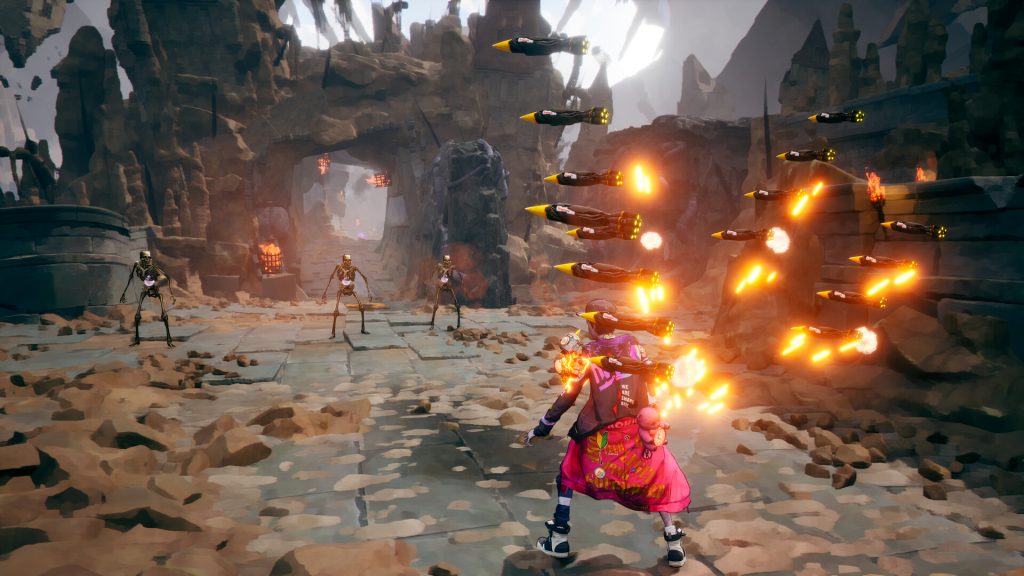
The development team describes Stupid Never Dies as “Funky Zombie Action,” and the aesthetic execution reflects this distinctive vision. The game combines cartoon-style visuals with the grotesque sensibility characteristic of monster movies, creating a unique art style. Vibrant colors and exaggerated monster designs combine to create an atmosphere reminiscent of a music video.
The revealed trailer emphasizes intense music and fast action presentation, highlighting the project’s distinctive personality. Community response has included comparisons to Lollipop Chainsaw — Suda51’s cult-favorite zombie action game known for its stylish absurdity — along with anticipation for the unique atmosphere.
The Lollipop Chainsaw comparison is apt and meaningful. That game succeeded by combining stylish action, absurd premise, distinctive aesthetic, and confident embrace of its own ridiculousness. Stupid Never Dies appears to operate in similar territory — taking its gameplay seriously while taking its premise playfully, producing the kind of distinctive experience that earnest realism can’t achieve.
The music-video aesthetic framing suggests strong audio-visual integration. Games that achieve music-video energy combine strong soundtracks with a visual presentation that emphasizes rhythm and style over realism. For an action game built around stylish transformation combat, this aesthetic approach reinforces the gameplay’s emphasis on flashy, satisfying combat expression.
The Showcase Trajectory
Stupid Never Dies has built visibility through a deliberate showcase progression. First revealed at The Game Awards 2025 — one of gaming’s most prestigious announcement platforms — the project immediately signaled serious ambitions. Appearing at The Game Awards reflects industry recognition that the project operates at significant quality levels.
In March 2026, the game showed its first gameplay footage at Future Game Show: Spring Showcase. At the recent Summer Game Fest 2026, GPTRACK50 brought a playable version that attracted attention from on-site press and players. This progression — announcement, gameplay reveal, playable demo — reflects a confident development trajectory where each showcase demonstrates continued progress.
International gaming media have emphasized the distinctive worldbuilding, transformation action, and characteristic art style as strengths, noting the project’s future potential. The consistent positive coverage across multiple showcase appearances suggests Stupid Never Dies is maintaining momentum toward its Fall 2026 release.
The playable Summer Game Fest version is particularly significant. Moving from trailers to hands-on demos represents the transition from concept presentation to actual gameplay validation. Press and players experiencing the game directly — and responding positively — provides the kind of validation that pure trailer reveals can’t achieve.
The Cross-Media Ambitions
Beyond the game itself, GPTRACK50 is pursuing a cross-media strategy with animation and video content expansion in mind. This ambition reflects both the studio’s confidence in its IP and the broader trend of successful game properties expanding into other media.
For an original IP specifically, building cross-media potential from the start is strategically sophisticated. Stupid Never Dies‘s distinctive premise, characters, and aesthetic provide a foundation for potential animation or video adaptation. The “funky zombie action” with music-video aesthetics could translate naturally into animated content.
This cross-media ambition also signals a long-term commitment to the IP. Rather than treating Stupid Never Dies as a single game, GPTRACK50 appears to be building a property with expansion potential. For players who connect with the game, this suggests the world and characters might extend beyond the initial release.
Who This Is For
Strong fit for: action RPG enthusiasts seeking distinctive combat systems; Devil May Cry and Dragon’s Dogma fans curious about the veterans’ indie work; Lollipop Chainsaw fans drawn to stylish zombie action with absurdist humor; players who enjoy transformation-based combat; roguelike progression enthusiasts; anyone who appreciates the combination of absurd premise and serious gameplay; players who value Japanese action game craft.
Cautious fit for: players who prefer realistic tone over absurdist comedy; anyone who dislikes roguelike progression structure.
Less ideal for: players seeking cozy or relaxing experiences; anyone uncomfortable with grotesque monster aesthetics; players who prefer narrative realism over playful absurdity.
What to Watch For
A few questions will shape Stupid Never Dies‘s Fall 2026 release.
The first is whether the 11 transformation styles each feel meaningfully distinct and balanced. The system’s appeal depends on each style offering genuinely different gameplay rather than cosmetic variations. How well the developers differentiate and balance the styles will determine whether the core mechanic fulfills its potential.
The second is the combat feel execution. The developers’ pedigree (Devil May Cry, Dragon’s Dogma) sets high expectations for combat quality. Whether the actual combat achieves the responsiveness and satisfaction that their background promises will significantly affect reception.
The third is the narrative balance. The absurd-but-sincere premise requires careful tonal management — too absurd and it becomes hollow, too sincere, and it loses the playful charm. How well the writing maintains this balance across the ~30-hour playtime will affect the experience.
The fourth is the roguelike structure integration. Whether the roguelike progression complements the action RPG framework or creates tension between run-based variety and narrative progression will affect how the systems work together across the full game.
The Takeaway
Stupid Never Dies is one of the most intriguing action RPGs on the 2026 horizon, combining extraordinary development pedigree (Resident Evil, Devil May Cry, Dragon’s Dogma veterans), distinctive design innovation (Style Eat transformation, Body Hack customization), confident aesthetic identity (Funky Zombie Action), and the kind of absurd-but-sincere premise that produces memorable experiences.
For action game enthusiasts specifically, the Capcom veteran pedigree makes this a must-watch project. Developers who shaped Resident Evil, Devil May Cry, and Dragon’s Dogma, bringing their expertise to an original IP, represent exactly the kind of experienced-craft-meets-creative-freedom combination that produces exceptional action games.
For players seeking distinctive experiences, Stupid Never Dies offers exactly the kind of confident, creative vision that distinguishes memorable games from forgettable ones. The combination of absurd premise, transformation-based combat, and funky aesthetic provides personality that generic action games can’t match.
For a broader gaming culture, Stupid Never Dies represents the increasingly significant phenomenon of AAA veterans establishing indie studios to pursue original visions. As major publishers increasingly favor safe franchise sequels, experienced developers are turning to indie development to create the original IP that corporate structures won’t support. The result is “indie AAA” — projects with AAA-level expertise and indie creative freedom.
A cowardly zombie named Davy. A frozen college student named Julia. A love so pure (if ridiculous) that it drives a journey through monster-infested dungeons. The power to devour enemies and transform into 11 different monster forms. Grotesque body modifications creating personalized builds. A funky aesthetic that turns combat into something resembling a music video. And the accumulated expertise of developers who shaped some of action gaming’s most influential franchises.
As action RPG pitches go, Stupid Never Dies‘s is one of the most distinctively confident of 2026 — and the Fall 2026 release means players don’t have long to wait before discovering whether the Capcom veterans’ original vision delivers on its considerable promise. The premise is stupid. The love is sincere. The combat is serious. And that combination is exactly what makes Stupid Never Dies one of the year’s more genuinely interesting action RPGs.
The world belongs to monsters now. One cowardly zombie wants nothing more than a single date. And to get it, he’ll devour every monster between him and the woman he loves — becoming each of them, one transformation at a time.
Information regarding ‘Stupid Never Dies’
| item | detail |
|---|---|
| Developer / Publisher | GPTRACK50 Inc. (Osaka, Japan, established in 2022) |
| representative | Hiroyuki Kobayashi (former producer of Resident Evil, Dinosaur Crisis, and Sengoku Basara) |
| Genre | 3D Single-player Action RPG / Roguelike Progression |
| Release platform | PC (Steam) / PlayStation 5 |
| Scheduled for release | Autumn 2026 |
| Estimated playtime | About 30 hours |
| core system | Style Eat · Body Hack |
| Number of styles | 11 types (Zombie + Werewolf, Harpy, Golem, Vampire, Will-o’-the-wisp, Cyclops, Snow Fairy, Mermaid, Lich, Demon) |
| Major disclosure history | The Game Awards 2025 Revealed → Future Game Show 2026 Trailer → Summer Game Fest 2026 Playable |
| Developer’s previous work | Resident Evil series / Devil May Cry series / Dragon’s Dogma series |
| Main Keywords | Zombie, Transformation, Roguelike, Funky Action, Monster, Love, Indie AAA |
| Official Site | gptrack50.com |
| Steam Page | Add to Wishlist |