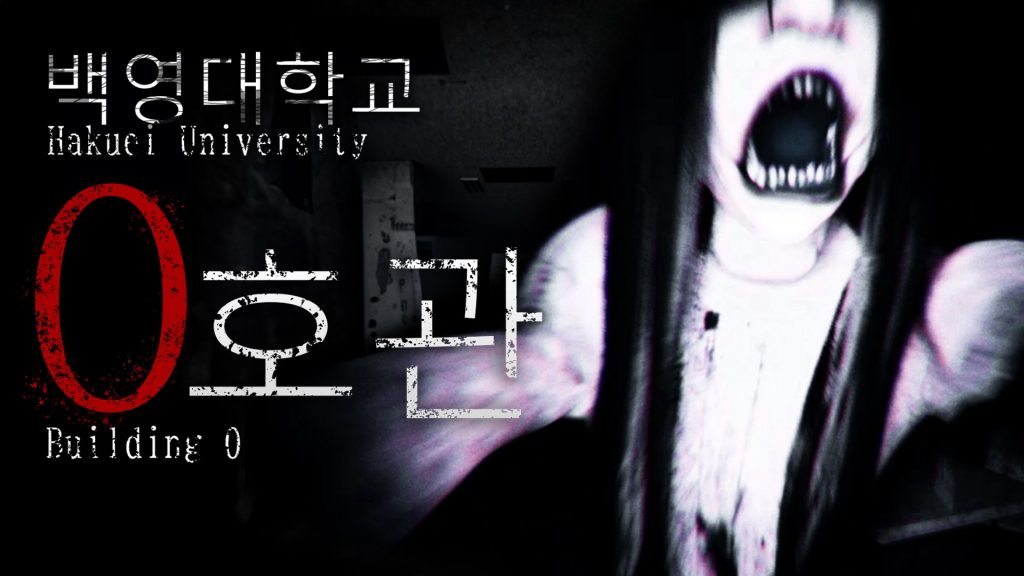
A campus building that doesn’t appear on any official map. A spiritual investigation club. A second-year student assigned to track down the truth behind a campus legend. And “Building 0” — the place everyone knows is absolutely forbidden. Building 0: Hakuei University (白栄大学 0号館), the debut commercial release from Japanese solo developer Sasaki’s NoiceKit LLC, launches June 18 on Steam with a deliberate commitment to single-route storytelling and Japanese-horror-film immersion.
By day, an ordinary university campus. By night, a cursed ruin no one should enter. Building 0 tracks the reality behind a campus legend passed down among students, delivering the kind of psychological horror that emerges from familiar settings infiltrated by anxiety and silence. The notable inclusion of Korean as a launch-day supported language signals deliberate targeting of the Asian horror gaming market — particularly Korea, where school-and-campus horror has maintained consistent popularity.
The Vanished Building Premise
The central horror conceit of Building 0 is genuinely effective: a building that has been erased from the official campus map. This premise carries specific psychological weight that more conventional haunted-location setups don’t access.
A haunted house is frightening because of what’s inside it. A building that’s been deliberately removed from official records is frightening because of what its erasure implies — institutional knowledge of something that needs to be hidden, bureaucratic complicity in covering up whatever happened there, a collective agreement to pretend the place doesn’t exist. The erasure itself becomes the horror’s foundation.
This premise also taps into specifically Japanese horror traditions. Japanese horror frequently engages with the gap between official surface reality and hidden underlying truth — the polite social facade concealing disturbing realities beneath. A campus where everyone maintains the fiction that Building 0 doesn’t exist, while the legend persists among students, perfectly captures this characteristic Japanese horror tension.
The player’s role as a spiritual investigation club member assigned to research and write about the building provides clean narrative motivation. The investigative framing gives players reason to enter the forbidden space, document what they find, and pursue the truth despite the danger. The journalism angle — collecting information, taking photographs, writing articles — creates the kind of methodical engagement that distinguishes psychological horror from pure jump-scare experiences.
The Day-Night Dual Space Structure
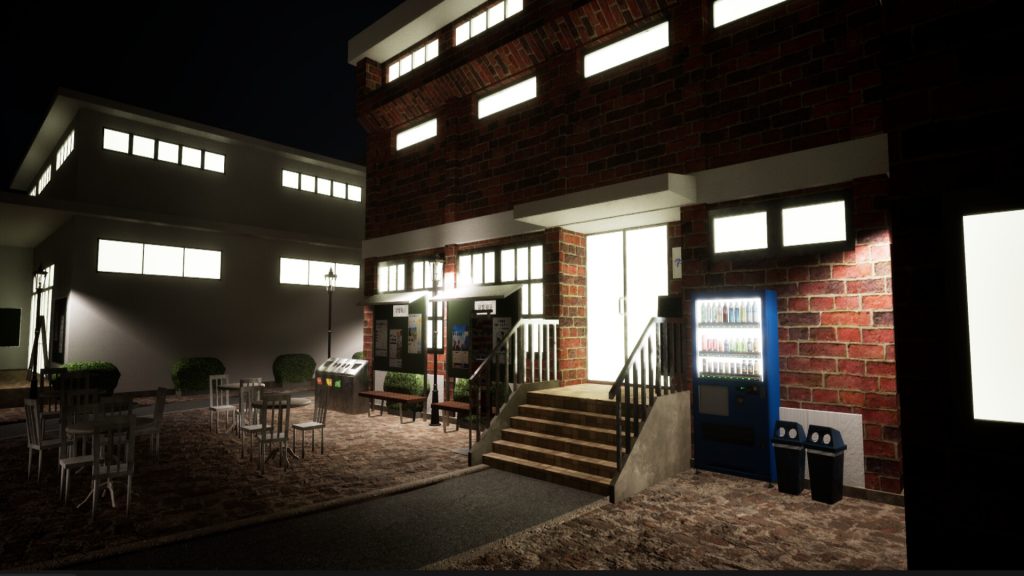
Building 0 operates through alternation between two distinct spaces with completely different tonal registers. By day, the ordinary university campus where the player conducts club activities, gathers information, and takes photographs. The peaceful daytime campus provides the comfort baseline that makes the horror’s intrusion effective.
By night — or rather, the moment the player steps into the cursed space — the atmosphere transforms entirely into terror. The same investigative activities (photography, information gathering) that felt mundane in the daytime campus become tension-laden in the ruined space.
This dual-space structure is doing sophisticated horror design work. Pure horror environments become numbing — sustained terror without relief loses its impact as players acclimate to constant threat. The daytime campus provides exactly the relief that makes the nighttime horror effective. The contrast between the registers maintains the emotional dynamics that horror depends on.
The structure also embeds the game’s thematic content. The ordinary campus and the cursed building exist in the same physical space — they’re not separate locations but the same university viewed through different conditions. This reflects the premise’s core idea: the horror isn’t somewhere else, it’s right here, hidden beneath the ordinary surface, waiting for someone to step across the threshold that separates official reality from suppressed truth.
The Single-Route Commitment
The most distinctive design decision in Building 0 is its deliberate rejection of multiple endings. Rather than branching narratives based on player choices, the game commits to a single story route — and the developer frames this as a feature rather than a limitation.
This is a meaningful design philosophy worth examining. Multiple endings have become almost expected in narrative horror games, providing replay value and player agency. But multiple endings also fragment the narrative experience — players know their choices matter, which creates a different psychological relationship with the story than pure linear experience provides.
Building 0‘s single-route commitment aims for “the tension and immersion of watching a horror film from beginning to end.” This is exactly the right framing. Horror films don’t offer branching narratives — they deliver carefully constructed single experiences where every beat is designed for maximum effect, where the pacing is precisely controlled, where the ending lands because the entire experience is built toward it.
By committing to single-route design, NoiceKit can control the horror experience with film-like precision. Every scare lands where intended. The pacing builds tension and release exactly as designed. The ending delivers the impact that the entire experience was constructed to produce. This kind of authorial control over the horror experience is impossible in heavily-branching narratives where players might encounter content in different orders or miss key beats entirely.
For horror specifically, this design choice makes considerable sense. The genre’s greatest works — in film and gaming both — typically deliver carefully constructed singular experiences rather than open-ended exploration. Building 0 embracing this tradition reflects a clear understanding of what makes horror effective.
The Photography and Recording Mechanic
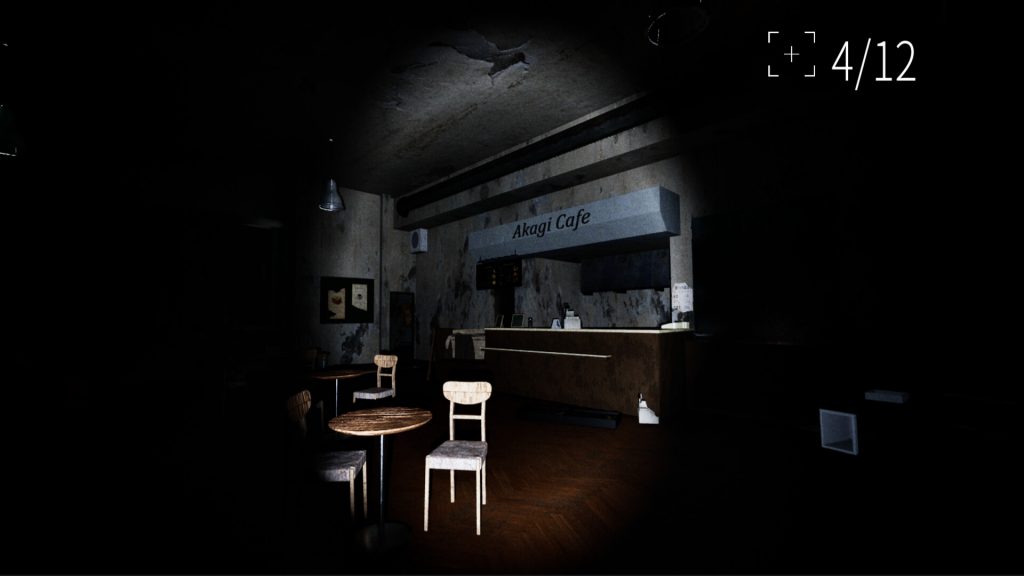
The investigative gameplay centers on photography and information recording. As a spiritual investigation club member writing an article, the player takes photographs, collects information, and documents findings. This activity isn’t just narrative framing — it’s the core interaction mechanic.
The photography mechanic serves multiple horror functions. It requires players to look carefully at the environment, which means engaging with the horror details rather than rushing through. It creates the kind of vulnerable moments that horror exploits — the player focused on framing a photograph is the player not watching their surroundings. And it embeds the player as a documentarian rather than an action hero, which reinforces the psychological-horror register over action-horror alternatives.
The combination of realistic space representation and the documentation role produces what the development materials describe as “on-site horror.” Players aren’t fighting monsters or solving action challenges — they’re investigating a real-feeling space, documenting what they find, and experiencing the mounting terror of discovery. This positions Building 0 in the lineage of investigation-focused horror (the Fatal Frame photography mechanic, found-footage horror traditions, the documentary impulse of much Japanese horror).
The Audio-Driven Horror
The sound design is positioned as a central horror device rather than just atmospheric support. Footsteps echoing through empty corridors, unidentifiable voices from somewhere, creaking doors, and sudden silences create continuous tension.
This audio-first horror approach reflects a sophisticated understanding of the genre. Visual horror has diminishing returns — players acclimate to scary imagery relatively quickly. Audio horror operates more directly on the nervous system. The sudden silence after sustained ambient sound, the footstep that might be the player’s own or might be something else, the voice that shouldn’t exist in a space — these audio techniques produce dread that visual spectacle can’t match.
The emphasis on silence as a horror device is particularly notable. Many horror games rely on loud stingers and constant ambient tension. Building 0‘s use of sudden silence — the absence of expected sound — represents more sophisticated audio design. Silence creates anticipatory dread; the player waits for something to break it, and that waiting is itself frightening.
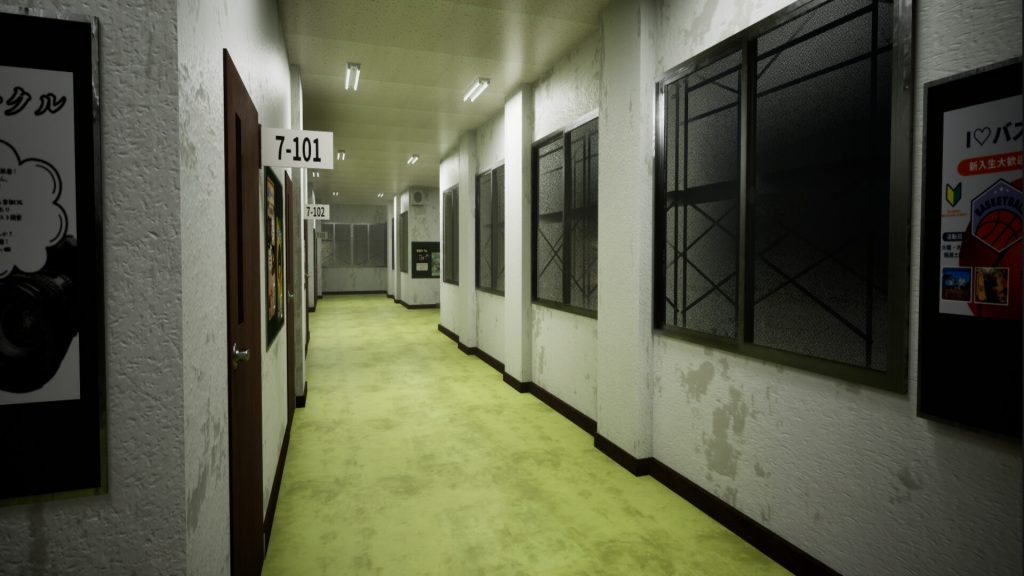
The visual approach reinforces the audio strategy through realistic rather than spectacular presentation. The 3D environments reminiscent of actual Japanese university campuses, the darkened corridors, the dust-covered details of the abandoned building — these realistic details create grounded horror that fantastical visual spectacle couldn’t achieve. The realism makes the supernatural intrusions more effective by establishing a believable baseline reality for the horror to violate.
The Korean-Language Launch Strategy
The decision to include Korean as a launch-day supported language deserves specific attention. School and campus horror has maintained consistent popularity in Korea, with a strong tradition of Korean horror engaging with school settings (the Whispering Corridors film series being the most prominent example, but extending through numerous games, webtoons, and other media).
By including Korean from launch, NoiceKit positions Building 0 to capture Korean horror fans immediately, rather than waiting for fan translations or post-launch localization. This reflects a sophisticated understanding of the Asian horror gaming market — Korean and Japanese horror traditions share significant cultural overlap (school settings, psychological dread, the gap between social surface and hidden truth) that makes Japanese campus horror naturally appealing to Korean audiences.
The four-language launch support (Korean, Japanese, English, Simplified Chinese) represents ambitious accessibility for a solo developer debut. The combination targets the East Asian horror market (Japan, Korea, China), plus the international English-speaking audience simultaneously. This kind of multi-language launch from a solo developer signals serious commercial ambition and understanding of horror gaming’s cross-cultural appeal.
The accessible pricing (~10,500 KRW, approximately $8 USD, with launch discount to ~8,400 KRW) positions the game for impulse purchase. Short-form horror experiences benefit from accessible pricing that lowers the commitment barrier — players willing to spend $8 on a horror experience they’re curious about vastly outnumber those willing to spend $20+.
The NoiceKit Solo Development Context
Building 0: Hakuei University is NoiceKit LLC’s first commercial title, developed by solo Japanese developer Sasaki. Solo development of psychological horror is a particular challenge — the genre requires sophisticated atmosphere, careful pacing, audio design that elevates tension, and environmental detail that maintains immersion.
That a solo developer is attempting this kind of atmospheric horror reflects the increasing accessibility of game development tools combined with horror’s particular suitability for solo work. Horror doesn’t require the massive content scope that other genres demand — a carefully constructed single experience can be more effective than a sprawling game with diluted atmosphere. The single-route design specifically suits solo development by concentrating creative resources on one polished experience rather than spreading them across branching content.
Japanese indie horror has a strong tradition of solo and small-team development, producing influential work. Ib, The Witch’s House, Mad Father, and numerous other Japanese horror games emerged from individual creators working with accessible tools. Building 0 continues this tradition while bringing a more sophisticated 3D presentation than the RPG Maker horror that defined earlier Japanese indie horror.
The Steam Community Response
Pre-launch Steam Community response has been building, with wishlist registrations accumulating and players expressing specific anticipation. Comments have emphasized two elements: the freshness of the university campus ruins setting (“the abandoned university campus subject matter is fresh”) and the horror-film aspiration (“expecting an experience close to a horror film”).
These responses indicate the project is connecting with its target audience on exactly the dimensions the developer intended. The setting distinctiveness (campus horror that isn’t just another haunted house) and the cinematic horror ambition (single-route film-like experience) are landing with players who appreciate these specific qualities.
The university campus setting deserves recognition as genuinely fresh within horror gaming. Haunted houses, abandoned hospitals, dark forests, and creepy mansions have been extensively explored. University campuses — spaces of youth, learning, and social development — provide a different psychological texture. The campus horror setting carries specific associations (academic pressure, social anxiety, the transition to adulthood) that distinguish it from horror’s more common location types.
Who This Is For
Strong fit for: psychological horror enthusiasts who prefer atmosphere and dread over jump scares and action; Japanese horror fans (Fatal Frame, Silent Hill tonal lineage); players who appreciate single-experience narrative horror over branching alternatives; walking simulator fans who want horror-focused experiences; Korean horror fans (the school setting has strong Korean appeal); photography-mechanic horror enthusiasts; players seeking accessible-length, accessible-priced horror experiences.
Cautious fit for: players who specifically want multiple endings and replay value; anyone who prefers action-horror over investigation-focused psychological horror.
Less ideal for: players who require combat or action gameplay; anyone who finds walking-simulator-style horror boring rather than immersive; players who specifically want longer-form experiences.
What to Watch For
A few questions will shape Building 0‘s June 18 release reception.
The first is whether the single-route design delivers the film-like impact it aspires to. The design philosophy is sound, but execution determines everything — whether the pacing, scares, and ending actually achieve the cinematic horror impact the developer intends, or whether the linear structure feels limiting rather than focused.
The second is the photography mechanic’s integration. Whether the documentation gameplay feels genuinely engaging and horror-appropriate, or whether it becomes repetitive busywork, will significantly affect the experience.
The third is the audio horror execution. The sound design is positioned as central to the horror; whether it actually achieves the dread the developer intends, particularly the silence-based techniques, will determine whether the horror lands as designed.
The fourth is the length-to-price value proposition. Short horror experiences at accessible prices need to deliver concentrated quality. Whether Building 0‘s runtime provides satisfying value at its price point will affect player and critical reception.
The Takeaway
Building 0: Hakuei University is one of the more thoughtfully designed psychological horror projects launching in June 2026, combining a distinctive premise (the building erased from official records), sophisticated structural design (day-night dual space, single-route film-like experience), genre-appropriate mechanics (photography and documentation), and ambitious accessibility (four-language launch, including Korean, accessible pricing).
For psychological horror enthusiasts, particularly those who appreciate Japanese horror traditions and investigation-focused gameplay over action-horror, this is a worthwhile June release to watch. The single-route design philosophy reflects a genuine understanding of what makes horror effective, and the campus setting provides freshness within the genre.
For Korean horror fans specifically, the launch-day Korean support and the school-horror setting (which has strong Korean cultural resonance) make Building 0 particularly accessible. The cross-cultural appeal of Japanese campus horror to Korean audiences represents exactly the kind of regional market understanding that the solo developer has clearly built into the project.
For broader indie horror observers, Building 0 represents Japanese solo indie horror continuing its strong tradition while advancing into a more sophisticated 3D presentation. The combination of accessible development tools, horror’s suitability for focused solo work, and clear genre understanding produces exactly the kind of project that demonstrates indie horror’s continued vitality.
A university campus that looks ordinary by day. A building that doesn’t appear on any map. A spiritual investigation club assignment that begins as routine journalism and descends into something far worse. Photography that documents the descent. Audio design that uses silence as a weapon. A single story route delivering film-like horror from beginning to end.
As psychological horror pitches go, Building 0: Hakuei University‘s is one of the more atmospherically focused of June 2026 — and the June 18 release with launch-day Korean support means Korean horror fans don’t have to wait for localization to experience whether the campus dread lands as effectively as the premise promises.
The campus is quiet by day. Building 0 waits at the edge of the map, erased but not gone. And on June 18, players ready to investigate what the university doesn’t want anyone to find will be able to step across the threshold — and discover why some buildings get removed from the official record.
Information regarding ‘Hakuei University Building 0’
| item | detail |
|---|---|
| Developer / Publisher | NoiceKit Partnership (Japan, Solo Developer Sasaki) |
| Genre | Ruins Exploration Horror Adventure / Walking Simulator / Psychological Horror |
| Release platform | PC (Steam) / Windows 10·11 |
| Release date | June 18, 2026 (Thu) |
| price | Regular price approx. 10,500 won (10% discount for the first week of release → approx. 8,400 won) |
| Supported languages | Korean, Japanese, English, Simplified Chinese |
| Key Features | Single Route Story / Campus Walk + Ruins Exploration / Photo & Documentation Mechanic |
| Main Keywords | Horror, University Campus, Ruins Exploration, Ghost Story, Psychological Horror, Single Route, Japanese Indie |
| Steam Page | Shortcut |