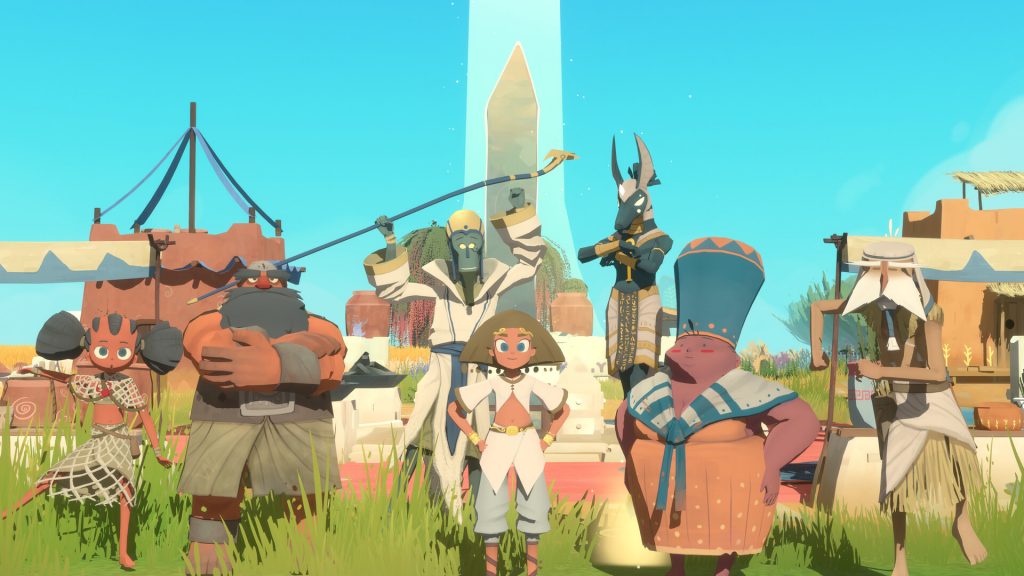
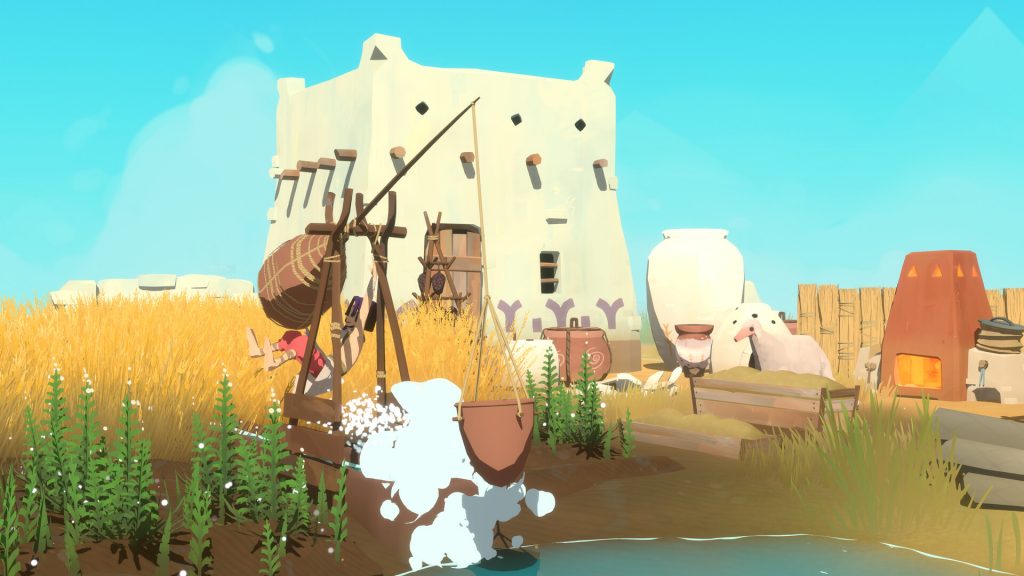
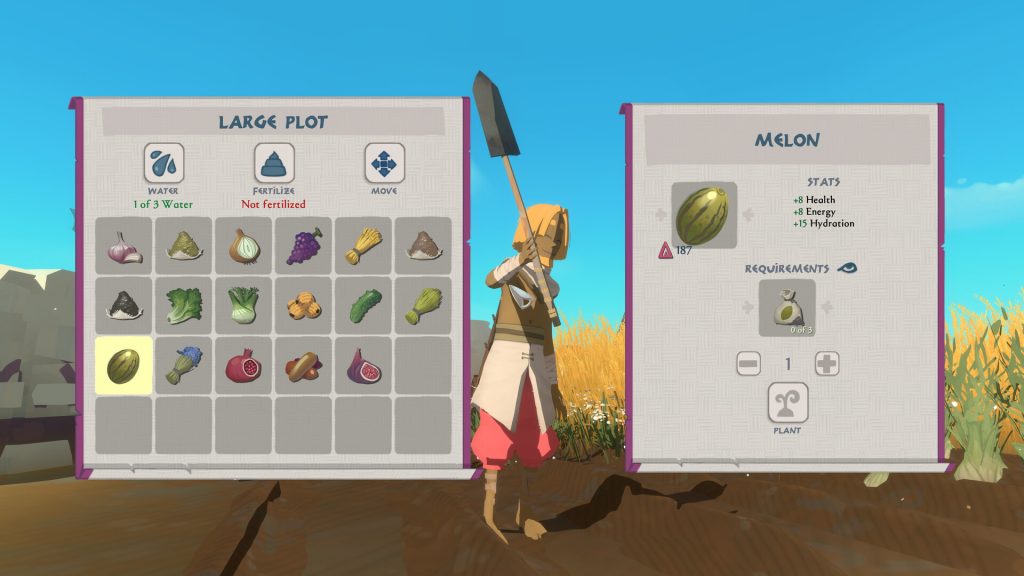
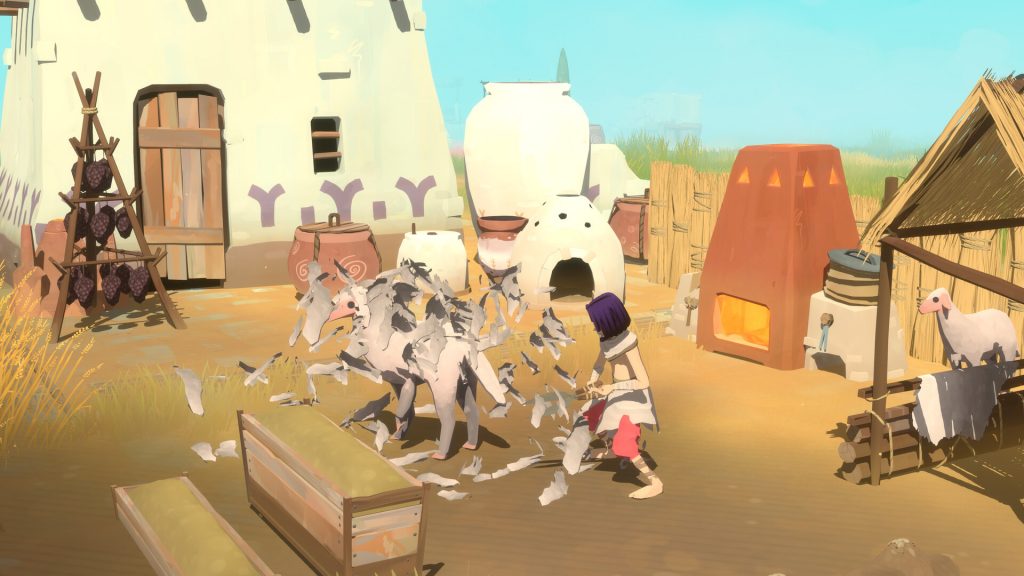
If the afterlife is this peaceful, dying might not be such a bad outcome. Fields of Aaru, the cozy open-world life simulation from Sacramento-based Zymartu Games, sets its entire game in Aaru — the ancient Egyptian mythological paradise believed to await worthy souls after death. Developed over three years by former Google and Amazon software engineers Marcel and Thu (a married team), the project has just released its Steam demo following its reveal at Summer Game Fest Women-Led Games Showcase 2026.
IGN’s coverage captured the premise efficiently: “a healing life simulation in which players farm, fish, and interact with the gods of the ancient Egyptian afterlife.” Targeting Q4 2026 release, Fields of Aaru enters one of indie gaming’s most competitive categories — cozy farming sims — with a culturally distinctive angle that differentiates it from the Stardew Valley-descended pack saturating the genre.
The Ancient Egyptian Cultural Foundation
The setting choice deserves examination because it’s doing significant work that the average cozy farming sim doesn’t attempt. Most life simulation games operate in either generic medieval European pastoral settings (the Stardew Valley template), contemporary suburban contexts (the Animal Crossing approach), or vague fantasy landscapes that draw from various sources without committing to any specific cultural tradition.
Fields of Aaru takes a different approach. The ancient Egyptian mythological paradise of Aaru provides a culturally specific foundation that’s both historically grounded and narratively distinctive. Aaru in Egyptian mythology, was the reed-filled paradise where worthy souls continued their existence after death — agricultural, abundant, peaceful. The mythological framework provides natural justification for farming-focused gameplay (Aaru was specifically agricultural) while opening narrative space for engagement with Egyptian deities that conventional farming sims couldn’t access.
The cultural specificity matters for international audiences in particular ways. Ancient Egypt’s cultural footprint extends globally through both authentic historical fascination and the considerable cultural representation in popular media. Players from virtually any cultural background have some exposure to Egyptian aesthetics — pyramids, obelisks, hieroglyphs, the gods like Anubis, Osiris, Ra. Fields of Aaru leverages this broad cultural familiarity while delivering genuinely specific Egyptian content rather than generic ancient-civilization aesthetics.
The afterlife framing also provides interesting tonal positioning. Most life sims operate in implicit “this is your life” registers. Fields of Aaru operates in “this is your afterlife” register, which subtly transforms gameplay psychology. The peace and abundance aren’t escapism from life’s pressures — they’re the rewards that worthy mythological souls earn. The peacefulness has narrative meaning beyond just being relaxing.
The Nile and Desert Aesthetic
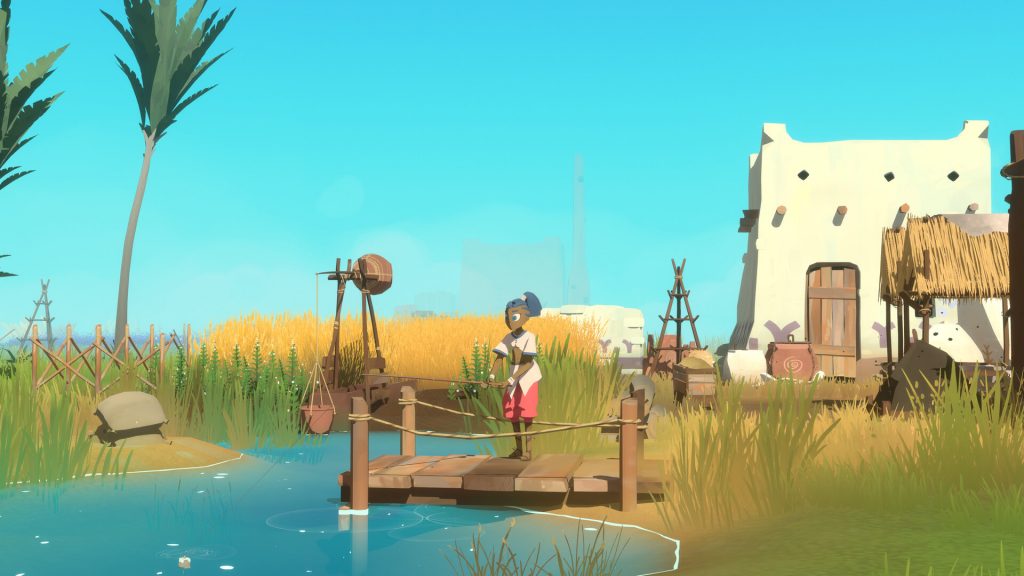
The visual identity combines two contrasting environmental registers. The Nile River basin provides fertile green expanses where farming, fishing, and community life concentrate. The endless golden desert surrounds these green spaces, providing exploration territory and mystery. Pyramids and obelisks create distinctive silhouettes that immediately establish the cultural setting.
This dual-environment approach is design-rich. Pure pastoral cozy environments can become visually monotonous; pure desert environments can become emotionally arid. The combination provides visual variety while supporting different gameplay registers — comfortable green spaces for daily life activities, mysterious desert spaces for exploration and discovery.
The audio design supports the dual environmental approach. Water sounds and bird songs combine with desert silence to create soundscapes that capture both the comfort of farming life and the mystery of exploration. This auditory variety serves the same function as the visual variety — providing different moods for different gameplay contexts within a coherent overall identity.
The aesthetic also delivers something particularly distinctive: golden hour lighting. Ancient Egyptian visual tradition is inseparable from the specific quality of Egyptian sunlight — the way light fell across the Nile, the way it reflected off sand, the way it illuminated stone monuments. Fields of Aaru‘s visual presentation appears to commit to this specific lighting character, which provides immediate visual identity that more generically-lit games can’t achieve.
The Cultural Gameplay Systems
The most genuinely innovative aspect of Fields of Aaru is how it embeds ancient Egyptian cultural practices into gameplay verbs. Rather than translating familiar farming sim mechanics into Egyptian visual styling, the game commits to recreating ancient Egyptian technology and practices as core gameplay systems.
Irrigation Canal Construction transforms terrain through hydraulic engineering. This wasn’t a decorative ancient activity — irrigation was the foundation of Egyptian civilization, the practice that made Egyptian agriculture possible in the desert environment. Fields of Aaru, treating this as core gameplay verb engages with what made ancient Egypt distinctively Egyptian.
Clay Firing for tool production. Ancient Egyptian pottery and ceramic technology represented a sophisticated craft tradition with distinctive aesthetic results. Including clay firing as a gameplay verb provides educational engagement with this tradition.
Stone Shaping for construction. Egyptian stoneworking produced some of humanity’s most enduring architectural monuments. Players engaging with this gameplay verb participate (at a simplified scale) in the cultural tradition that built the pyramids.
Obelisk Restoration that opens new regions. Restored obelisks unlock previously inaccessible areas and expand traversal options. This system uses culturally specific artifacts as both narrative elements and gameplay infrastructure — restored obelisks aren’t just decoration but functional elements of progression.
The cumulative effect of these systems is that Fields of Aaru doesn’t just visually represent ancient Egypt — it lets players experience ancient Egyptian technology and culture through gameplay. This is meaningful educational engagement embedded in entertainment, which is genuinely valuable, particularly for younger players who might encounter ancient Egyptian culture first through gameplay.
The Deity System
The most narratively distinctive system is the deity blessing structure. Players make offerings at temples to obtain blessings from gods including Ptah (craft and creation), Hapi (the Nile’s flooding and fertility), Sekhmet (war and healing), and others from the Egyptian pantheon.
This system serves multiple design functions simultaneously:
It provides strategic variety. Different deity blessings produce different gameplay benefits, creating strategic choices about which divine relationships to prioritize. Players can specialize in directions that complement their preferred play styles.
It engages with Egyptian religious culture authentically. The Egyptian pantheon is genuinely vast and specialized — different gods governed different domains, and ancient Egyptians made offerings strategically based on which divine assistance they needed. Fields of Aaru recreates this practical religiosity rather than reducing Egyptian polytheism to abstract spirituality.
It provides narrative texture. Each deity has a personality and a domain, which provides character variation that pure mechanical progression wouldn’t achieve. Players develop relationships with specific gods that produce the kind of memorable character interaction that defines great RPGs.
This system distinguishes Fields of Aaru significantly from secular farming sims. Stardew Valley has no gods. Animal Crossing has no gods. Most farming sims operate in fundamentally secular registers, even when they include vaguely magical elements. Fields of Aaru‘s commitment to an authentic Egyptian religious framework gives the project distinctive cultural depth.
Hidden Oases and Tomb Exploration
Beyond the agricultural village foundation, the desert contains hidden oases, ruins, pyramids, and tombs. Resources and knowledge obtained from these explorations feed back into village development, creating natural exploration-progression cycles.
This exploration content addresses a common cozy game limitation. Pure farming sims can feel claustrophobic when they confine players to small areas with limited variety. Fields of Aaru‘s desert exploration provides the open-world dimension that distinguishes it from confined village simulators while maintaining the cozy farming foundation as the gameplay home base.
The tomb exploration element is particularly notable. Tombs in ancient Egyptian culture weren’t just graves — they were elaborate spiritual and architectural projects designed for the afterlife. Including tomb exploration as gameplay content lets players engage with one of ancient Egypt’s most distinctive cultural practices while gathering resources and uncovering narrative content.
The Engineer-Couple Development Story
The development context behind Fields of Aaru adds a meaningful dimension to the project. Marcel and Thu’s backgrounds at Google and Amazon represent some of the most technically demanding software engineering positions in the industry. Their decision to leave these positions to develop indie games as a married team signals a serious commitment to creative work over commercial security.
The combination of engineering rigor and creative ambition often produces particular project qualities. Games developed by software engineers tend to have technical foundations that smaller-team developers sometimes lack — efficient code, scalable architecture, robust feature implementation. Fields of Aaru‘s three-year development cycle suggests the kind of careful, iterative work that engineering backgrounds typically enable.
The married-team dynamic also brings specific advantages to creative work. Long-term partners can develop the kind of shared vision and creative communication that committee development typically can’t match. Working with a spouse on extended creative projects requires trust and alignment that produces project consistency external collaborators sometimes struggle to achieve.
The Sacramento, California, location is also worth noting briefly. While not a major gaming development hub like Los Angeles or San Francisco, Sacramento has been gradually emerging as a creative production center as Bay Area costs push more people toward inland California. Fields of Aaru‘s development from Sacramento contribute to this broader pattern of California’s creative geography decentralization.
Critical Reception
International gaming media coverage has consistently noted the project’s distinctive cultural foundation. MonsterVine described it as “a work combining farming, construction, and village restoration set in an ancient Egyptian-inspired afterlife.” GameGrin highlighted the “impressive variety of gameplay elements, including resident interactions, quests, and ancient craft learning.”
IGN’s coverage represents the most significant pre-release visibility. The publication’s framing as “a healing life simulation in which players farm, fish, and interact with the gods of the ancient Egyptian afterlife” captures both the cozy gameplay foundation and the distinctive cultural setting. IGN coverage at this level for an indie life sim signals industry recognition that the project achieves quality levels deserving mainstream press attention.
The Summer Game Fest Women-Led Games Showcase platform provides additional cultural validation. Curated showcases for women-led projects don’t just provide visibility — they establish that the curators believe the work operates at quality levels appropriate for major platform exposure.
Who This Is For
Strong fit for: cozy life sim enthusiasts seeking culturally distinctive variations on the format; Stardew Valley, My Time at Portia, and similar farming sim fans; ancient history and ancient Egyptian culture enthusiasts; players interested in mythological settings; Sable fans drawn to desert exploration with cozy elements; couples and married gamers playing together; engineering-couple development project supporters.
Cautious fit for: players who prefer the more confined village structure of Animal Crossing over open-world exploration; anyone uncomfortable with the afterlife framing (though the game’s tone is decidedly peaceful rather than morbid).
Less ideal for: players seeking action-focused gameplay; anyone uninterested in farming sim mechanics; players who specifically prefer fantasy over historical mythological settings.
What to Watch For
A few questions will shape Fields of Aaru‘s Q4 2026 release.
The first is the cultural execution depth. Ancient Egyptian culture is rich enough that surface-level engagement could feel superficial while deeper engagement requires significant research. How well Fields of Aaru handles the cultural specificity — accurate representation, respectful engagement with religious practices, sufficient depth to feel authentic rather than tourist-friendly — will significantly affect critical reception.
The second is the gameplay variety across the campaign. Farming sims live on long campaigns where players invest dozens or hundreds of hours. Whether Fields of Aaru‘s content scope and progression systems sustain this kind of extended engagement will determine its commercial trajectory.
The third is the technical execution. Marcel and Thu’s engineering backgrounds suggest robust technical foundations, but ambitious open-world cozy sims face significant technical challenges. Whether the systems perform reliably at full scope will affect both critical and player reception.
The fourth is the international market positioning. The competitive cozy farming sim market includes major releases that Fields of Aaru must distinguish itself from. The ancient Egyptian cultural foundation provides clear differentiation, but converting that differentiation into commercial success requires effective marketing and platform positioning.
The Takeaway
Fields of Aaru is one of the more genuinely distinctive cozy farming sims on the immediate horizon, combining culturally specific setting (ancient Egyptian afterlife paradise of Aaru), authentic gameplay engagement with ancient Egyptian culture (irrigation, clay firing, stone shaping, obelisk restoration), narratively distinctive deity blessing system (Egyptian pantheon as gameplay system), and serious development discipline (three years of work by experienced software engineers).
For cozy farming sim enthusiasts, the project offers exactly the kind of cultural variation the genre has needed. Stardew Valley clones have saturated the category for years; Fields of Aaru‘s specific cultural foundation provides differentiation that pure aesthetic variation couldn’t achieve.
For ancient history and Egyptian culture enthusiasts, the project provides interactive engagement with cultural traditions that most games approach only superficially. The detailed engagement with Egyptian technology, religion, and architecture offers educational value embedded in entertainment, which is particularly valuable for younger players encountering Egyptian culture interactively.
For a broader gaming culture, Fields of Aaru contributes to the growing recognition that culturally specific work can find international audiences when executed with appropriate craft. The project doesn’t try to universalize its Egyptian setting into generic mythology — it commits to the specificity and trusts players to engage with what’s distinctive.
The Nile flows. The desert stretches beyond the green basin. Obelisks await restoration. Tombs hold mysteries and resources. Ptah, Hapi, and Sekhmet wait at their temples for offerings and prayers. Players new to the afterlife have farming to do, irrigation canals to dig, and an entire ancient civilization to engage with through gameplay rather than through textbook reading.
As cozy farming sim pitches go, Fields of Aaru‘s is one of the more genuinely thoughtful of 2026 — and the free Steam demo provides an immediate evaluation opportunity for players curious about whether the cultural foundation translates into satisfying gameplay practice. The Q4 2026 full release will reveal whether Marcel and Thu’s three years of engineering-grade development produce the kind of cozy game that becomes a lasting genre entry.
The paradise of Aaru is open. The Nile is waiting to be irrigated. And one of the more distinctive cozy farming sims of late 2026 is preparing to demonstrate that ancient Egyptian afterlife mythology can provide a foundation for some of indie gaming’s most peaceful and meaningful experiences.
Information regarding ‘Fields of Aaru’
| item | detail |
|---|---|
| Developer / Publisher | Zymartu Games (Sacramento, CA / Marcel & Thu husband-and-wife development team) |
| Genre | Cozy Open World Lifestyle Sim / Farming RPG / Exploration Sandbox |
| Release platform | PC (Steam) |
| Scheduled for release | Q4 2026 |
| demo | Free Steam demo available |
| background | Ancient Egyptian Mythological Paradise ‘Aaru’ / Nile River Basin and Desert |
| Development period | 3 years+ |
| Developer Background | A couple of former Google and Amazon software engineers |
| Public history | Summer Game Fest Women-Led Games Showcase / IGN Official Special |
| New system | Blessings of the gods such as Ptah, Hapi, and Sekhmet (obtained by offering sacrifices or temple services) |
| Main Content | Farming · Fishing · Irrigation · Clay Firing · Stone Forming · Obelisk Restoration · Tomb Exploration |
| Main Keywords | Ancient Egypt, Afterlife, Cozy, Farming, Nile River, Obelisk, Mythology, Open World |
| Official Channel | X · Bluesky |
| Steam Page | Go to Wishlist |