The first playable demo of Come to my party! — The visual novel from solo developer SIMSANG YOON (Lee Mi-ji) and publisher LINE Games has finally arrived. Revealed at Summer Game Fest 2026’s Women-Led Games Showcase and now available free on Steam with multi-language support (Korean, English, Japanese, Chinese), the demo provides international audiences direct access to one of the more distinctive visual novel projects of 2026.
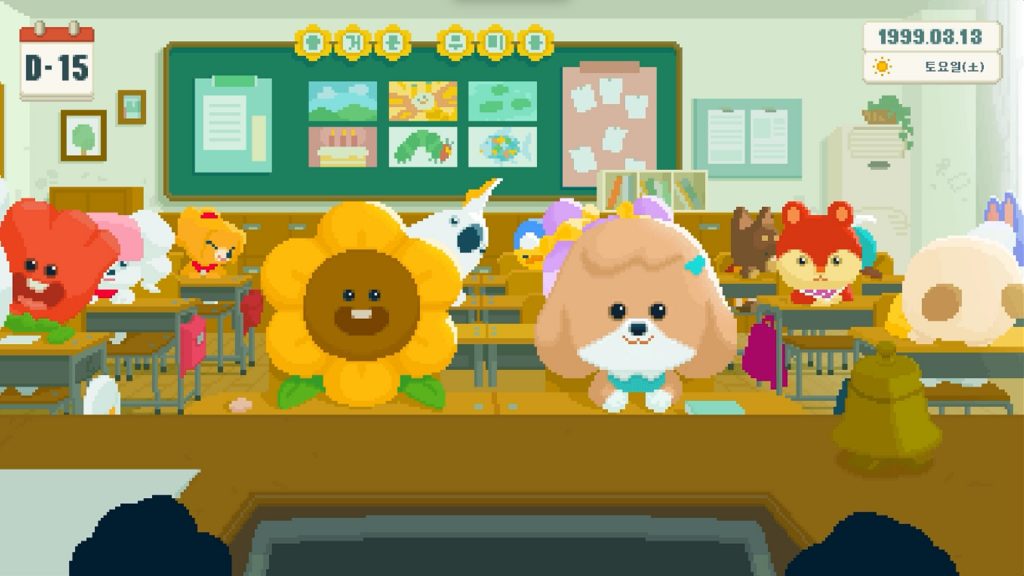
Set in a Korean elementary school in 1999, Come to my party! combines the universal emotional territory of childhood social dynamics (class elections, peer relationships, family tensions) with culturally specific Korean context (uniformed school life, sibling hierarchy dynamics, late-90s Korean material culture). The project carries unusual industry weight given its developer’s resume — Yoon has spent over a decade working with major Korean entertainment companies, including SM Entertainment, HYBE, Kakao, Devsisters, and Lotte, before transitioning to solo game development. Come to my party! is her debut game project.
[Related Article: ‘Come to My Party!’, a black comedy set in a Korean elementary school in 1999]
A Visual Artist’s Solo Game Debut
The developer’s background deserves specific attention because it shapes how to evaluate the project. Yoon’s commercial illustration career spans over ten years across some of Korea’s most significant entertainment companies. SM Entertainment, HYBE, and Kakao represent the Korean entertainment industry’s commercial peak — companies whose visual standards drive K-pop’s global aesthetic identity. Devsisters is responsible for Cookie Run, one of Korea’s most internationally successful mobile gaming franchises.
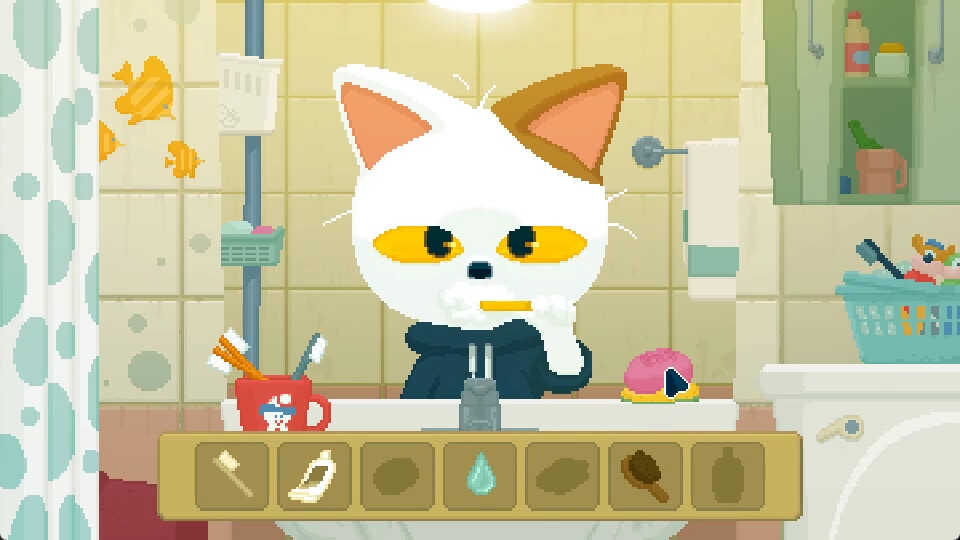
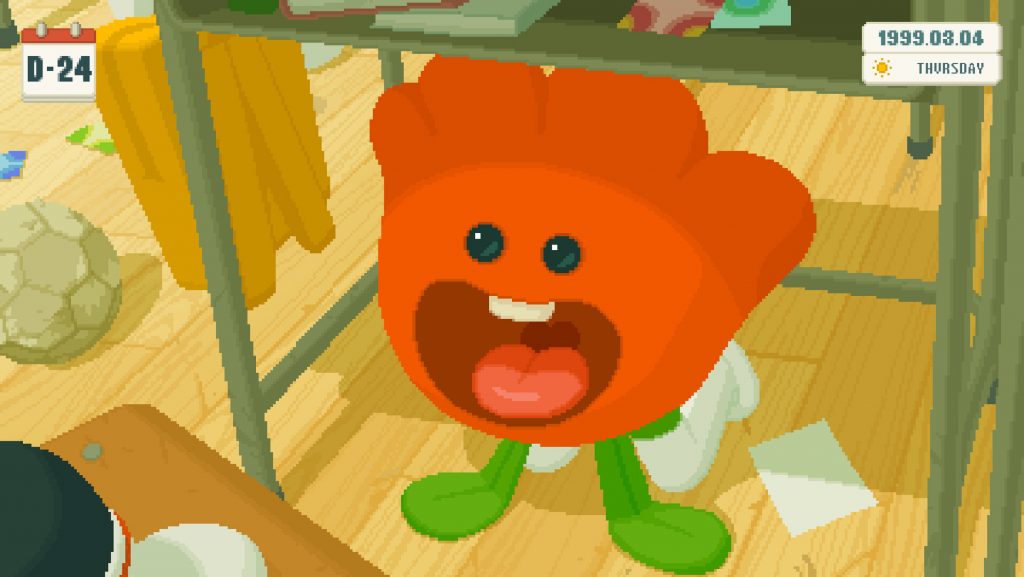
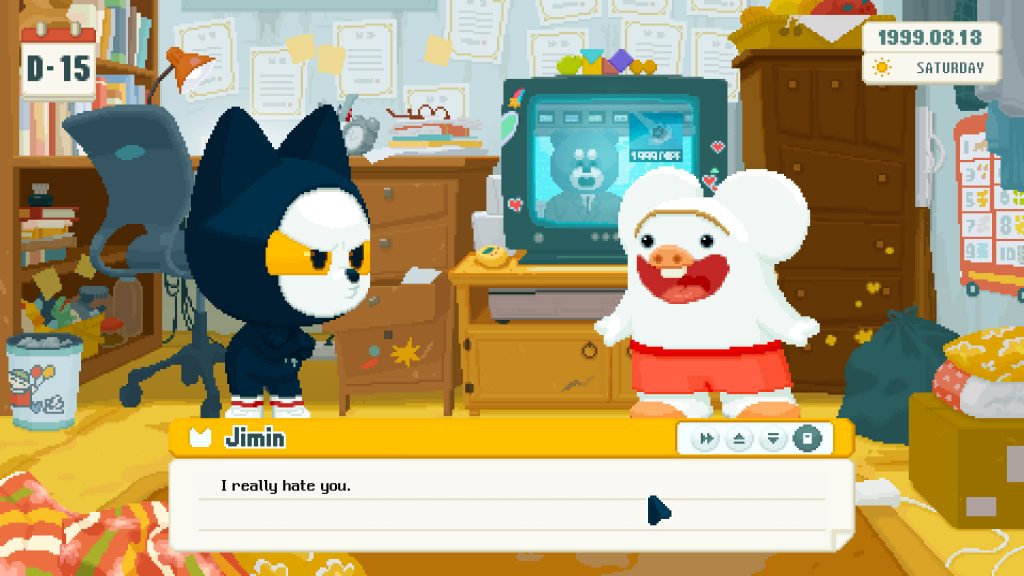
This commercial experience translates directly into Come to my party!‘s visual execution. The hand-drawn pixel art reflects accumulated craft from years of professional visual work, not the rougher execution typical of solo first-time developer projects. Players engaging with the demo are seeing the work of an experienced visual artist applying her professional skills to her own creative vision rather than another company’s commercial requirements.
The transition from commercial illustration to solo game development is itself significant. Major Korean entertainment companies provide stability and steady commercial work; transitioning to solo indie development requires accepting income uncertainty in exchange for creative autonomy. Yoon’s decision to make this transition signals a serious commitment to Come to my party! as a personal creative project rather than a commercial calculation.
The “no AI-generated content” specification is particularly meaningful given Yoon’s professional background. Commercial illustrators are increasingly facing AI tools that can produce work approximating their professional output at a fraction of the cost. By explicitly committing to entirely hand-drawn execution, Yoon positions Come to my party! as a statement about manual craft value at a moment when that value is under significant pressure in commercial creative industries.
The 1999 Korean Elementary School Setting
The setting choice deserves careful examination because it operates on multiple levels simultaneously.
For Korean players who lived through this era, the setting evokes specific cultural memories: the schoolyard architecture and uniform systems, the social hierarchies of class president elections, the family dynamics in households with multiple siblings, and the late-90s material culture that filled Korean childhood. These specific references produce immediate cultural recognition that more abstract or generic settings can’t achieve.
For international players, the Korean specificity functions as a cultural translation opportunity. Childhood social experiences are universal in their emotional territory (everyone has navigated peer relationships, class dynamics, sibling tensions) but culturally specific in their expression. Come to my party! Let’s international audiences engage with universal childhood themes through Korean cultural framing, which provides both a fresh perspective on familiar experiences and meaningful cultural exposure for non-Korean players.
The specific 1999 timing is also notable. Korean culture experienced a significant transition during the late 1990s — the country was emerging from the IMF Crisis, K-pop was establishing its first major successes, and technology was rapidly modernizing daily life. The setting captures a specific historical moment with distinctive cultural texture rather than a generic “1990s Korea” abstraction.
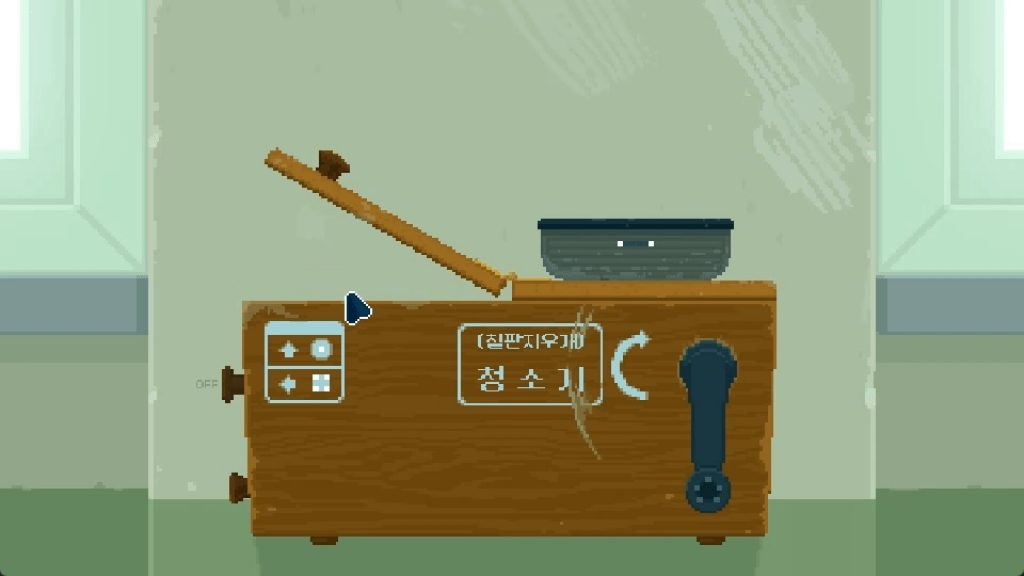
The visual rendering supports this cultural specificity. The classroom architecture, the schoolyard layouts, the uniforms and lunch items, and the elements of late-90s Korean material culture all need accurate execution for the setting to feel authentic to Korean players while remaining accessible to international ones. The hand-drawn pixel art approach allows the visual details that make the setting feel genuinely lived-in rather than tourist-photographed.


The Protagonist: Ji-min’s Middle Child Story
The central character is Ji-min, a middle daughter wearing her older sister’s hand-me-downs and existing slightly outside her family’s primary attention. With a model student older sister and a beloved youngest brother, Ji-min navigates the complex psychological territory of middle child existence — present but not central, expected to manage independently while her siblings receive more focused attention.
Her dream provides the game’s structural motivation: to become class president so she can host her own birthday party. The combination is both modest and emotionally significant. Class president is an achievable goal that adults might dismiss as minor; the birthday party represents personal recognition that the family hierarchy fails to provide. The dream feels small and large simultaneously — exactly the way important goals feel during childhood.
This character framing accomplishes important things. Middle child psychology is a universal experience that many players will recognize from their own lives or close relationships. The combination of social ambition (class president) and personal recognition (birthday party) gives Ji-min motivations that drive gameplay without requiring elaborate setup. The character emerges immediately legible to players regardless of their cultural background or familiarity with Korean elementary school structures.
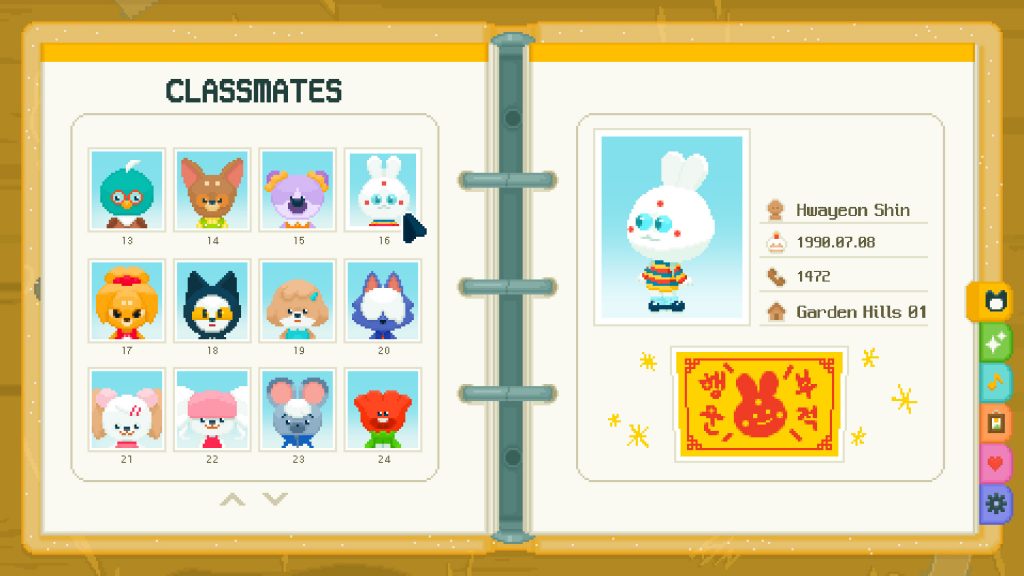
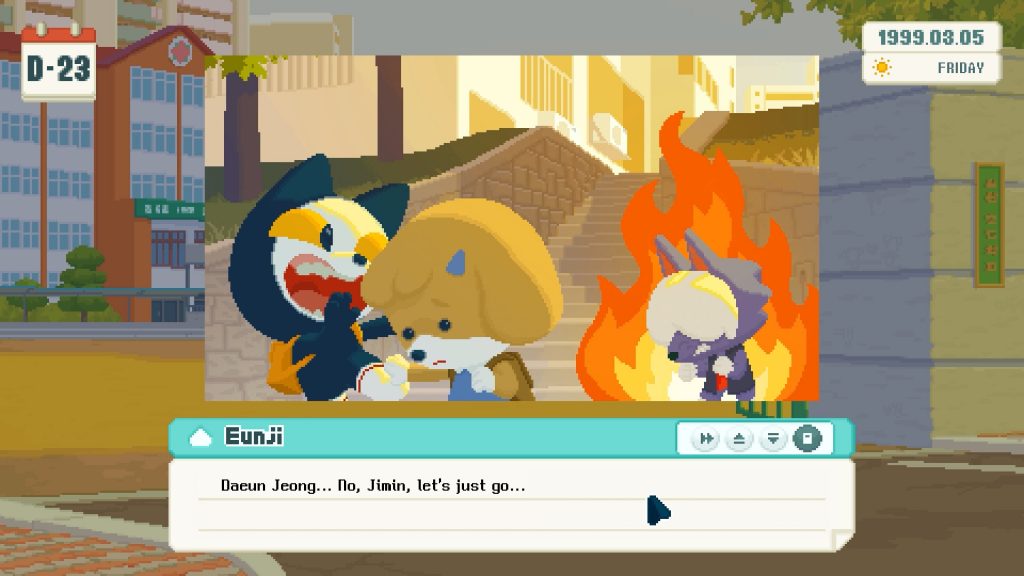
The supporting character roster — shy Eun-ji, mysterious Da-eun, and various friends — provides the social environment for Ji-min’s journey. Visual novels live or die on character depth, and Come to my party!‘s success will depend significantly on how well these supporting characters develop into distinct individuals rather than functional plot elements.
The 12-Ending Structure
The 12-ending structure represents serious narrative ambition for a visual novel. Most visual novels offer 3-5 endings; 12 endings indicate substantial branching narrative architecture that requires significant writing investment. The number suggests Yoon has built genuinely meaningful choice consequences rather than nominal branching that produces variations on the same conclusion.
For a visual novel as a medium, the choice consequence depth determines whether players engage seriously with their decisions or treat them as cosmetic. Games with shallow choice consequences (where the player ends up at roughly the same place regardless of decisions) train players to disengage from choices. Games with substantial consequence variation (where decisions produce genuinely different outcomes) train players to consider choices seriously.
12 endings emerging from elementary school social dynamics also imply that the game treats these social situations with the seriousness they deserve emotionally. Childhood class elections and birthday party planning feel monumentally important in childhood; rendering this importance through extensive ending variation respects the player’s investment in the protagonist’s perspective. The game isn’t dismissing childhood concerns as trivial — it’s recognizing that these concerns ARE the entirety of a child’s world.
The dark comedy framing adds important tonal complexity. Pure earnest treatment of childhood emotional content could become saccharine; pure ironic treatment could become condescending. Dark comedy threads the needle by taking childhood experiences seriously while acknowledging their absurdity from an adult perspective. The protagonist’s stakes are real, but the game’s tonal register allows for humor about the gap between child-perspective importance and objective scale.
The Period Audio Reproduction
The sound design focuses on reproducing the 1999 Korean elementary school atmosphere. The bustling sounds of classrooms, the energy of schoolyards during break time, the silence of empty classrooms after school — these audio elements are described as carefully captured to evoke the period’s specific emotional texture.
For Korean players, these audio cues likely produce immediate sensory memory access. Sounds from childhood environments are among the most powerful nostalgia triggers available — the specific sonic textures of school environments produce embodied memory in ways that visual reproduction alone can’t achieve.
For international players, this audio detail provides additional cultural specificity. Even players who never experienced Korean elementary school can perceive the sonic care taken in environmental reproduction, which builds the sense that Come to my party! It is genuinely rendering a specific place rather than constructing a generic school setting.
The audio approach also supports the dark comedy tonal balance. Different sonic textures (energetic schoolyard noise versus empty classroom silence) provide tonal variety that the writing alone couldn’t establish. The shift between these registers helps the game move between humor and emotional gravity without abrupt tonal whiplash.
The Summer Game Fest 2026 Platform
The Women-Led Games Showcase platform deserves specific recognition. Summer Game Fest has become one of the gaming industry’s most significant promotional events, and the Women-Led Games Showcase specifically provides visibility for projects led by women developers. Come to my party! The inclusion among games featured by IGN, GameSpot, and The Game Awards coverage represents significant international exposure that solo developer projects rarely achieve.
Hosted by Briana White, the showcase positioned Come to my party! alongside major titles including Soulframe and We Were Here Tomorrow. The company is meaningful — being included in a curated showcase with games from larger studios signals that the curators believe Come to my party! operates at competitive quality levels.
For LINE Games specifically, the project represents their first significant PC gaming initiative. The publisher has communicated plans to expand into PC titles with additional projects, including Ember and Blade, and Hamster Talk. Come to my party!‘s Summer Game Fest visibility provides momentum for LINE Games’ broader PC publishing strategy.
The multi-language demo localization (Korean, English, Japanese, Chinese) extends accessibility significantly beyond the initial Korean-only release. East Asian visual novel audiences represent some of the medium’s most committed segments, and Come to my party!‘s simultaneous coverage across these markets positions the project for substantial Asian regional success.
Community Demo Feedback
Steam Community response since the demo release has emphasized several specific improvement directions. Save and load functionality additions have been recognized positively. The flowchart-style “Story Map” refinement has been welcomed. Choice hint functionality additions for user convenience have generated a favorable response.
This kind of demo-stage community feedback integration is exactly how visual novels mature toward final release. Visual novel players have developed strong opinions about what features serve their reading and replay experiences, and developers who listen to this feedback typically deliver better final products than developers who ship initial designs unchanged.
The willingness to refine the project based on community input also signals Yoon’s collaborative development approach. Solo developers don’t have to listen to community feedback — they can ship their vision unchanged if they choose. The decision to integrate user-experience improvements suggests Yoon prioritizes player experience alongside creative vision.
Who This Is For
Strong fit for: visual novel enthusiasts seeking culturally distinctive works; Korean culture fans curious about late-1990s Korean elementary school experience; players who appreciate dark comedy treatment of childhood themes; NieR fans drawn to emotionally complex narratives with multiple endings; pixel art enthusiasts appreciating professional-level craft; solo developer project supporters; followers of Asian indie gaming.
Cautious fit for: players who prefer action-focused gameplay over text-heavy narrative; anyone uncomfortable with childhood emotional content that engages serious themes.
Less ideal for: players seeking traditional gameplay rather than choice-based reading; anyone allergic to pixel art aesthetics; players who specifically prefer fantasy or sci-fi settings over real-world historical periods.
What to Watch For
A few questions will shape Come to my party!‘s Q4 2026 release.
The first is how the cultural specificity translates across language editions. Korean cultural references that work seamlessly in Korean may require careful localization decisions for English, Japanese, and Chinese versions. How well the multi-language editions preserve the cultural texture while remaining accessible to non-Korean readers will affect international reception significantly.
The second is the 12-ending architecture’s actual depth. Endings can be genuinely different narrative resolutions or variations on similar conclusions. How meaningfully the choice consequences diverge across the 12 endings will determine whether the game provides substantial replay value or surface-level branching.
The third is the dark comedy execution. Tonal balance between humor and emotional weight is genuinely difficult, especially across an extended narrative. Come to my party! Maintaining the balance throughout or struggling with tonal consistency will affect critical reception.
The fourth is LINE Games’ continued PC initiative trajectory. Come to my party! As their flagship demonstration, the publisher’s commitment to PC visual novels and indie content will be assessed based on this project’s reception. Continued PC initiative depends partly on the commercial success of this first major release.
The Takeaway
Come to my party! is one of the more distinctive Korean indie projects on the current calendar, combining experienced commercial visual art expertise (Yoon’s decade-plus career), culturally specific setting (1999 Korean elementary school), substantial narrative ambition (12 endings), dark comedy tonal commitment, and meaningful international platform support (Summer Game Fest Women-Led Games Showcase exposure, multi-language demo release, LINE Games publishing).
For visual novel enthusiasts internationally, the project represents an unusual opportunity to engage with culturally specific Korean indie work at high craft quality. The multi-language demo provides an immediate evaluation opportunity, and the Q4 2026 release window means committed players don’t need to wait long for the full experience.
For Korean indie scene observers, Come to my party! exemplifies several positive trends: experienced commercial creators transitioning to indie game development, solo developers achieving major showcase platform visibility, and publishers like LINE Games supporting culturally distinctive Korean content for international audiences.
For a broader gaming culture, the project demonstrates how culturally specific work can achieve international relevance when executed with sufficient craft. Come to my party! doesn’t try to universalize its Korean elementary school setting into generic childhood — it commits to the specificity and trusts international players to engage with what’s different rather than only what’s familiar.
A Korean elementary school in 1999. A middle child named Ji-min, wearing hand-me-down clothes and dreaming of class president victory and her own birthday party. Hand-drawn pixel art with no AI generation. 12 possible endings. Dark comedy treatment of childhood emotional territory. Summer Game Fest platform exposure. Multi-language demo availability. Solo developer with major commercial visual arts experience.
As visual novel pitches go, Come to my party!‘s is one of the more genuinely distinctive of 2026 — and the demo’s availability means interested players can immediately evaluate whether the cultural specificity, craft commitment, and emotional ambition match what they’re looking for.
The school is open. The class president election is approaching. Ji-min’s birthday party dream is waiting to be realized. And one of Korean indie gaming’s more thoughtfully constructed visual novels is preparing for its full reveal later this year.
Information regarding ‘Come to my party!’
| item | detail |
|---|---|
| developer | SIMSANG YOON (Image, Korea / Solo Development) |
| Publisher | LINE Games Corporation |
| Genre | Visual Novel / Dark Comedy / Choice Adventure |
| Release platform | PC (Steam) / STOVE |
| Scheduled for release | Fourth quarter of 2026 |
| demo | Free Steam Demo Available (Supports Korean, English, Japanese, and Chinese) |
| Number of endings | 12 kinds |
| background | 1999 Korean elementary school |
| Art style | Hand-drawn pixel art (no AI-generated content) |
| Developer Background | SM Entertainment·HYBE·Kakao·Devsisters·Lotte Collaboration Visual Artist |
| Public history | Summer Game Fest 2026 Women-Led Games Showcase (hosted by Briana White) |
| Main Keywords | Visual Novel, 1990s, Korean Elementary School, Dark Comedy, Coming-of-Age, Multiple Endings, Pixel Art |
| Official Channel | TikTok · Instagram · X · Discord · YouTube · Bluesky |
| Steam Page | Go to Wishlist |