By IndieGame.com Desk | Updated: January 2, 2026
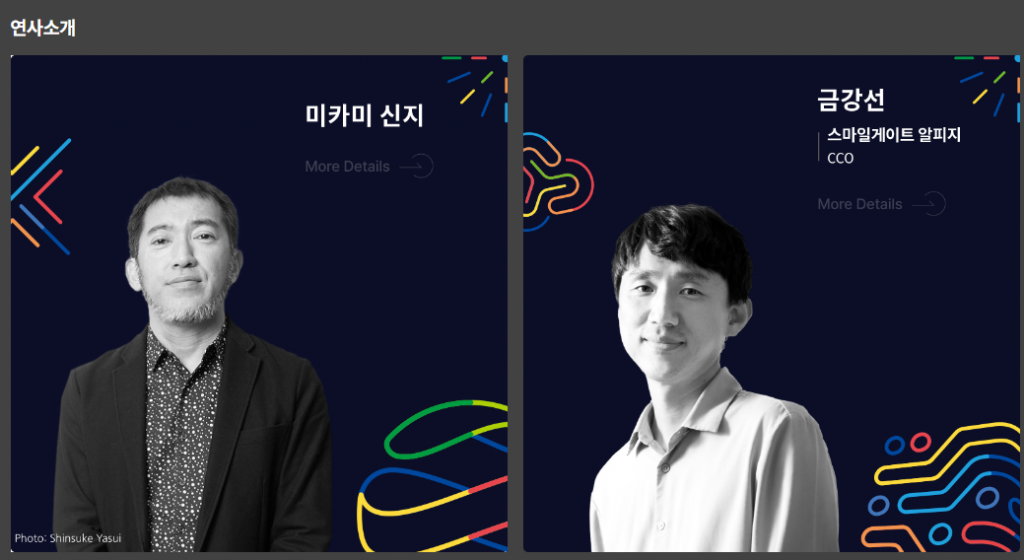
The traditional model of game developer conferences is facing a crisis of relevance. While major events like G-STAR or IGC still draw crowds with high-profile keynotes from legends like Mikami Shinji, the mid-to-small-scale regional seminars are struggling to find their footing. Against this backdrop, the Chungbuk Global Publishing Summit 2023 has emerged as a landmark case study on how to evolve the conference model to meet the actual needs of modern developers.
The Crisis of the “One-Way” Lecture
For years, developer conferences relied on a simple formula: a famous speaker on a stage and a passive audience in chairs. However, this model is no longer effective for several reasons:
- The “Stage Fright” Factor: Great developers aren’t always great speakers. Many of the industry’s brightest minds find public speaking stressful, making it increasingly difficult to recruit high-quality “named” speakers.
- The Webinar Fatigue: In a post-COVID world, technical knowledge is ubiquitous online. Audience members no longer travel to venues just to learn; they travel to interact and network.
- Corporate Restrictions: Many top-tier companies are hesitant to allow their key personnel to speak publicly for fear of leaking internal methodologies or trade secrets.
Rethinking the Model: From Lectures to Coaching
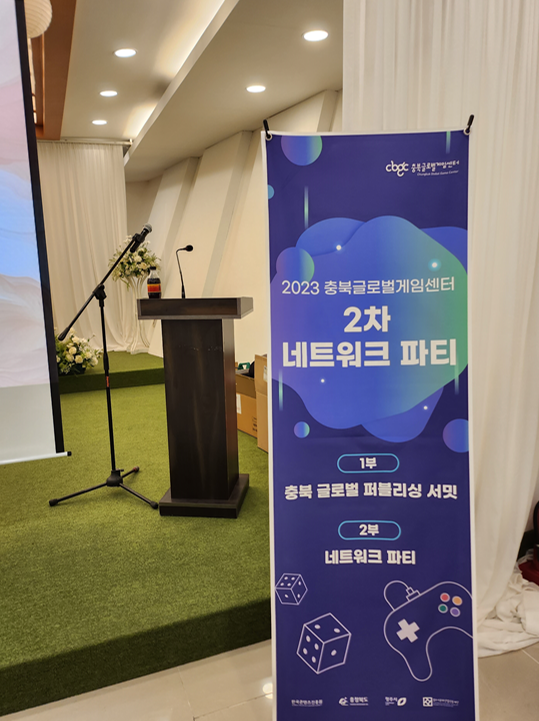
The Chungbuk Global Publishing Summit 2023, held at Urban Cruise in Cheongju, abandoned the “one-way” lecture format in favor of a direct, two-way interaction model.
Instead of broad-themed speeches, the summit invited executives and marketing experts from countries that drive Korea’s major game exports—such as Thailand and Taiwan—to provide direct, hands-on coaching to local indie developers.
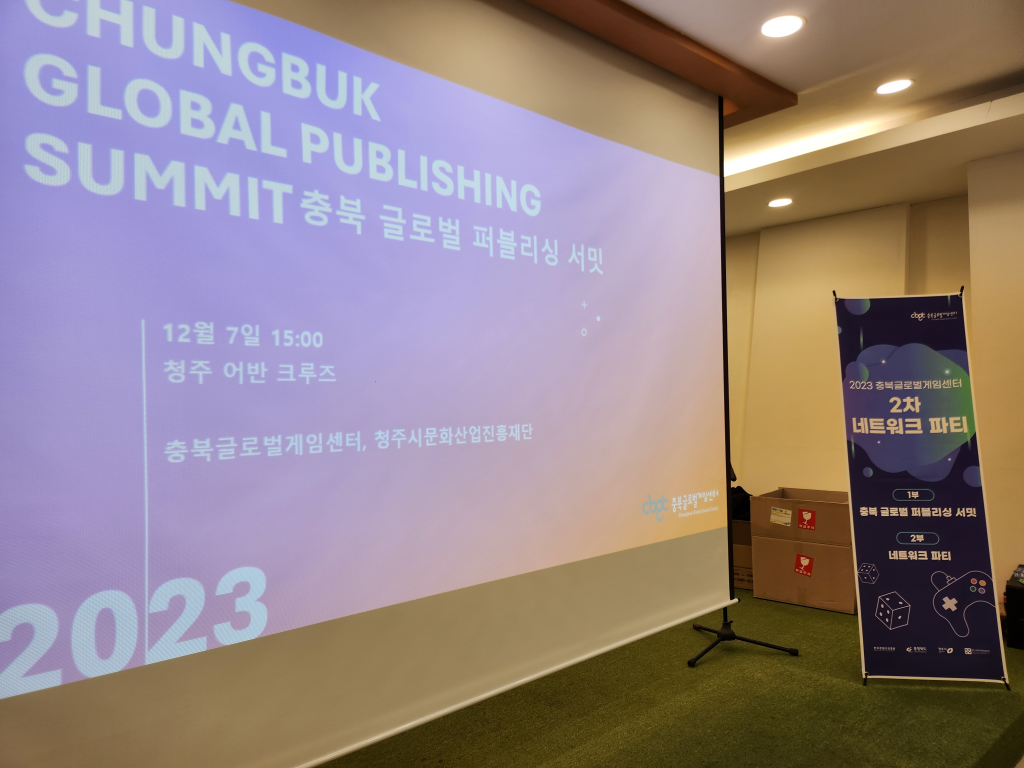
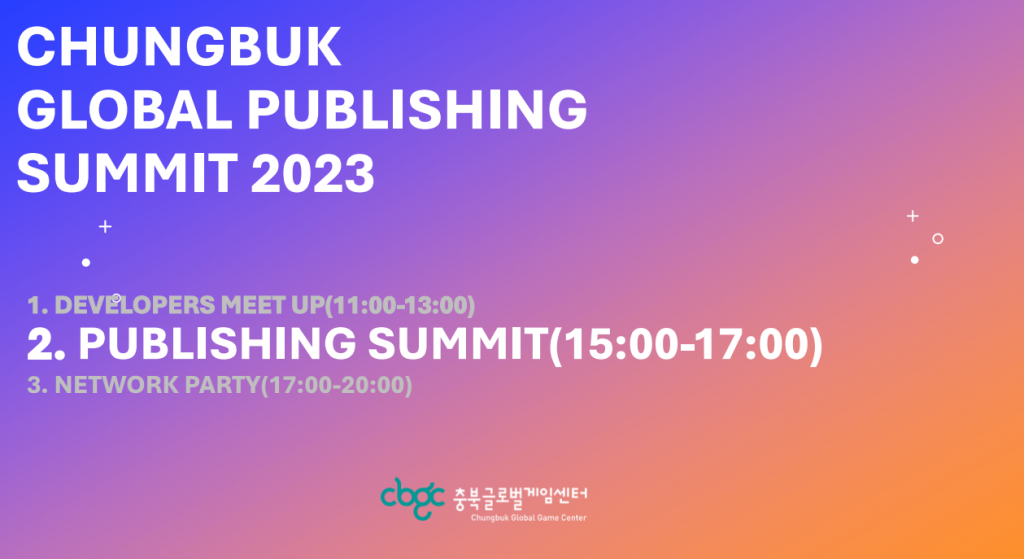
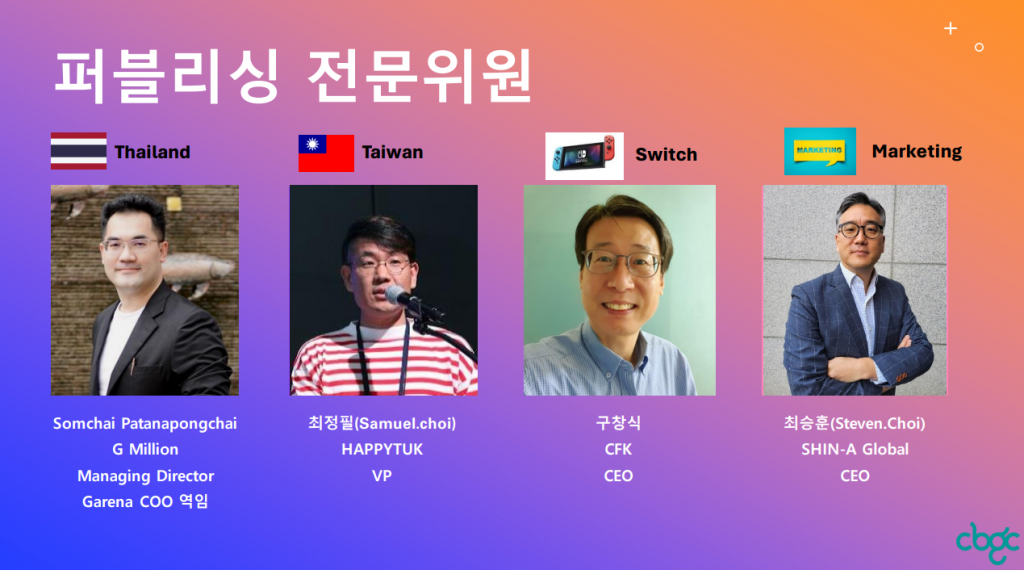
Through this ‘Chungbuk Global Publishing Summit 2023′ event, the Chungbuk Global Game Center directly invited executives and marketing experts from major publishers in countries where Korean games’ major exports and sales are generated to Korea to introduce the center’s games, meet with game companies, and hold events. We have prepared an opportunity to receive direct coaching regarding localization for each country.
- Developers Meet-up
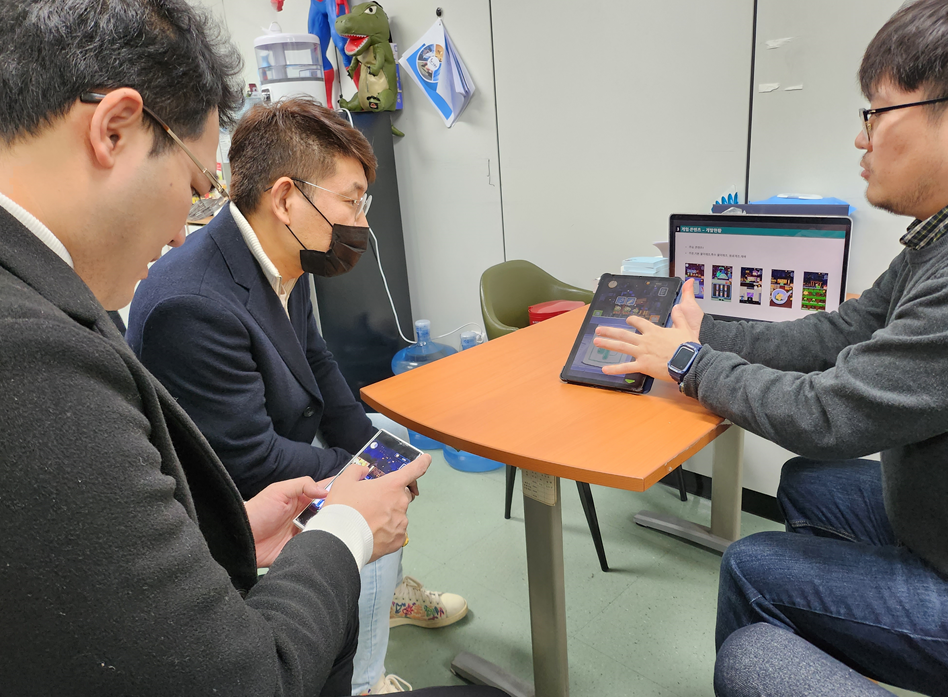
Since most indie game companies are small in scale, it is difficult to expect to be selected and benefit from overseas game show B2B programs due to a lack of competitiveness when comparing directly with carefully selected games from mid-sized companies. Even if you are lucky enough to be chosen, in most cases, promotion material preparation and global build response are inadequate. In most cases, due to the nature of overseas publishers who have no choice but to prioritize managing a small number of games and companies of interest, they are often pushed out of actual preferences and priorities. No see.
In other words, it is virtually difficult for indies to expect export contracts to be achieved through B2B events. Therefore, game show support for indies shouldn’t be B2B-centered, but rather B2C support to improve local user testing and understanding of the market and users by country. For indies, it is much more essential to meet users directly through B2C experiences at domestic or overseas exhibitions, observe users’ gameplay, and establish goals for the next update by supplementing the game through that experience.
In addition, since global launching is essential for indie developers, meetings and direct advice with overseas publishing experts based on local service experience are necessary to achieve global results.
2. Publishing Summit
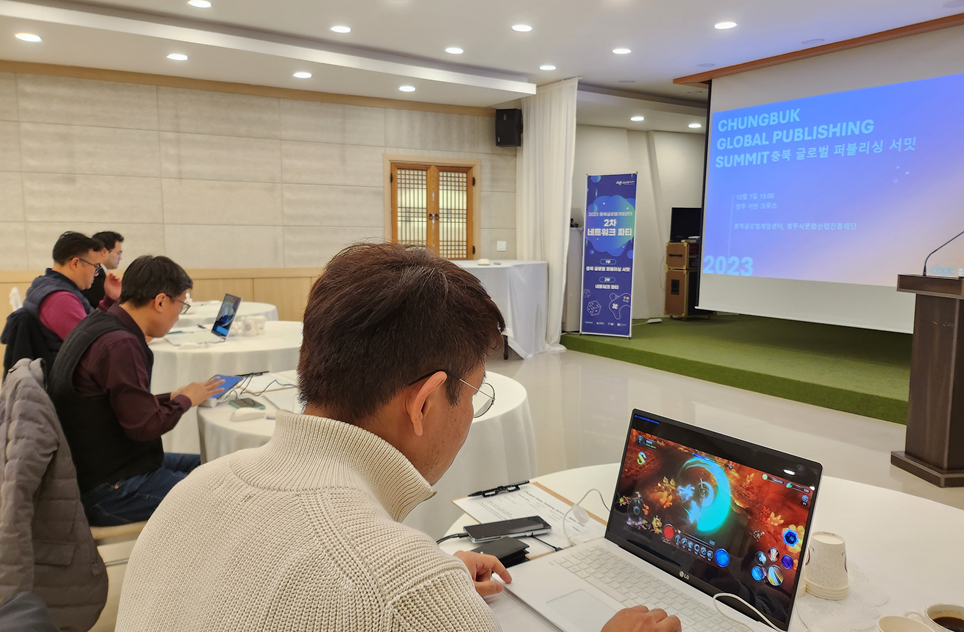
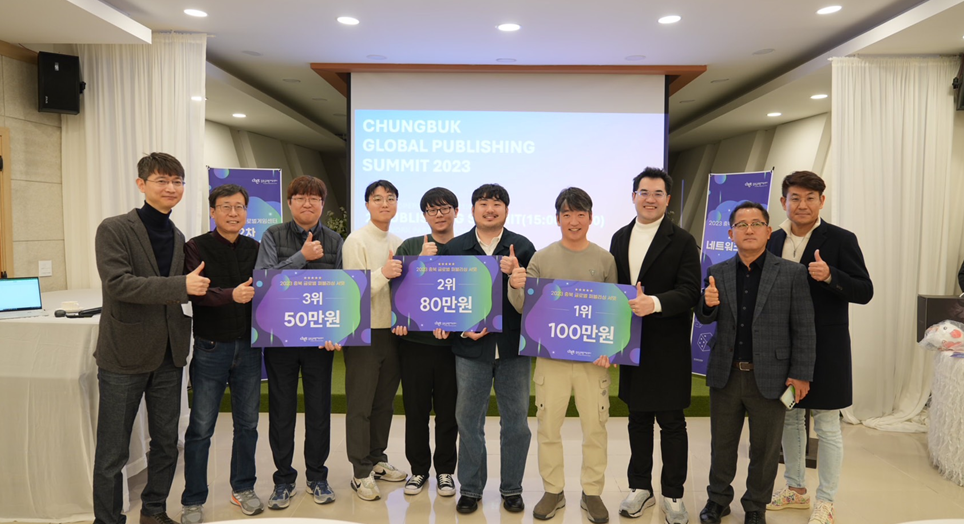
At this event, Korean and foreign publishing experts provided direct and practical advice for global, direct and practical guidance for global expansion was supplied by domestic and foreign publishing experts through an open conference. Improving understanding of international services and major markets in each country is a common need for most game companies, and each session of the summit included in-depth discussions and active questions regarding the global expansion of indie developers from North Chungcheong Province.
Key Features of the Summit:
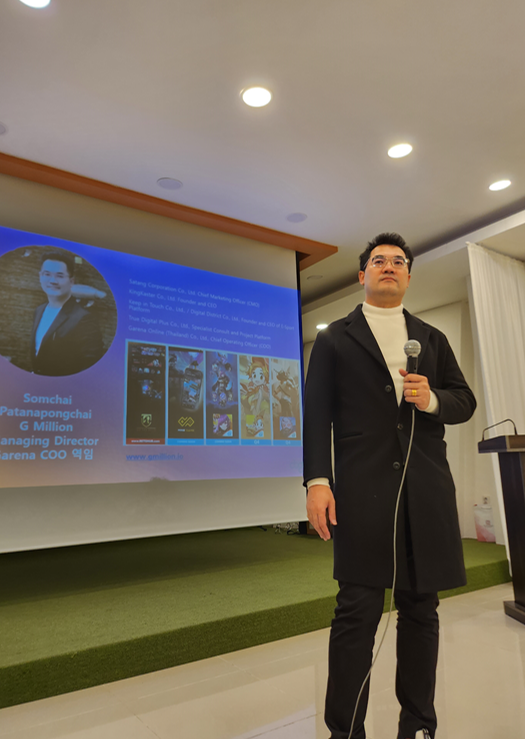
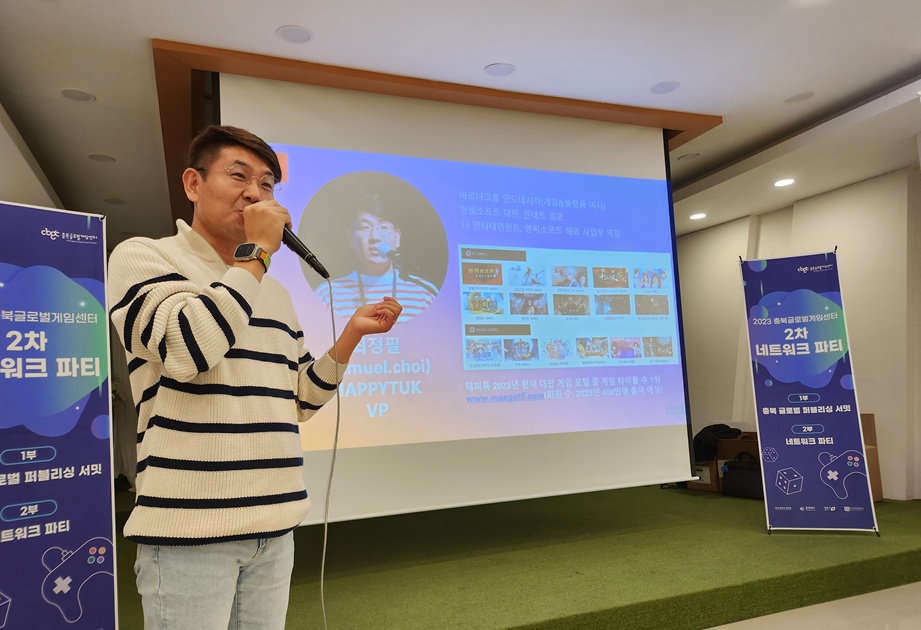
- Direct Coaching Sessions: Experts like Somchai (COO from Thailand) and Choi Jeong-pil (VP of HappyTuk, Taiwan) provided localized advice on naming, market research, and specific cultural nuances for their respective regions.
- Meet-up Programs: Overseas publishers visited local studios in person to understand their development culture and provide immediate feedback on their builds.
- B2C-Centric Support: A significant insight from the summit was that for indies, B2C (Business-to-Consumer) exposure is more valuable than B2B (Business-to-Business) matchmaking. Direct user feedback allows indies to set clear goals for their next update, which is far more practical than being buried in a publisher’s “pool” of titles.
Expert Commentary: Why Real Interaction Matters
Professor Jung Mu-sik of Gachon University’s Department of Game and Visual Arts, who served as the summit’s chief planner and moderator, highlighted the necessity of this shift.
“In the current Korean game industry, which is being reorganized around indies, ineffective B2B matchmaking events often leave developers meeting only ad agencies. What indies truly need are B2C programs where they can find areas of improvement through direct user interaction, or high-density sessions where they can receive practical advice from global service experts.”
Conclusion: Gwangju and Cheongju as Rising Indie Hubs
The success of the Chungbuk Global Publishing Summit 2023 has set a new standard for regional game support. By focusing on the quality of interaction over the quantity of attendees, the event provided a roadmap for how cities like Cheongju can overcome regional extinction crises and become specialized hubs for indie development.
As we move through 2026, the industry is increasingly looking toward these “practical” models as the only way to sustain the creative energy of the K-indie ecosystem.